Backflow Prevention Testing and Certification in East York
Backflow prevention testing and certification in East York for condos and multi-residential buildings, with local inspection, compliance, costs and timelines.
Backflow Prevention Testing and Certification in East York
Quick summary: Backflow prevention testing in East York is not just a paperwork exercise. In the older apartment towers and condominium buildings that run along O’Connor, around Thorncliffe Park, and through the Danforth corridor, a failed or neglected backflow assembly can become a compliance issue, a water quality risk, and a mechanical room emergency all at once. For property managers and condo boards, annual testing works best when it is tied to real inspection, usable documentation, and a plan for repairs before winter pressure swings and year-end budgeting.
Why backflow prevention issues show up in East York buildings specifically
East York sits within the City of Toronto, so local buildings are dealing with Toronto’s cross connection control requirements, not a separate municipal utility regime. That matters because many properties in East York were built in very different eras, and the domestic water service arrangement often reflects the standards and risk assumptions of the time.
A large share of East York’s multi-residential stock is older than the downtown glass-tower market. There are postwar rental buildings, 1960s and 1970s slab-style apartments, and a smaller number of later condominium mid-rises and infill projects. In the older stock, it is common to find mechanical rooms that have been modified repeatedly over decades: incoming water service reworked, booster systems added or changed, irrigation connections introduced, and make-up water lines feeding hydronic or cooling equipment. Every one of those changes creates potential cross connection points, and not every older building has clean records showing what was installed and when.
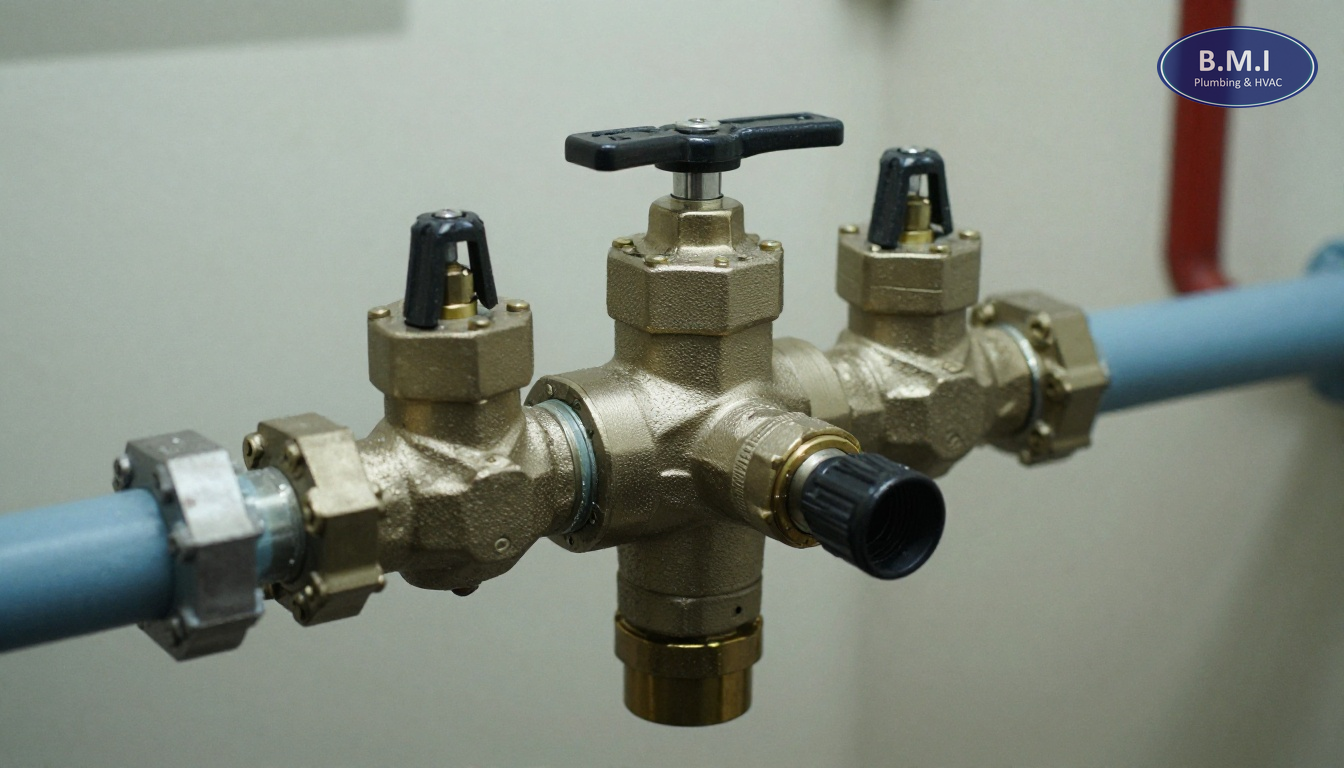
That is why annual backflow prevention testing and certification in East York often starts with basic field verification. The device shown on an old report may not match what is actually in the room. In some buildings, the backflow assembly is accessible and properly valved. In others, it is tucked behind added piping, close to the floor, or crowded by later equipment.
Local logistics matter too. East York buildings often do not have the broad loading areas and oversized service corridors you see in newer master-planned condo communities. In older buildings, access to the mechanical room may involve tight basement corridors, limited elevator service, or scheduled access through a superintendent’s area. That affects how quickly a failed device can be serviced or replaced.
Fall is also a practical time for East York managers to deal with this work. Water demand patterns change, heating systems are coming online, and boards are asking for numbers. If a backflow assembly is marginal, it is better to identify that during scheduled testing than during an emergency call tied to a relief valve discharge or a shutoff that will not reseat.
For buildings that want to tie this work into broader planning, BMI also handles condominium plumbing maintenance programs that align annual compliance testing with other recurring mechanical checks.
How backflow problems present in East York condominium plumbing
Most managers do not get the first call as “we have a cross connection control issue.” They get symptoms.
In East York buildings, the most common report is that the annual certification is due and the previous contractor noted a failure, incomplete test, or missing information. Another common scenario is visible dripping or intermittent discharge from the relief port on an RP or RPZ assembly in the mechanical room. Staff may also report that isolation valves around the assembly are seized, tagged improperly, or appear to leak when exercised.
Where the building has a booster system or pressure reducing setup, there may be confusion between pressure problems and backflow device problems. Residents may complain about fluctuating pressure, while the actual issue on inspection is that the assembly upstream is fouled or the shutoffs around it are not holding properly. In older East York stock, these systems are often layered together over time, so one defect masks another.
Managers should also watch for these practical warning signs:
- annual test reports with no actual differential readings recorded
- repeated failures without a repair history
- a backflow preventer installed with poor clearance for testing and maintenance
- corrosion or chronic dampness below the relief valve discharge area
- no clear inventory of which assemblies exist in the building and what they protect
When a building has suites with plumbing alterations, commercial tenancies at grade, irrigation, or dedicated make-up water serving equipment, the need for proper cross connection control becomes more important. This is especially relevant in mixed-use pockets near the Danforth where ground-floor uses can change over time.
If there is uncertainty about related system condition, a manager may also need supporting work such as camera pipe inspection or broader repairs and service for condominium plumbing to confirm whether the issue is isolated to the assembly or part of a larger mechanical problem.
What backflow testing and inspection in East York should actually involve
A proper annual test is technical, documented, and traceable. It is not just a visual look and a signature.
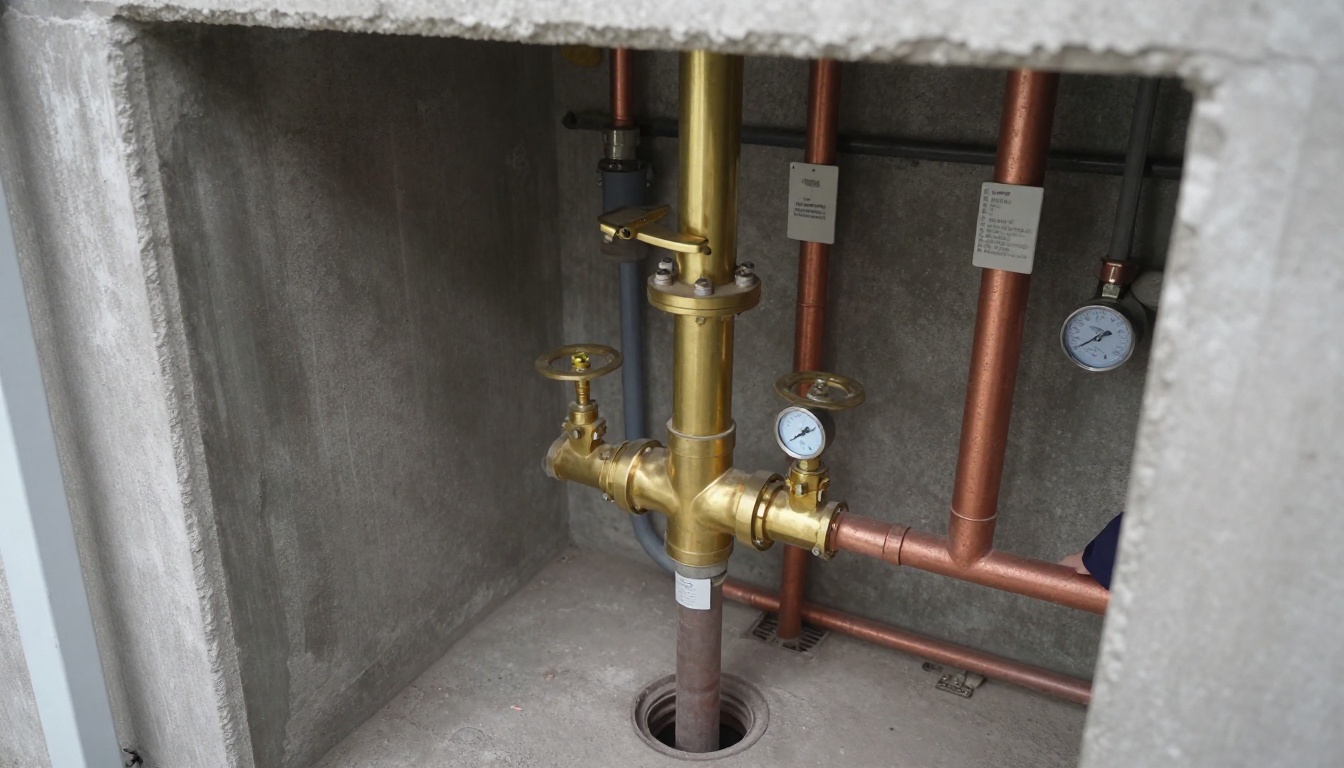
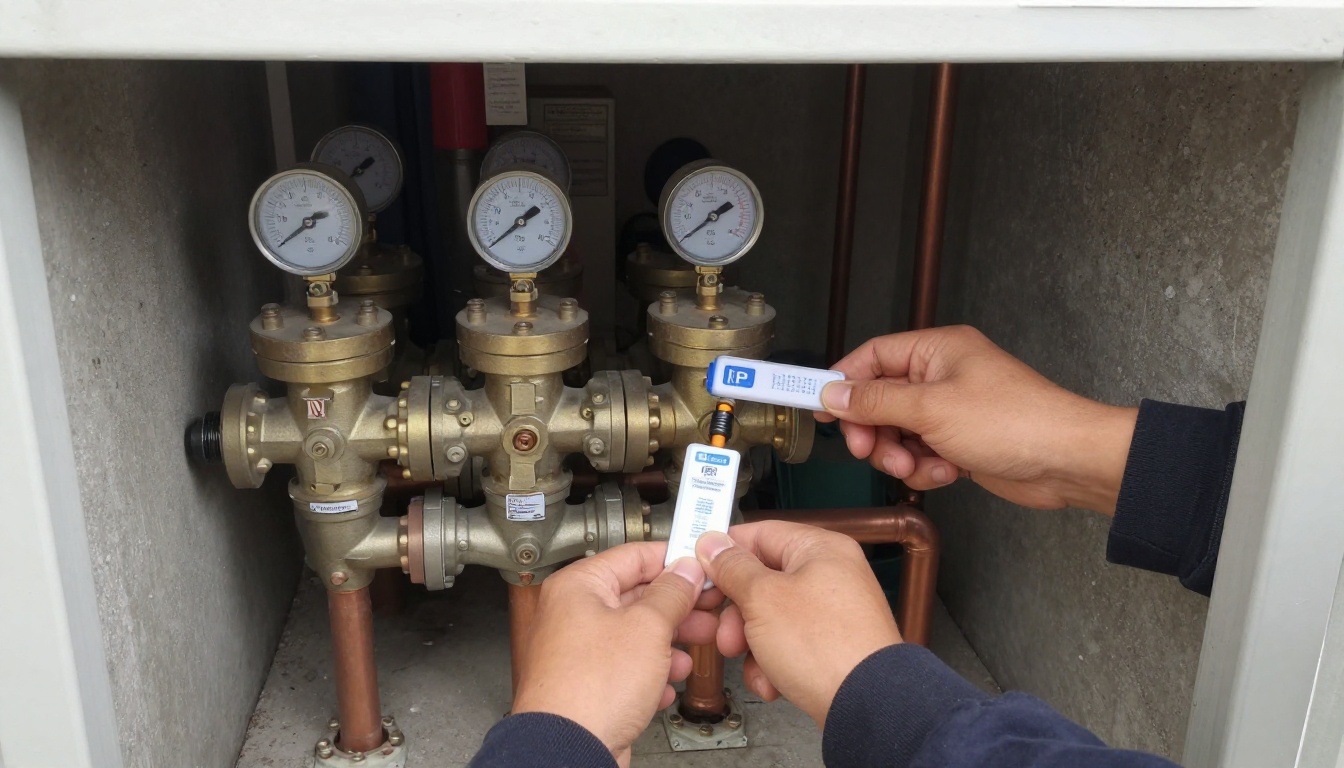
For a typical East York condominium or apartment building, the process usually starts with confirming the device type, size, manufacturer, serial information if legible, and what system it is protecting. The tester then verifies that shutoff valves operate, test cocks are usable, and the assembly can be isolated safely. From there, calibrated test equipment is used to measure check valve performance and relief valve operation according to the assembly type.
For RP or RPZ assemblies, the differential readings matter. A pass/fail note without recorded values is weak documentation. Managers should insist on a report that shows:
- device identification and location
- assembly type and size
- test date and tester information
- actual recorded readings, not just a checkbox
- whether shutoff valves held properly
- noted defects such as seized test cocks, leaking bypasses, or poor access
- repair recommendations where applicable
In East York’s older buildings, isolation around the device is often the hidden issue. The assembly itself may be serviceable, but if the upstream and downstream valves are not trustworthy, the building is one bad test visit away from an unplanned shutdown. That is why backflow work often pairs naturally with a valve audit, charting and exercise program and, where needed, sectional and isolation valve replacement.
Managers should also ask whether the contractor has reviewed discharge routing. An RP relief valve that discharges repeatedly can create floor drain loading, slip hazards, and nuisance alarms if the room is not set up properly. The testing visit is a good time to document these secondary risks.
Where domestic pressure conditions are unstable, the assembly may not be the only component needing attention. In East York high-rises and taller mid-rises, upstream or downstream control issues can contribute to repeated device stress. That is why some boards combine annual certification with pressure reducing valve maintenance and replacement planning.
A representative East York backflow prevention service call
A realistic example would be a 14-storey condominium from the late 1970s near the Donlands and O’Connor area. The board had an annual backflow test due on the domestic service RP assembly in the main mechanical room. The previous year’s report showed a pass, but the documentation was thin and building staff had recently noticed intermittent discharge at the relief port.
On arrival, the first issue was access. The assembly was installed low and tight against adjacent copper mains added during previous heating upgrades. The upstream shutoff was stiff, and one test cock was partially seized. Once the assembly was isolated and tested, the differential readings showed one check valve underperforming and the relief valve opening outside acceptable range. There was also evidence of debris fouling on the internals.
The immediate work involved carefully freeing and servicing the test cock, disassembling the RP internals, cleaning debris, replacing serviceable internal components, reassembling, and retesting. Because the upstream isolation valve did not inspire confidence for future maintenance, BMI documented it separately for capital planning rather than treating the visit as fully complete from a lifecycle standpoint.
The building’s water shutdown window was roughly three hours, scheduled mid-morning with advance resident notice. The assembly passed after repair and the certification paperwork was completed the same day. The rough cost for that type of service call in the Toronto market would typically fall around $1,200 to $2,500 if the repair is limited to testable assembly internals and minor service issues. If the assembly body or surrounding valves required replacement, the number would move materially higher.
That kind of East York job is common: not a dramatic flood, but a compliance task that uncovers deferred mechanical room maintenance. It is also why annual testing should not be treated as a commodity purchase alone.
For urgent leaks or an assembly that will not isolate safely, managers may need 24/7 emergency plumbing response before certification can even be attempted.
East York costs and timelines for testing, repairs, and certification
Costs vary by building, access, device count, and condition, but East York property managers usually want working budget ranges. The figures below are market estimates for the Toronto area, not quoted prices.
For a straightforward annual test and certification of one accessible backflow assembly in a multi-residential building, a reasonable planning range is often about $350 to $700. If the building has multiple assemblies, per-device cost may come down somewhat when they are tested in the same visit.
If the device fails and needs internal repair, many buildings land in the $800 to $2,500 range depending on assembly type, size, parts availability, and whether the shutoffs and test cocks are usable. If surrounding isolation valves are seized or leaking and need to be addressed to complete safe service, costs can rise quickly.
Full replacement of a smaller to mid-sized domestic service backflow assembly in an East York condominium mechanical room commonly starts around $3,500 to $7,500, with larger sizes, difficult access, after-hours shutdowns, and associated valve work pushing the cost well beyond that. If the assembly is in a cramped older room with poor clearance, fabrication and labour time go up.
Typical timelines:
- annual test only: often 1 to 2 hours for one assembly
- test plus minor repair: half day in many cases
- replacement with planned shutdown: often 1 day on site, with lead time for parts, coordination, and notices
- replacement with difficult isolation or rework of adjacent piping: 1 to 2 days on site, sometimes longer depending on conditions
In the fall, scheduling lead times can stretch because many buildings are trying to complete compliance items, PRV work, and stack maintenance before winter. This is also when managers often combine backflow work with kitchen stack cleaning before holiday cooking season or other recurring services to reduce separate disruptions.
Repair versus replacement in East York: a better decision framework
The right question is not simply whether the device can be made to pass this year. The better question is what decision best reduces operational risk over the next reserve fund cycle.
Repair is usually reasonable when:
- the assembly body is in good condition
- the failure is limited to serviceable internals
- replacement parts are readily available
- shutoff valves around the assembly are reliable
- the building has a clean recent service history
Replacement usually makes more sense when:
- the device is older and has repeated failures
- parts are difficult to source or no longer practical to stock
- the assembly has chronic relief discharge or corrosion issues
- access is poor and every repair visit is disruptive
- upstream and downstream valve condition is also poor
For East York boards, this should tie back to reserve planning. The Condominium Act framework and reserve fund study cycle push boards to think beyond one-year operating cost. If the building is already forecasting mechanical room upgrades, replacing an aging backflow assembly at the same time as related valve work is often more economical than recurring reactive service.
When the surrounding plumbing is also nearing end of life, the issue can connect to larger projects such as domestic water riser replacement, full building re-piping, or broader capital plumbing project planning. Not every East York building needs that scale of work, but older stock often benefits from looking at the whole domestic water system together.
What deferring backflow testing costs East York managers and boards
The first cost is compliance risk. If a building has a required testable assembly and annual testing is not current, the manager has an administrative problem that can become larger during audits, file reviews, or after an incident.
The second cost is mechanical risk. A neglected assembly can fail in ways that create discharge, nuisance flooding, or inability to isolate the device when service is finally attempted. In East York’s older buildings, that often exposes another layer of deferred maintenance: seized valves, undocumented piping changes, and poor access.
The third cost is financial. Reactive work is almost always more expensive than scheduled work, especially when shutdown notices, overtime, or emergency attendance are involved. Insurance discussions also become more difficult when a building cannot show a pattern of scheduled inspection and correction of known deficiencies.
There is also a governance cost. Boards in budget season need usable numbers, not vague warnings. If the annual test report simply says “failed” without explaining whether the issue is a rebuild kit, a replacement recommendation, or a larger isolation problem, the board cannot make a good decision. Good reporting turns a compliance line item into a defensible budget item.
For East York properties with broader in-suite and base-building plumbing concerns, it also helps to understand how this issue fits into the bigger maintenance picture through services such as in-suite plumbing repairs and BMI’s completed condominium plumbing projects.
FAQs about backflow prevention testing in East York
Do East York condominium buildings need annual backflow prevention testing?
In most cases, yes, if the building has a premise isolation backflow preventer or other testable assemblies installed as part of its cross connection control requirements. East York is within the City of Toronto, and Toronto requires annual testing and reporting for applicable devices. Property managers should confirm which assemblies are on site, where they are located, and whether the building’s records are current.
What type of backflow device is usually found in an East York high-rise mechanical room?
Many East York condominium and apartment buildings have a reduced pressure principle assembly, often called an RP or RPZ, on the domestic water service near the incoming main. Depending on the building and any irrigation, make-up water, or commercial components, there may also be double check valve assemblies or other testable devices. The exact device type matters because the test procedure, failure points, and reporting requirements differ.
Why do backflow assemblies in East York buildings fail their annual test?
Common reasons include fouled check valves, debris on seats, worn relief valve components, and pressure conditions that have drifted outside acceptable performance. In East York’s older building stock, assemblies are often installed in tight mechanical rooms with years of deferred isolation valve maintenance around them. If the shutoff valves do not hold or the test cocks are seized, the test itself can turn into a repair visit.
How long does RPZ testing take in an East York condo building?
A straightforward annual test on one accessible, properly isolated assembly can often be completed within about one to two hours, including documentation. If the tester finds a failed check, leaking relief port, seized valves, or poor access, the visit can extend into a repair call or require a return visit with parts. Buildings with multiple assemblies should expect a half day to a full day depending on count and condition.
Should an East York board repair or replace an older backflow preventer that keeps failing?
If a device is relatively recent and the failure is limited to serviceable internal parts, repair is often reasonable. Where the assembly is older, parts are hard to source, the shutoffs are unreliable, or the body condition is poor, replacement is usually the better budget decision. Managers should ask for the test data, the repair history, and a clear recommendation tied to lifecycle rather than just this year’s pass or fail.
Can backflow testing in East York be coordinated with other plumbing maintenance?
Yes, and that is usually the most efficient approach during fall budget season. Many managers pair annual testing with pressure reducing valve maintenance, a valve audit and exercise program, or broader maintenance programs for condominium plumbing. Combining visits reduces disruption and gives the board a better picture of mechanical room risk before winter.
Next steps for East York property managers and condo boards
If your East York building has annual backflow testing due, start by confirming the inventory of assemblies on site and reviewing the last two or three years of reports. Look for actual readings, repeated notes, and any mention of unreliable shutoffs or poor access. If the documentation is thin, treat that as a warning sign, not just an administrative gap.
Fall is a sensible time to get this work done because it aligns with winter readiness and board budgeting. A scheduled test now gives you time to plan repairs, issue proper notices, and decide whether this is a simple service matter or part of a larger mechanical room scope.
BMI serves East York and the surrounding GTA from its Toronto shop, with service focused on condominium and multi-residential plumbing systems. To arrange annual testing, investigate a failed assembly, or get budgeting input for repair versus replacement, use the BMI contact page or review more condominium plumbing guidance on the BMI blog.
Contact BMI
- Contact BMI
- Phone: (416) 845-3756
- Emergency: (416) 845-3756, answered 24 hours a day
- Email: info@brial.ca
More on condominium plumbing
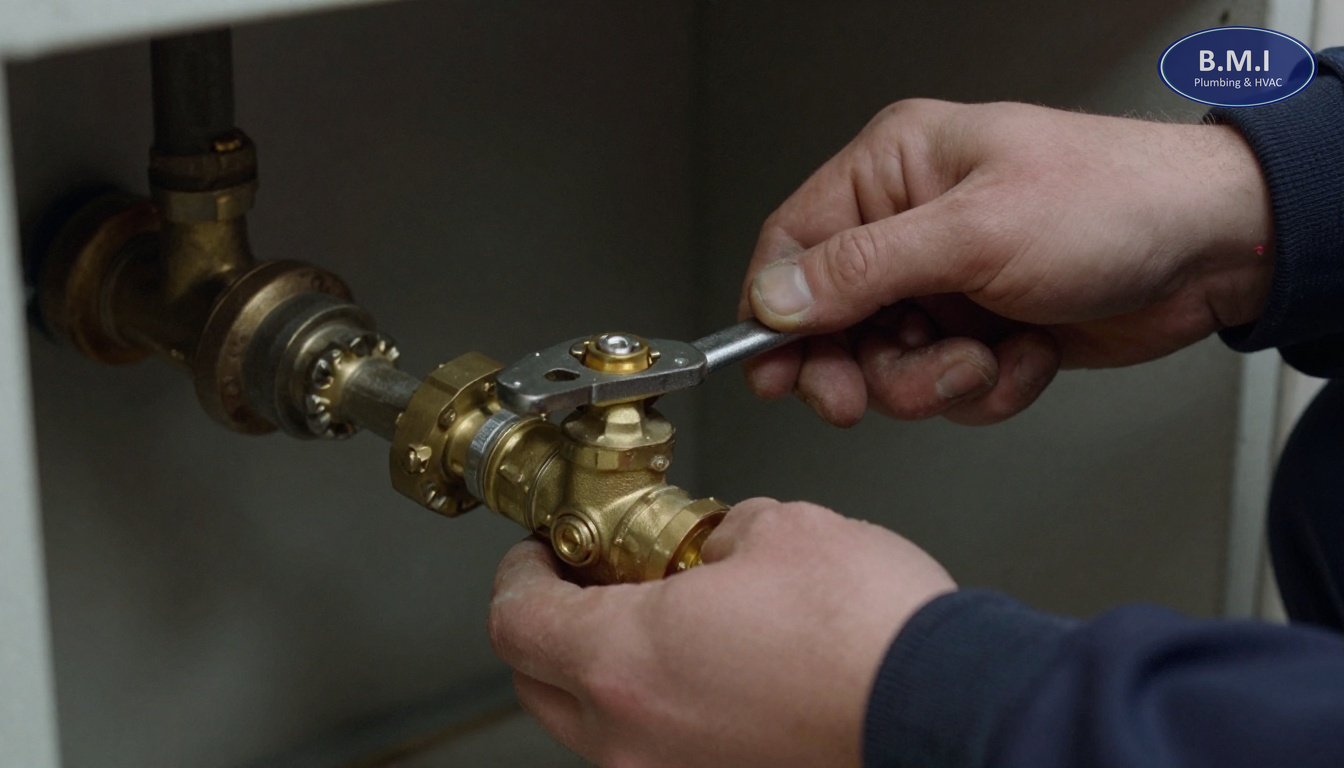
MEV Water-Saving Valve Installation in North York
MEV water-saving valve installation in North York condos. Learn where it fits, how savings are verified, and what costs …
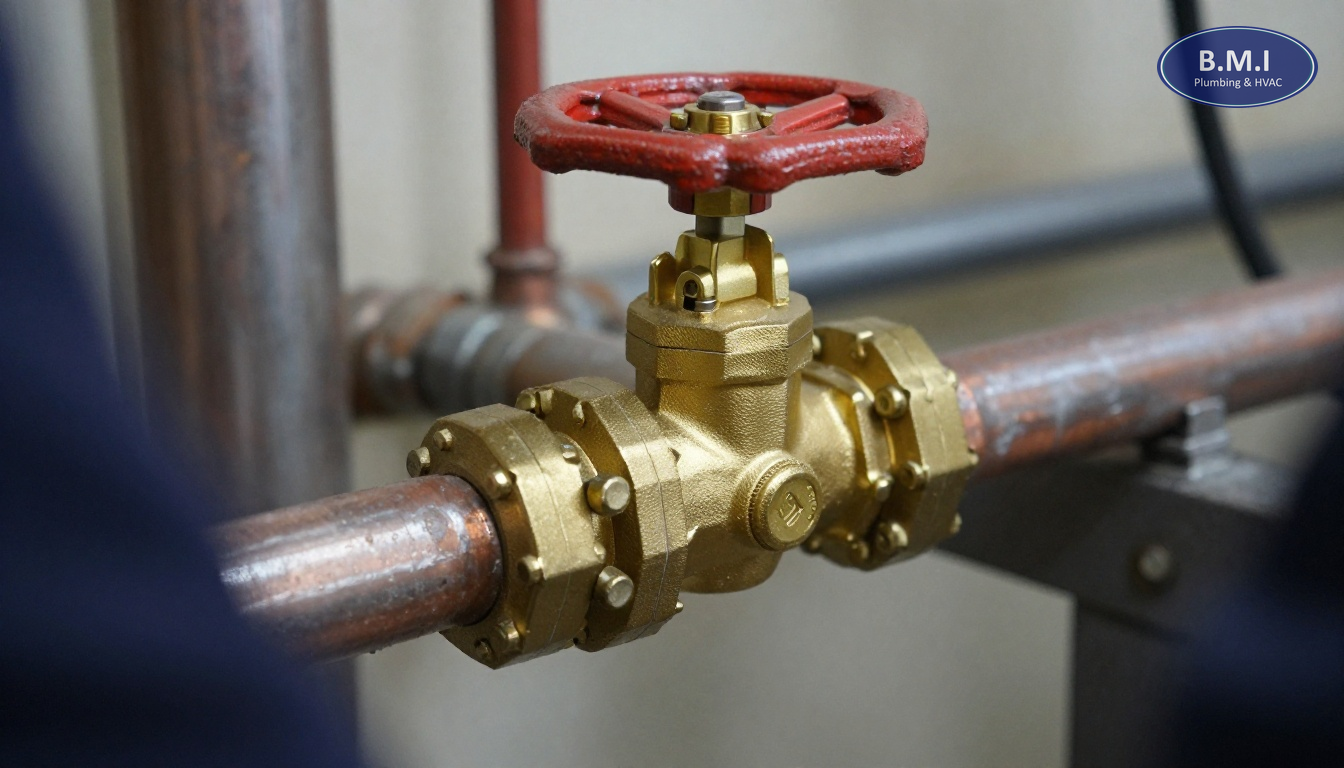
Sectional and Isolation Valve Replacement in Oakville
Sectional and isolation valve replacement in Oakville condos: costs, timelines, diagnosis and planning for safer …
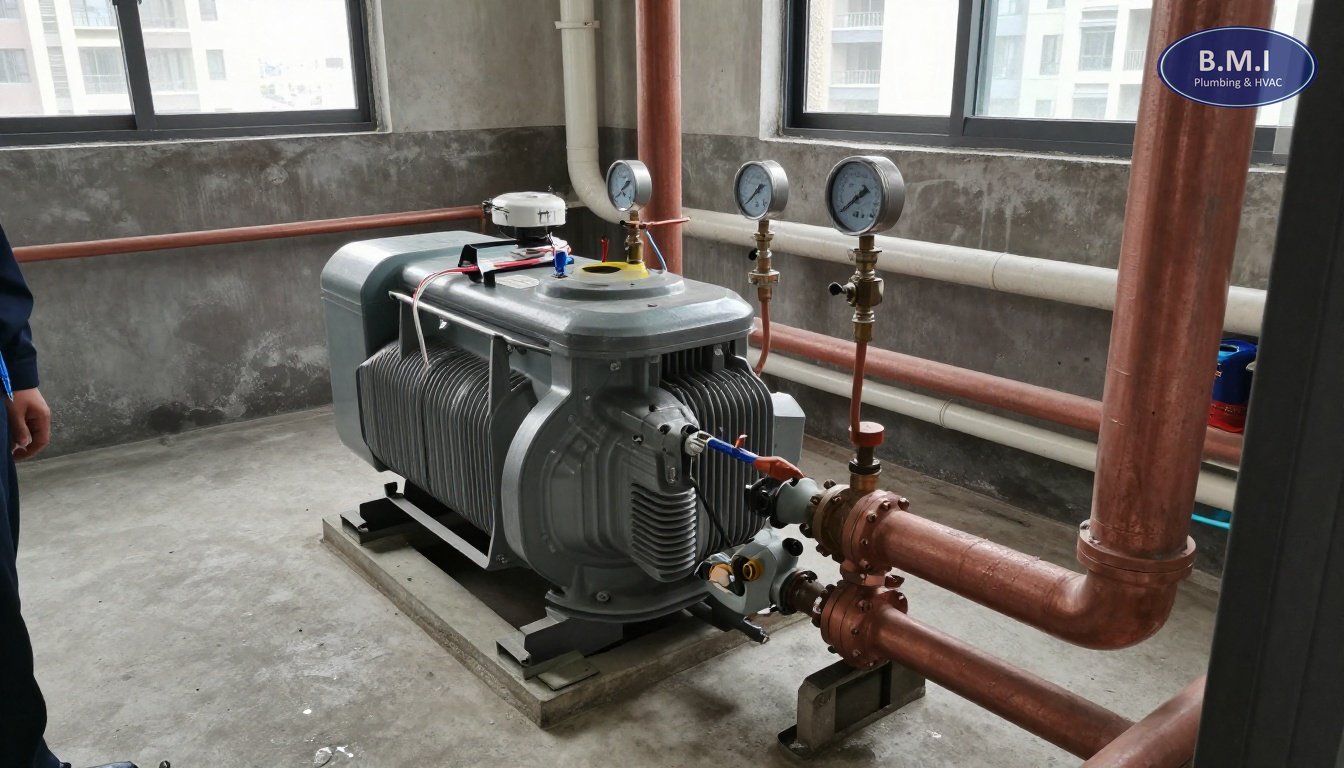
Water Submetering and Consumption Problems in Oakville
Water submetering and high water bill issues in Oakville condos: how to diagnose abnormal water consumption and plan …
Need a plumber in your building?
BMI services roughly 200 condominium and multi-residential buildings across Toronto and the GTA. Emergencies are answered at any hour.