
Blocked Mechanical Room Floor Drains in Toronto Condos
A practical guide to floor drain blockage and mechanical room drain issues in Toronto condos: causes, costs, liability, inspections and next steps.
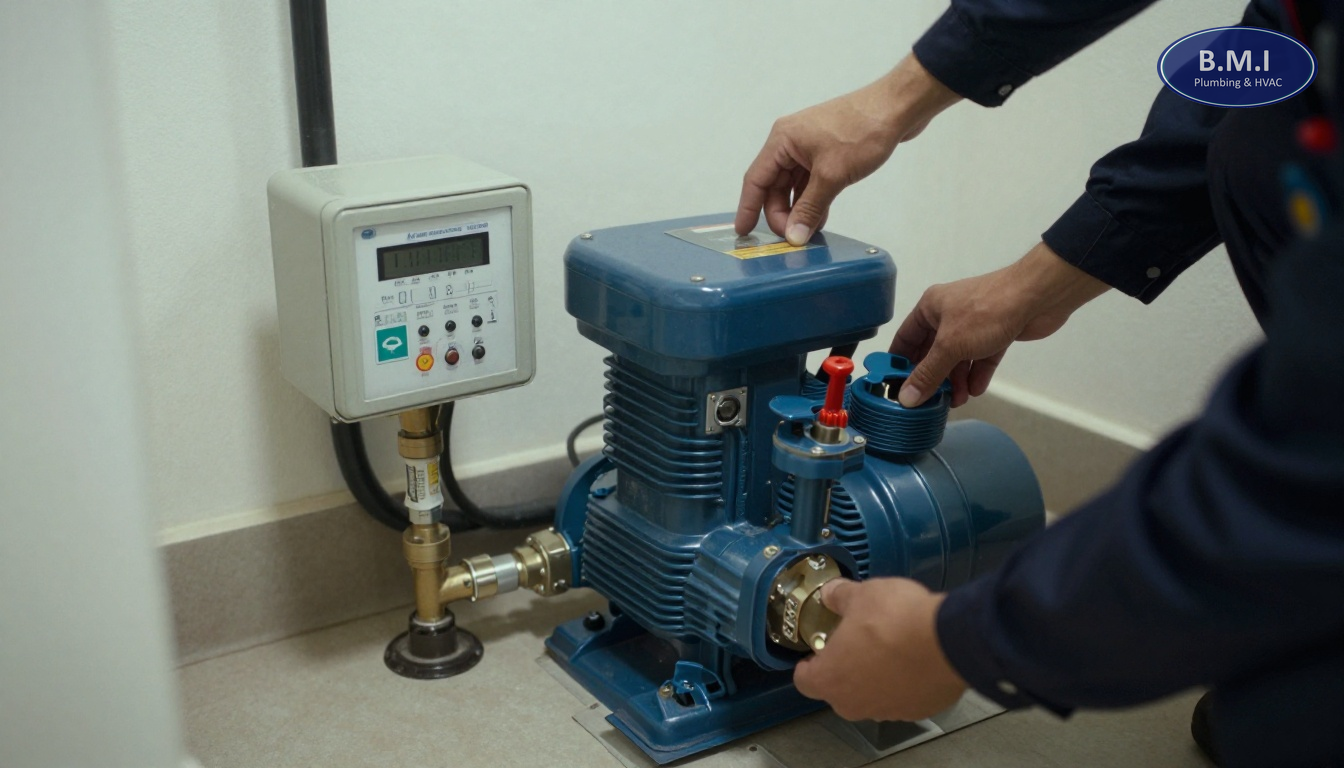
Blocked Mechanical Room Floor Drains in Toronto Condos
Quick summary: A floor drain blockage in a condominium mechanical room or parking garage is rarely just a housekeeping issue. In Toronto high-rises, it is often an early warning of a partially failed branch line, a neglected maintenance item, or a drainage layout that no longer matches how the room is being used.
For property managers and boards, the key question is not simply how to get the water down today. It is whether the mechanical room drain is obstructed by removable debris, by internal pipe deterioration, or by a building-wide drainage problem that will keep returning until it is documented and budgeted properly.
A common misconception is that a floor drain backup in a garage or mechanical room is minor because it is “not inside a suite.” In practice, some of the more expensive insurance incidents in Toronto, Mississauga and Vaughan start exactly this way: a relief valve discharges overnight, the floor drain cannot keep up, water migrates under partitions or into elevator pits, and by morning the corporation is dealing with electrical contractors, restoration crews and owner complaints.
Start with the consequence, not the symptom
When a resident or superintendent reports “water on the floor in the boiler room” or “a garage drain is not taking water,” the first management question should be: what else depends on that drain working right now. A blocked drain beneath a backflow prevention assembly or near a pressure-relief discharge is a different risk category than a low-use janitor room drain with no active water source nearby.
In buildings we service in Toronto and Scarborough, the most serious common-area drain incidents usually involve one of four conditions:
- Continuous discharge above the drain: PRV relief, boiler blowdown, cooling-related make-up water, or a leaking pump seal.
- No secondary containment: water can leave the room and travel into corridors, electrical spaces or elevator areas.
- Low-use drain branches: sediment has built up because the line does not see enough flow to stay clean.
- Unknown valve and piping layout: staff cannot quickly isolate the source because the building has no current valve audit or chart.
That last point matters more than many boards realize. A drain backup becomes a flood loss when the source cannot be isolated in the first 10 to 20 minutes. Buildings with updated valve charts and a documented repairs and service workflow usually contain the event faster and with much less restoration cost.
What is actually blocking these drains in condo buildings
The phrase blocked floor drain covers several very different problems, and the fix depends on which one you have. In a detached house, people often assume the trap is dirty. In a condominium mechanical room or underground garage, the obstruction is usually farther downstream and more structural.
Garage drains: sediment, not grease, is usually the main enemy
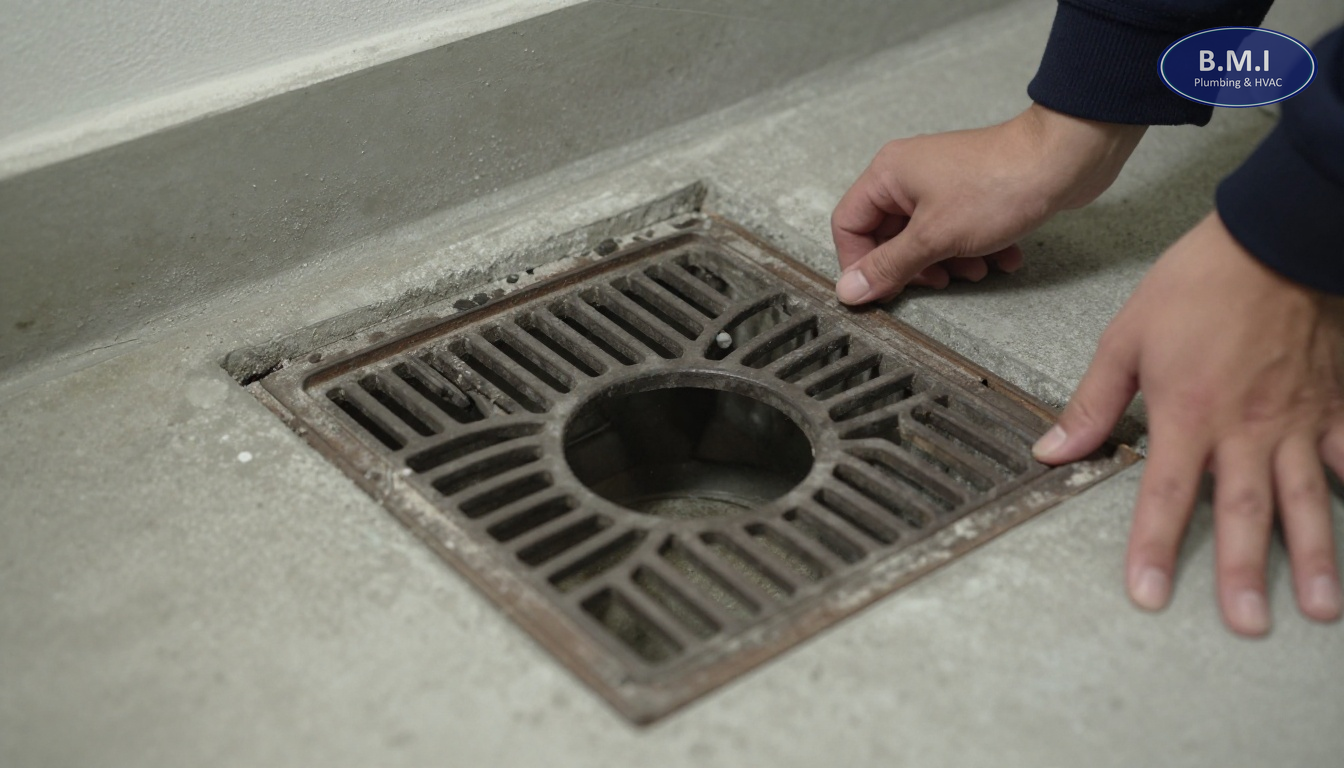
In underground parking garages across Etobicoke, North York and Markham, floor drains see sand, winter salt residue, tire debris, concrete dust, leaves tracked in from ramps and occasional garbage. Those solids settle in branch lines, especially where the pipe has minimal slope or where the line transitions from 4-inch to 3-inch before tying into a main.
A detail many non-plumbers miss: garage drains often do not receive enough sustained water volume to carry heavy grit all the way to the sanitary or storm main. A hose wash or snowmelt event may move the top layer, but the dense material stays behind and hardens at the bottom of the pipe. After a few winters, you can lose half the cross-sectional area without a full blockage ever having been reported.
Mechanical room drains: the source above the drain tells you a lot
A mechanical room drain can be connected to sanitary drainage, storm drainage or, in some older layouts, a dedicated equipment waste arrangement. The room may receive discharge from domestic water equipment, condensate, relief lines, washdown, mop water, or occasional maintenance draining. Each source leaves a different signature.
For example:
- Rusty orange sludge often points to steel or cast iron corrosion products upstream.
- White or grey crust can indicate mineral scale from Toronto water and evaporation around intermittent discharges.
- Oily film or dark sludge may come from dirty mop water, mechanical debris or neglected housekeeping, not necessarily a pipe failure.
- Repeated clear-water overflow under a pressure reducing valve maintenance station suggests the drain is undersized, obstructed, or the valve station is discharging more often than it should.
In early-1990s towers in Vaughan and Richmond Hill, a common mistake is assuming the drain is the problem when the real issue is upstream pressure management. A failing PRV or thermal expansion condition can create repeated discharge events that expose a marginal drain line.
Older pipe materials fail in predictable ways
In 1970s and 1980s concrete high-rises, common-area floor drains often connect into cast iron branch piping, typically 3-inch or 4-inch no-hub cast iron inside the building. Cast iron does not usually fail all at once. It roughens internally, scales, and loses diameter from the bottom up. Camera inspections frequently show a pipe that looks 100 percent open at the crown but is 40 to 60 percent obstructed at the invert.
Pre-1980 buildings may also have sections of threaded galvanised steel on certain auxiliary drain lines. Those lines can close down even faster than cast iron. By contrast, post-2010 glass towers usually have PVC or XFR plastic drainage in many common areas; those systems do not corrode the same way, but they can still clog from sediment and poor housekeeping practices.
If the same drain has been cleared more than twice in two years, it is time to authorize a camera inspection rather than another blind cleaning. That is usually the point where the issue changes from maintenance to capital planning.
How the problem presents in the real world
Property managers rarely get a neat diagnosis. They get a complaint that seems small until it is not. The wording of the complaint often tells you whether the problem is local or systemic.
Common reports that point toward a branch-line blockage include:
- “The water eventually goes down, but only after 20 or 30 minutes.”
- “It backs up when the superintendent hoses the room, not at other times.”
- “The drain is fine most days, but it overflows when the boiler room relief line discharges.”
- “One garage drain is slow and the next two nearby are also sluggish.”
- “There is no smell problem, but solids keep appearing around the grate.”
By contrast, reports like “multiple garage drains back up during heavy rain” may indicate a downstream storm issue, a partially blocked building main, or even a municipal connection problem. That is why a common-area drain complaint should not be treated as a simple service call without context.
Another useful distinction for managers: if a floor drain sits dry most of the time and only fails under surge conditions, the line may be partially obstructed rather than fully blocked. That usually means the drain has enough capacity for incidental drips but not enough for a release event. Those are the drains that create the largest losses because they appear acceptable during casual inspection.
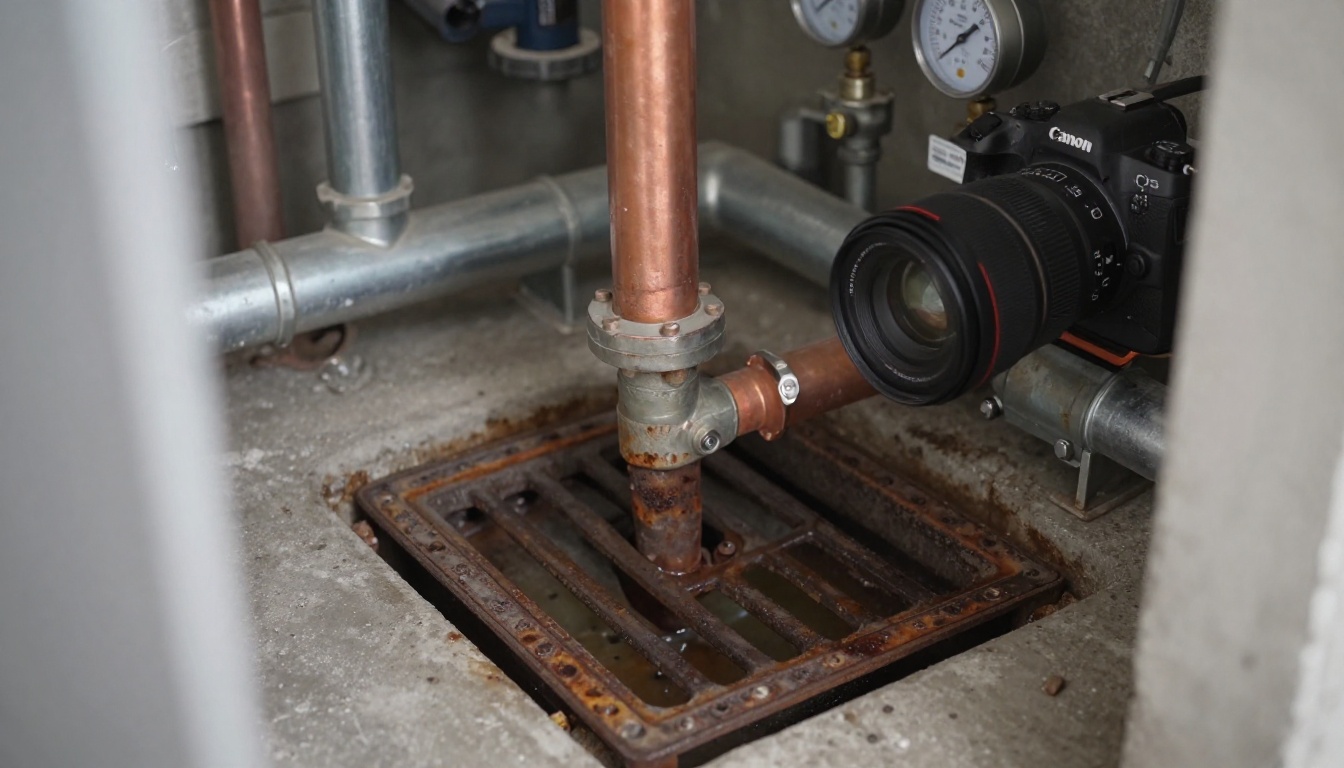
What a proper diagnosis should include
A surprising amount of money gets wasted on repeated drain calls because no one documents the first one properly. For a recurring floor drain blockage, insist on evidence, not just a verbal “cleared drain” note.
Minimum evidence a manager should ask for
For any common-area drain issue that has recurred, the contractor should be able to provide:
- the exact drain location and what spaces it serves
- the cleaning method used: hand auger, power snake, sectional machine or jetting
- the estimated pipe size, usually 2-inch, 3-inch or 4-inch on branch drains
- the distance reached in the line
- what was recovered, if anything
- whether the line was free-flowing at completion
- whether further drain cleaning or CCTV is recommended
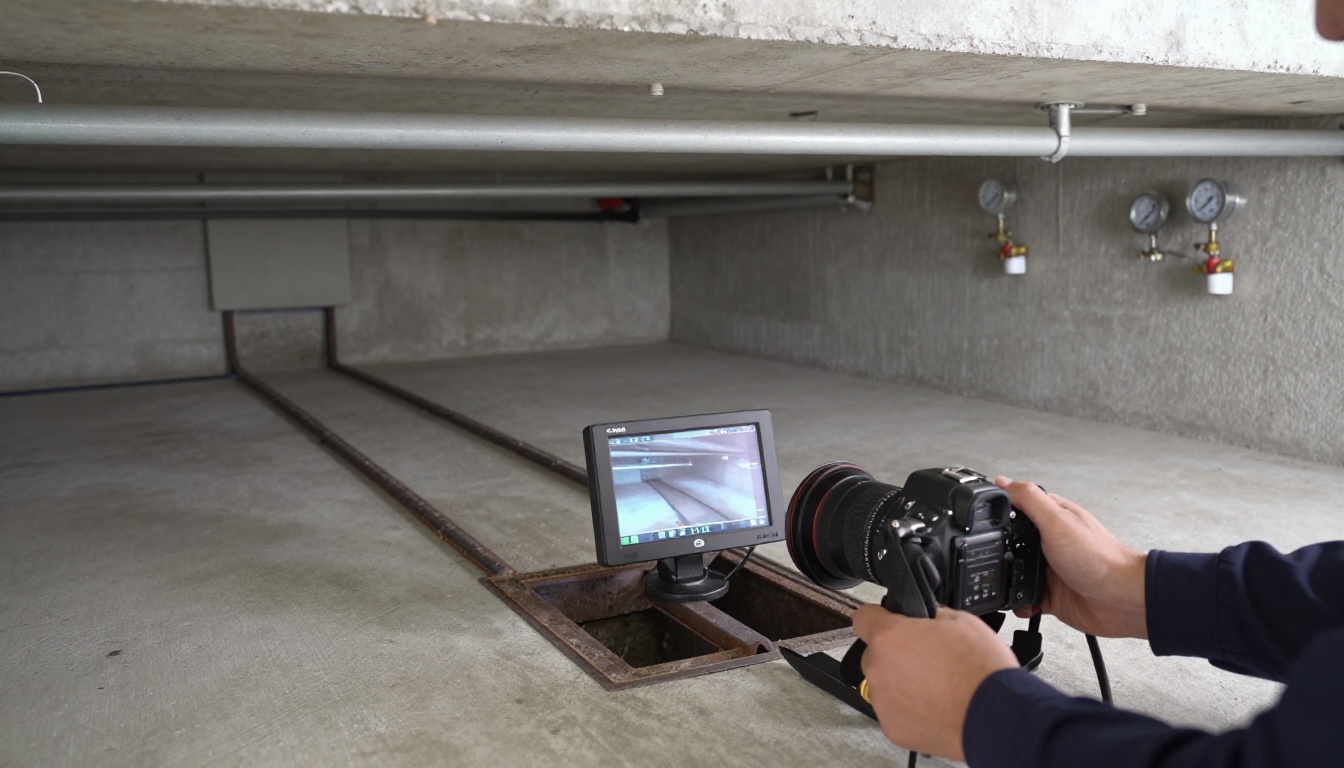
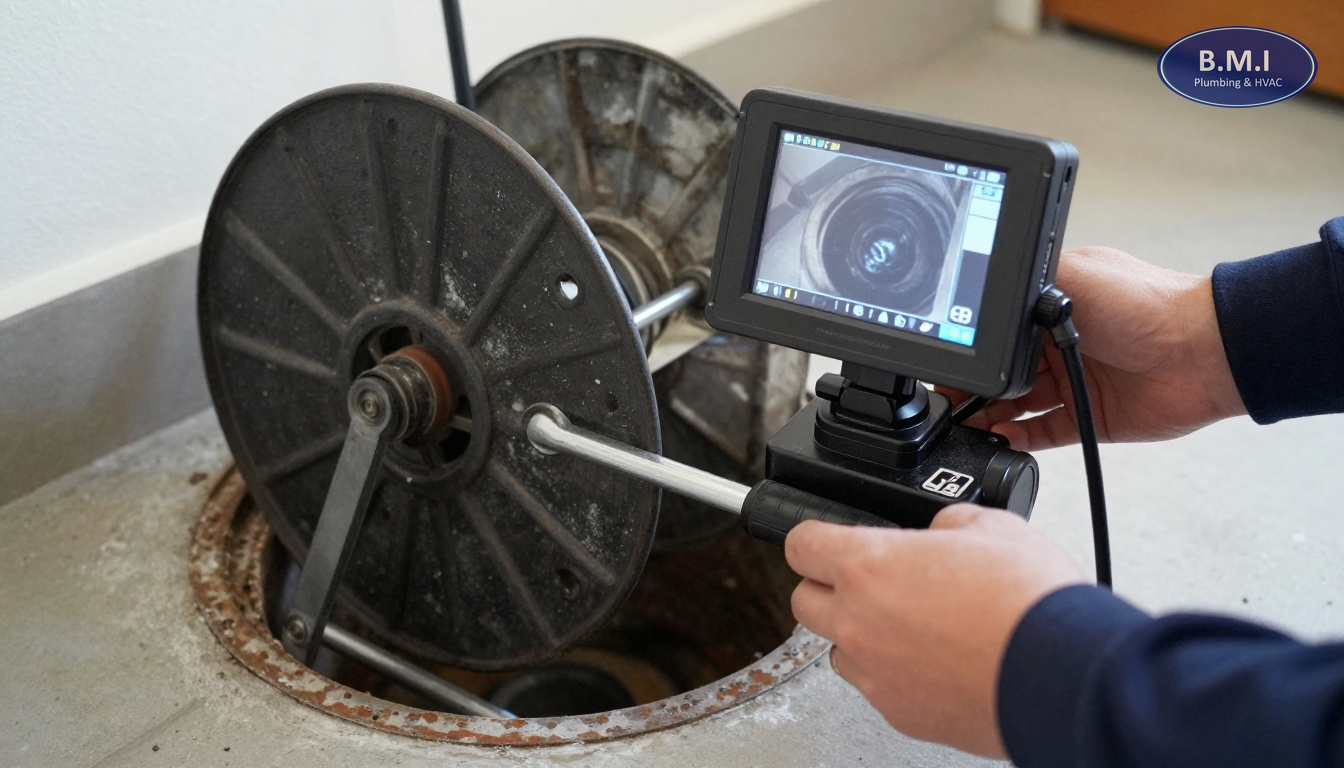
For chronic issues, a written recommendation without video is not enough. A manager should ask for a camera pipe inspection with footage showing the condition of the pipe wall, the invert, any standing water, offsets, root intrusion at exterior runs, and where the branch ties into the main if that point can be reached.
Snaking versus jetting: they are not interchangeable
This matters in budgeting because the cheaper option is not always the lower-cost option over 12 months.
| Method | Best use | Limitation | Typical Toronto planning range |
|---|---|---|---|
| Hand or power snaking | Soft obstruction, first response, short branch lines | Often bores a path without removing wall buildup | $450-$900 |
| Sectional machine | Heavier blockage in cast iron or longer branch | Can restore flow but may not clean sediment from the bottom | $650-$1,200 |
| High-pressure jetting | Sediment, sludge, scale, recurring branch restrictions | Requires proper setup and access; not ideal in every fragile line | $900-$2,000 |
| CCTV camera inspection | Confirms why it keeps recurring | Diagnostic, not a cleaning method | $350-$900 add-on or more if separate visit |
In garage branches with sand and silt, jetting is often more effective than snaking because the problem is not a single obstruction; it is a settled bed of material. In older cast iron, though, aggressive cleaning should be paired with judgment. If the pipe wall is already compromised, the right next step may be targeted replacement, not repeated force.
Fall is the right time to inspect problem drains
October is budget season in many Toronto condominiums, and it is also the right time to identify garage and mechanical room drains that will fail under winter loading. Once salt, slush and holiday staffing gaps arrive, the same issue becomes harder and more expensive to manage. This is similar to how prudent buildings schedule kitchen stack cleaning before the heavy holiday cooking season rather than after the backups start.
Repair, clean, or replace: a practical decision framework
Managers do not need a plumbing license to make a defensible recommendation, but they do need a framework. The goal is to avoid two bad outcomes: overreacting to a simple maintenance issue, or underreacting to a deteriorated line that should be budgeted as a project.
Clean and monitor when all of these are true
A maintenance approach is usually reasonable when:
- this is the first incident in several years
- the obstruction is clearly debris-based
- the line restores to full flow after cleaning
- camera footage does not show collapse, standing water or severe scaling
- the drain is not protecting critical equipment
In that case, the sensible next step may be to put the drain into a scheduled maintenance program and document it for the board. Some drains need annual service; high-load garage drains may need pre-winter and post-winter attention.
Repair locally when the defect is isolated
Localized repair is usually the right answer when CCTV shows one short failed section: for example, a cracked trap arm under a mechanical room slab, a settled branch at a doorway crossing, or a corroded segment immediately downstream of the drain body. In occupied buildings, these repairs often cost more in access and restoration than in pipe.
Expect localized slab-opening work to involve:
- saw-cutting and dust control
- possible overnight or off-peak work in service areas
- traffic rerouting in garages
- concrete restoration curing time
- coordination with building operations if nearby equipment must be protected
Replace or rework the branch when recurrence is built into the system
If a line is undersloped, badly scaled for a long run, or serving more drains than originally intended, repeated cleaning is usually false economy. We see this in some older Toronto and Mississauga garages where a long 3-inch branch serves multiple low-point drains and simply cannot self-clean under normal flow conditions.
At that point, the conversation shifts from service to project. Depending on scope, the next step may be a branch replacement, a larger section of drainage renewal, or a broader review under project solutions. If the building is already planning domestic piping work such as riser replacement or valve replacement, bundling access work can reduce total disruption.
What these issues cost in the Toronto market
No honest contractor can quote a building from a blog post, but boards still need planning numbers. The cost spread is wide because access, timing and uncertainty are a large part of the bill.
Typical budgeting ranges
| Scope | Typical planning range | Notes |
|---|---|---|
| Simple common-area floor drain clearing | $450-$1,200 | One drain, normal access, daytime service |
| After-hours emergency response | $700-$1,800+ | Depends on crew, duration, pumping and containment |
| Jetting of a problematic branch | $900-$2,000 | Best for sediment and recurring restrictions |
| CCTV inspection of branch line | $350-$900 add-on | More if separate mobilization or multiple locations |
| Localized repair under slab | $2,500-$8,000 | Small area, straightforward access |
| Garage branch replacement or multi-drain repair | $10,000-$30,000+ | Traffic control, concrete, restoration, multiple points |
A useful board-level insight: emergency cleanup and restoration can easily exceed the plumbing cost. A blocked drain that allows a relief discharge to flood a room may trigger restoration, electrical review, elevator vendor attendance, drying equipment and insurance reporting. The cheapest drain cleaning invoice in the file is often attached to the most expensive total event.
What drives cost up fastest
The largest cost multipliers are usually:
- uncertain pipe routing in older buildings with poor as-builts
- after-hours attendance when water must be managed immediately
- garage access logistics, including cones, signage and traffic control
- concrete demolition and reinstatement
- multiple trades if equipment, sensors or electrical systems are nearby
This is why a site visit before quoting matters. BMI typically attends the building before pricing non-emergency work because the difference between a 12-foot branch repair and a 60-foot garage line replacement is not visible from the floor grate.
Timelines, access, and what residents need to know
One reason these jobs get underestimated is that the plumbing work itself may be short, but the building logistics are not.
Typical service timelines
- Basic drain clearing: 1 to 3 hours on site
- Jetting with setup and cleanup: 2 to 6 hours depending on line length and debris load
- CCTV of one branch: 1 to 2 hours if access is straightforward
- Localized slab repair: 1 to 3 days for plumbing and concrete work, plus cure time
- Larger garage branch work: several days to a few weeks depending on phasing
For common-area drains, suite access is usually not the issue. The real constraints are noise, parking impacts, maintaining access to equipment, and avoiding shutdown conflicts with other building systems. In mixed-use or heavily occupied towers in Toronto and Markham, garage work often has to be phased around resident parking patterns and loading dock operations.
Notice requirements and documentation
Even when no suites are entered, managers should still issue clear notices if work affects parking stalls, service corridors, mechanical spaces, or water shutdown risk nearby. If there is any chance a drain issue is connected to a domestic water problem, coordinate with the building operator and review whether recent PRV, booster or valve issues have been logged. A neglected PRV maintenance program can create repeated discharge to a drain that was never designed for constant flow.
A practical fall step for boards: if you are preparing next year’s operating and reserve discussions, list recurring drain calls separately from one-off emergencies. Repetition is evidence. Three drain clearings in 18 months is often enough to justify camera work and capital review.
What happens if you defer it
Deferral is not always wrong. Some drain issues can wait for a planned repair window. But deferral without diagnosis is where boards get exposed.
The operational risk
A floor drain that is merely slow in October can be a flood point in January. Garage drains in Toronto, Brampton and Vaughan take their hardest loading in winter because sand and salt arrive together with meltwater. Mechanical rooms face a different winter risk: pressure swings, thermal movement and relief events become more consequential when a drain is already marginal.
The financial risk
Insurance deductibles in condominium corporations are high enough now that a preventable common-area flood can become a board-level event very quickly. If the file shows repeated complaints and no diagnostic follow-up, it becomes harder to explain why the issue was left in the operating budget as reactive service rather than moved into planned work.
The reserve fund and governance angle
If CCTV shows a deteriorated common-element drain branch, that is not just a maintenance note. It may be relevant to the corporation’s next reserve fund study update under Ontario practice. The board does not need to replace every old pipe immediately, but it should document condition, expected timing and rough cost so the issue is not rediscovered during an emergency. For condo managers, that paper trail matters almost as much as the repair itself.
Where an owner’s alteration may be involved, review the declaration and any section 98 agreement before assigning costs. A suite contractor who washed debris into a common drain or tied in an unapproved discharge can change the responsibility analysis, but the corporation needs evidence, not assumptions.
Common element or in-suite responsibility
This is one of the first questions managers and residents ask, and the answer drives who pays.
In most cases, a mechanical room drain, garage drain, service room drain or corridor floor drain is a common element. The corporation typically authorizes the work and pays initially. If evidence later shows the blockage was caused by an owner’s act, alteration or contractor, the manager can review whether chargeback is permitted under the declaration and rules.
Residents sometimes assume that because water appeared near their locker, parking stall or adjacent suite wall, the issue belongs to the nearest owner. That is often wrong. The source may be a common drain branch, a blocked main, or a discharge from equipment the corporation maintains. When in doubt, start with a common-element investigation through a qualified emergency plumbing or service contractor and document everything.
FAQs
Is a blocked floor drain in a mechanical room usually an emergency?
Sometimes, but not always. If the drain serves a boiler room, pump room, domestic water PRV station, fan coil make-up area or any room with active equipment above it, a blockage can turn a small relief discharge into a flood within minutes, especially when a pressure relief valve or backflow device opens unexpectedly. In a parking garage or low-traffic service room, it may be urgent rather than immediate, but standing water deeper than about 1/2 inch, water approaching electrical equipment, or repeated overflow means it should be treated as an emergency service call.
Who usually pays for a blocked floor drain in a condominium: the corporation or the unit owner?
In most Toronto condominium buildings, a mechanical room drain, garage drain, corridor drain or common-area floor drain is a common element, so the corporation typically pays for diagnosis and repair. The complication is when the blockage is caused by an owner’s alteration, debris from a contractor, or a suite discharge tied into the common system without approval, in which case chargeback may be possible depending on the declaration, rules and evidence. Property managers should avoid assumptions and get a written report, photos and, where possible, a camera inspection before assigning responsibility.
What usually causes floor drain blockages in garage and mechanical room drains?
The failure mode depends on location. In garages, the usual causes are sand, salt residue, concrete fines, leaves, garbage and scale settling in 3-inch or 4-inch branch lines that never see enough flow to self-scour; in mechanical rooms, we more often find rust scale, sludge, glycol residue, mop water solids, primer failure, or a partially collapsed cast iron branch. In 1970s and 1980s Toronto and North York high-rises, interior cast iron often tuberculates from the bottom, so a line that looks open from above may have lost 40 to 60 percent of its diameter at the invert.
Should the drain be snaked, jetted or camera-inspected?
For a first incident, a basic cleaning may be enough, but repeated backups should not be handled with repeated snaking alone. Snaking can punch a hole through soft sludge and restore temporary flow, while high-pressure cleaning removes wall buildup more effectively; if the same drain backs up within 6 to 12 months, a camera inspection is the step that tells you whether the issue is grease, scale, sagging pipe, root intrusion at an exterior connection or a broken trap arm. In practice, many condominium managers save money by authorizing cleaning and CCTV together on chronic drains instead of paying for three separate emergency calls.
How much does it cost to clear or repair a mechanical room floor drain in Toronto?
For Toronto-market budgeting, a straightforward common-area floor drain clearing might run roughly $450 to $1,200 depending on access, after-hours timing and whether a power snake or jetter is needed. Add about $350 to $900 for a camera inspection, while localized repairs can range from $2,500 to $8,000 if concrete must be opened, and larger branch replacements can move into the $10,000 to $30,000 range when traffic control, coring, saw-cutting, restoration and multiple drains are involved. Those are planning numbers only; the range widens significantly in occupied garages and older buildings with uncertain piping layouts.
Can this wait until next year’s budget if the water eventually drains away?
Sometimes, but only if you know why it is slow. A drain that ponds briefly after cleaning and then clears may be manageable for a season with scheduled monitoring, but a drain that backs up during every rain event, every garage wash, or every mechanical discharge is already telling you the line has little reserve capacity. In fall, before winter salt and slush loading begins, that is the wrong time to defer a known garage drain problem because January and February produce more solids, more meltwater and fewer convenient shutdown windows.
Next steps for property managers and boards
If your building has had even one recurring mechanical room drain or garage floor drain issue in the last 12 to 24 months, the defensible next step is not another vague note in the logbook. It is a documented service call with location-specific findings, and if recurrence is involved, a camera inspection and written recommendation.
A practical sequence looks like this:
- Log every repeat location rather than grouping all drain issues together.
- Authorize cleaning and CCTV together on chronic drains.
- Separate maintenance issues from capital issues in your board reporting.
- Review nearby equipment such as PRVs, RPZs and relief discharges that may be overloading the drain.
- Budget before winter if the drain protects critical equipment or sees garage slush loading.
If you are already planning broader plumbing work, review whether the drain issue can be bundled with other common-element items such as valve replacement, expansion compensator replacement, or larger building re-piping scopes where access overlaps. If the issue is still service-level, a scheduled preventive approach through maintenance programs is usually more cost-effective than waiting for after-hours flooding.
For chronic blockages, repeated garage drain backups, or any common-area drain protecting active mechanical equipment, BMI can attend the building, review the layout on site and recommend whether the right answer is cleaning, CCTV, localized repair or a phased project. For urgent flooding or active overflow, 24/7 emergency plumbing response is available. You can also review related condominium plumbing topics on the BMI blog or request a site visit through the BMI contact page.
Contact BMI
- Contact BMI
- Phone: (416) 845-3756
- Emergency: (416) 845-3756, answered 24 hours a day
- Email: info@brial.ca
More on condominium plumbing
Why Chemical Drain Cleaners Worsen Condo Plumbing in Toronto
Chemical drain cleaner condo issues often turn a simple blockage into pipe damage, stack problems and chargebacks. …
Condo Drain Backup Between Suites in Toronto
Why one condo suite floods when the suite above runs a dishwasher: how stack blockage happens, who pays, and Toronto …
Stack Camera Inspection in Toronto: What 40-Year-Old Pipes Show
What a stack camera inspection in Toronto actually reveals inside 40-year-old cast iron pipes, what it means, and when …
Need a plumber in your building?
BMI services roughly 200 condominium and multi-residential buildings across Toronto and the GTA. Emergencies are answered at any hour.