Camera Pipe Inspection in East York Condominiums
Camera pipe inspection in East York for condos and rentals. Learn when CCTV drain surveys are needed, what they show, and typical GTA costs.
Camera Pipe Inspection in East York Condominiums
Quick summary: In East York, camera pipe inspection is most useful when a condominium or rental building has repeat blockages, unexplained backups, or a dispute about whether the problem is in-suite, in a stack, or in buried building drains. A proper CCTV drain survey gives property managers evidence they can use for repairs, budgeting, insurance documentation, and board decisions instead of authorizing repeated reactive calls without a clear diagnosis.
Why camera pipe inspection shows up so often in East York buildings
East York is not a uniform condo market, and that matters for plumbing diagnosis. Much of the area still has older apartment and multi-residential stock, including postwar walk-ups, 1960s and 1970s rental buildings, and some 1980s to early 2000s condominium towers along the main corridors. Around Donlands, Pape, O’Connor, and the broader Danforth approach, you see a mix of older cast iron sanitary systems, copper domestic lines, and buried building drains that have simply reached the stage where symptoms repeat.
That building mix is exactly why a camera pipe inspection is often more valuable in East York than another blind snaking call. In older cast iron, interior scaling narrows the pipe and catches solids. In below-grade building drains, settlement or offset joints can create chronic flow restrictions that no auger will permanently solve. In some renovated buildings, newer sections of piping tie into original underground services, so the visible plumbing may look acceptable while the concealed problem remains downstream.
Municipally, East York is part of Toronto, so buildings are on Toronto Water for potable supply and sewer service. For property managers, the practical point is that a drainage issue may involve not just the building piping but also how the building drain connects to the municipal side, especially in older sites with long service runs or complicated below-grade routing. Toronto also has active cross-connection control requirements for many multi-residential and institutional properties, which is why plumbing diagnostics often overlap with backflow prevention testing and certification in the same mechanical room or service area.
Seasonally, fall is one of the most common times to order CCTV work. Boards are building next year’s budget, managers want evidence before reserve fund discussions, and kitchen stacks often start showing more trouble before the holiday cooking season. Where repeated grease or food-related blockages are suspected, a camera survey often pairs naturally with kitchen stack cleaning so the board gets both restored flow and a real condition picture.
How pipe problems present in East York, and what residents actually report
The complaint that triggers a camera inspection is rarely “please perform a CCTV drain survey.” It is usually one of these:
- “The same line backed up again in six months.”
- “Two suites reported sewage at the base of their tubs after someone above did laundry.”
- “The garage drain smells and holds water.”
- “A stack was snaked twice, but solids keep hanging up.”
- “The superintendent thinks the problem is underground, but we need proof before cutting concrete.”
In East York’s older low-rise and mid-rise stock, recurring branch line issues often come from a combination of age and access. Cleanouts may be limited, service corridors may be tight, and original drawings may not reflect later suite renovations. In some buildings, a resident alteration under section 98 of the Condominium Act can complicate tracing because the visible fixture change is not the same as the hidden pipe route. A camera inspection helps separate a common element issue from a suite-specific problem, which matters for chargebacks and repair responsibility.
For taller condominium buildings in East York, the symptoms may show up vertically rather than horizontally. A stack blockage can affect a line of kitchens or bathrooms, with complaints clustered from a few floors instead of throughout the building. A camera run after clearing the line can show whether the cause is a localized obstruction, heavy internal scale, or a failed fitting that needs opening and replacement rather than more service calls. Where repeated stoppages are occurring, managers often combine video findings with a valve audit, charting and exercise program so the next shutdown is controlled and isolation points are verified.
Another East York-specific issue is logistics. In older buildings, there may be limited loading access, smaller elevators, and less forgiving corridor space for hose reels, cable machines, and containment. On streets with tighter parking and busier daytime traffic, getting the crew, camera equipment, and drain-cleaning gear into position can take longer than in a suburban site with a large service bay. That does not change the diagnosis, but it does affect how a manager should plan access notices, elevator protection, and whether the work is better done during regular building hours or after-hours.
What a camera inspection in East York should involve, and what evidence to insist on
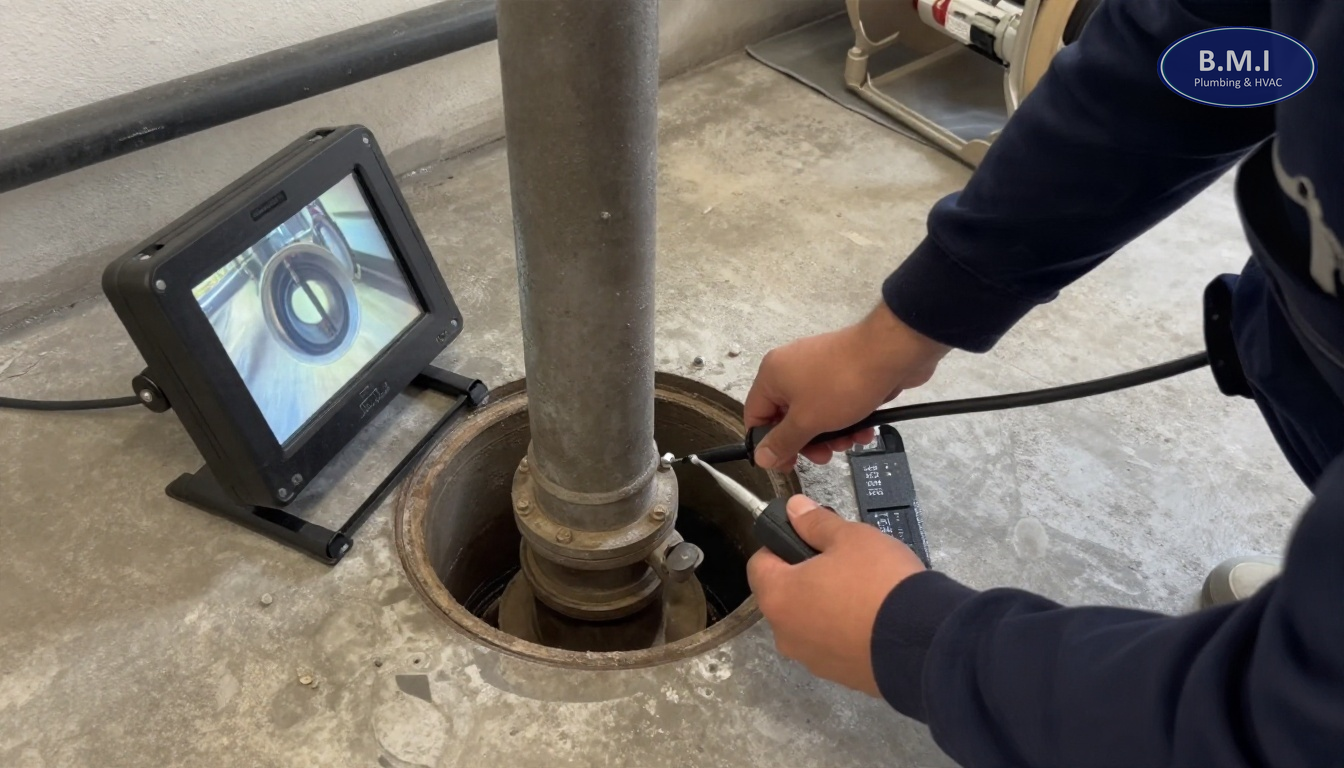
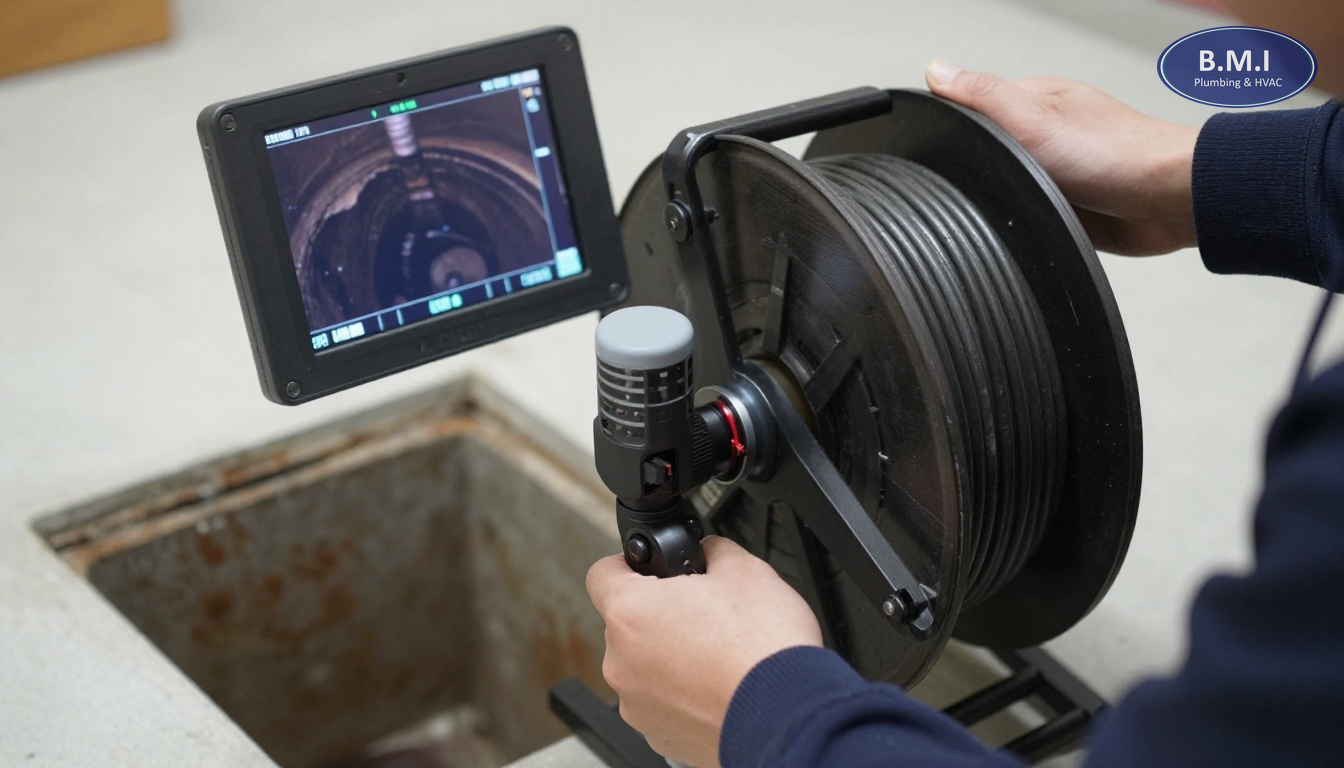
A useful camera inspection is not just a video clip on a technician’s phone. For a condominium or apartment building, management should expect a defined scope, proper access, and usable reporting.
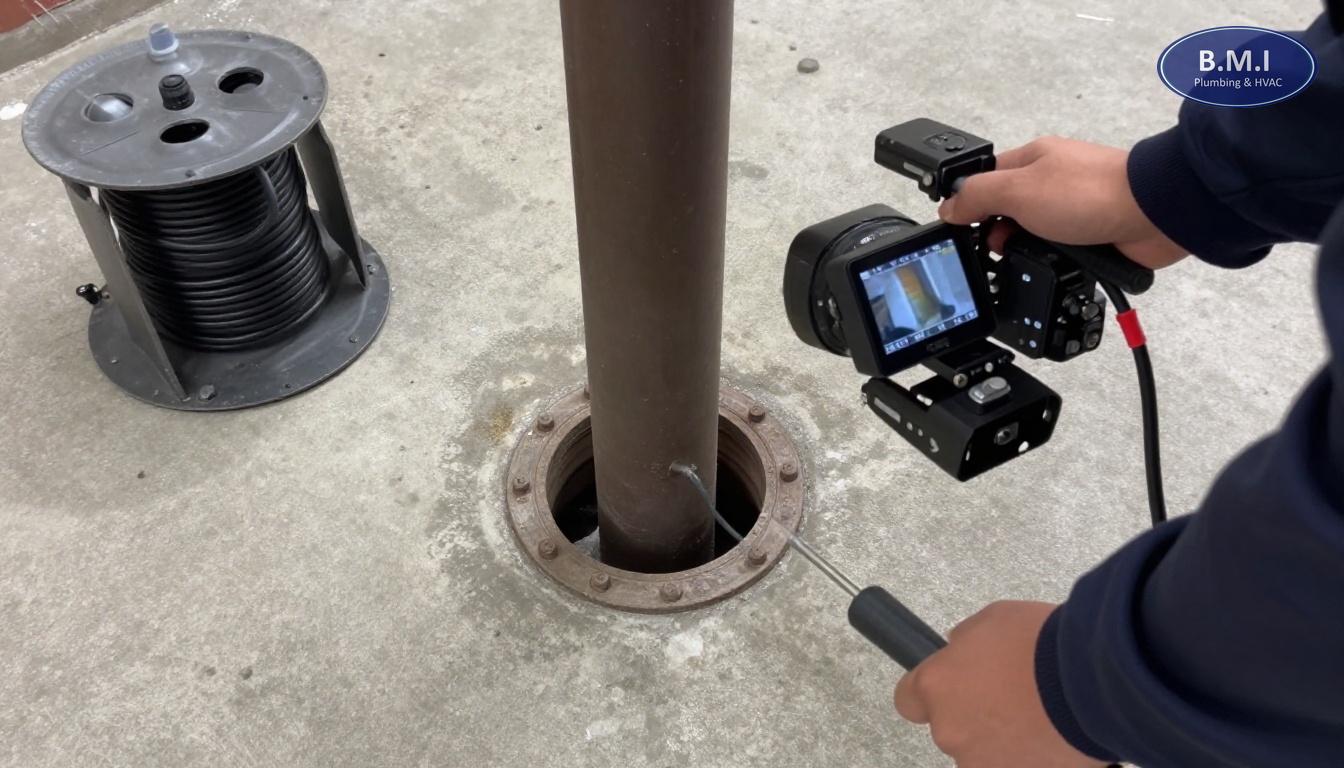
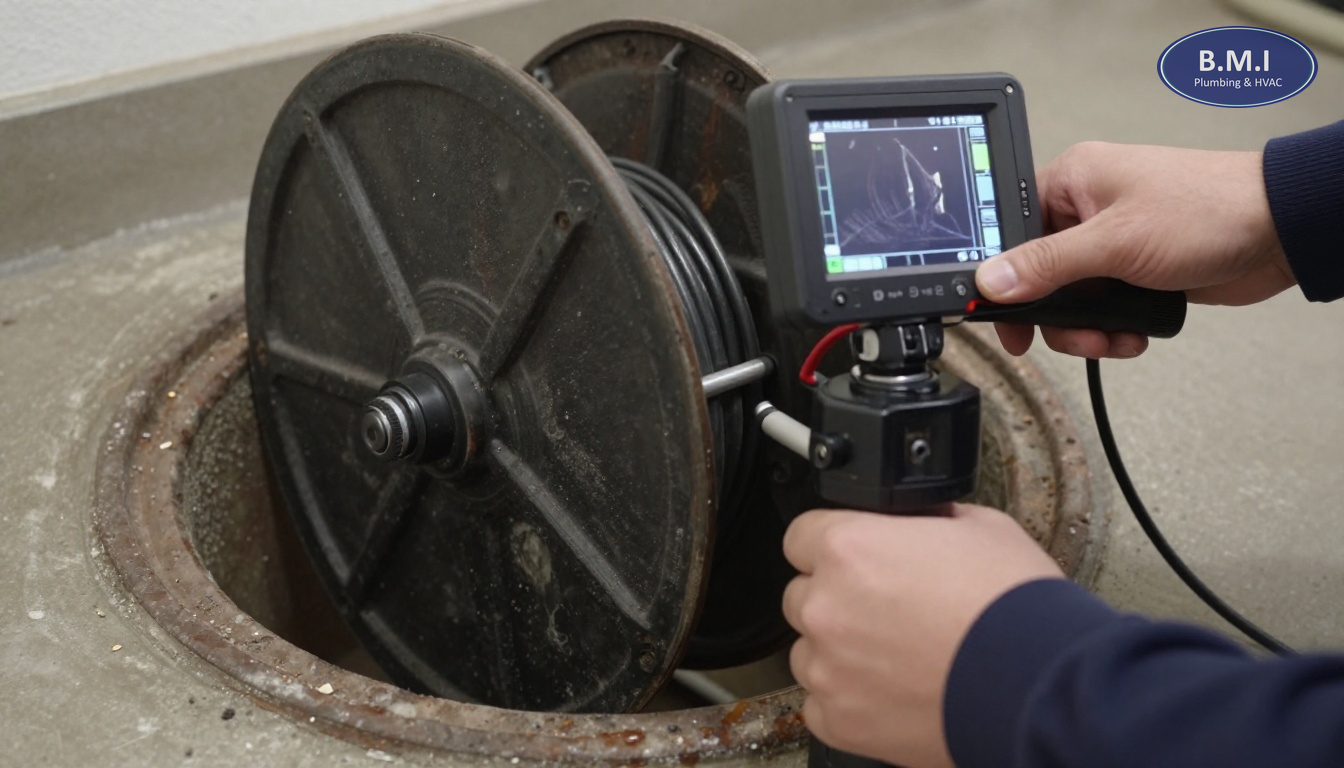
In most East York buildings, the process starts with identifying the right access point. That may be a stack cleanout, a branch cleanout, a removed water closet, or a floor drain connection, depending on the symptom. If the line is blocked or heavily fouled, it often needs preliminary drain cleaning and snaking or jetting first. Without that step, the camera may only confirm that sewage is standing in the pipe, which is not enough to plan a repair.
A proper CCTV drain survey should answer several questions:
- What pipe material is in place: cast iron, ABS, PVC, copper DWV in limited applications, or a transition between materials?
- Is the issue grease, scale, paper buildup, roots, a sag, an offset joint, a crack, a broken fitting, or an intrusion from a liner or renovation tie-in?
- How far from the entry point is the defect?
- Is the line serviceable with maintenance, or is it at the point where replacement is the more economical path?
- Does the defect appear to be in a common element, a suite branch, or buried infrastructure?
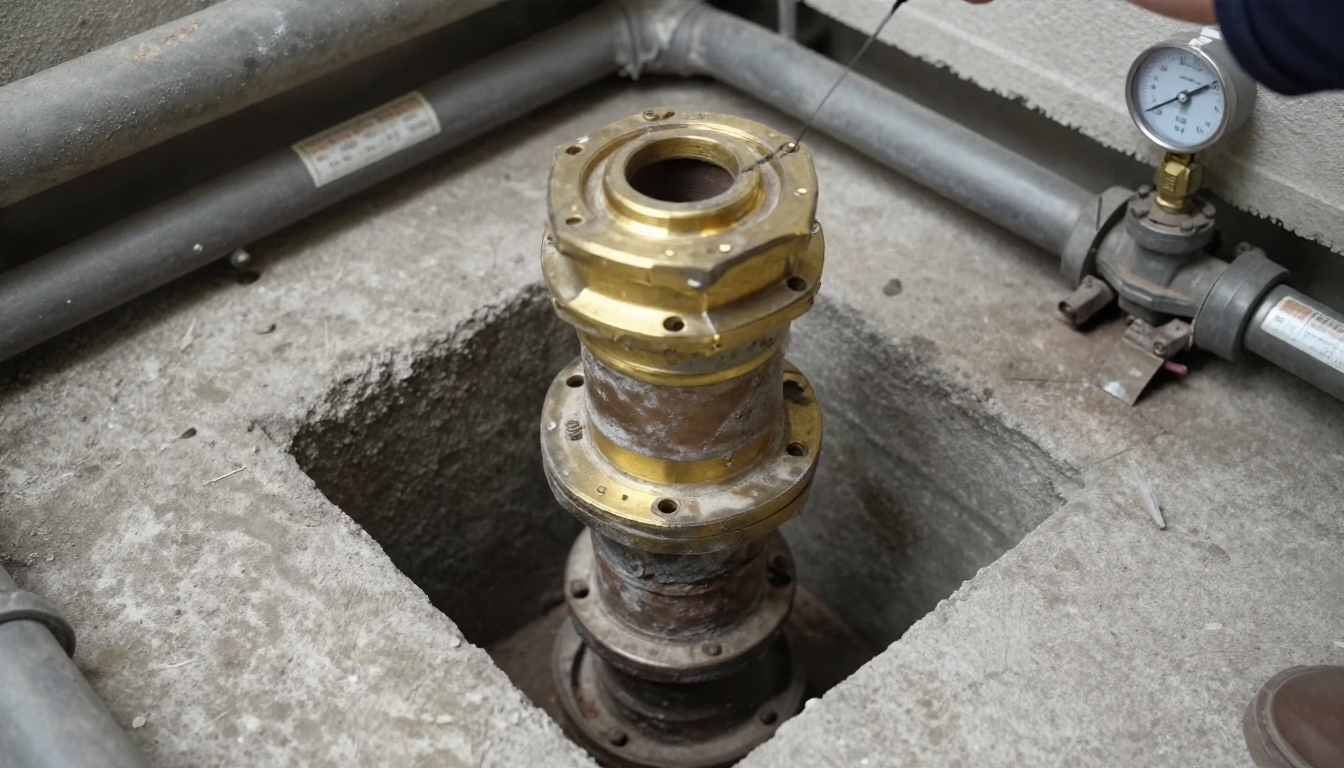
In East York, where many buildings have patchwork repair histories, distance marking matters. If the camera identifies a failure 38 feet from a corridor cleanout and directly under a slab transition near the garage ramp, that gives a manager something actionable. If the report simply says “debris observed,” it is not enough for board approval or contractor coordination.
Evidence to insist on includes recorded video, still images of key defects, a written summary, and clear recommendations. For larger scopes, ask whether line locating is included. That is especially important if there is any chance the next step is slab opening, excavation, or coordination with other trades. If the camera findings suggest the problem is not isolated, managers should also ask whether the contractor sees signs that a larger capital scope such as domestic water riser replacement, full building re-piping, or related renewal work should be investigated separately. Different systems, of course, but recurring failures often cluster in the same vintage of building infrastructure.
For fall planning, this is also the time to check whether pressure complaints, fixture noise, or recurring leaks are part of a broader system condition issue. Some East York buildings use the same shutdown opportunity to review pressure reducing valve maintenance and replacement if winter pressure swings have been creating complaints or stressing older fixtures.
A representative East York camera inspection project
A representative example would be a 7-storey apartment building from the late 1960s near the Danforth side of East York. The property had 60-plus suites and recurring complaints on one vertical kitchen line. Over about nine months, the superintendent had arranged three separate drain-clearing calls after backups affected lower-floor sinks. Each time, the line was restored, but the stoppage returned.
BMI was asked to attend first for a service assessment and then to carry out a camera pipe inspection after cleaning. Access was through an existing cleanout in a service room and, for confirmation, through a branch point behind a base cabinet in one vacant suite. The line was heavily scaled cast iron. After mechanical cleaning and flushing, the camera showed pronounced internal corrosion and scale buildup through much of the stack section, plus a rough offset at a horizontal transition above the basement ceiling. Solids were catching at the offset because the effective internal diameter was already reduced by scale.
The report separated the work into immediate and planned items. Immediate work involved removing and replacing the failed transition section and restoring proper alignment. Planned work involved scheduling a broader cleaning and condition review of the remaining kitchen line, because the rest of the stack was still serviceable but clearly deteriorated. The immediate repair took two working days, including access protection, shutdown coordination, opening and reinstatement. The rough cost for the inspection, cleaning, reporting, and localized repair landed in the approximate range of $6,500 to $12,000, depending on the extent of opening and finishing required. A full stack replacement would have been materially more, but the video showed it was not yet necessary across the entire line.
That is where camera evidence earns its keep. Without it, the building could have continued paying for reactive calls every few months. With it, management had documentation for the board, a defined repair location, and a maintenance plan for the remaining piping. For many East York properties, that is the difference between guesswork and a defensible budget line.
Costs and timelines for camera pipe inspection in East York
Costs vary with access, line length, whether the line must be cleaned first, and whether the scope is a single problem line or a broader building survey. These are GTA market estimates, not quoted prices.
For East York multi-residential buildings, typical ranges are:
- Single accessible branch or stack section camera inspection: about $650 to $1,500
- Inspection requiring preliminary snaking or jetting: about $1,000 to $2,500
- Multiple lines or partial building CCTV drain survey with reporting: about $2,000 to $7,500
- Inspection with locating, coordination for slab opening, or after-hours work: often $3,500 to $10,000+ depending on complexity
If the camera finds a localized issue, repair costs then depend on what was found:
- Opening and replacing a short accessible section above a basement ceiling may be a few thousand dollars.
- Opening walls or slab, coordinating shutdowns, and reinstating finishes can move the cost much higher.
- If the findings point to a larger renewal scope, managers may need budgeting for valve replacement, stack renewal, or broader project solutions for capital plumbing work.
Timelines are usually shorter than boards expect for diagnosis and longer than they expect for access coordination. A straightforward East York inspection can often be completed in one visit, but notices, suite access, and preparing a line for clear video may take several days to arrange. If the purpose is budget planning rather than emergency response, fall is the right time to do it before winter holiday occupancy and cold-weather scheduling pressures arrive.
Repair versus replacement in East York: using camera evidence to decide
The value of a CCTV drain survey is that it helps avoid the two most common mistakes: replacing too much pipe too soon, or replacing too little too late.
Repair is usually reasonable when the camera shows a localized defect in an otherwise serviceable line. Examples include a failed fitting, a short offset transition, a single belly in a horizontal run, or a blockage point caused by a specific construction issue. In that case, management can authorize a targeted repair, preserve capital, and monitor the line afterward.
Replacement becomes easier to justify when the video shows systemic deterioration. In East York, that often means long sections of scaled cast iron, repeated defects at multiple transitions, or buried drains with widespread settlement. If the same line has needed repeated service and the camera confirms broad interior failure, continued reactive spending usually stops making financial sense. At that point, the discussion shifts from service to planned capital work such as full building re-piping or line-by-line replacement strategies.
For boards, this also ties into reserve fund planning. Reserve fund studies are updated on a regular cycle, but a camera survey can supply real condition evidence between study updates. That is often helpful when the reserve plan assumed a later replacement date but actual pipe condition in East York says otherwise.
What deferring camera inspection costs
Deferring the inspection is not the same as deferring the repair. It usually means continuing to spend money without understanding the problem.
The direct cost is repeated emergency attendance, resident disruption, cleanup, and staff time. If a building keeps authorizing 24/7 emergency leak response or repeated clearing without diagnosis, those invoices accumulate quickly and still may not solve the issue.
The indirect cost is larger. Backups can damage suites, corridors, and amenity finishes. If responsibility is unclear, management may face chargeback disputes between unit owners and the corporation. Insurance carriers increasingly expect evidence of maintenance and timely response, especially where a history of similar incidents exists. A camera report helps show that the corporation investigated the source and made decisions based on documented conditions.
There is also the budget consequence. In East York, many boards are balancing aging infrastructure against limited reserve flexibility. Spending $1,500 to $5,000 on proper investigation can prevent a much larger mistake, whether that mistake is repeated reactive work or a premature capital project. For broader planning, it can also be useful to review all building plumbing maintenance programs so drainage, valves, and pressure control are being managed together rather than as unrelated emergencies.
FAQs about camera pipe inspection in East York
When should a condominium in East York order a camera pipe inspection instead of another drain snaking call?
If the same stack, branch or underground line is backing up repeatedly, a camera inspection is usually the right next step. Snaking can restore flow temporarily, but it does not tell a manager whether the underlying issue is scale, offset joints, settled underground piping, root intrusion or a failed fitting. In many East York buildings, especially older low-rise rentals and 1960s to 1980s apartment stock, that distinction matters because repair scopes and budgets are very different.
What does a camera inspection in an East York building actually include?
A proper camera inspection usually includes access through a cleanout or removed fixture, live video of the line interior, distance marking, identification of pipe material and location of defects, and a written summary with still images or clips. For larger condominium systems, it may also include mapping which branches tie into which stack and where a blockage or break sits relative to a corridor, parking garage or suite line. If the problem appears to be in buried piping, managers should ask whether locating equipment is included so the defect can be marked above grade.
Can a CCTV drain survey find problems in both sanitary and storm piping in East York?
Yes, but the setup and findings are different. Sanitary lines often show grease, paper buildup, scale, corrosion and sags, while storm leaders and parking garage drains may show sediment, root intrusion at older connections, cracked fittings or standing water after rain. In East York properties with a mix of original underground services and later additions, camera work is often the fastest way to separate a sanitary issue from a storm issue before authorizing excavation.
How much does camera pipe inspection cost in East York?
For a straightforward condominium or apartment call in East York, a basic camera inspection of an accessible branch or stack section may run roughly $650 to $1,500, depending on access, line length and whether cleaning is needed first. A larger CCTV drain survey involving multiple stacks, underground mains, locating, reporting and coordination with building staff can range from about $2,000 to $7,500 or more. If jetting, after-hours work, traffic control or excavation planning are required, costs increase.
Do older East York buildings need cleaning before a camera inspection?
Often, yes. Heavy grease, paper debris, scale or standing sewage can make video findings incomplete or misleading, so a drain may need snaking or hydro-jetting before the camera goes in. That is common in East York kitchen stacks and older cast iron sanitary lines, which is why managers often combine a drain cleaning and snaking service or kitchen stack cleaning program with the inspection.
Is camera inspection useful for reserve fund planning in East York, or only for emergencies?
It is useful for both. In an emergency, it helps identify the immediate failure point and avoid unnecessary demolition, but it is also valuable in budget season when boards need evidence for partial replacement, full building re-piping, or underground drain renewal. For East York corporations with aging infrastructure, video evidence and condition notes help managers explain to the board why a recurring maintenance line item has become a capital issue.
Next steps for East York property managers and condo boards
If your East York building has had more than one backup on the same line, or if staff are reasonably sure the problem is in buried or concealed piping, the next step is to scope the inspection properly before another reactive call. Identify which line is affected, confirm available access points, gather any prior plumbing reports, and decide whether the goal is emergency diagnosis, repair planning, or budgeting for next year.
If the problem line is a kitchen stack, fall is also the right time to decide whether a combined cleaning and inspection scope makes more sense before heavier holiday use. If the building has broader plumbing concerns beyond drainage, BMI also handles repairs and service for condominium plumbing systems and can help management separate what belongs in maintenance, what belongs in operating budget, and what has become a capital project.
For examples of the kind of multi-residential work BMI performs across the GTA, property managers can also review completed projects and building references or visit the BMI blog for related topics.
Contact BMI
BMI serves East York and the surrounding GTA from its Toronto shop.
- Contact BMI
- Phone: (416) 845-3756
- Emergency: (416) 845-3756, answered 24 hours a day
- Email: info@brial.ca
More on condominium plumbing
Camera Pipe Inspection in Scarborough Condominiums
Camera pipe inspection in Scarborough for condos and rentals. Learn when CCTV drain surveys are needed, what they show, …
Camera Pipe Inspection in Newmarket Condominiums
Camera pipe inspection in Newmarket for condos and multi-residential buildings. Diagnose drains, stacks and underground …
Camera Pipe Inspection in Etobicoke Condominiums
Camera pipe inspection in Etobicoke for condos and rentals. Learn how CCTV drain surveys diagnose stack, branch and …
Need a plumber in your building?
BMI services roughly 200 condominium and multi-residential buildings across Toronto and the GTA. Emergencies are answered at any hour.