Camera Pipe Inspection in Scarborough Condominiums
Camera pipe inspection in Scarborough for condos and rentals. Learn when CCTV drain surveys are needed, what they show, and typical costs.
Camera Pipe Inspection in Scarborough Condominiums
Quick summary: In Scarborough, camera pipe inspection is most useful when a condominium or rental building has recurring backups, unexplained leaks, or drain complaints that ordinary snaking does not fully explain. A proper CCTV drain survey shows whether you are dealing with a maintenance problem, a localized repair, or a larger capital issue, which is exactly what boards and property managers need during fall budget season.
Why camera pipe inspection shows up so often in Scarborough buildings
Scarborough has a building mix that makes camera work particularly valuable. A large share of its multi-residential stock was built in the apartment and early condominium waves of the 1960s, 1970s and 1980s, with additional tower development through the 1990s along corridors such as Eglinton East, Lawrence East and around Scarborough Town Centre. Those buildings were typically piped with cast iron sanitary stacks and branches, copper domestic water, and in some cases clay or older concrete underground drainage outside the footprint. What is failing now is not always visible from the suite.
In older high-rises near Kingston Road or around the larger tower clusters off Markham Road and McCowan, we commonly see cast iron that has not necessarily collapsed but has narrowed substantially from internal scaling. Kitchen lines are another frequent issue. Decades of grease loading can leave a branch technically open but badly restricted, so the building sees repeated backups on busy weekends or around holiday cooking periods. A cable machine may restore temporary flow, but it does not tell the manager whether the line is serviceable for another few years or whether a section is near the end.
Scarborough’s topography also matters. Buildings at different elevations and distances from municipal infrastructure can experience different drainage behaviour and pressure conditions, and in taller towers the internal zoning and pressure control equipment adds another layer. If a building already has questions about pressure stability, it is worth coordinating the drain investigation with a review of its pressure reducing valve maintenance and replacement history, because complaints can overlap even when the root causes are different.
For boards trying to distinguish routine maintenance from capital renewal, camera inspection is one of the most useful first steps. It fits naturally alongside a broader maintenance programs approach because it gives evidence, not assumptions.
How drain problems present in Scarborough towers and rentals
The way these issues are reported is usually not dramatic at first. A Scarborough property manager might hear that one stack has needed snaking three times in six months, that lower suites smell sewer gas intermittently, or that a garage ceiling line is showing repeated patch repairs. Residents often describe slow kitchen sinks, gurgling at adjacent fixtures, or backups that only happen when upper floors discharge heavily.
In 1970s and 1980s stock, one common pattern is recurring trouble on the same vertical stack serving kitchens or back-to-back bathrooms. Another is a basement or parking garage complaint where staff notice staining at a cleanout, seepage from a hub joint, or evidence that previous service calls restored flow but did not solve the restriction. In some low-rise rental blocks, the issue is outside the building envelope: the interior branch works, but the underground sanitary run has settlement, root ingress or a broken section.
A camera pipe inspection in Scarborough is also useful after an emergency response. If a building has had a backup requiring 24/7 emergency leak response, the immediate goal is containment and restoration of service. The next question for management is whether the incident was a one-off blockage or a symptom of a line that is structurally failing. Without video evidence, that discussion usually turns into guesswork.
This is especially relevant in fall. Before winter sets in and before holiday occupancy and cooking loads increase, many buildings use a camera pipe inspection to verify the condition of problem lines and decide whether to clean, repair or defer with eyes open.
What a Scarborough camera inspection actually involves
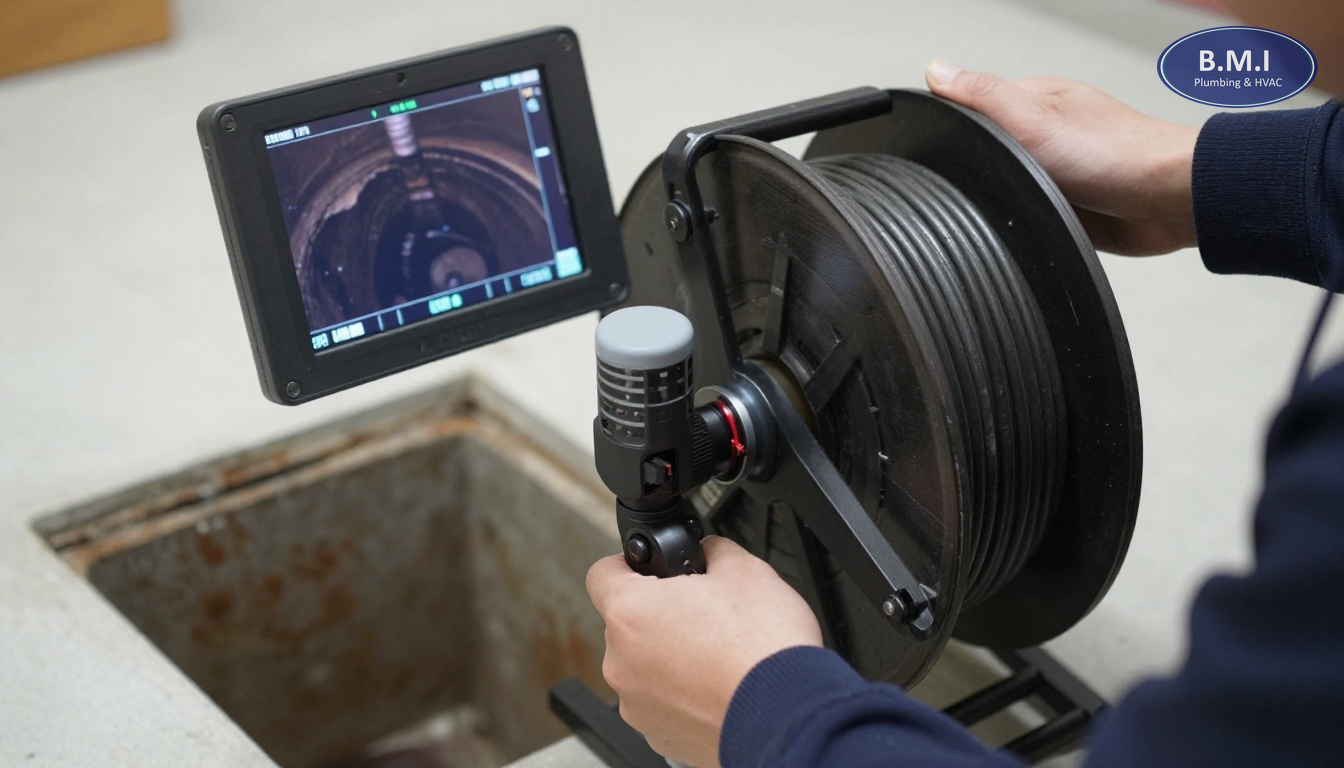
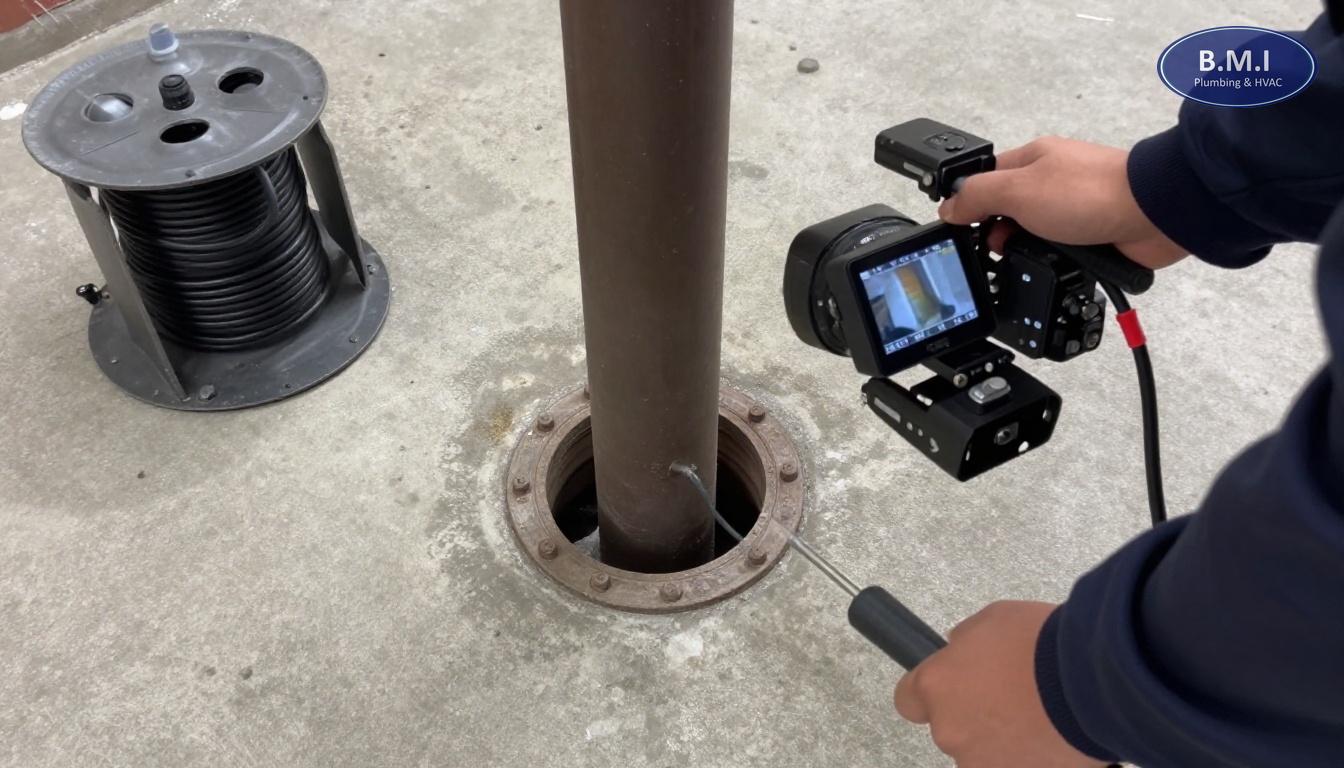
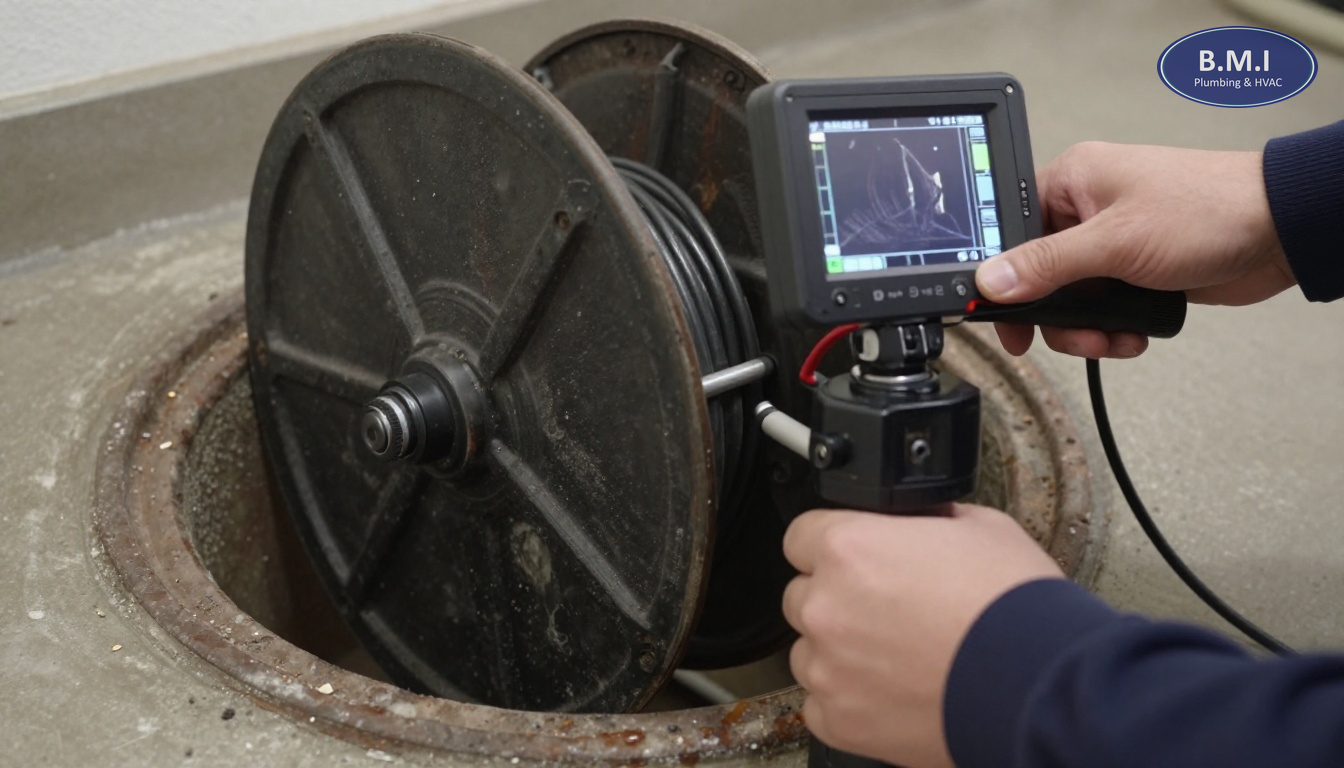
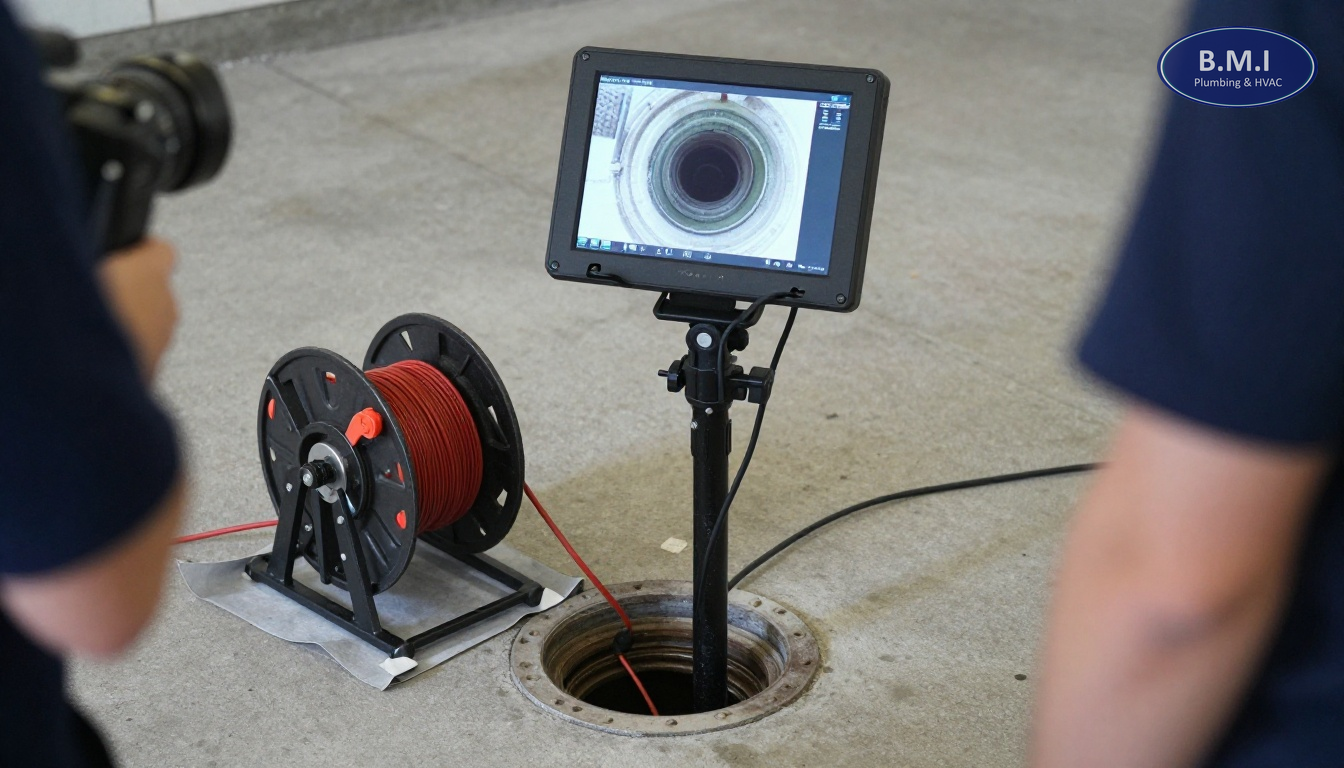
A proper camera inspection is more than pushing a lens into a pipe and watching a screen. For a condominium or multi-residential building, the scope should identify which line is being inspected, from where, in which direction, and for what purpose. Is the goal to locate a recurring kitchen blockage, confirm the condition of a sanitary stack, investigate a suspect underground run, or verify a repair before closing walls? The answer changes the method.
For interior sanitary and waste lines, access is usually through a stack base cleanout, a branch cleanout, a mechanical room connection, or selected suite fixtures if the line geometry requires it. If the line is heavily fouled, the right sequence is usually cleaning first, inspection second. That may involve drain cleaning and snaking for general blockage removal or kitchen stack cleaning where grease is the main issue. A camera can only report what it can see.
For underground or longer horizontal runs, the inspection should note footage, direction changes, offsets, standing water, root intrusion, separated joints and any visible fractures. In older Scarborough sites with original exterior drainage still in service, these details matter because they determine whether excavation is likely, whether a repair can be localized, and whether the problem is inside the plumbing scope or needs civil coordination.
For property managers, the evidence to insist on is straightforward:
- A labelled video showing the actual line inspected
- Still images of key defects
- Approximate distances or measured locations to major issues
- A written summary in plain language
- A recommendation that separates maintenance, repair and replacement options
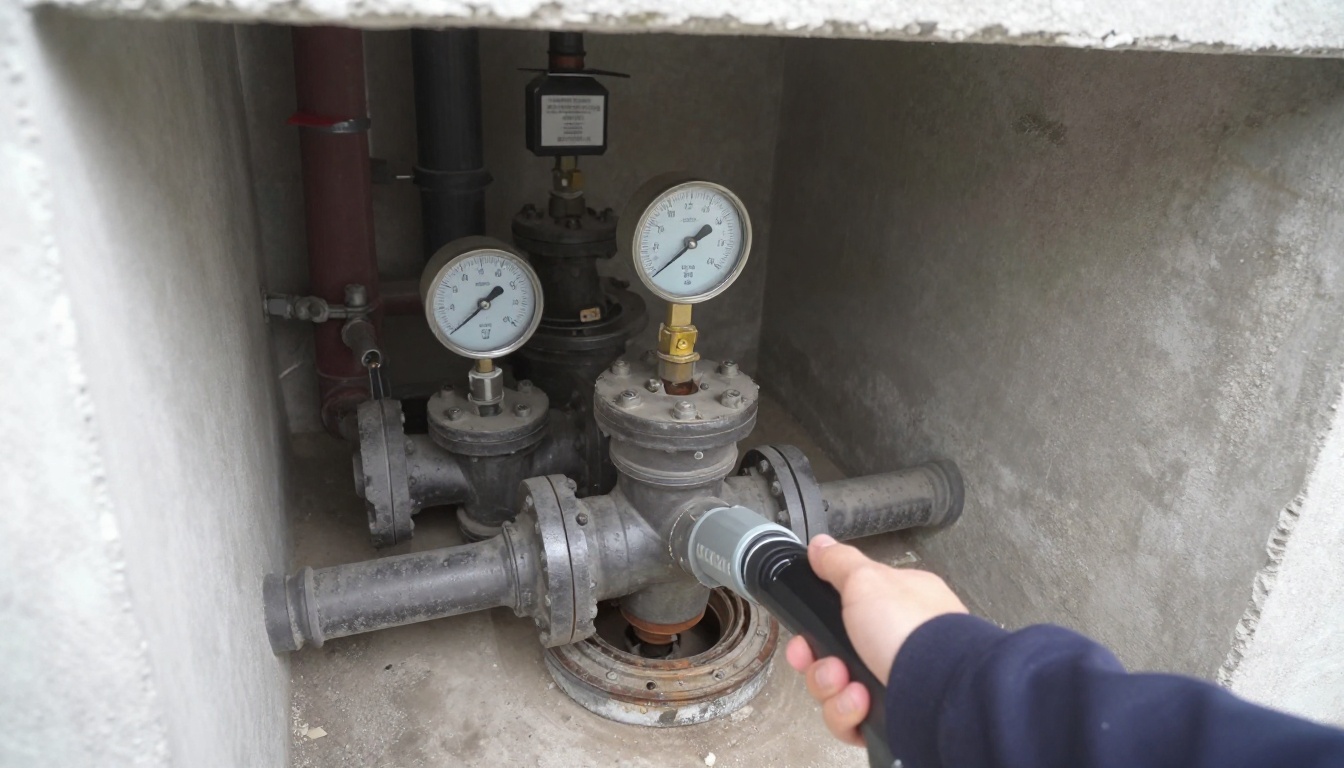
If the inspection touches systems related to cross-connection control or mechanical room piping, it is also a good time to review the building’s backflow prevention testing and certification records. That is a separate issue from drainage, but in older buildings the same lack of visibility tends to affect both.
A representative Scarborough project: recurring kitchen stack backups in an older high-rise
A representative example would be a 19-storey condominium from the late 1970s near the Scarborough Town Centre area. The building had 2 recurring complaints: slow kitchen drainage on a vertical stack serving roughly a dozen suites, and occasional sink backups in the lower floors during weekends. The stack had been snaked several times over two years, but the problem kept returning.
The building asked for a targeted camera pipe inspection after another backup in early fall. Access was set up through the stack base cleanout and through one affected suite. Before the survey, the line was mechanically opened and flushed because grease and sludge were obscuring visibility. Once the camera was run, the findings were clearer than the service history had suggested: the cast iron stack was heavily scaled, there was a pronounced grease shelf at an offset branch connection, and the lower horizontal section had lost enough internal diameter that normal discharge from peak cooking periods was overwhelming the available flow area.
The immediate work was not a full replacement. The building proceeded with intensive cleaning of the kitchen stack and the lower horizontal branch, followed by a repeat video to confirm restoration of diameter where possible. The report recommended scheduled kitchen stack cleaning at a fixed interval and flagged the lower section for capital planning because the remaining wall condition was poor. The total site work took about one working day for cleaning and inspection, with follow-up reporting shortly after. A realistic market cost for that scope in Toronto-area conditions would often fall around $1,500 to $3,500 depending on access, line length and how much cleaning was required before useful video could be obtained.
That outcome is typical of why camera work matters. Without the video, the building would likely have continued paying for repeated emergency calls. With the video, management had a maintenance plan for the short term and a documented basis for future replacement budgeting.
Costs and timelines for camera pipe inspection in Scarborough
Costs vary widely because the inspection itself is only part of the job. A short, accessible camera survey of one line in a condominium mechanical room is very different from a multi-line investigation across several stacks and occupied suites.
For budgeting purposes in the Toronto market, these are reasonable planning ranges, not quoted prices:
- Single accessible line inspection after a simple opening: roughly $700 to $1,500
- Camera inspection requiring additional cleaning or snaking first: roughly $1,200 to $3,000
- Multi-line survey across several problem areas in a mid- or high-rise: roughly $3,000 to $8,000+
- More involved investigation of underground drainage with extended footage, difficult access or after-hours coordination: often higher, depending on scope
Timelines are usually short once access is organized. A targeted Scarborough camera inspection can often be completed in a half day to a full day. Reporting may follow the same day or within a few business days depending on how much footage must be reviewed and whether the building needs marked-up recommendations for board use.
Logistics affect both cost and schedule. Older Scarborough towers often have tighter service rooms, limited parking and loading, older elevators that need booking, and service corridors that complicate hose and equipment movement. If the inspection requires entry to occupied suites, notices, key control and superintendent coordination become part of the real job. These are not side issues; they are what make one building straightforward and another expensive.
Where the camera findings point beyond maintenance into capital work, the next step may involve sectional and isolation valve replacement, domestic water riser replacement, or broader project solutions depending on what system is actually failing. The inspection should narrow that decision, not blur it.
Repair versus replacement: how Scarborough boards should decide
The value of CCTV evidence is that it improves the repair-versus-replacement decision. Not every ugly-looking pipe needs immediate replacement, and not every line that can be reopened is a good candidate for ongoing service calls.
Repair or scheduled maintenance usually makes sense when the camera shows a line that is structurally intact but fouled by grease, scale or localized debris. In that case, the right answer may be recurring cleaning, resident communication, and confirmation that isolation and shutoff infrastructure is in working order through a valve audit, charting and exercise program.
Replacement planning becomes more likely when the inspection shows channel rot in cast iron, repeated offsets at joints, cracks or separation in underground lines, or wall loss severe enough that cleaning only buys short time. In some Scarborough buildings, camera findings on drainage are part of a bigger pattern that includes aging domestic piping, inaccessible valves and repeated in-suite fixture issues. That is when boards should step back and compare isolated repairs with larger work such as full building re-piping or other phased capital projects.
For condominiums, this also intersects with governance. Reserve fund studies are updated on a regular cycle, but they are only as useful as the condition information behind them. Good camera evidence can support a more realistic reserve fund assumption rather than continuing to treat repeated drainage failures as operations. If suite alterations have changed fixture loading or branch layouts, section 98 issues under the Condominium Act can also come into play, and management may need to sort out responsibility before approving work.
What deferring a drain inspection in Scarborough really costs
Deferral usually looks cheaper until the same line fails again on a weekend, affects multiple suites, or causes secondary damage. The direct plumbing invoice is only one part of the cost. There may also be after-hours labour, restoration, cleaning, resident claims, deductible pressure, staff time and board attention diverted from planned work.
In practical terms, a Scarborough condominium that keeps snaking the same unresolved line is often paying for uncertainty. Without a camera record, every subsequent contractor starts with less information than they should have. That increases the chance of repeated emergency attendance, unnecessary exploratory openings, and poor capital timing.
There is also the insurance side. Repeated water and wastewater incidents can affect a building’s claims history and its internal chargeback discussions. If the board already knows a line is a recurring problem, documented inspection and a reasonable maintenance response are easier to defend than ongoing reactive calls with no condition record. During fall budget season, that matters. It is much easier to take a documented number to the board than to explain another emergency in January.
Even where no immediate replacement is needed, camera findings often reveal where the building would benefit from a broader preventive approach, whether that is in-suite plumbing repairs, coordinated fixture service, or better alignment between operations and capital planning.
FAQs about camera pipe inspection in Scarborough
When should a Scarborough condo order a camera pipe inspection instead of just snaking the line?
A camera pipe inspection makes sense when the same stack, branch or underground line is backing up repeatedly, when multiple suites are affected, or when there is evidence of structural pipe failure rather than a simple soft blockage. In many Scarborough buildings from the 1960s through 1980s, cast iron and clay systems can have scaling, offsets, channel rot or settled sections that a cable machine will not explain. If the board is budgeting for repair work, video evidence and measured locations are much more useful than a verbal description from a service call.
What kinds of problems does CCTV drain survey work usually find in Scarborough buildings?
In older Scarborough apartment and condominium stock, CCTV drain survey work commonly shows heavy internal scaling in cast iron, grease accumulation in kitchen branches, cracked or displaced clay sanitary lines, root intrusion on exterior runs, and bellies in underground piping. In 1980s and 1990s towers, we also see deterioration around fittings, previous patch repairs, and branch connections that have narrowed over time. The point of the inspection is to separate a maintenance issue from a capital replacement issue.
How disruptive is a camera inspection in a Scarborough high-rise?
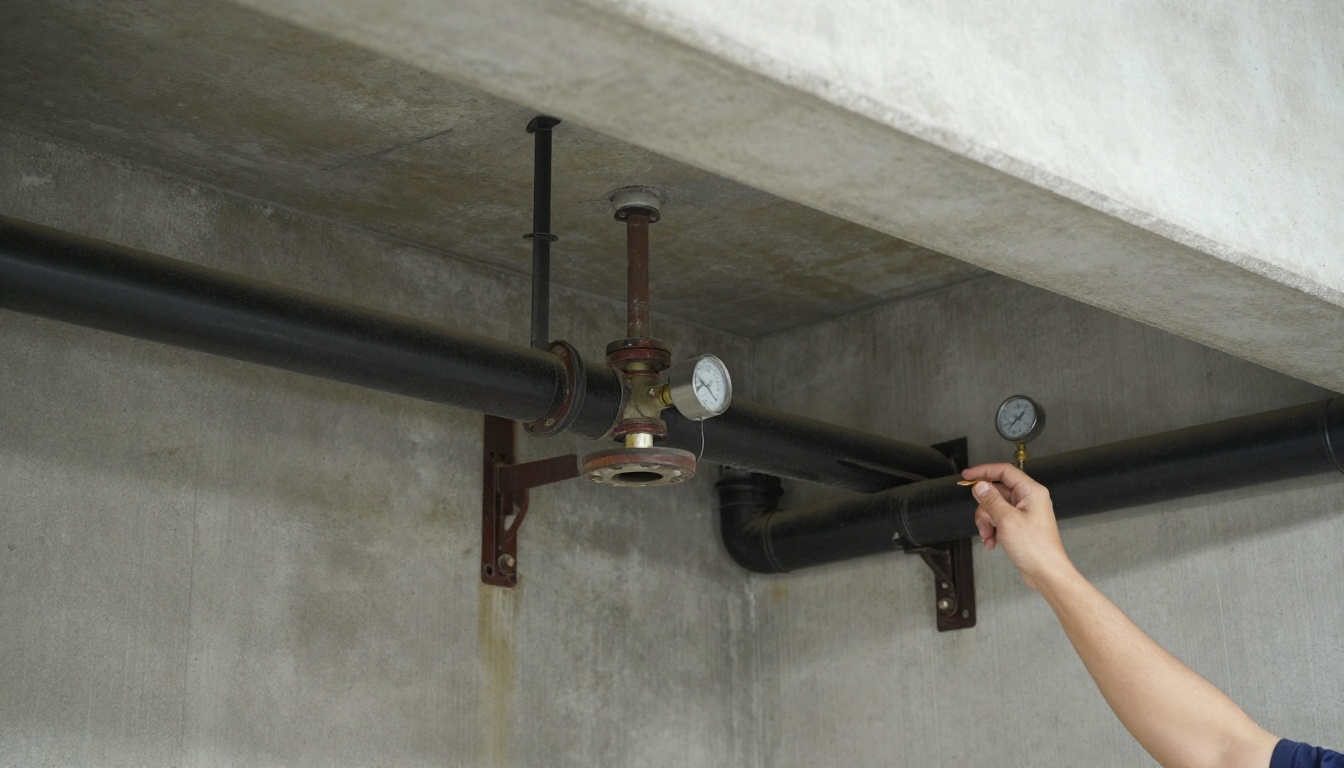
Most camera inspections are relatively controlled compared with exploratory demolition. Access is usually through cleanouts, stack bases, mechanical rooms, parking garage ceiling piping, or selected suites, and a typical survey can often be completed in part of a day to a full day depending on the number of lines. In occupied Scarborough towers, the main coordination issues are suite access, elevator booking, protection of finishes, and timing around resident notice requirements.
Do we need drain cleaning before a camera pipe inspection in Scarborough?
Often, yes. If the line is full of grease, paper, sludge or standing water, the camera may only show the blockage and not the condition of the pipe wall behind it. For that reason, many Scarborough buildings pair a CCTV drain survey with drain cleaning and snaking or, for kitchen systems, kitchen stack cleaning so the video becomes useful for decision-making rather than just confirming that a blockage exists.
What should a property manager ask for after a camera inspection in Scarborough?
Ask for a labelled video, still images of significant defects, a written summary identifying the line inspected, approximate distances to defects, and a practical recommendation for next steps. For a Scarborough condominium, that usually means one of three paths: maintenance cleaning, localized repair, or larger capital planning such as building re-piping or underground drain replacement by the appropriate trade. The key is evidence that can be reviewed by management, the board and consultants.
Can a camera inspection help with reserve fund and budget planning in Scarborough?
Yes, especially during fall budget season. A camera inspection gives boards better information on whether recurring service costs are coming from a maintainable condition or from piping that is near the end of its service life, which matters when updating reserve fund assumptions under the Condominium Act framework. In Scarborough buildings where original sanitary or storm piping is still in service, CCTV evidence can support a phased plan instead of reacting to emergencies one line at a time.
Next steps for a Scarborough building with recurring drain issues
If your Scarborough building is seeing repeated backups, unexplained slow drainage, or the same stack being serviced over and over, the next step is usually to define the exact line, review recent service history, and decide whether cleaning should happen before the camera survey. From there, the building should receive evidence that can be used for operations, resident communication and board budgeting.
BMI serves Scarborough and the surrounding GTA from its Toronto shop. For managers and boards, the goal is straightforward: get a useful inspection, not just footage. If you need support with a targeted camera pipe inspection, related repairs and service, or a broader review of recurring plumbing issues, start with the scope and the problem history so the inspection answers the right question.
Contact BMI
Phone: (416) 845-3756
Emergency: (416) 845-3756, answered 24 hours a day
Email: info@brial.ca
More on condominium plumbing
Camera Pipe Inspection in Newmarket Condominiums
Camera pipe inspection in Newmarket for condos and multi-residential buildings. Diagnose drains, stacks and underground …
Camera Pipe Inspection in Etobicoke Condominiums
Camera pipe inspection in Etobicoke for condos and rentals. Learn how CCTV drain surveys diagnose stack, branch and …
Camera Pipe Inspection in Mississauga Condominiums
Camera pipe inspection in Mississauga for condos and rentals. Learn when CCTV drain surveys are needed, what they show, …
Need a plumber in your building?
BMI services roughly 200 condominium and multi-residential buildings across Toronto and the GTA. Emergencies are answered at any hour.