Condo Drain Backup Signs in Toronto: Is It the Stack?
Learn which suite complaints signal a condo drain backup caused by a stack issue, what evidence to gather, and when Toronto buildings should escalate fast.
Condo Drain Backup Signs in Toronto: Is It the Stack?
Quick summary: In condominium buildings, the complaint you receive is often not the location of the problem. A sink backing up in one suite may be a branch-line issue, but when the pattern involves vertically aligned units, backups triggered by neighbours’ water use, or repeat calls on the same line, those are classic stack blockage symptoms that should be treated as a building problem, not another isolated suite service call.
Every fall, as boards in Toronto, North York and Mississauga work through next year’s budgets, this is one of the most expensive judgment calls to get wrong. If you keep paying for one-off drain calls when the stack is the real issue, costs compound quietly until a holiday-weekend condo drain backup turns into flooring damage, cabinet replacement and an insurance file.
The first mistake is believing the complaint at face value
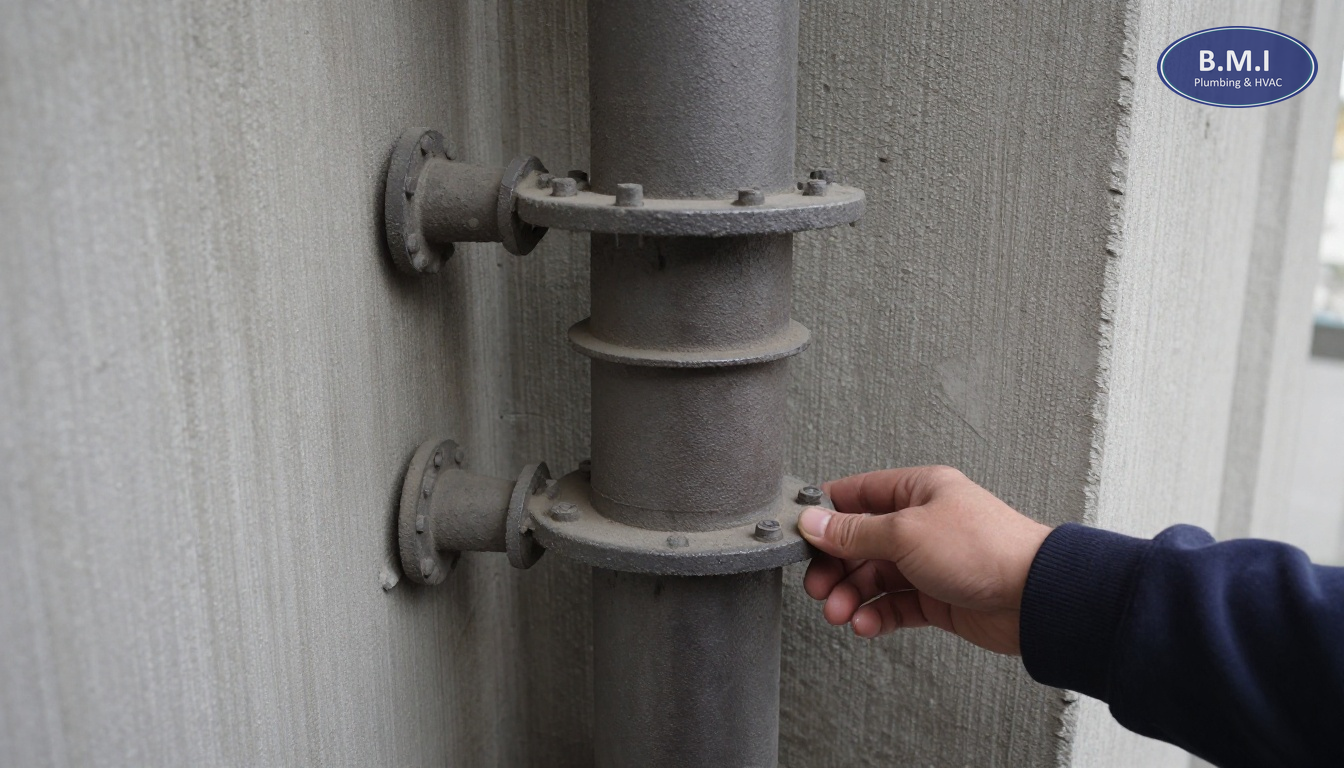
A resident reports that “my kitchen sink is blocked”. That is a symptom, not a diagnosis. In multi-residential buildings, especially 1970s and 1980s concrete high-rises with 3-inch or 4-inch cast iron kitchen stacks, the suite where water appears is often just the lowest available opening above the restriction. The actual problem may be 6, 10 or 15 floors below, or at a horizontal offset where the stack turns in the ceiling of a lower level.
This is why experienced contractors start with the pattern, not the fixture. A one-suite lavatory stoppage in a post-2010 glass tower in downtown Toronto is often local to that suite’s 1 1/2-inch branch or trap arm. A kitchen sink that backs up only when the resident above runs a dishwasher is different. That points toward shared piping and should usually be escalated beyond a basic drain cleaning service call.
A common mistake we see in early-1990s North York towers is treating each complaint as a separate resident issue because the first snake gets some temporary movement. What that really means is the branch was opened enough to relieve pressure, while the 3-inch stack remains narrowed by grease and scale. The result is a cycle of repeat service calls every few weeks until the line finally loads up fully.
For managers building a defensible record, this is where a simple incident log matters. Suite number, stack line, time of day, fixture affected, what upper suites were using, and whether wastewater was clear, soapy or dark with food solids will tell you more than a resident’s description alone. If your building does not already track this, it should be part of your maintenance program workflow.
What complaints usually mean the stack is involved
There are a handful of complaints that, in our experience, should make a property manager think common element drainage before in-suite plumbing.
1. “My sink is fine until the suite above uses water”
This is one of the strongest stack clues in the field. If a resident can run their own kitchen tap for a minute without issue, but the sink backs up when the suite above empties a full basin or dishwasher, the branch line in that suite is usually not the primary restriction. The shared vertical line is not accepting discharge fast enough, so the lower opening becomes the relief point.
In real terms, a dishwasher can dump several gallons quickly, and a partially restricted 3-inch cast iron stack with heavy grease lining may have lost enough internal diameter that peak discharge from two or three suites exceeds what the pipe can pass. That is when the lower suite sees a sudden rise in the sink rather than a slow drain.
2. “Units 304, 404 and 504 all called today”
Vertically aligned complaints are rarely random. If the affected units line up on the same stack and the symptoms are similar, the probability of a shared restriction rises sharply. In purpose-built rentals and condominium towers in Scarborough and Etobicoke, one of the fastest ways to waste money is to dispatch separate isolated calls without checking whether the suites are all on the same riser or waste stack.
This is where a building operator’s stack chart or plumbing as-built earns its keep. If you do not have reliable valve and stack mapping, a valve audit and charting program is not just for shutdowns; it also shortens diagnosis when repeat plumbing events start showing up on the same vertical line.
3. “The kitchen sink backs up, but the bathroom is normal”
That distinction matters. In many condominium layouts, the kitchen waste line is a separate stack from the sanitary serving bathrooms. Kitchen stacks carry grease, food fines, detergent residue and heavier organic loading. Bathroom groups generally carry more soap and paper but less grease. A kitchen-only symptom in older buildings strongly suggests a kitchen stack condition rather than a building-wide sanitary issue.
This is why kitchen stack cleaning programs exist as a separate maintenance item. On a 250- to 350-unit building with older cast iron kitchen stacks, annual or biennial jetting of problem lines often costs less than repeated emergency calls and one deductible-triggering flood.
4. “It smells bad under the sink, but only after backups”
Odour by itself is not conclusive, but odour appearing after intermittent backup events often means organic material is sitting in a rough-walled section of pipe downstream. In cast iron, corrosion and scale create a textured interior that traps grease. Residents often describe this as a sour or rotten-food smell rather than a sewer gas odour. That distinction matters because true sewer gas complaints can also involve dry traps, failed trap primers or venting issues.
5. “The problem keeps coming back in the same line”
Repeat complaints in the same stack line are one of the best predictors that maintenance has become capital planning. If line 07 kitchens have had six drain calls in 18 months, the question is no longer whether the suite was misusing the sink. The question is whether the stack is carrying its design load. At that point, a camera inspection and written condition report are more useful than another reactive snake.
Why stacks fail in Toronto condominium buildings
The reason matters because the correct response is different for grease, scale, offsets and structural failure.
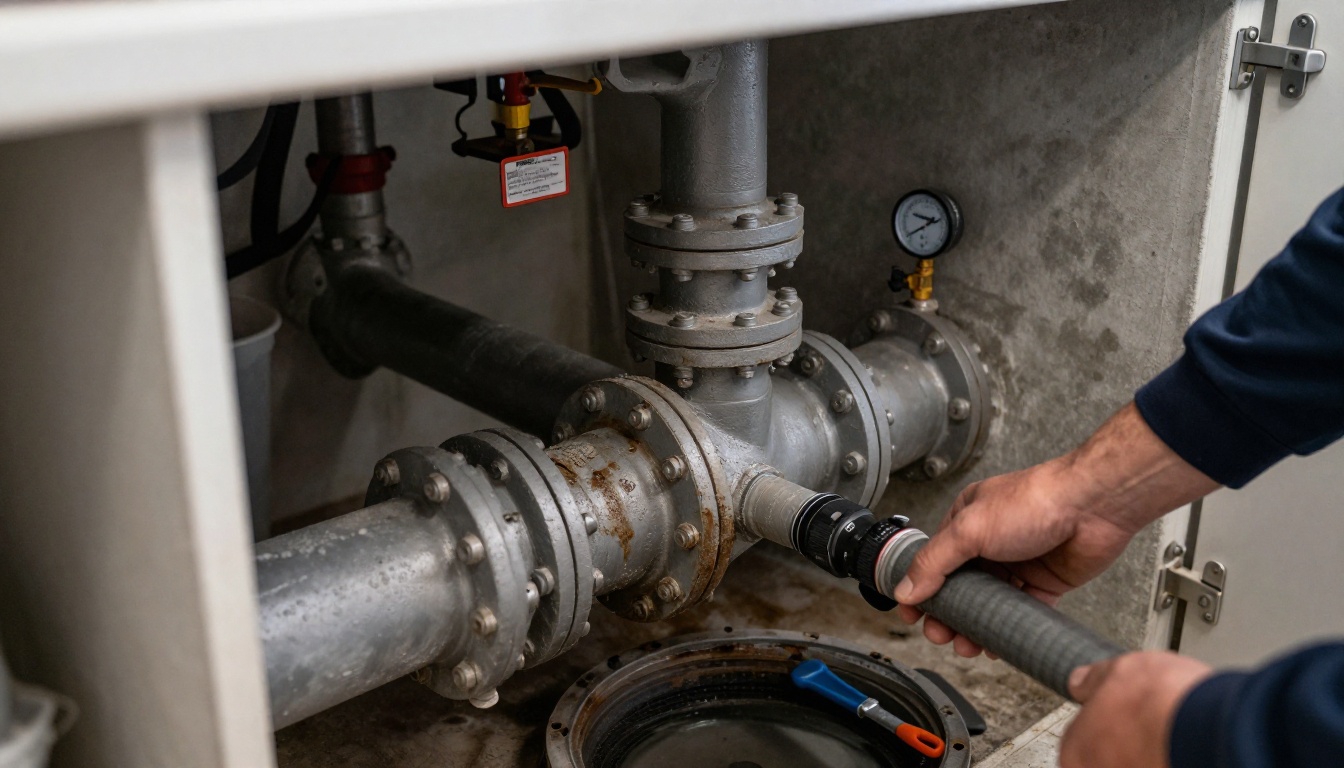
In older Toronto, East York and York high-rises, the most common kitchen stack material is service-weight or no-hub cast iron, usually 3-inch or 4-inch verticals with horizontal offsets in slab or ceiling spaces. After 30 to 50 years, the pipe may still be structurally present but hydraulically reduced. We routinely see stacks where the original 3-inch bore is narrowed enough by grease and hard mineral scale that flow behaves more like a 1 1/2-inch line during peak use.
Toronto water is not the hardest in Ontario, but domestic hot water and detergent chemistry still contribute to deposits over time, especially where slopes are marginal or where kitchen branches enter the stack with poor scouring velocity. In practical terms, hot greasy discharge leaves the suite as a liquid, slows in the stack, cools, and plates onto rough cast iron walls. Once that first layer forms, food particles catch on it, then detergent residue, then more grease. The process is gradual until it is suddenly not.
In early-1990s towers in Vaughan and Mississauga, another issue is not just buildup but geometry. Some buildings have long horizontal kitchen waste runs above parkade ceilings before tying into the main sanitary. Even when the vertical stack is serviceable, a sag, offset or partially settled support on a horizontal section can create a solids shelf. A snake may punch through that shelf. A jetter may clear it. But if the pipe is back-pitched or deformed, the symptom returns.
Post-2010 towers are not immune. The pipe materials may be newer, but modern high-occupancy buildings can produce concentrated peak loading, and food waste habits have changed. More dishwashers, more heavy cooking and, in some cases, poorly controlled owner alterations under section 98 agreements create branch configurations that were not part of the original plumbing design. When BMI investigates repeated backups, it is not unusual to find a renovated island sink, an added bar sink or an improperly tied-in appliance branch contributing to chronic line loading. If there is any sign that private alterations are involved, the corporation should confirm responsibility under the declaration and any section 98 documentation before approving broad common-element conclusions.
For domestic water complaints that mimic drain issues, pressure also enters the picture. A failed or drifting PRV station can create fixture behaviour that residents describe badly, such as hammering, surging or noisy drains that are really supply-side events. Fall is the right time to review PRV maintenance, because winter demand changes and municipal pressure swings often expose weak valves.
The field signs that separate a branch blockage from a stack blockage
Managers do not need to diagnose the pipe themselves, but they do need to know what details to ask for. These are the distinctions that usually matter.
More likely a suite branch issue
- One fixture only is affected.
- The problem does not change when upper or lower suites use water.
- The stoppage clears fully after local snaking and stays clear.
- The affected fixture is close to a likely local cause, such as a lavatory with heavy hair loading or a kitchen trap packed with debris.
- Adjacent vertically aligned suites report nothing.
More likely a stack issue
- Wastewater appears in a lower suite fixture after upper suites discharge.
- Multiple vertically aligned units report symptoms within the same day or week.
- The backup contains food solids, dark grease-laden water or discharge clearly not generated by that suite.
- The same line has had repeat service calls over 6 to 24 months.
- The suite branch has already been cleaned but the symptom returns under peak use.
One specific sign non-experts often miss is timing. A local branch blockage usually presents immediately when that resident uses the fixture. A stack restriction often presents in bursts tied to the building’s schedule: early morning, dinner cleanup, or Sunday evening. If the concierge log shows kitchen complaints clustering between 7 and 10 p.m., that is useful evidence.
Another clue is elevation. In a partial stack blockage, the lowest suite above the restriction often sees the worst backup, while suites above may only report gurgling or slow drainage. That is because the lower fixture is acting as the overflow point. By the time the problem reaches suites much higher up, the line is usually close to fully blocked.
If the issue escalates after hours, treat it as a building protection problem first. A quick-response emergency plumbing team can isolate the immediate risk, but the follow-up should still include root-cause work rather than closing the ticket after water recedes.
What a proper diagnosis should include
The right diagnosis is not “we snaked it and it seems okay.” For a board-approved recommendation, you want evidence that explains why the contractor believes the issue is local cleaning, stack jetting, sectional repair or larger replacement.
Minimum evidence to ask for
- Affected suite list and stack line: which units, on which vertical line, and over what dates.
- Fixture-specific notes: kitchen sink, laundry standpipe, floor drain, lavatory, tub.
- Trigger event: own use, upper-suite use, dishwasher discharge, laundry cycle, peak evening use.
- Pipe access point used: suite trap arm, branch cleanout, stack cleanout, base of stack.
- Pipe material and size: for example, 2-inch copper branch to 3-inch cast iron stack.
- Result of cleaning attempt: temporary relief, full restoration, heavy grease recovered, solids shelf encountered.
- Camera footage where warranted: especially after repeat events or before recommending capital work.
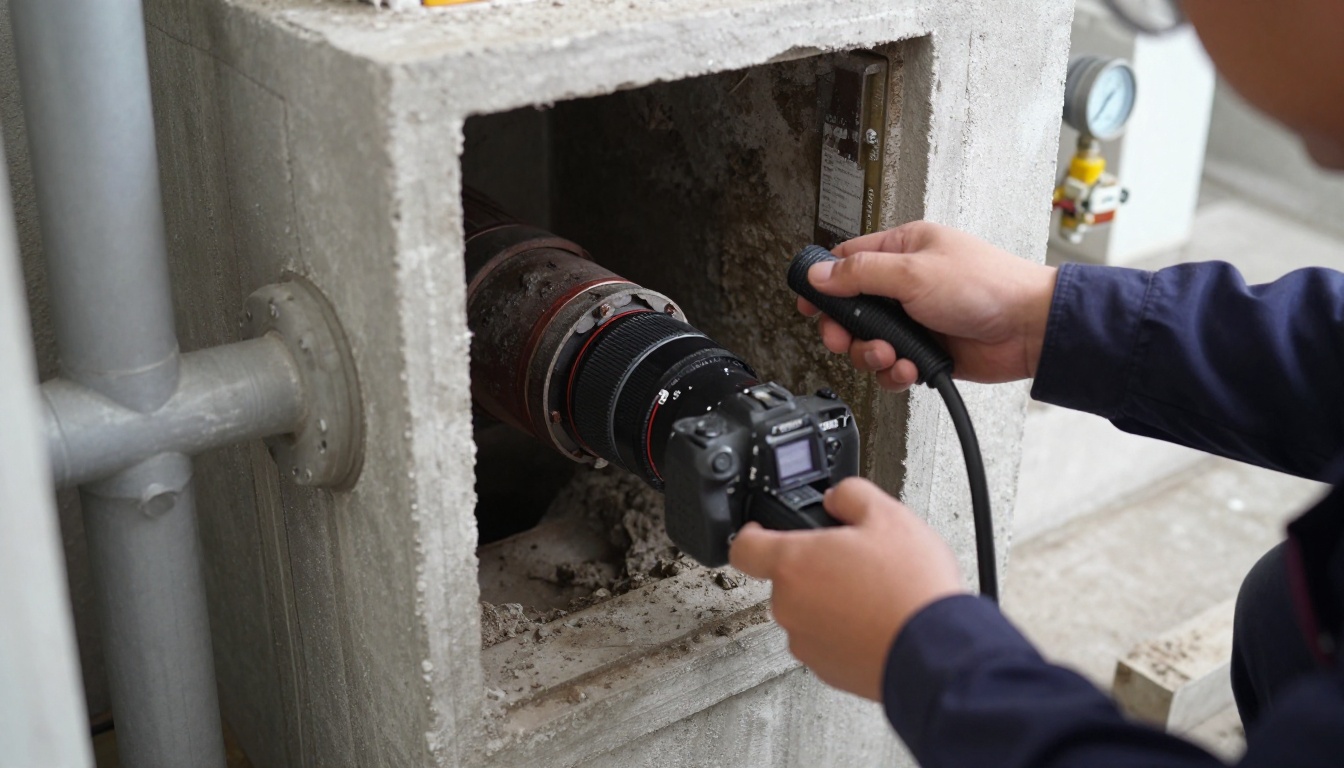
A proper camera inspection should identify whether the restriction is soft buildup, hard scale, a separated joint, a back-pitched horizontal section or bottom-loss corrosion. In older cast iron, the distinction is critical. If the pipe wall is intact, high-pressure jetting may restore years of service. If the invert is rotted out, jetting can make the line look cleaner while doing nothing about structural failure.
In larger buildings, insist that the report note whether the issue is isolated to one stack or systemic across similar lines. On a 300-unit building, one problem stack may justify targeted cleaning. Six problem stacks of the same vintage may justify a building-wide maintenance or phased replacement plan under project solutions.
Repair, clean, or replace: a practical decision framework
The wrong decision is usually at one of two extremes: overreacting to one backup with premature replacement, or underreacting to a pattern that clearly justifies capital planning.
When cleaning is the right answer
Cleaning is usually appropriate when:
- The pipe is structurally sound on camera.
- The issue is grease, sludge or soft-to-moderate scale buildup.
- Complaints are limited to one or two stack lines.
- The building has no recent preventive maintenance history.
- The goal is to restore capacity before holiday cooking season and reassess after.
For kitchen stacks, there is a major difference between snaking and jetting. A snake opens a path. It does not reliably remove grease from the full circumference of the pipe. High-pressure jetting, typically using specialized nozzles sized to the line, cleans much more effectively when access and pipe condition allow. That is why kitchen stack cleaning is generally the better maintenance tool for recurring grease-loaded lines.
When sectional repair makes sense
Sectional repair is often the right middle ground when the failure is concentrated at a known offset, a short horizontal run, or a localized deteriorated section at the base of stack. In condominium terms, this can avoid opening every suite on a line when the actual problem is in a parkade ceiling or service corridor.
That said, managers should be realistic about restoration. Even a short repair can involve access through multiple areas, asbestos-containing material review in older buildings, shutdown coordination, and after-hours work if the line serves many occupied suites.
When replacement is the honest answer
Replacement becomes more likely when:
- Camera footage shows recurring offsets or separations that keep catching solids.
- The cast iron has severe channel rot or bottom loss.
- The same stack has been cleaned repeatedly with shortening intervals between failures.
- Multiple lines of the same age and configuration are failing.
- The cost of repeat emergencies is approaching the cost of planned work.
If the problem turns out to involve domestic water piping rather than drainage, a broader riser replacement or even building re-piping discussion may follow. That is a different category of project, but the same principle applies: use evidence, not anecdote.
What this usually costs in the Toronto market
These are planning numbers only. Actual pricing varies with access, building height, after-hours requirements, restoration scope, asbestos protocols, and whether the work is emergency or scheduled.
| Scope | Typical Toronto-market planning range | Notes |
|---|---|---|
| One isolated suite drain cleaning call | $350-$850 | Usually branch or local stoppage, depending on time and access |
| After-hours emergency drain response | $600-$1,500+ | Can rise quickly if multiple suites, flood response or repeated attendance is required |
| Camera inspection of a problem line | $600-$2,000 | Depends on access point, length surveyed and reporting detail |
| Jetting one kitchen stack | $1,500-$4,000 | Older 3-inch or 4-inch cast iron, access and contamination level matter |
| Multi-stack preventive cleaning program | $5,000-$25,000+ | Highly variable by number of lines, height and suite coordination |
| Localized stack or horizontal section repair | $4,000-$20,000+ | Access, restoration and after-hours shutdowns drive cost |
| Larger phased stack replacement work | Five to low six figures | Depends on number of lines, suite openings and restoration scope |
One useful board-level comparison: on a building with recurring kitchen stack issues, three or four after-hours flood events in a year can consume the same dollars as a planned cleaning program, without reducing future risk. That is why fall budget season is the right time to review whether reactive spending should be converted into scheduled maintenance programs.
If the building also has aging isolation valves that do not hold, budget for that reality. A straightforward drain repair can become more expensive if water control elsewhere in the building is unreliable. In those cases, valve replacement may be part of making future plumbing work manageable.
Timing, access and resident notice: what managers should expect
For a single stack cleaning in an occupied high-rise, the field work itself may take anywhere from 2 to 6 hours, but the real timeline is longer once notices, access and follow-up are included. If suites must be entered, 24-hour written notice is the practical minimum, and more is better in condominium settings where owners may need to arrange tenant access.
A camera inspection can often be done the same day as a cleaning if conditions allow, but not always. If the line is heavily loaded with grease, camera footage before cleaning may show only the blockage, while footage after cleaning provides the useful condition evidence. Managers should ask which sequence is being proposed and why.
For larger stack projects, productivity is usually discussed by line or by suites per day, not by floor count alone. On a limited in-suite access scope, a crew may cover several openings in a day. On a more invasive replacement, especially where kitchens or boxed-in chases are involved, progress can be much slower because drywall, cabinetry protection, noise windows, elevator booking and restoration control the pace.
This is also where fall planning matters. If your building has had even two kitchen stack incidents this year, September through November is the right window to inspect and, if needed, clean before December cooking loads. Waiting until the week between Christmas and New Year’s is how small restrictions become emergency backups. BMI routinely handles 24/7 emergency plumbing, but the better outcome is not needing the emergency call.
Common element or in-suite responsibility?
This is the question managers get from owners immediately, and the answer is often mishandled.
In many Ontario condominium corporations, a vertical stack serving multiple units is a common element or part of the corporation’s repair responsibility even if portions run through a suite. A local trap, fixture tailpiece or owner-added alteration may be the unit owner’s responsibility. The problem is that residents often assume the answer based on where the water appeared, which is not how plumbing systems work.
The practical approach is:
- Confirm the source of the backup before assigning blame.
- Review the declaration and any standard unit definition.
- Check whether there are section 98 alterations affecting the suite branch.
- Document whether the discharge originated from shared piping.
- Coordinate with management and the insurer before discussing chargebacks.
A resident with a leaking faucet or running toilet may need in-suite plumbing service or toilet and faucet repairs. A resident with wastewater pushed up from a shared line is a different category entirely. That distinction affects who pays, who authorizes work and whether reserve fund planning is implicated.
What happens if you defer it
Deferral is not always wrong. A single isolated branch blockage in one suite with no supporting pattern can reasonably be monitored. But a documented stack pattern should not be ignored just because the line is flowing again today.
The risk is not only another backup. Repeated grease loading and partial blockages increase the chance of wastewater escaping at weak joints, concealed branch connections or old cleanout caps. In older buildings, that can mean moisture entering walls or slab edges before anyone sees standing water. By the time the complaint becomes visible, the repair is no longer just plumbing.
There is also a governance issue. If a board has repeated incident logs, prior contractor recommendations and no preventive action, it becomes harder to defend the position that the event was unforeseeable. That matters when owners challenge chargebacks, deductibles or reserve fund planning decisions.
From a budgeting standpoint, one of the most useful things a manager can do in fall is group plumbing incidents by line and by type. If line 03 kitchens have had four backups, line 07 has had three and line 11 none, next year’s budget should reflect targeted work, not a generic contingency. If the evidence suggests broader age-related deterioration, that may be the point to request pricing for phased project solutions or to review comparable work on BMI’s completed projects page.
FAQs
How can you tell if a drain problem is in one suite or in the building stack?
The clearest clue is whether the problem is affected by water use in other suites. If a kitchen sink drains normally on its own but backs up when the suite above runs a dishwasher or empties a sink, that usually points to a shared stack restriction rather than a branch line inside one unit. In high-rise condominiums, repeated complaints on vertically aligned suites such as units 504, 604 and 704 are another strong indicator that the issue is in the common stack.
What complaints should a property manager treat as urgent stack blockage symptoms?
Treat it as urgent when wastewater appears in a lower suite fixture after an upper suite uses water, when multiple vertically stacked units report the same symptom within hours, or when backup includes dark kitchen waste with food solids. A 3-inch or 4-inch kitchen stack can move from partial restriction to full blockage quickly, especially in older Toronto and Scarborough towers before long weekends or holiday-heavy cooking periods. Once the stack is fully loaded, the next discharge often ends up on cabinetry, flooring and insurance reports.
Is a recurring kitchen sink backup usually a suite problem or a stack problem?
If it recurs despite the suite trap arm and local branch being cleaned, the stack should be suspected. In 1970s and 1980s concrete high-rises, cast iron kitchen stacks often accumulate grease and scale until the effective inside diameter is reduced by 30 to 60 percent, which a simple suite-level snake will not correct. That is why repeated service calls to the same vertical line often justify a building-level camera inspection or scheduled https://brial.ca/kitchen-stack-cleaning program instead of another isolated suite visit.
What evidence should a board or manager ask for before approving stack work?
Ask for a written incident summary showing suite numbers, times, fixture types and what water use triggered the backup, plus photos and, where appropriate, camera footage. For drainage issues, a contractor should identify whether the restriction is in the trap arm, branch, horizontal offset or vertical stack and note the pipe material and approximate diameter, such as 2-inch branch to 3-inch cast iron stack. If the recommendation is major work, insist on CCTV evidence from a https://brial.ca/camera-inspection and a clear explanation of why cleaning, sectional repair or replacement is being proposed.
Who usually pays when a condo drain backup is caused by the stack?
In many Ontario condominiums, the shared stack is a common element, but responsibility for resulting damage depends on the declaration, rules and the corporation’s insurance deductible by-law. A manager should not assume the answer based on where the water appeared, because a backup inside one suite can still originate from common element piping serving many units. The practical first step is to document the source, notify the corporation’s insurer if required, and confirm the maintenance and repair responsibility against the declaration before discussing chargebacks.
When is cleaning enough, and when does a stack need replacement?
Cleaning is often enough when the pipe wall is structurally sound and the issue is grease, sludge or soft scale buildup. Replacement becomes more likely when camera footage shows channel rot, bottom loss, heavy tuberculation, recurring separations, or offsets that keep catching solids even after jetting; in older no-hub or service-weight cast iron, that usually means the pipe has moved beyond maintenance and into capital work. As a rough Toronto-market planning range, stack cleaning may be budgeted in the low thousands per stack, while sectional stack replacement can move into five figures once access, drywall restoration and multiple suites are involved.
What to do next if your building is seeing these signs
If your building has had repeat kitchen or waste complaints on the same vertical line, do not wait for December to test whether the stack will make it through holiday loading. Have the incidents grouped by stack, confirm whether the affected units align vertically, and request a site review with evidence-based recommendations.
If the line has not been cleaned in over two years, or if emergency snaking has already been done more than once on the same stack, the next defensible step is usually a building-level inspection rather than another isolated suite call. BMI attends the building before quoting, can provide camera inspections, drain cleaning, scheduled kitchen stack cleaning, and 24-hour response where the issue has already escalated.
For managers preparing next year’s budget, this is also a good time to ask whether repeat drain events should stay in operating repairs or be converted into a scheduled maintenance line item. The answer is often clearer once one stack is properly inspected.
For more building-specific plumbing guidance, see the rest of the BMI blog.
Contact BMI
- Contact BMI
- Phone: (416) 845-3756
- Emergency: (416) 845-3756, answered 24 hours a day
- Email: info@brial.ca
More on condominium plumbing
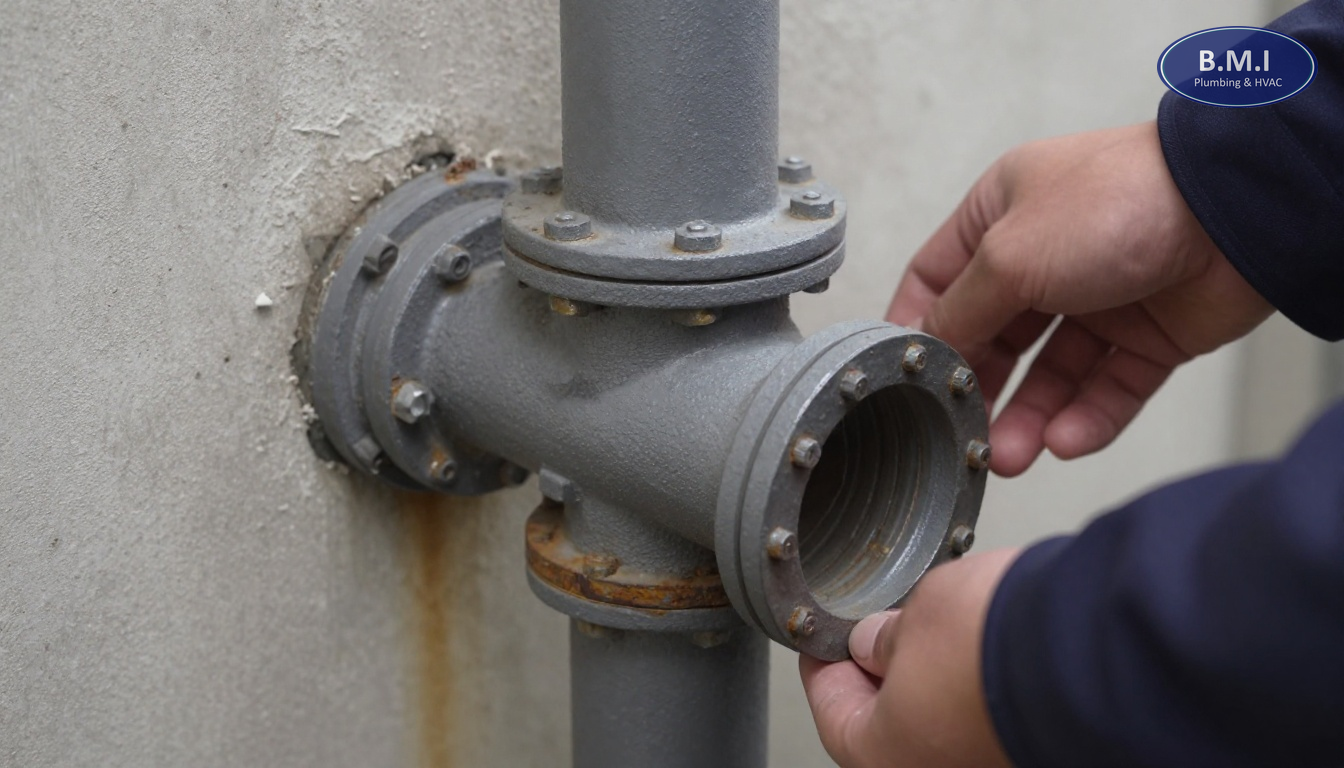
Kitchen Stack Cleaning Cost in Toronto Condos
What does kitchen stack cleaning cost in Toronto? Real condo pricing, scope, timelines, warning signs and budgeting …
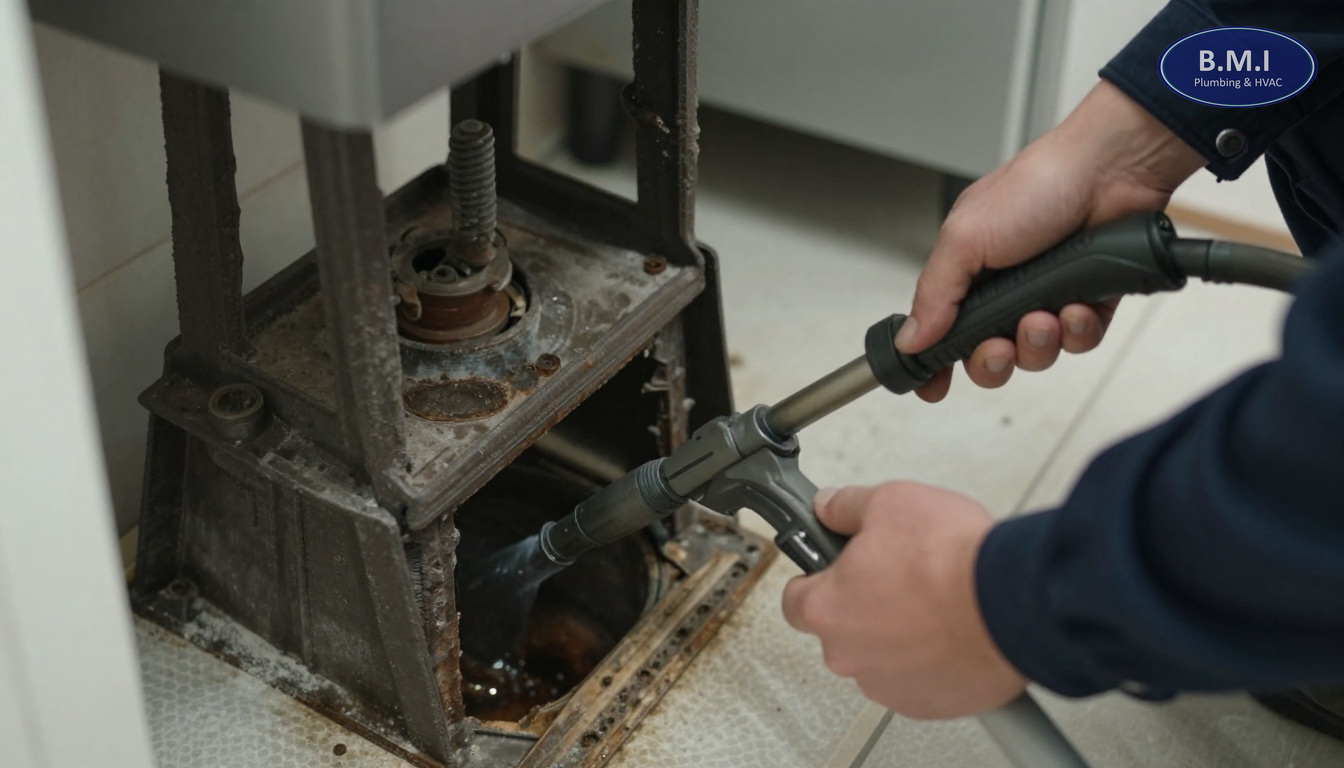
Hydro Jetting vs Snaking Condo Waste Stacks in Toronto
Hydro jetting vs snaking for condo waste stacks in Toronto: what each method does, costs, timing, and when a board …
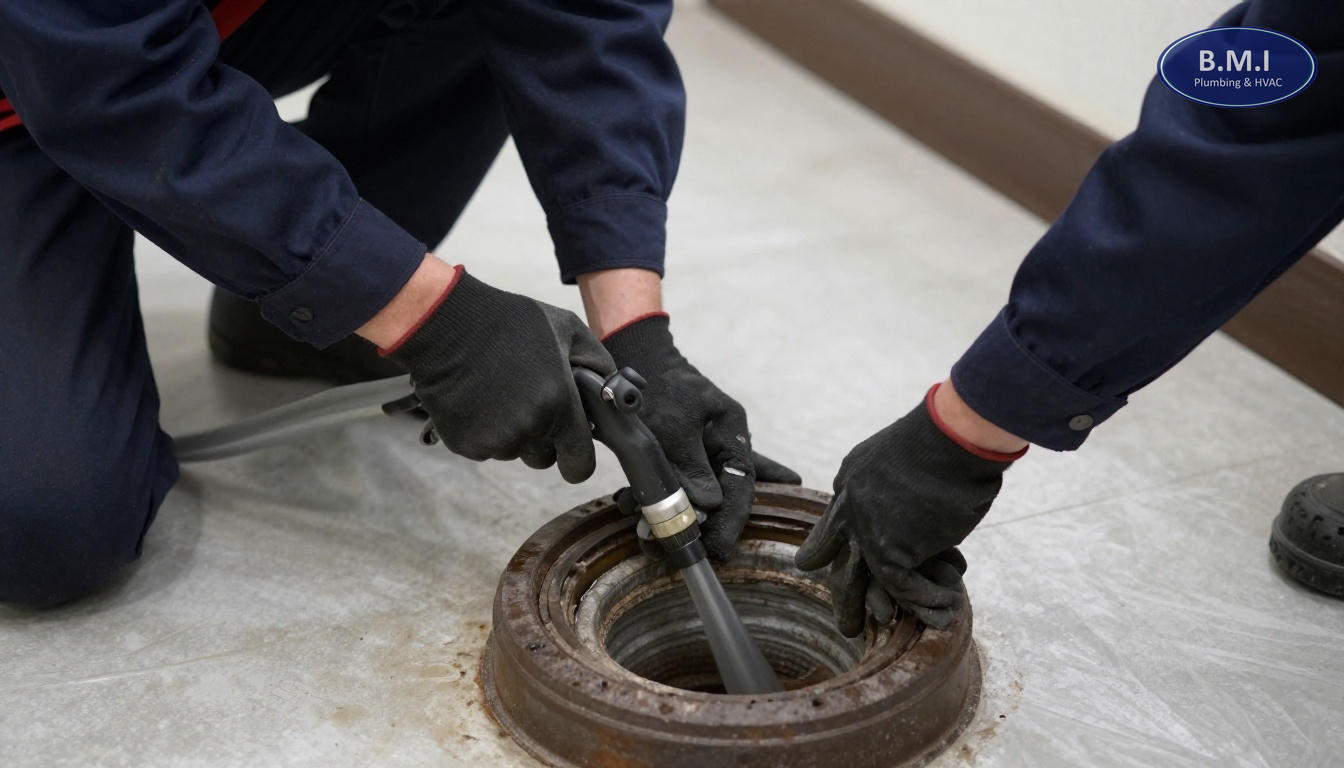
Condo Kitchen Stack Cleaning Frequency in Toronto
How often should a condo kitchen stack be cleaned? Toronto guidance on stack cleaning schedule, costs, warning signs and …
Need a plumber in your building?
BMI services roughly 200 condominium and multi-residential buildings across Toronto and the GTA. Emergencies are answered at any hour.