Copper Pinhole Leaks in Toronto Condos: Riser Warning Signs
A copper pinhole leak in a condo often signals broader copper pipe failure in the riser. Toronto guidance on diagnosis, costs, timing and next steps.
Copper Pinhole Leaks in Toronto Condos: Riser Warning Signs
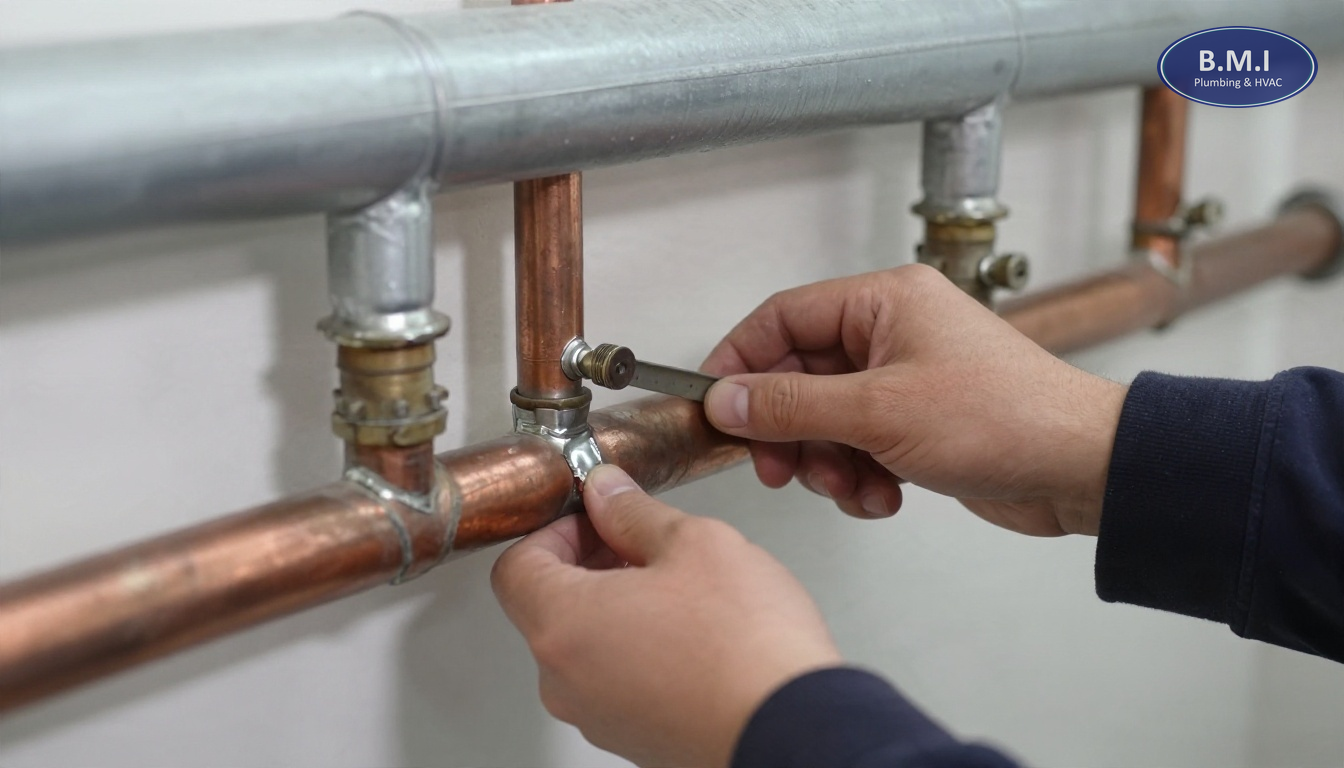
Quick summary: A copper pinhole leak in a condominium is often treated as a small repair because the visible hole may be only 1 to 3 mm wide. In multi-residential buildings, that is frequently the wrong frame: the hole is small, but the underlying condo copper pipe failure may extend through an entire hot or cold domestic water riser, especially in 1970s, 1980s and early-1990s towers across Toronto, North York, Mississauga and Vaughan. Before a board approves another patch, it should know whether it is buying six months, one year, or the start of a much larger riser project.
A common budgeting mistake in the fall is to classify pinhole leaks as random service calls and leave them out of next year’s capital plan. In practice, once a building has two or three leaks on the same vertical line, the question is no longer just repair cost. The real question is whether the corporation still has a maintainable riser, or whether it now has a predictable failure pattern that should be priced as a project.
The part most boards miss: the hole is not the problem
When a superintendent reports a wet ceiling below a bathroom vanity or a leak in a riser closet, the first instinct is to ask how quickly the pipe can be cut out and replaced. That is reasonable for emergency containment, and BMI handles those calls through its emergency plumbing response and repairs and service work. But the small section you can see is rarely the whole story.
A true pinhole leak in copper usually means the pipe wall has thinned from the inside, the outside, or both. On a domestic hot-water return or a hot-water riser, we often find multiple conditions at once: localized pitting, scale ridges, erosion at fittings, and previous soldered repairs that have slightly changed flow characteristics. That matters because one repaired spot can increase turbulence at the next weak section. In a 20- to 30-storey building, that is how “one bad spot” turns into a series of floor-line leaks over the next 12 months.
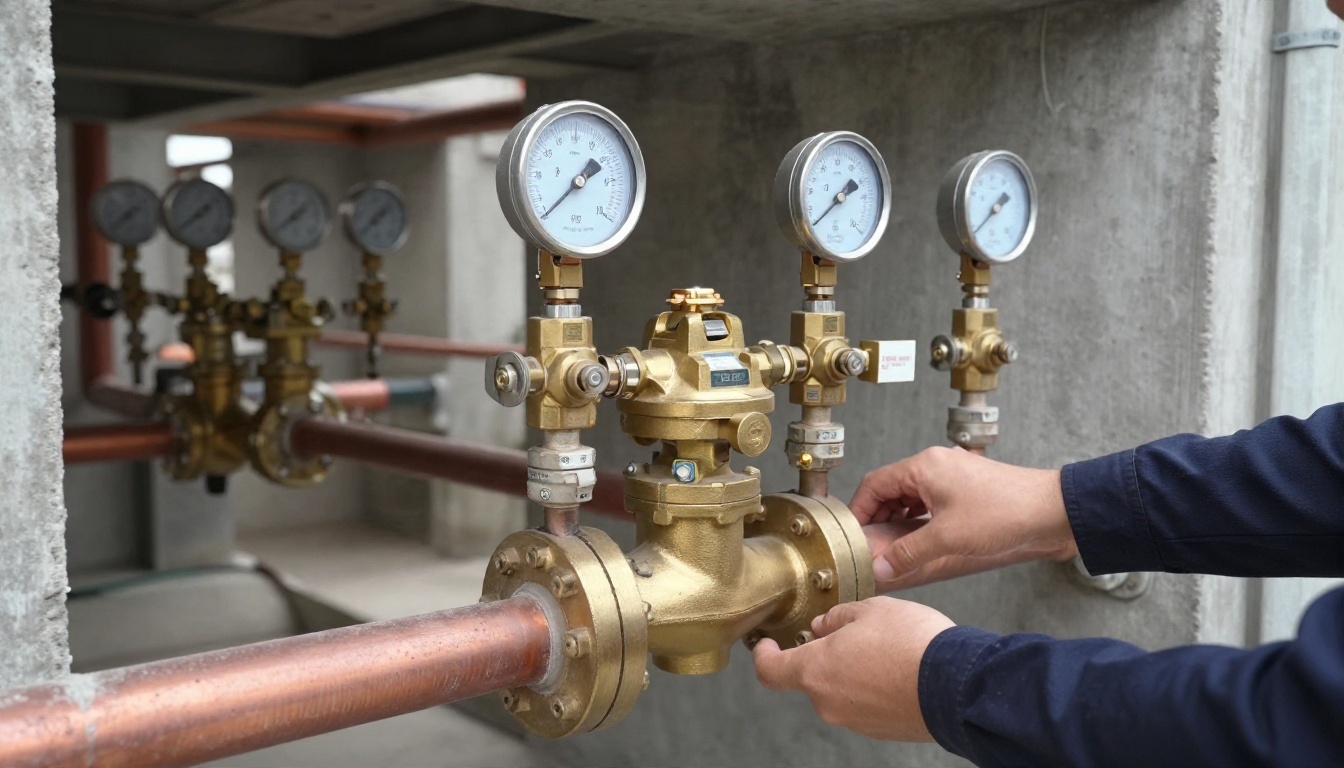
In buildings we service along the Toronto waterfront and in parts of Etobicoke, pressure and temperature operating conditions often tell the story faster than the first repair invoice does. If the incoming city pressure is 100 psi and the building’s PRV station is drifting or undersized, upper and lower zones can see very different behaviour. A riser that has tolerated normal service for decades may start failing faster once pressure control becomes inconsistent. That is one reason a pinhole leak investigation should include the PRV station, not just the damaged suite drywall. If your pressure controls have not been checked recently, a PRV maintenance review belongs in the same conversation.
Why copper develops pinholes in condo risers
Copper is not one material in one condition. Toronto condominium buildings contain Type L and Type M copper, hard-drawn and annealed sections, vertical risers, branch lines, recirculation loops, and repairs performed over decades by different contractors. The failure mode is often a combination of age, velocity, chemistry and installation detail.
1. Wall thinning from age and water movement
In many 1970s and 1980s concrete high-rises in Toronto and Scarborough, domestic water risers are now 35 to 50 years old. Copper does not fail simply because of age, but age increases the chance that the pipe has experienced decades of pressure cycling, temperature change and internal wear. Hot-water lines and recirculation loops usually fail first because they operate continuously and at higher temperatures, commonly 120°F to 140°F in buildings with central hot-water systems.
Velocity matters more than many boards are told. Once flow rates get too high for the pipe size, especially through tees, elbows and partially restricted sections, copper can suffer erosion-corrosion. On 3/4" and 1" branches this can become obvious quickly, but even 2" and 3" risers can show pitting near directional changes, balancing devices and valve stations. If a recirculation pump has been adjusted over the years without a proper system review, the building may be trading comfort complaints for shorter pipe life.
2. Type M copper in older high-rises
A common mistake we see in early-1990s North York high-rises is the assumption that all copper in the building was installed to the same wall thickness. It was not. Type L has a thicker wall than Type M. In some buildings, risers may be one type while branches or later repairs are another. If repeated leaks are occurring on thinner-wall material, especially on hot water, the repair history becomes much more important than the single leak location.
That is why patching without documenting the exact pipe type is poor asset management. If the contractor cannot tell you whether the failed section was Type L or Type M, whether it was original or previously altered, and whether the leak was on the barrel of the pipe or close to a fitting, you do not yet have enough information to decide between repair and replacement.
3. Poor pressure control and winter pressure swings
Fall is the right time to look at this because winter tends to expose weak domestic piping. Occupancy patterns change over the holidays, suites are left vacant, and pressure swings become more noticeable in some buildings. If a PRV station is not holding downstream pressure consistently, a system designed to run at 55 to 70 psi may see periods well above that. A building with 95 to 110 psi incoming municipal pressure should not be relying on old assumptions about what the PRV is doing. That is why a pressure reducing valve maintenance program often belongs in the same budget year as copper leak investigation.
4. External corrosion and concealed conditions
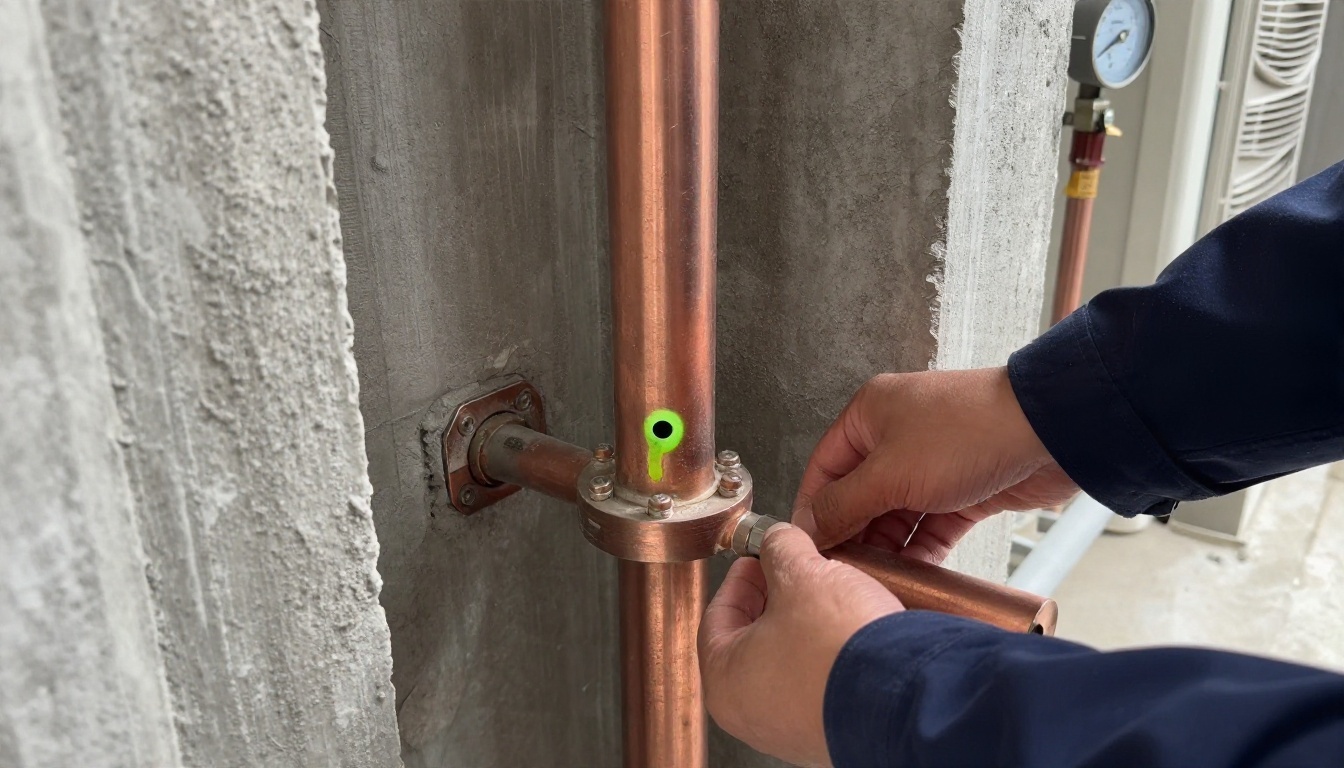
Not all pinholes are internal. In riser closets and service shafts, insulation can trap moisture against copper. Condensation, slow leaks from above, incompatible materials touching at supports, and poorly sealed wall penetrations can all create external corrosion cells. We have opened shafts in Toronto and Vaughan where the visible leak was on one floor but the real deterioration extended three or four floors vertically behind damp insulation.
What residents report versus what is actually failing
Boards usually hear about pinholes second-hand, through resident complaints. The wording matters because certain complaint patterns point to a riser issue rather than an isolated suite problem.
Here are the reports that most often correlate with broader condo copper pipe failure:
- A ceiling leak appears below a bathroom or laundry area, but the suite above has not used that fixture recently. That often points to a pressurized line, not a drain.
- A leak continues even when no fixture is running. Waste lines do not behave that way; domestic water lines do.
- Multiple leaks occur on the same stack line, for example units ending in 03 from the 8th to the 14th floor over 18 months. That pattern is rarely random.
- Hot-water complaints accompany leaks, such as discoloured water after shutoffs or longer wait times for hot water. That can indicate disturbance in aging hot-water and recirculation piping.
- The building has had several “small” repairs in riser closets, but no one has mapped them by floor and line. That is how a project hides inside service work.
A useful field clue for managers: if a kitchen or bathroom ceiling leak is chargeable to one owner only when someone in that suite uses a fixture, the source may still be in-suite. If the leak appears regardless of fixture use, or worsens during building-wide demand peaks in the morning, think riser first and verify later. That distinction affects not just repair strategy but also whether the corporation or owner likely bears the cost.
For suite-level containment and access coordination, BMI often ends up doing both the common-element diagnosis and the immediate in-suite plumbing work needed to expose, isolate and restore service. The important thing is that the building not stop at the first drywall opening and assume the answer is local.
What a proper diagnosis should include before the board approves more patches
If you are being asked to approve another emergency repair, ask for evidence that supports the next step. A defensible diagnosis in a condominium should be more structured than “we fixed the hole and will monitor.”
Minimum evidence to insist on
- Exact leak location: hot, cold or recirculation; riser, branch or valve body.
- Pipe size and material: for example 3/4", 1", 2" or 3" copper; Type L or M if identifiable.
- Pressure readings: static and residual where possible, plus upstream/downstream PRV readings.
- Repair history by floor line: not just total leaks in the building.
- Photos of the failed section before disposal.
- Written recommendation stating whether the contractor believes the failure is local, riser-wide, or inconclusive.
On a 300-unit building we would expect the manager or operator to be able to answer a basic question within a day: how many copper leaks have occurred in the last 24 months, and on which risers. If that information lives only in separate work orders, the board is making capital decisions blind.
A valve review also matters more than many people expect. If the building cannot isolate one riser cleanly because old gate valves no longer close, every future leak becomes more disruptive and more expensive. Before budgeting a riser project, many buildings benefit from a valve audit and charting program or targeted sectional valve replacement so shutdowns can be controlled floor by floor or zone by zone.
When testing and inspection change the recommendation
There is no single laboratory test that solves every copper leak question in the field, but practical building-side evidence often changes the recommendation quickly. If wall thickness readings or cut sections show generalized pitting, if the same riser has leaked on more than one floor, or if the PRV station is unstable, the board should start pricing replacement. If the leak is at a fitting, tied to a previous poor solder joint, and the surrounding pipe is sound, a local repair may genuinely be enough.
For related leak-path tracing and shaft condition review, a camera inspection can also help document adjacent drainage or concealed chase conditions, especially where water has migrated and the original source is disputed.
Repair versus riser replacement: a decision framework that holds up at board level
The right answer is not always full replacement. Sometimes the honest answer is that the building can wait a year. But that decision should be based on pattern, not hope.
Repair is usually reasonable when
- This is the first known leak on that riser.
- The failed section is clearly tied to a fitting defect, poor prior workmanship, or a localized external corrosion source.
- Pressure control is stable and documented.
- The building has functioning isolation valves, so future shutdown risk is manageable.
- The pipe age and material do not suggest end-of-life across the system.
Replacement planning should start when
- There are 2 or more leaks on the same riser or floor line within 12 to 24 months.
- Hot-water or recirculation lines are involved repeatedly.
- The building cannot isolate without affecting large portions of occupied suites.
- The contractor is cutting out one failed section after another within a few feet of earlier repairs.
- Drywall, asbestos controls, after-hours labour and restoration are starting to exceed the cost of a planned project.
Where the pattern is clear, the discussion usually shifts from emergency service to domestic water riser replacement or, in more advanced cases, broader building re-piping. If the building also has aging expansion devices or vertical movement issues, a review of expansion compensators and guides should happen at the same time. Replacing risers while leaving failed movement control in place is not good project sequencing.
Toronto condo cost ranges: what to budget, and how the numbers actually build up
The market does not price this work as one generic number. Cost depends on whether you are paying for isolated emergency repairs, a planned riser replacement, or a larger domestic water renewal program.
Typical budgeting ranges in the GTA
| Scope | Typical Toronto/GTA budgeting range | How it is usually priced |
|---|---|---|
| Emergency pinhole repair in an accessible area | $900-$2,500 | Per incident, plus after-hours premium if applicable |
| Emergency repair with access opening, isolation issues and temporary restoration | $2,500-$6,500 | Per incident |
| Multiple leak investigation with pressure review and documentation | $1,500-$5,000 | Per visit or short study |
| Sectional valve replacement to support future shutdowns | $1,500-$4,500 per valve | Per valve, depending on size and access |
| Domestic water riser replacement, limited vertical line | $15,000-$35,000 | Per riser section or short stack of floors |
| Full riser replacement on a 15-25 storey line | $35,000-$90,000 | Per riser pair/zone, depending on scope |
| Larger phased domestic water replacement program | High six figures to seven figures | Per building, phased over months or years |
These are budget ranges, not quotations. In Toronto, Mississauga and Markham, the biggest variables are access, restoration, asbestos-containing materials, valve condition, riser count, and whether suites are occupied during work. A project with clean riser closets and modern sectional isolation can cost dramatically less than a similar-height building where every opening is through finished millwork and every shutdown affects half a zone.
One point boards often underestimate: restoration can rival the plumbing cost on difficult projects. If the corporation is opening tiled bathroom chases, kitchen bulkheads or finished closets in occupied suites, drywall and painting are only the start. Tile, millwork, abatement and resident coordination can move the total materially.
Shutdowns, resident notices and how long the work actually takes
Pinhole leak decisions are often delayed because boards imagine replacement means months of chaos. Sometimes it does. Often it is more manageable than repeated emergencies.
For a single emergency repair, access and isolation can usually be arranged the same day, but after-hours work raises cost quickly. For planned riser work, the more realistic timeline is:
- 1-2 weeks for investigation, leak mapping and preliminary budgeting
- 2-6 weeks for engineering or scope confirmation if needed
- 2-4 weeks for resident communication, access planning and procurement on smaller jobs
- Several weeks to several months for phased replacement, depending on riser count and restoration scope
On a mid-size high-rise, one crew may complete 4 to 8 suites per day for controlled access and opening/closing work, but the plumbing replacement rate depends on shaft layout. A straightforward vertical riser with coordinated access can move quickly; a building with scattered chase locations, owner alterations and poor valve isolation slows down immediately.
This is also why fall is an important planning window. If the board waits until January, it may be trying to tender and schedule domestic water work during winter pressure issues, holiday owner absences, and reserve fund timing conflicts. If the building has had even two copper leaks this year, get the facts in front of the board before year-end budgeting closes.
If a contractor says a riser replacement can proceed smoothly without checking isolation first, get a second opinion. In older towers in York and East York, failed gate valves are often what turn a routine shutdown into a building-wide event. That is why valve replacement planning should be part of the pre-project review, not an afterthought.
What happens if the corporation keeps patching and waits
Sometimes waiting is justified. If the building has one isolated leak, stable pressure, and no pattern, there is no prize for overreacting. But when the signs point to systemic copper deterioration, deferral has specific consequences.
Operational consequences
- More frequent emergency shutdowns, often with poor resident notice
- Higher labour costs because work shifts to nights and weekends
- More collateral damage to ceilings, cabinets and finishes
- Greater chance of leaks spreading through shafts and affecting multiple units
Financial and insurance consequences
Repeated water losses can affect the corporation’s claims history and deductible exposure. In practical terms, insurers and adjusters are not interested in whether the hole was tiny; they care whether the corporation knew the system was deteriorating and whether it acted reasonably. A documented pattern of similar leaks with no follow-up plan is harder to defend than one leak followed by a condition review and a phased capital recommendation.
For reserve fund planning, this is exactly the type of issue that should be fed into the next study update. Under the Condominium Act framework, boards are expected to make informed decisions about common-element assets. If the domestic water system is showing failure, the reserve fund planner needs current field information, not a generic remaining-life assumption copied from the last cycle.
Where domestic water control equipment is also aging, boards sometimes combine riser planning with other work such as project solutions for domestic systems, PRV renewal, or conservation upgrades like an MEV valve review if the building is also targeting water consumption reduction. Bundling is not always cheaper, but it can reduce repeated shutdowns and resident disruption.
Common element or in-suite responsibility: the question managers always get
This is where many disputes start. In most condominium buildings, vertical risers and original common piping are common elements, even when they run through a suite wall or closet. But not every building is written the same way. Some declarations define certain branch lines as part of the unit; some standard unit definitions exclude owner upgrades; and some section 98 alteration agreements shift responsibility where an owner changed the plumbing layout.
The practical approach is:
- Identify the failed pipe precisely.
- Check whether it is original common-element infrastructure or owner-modified work.
- Review the declaration, standard unit definition and any section 98 agreements.
- Decide responsibility before promising a chargeback.
Managers should be careful with assumptions around renovated bathrooms and kitchens. A leak may present behind a vanity installed by the owner, but the failed line could still be the corporation’s original riser. Conversely, if an owner relocated plumbing during a renovation, responsibility may be altered. The plumbing diagnosis and the legal responsibility review have to happen together.
FAQs
Does one copper pinhole leak mean the whole riser has failed?
Not automatically, but in a condominium it is rarely just an isolated defect until proven otherwise. If the leak is on a 25- to 40-year-old domestic water riser, especially Type M copper or a line with a history of hot-water leaks, BMI would typically want wall thickness readings, operating pressure data and a record of prior repairs before calling it localised. A single pinhole in a 2" or 3" riser can be the first visible failure in a system that has already lost material over dozens of feet.
Who pays for a copper pinhole leak in a condo: the owner or the corporation?
In most Toronto condominiums, the answer depends on whether the failed pipe is part of the common elements or an owner-modified in-suite branch. Vertical domestic water risers, recirculation lines and many original branch lines are commonly corporation responsibility, while owner alterations under a section 98 agreement may shift responsibility back to the suite owner. The declaration, standard unit definition and any alteration agreement have to be checked before a chargeback decision is made.
Can a pinhole leak just be repaired with a clamp or a small section replacement?
Yes, as an emergency measure, and sometimes as a sensible short-term repair if the rest of the pipe tests well. In practice, a clamp or spot replacement buys time, not certainty, because the next pinhole often appears 6 inches away or on the floor above where the copper wall is equally thin. On aging risers in Toronto high-rises, repeated emergency patches usually cost more over 12 to 24 months than a planned riser replacement with scheduled shutdowns.
What does it cost to replace a copper riser in a Toronto condo?
For budgeting purposes, a domestic water riser replacement in the GTA is often discussed per vertical line, not per single suite. A straightforward riser serving roughly 15 to 25 floors can land around $35,000 to $90,000 per riser pair or zone depending on access, asbestos controls, insulation, valve condition, drywall restoration scope and whether hot, cold and recirculation lines are all being replaced. Full building programs in older towers are usually planned in phases because the total can move into the high six figures or more.
How do you tell whether the issue is bad water pressure, bad copper, or poor installation?
You need evidence, not assumptions. A proper diagnosis combines static and residual pressure readings, PRV performance checks, failed pipe examination, leak mapping by floor line, and often a camera inspection of nearby drains if water damage has spread into shafts. In Toronto, it is common to find more than one contributing factor: 95-110 psi incoming pressure that should have been reduced, aggressive recirculation velocities on hot water, and old copper that has already been repaired multiple times.
How quickly should a board act after the second or third pinhole leak?
After the second or third leak on the same riser or on adjacent floor lines, it is reasonable to move out of reactive mode and into a capital-planning decision. In BMI’s experience, once a riser starts leaking repeatedly, the interval between failures often shortens, particularly in winter when pressure swings and occupancy patterns change. At that point, the board should have a written condition review, budget ranges, and a shutdown plan before holiday closures and year-end contractor bottlenecks make emergency work more disruptive.
What to do next if your building has had copper pinhole leaks this year
If your building has had a copper pinhole leak in 2026 and you are now building next year’s budget, do not treat it as a closed service call. Ask three questions immediately:
- Was the leak on a common-element riser, branch, or recirculation line?
- How many similar leaks have occurred on that same vertical line in the last 24 months?
- Do we have current pressure data and functioning isolation valves for that zone?
If the answers are unclear, the building is not ready to decide whether to patch or replace. Start with a site review, leak mapping and pressure assessment. If the pattern points to systemic condo copper pipe failure, get a budget number in front of the board now, while fall planning is still open. If the evidence shows a localized defect, say so and avoid overspending. Either way, make the decision on data.
For managers and boards in Toronto, North York, Mississauga, Vaughan and nearby GTA municipalities, BMI attends the building before quoting, works on scheduled maintenance and capital planning as well as urgent repairs, and can help distinguish a one-off leak from a riser that is approaching end of service life. You can also review related project examples on BMI’s completed projects page or browse more condominium plumbing guidance on the BMI blog.
Contact BMI
- Contact BMI
- Phone: (416) 845-3756
- Emergency: (416) 845-3756, answered 24 hours a day
- Email: info@brial.ca
More on condominium plumbing
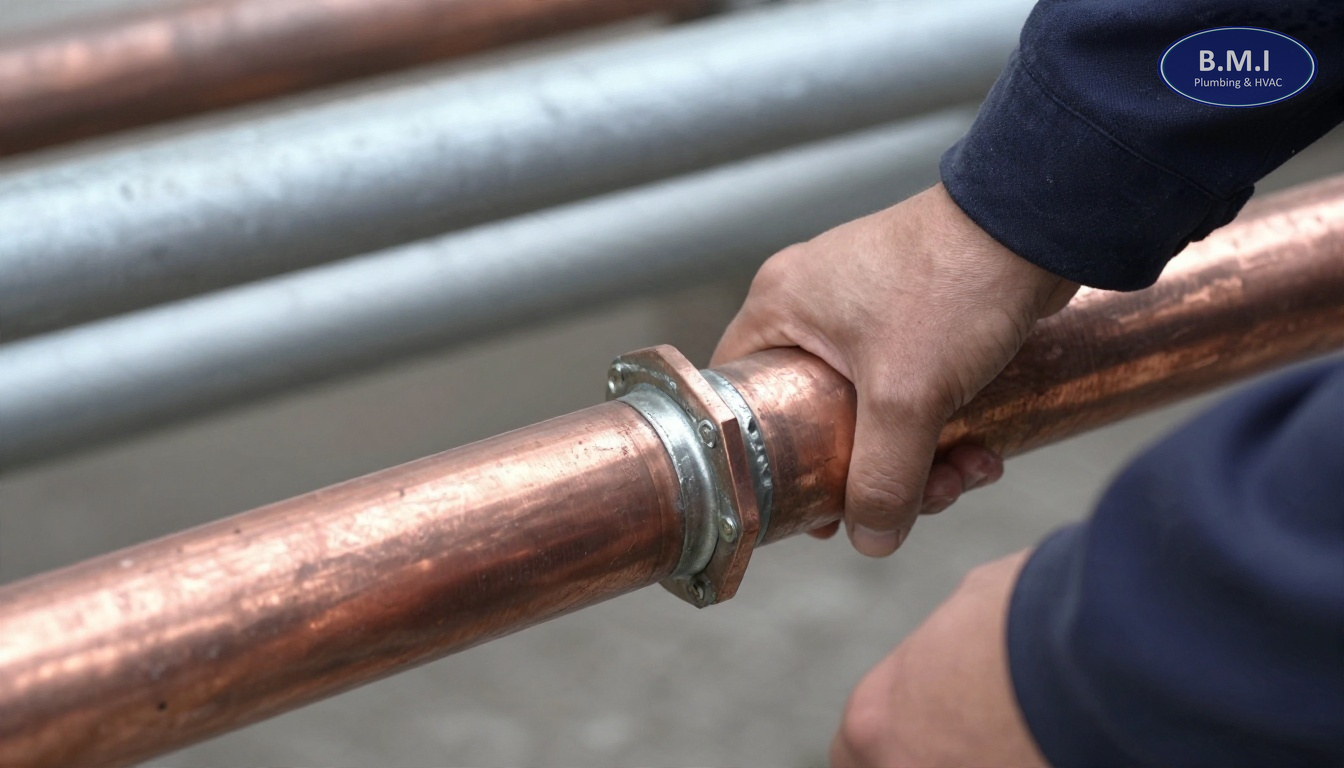
Signs Your Toronto Building Needs Riser Replacement
Learn the real riser replacement signs in Toronto condos, including pinhole leaks, pressure issues, costs, timelines and …
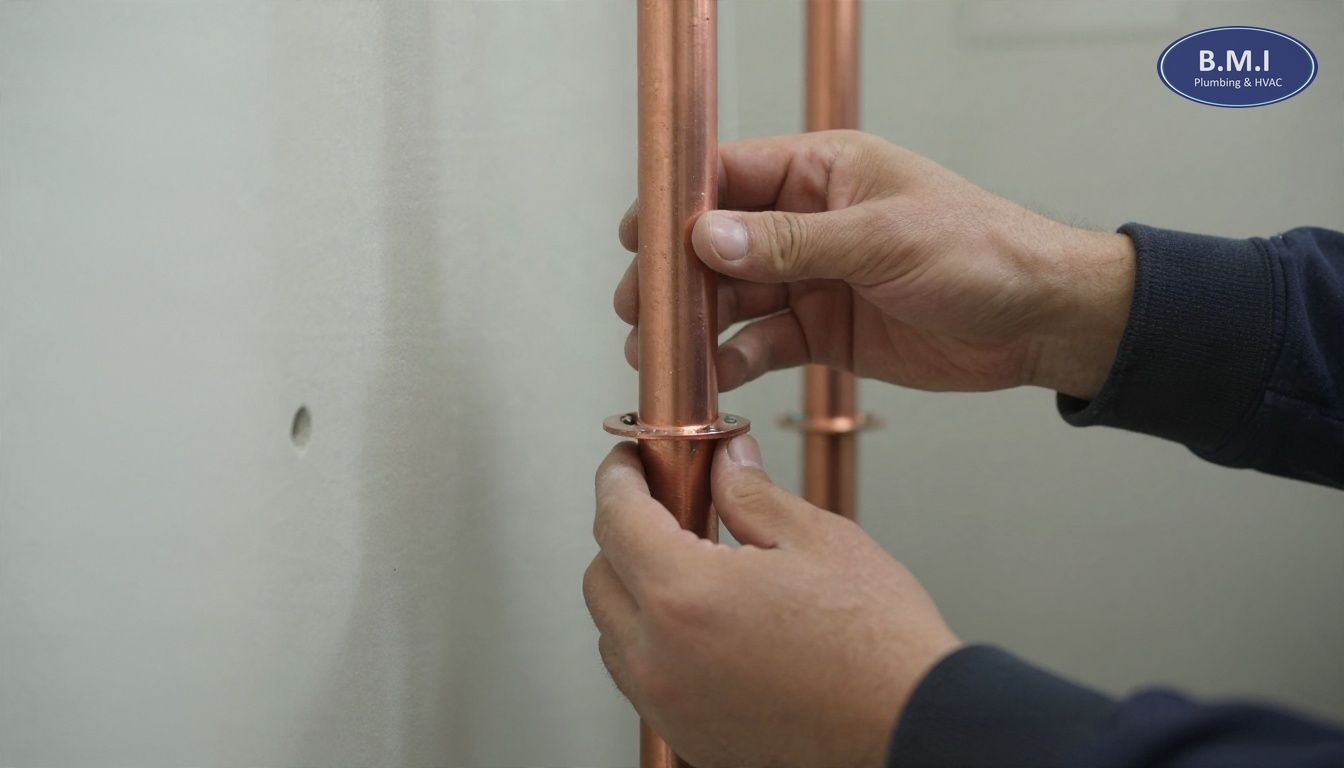
Domestic Water Riser Replacement in Toronto Condos
What a condominium should expect from domestic water riser replacement in Toronto: costs, timelines, shutdowns, suite …
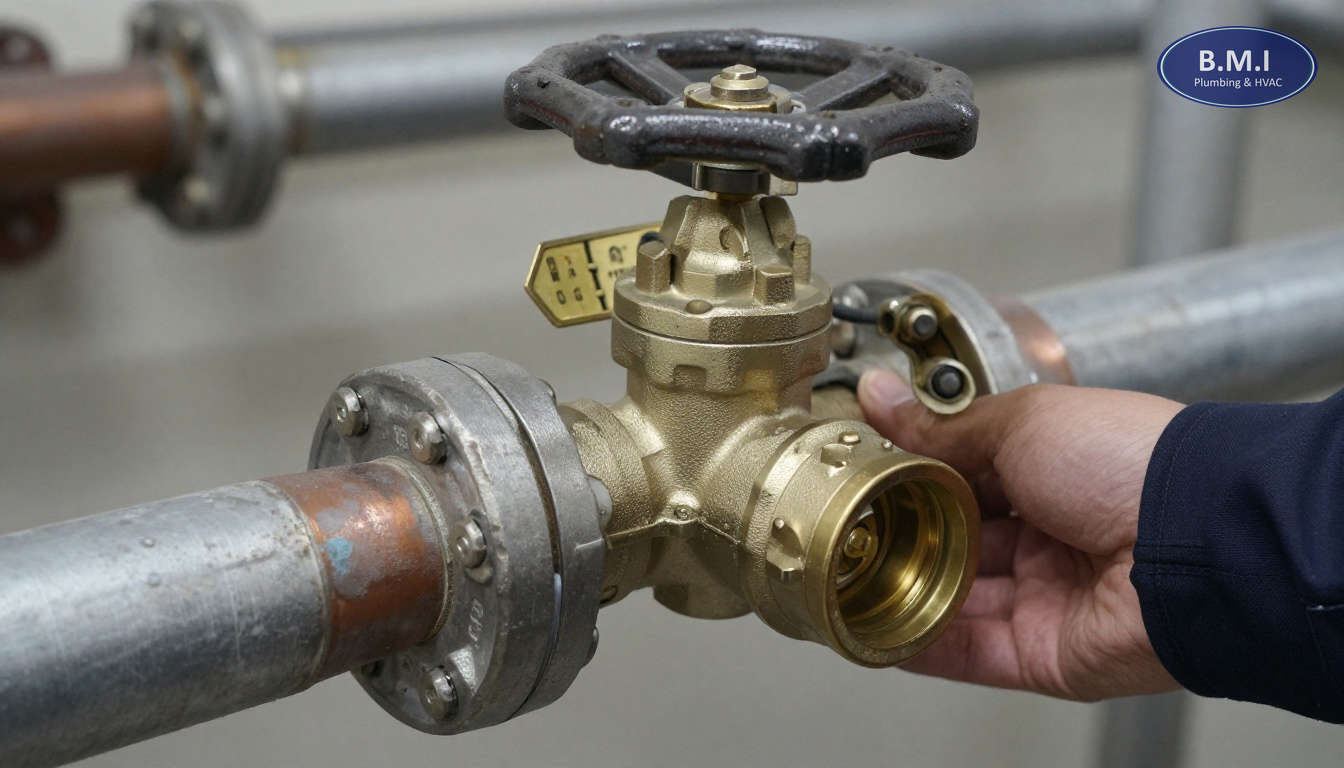
Adding Riser Isolation Valves in Toronto Condo Projects
Planning a riser project in Toronto? Learn when adding riser isolation valves makes sense, cost ranges, shutdown …
Need a plumber in your building?
BMI services roughly 200 condominium and multi-residential buildings across Toronto and the GTA. Emergencies are answered at any hour.