Domestic Water Booster Pump Service in Richmond Hill
Domestic water booster pump service in Richmond Hill for condos and rentals. Diagnosis, costs, timelines and repair planning for building water pressure.
Domestic Water Booster Pump Service in Richmond Hill
Quick summary: In Richmond Hill, domestic water booster pump problems are rarely just a pump problem. They are usually a building-wide pressure management issue involving elevation, building age, control settings, pressure reducing valves, tanks, and the way the original domestic water system was designed. For condo boards and property managers, the right approach is a documented pressure diagnosis, not guesswork, especially in fall when winter pressure swings and budget planning tend to converge.
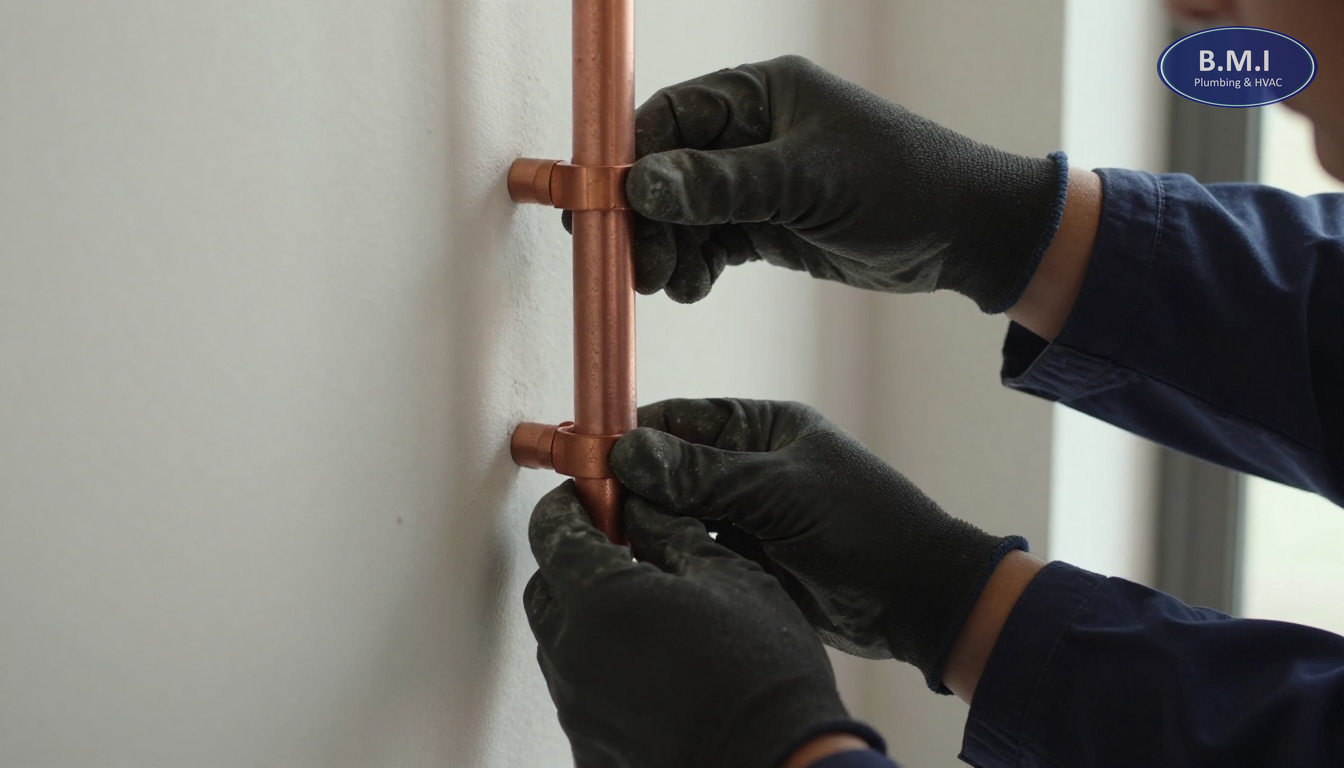
Richmond Hill has a mix of mid-rise and high-rise condominium stock along Yonge Street, around Highway 7, and in newer pockets that developed as the municipality intensified over the last two decades. That matters because a 1980s or 1990s tower with older constant-speed equipment and copper risers behaves very differently from a 2010s building with a newer variable speed booster package, pressure sensors and tighter control logic. BMI services Richmond Hill and the surrounding GTA from its Toronto shop, and booster pump calls in this market often start with a familiar complaint: upper floors have weak water pressure in the morning, then the issue seems to disappear by midday.
Why domestic water booster pump issues show up in Richmond Hill buildings specifically
Richmond Hill is not a one-type building market. Along older Yonge Street corridors and in established apartment and condominium pockets, there are buildings old enough that the original domestic booster arrangement may now be near the end of its dependable service life. In newer condo clusters, the pumps themselves may be newer, but sensors, pressure tanks, balancing assumptions and downstream valves can still create service calls.
The local factor that matters most is elevation and pressure demand across the building. In practical terms, some Richmond Hill sites sit on higher ground than buildings closer to the lakeshore in Toronto, so the margin between incoming city pressure and the pressure needed at upper suites can be tighter. That means the domestic booster set is not just a convenience. It is central to maintaining stable service to upper floors, penthouse levels, and amenity areas.
In older Richmond Hill multi-residential buildings, the original system often included duplex pumps, hydro-pneumatic tanks or older controls that were adequate when installed but now suffer from worn seals, tired motors, drifting pressure switches or obsolete components. In newer buildings, the common failure points tend to be pressure transducers, variable frequency drives, expansion or pressure tanks losing charge, and isolation valves that were never exercised. A building can have perfectly good pumps mechanically and still deliver poor performance because the controls are hunting or the system has not been maintained.
This is also why booster pump work should not be separated from overall pressure management. If the incoming pressure is high at lower floors and the booster set is compensating for upper levels, the building also needs healthy downstream pressure control. That is where pressure reducing valve maintenance and replacement often intersects with booster service. One unstable component can make the rest of the system look worse than it is.
For Richmond Hill boards reviewing reserve fund planning, booster equipment often falls into the category of systems that are easy to ignore until complaints become frequent. A better approach is to connect service history to capital planning, alongside other core domestic water items such as valve audit, charting and exercise programs and broader maintenance programs.
How booster pump problems present in Richmond Hill condos
Managers rarely receive a ticket that says, “the domestic booster set is failing.” What they get is a pattern.
The most common Richmond Hill complaints are:
- weak water pressure on upper floors during morning peak demand
- shower temperature instability when another fixture opens in the suite
- toilets that refill slowly at certain times of day
- pressure that surges, then drops, especially after maintenance work or short shutdowns
- mechanical room alarms or nuisance pump cycling
- more frequent failures of suite fixtures, stop valves, cartridges or fill valves
In a taller Richmond Hill condominium, residents on lower floors may report no issue at all while upper floors are struggling. That often points to a booster control or capacity problem rather than a city supply interruption. In a mid-rise building, the symptoms may be more subtle: frequent pump starts, vibration, audible hammer, or a lag when multiple fixtures open.
Fall is a common time for these complaints to become more visible. Occupancy patterns change, domestic hot water demand can increase, and boards are trying to assemble accurate budgets before winter. If there has been no recent review of the booster set, pressure profile or PRV condition, the building may be carrying hidden risk into the cold season.
When there is an active leak, burst fitting or total loss of service, the response shifts from diagnosis to containment. In those cases, 24/7 emergency leak response may be the first step, followed by a more structured booster system review once water service is stabilized.
What a proper booster pump diagnosis in Richmond Hill should include
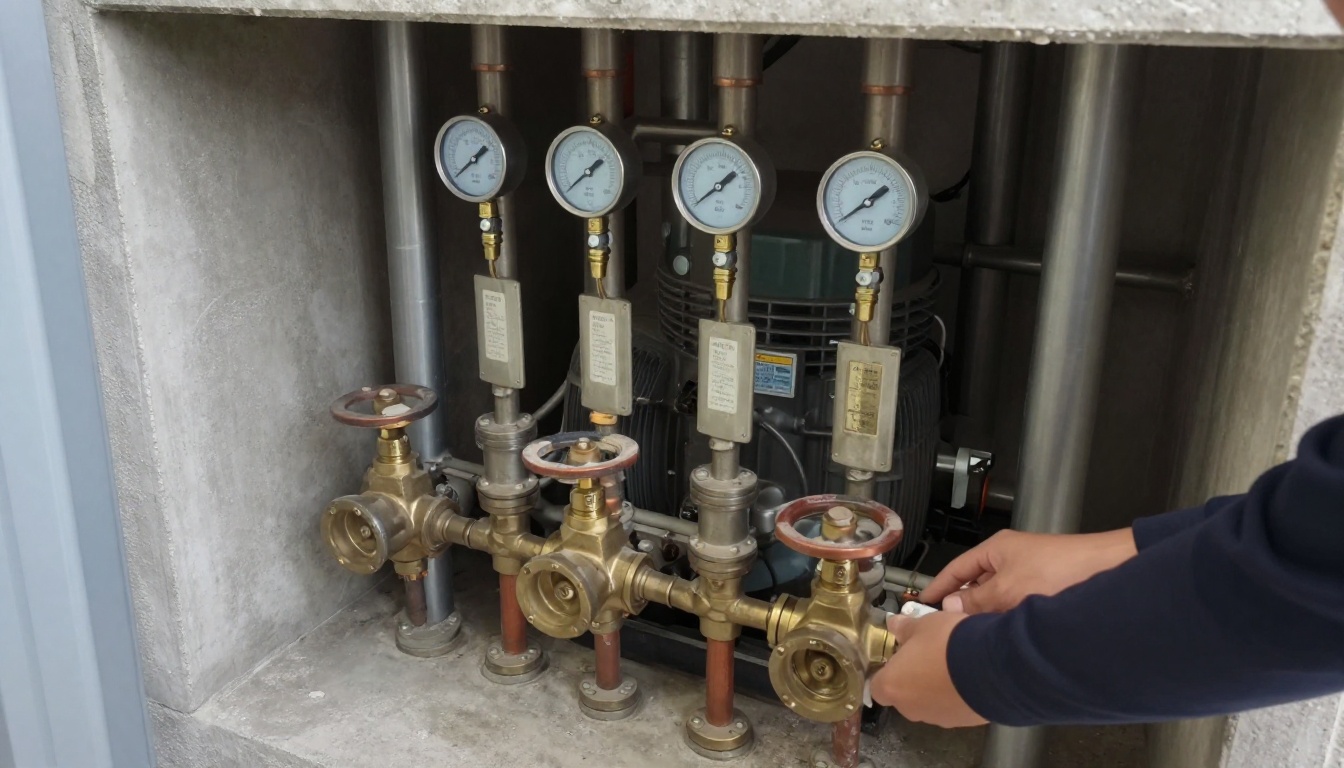
A good booster pump diagnosis is not just checking whether the pumps turn on. For a property manager or board, the goal is evidence you can act on.
At minimum, a proper service visit should include:
- Incoming and discharge pressure readings at different demand conditions. Static pressure alone is not enough.
- Lead-lag pump operation review to confirm each pump runs, stages correctly and transfers properly.
- Control review including pressure transducers, setpoints, alarms, drive faults and hand-off-auto operation.
- Pressure tank condition including pre-charge and signs of bladder failure or waterlogging.
- Valve condition on suction, discharge, bypass and isolation points.
- Strainer and check valve review where present.
- Visual leak and corrosion inspection around seals, flanges, unions and the skid base.
- Noise and vibration assessment which can indicate cavitation, bearing wear or air-related issues.
For Richmond Hill buildings, insist on a written summary that distinguishes between pump problems and system problems. A weak upper-floor pressure complaint can be caused by an underperforming booster pump, but it can also be caused by a mis-set PRV, closed or partially closed isolation valve, blocked strainer, failed sensor or deteriorated riser conditions. If the contractor cannot show pressure readings and explain where the pressure is being lost, the diagnosis is incomplete.
This is also the point where related services may become relevant. If branch or riser restrictions are suspected, camera pipe inspection can help on the drainage side, while domestic water investigations may point toward domestic water riser replacement or even broader full building re-piping in older stock where corrosion and repeated failures are no longer isolated issues.
In some Richmond Hill buildings, annual compliance items are part of the same mechanical room visit. Where premise isolation is required, backflow prevention testing and certification can often be coordinated with booster system review so the board gets a more complete picture of domestic water infrastructure during one service cycle.
A representative Richmond Hill booster pump service call
A realistic example would be a 17-storey condominium from the late 1990s near the Yonge Street and Highway 7 area. The building had recurring complaints from floors 12 to 17: weak morning shower pressure, intermittent temperature swings, and occasional noise in the mechanical room when demand increased. Lower floors reported little or no issue.
The superintendent had already replaced several in-suite cartridges and toilet fill valves over the previous year, which helped individual suites temporarily but did not solve the building-wide pattern. BMI attended for a domestic water booster pump service call and found that the duplex booster set was operating, but one pressure transducer was reading inconsistently and the pressure tank had lost charge. The lead pump was short-cycling, the lag pump was not staging cleanly, and the effective pressure at peak demand was dropping below what the upper floors needed.
The work involved isolating and servicing the tank, replacing the faulty transducer, confirming drive settings, testing pump alternation, checking nearby valves, and documenting pressure before and after correction. Because the building had aging isolation valves around the booster package, minor valve work was also required to complete the service safely. The active site work was completed over one day, with a return visit for follow-up verification after the system had run under normal occupancy.
The rough cost for that kind of Richmond Hill service call was in the low thousands, not including any major drive or motor replacement. More importantly, it prevented the board from spending money on repeated suite-level repairs that were treating symptoms rather than the cause. Had the drives been obsolete or the pumps mechanically compromised, the recommendation would likely have shifted toward planned project solutions rather than continued reactive service.
Costs and timelines for domestic water booster pump service in Richmond Hill
Costs vary widely by building layout, access, redundancy and what is actually wrong, but property managers still need planning numbers. The ranges below are market-style estimates for Richmond Hill multi-residential buildings, not quoted prices.
Diagnostic service and reporting:
- A standard business-hours booster pump diagnostic visit with pressure testing and written findings often falls around $750 to $2,000.
- After-hours attendance, repeated testing under different load conditions, or coordination with building staff can increase that.
Minor to moderate repairs:
- Sensor replacement, control adjustments, pressure tank service, small valve repairs, check valve work or seal-related repairs often land around $1,500 to $6,000 depending on parts and isolation complexity.
- If one pump can be isolated without interrupting service and the building has real redundancy, costs and disruption are lower.
Drive, controller or motor work:
- VFD replacement, control upgrades or more involved electrical-mechanical troubleshooting often run from $5,000 to $18,000+ depending on equipment type, availability and commissioning.
Full booster package replacement:
- For a condominium booster skid replacement with controls, valves, commissioning and coordination, a board may be looking at $25,000 to $80,000+ depending on capacity, redundancy, mechanical room access and whether associated piping and valves must also be rebuilt.
Timelines are equally building-specific. A basic diagnosis may be completed in one visit. Minor repairs may take one day on site once parts are available. More involved work can require several weeks for parts, submittals and scheduling. Full replacement usually requires planning, shutdown coordination, temporary service strategy if needed, and resident communication.
Access matters in Richmond Hill. Some older buildings have tight mechanical rooms, poor clearance around the skid, or service routes that complicate moving pumps and tanks. Some newer sites have better loading and elevator access but stricter booking procedures, protection requirements and noise rules. If work involves opening ceilings or routing materials through common elements, logistics can affect both duration and cost.
Repair versus replacement in Richmond Hill: how boards should decide
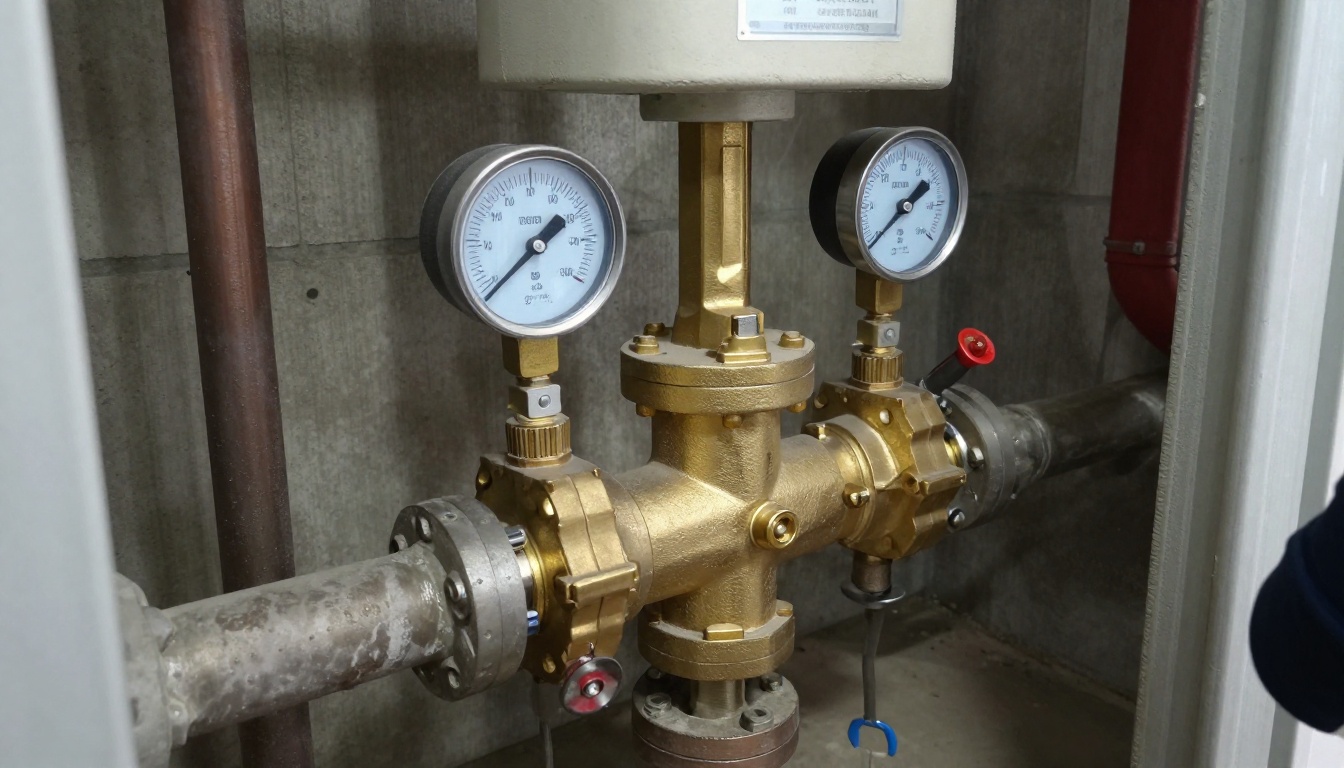
A board should not default to replacement just because residents are complaining. But it should also not keep approving piecemeal repairs when the booster system is clearly aging out.
Repair is usually the better choice when:
- the pumps are mechanically sound
- replacement parts are available
- the issue is controls, sensors, tanks or isolated valve problems
- the building has reliable redundancy
- emergency calls are infrequent
Replacement becomes more defensible when:
- the drives or controls are obsolete and unsupported
- the skid has visible corrosion or repeated leaks
- isolation is poor, making every repair disruptive
- one pump is effectively carrying the building because the standby is unreliable
- pressure complaints are chronic and documented across multiple floors
- the building is already budgeting related domestic water capital work
For Richmond Hill boards in fall budget season, this is where service reporting should feed directly into reserve planning. The Condominium Act framework and reserve fund studies are not just accounting exercises; they are supposed to help boards stage predictable common-element spending before systems fail reactively. A booster set near end of life should be treated the same way as aging valves, risers or other critical plumbing assets.
If the review shows that the real issue extends beyond the booster skid into old domestic water piping, there may be a stronger case for combining the work with valve replacement, domestic water riser replacement or, in more advanced cases, full building re-piping. Coordinated work is disruptive, but less disruptive than repeated emergency shutdowns over several years.
What deferring booster pump service costs a Richmond Hill building
The direct cost of delay is easy to see: more service calls, more tenant or owner complaints, more after-hours attendance, and more money spent replacing suite-level fixtures damaged by unstable pressure.
The indirect cost is usually larger.
Unstable domestic pressure can accelerate wear on PRVs, flush valves, cartridges, solenoids and flexible connections. It can also create nuisance leaks that lead to insurance claims, deductibles, chargebacks and disputes over whether the source was a unit fixture or a common-element pressure problem. In condominium settings, that distinction matters. Boards that defer obvious common-element issues sometimes end up paying more in administration, legal review and resident relations than they would have spent on timely mechanical service.
There is also a winter risk. In colder months, any avoidable loss of domestic water service becomes harder to manage because shutdowns affect more residents, and emergency access logistics are worse. Fall is therefore the right time in Richmond Hill to review booster condition, check PRV stability, and confirm that critical valves actually operate. If the building has not reviewed those valves in years, a valve audit, charting and exercise program can be a sensible companion service.
Where broader domestic water maintenance is overdue, managers should look at the full repairs and service picture rather than treating the booster set as an isolated piece of equipment.
FAQs about domestic water booster pump service in Richmond Hill
When should a Richmond Hill condo call for booster pump service instead of a general plumbing call?
If the complaint is building-wide or concentrated on upper floors, start with booster pump service. Typical triggers are low pressure at peak demand, pressure swings when pumps start and stop, alarms at the control panel, or repeated failures of PRVs, fill valves and mixing valves downstream. A general service plumber may still be involved, but the booster set, controls and pressure profile need to be checked first.
Why do upper floors in Richmond Hill buildings lose pressure first?
Elevation matters. Buildings on higher ground in Richmond Hill, or buildings with many storeys above the incoming municipal pressure zone, rely heavily on the domestic booster set to maintain usable pressure at the top of the system. When a pump is underperforming, a sensor is out of calibration, or a pressure tank has lost charge, the upper floors show it first in weak showers, slow tub fills and intermittent temperature instability.
How often should a condo in Richmond Hill service its domestic water booster pump?
Most multi-residential buildings should have the booster system inspected at least annually, with more frequent checks on older variable speed drives, aging pressure tanks or buildings with recurring complaints. Fall is a practical time in Richmond Hill because boards are setting budgets and buildings are preparing for winter pressure swings and holiday occupancy. The service should include operating pressure review, controls, tank pre-charge, valves, strainers and leak inspection.
Can a failing booster pump affect more than just water pressure?
Yes. Poor booster performance can shorten the life of PRVs, flush valves, cartridges, solenoids and hot water mixing components because unstable pressure creates repeated cycling and shock. It can also increase emergency calls, resident complaints and after-hours attendance if the lead pump trips or the standby pump fails to start.
What does booster pump service in Richmond Hill usually cost?
For a condominium or rental building in Richmond Hill, a diagnostic service visit with testing and reporting is often in the high hundreds to low thousands, depending on after-hours timing and how much troubleshooting is required. Targeted repairs such as sensor replacement, pressure tank service, small valve work or seal-related pump repairs often land in the low thousands. Major work such as VFD replacement, controller upgrades or full booster skid replacement can move into the mid five figures and up, depending on redundancy, access and commissioning requirements.
Should a Richmond Hill board repair the booster pumps or budget for replacement?
That depends on age, redundancy, parts support and how often the building is paying for emergency response. If the pumps are structurally sound and the issue is controls, tanks, sensors or isolation valves, repair is often sensible. If the system has obsolete drives, repeated nuisance shutdowns, corrosion at the skid, no practical isolation and growing resident complaints, it is usually better to price a planned capital replacement and coordinate it with other mechanical room work.
Next steps for Richmond Hill property managers and boards
If your Richmond Hill building is seeing upper-floor pressure complaints, nuisance alarms, short-cycling or repeated fixture failures, start with a documented booster system review before approving more suite-by-suite repairs. Ask for actual pressure readings, confirmation of lead-lag operation, tank condition, control status and a clear distinction between immediate repairs and capital recommendations.
Fall is a practical time to do this work. It gives the board usable numbers for budget season, reduces the chance of winter service interruptions, and helps align booster service with related domestic water maintenance such as pressure reducing valve maintenance and replacement, backflow prevention testing and certification, or broader completed projects and building references review if capital work is likely.
For Richmond Hill buildings that need help now, or a second opinion on a recurring water pressure problem, BMI can assess the booster pumps, the surrounding valves and controls, and the wider domestic water system.
Contact BMI
- Contact BMI
- Phone: (416) 845-3756
- Emergency: (416) 845-3756, answered 24 hours a day
- Email: info@brial.ca
More on condominium plumbing
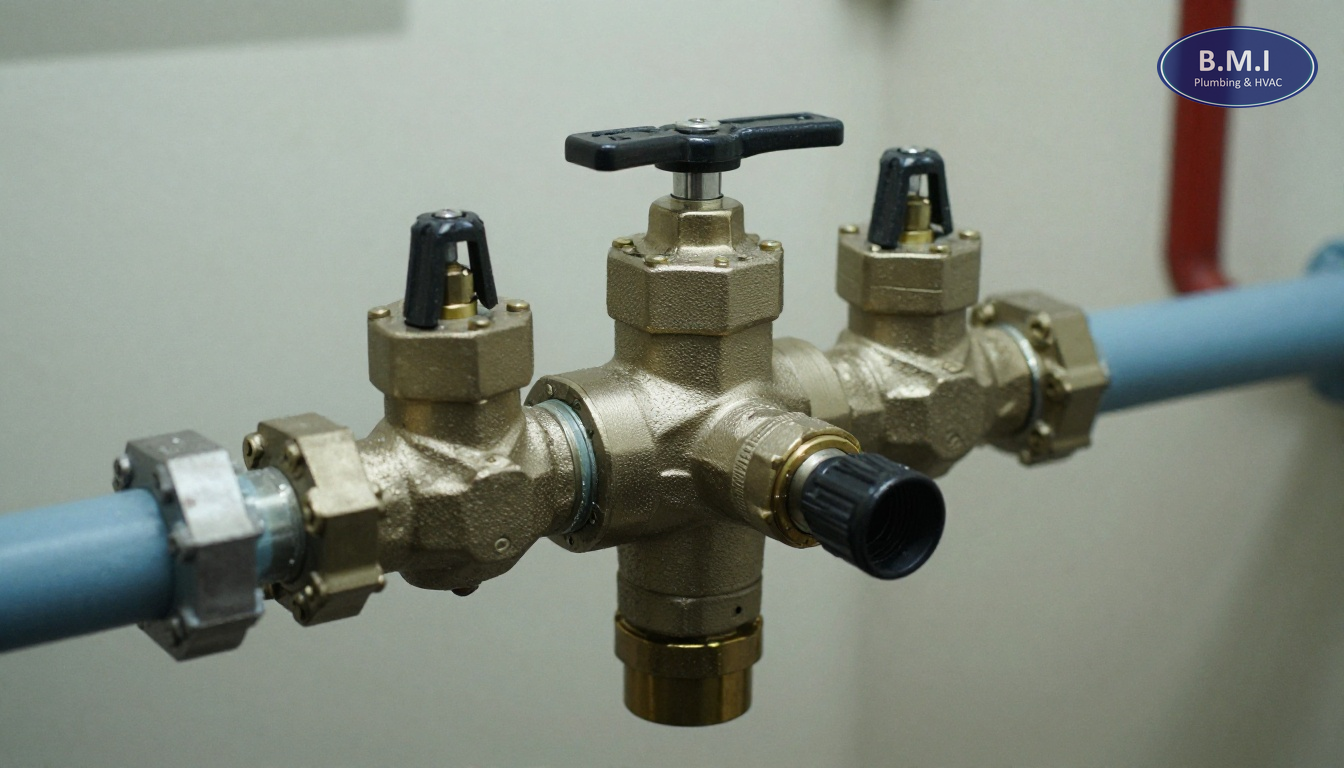
Backflow Prevention Testing and Certification in East York
Backflow prevention testing and certification in East York for condos and multi-residential buildings, with local …
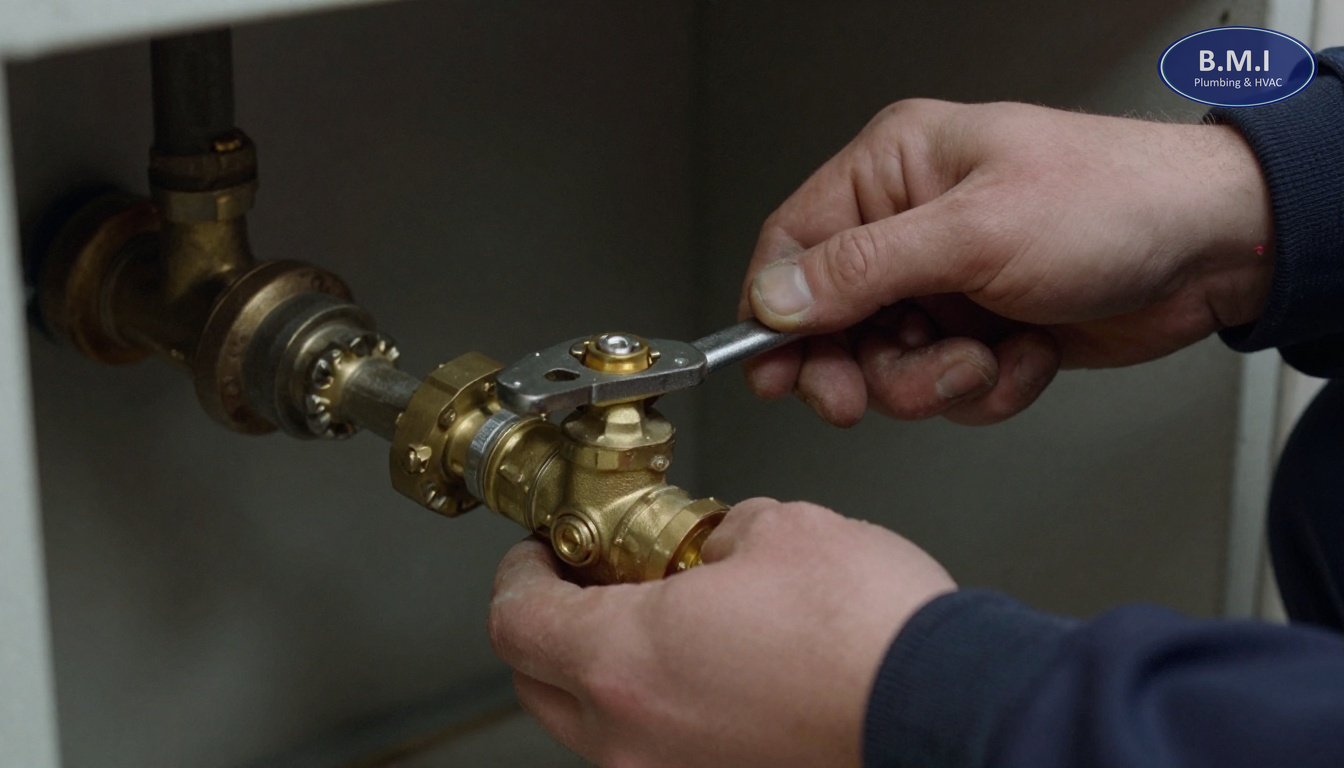
MEV Water-Saving Valve Installation in North York
MEV water-saving valve installation in North York condos. Learn where it fits, how savings are verified, and what costs …
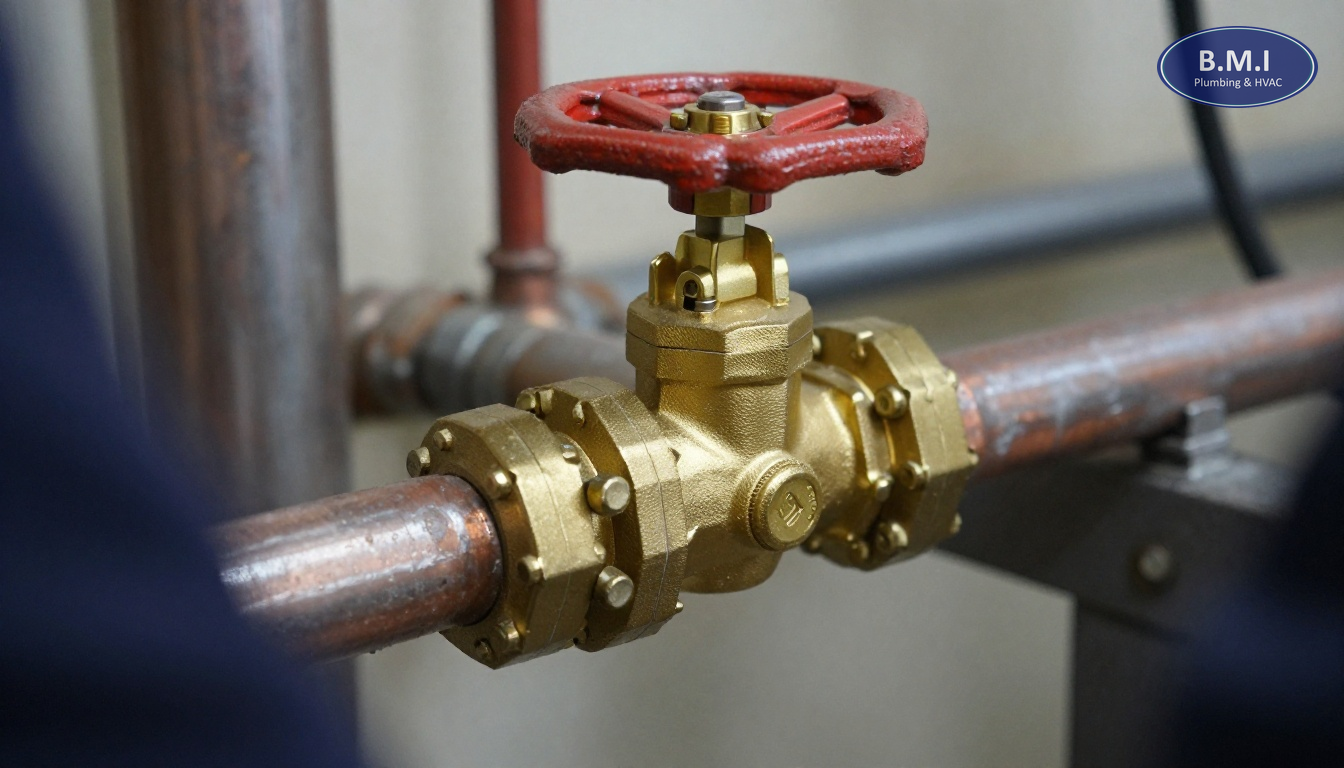
Sectional and Isolation Valve Replacement in Oakville
Sectional and isolation valve replacement in Oakville condos: costs, timelines, diagnosis and planning for safer …
Need a plumber in your building?
BMI services roughly 200 condominium and multi-residential buildings across Toronto and the GTA. Emergencies are answered at any hour.