Domestic Water Riser Replacement in Newmarket Condos
Domestic water riser replacement in Newmarket condos: signs, inspection, costs, timelines, and planning for boards and property managers.
Domestic Water Riser Replacement in Newmarket Condos
Quick summary: Domestic water riser replacement in Newmarket is usually a mid-life or late-life capital project driven by recurring leaks, aging copper, unreliable valves, and worsening pressure complaints. For condominium boards and property managers, the key is not just replacing pipe, but confirming what is failing, how access will work in an occupied building, and how to budget the work alongside shutoff control, PRVs, and restoration.
If you are planning around fall budget season in Newmarket, this is also the right time to gather inspection evidence and realistic numbers for the board. Once winter arrives, emergency shutoffs, pressure swings, and access complications tend to make reactive work more expensive and more disruptive.
Why domestic water riser replacement shows up in Newmarket buildings specifically
Newmarket has a mix of older apartment-style buildings, townhouse condominium communities, and mid-rise to high-rise condominium stock built over several development periods rather than one single tower boom. Around corridors such as Yonge Street and Davis Drive, and in areas closer to Southlake Regional Health Centre and the historic Main Street district, you see a range of building vintages with very different plumbing conditions.
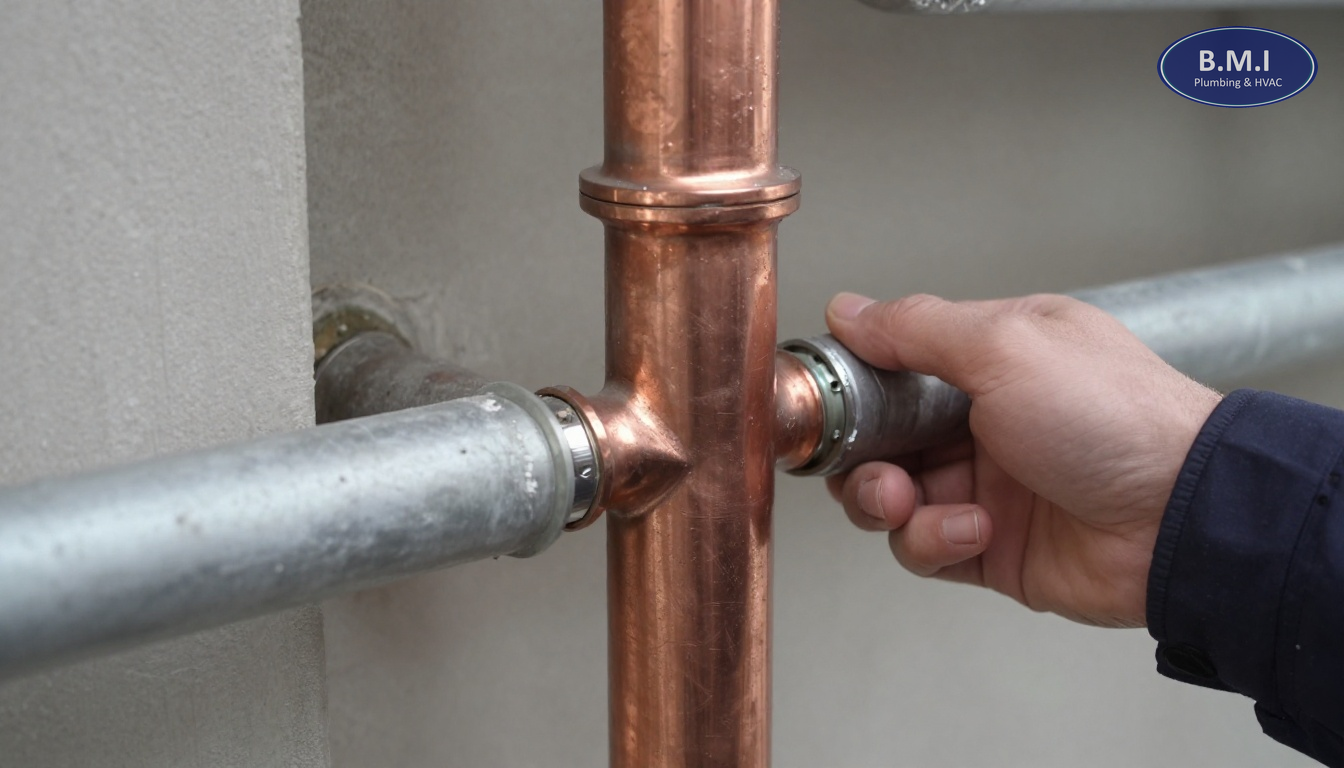
For domestic water riser replacement, the most common candidates are not brand-new buildings. They are usually late-1980s through early-2000s multi-residential properties where original copper domestic water risers and branches are now old enough that leak frequency starts to change from occasional to recurring. In those buildings, years of minor repairs can hide the fact that the system is wearing out as a network. A single pinhole is one thing. Several leaks in different vertical lines over a few years is something else.
Newmarket boards also have to think about elevation and pressure management. Buildings on flatter sites may see one pressure pattern, while properties on higher grades or farther from local pumping infrastructure can see different operating conditions across the day. That matters because pressure fluctuations and aging pressure-reducing equipment can accelerate wear, especially where old valves no longer isolate cleanly. It is one reason riser projects often overlap with pressure reducing valve maintenance and replacement and sectional and isolation valve replacement.
Another local factor is building form. Newmarket has many properties that are not downtown-style supertalls with large modern service rooms. Older and mid-era buildings often have narrower pipe shafts, smaller mechanical rooms, tighter corridors, and less forgiving access routes. That affects labour, shutoff planning, debris handling, and restoration sequencing. A riser replacement that looks straightforward on paper can become much slower if every suite opening has to be coordinated through compact closets, tiled bathrooms, or kitchen bulkheads.
For boards comparing options, it helps to review both targeted domestic water riser replacement and broader building re-piping solutions, because some Newmarket properties have reached the point where localized riser work no longer solves the whole problem.
How domestic water riser problems present in Newmarket condominiums
Property managers in Newmarket rarely receive a complaint that says, “our domestic water risers are failing.” What they get are symptoms.
Common reports include:
- repeated pinhole leaks in the same stack or in different suites on the same vertical line
- wet drywall or staining near riser chases, especially around kitchens, bathrooms, and laundry closets
- pressure complaints on upper floors or during peak morning demand
- discoloured water after shutdowns or after a leak repair
- valves that will not fully isolate during a repair, turning a small job into a building-wide disruption
- increasing frequency of after-hours calls for leaks from behind finished walls
In Newmarket buildings from the 1990s, one of the telltale patterns is a maintenance team that feels like it is always repairing “another small leak” somewhere different. Each event may look manageable in isolation. But when the leak history is reviewed by stack, floor line, and year, the pattern often supports capital replacement rather than continued patching.
Residents usually experience the issue as inconvenience: repeated entry notices, water shutoffs, ceiling openings, fan noise from drying equipment, and uncertainty about whether the problem will return. Boards experience it as unplanned cost, claims risk, and reserve fund pressure. That is why many corporations pair riser planning with a broader review of maintenance programs for condominium plumbing systems, so they can distinguish between infrastructure that still needs maintenance and infrastructure that has moved into replacement territory.
What a proper Newmarket riser replacement assessment should include
Before a board approves a domestic water riser replacement project in Newmarket, it should insist on evidence, not assumptions. “The pipes are old” is not enough. The scope should be based on findings that explain what is failing, where it is failing, and whether the problem is local, vertical, building-wide, or tied to pressure control.
A proper assessment usually includes several parts.
First, review the leak history. The most useful version is not just work orders but a simple map of incidents by stack, floor line, and date. A pipe system with three leaks in one isolated repair area is different from a building with leaks in multiple risers over several years.
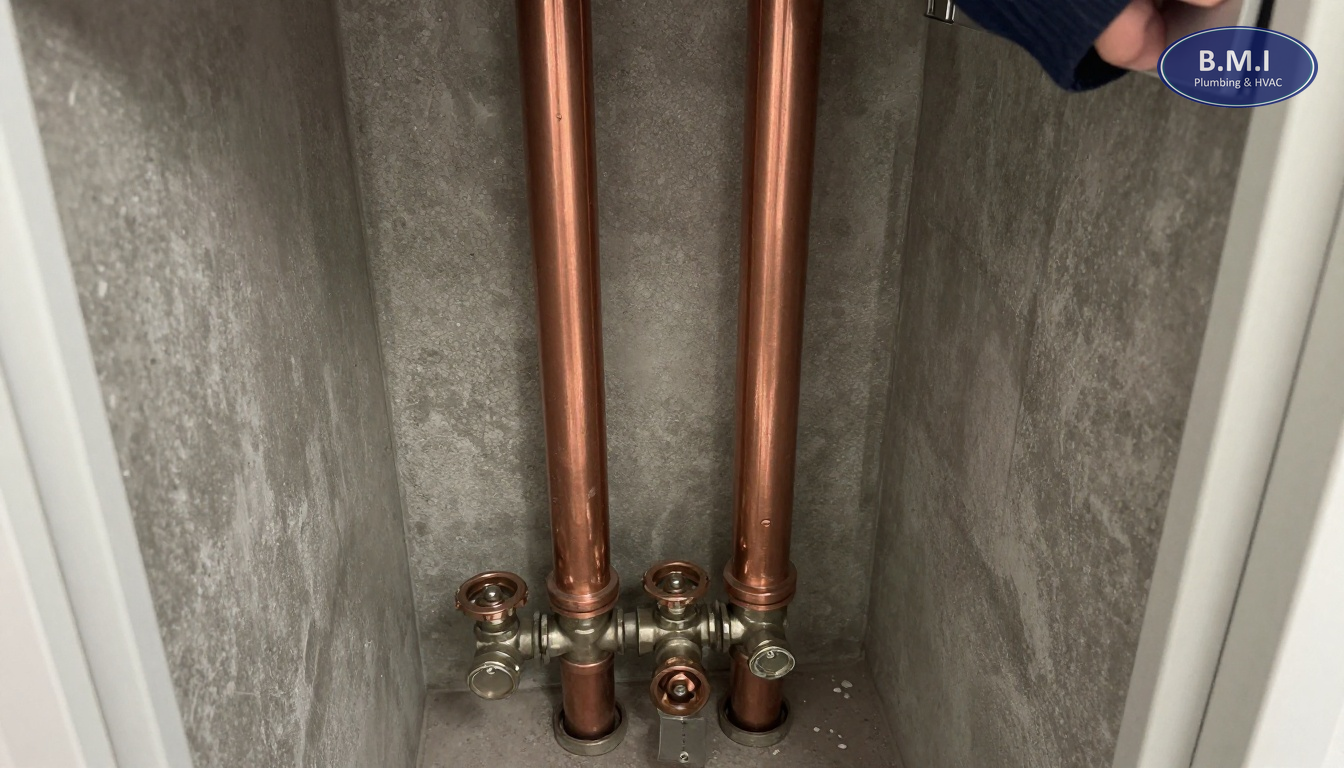
Second, inspect the accessible piping. That means the mechanical room, exposed parking garage ceiling piping, service rooms, and any accessible riser sections. Visual signs such as corrosion products, staining, poor past repairs, old dielectric transitions, and unsupported sections help define risk.
Third, open representative access points. In many Newmarket condo buildings, the true condition of risers is only visible once selective openings are made in chases, closets, or bulkheads. This is where project planning becomes real. The board learns how much access is required, what finishes will be affected, and whether the original routing is consistent floor to floor.
Fourth, confirm isolation strategy. On older buildings, valves that have not been exercised in years often do not hold. A riser project without dependable isolation creates longer shutoffs and more resident frustration. That is why many corporations carry out a valve audit, charting and exercise program before major plumbing work.
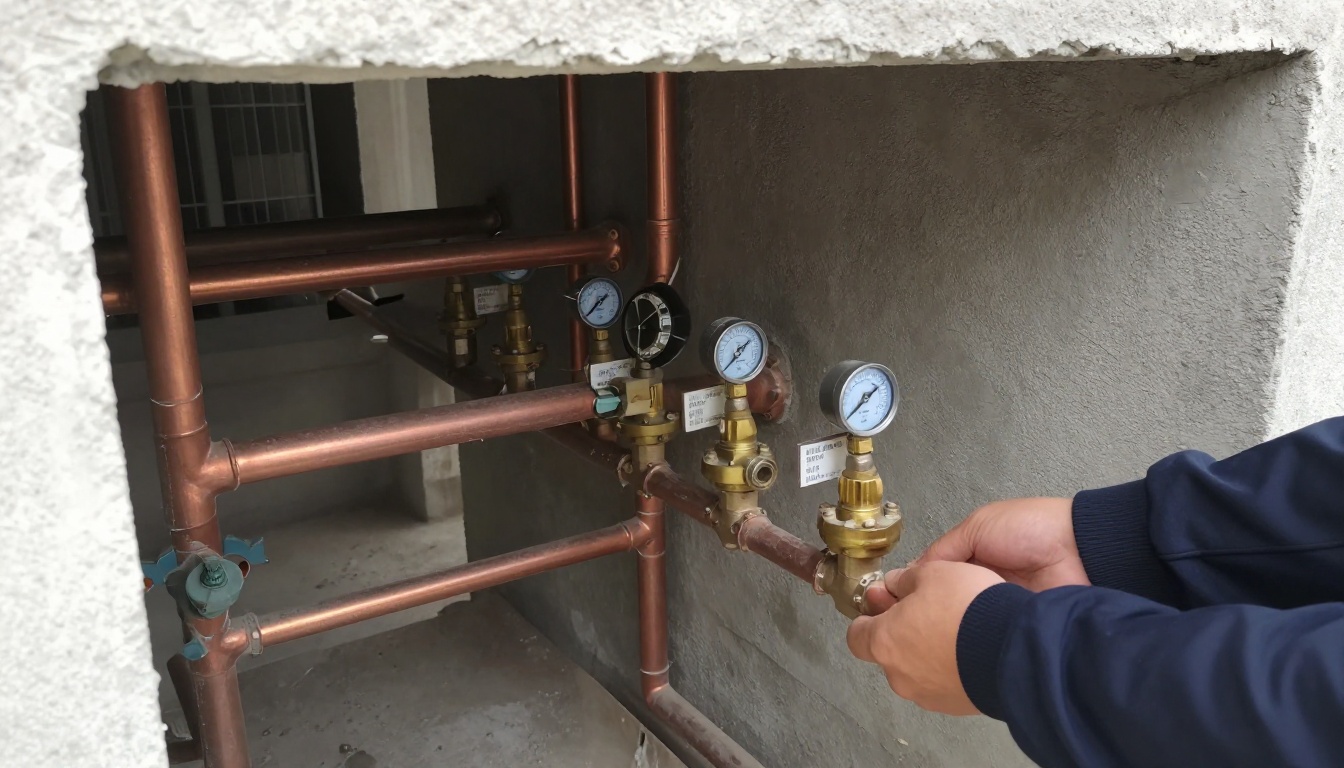
Fifth, review pressure management and backflow protection. Newmarket building plumbing still has to function within Ontario code requirements and local cross-connection control expectations. If premise isolation backflow assemblies are present, annual testing remains part of the building’s compliance obligations, and riser work is a good time to review the condition of backflow prevention assemblies and testing records.
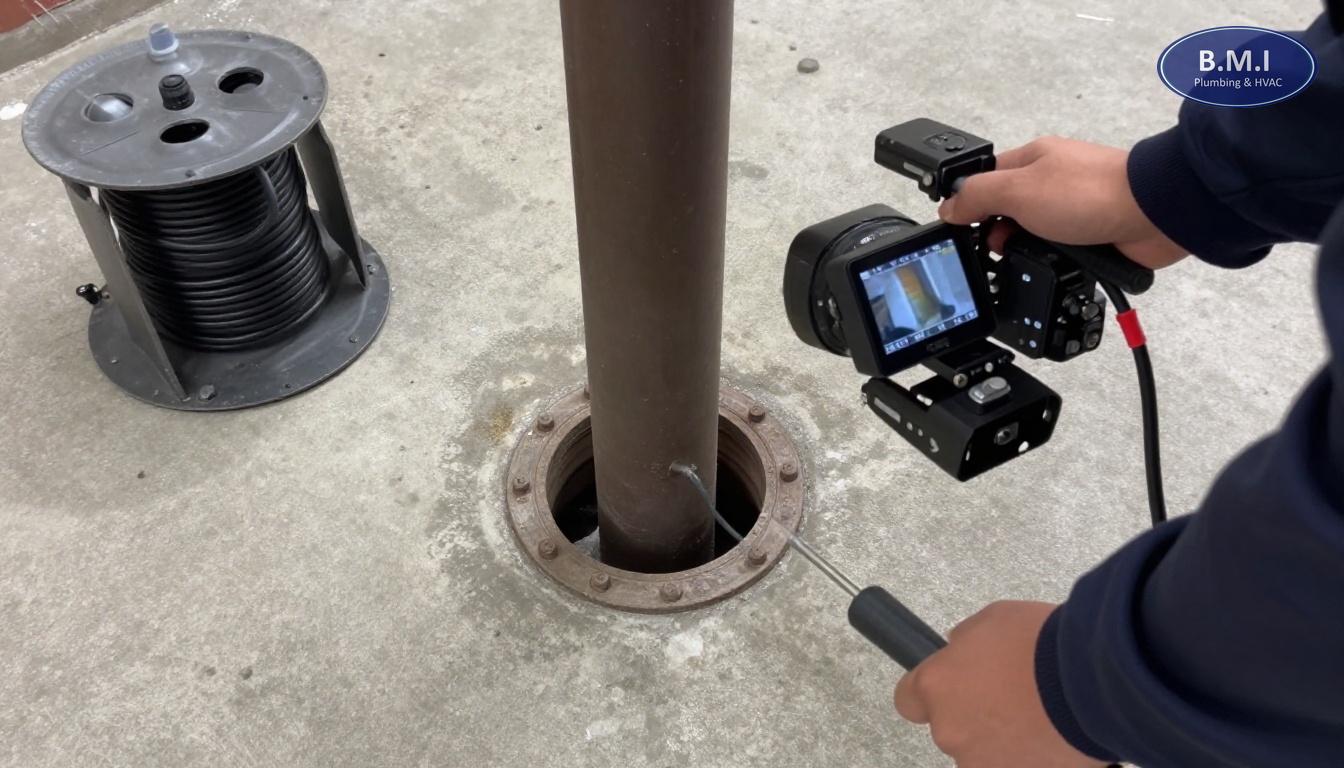
If drainage issues are also being mistaken for domestic water leaks, selective camera pipe inspection can help separate two different problems before the board approves the wrong scope.
The board should ask for a written basis of design or scope narrative that states:
- which risers are included
- whether branches in suites are included
- what wall or ceiling openings are required
- what shutoff windows are expected
- what temporary water interruptions residents should expect
- what restoration is included and what is excluded
- whether asbestos-containing materials or other hazardous materials are suspected and how that will be handled
A representative domestic water riser replacement project in Newmarket
A representative example would be a 10-storey condominium from the late 1990s near Yonge Street and Davis Drive, with roughly 90 suites and original copper domestic water risers serving kitchens, bathrooms, and laundry connections. The property had experienced several pinhole leaks over four years, including two after-hours events affecting suites on different floors in the same stack. Upper-floor residents had also reported fluctuating pressure during peak demand, and maintenance staff noted that some isolation valves were no longer reliable.
BMI was asked to review whether the building needed repeated repairs or a capital solution. The initial investigation included leak-history review, mechanical-room inspection, selective suite access, and openings at representative riser locations. The findings showed aging copper risers with localized corrosion at several fittings, mixed prior repairs, and isolation limitations that would complicate future emergency work.
The agreed scope was a phased domestic water riser replacement for two of the most failure-prone vertical lines first, with associated branch tie-ins at each floor, replacement of selected sectional valves, and coordination of shutoffs during weekday windows. Resident communication was critical because several suites required access through finished closets and bathroom walls. Floor protection, dust control, and daily clean-up were built into the sequence.
The active plumbing work for the first phase took about three weeks, followed by restoration trades. Rough plumbing cost for that initial phase was in the range of $95,000 to $145,000, with final cost depending on access conditions, restoration extent, and the number of concealed conditions uncovered after openings. The corporation used the first phase to confirm production rates and refine budgeting for the remaining risers.
That type of phased approach is common in Newmarket where boards are balancing reserve timing, resident disruption, and the need to stop recurring losses. It is also why reviewing completed plumbing capital projects and building references is useful before deciding whether to phase the work or proceed building-wide.
Costs and timelines for Newmarket domestic water riser replacement
There is no credible single price for riser replacement in Newmarket because the cost drivers are building-specific. For budget purposes in the GTA market, boards should think in ranges.
Selective replacement of one riser line or one trouble stack in an occupied condominium may start in the tens of thousands once access, shutoffs, patching coordination, and resident management are included. A more substantial phased project covering multiple riser lines in a mid-rise building often lands in the low to mid six figures. A full domestic water riser replacement across an entire multi-residential building, especially where branches, valves, and significant restoration are included, can move well beyond that.
Typical cost drivers include:
- number of riser lines and branch connections
- number of suites and floors affected
- ease of access in shafts, closets, and bulkheads
- whether the work is performed in occupied conditions
- valve replacement requirements
- PRV or pressure-zone adjustments
- restoration scope for drywall, tile, paint, millwork, and ceilings
- designated substance issues and abatement requirements
- after-hours or restricted-hour work requirements
In Newmarket, timeline planning should also account for practical site logistics. Some buildings have limited loading areas, tighter parking arrangements, or modest service elevator capacity compared with larger Toronto towers. Material movement, debris handling, and resident elevator use all affect daily production. In fall and early winter, boards should also allow for weather-sensitive scheduling, especially if temporary domestic water interruptions need to be tightly controlled.
As a rough planning guide:
- investigative openings and scope confirmation may take days to a few weeks depending on access approvals
- pricing and board review may take several weeks during budget season
- a limited phased riser project may take two to six weeks of active plumbing work plus restoration
- a building-wide condo re-pipe or major riser replacement program can take months, often in phases
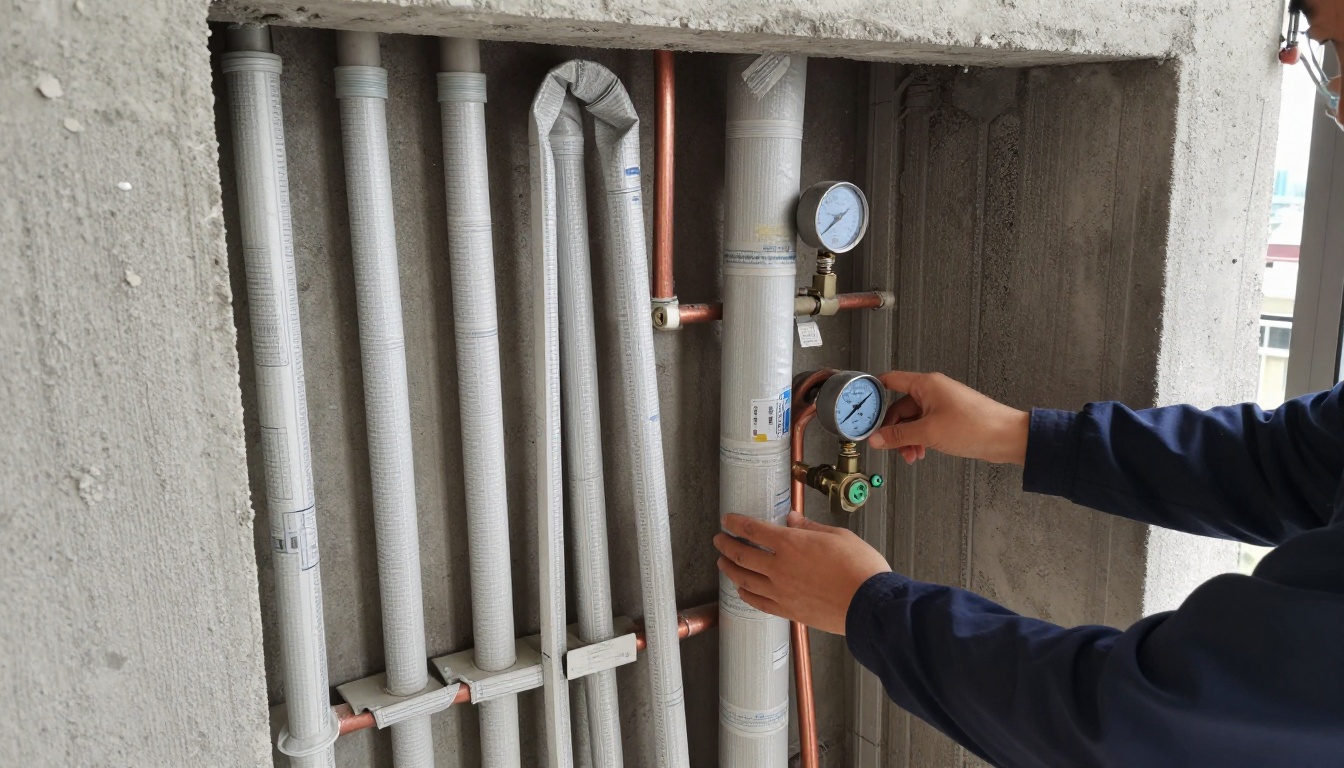
If the building also has long-standing pressure complaints, it is efficient to review the condition of the pressure-control system at the same time through a PRV maintenance and replacement review.
Repair versus replacement in Newmarket: a practical decision framework
Boards often ask the same question: when do we stop repairing and start replacing?
In practice, the answer usually comes down to five factors.
Leak frequency: If the building is seeing recurring failures in different locations, the issue is likely systemic. Spot repairs may still be necessary short-term, but they are no longer the long-term plan.
Access cost: In many Newmarket condos, the expensive part is not the pipe itself. It is gaining access, isolating the area, protecting finishes, and restoring the suite. If the same stack is being opened repeatedly, replacement becomes easier to justify.
Valve reliability: If shutoffs are difficult because sectional valves do not hold, every future repair becomes more disruptive. A riser project can restore control as well as pipe integrity.
Resident tolerance: Buildings can survive a planned project better than a string of emergencies. Planned access notices, scheduled interruptions, and orderly restoration are usually easier on residents than repeated after-hours leak events.
Reserve timing: A reserve fund study is not a substitute for condition assessment, but it should inform the timing. If the reserve study assumed pipe life that is now proving optimistic, the board needs updated evidence and revised capital planning.
Where the domestic water system is failing more broadly than one vertical line, a board may need to compare targeted domestic water riser replacement with a fuller building re-piping strategy. The right answer depends on what the investigation shows, not on a generic rule.
What deferring domestic water riser replacement costs a Newmarket corporation
Deferral is not free. In a Newmarket condominium, the visible cost is the repair invoice for each leak. The less visible costs are often larger.
Repeated water losses can increase insurance pressure through claims history, deductibles, and stricter underwriting questions. Even when damage originates in common-element piping, the administrative burden of chargebacks, resident disputes, drying, restoration, and temporary accommodation can absorb significant management time.
There is also the reserve fund problem. When a corporation keeps spending operating dollars on repeated emergency plumbing instead of moving to planned capital replacement, it can distort both annual budgets and long-term reserve assumptions. Boards then face two funding problems at once: recurring operating surprises and a capital project that still has not gone away.
Operationally, deferral usually means more emergency shutdowns. That strains staff, irritates residents, and creates more opportunities for mistakes when people are rushing. Where a pipe failure also occurs in winter, domestic water interruptions and restoration conditions are simply harder to manage.
For buildings dealing with a mix of domestic water issues and drainage complaints, it can also be worth reviewing related services such as drain cleaning and snaking, kitchen stack cleaning before holiday cooking season, and broader repairs and service support so the board is not treating every water problem as the same problem.
FAQs about domestic water riser replacement in Newmarket
How do we know a Newmarket building needs domestic water riser replacement rather than spot repairs?
The pattern matters more than any single leak. When a Newmarket condominium starts seeing repeated pinhole leaks, green staining at fittings, pressure complaints on upper floors, or frequent shutoffs to repair localized failures, the issue is usually system age and internal pipe condition rather than one bad section. A proper review should include leak history, pipe wall assessment where possible, pressure readings, and a practical phasing plan before the board commits to a full condo re-pipe.
What kinds of domestic water piping are commonly being replaced in Newmarket condos and apartments?
In Newmarket, the buildings now entering riser planning are often late-1980s, 1990s, and early-2000s multi-residential properties with copper domestic water risers, copper branch piping, and brass valves that are reaching the stage where failures become more frequent. Some lower-rise rental and condominium stock also has older galvanized sections or mixed-material repairs from prior decades. The replacement strategy depends on what is in the shafts, what was repaired over time, and how accessible the riser routes are.
How disruptive is domestic water riser replacement in an occupied Newmarket condominium?
It is disruptive, but it can be managed if the work is sequenced properly. In occupied Newmarket buildings, riser replacement is usually phased stack by stack or line by line, with scheduled suite access, controlled shutoffs, floor protection, and patching after wall or ceiling openings. The difference between a manageable project and a chaotic one is pre-construction investigation, resident communication, and a realistic schedule that accounts for elevator booking, suite access, and winter conditions.
What does domestic water riser replacement cost in Newmarket?
For budgeting purposes, Newmarket boards should expect broad ranges rather than a universal price. A limited riser replacement in one or two vertical lines may run in the tens of thousands, while a full domestic water riser replacement or broader building re-piping project can move into the hundreds of thousands depending on suite count, access, finishes, asbestos considerations, restoration scope, and whether valves and PRVs are addressed at the same time. Reliable budgeting comes from an investigation that defines pipe routes, openings, shutoff strategy, and restoration obligations.
Should a Newmarket board replace valves and pressure-reducing equipment during riser replacement?
Usually yes, because old valves and pressure-control components are often the weak link once new piping is installed. If the building is already opening shafts and scheduling shutdowns, it is efficient to review isolation valves, balancing issues, and the condition of pressure-reducing equipment through a coordinated pressure reducing valve maintenance and replacement program or sectional and isolation valve replacement project. Leaving unreliable valves in place can make future maintenance harder and can undermine the value of the riser work.
Can domestic water riser replacement in Newmarket be funded through the reserve fund?
In many cases, yes, because domestic water risers are core common-element plumbing infrastructure with a predictable service life. The board should review the reserve fund study, its update cycle, recent leak history, and whether the project is a capital replacement or a response to accelerated failure. If the timing is ahead of the reserve forecast, clear inspection evidence and revised costing help the board explain why the work moved forward.
Next steps for Newmarket boards and property managers
If your Newmarket building has moved beyond isolated plumbing leaks and into a pattern of repeated riser failures, the next step is not to guess at scope. It is to document the leak history, inspect the accessible system, confirm how shutoffs actually work, and determine whether the right answer is selective riser replacement, phased capital work, or a broader condo re-pipe.
Fall is the right time to do that work. Boards are building next year’s budget, winter pressure swings are approaching, and residents are generally easier to schedule before holiday periods. If you need support, BMI serves Newmarket and the surrounding GTA from its Toronto shop and can assist with investigation, scope development, phased replacement planning, and related plumbing capital work. You can also review BMI’s project solutions for condominium plumbing systems and recent updates on the BMI blog.
Contact BMI
- Contact BMI
- Phone: (416) 845-3756
- Emergency: (416) 845-3756, answered 24 hours a day
- Email: info@brial.ca
More on condominium plumbing
Domestic Water Riser Replacement in Aurora Condos
Domestic water riser replacement in Aurora condos: how to assess aging piping, budget the work, and plan a phased …
Domestic Water Riser Replacement in Oakville Condos
Domestic water riser replacement in Oakville condos: signs, inspection, costs, timelines and how boards plan a condo …
Camera Pipe Inspection in Newmarket Condominiums
Camera pipe inspection in Newmarket for condos and multi-residential buildings. Diagnose drains, stacks and underground …
Need a plumber in your building?
BMI services roughly 200 condominium and multi-residential buildings across Toronto and the GTA. Emergencies are answered at any hour.