Domestic Water Riser Replacement in Oakville Condos
Domestic water riser replacement in Oakville condos: signs, inspection, costs, timelines and how boards plan a condo re-pipe.
Domestic Water Riser Replacement in Oakville Condos
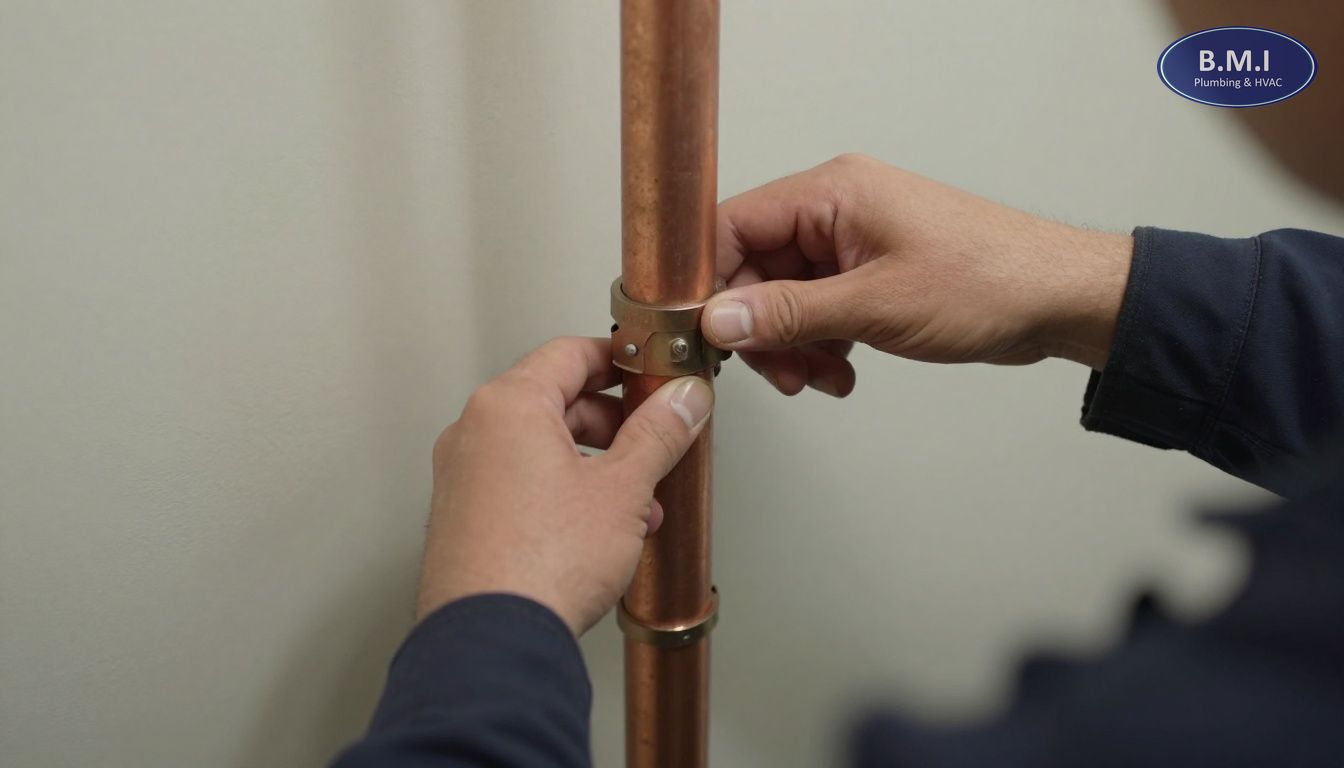
Quick summary: In Oakville, domestic water riser replacement is usually driven by the age and material of the building’s original piping, not by one dramatic failure. For condominium boards and property managers, the real work is confirming what is failing, deciding whether to replace risers only or move toward a broader condo re-pipe, and getting realistic budget numbers before reactive leaks start dictating the schedule.
Why domestic water riser replacement shows up in Oakville buildings specifically
Oakville has a mix of building stock that matters a great deal when you are talking about domestic water risers. Along the lakeshore and in older apartment and condominium pockets, there are buildings from the 1960s through 1980s where original domestic water distribution may include copper, galvanized remnants in some areas, older valves, and service spaces that were never designed for easy pipe renewal. In newer clusters around Uptown Core and along corridors such as Trafalgar Road and Dundas, a lot of the condominium inventory dates from the late 1990s through the 2010s. Those buildings are newer, but they are now old enough that the first generation of domestic water distribution problems is no longer theoretical.
What is failing depends heavily on vintage. In older Oakville high-rises and rental stock, we often see copper risers with decades of internal wear, scale buildup, thinning at fittings, and repeated pinhole leaks where water chemistry and velocity have done their work over time. In late-1990s and early-2000s condominium towers, the risers themselves may still be copper, but the bigger story is often a system issue: aging sectional valves that do not isolate properly, pressure fluctuations, inaccessible shafts, poor original support, and branch connections that have been opened and repaired too many times. In some buildings from the 2000s, boards are also using riser investigations to decide whether they are dealing with a targeted vertical piping problem or a wider replacement scope more like full building re-piping.
Oakville’s municipal context matters too. The town is served by Halton Region for water and wastewater, and that means condominium plumbing has to be looked at as part of a larger pressure and cross-connection environment, not just as isolated suite leaks. Elevation changes between lower areas closer to the lake and higher inland areas can affect pressure characteristics across a building’s incoming service and upper zones. Seasonal demand shifts and pressure changes can expose weak sections of aging domestic water piping, which is one reason fall is a sensible time to review both risers and related controls such as pressure reducing valve maintenance and replacement before winter.
For boards, the key point is that Oakville buildings are now at the age where many original domestic water systems are entering a decision stage. It is no longer just a maintenance item. It is capital planning, access planning and risk management.
How domestic water riser problems present in Oakville condos
By the time a property manager starts searching for riser replacement in Oakville, the complaints are usually familiar. Residents report recurring leaks from a bathroom wall or kitchen bulkhead, staining at ceiling lines, intermittent drops in hot or cold pressure, noisy piping after shutoffs, or water discoloration after repairs. Building staff may report that every “small leak” repair turns into a wider shutdown because the isolation valves are unreliable, or that one stack has become a repeat offender.
In taller Oakville condominium buildings, upper floors often tell the story first. Residents may say pressure is acceptable at some times of day but weak during peak morning demand, especially after recent repairs elsewhere in the system. In older mid-rise buildings, managers sometimes see a pattern of repairs concentrated at tie-ins, elbows and branch takeoffs rather than in straight sections of pipe. That is important because it points to age, stress and corrosion at the most vulnerable points, not a one-off defect.
Another common issue is the mismatch between visible damage and actual system condition. The leak may show up in one suite, but the failure point is inside a common riser shaft, behind tiled walls, or at a floor penetration where corrosion has been active for years. That is why domestic water riser work cannot be managed like a simple in-suite service call. Targeted repairs have a place, and sometimes the immediate first step is 24/7 emergency leak response, but repeated emergency work is often the board’s warning that a replacement program should be investigated.
For buildings with frequent resident access issues, another operational sign is the growing volume of administrative work around plumbing incidents: booking suites, handling chargeback questions, documenting damage, and coordinating restorations. Once that burden starts to outweigh the cost of proper capital planning, the board is already paying for deferral.
What diagnosis and inspection should involve before an Oakville riser replacement project
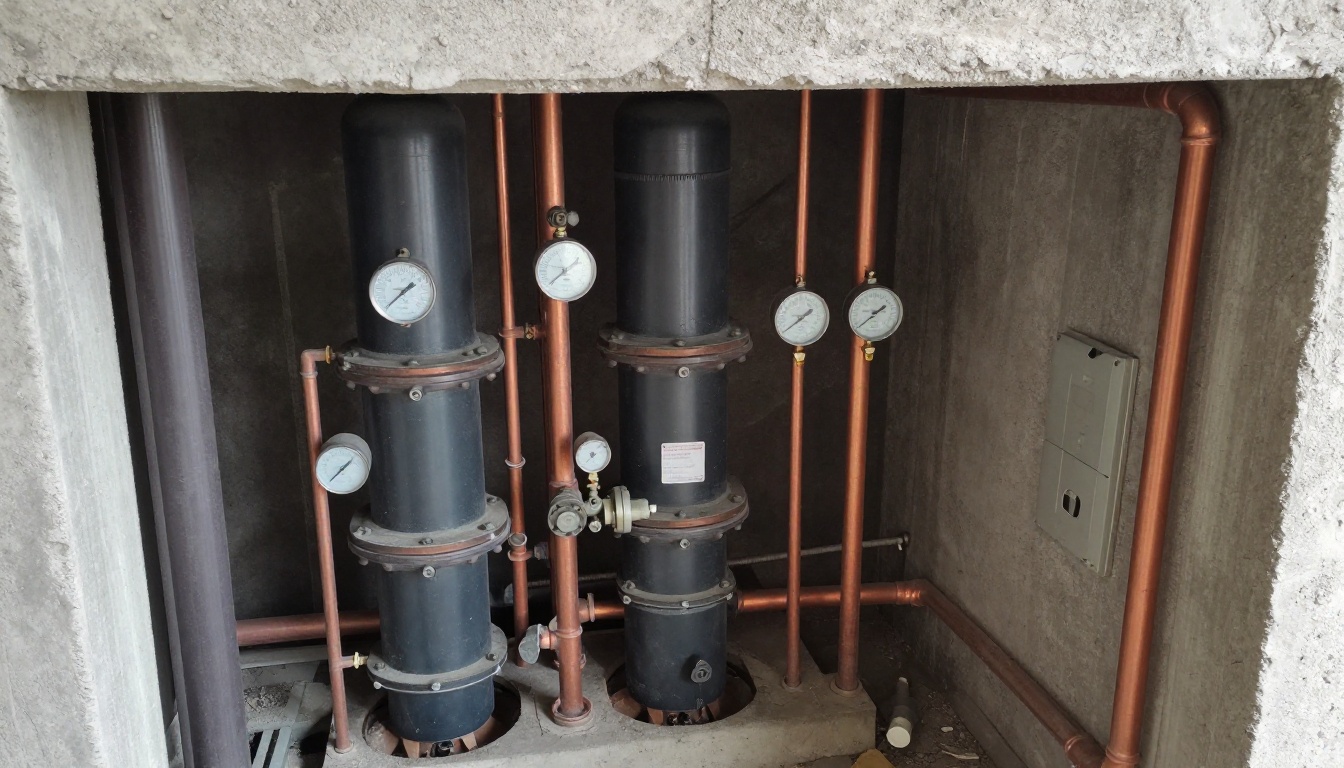
A proper domestic water riser investigation should produce evidence, not assumptions. Pipe age alone is not enough, and neither is a leak log with no physical verification. Before tendering an Oakville riser replacement project, a board should expect a combination of document review, on-site inspection, selective opening, pressure analysis and a realistic access plan.
Start with history. Review where leaks have occurred, whether hot and cold systems are failing equally, which stacks are repeat locations, what time of year incidents spike, and whether prior repairs were in straight pipe, valves, branch connections or fittings. That leak map often reveals whether the issue is isolated or systemic.
Next comes physical verification. That can include opening representative bulkheads or shaft panels, inspecting supports, checking for mixed materials, documenting corrosion at penetrations, and confirming actual pipe routing. In some buildings, a camera pipe inspection is useful for associated drain or access questions, but domestic water riser decisions usually depend more on direct visual and invasive inspection than on camera work alone.
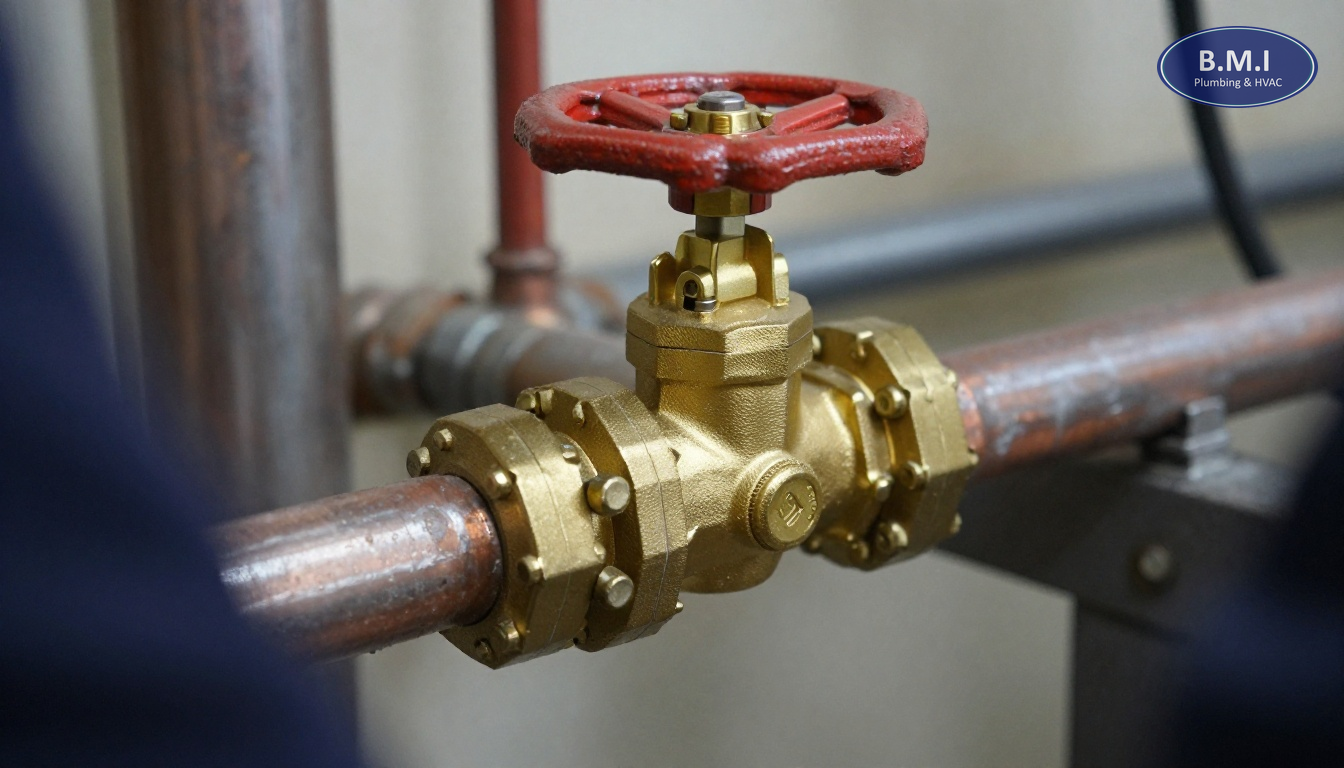
Pressure readings matter as well. Static and flowing pressure should be checked at different elevations and at different times, especially in buildings with known pressure complaints. If pressure reducing equipment is unstable or oversized, replacing risers without addressing controls may solve only part of the problem. That is why many boards combine riser planning with review of sectional and isolation valve replacement and PRV condition.
Oakville boards should also insist on clarity around scope boundaries. Does the project include only common-element vertical risers, or the branch piping into suites as well? Are shutoff valves at suite entries being replaced? Will existing firestopping be removed and reinstated? What wall and ceiling restoration is included, and what is excluded? If these are not answered before tender, the low number on paper can become the expensive number in practice.
Where a building has premise isolation or other cross-connection devices, it is also worth coordinating that review with backflow prevention testing and certification. It is not the same project, but in a domestic water system renewal, boards should understand the full condition of the incoming water arrangement and code-related obligations.
A representative Oakville domestic water riser replacement project
A representative example would be a 17-storey condominium from the late 1990s near Trafalgar Road, with roughly 140 suites and original copper domestic water risers serving stacked kitchens and bathrooms. The property manager’s initial complaint was not “we need a condo re-pipe.” It was that over a two-year period the building had six leak events in three separate riser lines, mostly at branch takeoffs and elbows, plus rising resident complaints about inconsistent hot water pressure on higher floors after each repair.
The first step was a structured investigation. Several access points were opened in common corridors and within selected suites, shutoff performance was tested, and the leak history was mapped against riser locations. The findings were typical of an Oakville building of that vintage: original copper risers with localized external corrosion where condensation and old insulation had trapped moisture, internal wear at high-velocity zones, and multiple sectional valves that no longer isolated reliably. The building could continue patching, but every repair was becoming more disruptive because more suites had to be affected to isolate one leak.
The recommended scope was a staged domestic water riser replacement rather than immediate full in-suite branch replacement. New risers were installed in phases, obsolete valves were replaced at the same time, and access was coordinated stack by stack to limit resident disruption. Temporary shutdowns were scheduled during weekday windows with advance notice, and restoration followed each completed area rather than waiting until the end of the full project.
The active piping work ran for about 10 weeks, with additional time before and after for access coordination, material lead times and finish restoration. A rough 2026 GTA market cost for that type of project would often land in the mid to high six figures depending on access, finish levels and how much branch piping was included. If the same building had delayed until failures forced emergency opens in occupied suites through winter, the total cost would likely have been higher once after-hours response, water damage restoration and resident coordination were included.
That kind of project is also where a contractor with multi-residential experience matters. Domestic water riser replacement is not just pipe installation. It is shutdown planning, occupied-suite access, firestopping, sequencing, documentation and making sure the building is more maintainable when the work is done. For boards comparing approaches, reviewing completed projects and building references is often more useful than comparing only unit rates.
Costs and timelines for domestic water riser replacement in Oakville
For budget season, Oakville boards usually want a range before they want a final tender. That is sensible, but the range has to be tied to building type.
In a small low-rise condominium with a limited number of risers and relatively simple access, a focused domestic water riser replacement program might budget from roughly $80,000 to $250,000 as a broad early planning allowance. In a mid-rise or tower with multiple riser banks, occupied-suite access, asbestos-related precautions in older assemblies, extensive restoration and valve upgrades, budgets can move into the $300,000 to $900,000 range or higher. For larger towers or projects that expand into branch piping and broader domestic water riser replacement or full condo re-pipe scope, seven-figure budgets are common.
These are not quoted prices. They are planning estimates for 2026 GTA conditions and vary with:
- number of risers and floors
- hot and cold scope
- accessibility of shafts and bulkheads
- wall, tile and ceiling restoration standards
- need for temporary water arrangements
- valve replacement and balancing work
- firestopping and insulation reinstatement
- resident access efficiency and schedule constraints
Timeline is similar. Investigation and scope definition can take a few weeks to a few months, especially if access to representative suites is slow. Tendering and contractor selection add additional time. Physical construction on a straightforward low-rise may run 3 to 6 weeks, while an occupied Oakville tower often needs 8 to 16 weeks or more depending on phasing.
Fall is often when boards should be collecting these numbers. If a building wants work performed before the next heavy leak cycle or before other capital items stack up, waiting until a winter emergency usually removes the board’s ability to schedule efficiently. It also makes it harder to combine the work with related items from broader capital project plumbing solutions.
Repair versus replacement in Oakville, and when a condo re-pipe makes more sense
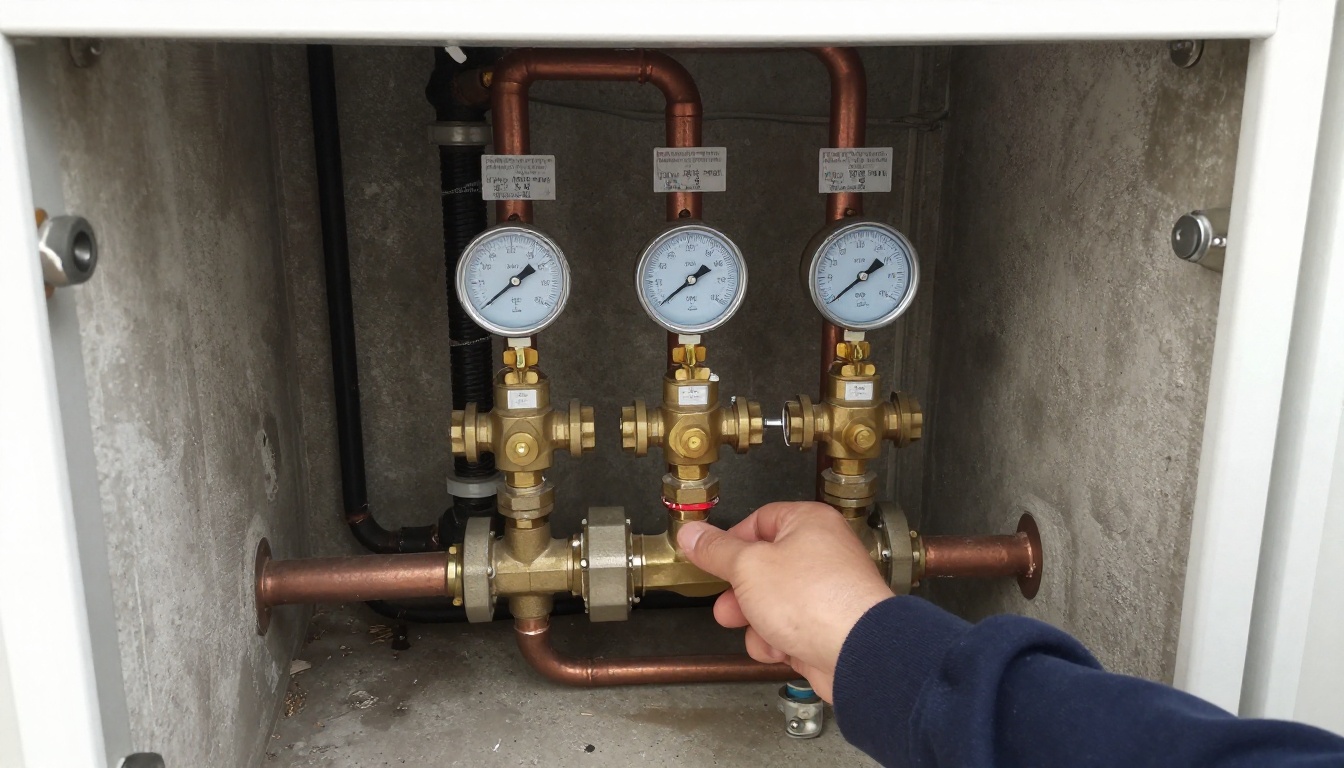
Not every leak means full replacement, but repeated repairs are not a strategy. In Oakville buildings, the repair-versus-replace decision usually turns on four things: failure frequency, isolation quality, access cost and how much old piping remains around each repaired section.
Repair is still reasonable when failures are rare, isolated to one area, and the building has dependable valves that allow small shutdowns. It is also reasonable where inspection shows that only one section or one material transition is problematic. In those cases, targeted work plus a formal valve audit, charting and exercise program can extend service life and reduce disruption.
Replacement becomes the more rational choice when the same risers leak repeatedly, when each repair requires opening finished suites, when valves do not isolate properly, or when the building is accumulating water damage claims faster than it can stabilize the system. Once those conditions exist, a planned riser replacement program is usually cheaper than a series of reactive interventions.
A broader condo re-pipe becomes worth studying when the vertical risers are only part of the problem. If branch piping, suite shutoffs, fixture supplies and in-suite connections are all of similar vintage and all showing failures, the board should at least compare staged riser replacement against Kitec and Uponor removal and replacement where relevant, or broader building re-piping. The right answer is not always the biggest project. It is the scope that removes the actual failure pattern without leaving the next wave of weak points in place.
What deferring domestic water riser replacement costs an Oakville board
The direct leak repair invoice is usually the smallest part of the cost. The larger cost is operational and financial drift.
First, there is water damage. One domestic water riser failure can affect multiple suites, corridors and common areas. Deductibles, restoration coordination and resident complaints quickly exceed the pipe repair itself. If incidents repeat, insurers take notice, and boards can find themselves dealing with higher deductibles, tougher renewal conversations or increased scrutiny of maintenance history.
Second, there is reserve fund distortion. Under the Condominium Act, reserve fund studies and updates are supposed to support rational capital planning. If a board keeps treating predictable riser deterioration as emergency maintenance, it can end up paying premium rates from the wrong budget line while still needing to fund the capital replacement later. That is not efficient governance.
Third, there is administrative burden. Every reactive leak means notices, suite entry coordination, after-hours calls, contractor dispatch, documentation and often chargeback disputes where alterations or previous repairs are involved. In some buildings, section 98 alteration history also complicates restoration because original conditions and owner improvements are not the same thing.
Finally, there is the cost of poor timing. In fall, boards in Oakville are often already reviewing maintenance priorities before winter. This is also when it makes sense to line up related preventive work such as all maintenance programs for condominium plumbing, including stack cleaning before holiday cooking season if the building has recurring kitchen line issues through the same service corridors. Coordinating work deliberately is almost always cheaper than reacting to failures one by one.
FAQs about domestic water riser replacement in Oakville
When should an Oakville condominium start planning domestic water riser replacement?
In Oakville, planning usually starts when a building begins seeing a pattern rather than isolated failures: repeated pinhole leaks, localized corrosion at fittings, chronic low pressure complaints on upper floors, or frequent shutoffs to repair branch valves and riser tie-ins. For many towers and mid-rise buildings from the late 1980s through early 2000s, that conversation often starts well before a full failure cycle, because access, resident disruption and reserve fund timing matter as much as pipe age.
Can riser replacement in Oakville be done floor by floor, or does the whole building need to be done at once?
Both approaches are used, but in most Oakville condominium towers a staged building-wide program is more practical than isolated floor-by-floor replacement. Domestic water risers run continuously through stacked suites and common shafts, so piecemeal work can leave old and new materials tied together for too long, increase shutdowns, and make balancing and future maintenance harder.
What does a proper domestic water riser investigation include before tendering in Oakville?
A proper investigation should include review of leak history, riser material identification, pressure readings at different elevations, selective opening of bulkheads or shaft access, and at least some invasive verification of wall thickness or internal corrosion where justified. Boards in Oakville should also ask for a shutdown strategy, access assumptions, suite restoration scope, and whether related items such as isolation valves, PRVs and expansion compensators should be addressed at the same time.
How much does domestic water riser replacement cost in Oakville?
For Oakville multi-residential buildings, domestic water riser replacement is a capital project and pricing varies widely with height, suite count, access conditions, firestopping, restoration level and whether branch piping is included. As a broad 2026 GTA budgeting range, many boards are carrying roughly tens of thousands for a small low-rise riser program and from the high six figures into seven figures for larger towers or full condo re-pipe work.
Should an Oakville board replace only leaking risers or do a broader condo re-pipe?
That depends on what is actually failing. If the domestic water risers are deteriorated but in-suite horizontal distribution is still serviceable, a focused riser replacement program may be the right scope; if branch piping, isolation valves and fixture connections are failing across the building, a broader condo re-pipe may be more economical over one reserve fund cycle.
What time of year is best for riser replacement planning in Oakville?
Fall is often the best planning window in Oakville because boards are building next-year budgets, reserve fund decisions are active, and managers want reliable numbers before winter increases the consequences of unplanned shutoffs. It is also a good time to review pressure control through a pressure reducing valve maintenance program, because seasonal pressure swings can make existing weak points in older risers show up more clearly.
Next steps for an Oakville board considering riser replacement
If your Oakville condominium is seeing recurring domestic water leaks, pressure complaints or repeated shutdown problems, the first step is not to jump straight to a full replacement tender. Start with a documented review of leak history, a site investigation that confirms actual pipe condition, and a scope discussion that separates risers, valves, branch piping and restoration.
From there, the board can decide whether it needs a focused domestic water riser replacement project, related sectional and isolation valve replacement, or a broader capital plan. BMI serves Oakville and the surrounding GTA from its Toronto shop and works with condominium boards and property managers on both emergency stabilization and planned plumbing renewal.
For budgeting, fall is the right time to get numbers in front of the board. If you want a practical assessment tied to your actual building stock and access conditions, request a site review before winter turns a manageable capital item into an emergency.
Contact BMI
- Contact BMI
- Phone: (416) 845-3756
- Emergency: (416) 845-3756, answered 24 hours a day
- Email: info@brial.ca
More on condominium plumbing
Sectional and Isolation Valve Replacement in Oakville
Sectional and isolation valve replacement in Oakville condos: costs, timelines, diagnosis and planning for safer …
Water Submetering and Consumption Problems in Oakville
Water submetering and high water bill issues in Oakville condos: how to diagnose abnormal water consumption and plan …
Holiday Kitchen Stack Cleaning in Toronto Condos
Holiday grease buildup causes December drain backup issues in Toronto condos. Learn warning signs, costs, timing and …
Need a plumber in your building?
BMI services roughly 200 condominium and multi-residential buildings across Toronto and the GTA. Emergencies are answered at any hour.