Emergency Leak and Burst Pipe Response in Etobicoke
Emergency leak and burst pipe response in Etobicoke condos and rentals. What fails, how to diagnose it, and what managers should do next.
Emergency Leak and Burst Pipe Response in Etobicoke
Quick summary: In Etobicoke, emergency leak calls in condominiums and multi-residential buildings are rarely just about one broken pipe. The real issue is usually a combination of building age, valve condition, access constraints and how quickly staff can isolate the affected zone. For property managers and condo boards, the difference between a contained incident and a six-figure flood often comes down to preparedness before the call, not just response after it starts.
Etobicoke has a wide mix of building stock, from older rental towers along The West Mall and Kipling corridors to 1990s and 2000s condominium clusters around Humber Bay and newer infill buildings closer to Islington and Bloor. Those buildings do not fail in the same way, and emergency plumbing response in Etobicoke needs to reflect that reality. BMI provides 24/7 emergency leak response in Etobicoke and across the GTA from its Toronto shop.
Why emergency leaks show up in Etobicoke buildings specifically
Etobicoke is not one uniform condo market. The emergency patterns in a 1960s or 1970s slab-style apartment building are different from a 1990s condominium tower, and both differ again from a post-2010 glass building.
In older Etobicoke high-rises and rentals, the common trouble points are aging copper domestic water piping, original or near-original sectional valves that no longer close reliably, and cast iron drainage systems that have reached the stage where scaling, channel rot and hub deterioration start showing up as active leaks. In these buildings, a “burst pipe” call may actually start as a pinhole spray behind a washroom wall or a ceiling collapse caused by a stack leak that travelled for hours before anyone saw it. When the nearest isolation valve fails to hold, a small event becomes a building event.
In mid-1990s to early-2000s Etobicoke condominiums, BMI often sees emergency failures around domestic hot water recirculation lines, branch connections, pressure reducing stations, expansion movement at mechanical connections, and in some buildings, piping materials that have aged poorly under local operating conditions. If a tower has had years of incremental repairs without a coordinated valve audit, charting and exercise program, after-hours isolation becomes slower and riskier.
Newer Etobicoke buildings generally have better isolation layout, but that does not make them immune. We see emergency calls tied to failed fixture supplies, poor-quality replacement components installed during suite renovations, pressure fluctuations, and leaks from concealed mechanical connections in tight service spaces. In high-density waterfront towers near Humber Bay, logistics also matter. Access to loading, elevator booking, and moving wet materials through finished common areas can add time even when the plumbing diagnosis is straightforward.
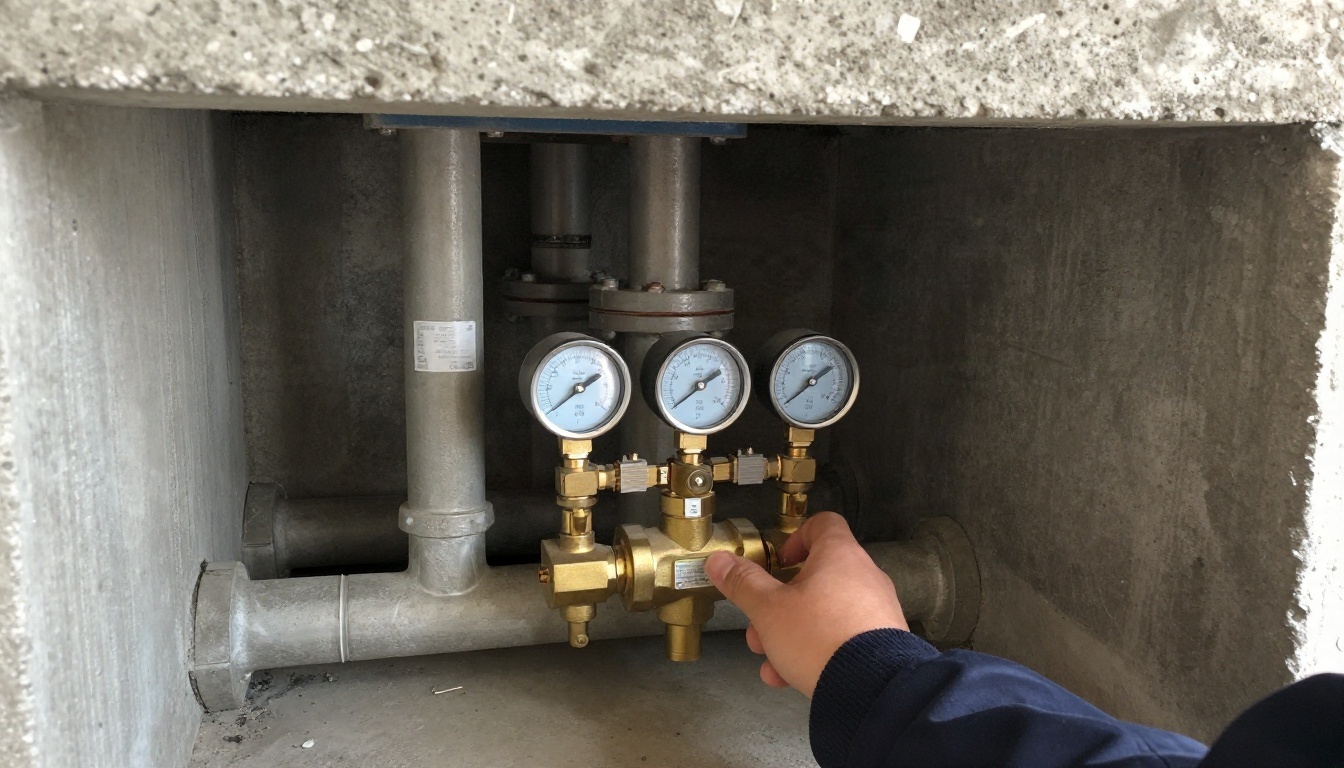
Municipally, Etobicoke is served within Toronto’s water system. In practical terms, that means high-rise buildings can see pressure conditions that make weak fittings show themselves quickly, especially where a building relies on pressure reducing equipment that is overdue for service. Fall is a sensible time for pressure reducing valve maintenance and replacement, because winter operating conditions and occupancy patterns tend to expose neglected PRV stations.
How a burst pipe or condo flood in Etobicoke usually presents
Property managers rarely receive the first report as “we have a failed three-quarter-inch copper branch on the 18th floor.” They hear symptoms.
Typical Etobicoke emergency reports include:
- water dripping through a corridor pot light or smoke detector area
- a resident reporting warm water coming through a bathroom ceiling
- a sudden loss of domestic pressure on one stack or one tier of suites
- noise in the wall followed by staining or bubbling drywall
- water running across a parking garage slab from overhead piping
- a mechanical room floor drain unable to keep up with active discharge
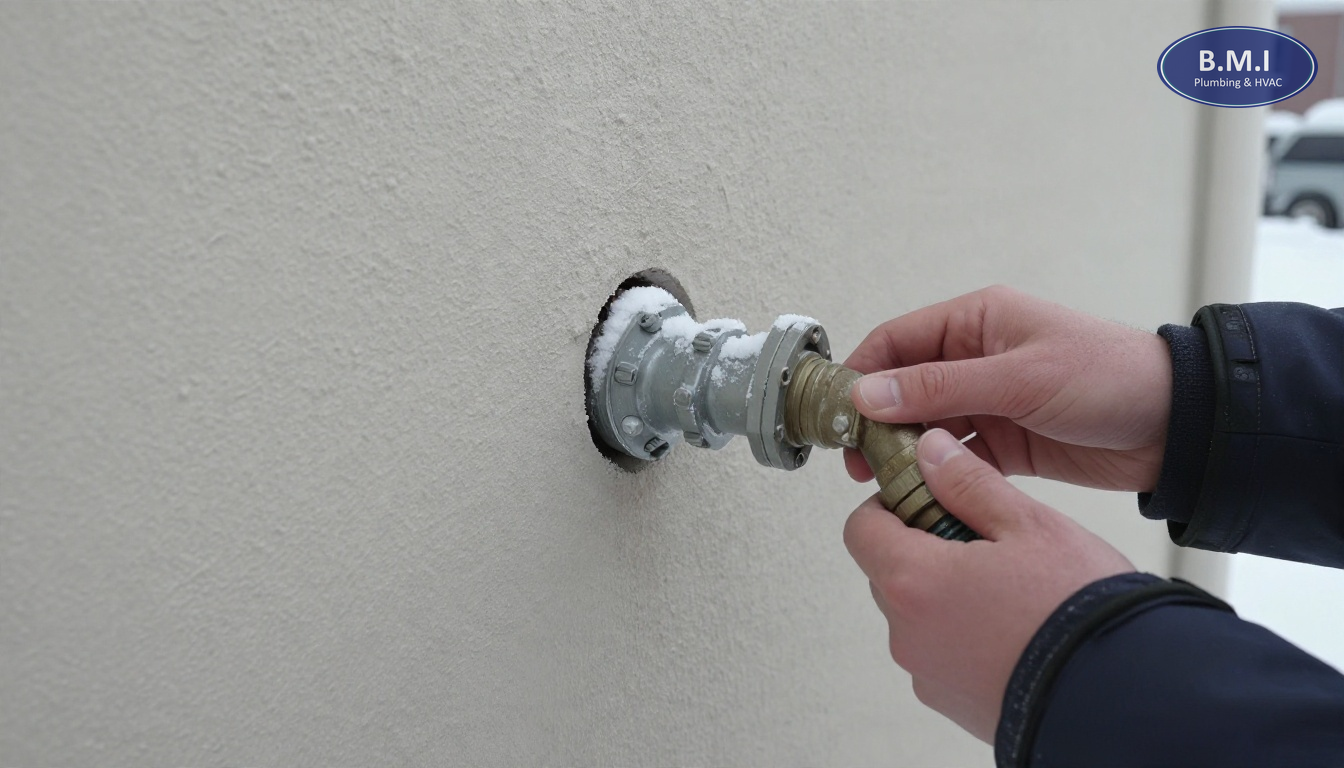
- a burst hose-bib branch or vestibule line after a cold snap
In older buildings along wider arterial corridors, another common pattern is water migration far from the actual failure point. Concrete structure, pipe chases and slab penetrations allow water to travel laterally and downward before it becomes visible. By the time the concierge or superintendent sees it in one suite, the source may be two or three levels above or in a nearby riser shaft.
This is why an emergency call should lead to immediate stabilization, not assumptions. If the first person on site starts opening the wrong ceiling or shutting down the wrong domestic zone, the building loses time and residents lose service unnecessarily. A licensed team performing in-suite plumbing repairs and emergency isolation in occupied multi-residential buildings needs to work methodically, especially where multiple units may require access.
What emergency diagnosis in Etobicoke should involve, and what evidence to insist on
A good emergency response has two phases: stop the damage, then prove the cause.
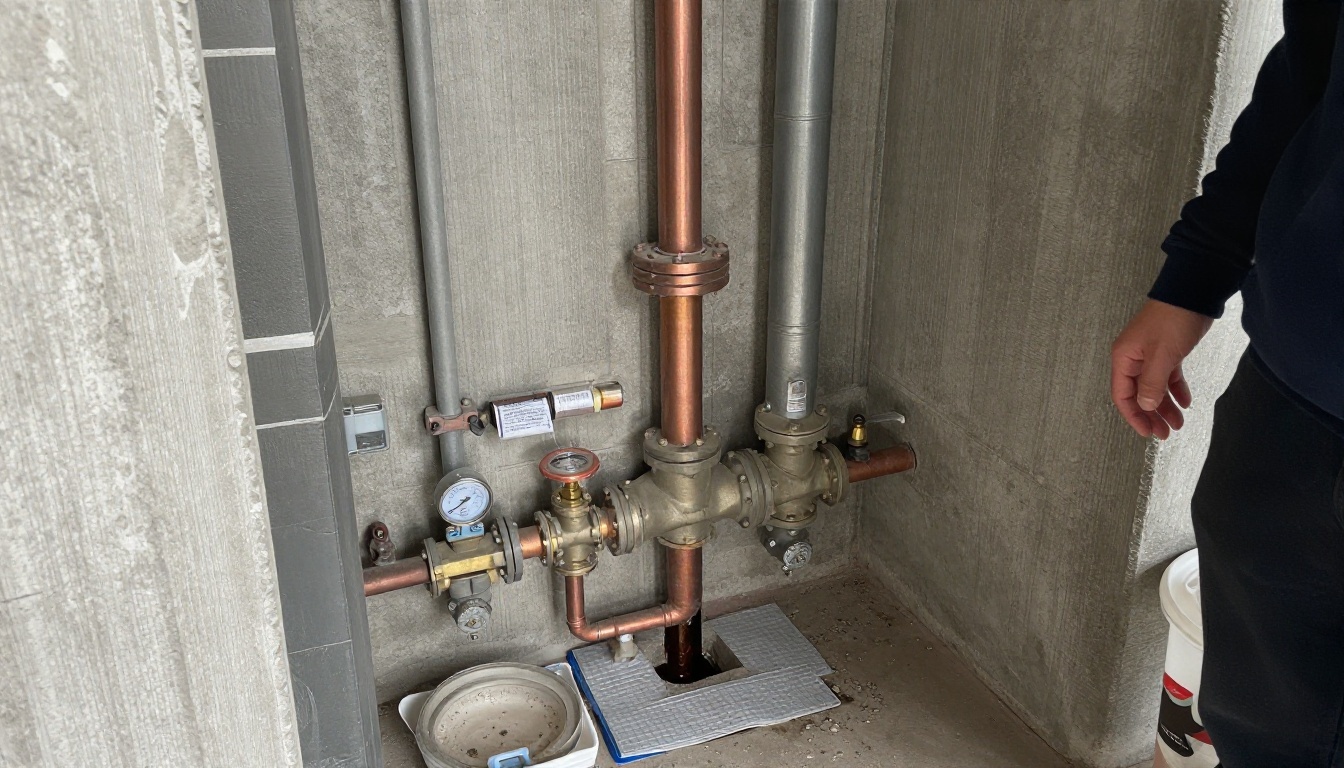
The first phase is isolation and stabilization. That may involve shutting a local fixture stop, a suite branch, a floor sectional valve, a domestic riser, a recirculation loop or, in the worst case, a larger building zone. In Etobicoke buildings with incomplete valve records, the response team may need to trace piping physically to confirm what each valve actually controls. This is one reason boards should invest in sectional and isolation valve replacement before valves are needed in an emergency.
The second phase is diagnosis. Property managers should expect evidence, not guesswork. Depending on the event, that can include:
- photos of the failed component before disturbance
- identification of pipe material, size and service
- confirmation of whether the leak is on domestic cold, domestic hot, recirculation, sanitary, storm or hydronic piping
- notes on whether the valve held or passed during isolation
- pressure observations before and after temporary repair
- moisture spread observations affecting adjacent suites or corridors
- recommendation for temporary repair versus immediate permanent work
Where the source is concealed or where stack leakage is suspected, a camera pipe inspection can help confirm whether the visible leak is the true point of failure or just where the water escaped. In older Etobicoke stock with cast iron drainage, this distinction matters. The ceiling opening where water appears may be below a much larger deteriorated section of stack.
If the building has a premise isolation assembly or other cross-connection control equipment in the same area, the emergency team should also note whether any backflow device was affected by shutdowns or pressure events. Toronto buildings with required annual testing should keep backflow prevention testing and certification current so emergency shutdowns do not create another compliance problem after the leak is contained.
A representative Etobicoke emergency leak service call
A realistic example would be a 22-storey condominium from the late 1990s near Humber Bay. The building had a history of isolated domestic hot water pinhole repairs but no recent system-wide review. On a cold November evening, management received complaints from two stacked suites about hot water dripping through bathroom exhaust grilles, followed by water staining in the corridor ceiling outside one unit.
On arrival, the emergency plumber confirmed the leak was active on the domestic hot water side rather than drainage. The floor-level isolation valve serving that riser did not fully close, likely due to age and mineral buildup, so the crew had to isolate at the next upstream point and coordinate temporary domestic hot water interruption for a larger vertical zone. Ceiling openings in two suites and the corridor showed a pinhole failure on a copper branch at a fitting near the riser connection, with evidence of long-term exterior corrosion and recent rupture under pressure.
The immediate work involved emergency shutdown, water extraction coordination by others, temporary repair of the failed section, restoration of service, and written documentation of the defective valve and the failed pipe segment. The following day, BMI returned to replace the local failed section with new copper, replace the non-performing sectional valve, and review adjacent piping conditions in the same ceiling space.
Total emergency and follow-up plumbing cost for that event was roughly in the range of $4,500 to $9,000, excluding restoration, asbestos-related requirements if any, and after-hours access complications. The more important finding was that the riser branch area showed enough similar corrosion to justify a broader domestic piping review and budgeting discussion. In that situation, a board should not stop at the one repair; it should evaluate whether domestic water riser replacement or a more targeted capital scope belongs in the next reserve cycle.
Costs and timelines for Etobicoke emergency leak response
Emergency plumbing costs in Etobicoke vary widely because the first invoice is only one part of the event. Property managers need to separate four buckets: emergency response, investigative opening/access, permanent plumbing repair, and restoration by other trades.
Reasonable GTA market estimates as of late 2026 for condominium and rental building work are often in these ranges:
- after-hours emergency response and initial stabilization: about $900 to $2,500 depending on crew size, duration and complexity
- localized visible pipe repair with accessible ceiling or wall: about $1,500 to $4,000
- repair requiring multiple suite entries, staged shutdowns and access coordination: about $3,500 to $8,000
- replacement of failed or seized sectional valves discovered during the event: often $1,500 to $5,000 per valve depending on size, access and shutdown impact
- investigative openings and concealed-source tracing: highly variable, often $1,000 to $4,000 before restoration
- larger emergency domestic piping repairs affecting risers or multiple suites: commonly $8,000 to $25,000 and up
If the event reveals a building-wide issue, the numbers change quickly. A recurring leak pattern can lead to planned building re-piping, targeted riser replacement, or related mechanical upgrades rather than repeated emergency patches.
Timelines also vary. A visible isolated burst can be stabilized within hours. A leak hidden in a shaft or spread across several suites may take the same night just to isolate and make safe. Permanent repair often follows the next day or within several days, depending on access, material availability, and whether the building needs hazardous materials clearance before ceilings or wall systems are opened.
For boards doing fall budget work, this is the practical lesson: if your Etobicoke building has had two or three similar leak events in the same system, budget for investigation now. A controlled weekday shutdown is usually cheaper than another overnight flood.
Emergency repair versus planned replacement in Etobicoke
The right question after a flood is not just “How do we fix this pipe.” It is “What exactly failed, and is it representative of the system around it.”
Reactive repair is appropriate when the failure is clearly isolated: a single fixture supply, one damaged branch line, one defective valve body, one accidental puncture during unrelated work. In those cases, emergency service followed by a documented permanent repair is usually sufficient.
Planned replacement is the better decision when the emergency exposes a pattern. Common triggers include repeated domestic water pinholes on the same riser, cast iron stack leaks at multiple floors, expansion-related movement at aging mechanical joints, or a valve population that cannot be trusted to isolate. At that point, the building should move from emergency calls to a defined capital scope, whether that means expansion compensator replacement, full building re-piping, or another targeted project under capital project work.
For condominiums, this also connects to reserve fund planning. Reserve fund studies are updated on a cycle, but emergency plumbing failures often provide better real-world evidence than a desktop assumption in a study. If Etobicoke boards are seeing active failures earlier than expected, the reserve plan may need adjustment rather than continued deferral.
What deferring emergency-prone plumbing costs an Etobicoke building
Deferral is expensive in ways that are not always visible on a plumbing line item.
First is restoration. A minor pipe repair may cost a few thousand dollars, while drywall, flooring, painting, contents handling, dehumidification and cleaning multiply that amount. Second is operational disruption: concierge time, superintendent overtime, resident complaints, elevator use, security access, and coordination with insurers and restoration contractors.
Third is insurance pressure. Repeated water losses can affect deductibles, insurability and how an insurer views maintenance history. If the building knew certain valves did not hold, or had a known recurring leak pattern and did nothing, that history can become relevant after a claim.
Fourth is governance and chargebacks. Under the Condominium Act and the corporation’s governing documents, buildings often need to sort out whether a loss came from common element plumbing, a suite alteration, or a fixture connection changed by an owner under a section 98 agreement or other approved alteration process. Without good documentation, those decisions become harder and disputes become more likely.
Finally, there is the preventable emergency itself. A fall program of maintenance programs for condominium plumbing systems can be much cheaper than repeated reaction. In Etobicoke, that often means valve exercising, PRV review, known weak-point repairs, and where relevant, stack maintenance before winter occupancy and holiday cooking activity increase load on the system. For buildings with recurring drain backups contributing to flood events, scheduled drain cleaning and snaking or kitchen stack cleaning belongs in the discussion as well.
FAQs about emergency leak and burst pipe response in Etobicoke
What should property management do first during a burst pipe emergency in Etobicoke?
The first steps are isolation, safety and documentation. Building staff should identify the nearest sectional shutoff or riser isolation valve, protect electrical areas if water is migrating, and call a licensed emergency plumber for immediate response. In many Etobicoke buildings, the time lost searching for unlabelled or seized valves makes the event worse, which is why a current valve chart and exercise program matters.
Are burst pipes in Etobicoke usually caused by freezing?
Not always. In Etobicoke, freezing can affect parking garage lines, vestibules, loading docks, rooftop mechanical penthouses and perimeter piping near poorly insulated exterior walls, but many emergency leaks come from failed copper pinholes, corroded valves, old hose-bib branches, domestic hot water recirculation lines, or cracked fittings under pressure swings. The building vintage usually tells you more than the weather alone.
How quickly can an emergency plumber in Etobicoke determine where the leak is coming from?
A straightforward visible failure can often be isolated and diagnosed on arrival, but concealed leaks take longer. In a high-rise, tracing whether water is travelling from a riser shaft, branch line, stack, mechanical room or suite fixture may require opening ceilings, checking pressure loss, and using a camera inspection or staged isolation. Managers should expect an initial stabilization visit first, followed by a more complete repair scope once access is confirmed.
When does a condo flood in Etobicoke become a capital project instead of a one-time repair?
It becomes a project when the emergency exposes a system-wide condition rather than one failed fitting. Repeated pinhole leaks on the same domestic riser, multiple seized isolation valves, deteriorated expansion compensators, or recurring cast iron stack failures usually mean the building should move from reactive service to planned replacement. That is where reserve fund planning and a board-level repair-versus-renewal decision are more cost-effective than repeated after-hours emergencies.
Can BMI help Etobicoke buildings document the cause of loss for insurers?
Yes. A proper emergency response should leave a record of the failed component, the isolation steps taken, photos of the area, and a written description of what was observed and temporarily repaired. For many losses, insurers and adjusters want to know whether the cause was sudden failure, deferred maintenance, freezing, corrosion, or an alteration-related issue such as an in-suite fixture connection.
What preventive work should Etobicoke boards budget for before winter?
Fall is the right time to budget for pressure reducing valve checks, valve exercising, exposed-pipe insulation review, and known weak-point repairs before winter pressure swings and holiday occupancy. Older Etobicoke towers should also review stack conditions, garage ceiling piping, hose-bib branches and any history of leaks at expansion joints or recirculation loops. A modest preventive scope is usually far less expensive than one major overnight flood.
Next steps for Etobicoke property managers and boards
If your Etobicoke building has already had one emergency leak this year, do not treat the event report as the end of the job. Review whether the failed component was truly isolated or part of a pattern. Confirm whether the shutoff valves used in the event actually performed. Ask for photo documentation, material identification, and a recommendation on what nearby piping or valves should be addressed next.
For fall planning, this is also a good time to line up preventive work before winter demand and holiday occupancy increase response pressure. BMI supports Etobicoke condominiums and multi-residential buildings with emergency service, investigative plumbing, and planned follow-up scopes, from all repairs and service through larger renewal work. You can also review completed projects and building references or request service directly through the BMI contact page.
Contact BMI
- Contact BMI
- Phone: (416) 845-3756
- Emergency: (416) 845-3756, answered 24 hours a day
- Email: info@brial.ca
More on condominium plumbing
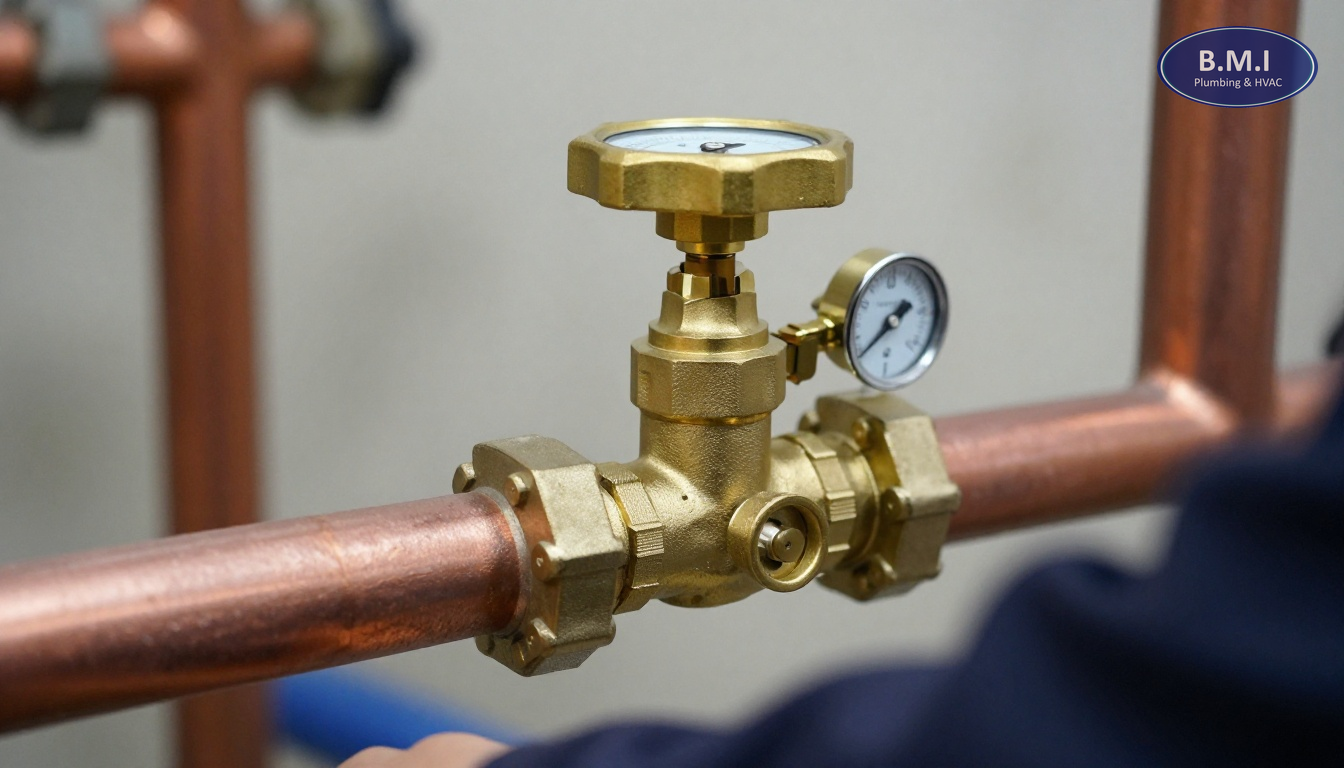
Pressure Reducing Valve Service and Replacement Etobicoke
Pressure reducing valve service and PRV replacement in Etobicoke condos. Building water pressure issues, costs, …
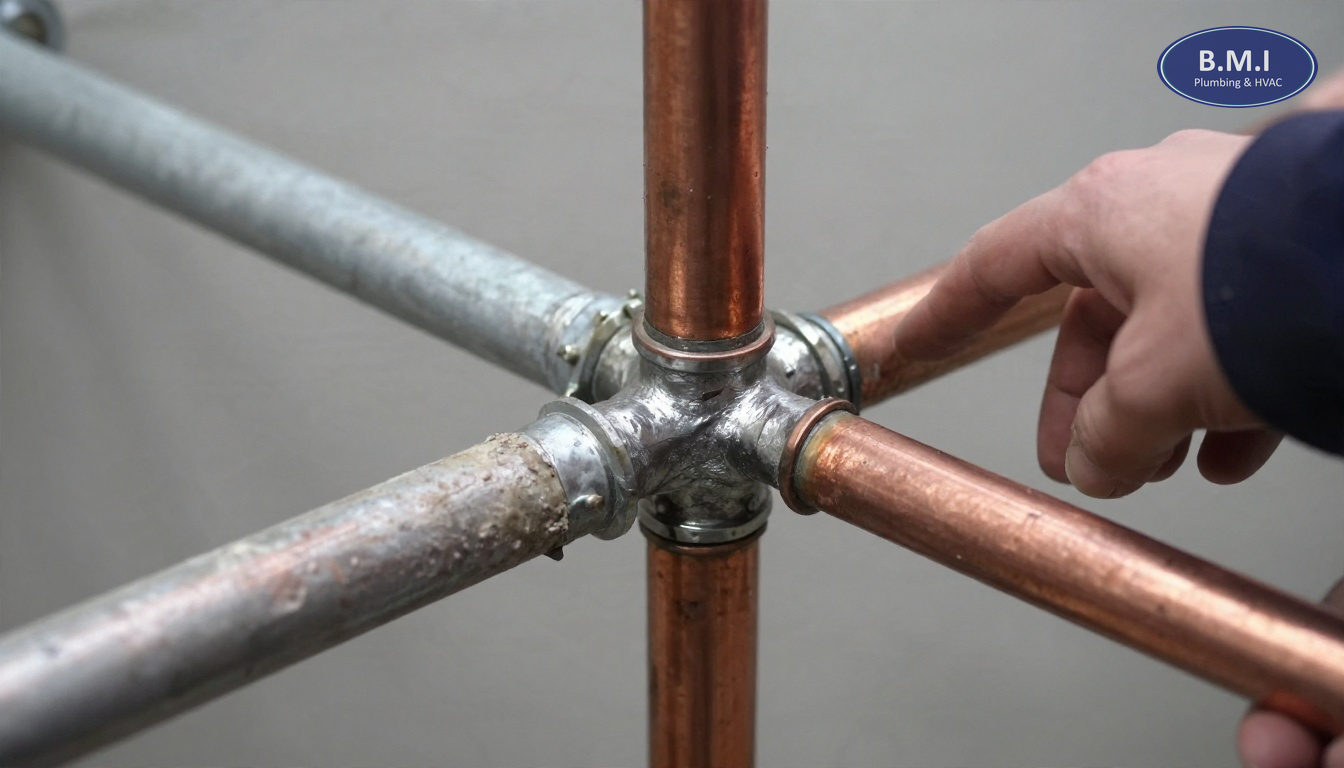
25-Storey Toronto Riser Project Timeline: What to Expect
A practical guide to riser project timeline and condo re-pipe schedule planning for 25-storey Toronto buildings, with …
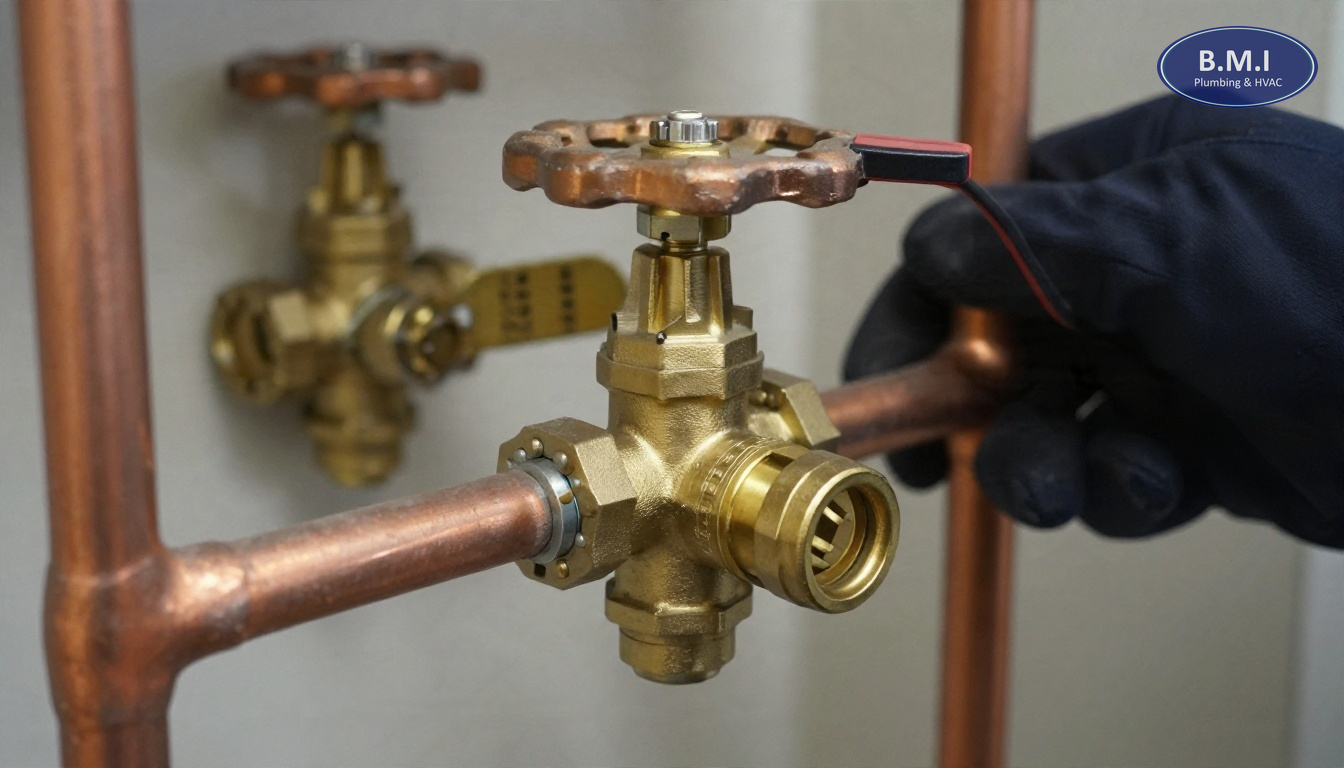
Sectional and Isolation Valve Replacement in Etobicoke
Sectional and isolation valve replacement in Etobicoke condos. Costs, timelines, diagnosis, and planning guidance for …
Need a plumber in your building?
BMI services roughly 200 condominium and multi-residential buildings across Toronto and the GTA. Emergencies are answered at any hour.