
Expansion Compensator Replacement in Thornhill Condos
Expansion compensator replacement in Thornhill condos: signs, inspection scope, costs, timelines and planning for riser expansion joint work.
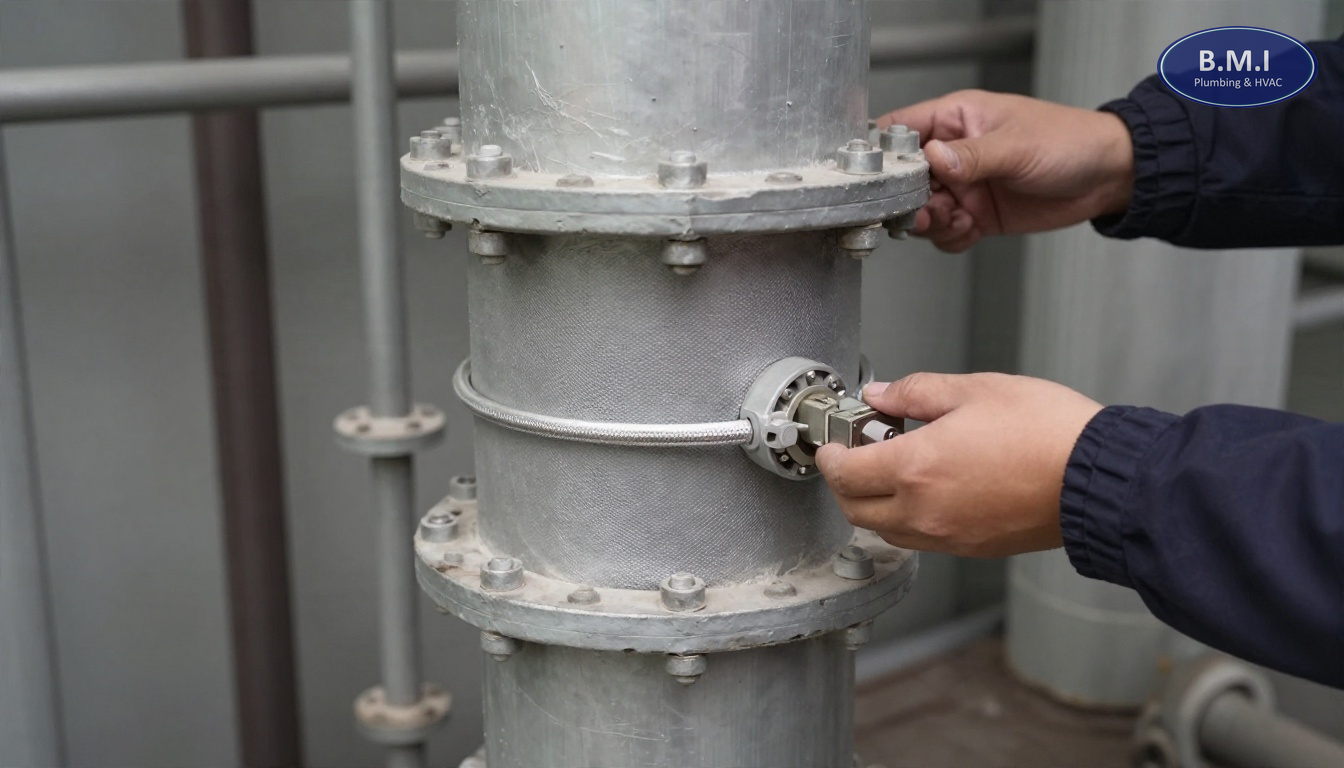
Expansion Compensator Replacement in Thornhill Condos
Quick summary: Expansion compensator replacement in Thornhill is usually a mid- or late-life condominium plumbing project, not an isolated repair. In the towers and multi-residential buildings clustered around Yonge Street, Steeles, Clark and Centre, these components often age out alongside original isolation valves, domestic hot water recirculation equipment and copper riser infrastructure, so the right approach is a planned shutdown, documented inspection and coordinated replacement program.
Why expansion compensator issues show up in Thornhill buildings specifically
Thornhill is not one uniform building type, and that matters. The area includes older apartment and condominium stock from the 1970s and 1980s, a large wave of high-rise and mid-rise development from the late 1980s through the 2000s, and newer infill projects near the Yonge corridor and around Promenade-area redevelopment. Each vintage has a different domestic plumbing profile.
In many Thornhill towers from the late 1980s and 1990s, domestic water risers are copper, mechanical rooms are compact, and expansion compensators or riser expansion joints were installed at strategic points to absorb thermal movement and building vibration. On domestic hot water systems in particular, that movement is not theoretical. The pipe expands and contracts every day as the system heats, circulates and cools. Over time, the bellows or internal moving parts fatigue, tie rods corrode, end connections weep, and adjacent supports drift out of alignment.
Buildings from that period also tend to have original sectional valves and balancing arrangements that are now well into replacement territory. That is why BMI often recommends looking at compensators together with a valve replacement project or, where the risers themselves are aging, a broader domestic water riser replacement strategy. Replacing one movement component while leaving seized isolation valves in place can create unnecessary shutdown risk the next time service is needed.
Municipal reality also plays a role. Thornhill spans areas served through different municipal systems depending on which side of Steeles and which part of Markham or Vaughan the building sits in. For a manager, the practical takeaway is that static pressure and operating conditions can vary by elevation, pressure zone and building design, not just by fixture demand. In taller stock, pressure reducing assemblies, booster systems and hot water recirculation all interact with expansion components. If pressures are not well controlled, the mechanical stress on old compensators increases. That is one reason fall is a sensible time to review pressure reducing valve maintenance before winter operating swings.
Access in Thornhill buildings is its own issue. Older towers often have narrow mechanical rooms, limited laydown space, older freight elevators or no true service elevator, and service shafts that were not designed for easy component swaps. A simple replacement on paper can become a more involved project once insulation removal, confined access and partial ceiling openings are factored in.
How expansion compensator problems present in Thornhill condominiums
Property managers rarely call and say, “we think our expansion compensator has failed.” What they report is usually one of the following:
- a slow leak in the mechanical room with no obvious source
- corrosion streaking below an insulated fitting on a hot water riser
- banging, ticking or movement-related noise when hot water demand changes
- repeated need to tighten nearby flanges or fittings
- unexplained moisture in a service shaft or at a ceiling penetration in a lower level room
- a shutdown that reveals original movement joints in visibly poor condition
In Thornhill condominiums, these calls often happen during another piece of work. A contractor isolates a riser for an in-suite issue, opens a ceiling, or inspects a recirculation loop and finds a compensator that is at or beyond end of life. This is also common when BMI is carrying out camera pipe inspection or broader repairs and service work and the surrounding infrastructure is exposed.
The symptoms can be subtle at first. A failed bellows does not always produce a dramatic rupture. More often, the first sign is mineral buildup, rust staining on external hardware, wet insulation, or a drip that only appears when the line is hot and under full operating pressure. In domestic hot water systems, that means leaks may seem intermittent, which leads some buildings to defer action longer than they should.
In older Thornhill stock, there is another pattern: the compensator itself may be failing, but the root problem is a combination of age, poor support geometry and unstable pressure control. If the line is not properly anchored and guided, the compensator can be forced to absorb movement it was never intended to handle.
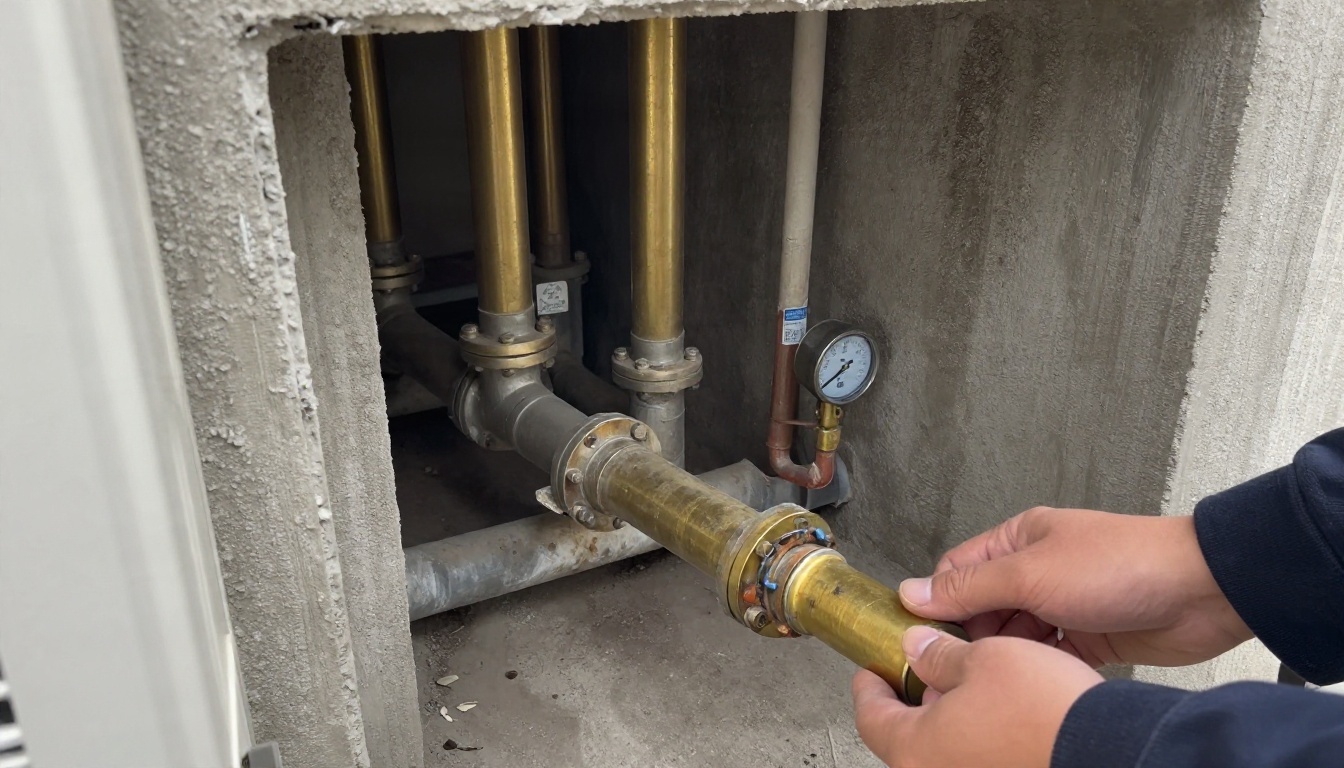
What inspection and diagnosis should include in Thornhill buildings
A proper expansion compensator review is not just a glance at the component. For a Thornhill condominium, management should expect a site assessment that documents the entire assembly and the conditions around it.
That usually includes:
- Component identification. Size, type, orientation, service, approximate age and whether it is on domestic cold, hot or recirculation piping.
- Visual condition. Corrosion, active seepage, failed insulation, worn hardware, flange condition and signs of previous patching.
- Support and restraint review. Whether anchors, guides and hangers are present and appear to be controlling movement correctly.
- Isolation feasibility. Whether the surrounding valves actually hold, and whether replacement can be done as a clean planned shutdown or needs temporary measures.
- Operating conditions. Pressure, temperature and recirculation behaviour, especially on domestic hot water systems.
- Impact mapping. Which suites, vertical zones or common areas will lose service during the work.
For boards and managers, the key is to insist on evidence. Ask for photos, a marked-up sketch or site notes, the shutdown assumptions, and a clear explanation of whether the recommendation is reactive replacement of one failed unit or a building-wide program. If multiple compensators are original, one failure often means the rest should be inspected in the same budgeting cycle.
This is also where a broader plumbing asset view helps. A building that has not recently reviewed its riser valves, PRVs or backflow assembly should use the same site visit to collect useful information for the next reserve and operating discussions. BMI often ties this type of review into a valve audit and charting program, backflow prevention testing and certification, or the building’s wider maintenance program planning.
For Thornhill managers working through fall budget season, that extra documentation matters. It is much easier to get board approval for a targeted capital item when the evidence shows not only that one component is leaking, but that the surrounding piping arrangement is original and vulnerable.
A representative Thornhill expansion compensator project
A realistic example would be a 19-storey condominium from the mid-1990s near Yonge and Clark. The building had original domestic hot water recirculation piping, original sectional valves in the mechanical room and two visible expansion compensators serving vertical hot water distribution.
The manager’s initial complaint was intermittent water on the mechanical room floor, mostly noticeable in the morning. Staff had assumed it was housekeeping runoff or occasional relief valve discharge. During inspection, BMI found one hot water expansion compensator with active seepage at the body/end connection area, deteriorated insulation and corrosion on adjacent hardware. A second compensator on the same system was not yet leaking but showed similar age and external deterioration.
The more important finding was that one upstream isolation valve did not fully hold. That changed the scope from a simple one-piece replacement to a coordinated shutdown with valve replacement. BMI proposed replacing both hot water compensators during one planned outage, along with the failed isolation valve and associated gaskets and hardware. Because access was tight, part of the work had to be staged through a service corridor with protection in place for finished surfaces.
Resident notice went out in advance for a daytime domestic hot water shutdown affecting the full building, with contingency time built in. The work took one full day on site for draining, cutting out the old assemblies, replacing the faulty valve, installing the new compensators, refilling, venting and leak testing, plus a return visit for final insulation repair. The rough project cost was in the mid-five figures, driven less by the compensators themselves than by shutdown coordination, valve work, access constraints and reinstatement.
That is typical of Thornhill condominium plumbing work. The visible failed part is only one line item. The real cost driver is what it takes to replace it safely in an occupied building without creating a larger interruption.
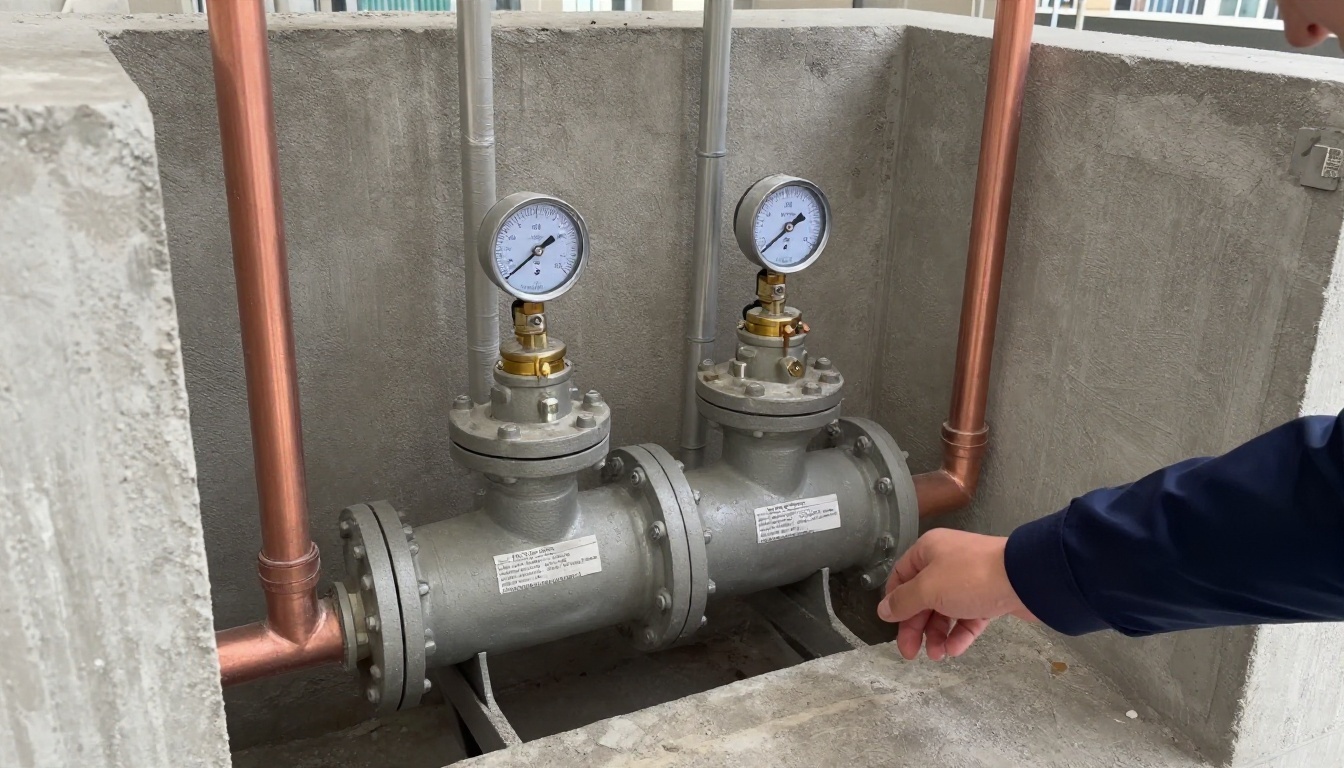
Costs and timelines for expansion compensator replacement in Thornhill
For budgeting purposes, managers should treat the following as market ranges for GTA condominium work, not fixed prices.
Single accessible compensator replacement in a low-complexity setting may land around $3,500 to $8,000 if isolation is straightforward, access is good and reinstatement is limited.
One to three compensators with a planned building shutdown often falls more in the $8,000 to $30,000 range, especially if there is insulation removal, after-hours coordination, difficult access or replacement of nearby valves and hardware.
A larger program involving multiple risers, several mechanical areas, scaffold or specialty access, and tied-in valve replacements can move into the $30,000 to $100,000+ range depending on quantity and complexity.
What changes the number in Thornhill buildings:
- whether the surrounding isolation valves work
- whether the compensator is flanged, grooved or otherwise custom-configured
- access through ceilings, shafts or narrow service rooms
- overnight or weekend shutdown requirements
- insulation removal and reinstatement
- whether domestic hot water recirculation balancing is affected
- whether supporting pipe restraint needs correction
Timelines are similar. A simple replacement may be completed within a day once materials are ready. But from approval to completion, a condominium should allow time for site review, submittals if required, procurement, notice periods and shutdown planning. In the fall, when many boards in Thornhill are finalizing budgets and trying to get work done before winter, lead times can stretch. If the compensator is custom length or part of an older arrangement, procurement can control the schedule.
If a building has several aging components, it may make sense to package the work with related projects such as expansion compensator replacement, full building re-piping planning, or review of previous GTA examples on BMI’s completed projects page.
Repair versus replacement in Thornhill, and reactive versus planned work
For most condominium boards, the better framework is not “can we get one more season out of it,” but “what is the least disruptive way to deal with an aging movement component in an occupied building.”
A true expansion compensator or riser expansion joint is not usually a maintenance item in the same way a valve packing adjustment might be. Once there is body corrosion, visible seepage, metal fatigue or compromised end connections, replacement is generally the right answer. The question then becomes whether to replace only the failed unit or to address all same-age units in the same system.
A reactive approach may still be appropriate if:
- the building has one isolated failed component
- surrounding valves hold properly
- the remaining assemblies are newer or in materially better condition
- there is good access and little resident impact
A planned program is usually better if:
- the compensators are original across the building
- there are repeated leaks or movement-related issues
- the building already needs riser valve work
- the board is preparing reserve or capital budgets
- winter emergency shutdown risk is a concern
In Thornhill, fall is often the right season to make that decision. Domestic systems are about to head into heavier seasonal occupancy periods, holiday demand and colder weather. If a building already knows its hot water infrastructure is original, it is better to secure numbers now than to depend on emergency service later. Where relevant, BMI may also recommend pairing the work with 24/7 emergency plumbing response planning and review of related project solutions.
What deferring expansion compensator replacement costs
Deferral has a way of making a moderate project expensive.
The direct risk is leakage and water damage. A minor seep can damage insulation, corrode supports, stain mechanical room finishes and eventually affect adjacent equipment. If the leak migrates into a shaft or ceiling space, the first sign may be damage in a common corridor or lower level room rather than at the source.
The indirect risk is a forced shutdown. In older Thornhill buildings, the same age profile that affects compensators often affects isolation valves too. That means what could have been a scheduled daytime outage becomes an emergency drain-down with uncertain duration. Emergency work usually costs more because access, procurement and resident communication are all compressed.
There are also governance and budgeting consequences. Under the Condominium Act, boards are expected to plan responsibly for common element repair and replacement, and reserve fund studies are updated on a regular cycle. If a known end-of-life plumbing component is left in place until failure, the corporation can end up paying not just for the plumbing repair but for restoration, chargeback disputes, insurance consequences and avoidable management time.
For buildings with any owner-installed modifications nearby, section 98 alteration records should also be current. If shutdowns affect suites with altered plumbing conditions, the corporation needs clear documentation of what is common element and what is owner responsibility. That is one reason to keep good records through every in-suite plumbing repair and related common element project.
FAQs about expansion compensator replacement in Thornhill
How do we know a Thornhill building actually needs expansion compensator replacement?
In Thornhill high-rise and mid-rise buildings, the usual triggers are visible seepage at the bellows or body, corrosion around tie rods or flanges, recurring packing adjustments, and movement-related noise when the domestic hot water system cycles. A proper diagnosis should include visual inspection, photos, operating pressure and temperature review, and confirmation of whether the surrounding anchors and guides are still doing their job. If compensators are original to a late 1980s, 1990s or early 2000s tower, age alone often justifies a planned review.
Can an expansion compensator in Thornhill be repaired, or does it usually need full replacement?
Minor leakage at associated valves or nearby fittings may be repairable, but the compensator itself is usually treated as a replace-on-failure component once the bellows, body or end connections are deteriorated. In condominium mechanical rooms and riser zones, patch repairs rarely hold for long because thermal movement continues every day. Most boards in Thornhill are better served by planned replacement coordinated with isolation valve work if the assembly is near the end of its service life.
What does expansion compensator replacement cost in a Thornhill condominium?
For budgeting purposes, a straightforward single-compensator replacement with reasonable access may fall in the low thousands, while larger assemblies, difficult shutdowns, asbestos-related constraints, after-hours work, or multiple risers can move the cost materially higher. A small program in one building can easily range from roughly $8,000 to $30,000 or more depending on quantity, size, access and shutdown complexity. Those are market-style planning ranges for Thornhill-area condo work, not fixed prices.
How long does expansion compensator replacement take in Thornhill buildings?
The physical replacement of one assembly may take part of a day to a full day, but the real timeline includes investigation, procurement, resident notice, shutdown planning and commissioning. If the compensator is a standard size and the surrounding valves isolate properly, a small Thornhill project can often be completed within a few weeks from approval. If custom lengths, failed isolation valves or multiple risers are involved, planning and execution can extend into several weeks or longer.
Should Thornhill boards replace expansion compensators proactively during budget season?
Often yes, especially in fall when boards are setting next year’s operating and reserve priorities and want to avoid winter emergency shutdowns. If a building has original compensators, aging isolation valves and known hot water pressure issues, bundling the work with a valve replacement project or broader capital plumbing work is usually more efficient than waiting for a leak. Planned work also gives management time to coordinate access, notices and any required overnight shutdowns.
Does expansion compensator work in Thornhill affect suites, and do residents need to be notified?
Yes. Even when the work is confined to a mechanical room or service shaft, domestic cold water, hot water or recirculation shutdowns can affect multiple vertical zones. In Thornhill condominiums, resident notices should state the date, expected hours, whether hot and cold water are both affected, and whether follow-up suite checks are required for aerators, flush valves or pressure balancing issues after service is restored.
Next steps for Thornhill property managers and boards
If your Thornhill building has original domestic hot water infrastructure, unexplained leaks in the mechanical room, or visible movement joints that have not been reviewed in years, the next step is a documented site assessment rather than waiting for failure. In practical terms, that means identifying every compensator or riser expansion joint in scope, confirming what can be isolated, and getting budget numbers that reflect the real shutdown and access conditions in your building.
For fall planning, boards should aim to answer three questions before winter: which assemblies are original, which valves around them are still reliable, and whether the work should be treated as one repair or part of a larger asset plan. BMI serves Thornhill and the surrounding GTA from its Toronto shop and can help with both immediate replacement needs and broader condominium plumbing planning. To request an assessment or budget pricing, use the BMI contact page or review related resources on the BMI blog.
Contact BMI
- Contact BMI
- Phone: (416) 845-3756
- Emergency: (416) 845-3756, answered 24 hours a day
- Email: info@brial.ca
More on condominium plumbing
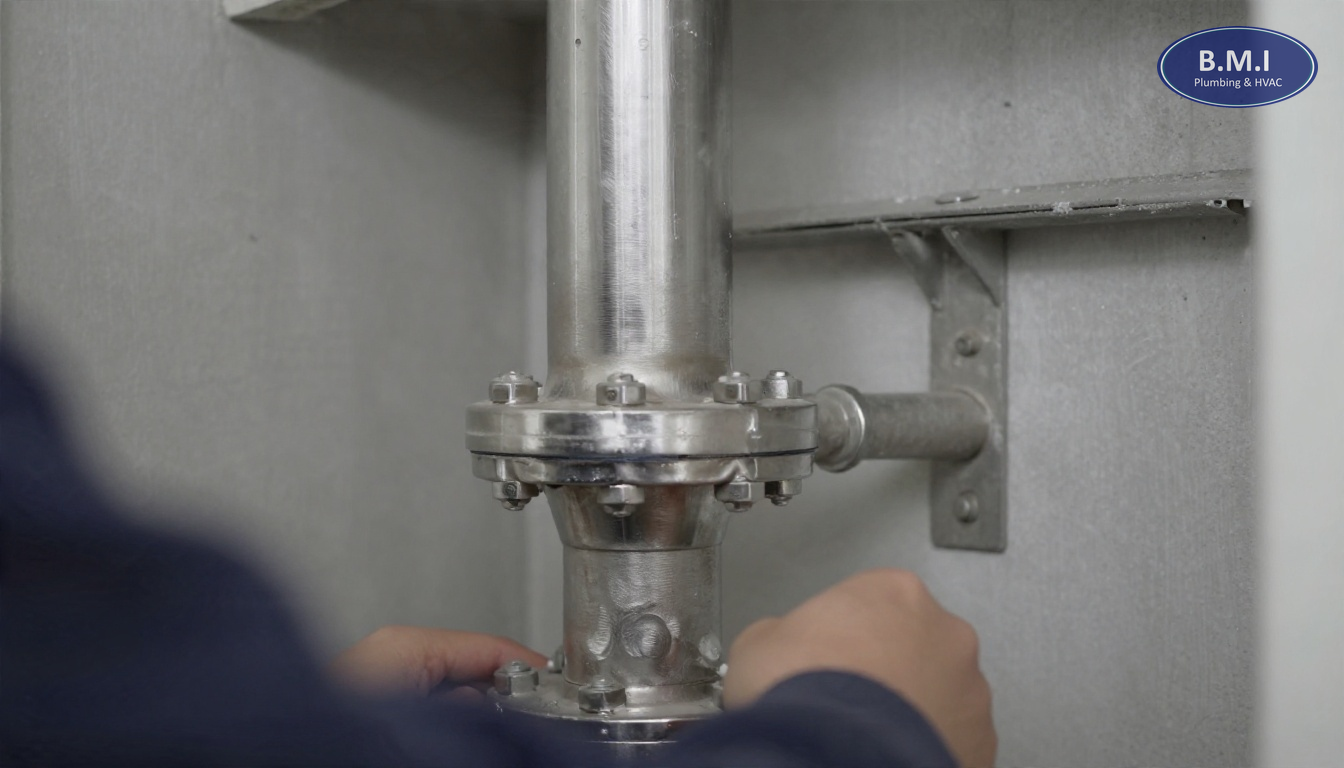
Expansion Compensators in Toronto Condo Risers
What an expansion compensator does, when a riser expansion joint is failing, Toronto condo cost ranges, shutdown …
Floor Drains and Trap Primers in Thornhill Condos
Floor drain and trap primer service in Thornhill condos. Diagnose sewer gas smells, dry traps, blocked drains and failed …
MEV Water-Saving Valve Installation in Pickering Condos
MEV water-saving valve installation in Pickering condos: how boards reduce water consumption, stabilize pressure and …
Need a plumber in your building?
BMI services roughly 200 condominium and multi-residential buildings across Toronto and the GTA. Emergencies are answered at any hour.