Floor Drains and Trap Primers in North York Condos
Floor drain and trap primer service in North York for condos and rentals. Diagnose sewer gas smells, dry traps and code-related plumbing issues.
Floor Drains and Trap Primers in North York Condos
Quick summary: In North York condominium and multi-residential buildings, sewer gas complaints often come down to neglected floor drains and trap primers rather than a full sewer backup. The right response is not guesswork or deodorizer in the room; it is confirming whether the trap holds water, whether the primer is actually feeding it, and whether the branch drain is clear.
Why floor drains and trap primers show up so often in North York buildings
North York has a wide mix of building stock, and floor drain problems present differently depending on when the property was built. In the older apartment and condominium towers around Don Mills, Bathurst and Sheppard, and pockets stretching toward Yonge and Finch, you often see original floor drains serving mechanical rooms, laundry areas, service corridors and garage levels that were installed decades ago and then largely forgotten unless there is a flood. Many of those drains connect to older cast iron drainage systems with years of scale, debris and intermittent maintenance.
In 1980s and 1990s towers, especially the larger condo clusters near Yonge and Sheppard and along the Highway 401 corridor, the plumbing systems are newer than the postwar rental stock but now old enough that small devices have started to fail. Trap primers are a good example. They are not dramatic pieces of equipment, but when they stop delivering water to a floor drain trap, odours can appear in rooms that otherwise seem dry and clean. Management may assume the problem is HVAC-related or a one-off housekeeping issue when the cause is actually plumbing.
In newer North York buildings, including many glass condominium towers delivered in the 2000s and 2010s, the issue is less about age-related decay and more about access, coordination and incomplete understanding of what serves what. We still see floor drains in electrical rooms, fan rooms, amenity spaces, garbage rooms and parking garages that are rarely tested after occupancy. During fit-outs, section 98 suite alterations, or mechanical room modifications, primer lines can be valved off, capped, damaged or simply overlooked.
Municipal water conditions matter too. North York is part of Toronto’s water system, but building pressure conditions vary by elevation, by booster arrangement inside the building and by where the property sits relative to the surrounding grade. A trap primer that relies on pressure fluctuations or flow events can become unreliable if the connected fixture is seldom used or if upstream pressure control has changed. That is one reason BMI often finds a connection between odour complaints and overdue pressure reducing valve maintenance and replacement in the same building.
For property managers, the practical point is this: a floor drain is not just a hole in the floor. It is part of a system that depends on a water seal, and in North York’s mix of old and mid-life towers, that water seal frequently fails in ways that are easy to miss until residents or staff start reporting a sewer gas smell.
How floor drain problems present in North York buildings
The complaint usually does not come in as “the trap primer failed.” It comes in as “there is a sewage smell in the electrical room,” “the P1 elevator lobby smells worse in the morning,” or “housekeeping notices an odour near the garbage room after weekends.” In some North York buildings, the smell is strongest during shoulder seasons when ventilation changes, doors stay closed longer, and spaces get less natural air exchange.
Other times, the report is a slow-draining floor drain in a service area or a parking garage drain that seems to hold water longer than it should. In older towers, that may indicate scale and sediment in the branch line. In a mechanical room, it may be a combination problem: a trap that dries out when not in use and a downstream line that is partially restricted when water does arrive.
Managers should also pay attention to timing. If odours are worse after long weekends, during vacant periods, or in rooms that are kept warm all winter, evaporation is a strong clue. Fall is a common time for these complaints because buildings are closing windows, heating systems are starting up, and staff are focused on winter preparation. It is also the period when many boards are asking for next year’s numbers, so identifying whether the issue is a one-room service repair or a wider building condition matters.
In some North York buildings, residents will smell sewer gas near a ground-floor corridor or shared amenity washroom and assume the problem is in their suite. It can actually trace back to a neglected drain nearby. Where there are repeated drainage issues in kitchens or housekeeping sinks as well, BMI may recommend pairing the investigation with kitchen stack cleaning or broader drain cleaning and snaking to separate odour issues from actual line capacity problems.
What inspection should include, and what evidence to insist on
A useful inspection is hands-on and specific. It should not stop at pouring a bucket of water into the drain and declaring the issue solved.
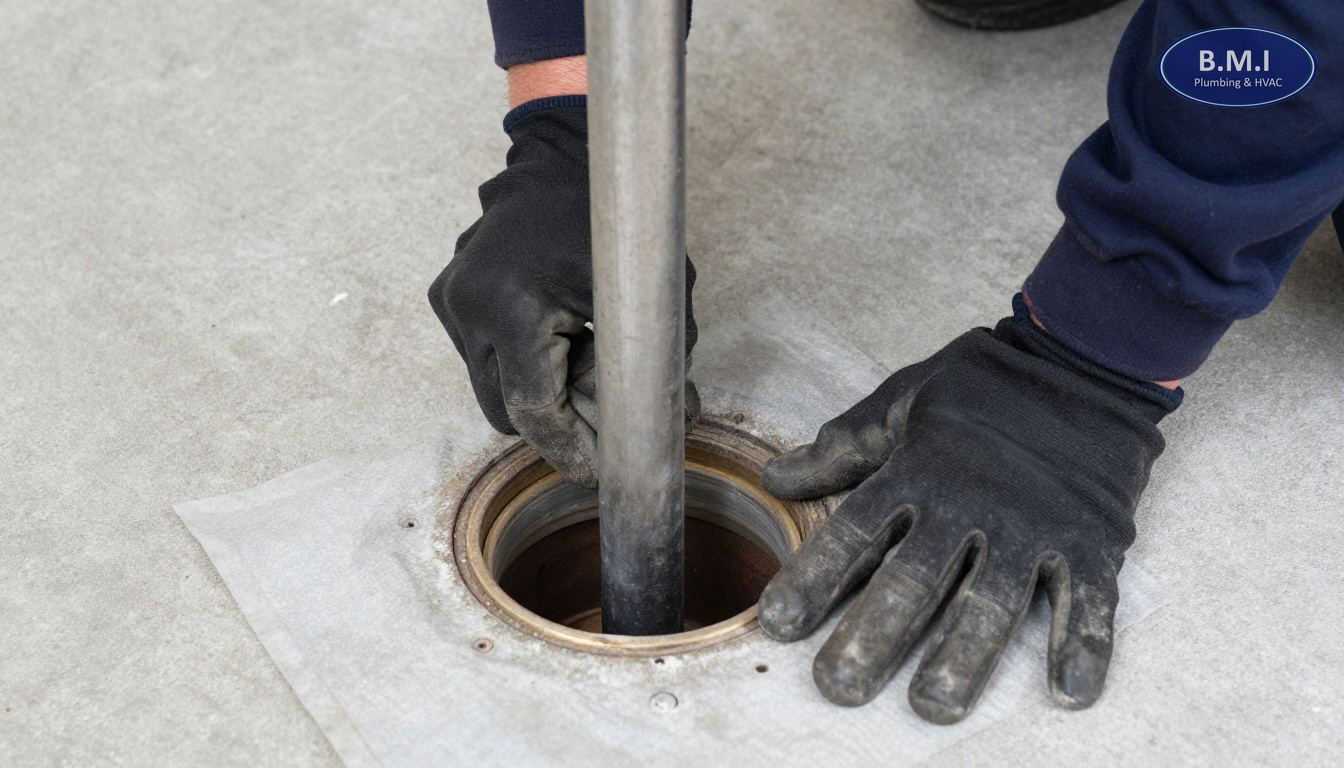
The first step is to remove the floor drain cover and inspect the drain body. Is there water visible in the trap? Is there debris or hardened sediment at the inlet? Is the strainer missing or damaged? In older North York garages and service rooms, we often find drains that have become partial catch basins for dust, mop strings, concrete debris and salts.
The second step is to identify how the trap seal is supposed to be maintained. That may mean a dedicated primer valve, a pressure-drop operated primer, a branch from a nearby cold-water line, or another approved trap-seal method. In some buildings, the primer is accessible in a mechanical room ceiling or on an adjacent water line. In others, it is concealed and needs tracing. If no one can show that the primer is connected, operational and delivering water, management should not assume it works.
From there, the plumber should test the primer under real conditions and confirm whether water reaches the drain. If the drain remains dry, the next question is whether the primer itself has failed, whether the branch line to the drain is blocked, or whether isolation valves have been closed. In buildings with poor records, this is where a documented camera pipe inspection can save time and argument.
Evidence matters. Ask for photos of the drain condition, note whether water was present before and after testing, and get a clear explanation of whether the recommendation is cleaning, primer repair, line tracing, or replacement of drain components. If several service rooms in the same North York building show the same condition, it can justify a small program rather than one-off calls. BMI often ties that into a larger maintenance programs discussion so site staff know which drains require periodic checks and which valves serve them.
If the smell is near mechanical equipment or domestic water assemblies, it is also worth ruling out related issues such as leaking valves, condensate discharge patterns or overdue valve audit, charting and exercise programs. The point is to leave the inspection with a map of the problem, not just a temporary odour reduction.
A representative North York floor drain and trap primer service call
A representative example would be a 19-storey condominium from the late 1980s near Yonge and Finch. Building staff reported intermittent sewer gas odours in a ground-floor electrical service corridor and a nearby housekeeping room. The complaint had been recurring for months, usually after weekends, and had already led to repeated deodorizing and cleaning with no lasting improvement.
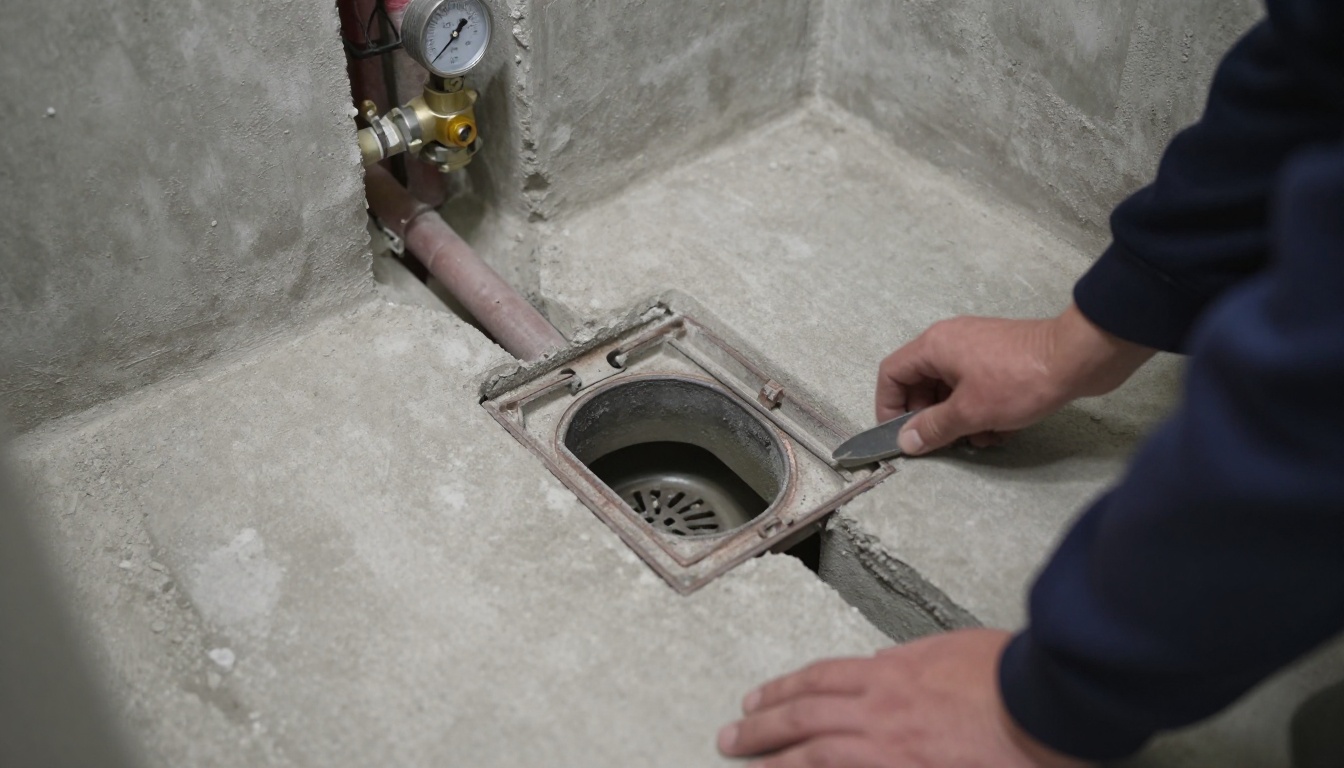
BMI attended during regular hours and started by inspecting the two nearest floor drains. One trap was nearly dry; the other had a very shallow water seal and visible sediment. The staff believed both drains were served by a trap primer, but no one had records showing where it was located or whether it had ever been replaced.
The diagnosis involved tracing the nearby cold-water branch above the corridor ceiling, identifying an older primer device, and testing it under flow. The primer body was still in place but was no longer delivering water to either drain. A second issue was found in one branch line: debris and mineral buildup had narrowed the line enough that even when water was introduced, the drain retained residue and odour.
The repair involved replacing the accessible primer, flushing and cleaning the small primer distribution line, manually restoring trap seals, and mechanically cleaning the affected floor drain branch. Because ceiling access was limited and the corridor had scheduled resident traffic, the work was staged over two visits. Total site time was roughly a day and a half.
The rough cost for that scope, as an estimate in the Toronto market rather than a quoted price, was in the range of $1,800 to $3,500 depending on access, ceiling restoration by others, and whether after-hours coordination was required. The building then asked BMI to review other low-use drains in the same common areas so the issue could be budgeted as preventive work rather than handled room by room.
That pattern is common in North York: one smell complaint reveals several under-maintained drains and a lack of clear records on what primers exist, where they are fed from and which drains depend on them.
Costs and timelines for North York buildings
Costs vary widely because floor drain work is often simple in concept but highly dependent on access. A single accessible drain inspection with basic testing is very different from tracing concealed primer piping above finished ceilings across multiple common areas.
For budgeting purposes in North York, these are reasonable 2026 GTA-style estimate ranges for condo and rental properties:
- Initial investigation of one complaint area, including drain inspection and basic primer testing: roughly $450 to $950.
- Drain cleaning for a localized floor drain branch, if the line is accessible and not heavily obstructed: often $550 to $1,400.
- Camera pipe inspection of a suspect branch to confirm blockage, offsets or buildup: often $700 to $1,800 depending on setup and access.
- Replacement of one accessible trap primer device with minor piping changes: often $700 to $2,000.
- Multi-drain review in common areas or garage/service spaces, with documentation and prioritized recommendations: often $1,500 to $5,000 depending on the number of areas and complexity.
- Larger corrective work involving concealed piping, ceiling openings, several drains, or coordination with other trades: can move from a service call into a project scope.
Timelines are usually short for diagnosis and longer for coordination. A single complaint can often be inspected within a service-call window. If parts are standard and access is straightforward, a primer replacement may be completed the same day or on a return visit. If the building needs several areas reviewed, or if access must be scheduled around residents, loading, security and elevator bookings, the work can stretch over one to three weeks from approval to completion.
North York logistics matter here. In older towers, service rooms and corridor ceilings can be tight, with limited shutoff information and little room to work. In busier mixed-use properties, loading access and elevator protection may need to be booked in advance. If the odour complaint affects a life-safety-adjacent room or sensitive electrical area, managers should not wait for the next convenient maintenance day.
Repair versus replacement in North York: what is the better decision?
Not every failed floor drain needs reconstruction, and not every dry trap justifies a capital project. The decision framework should be based on repeat frequency, access, and whether the current setup is dependable.
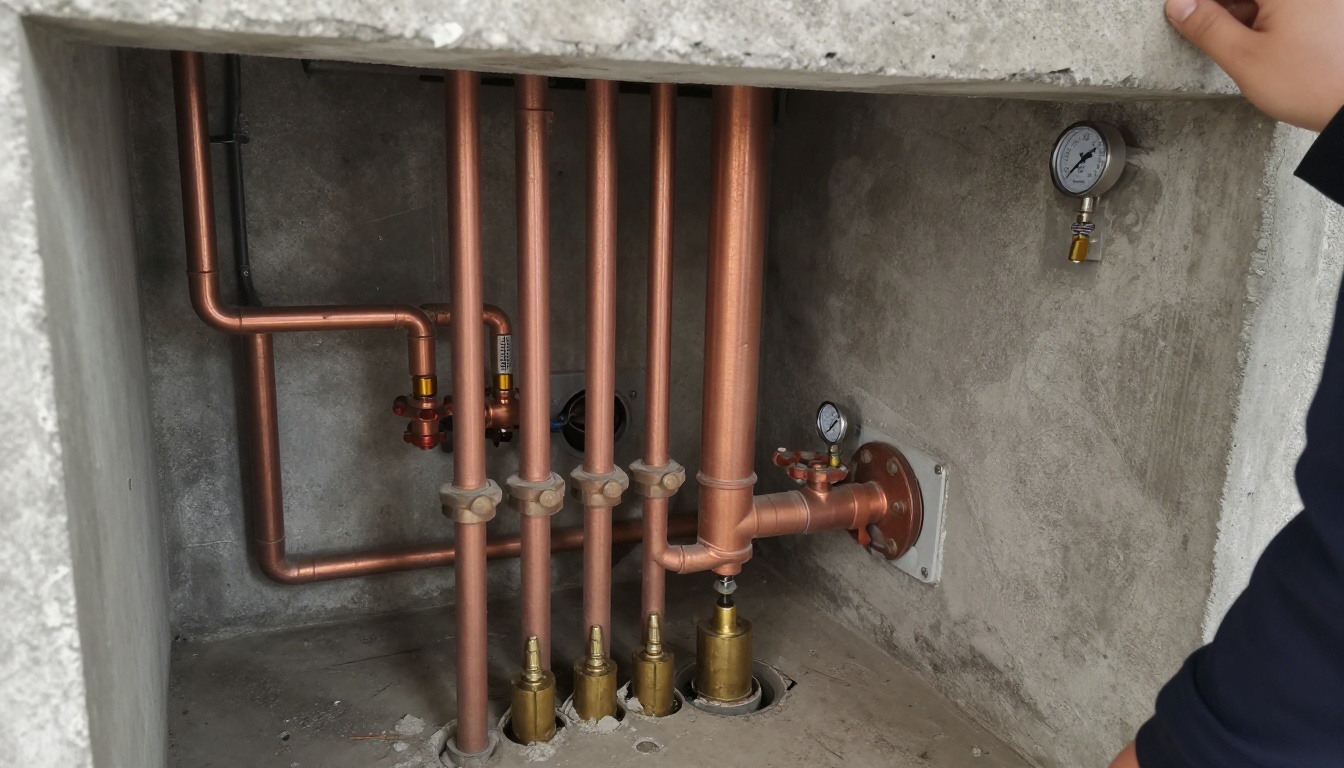
Repair usually makes sense when the drain body is sound, the branch line can be cleaned, and the primer can be restored or replaced without opening major finishes. That is common in many North York buildings from the 1980s through early 2000s where the basic plumbing layout is still serviceable but the small control components have reached end of life.
Replacement or redesign becomes more sensible when management is dealing with repeated odour complaints in the same zone, inaccessible or abandoned primer piping, or drains that have effectively become dead points in the system. If multiple drains in common areas rely on undocumented primer arrangements, it may be more cost-effective to standardize the solution while the ceilings are open than to keep sending a plumber back for isolated calls.
This is also where broader building condition matters. If the same property is already planning sectional and isolation valve replacement, domestic water work such as domestic water riser replacement, or larger capital project work, floor drain and trap primer corrections can often be bundled into the same access plan. That reduces disruption and gives the board a cleaner budget picture.
For boards in North York doing fall budget reviews, the practical question is whether you are paying repeatedly for symptoms or once for a durable correction. The answer depends on records, access and how many drains are affected, which is why documented inspection comes first.
What deferring floor drain and trap primer issues costs
The obvious cost is repeated odour complaints and resident dissatisfaction. The less obvious costs are staff time, after-hours callouts, unnecessary cleaning measures and confusion about whether the problem is sewage, ventilation or housekeeping.
There is also risk. A dry trap allows sewer gas into occupied or serviced areas. Even when no immediate health event occurs, repeated complaints can trigger pressure on management to prove the issue has been addressed properly. If a drain is also partially blocked, the building may discover the line problem only when there is a discharge event and the floor drain does not perform.
From a budgeting standpoint, reactive work is almost always more expensive than planned review. A board that receives a small package of documented recommendations in the fall can decide what belongs in the operating budget and what should be noted for future reserve planning. While floor drain repairs are often operating items, repeated common-element plumbing deficiencies also inform reserve fund study discussions and update cycles under the Condominium Act, 1998.
Deferral can also complicate insurance conversations. If there is a later water event in an area where maintenance records are weak, management has less evidence that the building was exercising reasonable care. The same is true if neglected drains are part of a wider pattern that includes overdue backflow prevention testing and certification or poor records on common-element valves and drainage lines.
For North York buildings heading into winter, this is a sensible time to address low-use drains, verify shutoffs and ensure service rooms are not carrying avoidable plumbing risks into the heating season.
FAQs about floor drains and trap primers in North York
Why do floor drains in North York condo buildings start smelling even when there is no visible backup?
In many North York buildings, the issue is not an active sewer backup but a dry or partially dry trap. Mechanical rooms, electrical rooms, garbage rooms, storage areas and some parking garage drains do not receive regular water flow, so the water seal evaporates. If the trap primer has failed, been isolated, or was never reliably supplying water, sewer gas can enter the space without any standing water appearing around the drain.
How do you tell whether the problem is a trap primer issue or a blocked floor drain line in North York?
A proper diagnosis starts with opening and inspecting the drain body, checking for standing water in the trap, and confirming whether primer water is reaching the drain. If the trap is dry, the next step is to identify the primer type and test its operation at the source. If the trap has water but the drain is slow or backs up under flow, a camera inspection or cleaning is usually needed to determine whether the branch line has scale, debris or a downstream restriction.
Are trap primers required in North York condominium buildings?
Where a floor drain is not expected to receive regular use, Ontario code requirements generally call for a means of maintaining the trap seal, which is commonly a trap primer or another approved trap seal protection method. In practice, many North York buildings from different eras have a mix of working primers, abandoned primers and drains that depend on manual filling. During repairs or renovations, it is worth confirming what was originally intended and whether the present arrangement still meets the building’s operational needs.
What does floor drain and trap primer repair usually cost in North York?
For a condominium or rental building in North York, a straightforward service call to inspect a smell complaint and test one or two suspect drains may fall around $450 to $950, depending on access, after-hours timing and whether minor parts are needed. Replacing a single accessible trap primer device is often in the low hundreds to low thousands, while tracing concealed primer lines, opening ceilings or walls, and correcting several drains across a mechanical area can move the cost into a larger repair scope. If drain cleaning or camera work is needed, that is typically priced separately.
Can a dry floor drain in a North York garage or service room be handled by site staff?
Site staff can temporarily restore the trap seal by adding water if the drain is accessible and the building’s procedures allow it, but that does not resolve the underlying primer problem. If the water seal keeps disappearing, there may be a failed primer, excessive evaporation, a cracked trap, or negative pressure issues in the drainage system. For repeated odour complaints, management should have a licensed plumber document the condition and recommend a permanent fix.
Should North York property managers address trap primer issues during budget season or wait until there is a complaint?
Fall is usually a good time to address it because boards and managers are assembling operating and reserve numbers, and winter tends to make access and emergency response more disruptive. A planned review of infrequently used floor drains can be bundled with other service work such as camera pipe inspection, drain cleaning and snaking, or broader maintenance programs. Waiting for a strong sewer gas complaint often means after-hours attendance, tenant disruption and a narrower set of repair options.
Next steps for North York property managers and boards
If your North York building has an unexplained sewer gas smell, a recurring complaint in a service room, or a floor drain that no one has looked at in years, start with a documented plumbing inspection. Ask for confirmation of trap seal condition, primer operation, branch drain condition and clear recommendations on whether the issue is maintenance, repair or a larger correction.
For many properties, the best next step is not a one-off reaction but a short list of suspect drains to review before winter. BMI serves North York and the surrounding GTA from its Toronto shop and can help with common-area investigations, 24/7 emergency leak response, related in-suite plumbing repairs where complaints trace into occupied areas, and broader all repairs and service planning. If the building is also evaluating larger plumbing priorities, management can review completed projects and building references and related guidance on the BMI blog.
Contact BMI
- Contact BMI
- Phone: (416) 845-3756
- Emergency: (416) 845-3756, answered 24 hours a day
- Email: info@brial.ca
More on condominium plumbing
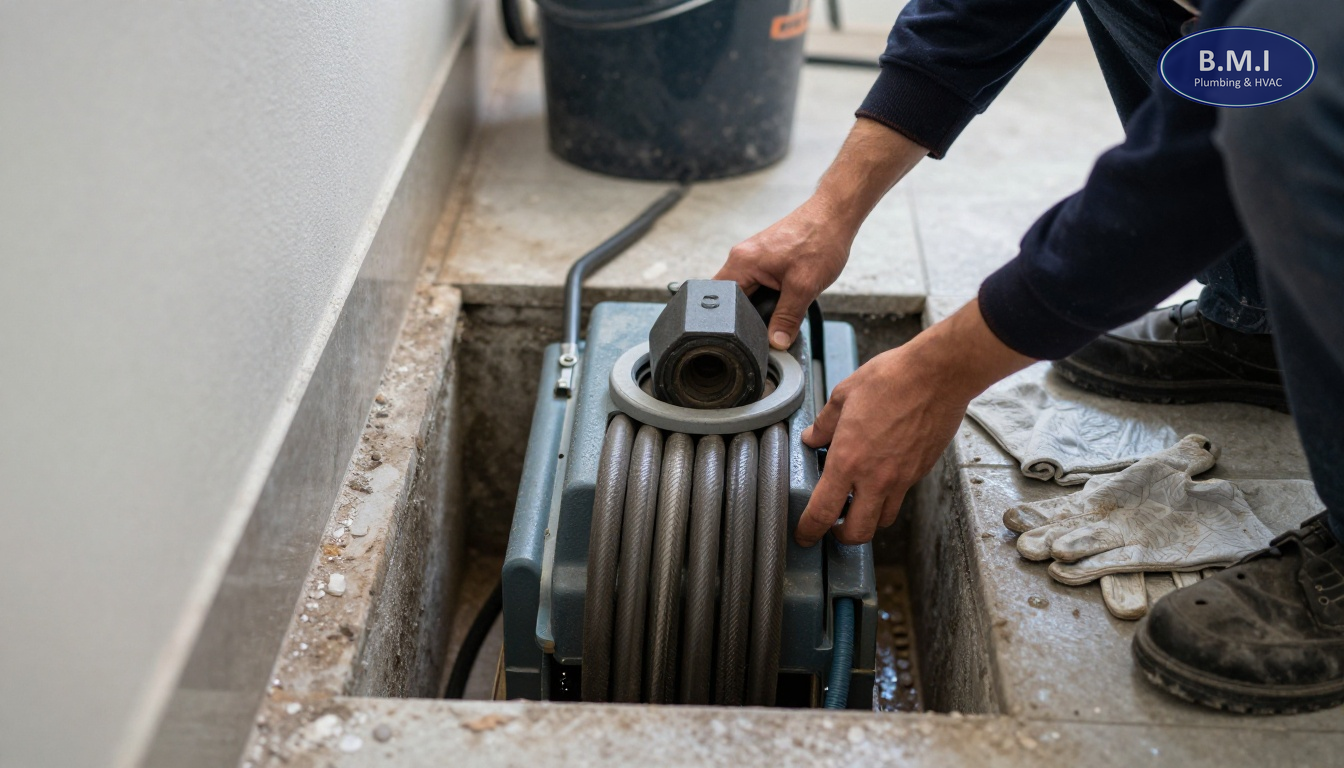
Floor Drains and Trap Primers in Thornhill Condos
Floor drain and trap primer service in Thornhill condos. Diagnose sewer gas smells, dry traps, blocked drains and failed …
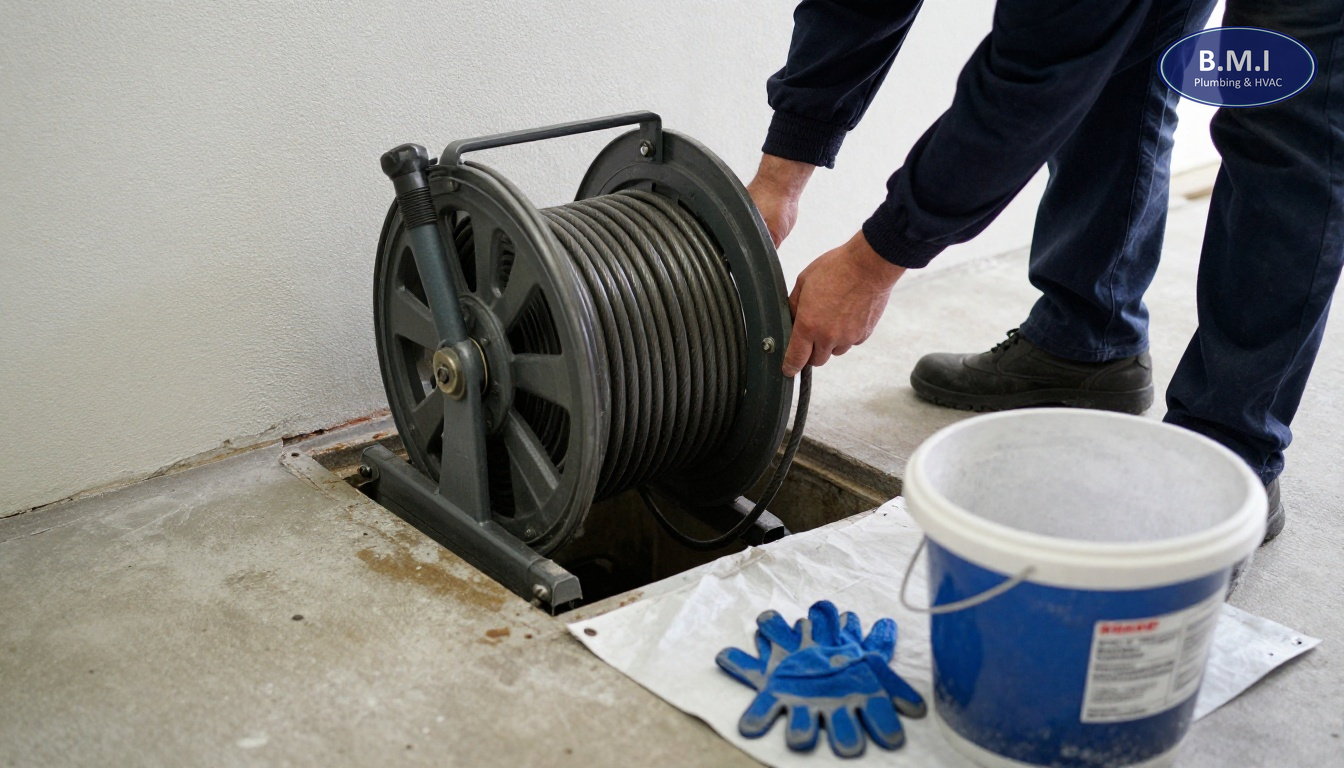
Floor Drains and Trap Primers in East York Buildings
Floor drain and trap primer service in East York for condos and rentals. Diagnose sewer gas smells, dry traps and …
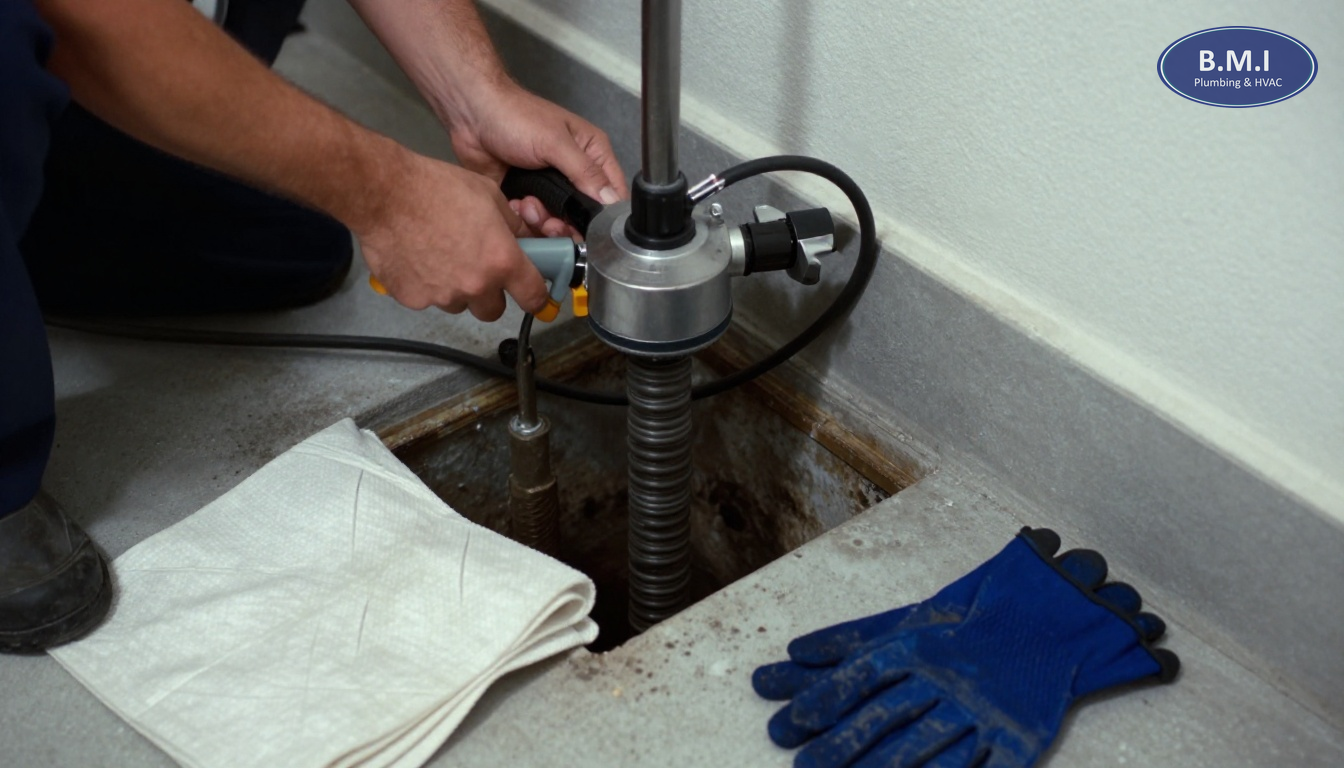
Floor Drains and Trap Primers in Aurora Condos
Floor drain and trap primer service in Aurora condos. Diagnose sewer gas smell, dry traps and failed primers in garages, …
Need a plumber in your building?
BMI services roughly 200 condominium and multi-residential buildings across Toronto and the GTA. Emergencies are answered at any hour.