Floor Drains and Trap Primers in Thornhill Condos
Floor drain and trap primer service in Thornhill condos. Diagnose sewer gas smells, dry traps, blocked drains and failed primers in multi-residential buildings.
Floor Drains and Trap Primers in Thornhill Condos
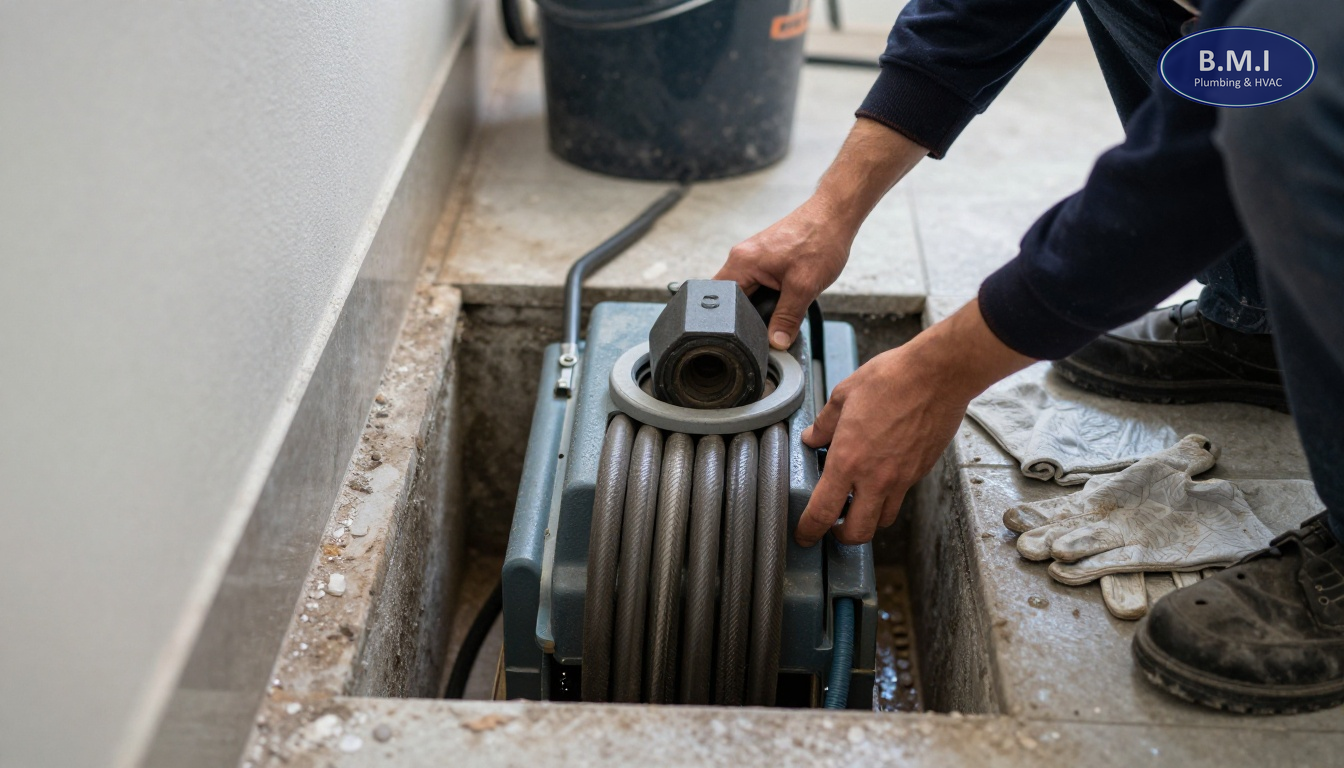
Quick summary: In Thornhill condominium and multi-residential buildings, floor drain complaints are often not just “a smelly drain.” They usually come down to one of three issues: a dry trap, a failed trap primer, or a partially blocked branch line. For property managers and condo boards, the important part is identifying which one you actually have, because the repair scope, urgency and budget are very different.
Why floor drain and trap primer issues show up in Thornhill buildings specifically
Thornhill is not one uniform building type, and floor drain problems follow the age and design of the stock. In the older apartment and condominium clusters around Yonge Street, Centre Street and the established neighbourhoods straddling Steeles, many buildings were designed with cast iron sanitary piping, brass or copper primer lines, and floor drains serving mechanical rooms, laundry areas, garbage rooms, parking garages and some in-suite utility spaces. Those systems can work for decades, but by now the weak points are familiar: scaled cast iron, corroded primer tubing, inaccessible ceiling spaces, and traps that dry out because the original primer arrangement no longer operates consistently.
In later 1990s and 2000s Thornhill mid-rise and tower construction, we often see a mix of cast iron and plastic drainage, with primers tied to nearby lavatories, flush valves or dedicated primer valves in service spaces. These buildings are newer, but that does not make them immune. What changes is the failure mode. Instead of a completely deteriorated drain body, the issue may be an underserviced primer valve, an obstructed small-diameter primer line, or a floor drain installed in a room with very little water use, so the trap seal simply evaporates between visits.
Thornhill also sits across the Vaughan-Markham boundary, which matters operationally because municipal processes, water service arrangements and building documentation are not always consistent from one property to the next. We do not assume every building has the same details on file. On service calls, the practical approach is to verify the piping in the field, document what is actually there, and not rely on old assumptions.
For boards planning fall maintenance, this is the time of year when dormant drain issues start surfacing. Mechanical rooms are closed up more often, heating season changes humidity and air movement, and holiday occupancy increases use of common areas. If the building already has recurring drainage concerns, it can also make sense to coordinate inspection with related drain cleaning and snaking service or a wider maintenance program review.
How floor drain problems present in Thornhill condo buildings
The first report is rarely “our trap primer has failed.” What managers hear is usually one of the following:
- a sewer gas smell in a garbage room or electrical room
- a bad odour near a parking garage floor drain
- intermittent smell in a ground-floor corridor
- a suite owner complaining about a laundry closet or utility room drain
- housekeeping reporting that water poured into the drain helped, but only for a few days
- slow drainage or debris collecting around the floor drain strainer
That last point is important. A dry trap and a blocked drain can produce very different symptoms, but in practice they often overlap. If the trap is dry, sewer gas enters the room. If the branch is partially blocked, organic residue sits in the drain body and creates odour even when the trap still has some water. In older Thornhill buildings with cast iron drainage, scale buildup can reduce the effective diameter of the piping enough that a drain appears functional during light use but fails during cleaning, snowmelt runoff or washdown.
In garage and service areas, staff sometimes notice the problem only when seasonal conditions change. In fall, with doors opening and closing less often than summer and ventilation patterns shifting, odours can linger longer. In winter, floor drains may see more water from snow and slush, which can briefly hide the issue and then expose it again once the area dries.
When a resident says, “we smell sewer gas but there is no leak,” that is not a contradiction. It is exactly what a failed trap seal sounds like. If the complaint keeps returning after someone manually fills the drain, that strongly suggests the primer is not maintaining the seal or the trap is losing water in some other way.
What diagnosis in Thornhill should involve, and what evidence to insist on
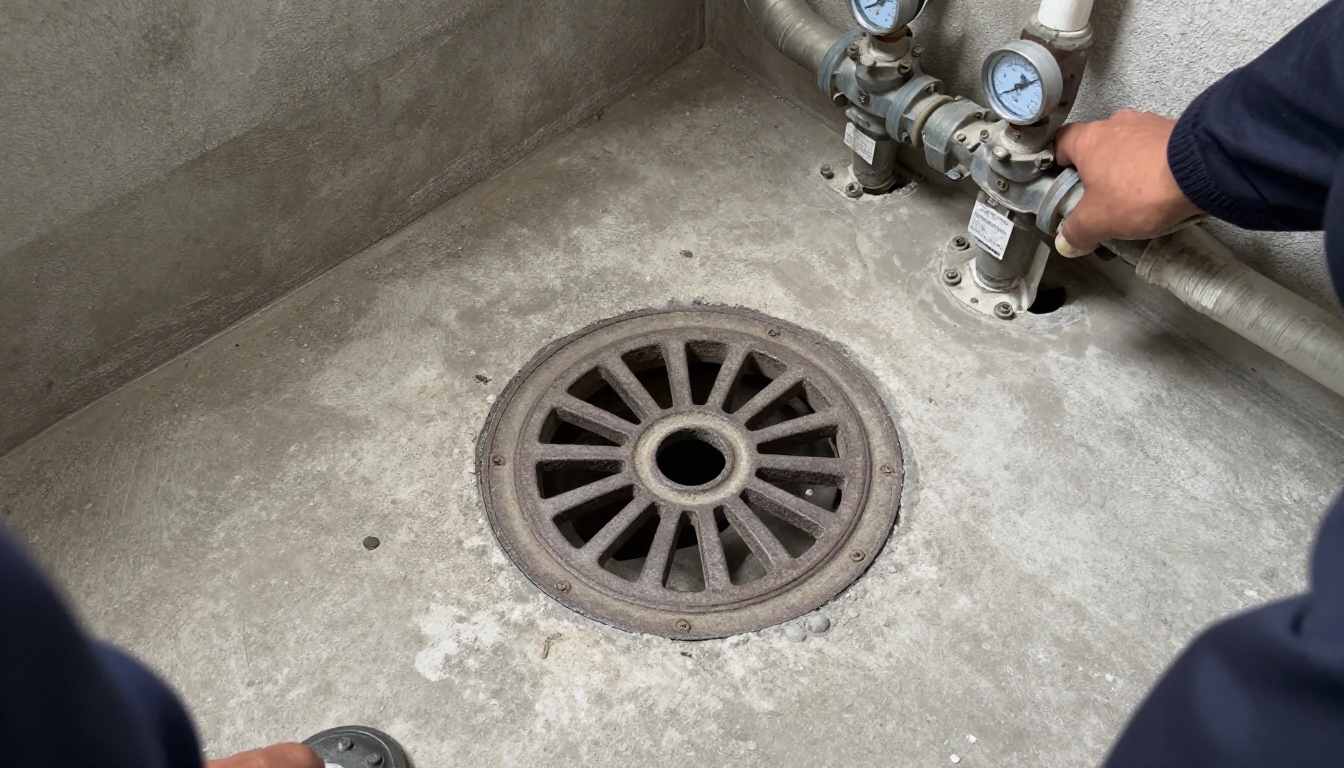
A proper floor drain investigation is more than pouring water into the opening and waiting to see if the smell disappears. For a property manager or board, the goal is to know whether you are approving a small repair, a localized piping correction, or the start of a broader renewal issue.
A sound inspection usually includes:
- Drain location inventory. Which drains are affected: garage, mechanical room, janitor room, garbage room, suite, electrical room, loading area.
- Trap seal confirmation. Is there water in the trap, and is the seal depth adequate.
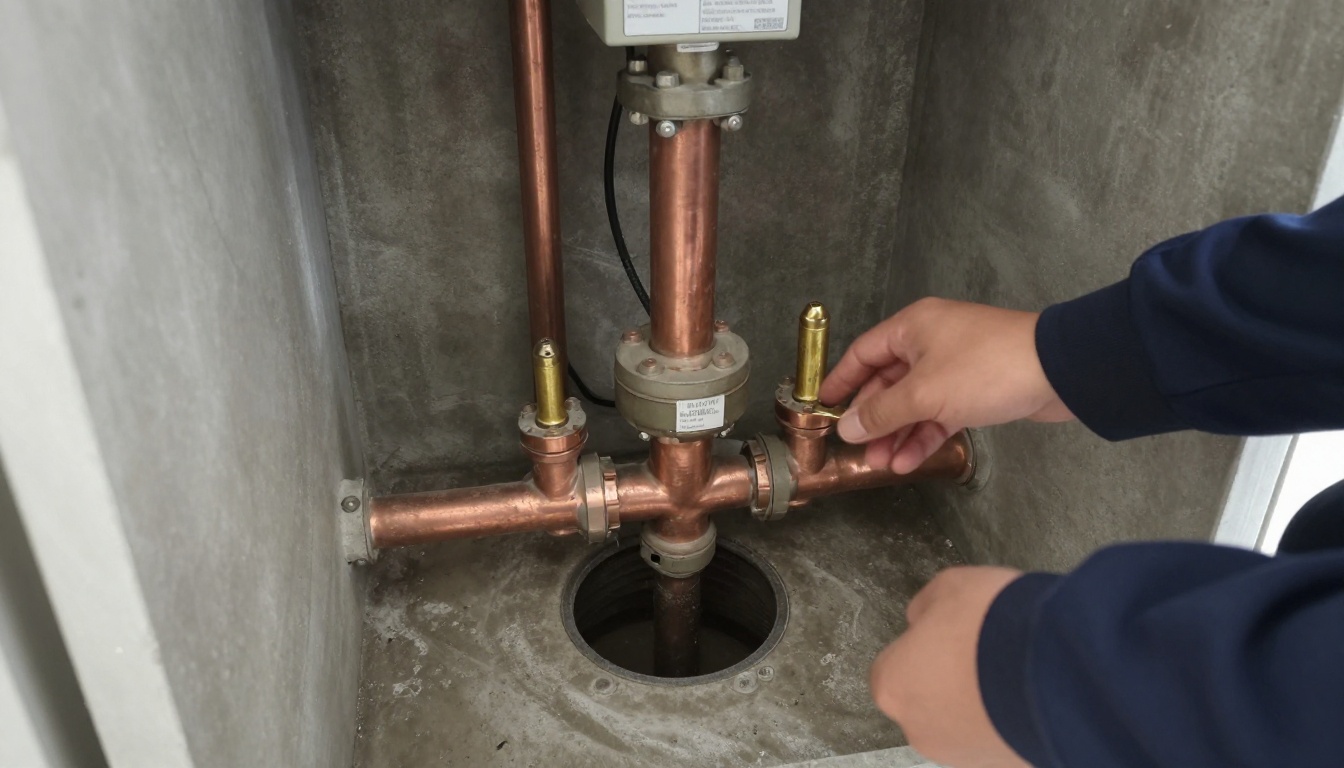
- Primer identification. Is the drain served by a trap primer valve, a primer line from a nearby fixture, or no primer at all.
- Flow test where accessible. Does the primer deliver water when the serving fixture or valve operates.
- Drain body and branch condition. Is the issue localized at the drain, or is there evidence of downstream restriction.
- Access review. Can the primer or branch line be repaired through ceiling access, or will concrete, tile or wall opening be required.
This is where documentation matters. We recommend asking for photos and a written summary of the findings. If the contractor says the line is blocked, ask whether that conclusion comes from cable resistance, visible debris, or a camera pipe inspection. If they say the primer has failed, ask whether they verified the upstream water source and tested the primer line.
In Thornhill multi-residential buildings, the hidden condition is often the real cost driver. A simple primer valve replacement may be a straightforward service-room repair. But if the primer tube is buried in slab or the drain body itself is cracked, the work changes quickly. That is why it helps to separate the immediate odour-control steps from the actual permanent repair.
Where there are multiple complaints, we also look at whether the issue is isolated or systemic. If several drains in different service rooms are dry, that can indicate a maintenance gap rather than a one-off failure. If the same drain repeatedly loses its seal even after priming, that points to leakage, siphonage, or a damaged trap.
In buildings with cross-connection control devices, it is also sensible to keep floor drain work coordinated with broader water system reviews, including backflow prevention testing and certification where applicable. These are different systems, but they often live in the same mechanical spaces and are best assessed together when access is already in place.
A representative Thornhill floor drain service call
A representative example would be a 17-storey condominium from the late 1980s near Yonge and Clark. The property manager reported a recurring sewer gas smell in a second-floor housekeeping room and an intermittent odour in a ground-floor electrical room. Site staff had been pouring water into both floor drains every few weeks, which helped briefly but did not solve the issue.
On inspection, the housekeeping room drain had a shallow water seal that disappeared within days. The electrical room drain was completely dry. Both drains were tied to older primer arrangements fed from nearby service sink supplies. One primer valve had failed internally and was no longer delivering water. The second had mineral buildup and a partially obstructed primer tube. The drain bodies themselves were still serviceable, but the housekeeping room branch line also had moderate scale and debris at the connection.
The work involved isolating and replacing the failed primer valve, clearing the obstructed primer tube, cleaning the affected branch connection, testing the trap refill function and documenting each drain location for the manager. Because the room finishes were basic and access was above a lay-in ceiling, the repair stayed in service scope rather than becoming a slab-opening project. The work took one day with a return visit for confirmation after building staff resumed normal use.
The rough market cost for that kind of Thornhill service call in 2026 would commonly fall in the low thousands, not including any after-hours premium or restoration. If the drains had required concrete breaking, replacement of the drain body, or extensive branch repair, the number would have moved into a different category entirely.
For recurring issues across several locations, some managers prefer to pair the repair with a broader review of aging valves and access points, especially in older towers where undocumented shutoffs complicate any service work. That is where a valve audit, charting and exercise program can save real time later.
Typical costs and timelines in Thornhill multi-residential buildings
Costs for floor drain and trap primer work vary widely because the plumbing itself is usually cheap compared with access, diagnosis and restoration. The ranges below are broad GTA market estimates for budgeting only, not quoted prices.
Basic diagnostic service call:
- Approx. $450 to $1,200
- Includes site review, limited testing, photos and minor clearing or trap refill
- Usually same day or next business day, depending on urgency
Minor trap primer repair or replacement at an accessible location:
- Approx. $900 to $2,500 per location
- Assumes accessible ceiling or mechanical room piping and no major restoration
- Often completed in one visit, with a follow-up check if needed
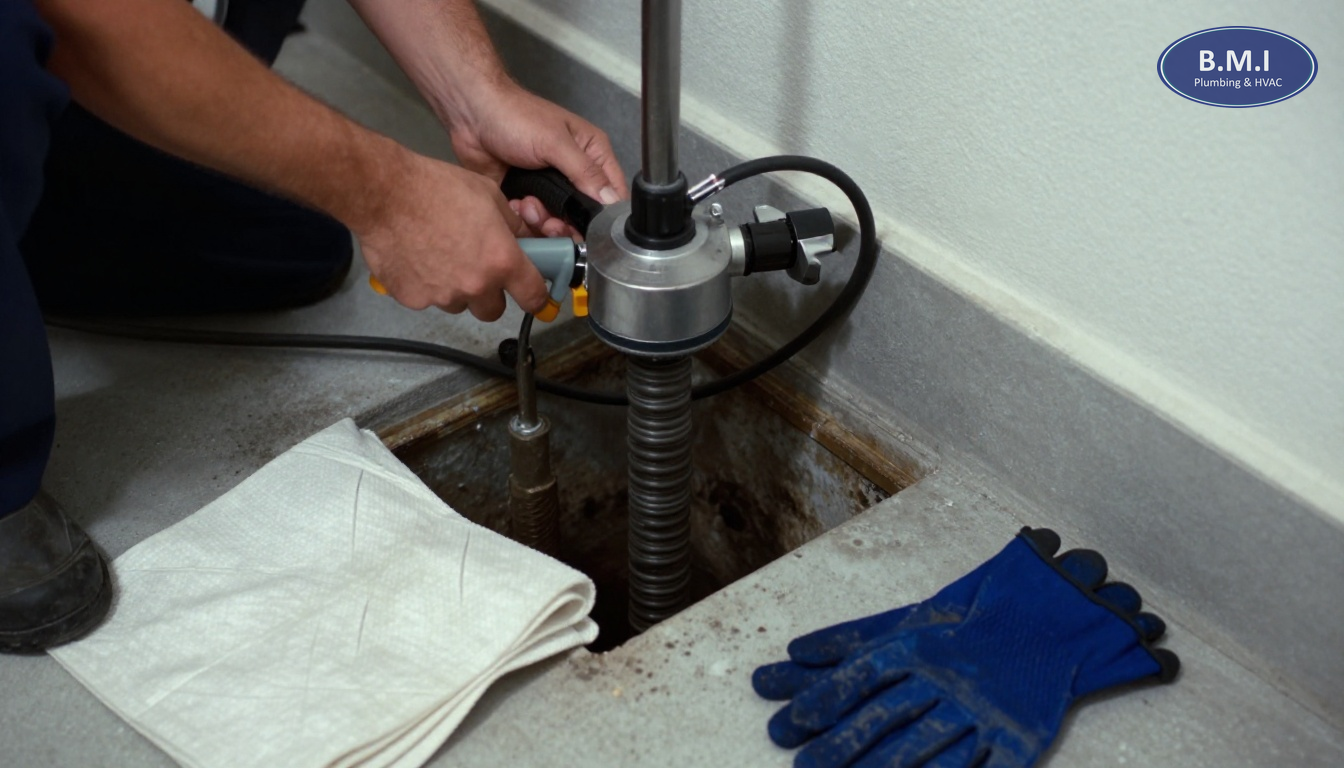
Drain cleaning at a localized floor drain branch:
- Approx. $600 to $1,800 per affected line segment
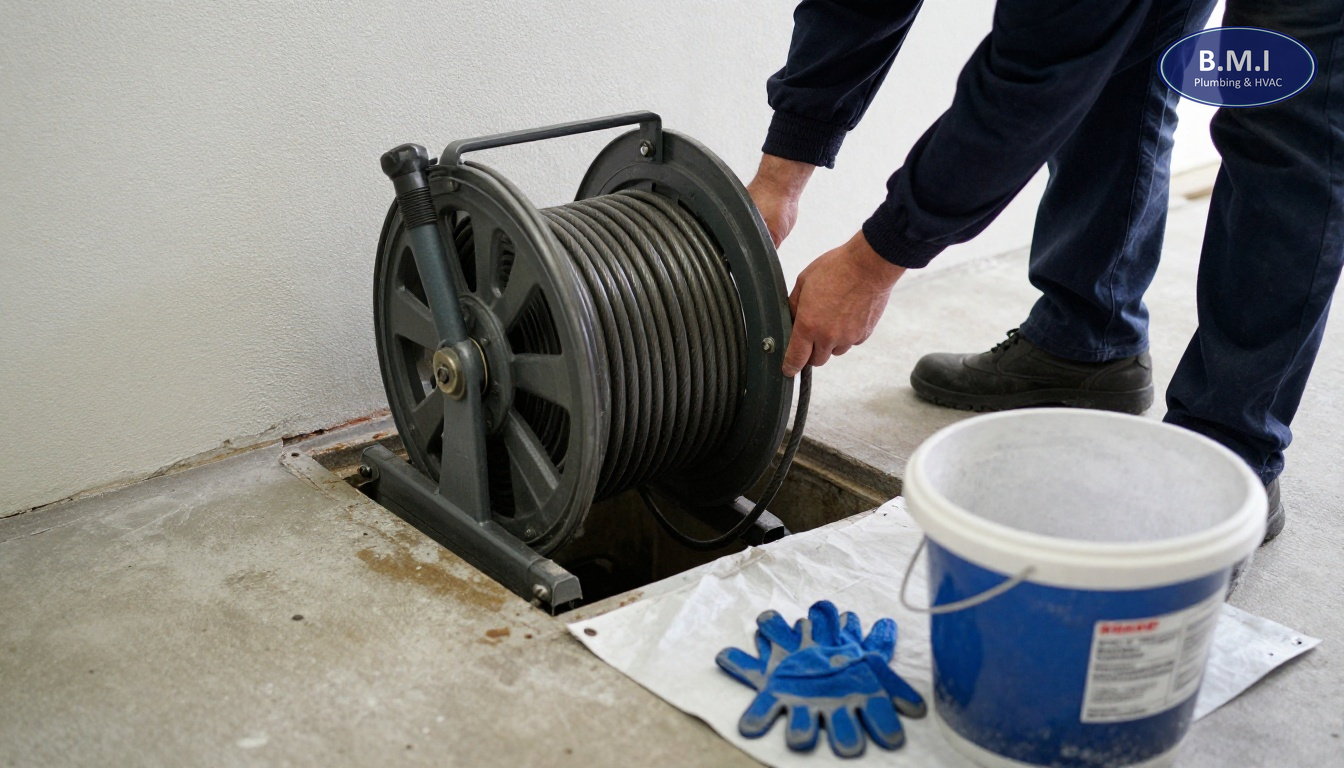
- Cost depends on distance, access and whether cable or jetting is appropriate
- If repeated grease or debris is part of the issue, related kitchen stack cleaning may also need review in mixed-use or amenity-heavy buildings
Camera inspection to confirm branch condition:
- Approx. $700 to $2,000 depending on access and line length
- Often added where recurring odour or backup suggests a deeper defect
Drain body replacement or slab-opening repair:
- Approx. $3,500 to $12,000 or more per location
- Strongly dependent on concrete work, finish restoration, working hours and drain depth
- Timelines range from one to several days per location, plus restoration
Multi-location program for recurring primer failures:
- Budget case by case after inventory
- Best suited to older Thornhill towers where several service-room drains show the same pattern
The logistical side matters in Thornhill. Older buildings often have tighter service rooms, limited staging space, and longer hose or cable runs from loading and parking areas. Some sites have strict elevator booking windows, floor protection requirements and weekday noise restrictions that affect schedule and labour. Those details should be clarified before approving “simple” drain work.
Repair versus replacement in Thornhill: how boards should decide
Not every floor drain issue deserves a capital project, and not every recurring odour should stay in reactive service forever.
Repair usually makes sense when:
- the drain body is sound
- the branch line is clear or can be cleaned effectively
- the primer valve has a discrete, accessible failure
- complaints are limited to one or two locations
- there is no evidence of slab leakage or structural deterioration around the drain
Replacement or a planned renewal approach makes more sense when:
- the same drain loses seal repeatedly after repair
- the primer piping is inaccessible and unreliable across multiple rooms
- the drain body is badly corroded or physically damaged
- CCTV shows severe scale, offset joints or ongoing restriction
- access is already being opened for adjacent plumbing or building work
For Thornhill boards in budget season, it is worth putting these repairs in the right bucket. A one-off service call belongs in operating maintenance. A pattern of failures across aging common-area drains may belong in reserve planning, especially if access and restoration will be significant. Under the Condominium Act, reserve fund studies and updates are supposed to reflect foreseeable common element work; repeated emergency drain repairs are often a sign that the issue should be forecast more formally.
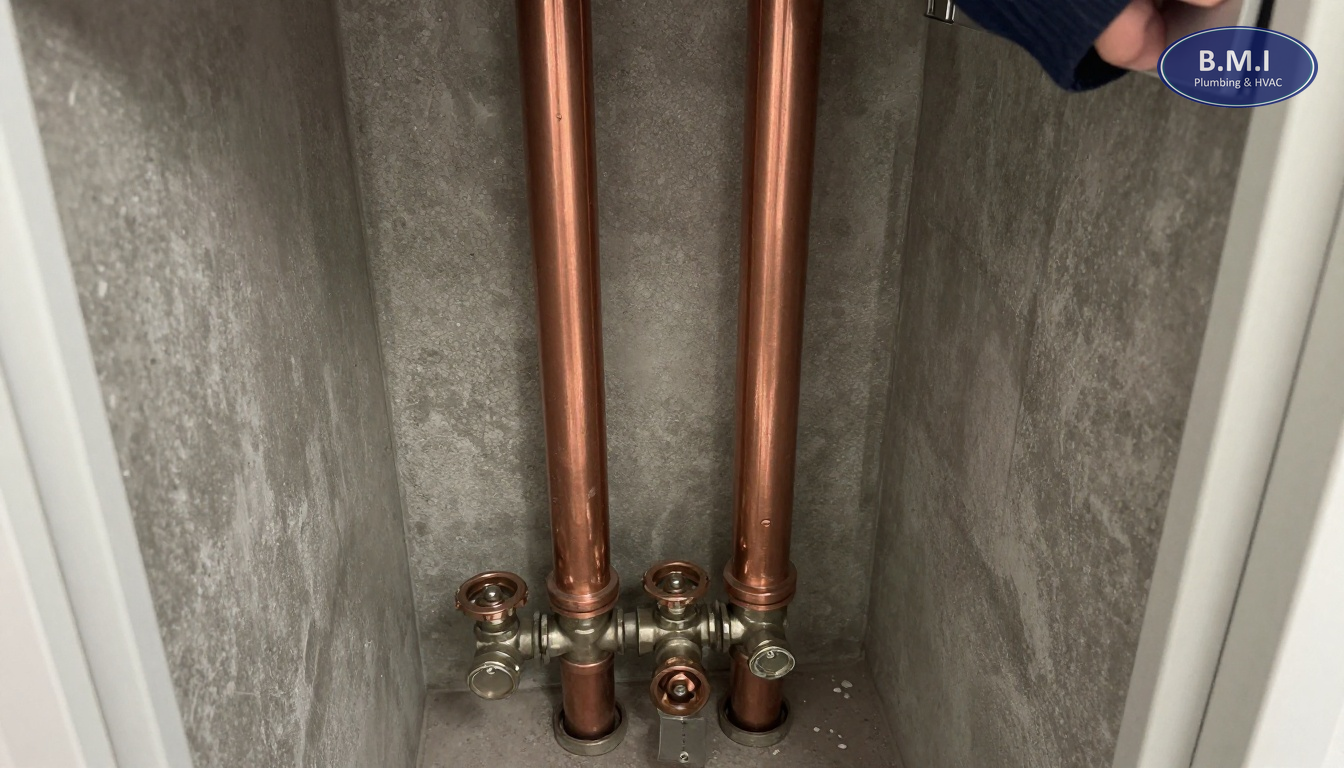
If the building is also carrying older domestic water components, some boards combine drain-area access with related common-element plumbing work such as sectional and isolation valve replacement or larger project solutions for aging building plumbing. That is not always necessary, but coordinated access can reduce disruption and repeat restoration.
What deferring floor drain and trap primer issues costs
The direct repair cost is only part of the picture. In condominium operations, deferred plumbing maintenance has a way of showing up elsewhere.
First, there is the resident and staff impact. Sewer gas complaints create immediate pressure on management because the problem is unpleasant, hard to explain and often intermittent. Repeated odour calls consume superintendent time and generate distrust when the “fix” seems temporary.
Second, there is the escalation risk. A dry trap by itself may be a simple service issue. A dry trap that masks a partially blocked branch can become a backup event when the drain is finally needed. Garage and service-room drains often do not get much attention until there is washdown, snowmelt or equipment discharge.
Third, there is the insurance and chargeback angle. If a blocked or failed floor drain contributes to water escape, insurers and adjusters will want to know whether the building had prior warning signs and whether maintenance was reasonable. Good records matter. So do routine inspections, especially when a building has a known history of drainage complaints.
Finally, there is budget efficiency. Repeated one-off calls to refill traps, chase odours and reopen ceilings usually cost more over a couple of years than a structured inspection and targeted repair plan. The same logic applies across condo plumbing generally, whether the issue is primers, shutoffs, risers or pressure control. Thornhill properties with aging common elements are usually better served by documented programs than by memory-based maintenance.
For managers who need board-ready numbers this fall, it can help to frame the issue as risk reduction and operating stability, not just odour control. If the building already has broader plumbing concerns, reviewing all repairs and service options together can clarify what belongs in this year’s operating budget and what should move into longer-term planning.
FAQs about floor drains and trap primers in Thornhill
Why do floor drains in Thornhill condo buildings start to smell even when there is no visible backup?
In many Thornhill mechanical rooms, electrical rooms, garbage rooms and suite laundry closets, the problem is a dry trap rather than an active blockage. If the trap primer is not feeding the drain, the water seal evaporates and sewer gas enters the space. In older buildings north of Steeles and in established Thornhill towers around Yonge, we also see partial scale buildup in the drain body that holds debris and makes the odour worse.
How do you confirm whether a trap primer in a Thornhill building has failed?
A proper diagnosis starts with opening the drain, checking whether the trap has an actual water seal, and tracing whether a primer line or primer valve serves that location. In Thornhill high-rises, primers may be hidden above ceilings, in janitor rooms, or tied to nearby lavatories or flush valves, so visual confirmation matters. We also look for corrosion, blockage in the primer tube, failed seals, and whether the drain is simply too far from the water source to prime reliably.
Is a sewer gas smell near a Thornhill parking garage floor drain an emergency?
It can be, depending on the source and the area affected. A single dry trap in a garage or service room is often a same-day repair issue, but a strong persistent sewer gas smell can point to a broken trap seal, blocked drainage piping, or a venting problem that should not wait. If the smell is accompanied by slow drainage, gurgling or wastewater around the drain, treat it as urgent and arrange emergency plumbing response.
Should a Thornhill condo board replace old trap primers or just keep repairing them?
That depends on building age, access and how many locations are failing. In a 1980s or 1990s Thornhill tower, isolated repairs may make sense if the piping is accessible and the failures are limited, but repeated odour complaints across multiple rooms usually justify a planned replacement program. Boards should compare the cost of repeated service calls, resident complaints and staff time against a scheduled renewal tied into broader maintenance programs.
Can floor drain problems in Thornhill be caused by pressure issues elsewhere in the building?
Indirectly, yes. Pressure fluctuations do not usually damage the floor drain itself, but they can affect primer valves that rely on nearby water use or supply conditions to operate as intended. In taller Thornhill buildings, it is worth reviewing nearby pressure control equipment and the building’s pressure reducing valve maintenance history when primers repeatedly fail.
What should a property manager in Thornhill ask for after a floor drain inspection?
Ask for photos, the exact drain locations inspected, whether each trap held water, whether a primer is present, and what evidence supports blockage versus evaporation versus primer failure. In a multi-residential Thornhill building, a useful report should also separate immediate repairs from capital items and identify whether follow-up CCTV or camera pipe inspection is recommended. That documentation helps with resident communication, budgeting and reserve planning.
Next steps for Thornhill property managers and condo boards
If you have a recurring sewer gas smell, a floor drain that keeps drying out, or uncertainty about whether common-area drains are actually being primed, the next step is a documented inspection rather than another temporary refill. In Thornhill, the right scope depends heavily on building age, access and whether the issue is isolated or repeated across multiple areas.
For fall planning, this is also a practical time to package drain work with other seasonal plumbing priorities: winter shutoff reviews, PRV checks before colder weather pressure swings, and stack cleaning before holiday kitchen use increases. If you need a broader sense of where this fits in your building, BMI’s blog resources, completed plumbing projects and contact page for service requests are the best starting points.
BMI serves Thornhill and the surrounding GTA from its Toronto shop, with repair, inspection and project support focused on condominium and multi-residential buildings.
Contact BMI
- Contact BMI
- Phone: (416) 845-3756
- Emergency: (416) 845-3756, answered 24 hours a day
- Email: info@brial.ca
More on condominium plumbing
Floor Drains and Trap Primers in East York Buildings
Floor drain and trap primer service in East York for condos and rentals. Diagnose sewer gas smells, dry traps and …
Floor Drains and Trap Primers in Aurora Condos
Floor drain and trap primer service in Aurora condos. Diagnose sewer gas smell, dry traps and failed primers in garages, …
Domestic Water Riser Replacement in Newmarket Condos
Domestic water riser replacement in Newmarket condos: signs, inspection, costs, timelines, and planning for boards and …
Need a plumber in your building?
BMI services roughly 200 condominium and multi-residential buildings across Toronto and the GTA. Emergencies are answered at any hour.