Frozen and Burst Pipe Prevention in Whitby Condos
Frozen and burst pipe prevention in Whitby condos: local winter plumbing risks, inspections, costs, timelines and response planning.
Frozen and Burst Pipe Prevention in Whitby Condos
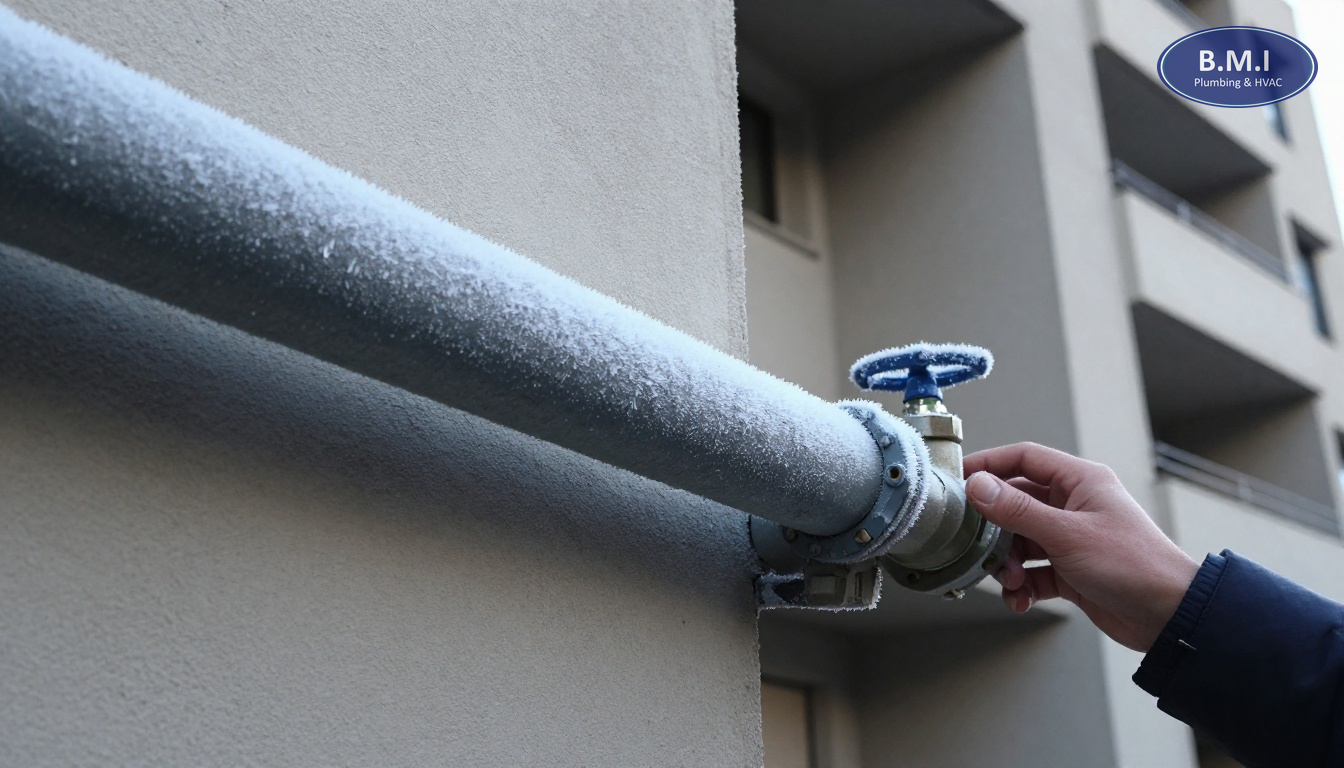
Quick summary: In Whitby, frozen pipes are rarely just a weather problem. In condominium and multi-residential buildings, winter pipe failures usually trace back to specific local conditions: exposed garage piping, air leakage at entrances and loading areas, under-insulated perimeter runs, aging shutoff valves that do not hold, and deferred mechanical room maintenance. For property managers and condo boards, burst pipe prevention is a fall planning issue as much as an emergency plumbing issue.
Why frozen pipe risk shows up in Whitby buildings specifically
Whitby is not one uniform building market, and that matters when you are trying to prevent winter plumbing failures. Along the older parts of town and in established rental areas, you still see apartment and multi-residential stock from the 1960s through 1980s with domestic lines routed through service spaces that were never designed around modern expectations for insulation, compartmentalization and controllability. In those buildings, exposed copper in parking garages, low-level mechanical areas and exterior-adjacent chases is a common weak point.
Newer Whitby condominium development, including buildings around Brock Street, Dundas Street and toward the waterfront and GO corridor, tends to have better envelope performance overall, but newer does not mean freeze-proof. We regularly see cold-weather problems where piping runs above parking ramps, near louvered rooms, beside overhead doors, behind poorly sealed bulkheads or in amenity spaces with inconsistent heating. Mid-rise buildings are especially prone to “nobody thought this space would get that cold” failures.
Whitby is served through Durham Region’s water system, and from a plumbing operations standpoint that means winter planning should include pressure behavior inside the building as well as freeze exposure outside the pipe. Seasonal swings can expose problems with control valves and pressure reducing assemblies, especially in taller buildings where pressure management matters from lower mechanical rooms to upper suites. A neglected pressure reducing valve maintenance program will not cause a freeze by itself, but unstable building pressure during cold weather makes an already vulnerable system harder to manage.
The local geography matters too. Buildings closer to the lake can be more exposed to wind-driven cold at podium levels, parking decks and service entrances. Buildings in more open suburban settings can also get strong crosswinds around garage entries and loading doors. In Whitby, the issue is often not the average winter day. It is the combination of cold air infiltration, a poorly protected pipe run and a valve arrangement that makes isolation difficult when something goes wrong.
For boards in budget season, this is where prevention should be tied to broader building maintenance. A winter readiness review often overlaps with valve audit, charting and exercise programs, all maintenance programs and targeted in-suite plumbing repairs where recurring complaints point back to common risers or branch lines.
How frozen pipes present in Whitby condos and rentals
The resident complaint is usually not “a frozen pipe.” It is more often a symptom that starts small and gets misread.
Typical reports in Whitby buildings include:
- no water or weak flow at one kitchen or bathroom group on a cold morning
- one vertical stack affected while the rest of the building seems normal
- intermittent water service on upper floors after a windy night
- a garage ceiling drip that turns out to be thawing pipe insulation or a hairline split
- a cold mechanical room, vestibule or service corridor where nobody realized heating had failed
- a burst branch line discovered only after water stains appear in a corridor ceiling or suite entry
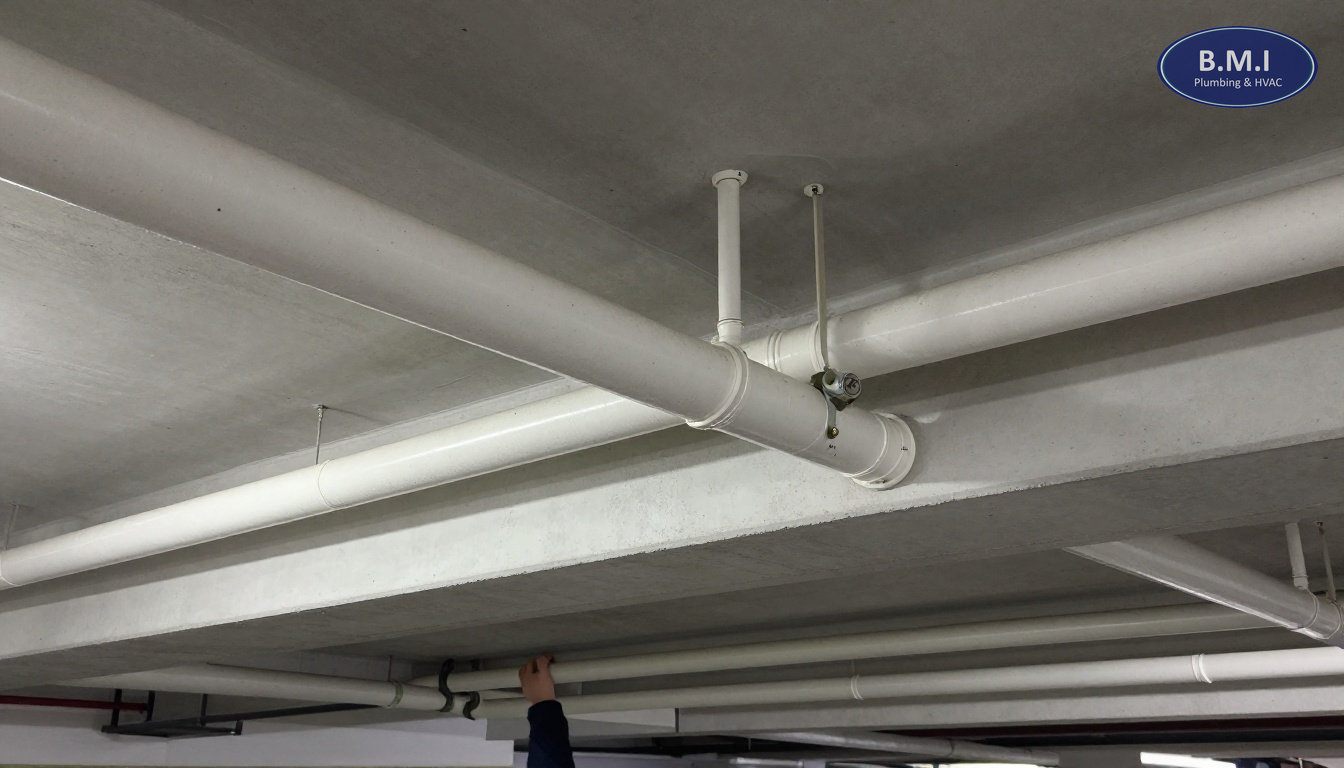
In older buildings, domestic cold lines in parking garage ceilings are frequent trouble spots because they are out of sight until there is a leak. In some Whitby buildings from the 1970s and 1980s, those lines may have been modified over time, patched, or insulated inconsistently after previous repairs. In newer condos, the risk often shifts to smaller-diameter branch lines in exterior wall assemblies, under-insulated fan coil or meter rooms, and dead-end sections with low flow.
Managers should also pay attention to domestic hot water recirculation complaints in winter. A recirculation problem is not the same as a frozen pipe issue, but poor circulation in a vulnerable area can allow localized temperature drop and increase risk in sections that already suffer from drafts or low ambient heat.
When a leak does happen, the first operational problem is often not the pipe repair. It is access. In Whitby multi-residential buildings, winter events frequently involve occupied suites, parked vehicles beneath affected garage ceilings, elevator booking constraints, and the need to shut down domestic service to part of the building while maintaining communication with residents. That is why boards should not think of burst pipe prevention as just insulation wrap. It is also about isolation, drainage, access and documentation.
If the building has any history of repeated clogs or slow drains in cold-exposed service spaces, it is also worth reviewing drain cleaning and snaking and whether floor drains and storm-related drainage points are functioning properly. Water from thawing or from emergency draining has to go somewhere safely.
What proper frozen pipe diagnosis involves in Whitby
A credible inspection for frozen and burst pipe prevention should produce evidence, not just general advice. For a Whitby property manager, the goal is to identify exactly which sections are vulnerable, why they are vulnerable, and what can realistically be done before deep winter.
A proper review usually includes:
- tracing domestic cold, hot and recirculation lines through garages, vestibules, meter rooms, penthouse levels and exterior-adjacent bulkheads
- identifying insulation gaps, damaged jacketing, open penetrations and cold-air leakage paths
- checking whether heat trace exists, whether it is intact, and whether it is actually energized and controlled properly
- confirming the condition and operability of sectional shutoffs and drain-down points
- reviewing previous leak locations and whether the same area was only patched, not corrected
- assessing whether pipe material, hanger spacing, expansion allowance and support are appropriate for the environment
In older Whitby buildings, one of the most overlooked issues is valve condition. If a line freezes and splits, your response time and water damage exposure depend heavily on whether you can isolate the affected section quickly. A building with unlabelled or seized valves can turn a contained incident into a major loss. That is why a prevention plan should often include sectional and isolation valve replacement where older valves no longer close reliably.
Evidence matters. Ask for marked-up photos, identified locations, a list of vulnerable pipe runs, recommendations separated into urgent versus budgeted work, and a shutdown strategy for each high-risk area. If cameras are needed to confirm concealed conditions or repeated moisture in a chase, camera pipe inspection can help distinguish a freeze-related split from corrosion, joint failure or another source.
Boards should also insist on clarity about trade coordination. Some preventive measures are plumbing-only; others require electrical review for heat trace, building envelope work for air sealing, or controls adjustments for room temperature maintenance. A good report separates those scopes so the board can price them properly.
A representative Whitby frozen pipe service call
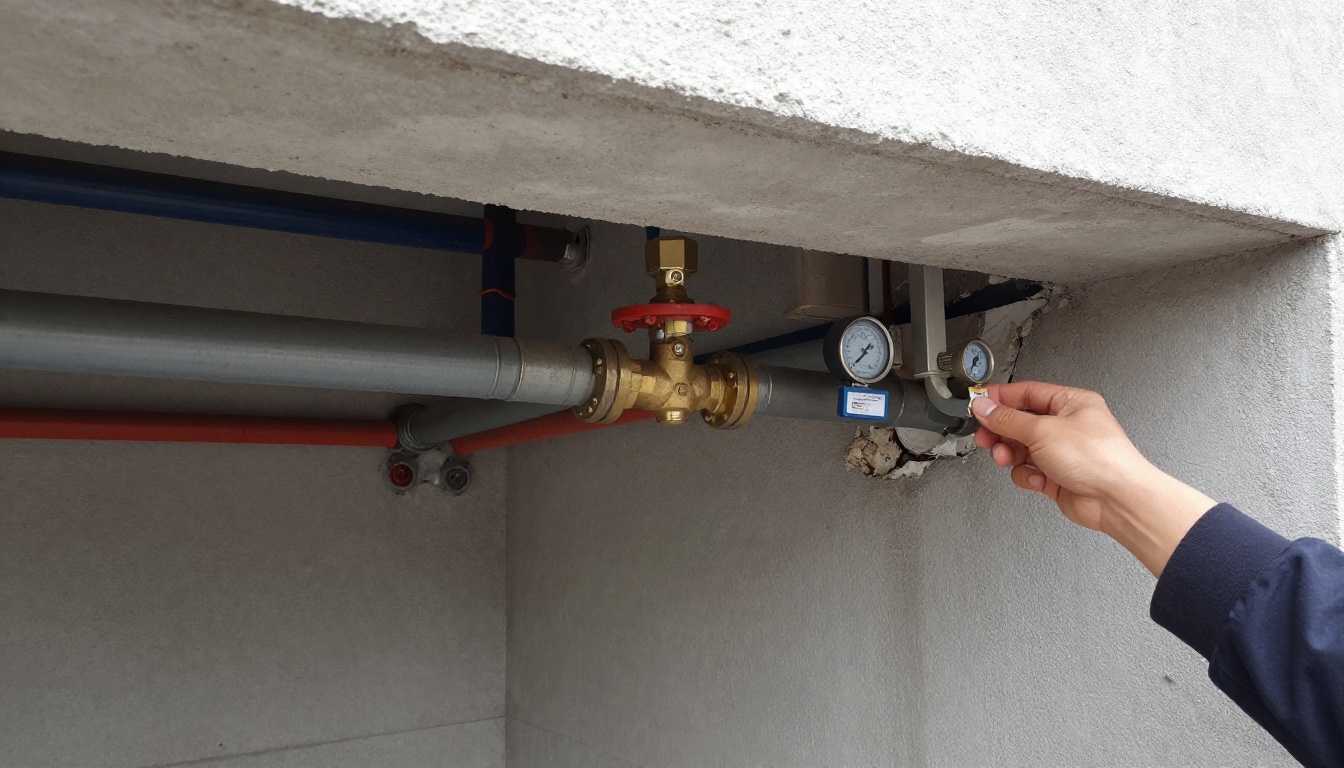
A representative project for Whitby would be a 10-storey condominium from the late 1980s near Dundas Street and Brock Street. The building had recurring winter complaints from suites above the parking entrance side: low water flow on very cold mornings and one prior leak in the garage ceiling that had been patched several years earlier.
The immediate call came after a January cold spell when residents on two mid-level floors reported no cold water at kitchen fixtures for several hours. Building staff also noticed frost on insulation in a garage ceiling bay near the ramp wall. BMI attended, opened the affected ceiling area, and found a domestic cold branch serving one riser zone routed through a poorly insulated perimeter section. The pipe had not fully burst yet, but there was an ice restriction forming in a section where insulation had been removed during an older repair and never properly reinstated. Cold air was also entering through an unsealed wall penetration near the pipe support.
The response had two phases. First, service was stabilized: controlled warming, temporary protection of the pipe run, verification that the line had not split, and testing of nearby isolation valves. One valve failed to hold fully, which complicated the contingency plan. Second, the building approved corrective work that included replacing the compromised valve, re-insulating the affected run with proper jacketing, re-supporting a sagging section, and coordinating sealing of the adjacent air leakage point. BMI also mapped similar vulnerable runs on that parking level and identified two additional sections for follow-up before the next cold period.
The emergency attendance and stabilization were completed the same day. The corrective plumbing work was completed over two additional visits within the week, with limited shutdowns to that branch zone. The rough cost for the immediate response and corrective plumbing scope was in the range of $4,500 to $9,000, with separate building envelope work by others. If that line had fully split overnight, the total loss including restoration, cleanup and resident disruption would likely have been materially higher.
That kind of job is typical of Whitby winter plumbing. The visible symptom is simple. The underlying issue is usually a mix of one exposed pipe run, one missing piece of insulation, one air leak, and one old valve nobody knew was unreliable until it mattered.
Costs and timelines for Whitby burst pipe prevention work
For budgeting purposes, boards in Whitby should separate preventive inspection, targeted corrective work and emergency response.
A seasonal winter plumbing review for a condo or rental building, including inspection of vulnerable common areas and a written deficiency list, may fall roughly in the low-thousands depending on building size and complexity. If the review expands into shutoff testing, mapping and charting, costs rise, but that additional work can save substantial money during an actual emergency. This is where a 24/7 emergency leak response plan works best when paired with preventive valve and riser information already on file.
Typical rough market ranges in the GTA, including Whitby, may look like this:
- localized insulation repair and protective rework: about $1,500 to $5,000 depending on access and extent
- replacement of one or several failed isolation valves in a vulnerable area: about $2,500 to $12,000 depending on size, shutdown logistics and whether drainage points are adequate
- heat trace review and targeted correction in a limited area: often $3,000 to $15,000 when electrical coordination is required
- re-routing or rebuilding a problematic exposed section of domestic line: often $5,000 to $25,000 or more depending on material, access and restoration
- emergency burst pipe response and immediate repair: commonly $2,500 to $10,000 for plumbing scope alone, before restoration and after-hours complications
Timelines vary widely. A same-day response can often isolate and stabilize a burst. A planned preventive correction might take one to several site visits over one to three weeks, depending on access, resident notices, material lead times and whether ceilings or bulkheads must be opened. If the building needs larger domestic piping renewal because vulnerable sections are part of a broader aging system, the conversation may shift toward domestic water riser replacement or even full building re-piping.
For boards doing fall budget work, it is usually more useful to approve a staged plan than to wait for one perfect capital number. Identify the highest-risk freeze points first, price them, and then decide what belongs in this year’s operating budget versus the reserve plan.
Repair versus replacement in Whitby winter plumbing planning
Not every freeze-prone area needs a major project. But not every winter leak should be patched and forgotten either.
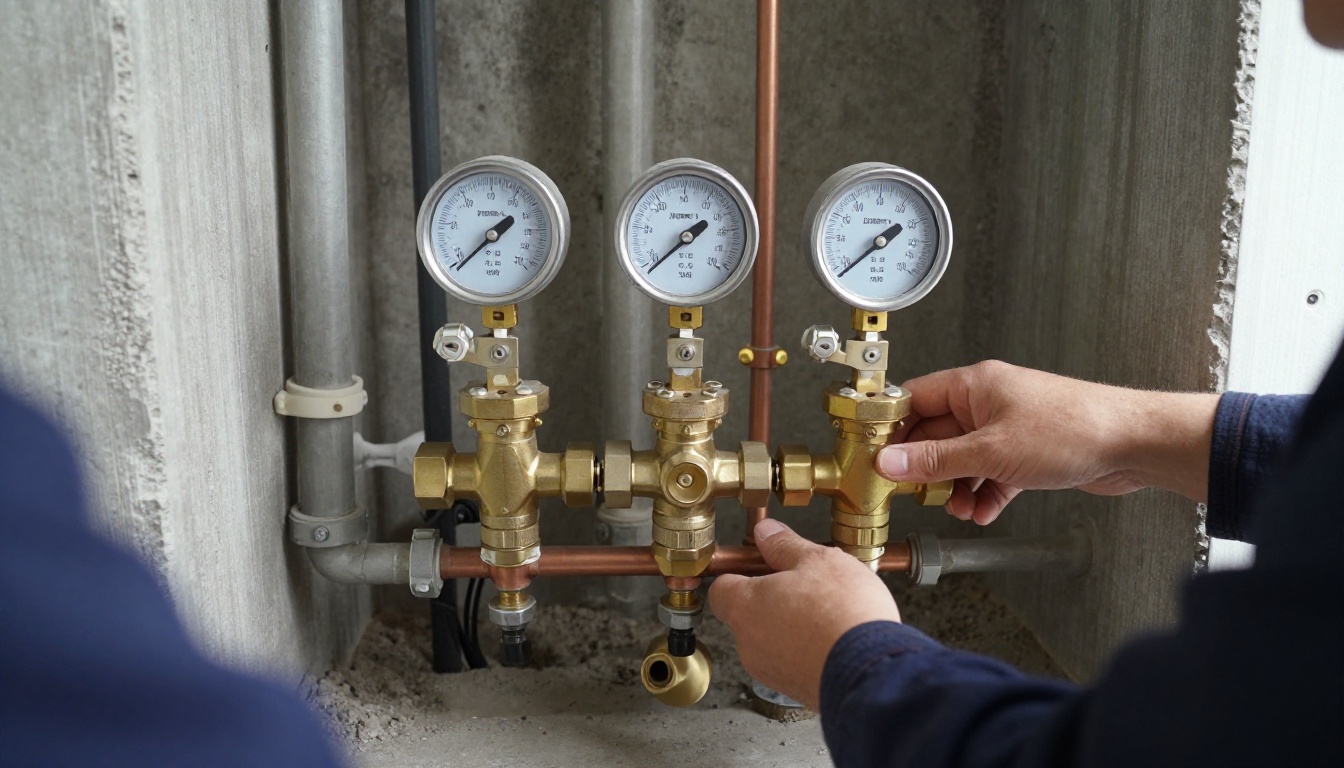
A repair approach usually makes sense when the problem is clearly localized: one damaged insulation section, one failed valve, one short exposed branch, one unsealed penetration, or one isolated heat trace issue. In that case, targeted repair can be cost-effective and quick.
Replacement or broader renewal becomes the better decision when:
- the same area has frozen or leaked more than once
- the isolation valves in that zone are unreliable or inaccessible
- the exposed piping is part of a larger aging copper system with multiple past repairs
- the route itself is fundamentally poor and cannot be protected reliably in place
- access costs are high enough that repeated small repairs become false economy
For some Whitby properties, a freeze risk review also exposes unrelated but important system issues, such as deteriorated branch valves, unsupported piping, or pressure control problems. Those findings should not be ignored just because the original concern was winterization. The more complete decision framework is whether the building is paying to preserve a sound system or repeatedly rescuing a failing one.
If your building has known vulnerable domestic lines and also has older mixed-material plumbing, fall is a sensible time to review whether those localized risks connect to a bigger renewal question such as Kitec and Uponor removal and replacement or other capital project solutions.
What deferring burst pipe prevention costs in Whitby
The direct plumbing invoice after a burst is often the smallest part of the total loss.
Deferral costs usually show up in five places:
- Emergency labour and after-hours access. Nights, weekends and cold-weather callouts cost more and create more disruption.
- Restoration and remediation. Wet insulation, damaged ceilings, corridor finishes, elevator protection and suite contents quickly exceed the pipe repair cost.
- Insurance pressure. Repeated water losses can affect deductibles, claims experience and board tolerance for “patch now, review later” decisions.
- Resident and owner chargeback disputes. If source, responsibility and sequence are not documented well, winter leaks often turn into administrative work and conflict.
- Reserve fund distortion. Repeated reactive spending can crowd out planned maintenance that should have been scheduled more efficiently.
Under the Condominium Act, boards are expected to act prudently in maintaining common elements, and reserve fund studies are meant to support planned major repair and replacement rather than chronic emergency spending. Frozen pipe prevention sits in an awkward middle ground because some measures are maintenance and some are capital. The practical answer is to document conditions thoroughly, classify work properly, and move recurring winter problems out of the emergency column.
Whitby boards should also think about related compliance items. If a winter shutdown affects domestic mains or mechanical room work, it may be an efficient time to confirm annual backflow prevention testing and certification requirements and mechanical room access while plumbers are already on site.
FAQs about frozen pipes and burst pipe prevention in Whitby
Why are frozen pipes a recurring issue in Whitby condominium and rental buildings?
Whitby has a mix of older apartment stock, 1980s and 1990s multi-residential buildings, and newer condo construction where vulnerable piping can end up in garages, perimeter bulkheads, service rooms and exterior-adjacent walls. Buildings closer to the lakefront can also experience strong wind exposure, while mid-rise and high-rise towers in more open areas can see cold air infiltration at parking levels, loading areas and mechanical spaces. In practice, frozen pipe risk in Whitby is usually driven by building design, insulation gaps, failed heat tracing, air leakage and control issues rather than by outdoor temperature alone.
What are the first warning signs of a frozen pipe in a Whitby building?
Property staff or residents usually report reduced flow at one fixture group, no water at upper floors or one stack, unusual pressure fluctuation, frost on exposed piping, or cold drafts near pipe chases and meter rooms. In garage ceilings and service rooms, you may also see sweating, ice formation, or a pipe that sounds partially blocked when flow is attempted. Those are early-stage warnings worth treating immediately before a freeze turns into a split and a flood.
Should a Whitby condo board treat frozen pipe prevention as maintenance or as a capital project?
It can be either, depending on the root cause. Heat trace testing, insulation repair, door closer adjustments, valve exercising and seasonal inspection rounds are operating maintenance items, while re-routing exposed lines, replacing failed isolation valves, adding permanent freeze protection or renewing aging domestic piping may belong in the reserve-funded capital plan. Boards are usually best served by documenting the cause and then deciding whether the work fits annual operations or a larger scheduled project.
What does burst pipe prevention in Whitby usually cost?
For a typical condo or rental building, seasonal inspections and minor corrective work may fall in the low thousands, while more involved freeze protection upgrades can move into the $5,000 to $25,000 range depending on access, electrical coordination and the amount of piping affected. Emergency response after a burst can exceed those numbers quickly once restoration, after-hours labour, elevator protection and resident disruption are included. Costs vary by layout, number of affected areas and whether the building already has workable isolation and drainage points.
Can BMI help if a Whitby building already has a burst pipe emergency?
Yes. Emergency plumbing response starts with isolating the affected section, reducing water damage, identifying the split and restoring service safely in stages. In many multi-residential buildings, the plumbing repair itself is only part of the job; access, ceiling openings, occupant communication, temporary shutdown planning and follow-up inspection all matter if you want to avoid a second event.
How early should a Whitby property manager plan winter plumbing work?
In Whitby, fall is the right time to inspect vulnerable piping, test shutoffs, review heat tracing and get budget numbers in front of the board before deep winter arrives. Waiting until the first prolonged cold snap usually means working reactively, often after hours and at a higher cost. If a building has a known history of freezing at garage entrances, penthouses, fan coil rooms or exposed bulkheads, planning should start well before temperatures drop.
Next steps for Whitby property managers and condo boards
If your Whitby building has any history of winter leaks, frozen branches, garage ceiling piping issues or unreliable shutoffs, fall is the time to turn those anecdotes into a documented scope. Start with a building walk-through focused on perimeter pipe runs, parking levels, mechanical rooms, vestibules, penthouses and any service spaces that have had heating or air leakage problems before.
From there, prioritize three things:
- confirm which valves isolate which winter-vulnerable sections
- identify where insulation, heat tracing or routing corrections are needed
- get budget numbers early enough for board approval rather than waiting for a January emergency
BMI serves Whitby and the surrounding GTA from its Toronto shop, with repair, inspection and project support for condominium and multi-residential plumbing systems. If you need a winter readiness review, emergency support, or help tying recurring freeze issues to longer-term renewal planning, start with all repairs and service, review completed projects and building references, or request a quote or service call.
Contact BMI
- Contact BMI
- Phone: (416) 845-3756
- Emergency: (416) 845-3756, answered 24 hours a day
- Email: info@brial.ca
More on condominium plumbing
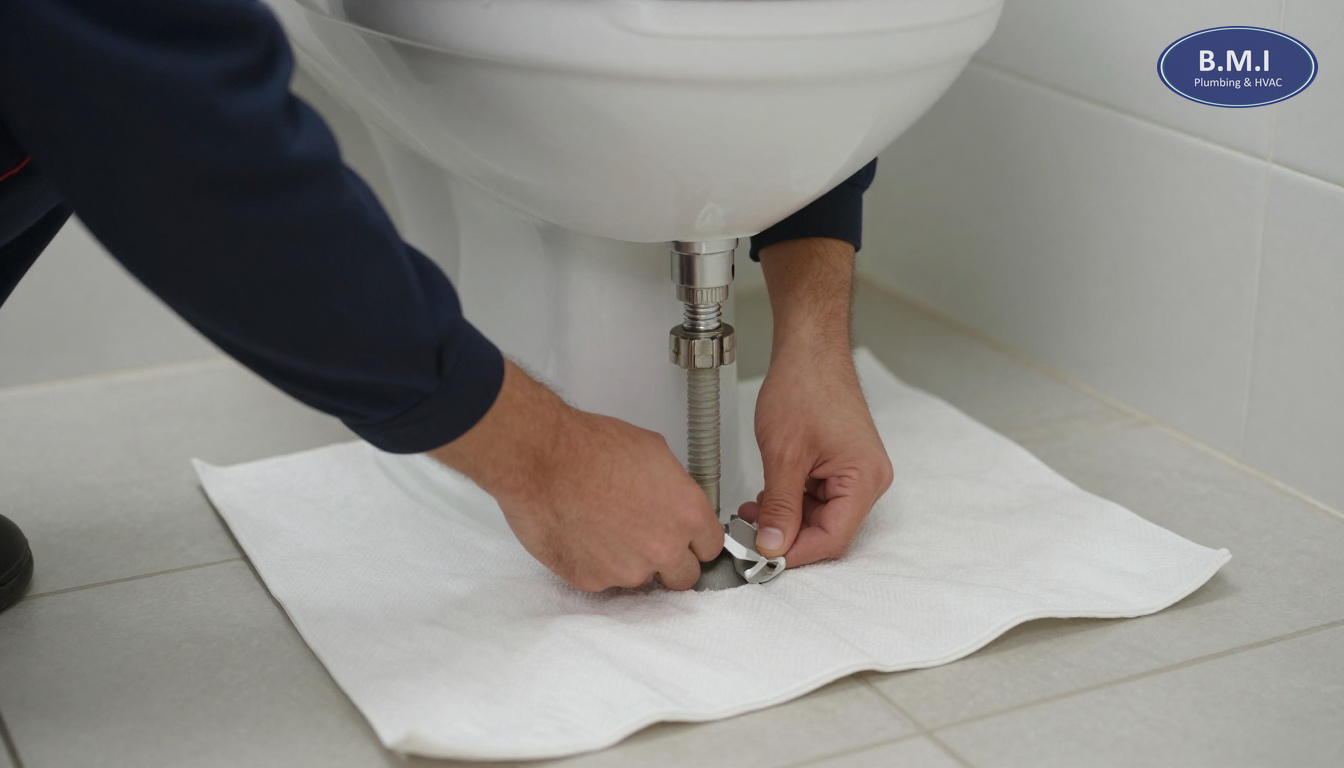
In-Suite Plumbing Repairs in Whitby Condominiums
Practical guidance on in-suite plumbing repairs in Whitby condominiums, including diagnosis, costs, timelines, and …
Laundry Stack Cleaning in Toronto Condos: Costs and Signs
Laundry stack cleaning for Toronto condos: how lint and detergent block condo laundry drains, what inspections show, and …
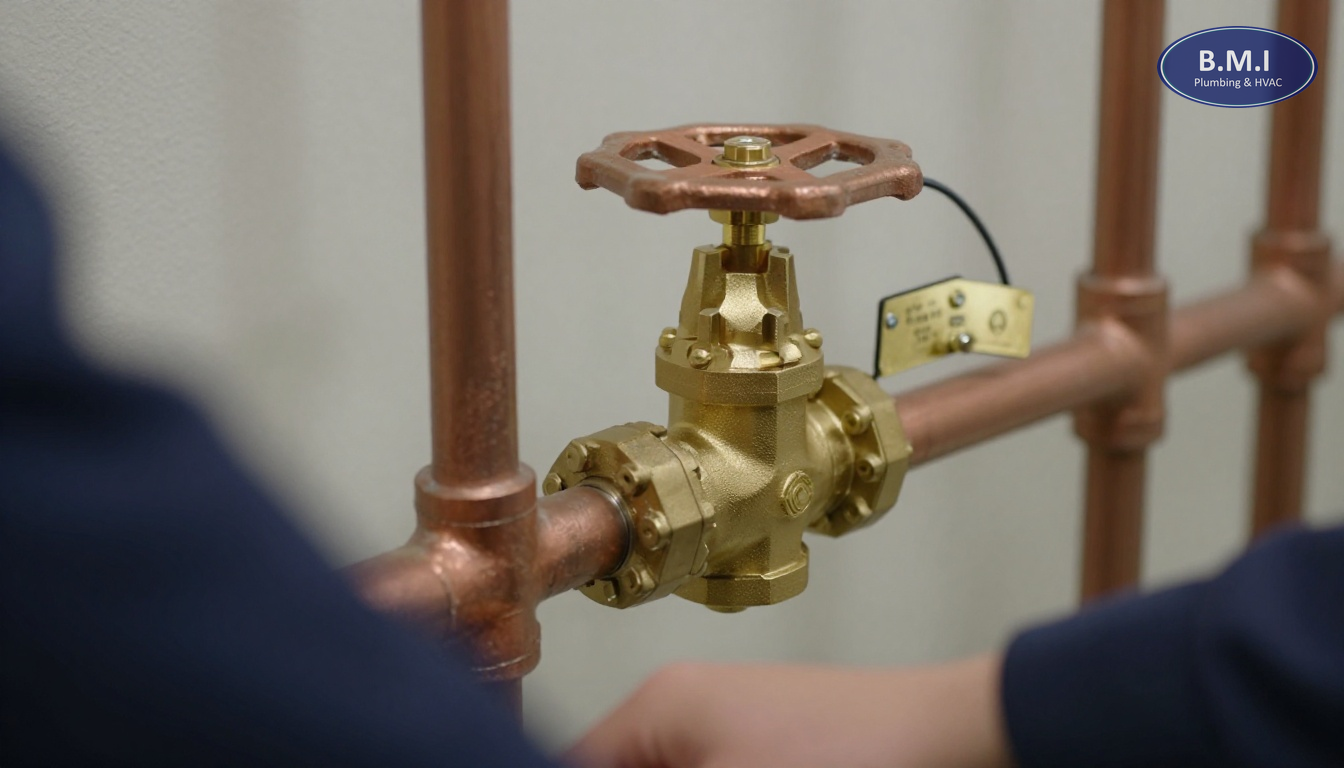
Sectional and Isolation Valve Replacement in Oshawa
Sectional and isolation valve replacement in Oshawa condo buildings. Costs, timelines, diagnosis and planning for boards …
Need a plumber in your building?
BMI services roughly 200 condominium and multi-residential buildings across Toronto and the GTA. Emergencies are answered at any hour.