Full Building Re-Piping in Burlington Condominiums
What full building re-piping in Burlington involves, when condo repipe work makes sense, and typical costs, timelines, and planning issues.
Full Building Re-Piping in Burlington Condominiums
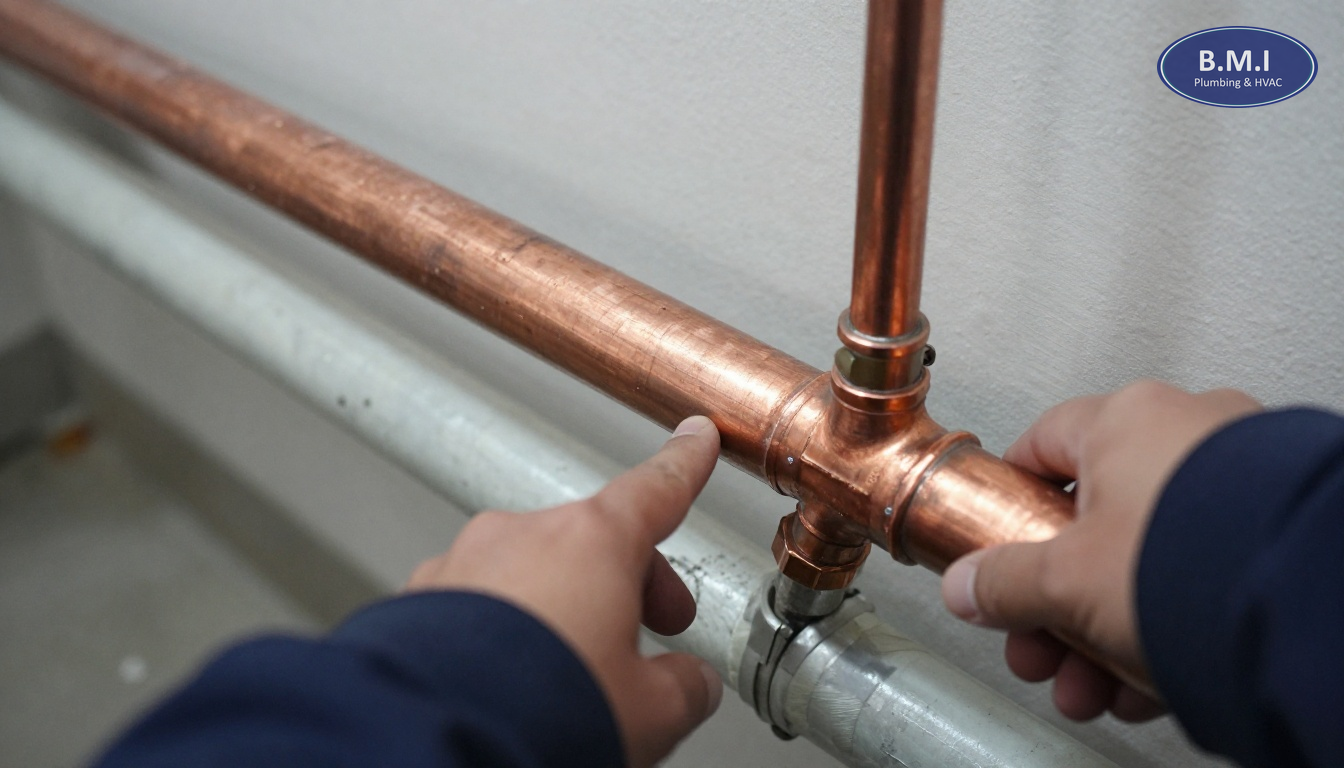
Quick summary: Full building re-piping in Burlington is usually a capital project driven by repeated leaks, internal corrosion, unreliable shutoffs, and declining pressure or water quality complaints across the building. In Burlington’s mix of older apartment towers, 1980s and 1990s condominiums, and some waterfront and Uptown stock built in different waves, the right answer depends on pipe material, access conditions, and whether the problem is isolated to a few risers or spread through the domestic water system.
Why full building re-piping shows up in Burlington buildings specifically
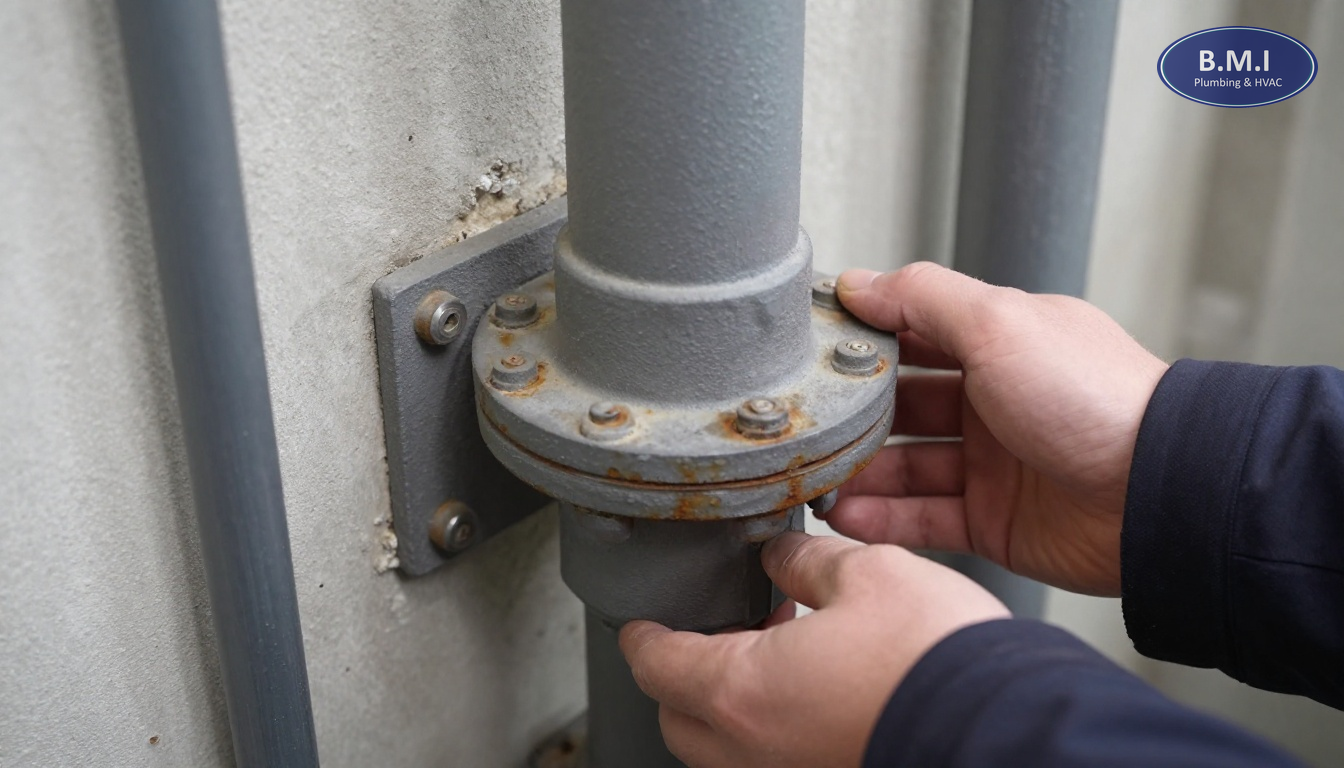
Burlington has a broad range of multi-residential building stock, and that matters more than the postal code alone. In older rental and condominium buildings closer to the lake and in long-established apartment corridors, it is common to find domestic water systems that are well into the stage where internal corrosion, failing valves, and cumulative patchwork repairs start to overtake sensible maintenance. In 1970s and early 1980s buildings, galvanised steel is still encountered in some domestic cold-water systems or branch piping, often mixed with later copper repairs. Once that happens, corrosion products, flow restriction, and uneven performance floor to floor become familiar complaints.
In Burlington towers from the late 1980s through the 1990s, copper became more common, but those systems are now old enough that repeated pinhole leaks, thinning walls in recirculation lines, and unreliable sectional isolation are driving reserve fund discussions. Buildings around established nodes such as downtown Burlington, the Fairview area, and corridors feeding toward Appleby or Upper Middle tend to have very different access conditions, but the plumbing challenge is similar: aging domestic water systems that were never intended to be nursed along indefinitely by emergency repairs.
Municipal water conditions and elevation also affect how these systems age in practice. Burlington is served by Halton Region for water and wastewater services, and pressure conditions in a building are never just about what the street main delivers at one moment. Elevation changes away from the lake, booster arrangements within the building, and aging pressure-reducing equipment all influence how hard the domestic system is being worked. Before winter, when boards are setting budgets and buildings are preparing for seasonal demand changes, it is a good time to review not only pipe condition but also related assets such as pressure reducing valve maintenance and replacement, because unstable downstream pressure accelerates wear on already marginal piping.
A true Burlington building re-piping discussion is therefore less about a generic “old pipes” problem and more about matching the project to the building vintage, pipe material, and access reality. Some corporations need a targeted riser replacement project; others have reached the point where full building re-piping is the only defensible long-term answer.
How a Burlington condo repipe problem usually presents
Property managers rarely call and say they want a condo repipe. They call because the building has had its fourth leak in six weeks, because residents on upper floors are reporting weak hot water at peak times, or because every planned shutoff turns into a larger problem when old valves fail to hold.
In Burlington buildings headed toward full re-piping, the symptom pattern is usually broader than a single leak location:
- recurring pinhole leaks in domestic hot or recirculation piping
- discoloured water after shutdowns or repairs
- reduced flow at fixtures on higher floors or farther branches
- fixtures clogging with rust or scale debris
- long periods without reliable sectional isolation
- chronic emergency callouts in parking garage ceilings, service rooms, or suite washroom chases
- insurance scrutiny after repeated water damage incidents
Residents describe these issues in practical terms. They say the shower pressure drops at busy hours. They say hot water takes too long to arrive, then arrives inconsistently. They report brown water after work in the building. They complain that access notices are constant and ceilings keep being opened for another “small repair.”
From the management side, the operational signs are just as important. If your maintenance log shows a steady increase in 24/7 emergency leak response calls, repeated after-hours drain-downs, and multiple temporary pipe clamps or isolated replacements, the building may have moved past reactive maintenance. If every service call reveals another valve that will not close or another branch with advanced corrosion, the hidden cost is not just the leak. It is the loss of control over the plumbing system.
In fall, Burlington boards often use this period to get realistic numbers in front of the board before the next budget cycle closes. That is the right time to compare emergency spending against planned capital work and to assess whether recurring repairs are simply subsidizing a system that needs replacement.
What diagnosis and inspection should include before building re-piping in Burlington
A proper building re-piping decision should not be based on frustration alone. It needs evidence. For a Burlington condominium, that means documenting not just that leaks are occurring, but where, how often, on what material, and under what operating conditions.
The initial review typically includes leak history, pipe age, original specifications if available, previous repair records, and an inspection of mechanical rooms, riser zones, accessible ceiling spaces, and representative suites. In many older buildings, it is worth combining visual review with strategic openings and camera pipe inspection where drain condition is also in question, because domestic water replacement often leads boards to ask whether sanitary or storm systems are nearing the same point.
For domestic water piping, a manager should insist on evidence such as:
- photos of actual failed sections and internal corrosion
- a map of recurring leak locations by riser or floor range
- identification of all pipe materials still in service
- pressure readings at different building locations
- valve condition notes, including which sections cannot be isolated reliably
- recommendations that clearly separate urgent risk items from elective scope
This stage should also look beyond the pipe itself. A full condo repipe often exposes related deficiencies that should be priced now rather than discovered during construction. Typical examples are failed or unserviceable isolation valves, outdated balancing arrangements, aged thermal expansion components, and premise isolation assemblies that need review under the municipality’s cross-connection control requirements. Where applicable, backflow prevention testing and certification should be coordinated so the new plumbing work and annual compliance obligations line up.
Boards should also ask whether a narrower project would solve the actual problem. In some Burlington buildings, domestic water riser replacement may address the highest-risk vertical sections while horizontal distribution remains serviceable. In others, partial work only delays the inevitable and leaves too many weak transition points.
A representative Burlington building re-piping project
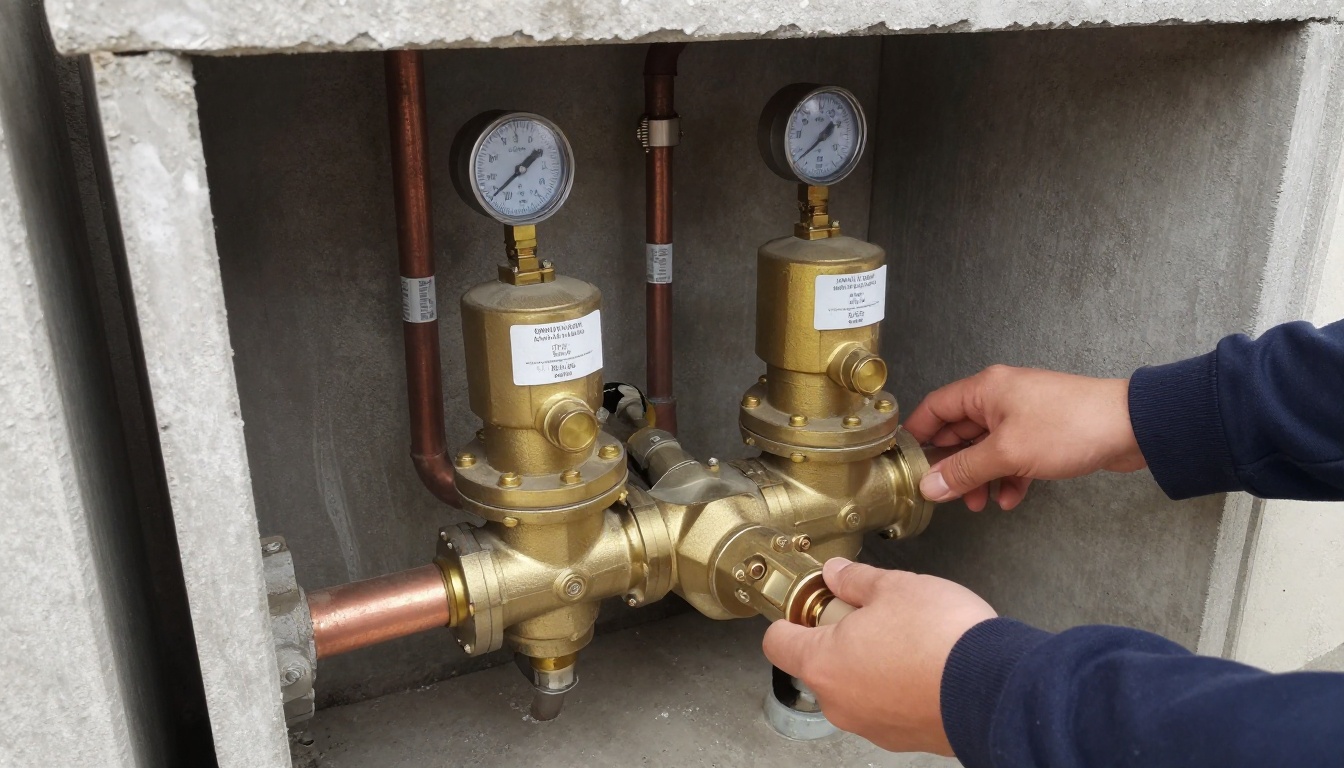
A representative example would be a 17-storey condominium from the late 1980s in Burlington, in an established area between the lake and the QEW. The building had just over 140 suites and a domestic water system made up primarily of copper risers and branches, with a mix of older replacement sections and original valves. Over an 18-month period, the corporation experienced repeated pinhole leaks in hot water recirculation lines and several domestic cold-water failures above corridor ceilings and in suite plumbing chases.
The initial concern was cost control. Management wanted to know whether the building could continue with selective repairs. Leak mapping showed that failures were no longer isolated to one stack or one pressure zone. Several risers had a cluster of incidents on upper and mid-level floors, and planned shutoffs had become difficult because a number of sectional valves would not fully isolate. Residents were also reporting intermittent pressure complaints after repairs.
The diagnosis included a review of leak history, mechanical room inspection, selective openings in common areas, and pressure checks before and after existing PRVs. The finding was that the building was spending meaningful money on reactive work while carrying a growing risk of larger water damage losses. The recommendation was a phased full building re-piping project covering domestic cold, domestic hot, recirculation lines, and replacement of associated isolation valves in accessible zones.
The work was sequenced stack by stack to reduce disruption. Residents received advance notices, suite access windows, and clear shutoff schedules. Temporary protection, dust control, corridor containment, and restoration planning were treated as part of the project rather than an afterthought. The active plumbing phase took roughly six months, with restoration continuing afterward in sequence. The rough market cost for a project of this type in 2026 dollars could reasonably land around $1.2 million to $2.0 million depending on final scope, access difficulty, and finishing requirements.
The key result was not just fewer leaks. It was restoring control: predictable shutoffs, stable pressure management, and a domestic system that could be maintained properly going forward instead of constantly patched.
Costs and timelines for full building re-piping in Burlington
For Burlington corporations, cost depends heavily on scope. “Full building re-piping” can mean anything from domestic risers and recirculation only, to a complete domestic water replacement extending into in-suite branches with coordinated wall and ceiling restoration.
Broad GTA market ranges in 2026 dollars, as estimates only, are often along these lines:
- smaller low-rise multi-residential building with limited riser complexity: roughly $300,000 to $800,000
- mid-size condominium with multiple risers and moderate in-suite work: roughly $800,000 to $2.0 million
- larger high-rise with multiple pressure zones, difficult access, and extensive restoration: $2.0 million and up
Those numbers can move significantly based on:
- suite count and number of wet stacks
- whether pipe replacement extends into each suite or stops at defined connection points
- mechanical room complexity and need for sectional and isolation valve replacement
- asbestos-containing materials or other hazardous materials requiring abatement before openings
- quality of existing drawings and ability to verify routing before demolition
- parking, loading, and material movement logistics
- level of after-hours or noise-managed work required
In Burlington, logistics vary by building type. Older stock may have tighter service spaces, small elevators, and limited staging areas. Some towers have decent loading access; others require careful coordination so materials and debris do not interfere with resident movement. Noise, water shutoff windows, and restoration sequencing all affect schedule. The Ontario Building Code, permit requirements, and the need for licensed plumbing work mean a proper pre-construction plan is essential.
A realistic timeline for a condominium repipe often includes 6 to 12 weeks of pre-construction planning, submittals, procurement, resident communication, and suite scheduling before the first major shutdown. Construction itself may run from a few months to most of a year depending on size and phasing. If the board is in fall budget season now, this is the time to gather numbers and compare them against other capital priorities visible in the reserve fund study.
Property managers should also review adjacent systems while planning the repipe. If the building has aging expansion devices, corroded supports, or pressure-control problems, combining scope can be more efficient than reopening the same spaces later. In some cases, expansion compensator replacement belongs in the same capital conversation.
Repair versus replacement in Burlington: a practical framework
The right decision is not always “replace everything now.” But it should be based on system condition, not optimism.
Repair-heavy strategy may still make sense when:
- failures are limited to a small number of accessible locations
- the pipe material is generally serviceable
- valves isolate properly and shutdowns remain controlled
- leak frequency is low enough that emergency cost and disruption are still manageable
Full or near-full replacement becomes easier to justify when:
- leaks are recurring across different risers or floor ranges
- original materials have reached end-of-life behaviour
- emergency repairs are being done in finished spaces repeatedly
- insurance losses or deductibles are rising
- the building cannot isolate sections reliably
- pressure and water-quality complaints indicate broader internal deterioration
This is where reserve fund discipline matters. Under Ontario’s condominium framework, reserve fund studies and updates are meant to help corporations plan for predictable common-element renewal. Plumbing systems do not always fail neatly on schedule, but when the evidence points to systemic deterioration, treating it as a capital project rather than endless operating expense is often the more defensible board decision.
It is also wise to review whether related maintenance programs can protect the new work once installed. A new domestic water system still needs valve audit, charting and exercise programs, pressure management, and coordinated preventive planning through broader maintenance programs for condominium plumbing systems.
What deferring a Burlington condo repipe really costs
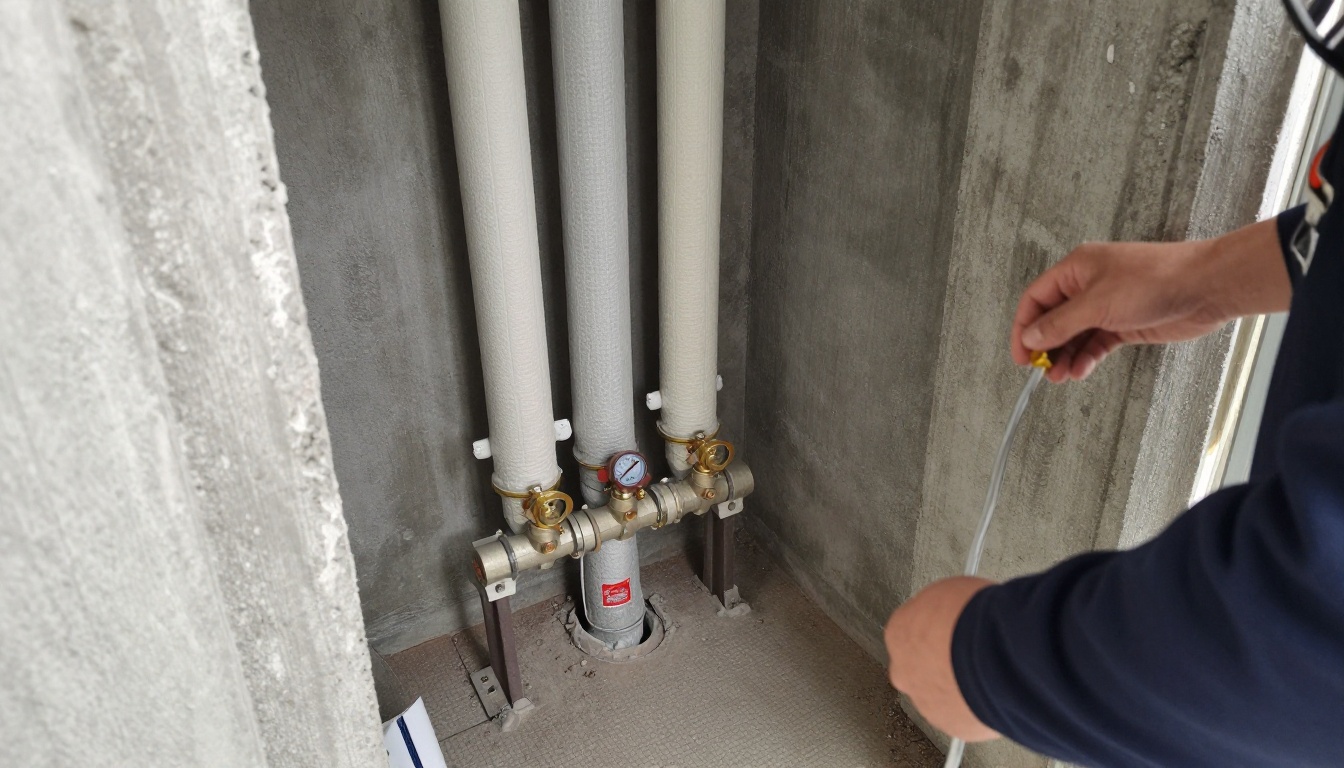
Deferral has a cost even before a major flood occurs. The obvious cost is emergency repair spending, but for most Burlington corporations the larger issue is cumulative disruption and risk transfer.
Repeated leaks mean repeated access notices, resident dissatisfaction, restoration invoices, and management time. Each event also carries the possibility of damage to suites below, elevator lobbies, electrical spaces, or common-area finishes. As claims accumulate, insurers pay attention. Higher deductibles, tougher underwriting questions, and closer scrutiny of loss history are not unusual outcomes.
Deferral also distorts budgets. Money that should have gone into planned capital work gets consumed by after-hours response, temporary fixes, and restoration of the same areas over and over. The board then faces a harder conversation later, when the project is more urgent and less flexible to phase.
There is also a governance aspect. A board that has clear evidence of systemic pipe failure should be making a deliberate decision about scope, timing, and funding, not letting the next leak decide. In some buildings, owner alterations under section 98 agreements have complicated access or hidden piping conditions inside suites, and those issues are easier to manage in a planned project than during an emergency opening.
Fall is often the best season to get ahead of this. Before winter pressure swings, holiday occupancy, and year-end scheduling constraints, Burlington managers can still line up assessments, compare capital plumbing project solutions, and put realistic options in front of the board.
FAQs about full building re-piping in Burlington
When does a Burlington condominium need full building re-piping instead of spot repairs?
A Burlington condo usually reaches that point when leaks are no longer isolated events and the pipe material itself is failing across multiple areas of the building. Common signs are repeated pinhole leaks, heavy internal corrosion, poor flow on upper floors, discoloured water complaints after shutoffs, and valves that no longer isolate properly. When repair crews are opening ceilings or walls every few weeks, the cost and disruption often start to favour a planned condo repipe.
What pipe materials are most often replaced during building re-piping in Burlington?
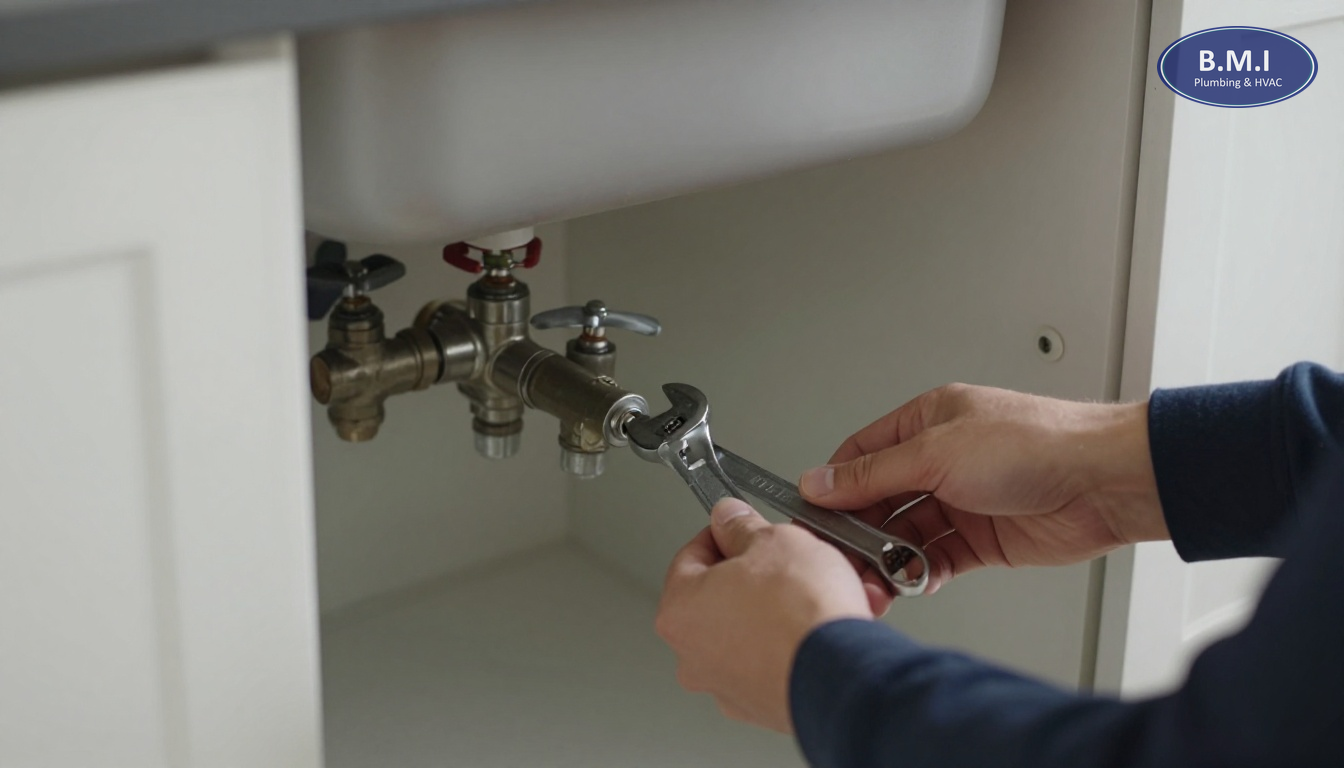
In Burlington multi-residential buildings, the usual candidates are older galvanised domestic water piping, aging copper with thinning walls or chronic pinhole issues, and in some buildings later plastic systems that have become a liability. The exact scope may include domestic cold, domestic hot, hot water recirculation, branch piping, and associated valves. A proper assessment should also review expansion joints, PRVs, backflow assemblies, and fixture stop valves so the new system is not tied into weak components.
How long does a full building re-piping project take in Burlington?
For a mid-sized Burlington high-rise, the active construction period is commonly several months, with the exact duration depending on suite count, number of riser banks, access conditions, and whether the work is phased by stack or by floor. Pre-construction planning, resident notices, material procurement, and mock-ups add time before any water is shut down. Buildings that plan in fall for winter budgeting often target tendering and resident communication early, with site work starting once sequencing and access are fully organized.
What does a condo repipe cost in Burlington?
As a broad market estimate, full building re-piping in Burlington can range from the high hundreds of thousands into several million dollars depending on height, suite count, material selection, access complexity, and the amount of wall and ceiling restoration required. A small low-rise with limited common-area piping is a very different project from a tower with multiple vertical zones and in-suite branch replacement. Boards should ask for separated pricing for plumbing scope, access openings, restoration, temporary water arrangements, and contingency.
Can Burlington corporations phase a building re-piping project over more than one budget year?
Yes, many Burlington corporations phase re-piping by riser group, elevation zone, or building section when reserve fund timing does not support a single large project. That said, phasing only works when the remaining older piping can still operate safely and when the transition points are clearly engineered. A phased plan should also account for repeated mobilization costs, resident disruption, and the risk that emergency leaks force unplanned acceleration.
What should a Burlington board ask for before approving a full building re-piping project?
A Burlington board should ask for a clear condition assessment, proposed scope limits, shutoff strategy, sequencing plan, restoration approach, and assumptions about access to suites and common areas. It is also important to see how the contractor will handle pressure management, flushing, disinfection, temporary bypasses if needed, and final commissioning. Because this is capital work affecting common elements, the board should coordinate with its engineer, reserve fund planning, resident communication process, and legal requirements under the Condominium Act.
Next steps for Burlington property managers and boards
If your Burlington building is seeing repeated domestic water leaks, inconsistent pressure, or growing repair frequency, start by organizing the facts. Pull two to three years of leak history, note all pipe materials known to be in service, and identify which valves and risers are already known trouble points. That gives your engineer and plumbing contractor something better than anecdotes.
From there, decide whether you need an immediate service response, a condition assessment for budgeting, or a capital project plan. BMI serves Burlington and the surrounding GTA from its Toronto shop and works with condominium corporations and multi-residential properties on both urgent plumbing issues and planned replacement projects. If you need supporting examples of similar work, review completed plumbing projects and building references, or contact BMI to discuss whether your building is a candidate for full building re-piping, targeted riser replacement, or interim stabilization.
Contact BMI
- Contact BMI
- Phone: (416) 845-3756
- Emergency: (416) 845-3756, answered 24 hours a day
- Email: info@brial.ca
More on condominium plumbing
Sanitary vs Storm Stack Failures in Toronto Condos
How to tell whether a sanitary stack or storm drain condo issue failed, what evidence to demand, Toronto cost ranges, …
Toilet and Faucet Repairs at Scale in Vaughan Condos
Toilet and faucet repairs at scale in Vaughan condos and rentals. Learn common failures, inspection steps, costs, …
Toronto Condo Stack Cleaning Resident Notice Guide
How to schedule condo stack cleaning with clear resident notice, suite access planning, costs, timelines and shutdown …
Need a plumber in your building?
BMI services roughly 200 condominium and multi-residential buildings across Toronto and the GTA. Emergencies are answered at any hour.