Full Building Re-Piping in Oakville Condominiums
Full building re-piping in Oakville condos: when to replace aging domestic piping, what diagnosis involves, costs, timelines and board decisions.
Full Building Re-Piping in Oakville Condominiums
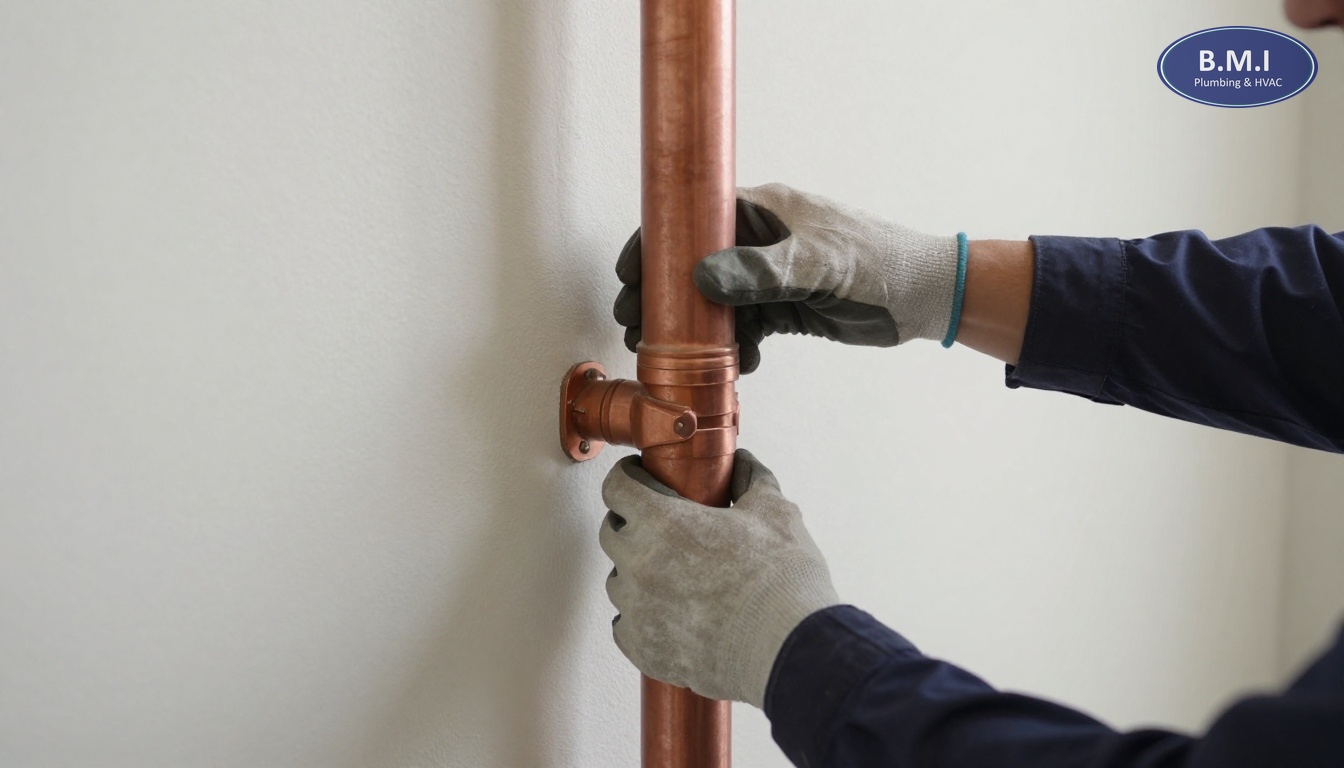
Quick summary: Full building re-piping in Oakville is usually a capital project driven by repeated leaks, failing galvanized or aging copper systems, poor pressure control and rising restoration costs. For condominium boards and property managers, the main job is not just replacing pipe: it is defining the real scope, phasing access through occupied suites and turning a reactive leak history into a planned reserve-funded project.
Why full building re-piping shows up in Oakville buildings specifically
Oakville has a mixed multi-residential inventory, and the plumbing problems are not the same across all of it. In older apartment and condominium buildings closer to established areas south of the QEW and around corridors like Trafalgar Road and Kerr Street, it is not unusual to find domestic water systems that are now well into the latter part of their service life. Earlier buildings may still have galvanized domestic piping or a mix of original galvanized and later copper repairs. Once those systems start pinholing or restricting internally, leak response becomes repetitive and expensive.
Buildings from the late 1980s through early 2000s, including many mid-rise and tower developments around Oakville Place and along Dundas Street, more often have copper domestic distribution. Those systems can last a long time, but after decades of thermal movement, poor support, aging valves and localized water quality effects, the issue becomes less about one bad fitting and more about cumulative system deterioration. Boards often call for pricing on a “few bad risers” and then learn through investigation that the building has no reliable sectional isolation, inconsistent pipe condition and a patchwork of previous repairs.
Oakville’s municipal water is reliable, but from a plumbing design and maintenance standpoint, what matters in a condominium is not just supply quality. It is building pressure management, elevation within the structure and whether the original domestic system still operates the way it was intended. A lower building may get by for years with minimal pressure control issues, while a taller one with aging pressure reducing valves can see pressure swings that stress old copper joints, fixture supplies and valves. That is one reason we often recommend reviewing pressure reducing valve maintenance and replacement when a board begins evaluating a re-pipe.
A local factor that matters in Oakville is access. Some older buildings have relatively generous service spaces, but many occupied condominiums do not. Pipe shafts may be narrow, corridor ceilings may be dense with added cabling and sprinkler work from later upgrades, and loading arrangements can be awkward compared with downtown Toronto towers that were built with larger service areas. Near busier retail nodes like Dorval Crossing or around lakeside buildings with tight visitor circulation, staging material and moving waste out of the building has to be planned carefully. Re-piping is not just a pipe problem; it is an occupied-building logistics problem.
For boards in budget season, full building re-piping should be approached as an asset renewal project, not as an oversized repair. If the reserve fund study is carrying a generic allowance that no longer matches actual leak history, this is the time to update the assumptions with real field information.
How building re-piping problems present in Oakville condominiums
Property managers in Oakville rarely start with the phrase “we need a full re-pipe.” They start with symptoms. Residents report rusty water after shutdowns, long delays getting hot water back on upper floors, low flow at one fixture and high pressure noise at another, or recurring leaks in the same vertical line of suites. Maintenance staff may notice that simple fixture replacements turn into bigger jobs because branch valves do not hold, or because opening one section releases debris from old piping.
In galvanized systems, a common complaint is poor domestic flow that seems to be getting worse year by year. The pipe may still be intact externally, but internally it has tuberculated and closed down. In copper systems, the reports are different: pinhole leaks above ceilings, corrosion at fittings, failed branches in mechanical rooms, or repeated emergency shutdowns because there is no dependable way to isolate one area without affecting many suites.
An Oakville board should also pay attention to the indirect signs. If insurance deductibles have increased after multiple water losses, if after-hours leak calls are becoming routine, or if a growing share of annual maintenance spending is going to ceiling cuts and restorations, the plumbing system may already be functioning as a capital liability rather than a maintainable asset. A review of 24/7 emergency leak response invoices over two to five years often tells that story clearly.
This issue becomes more visible in fall. Before winter, pressure behaviour can change, older valves get exercised during seasonal work and domestic systems that have been limping along all summer start showing weakness. Boards trying to finalize next year’s budget in Oakville are often better served by ordering a proper condition assessment now rather than carrying another year of optimistic repair allowances.
What diagnosis and scope definition involve, and what evidence an Oakville board should insist on
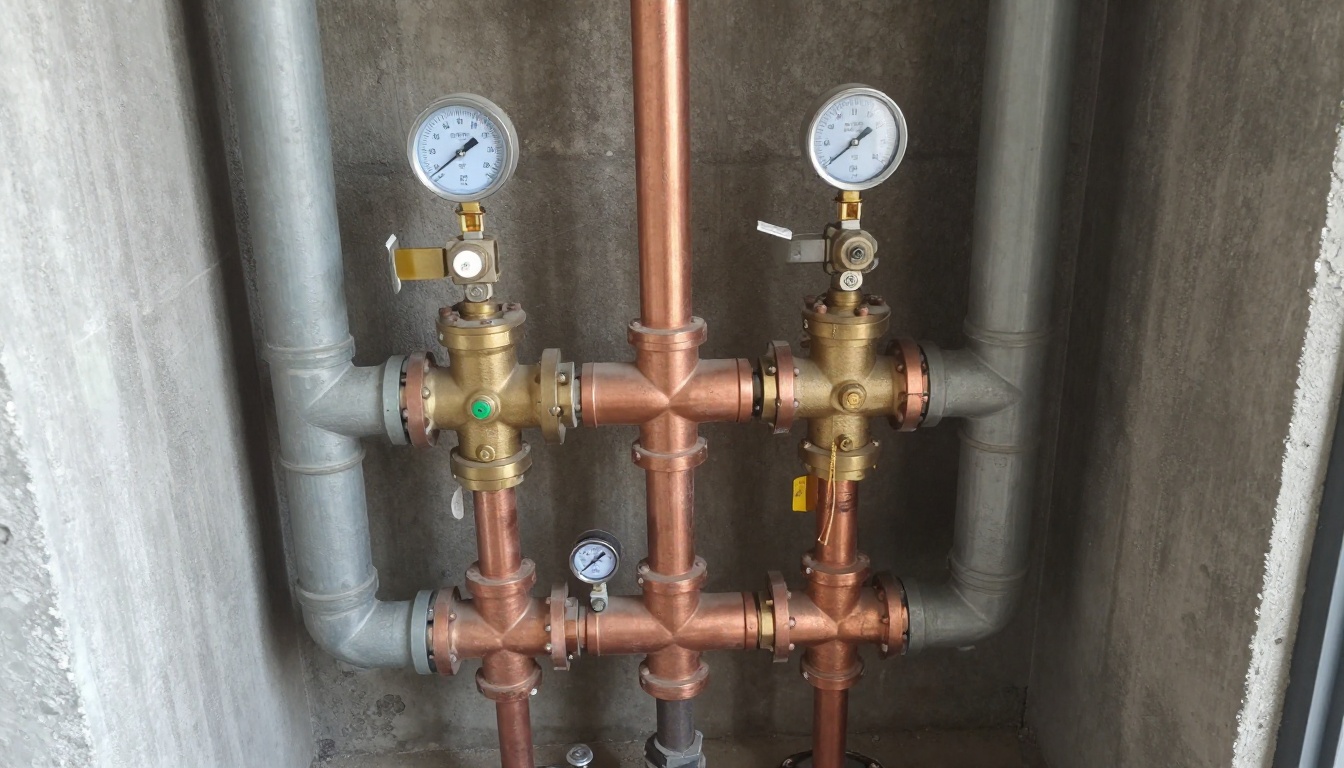
A full building re-pipe should never be approved from anecdote alone. The starting point is a structured investigation. That usually includes a review of leak history by stack and floor line, visual assessment of mechanical room piping, valve operability testing, selective opening in representative suites or common areas, and where appropriate, pipe sampling. In older buildings, camera pipe inspection can help with drain systems, but for domestic water re-piping the key evidence is material condition, wall loss, corrosion pattern, internal restriction, valve performance and access strategy.
Boards in Oakville should ask for evidence in a form they can use for decision-making:
- A map of affected risers, branches and recurring leak locations
- Photographs of representative pipe condition, not just the worst isolated failure
- Notes on which valves hold and which do not
- A clear distinction between domestic cold, domestic hot and recirculation piping condition
- Confirmation of what is original versus what has already been replaced
- A proposed phasing plan for occupied-suite access and shutdowns
This is also the stage to determine whether the project should include associated infrastructure. If original shutoffs are unreliable, sectional and isolation valve replacement should often be included in the same capital plan. If the building lacks a clear record of operable valves, a pre-construction valve audit, charting and exercise program can save major shutdown confusion later. If the domestic system has aging expansion joints or compensators in the mechanical room, bundling expansion compensator replacement may be prudent while the system is already being reworked.
Oakville condominiums also need to keep the regulatory side in view. Plumbing work must be performed by a licensed plumber. If suite alterations have occurred over the years, section 98 alteration records under the Condominium Act can matter because they affect access, responsibility and restoration expectations. If the building has premise isolation backflow prevention, annual testing still has to continue through the project, so it is worth coordinating with a provider that handles backflow prevention testing and certification.
A serious investigation should end with a real scope, not just a budget number. That scope should define whether the project is full domestic replacement, selective riser replacement, branch replacement in suites, or a combination. Too many boards approve a partial project while assuming they are solving a whole-building problem.
A representative Oakville re-piping project
A representative case would be a 14-storey condominium from the late 1980s in central Oakville, not far from Trafalgar Road, with roughly 120 suites. The building had copper domestic water piping, but the leak history had accelerated over four years: repeated pinholes in horizontal hot water branches above corridor ceilings, several suite leaks at branch connections and multiple emergency shutdowns because the original isolation valves would not fully close.
The first symptom reported by management was not a catastrophic flood. It was a pattern of inconvenience and cost: after-hours leak calls, repeated drywall restoration, resident complaints about unreliable shutoffs during fixture work and growing concern from the board that insurance pressure was increasing. A site review found aging PRVs, several inoperable sectional valves and mixed generations of previous repairs in copper and brass.
The diagnosis phase included leak history mapping, selective ceiling openings on representative floors and a mechanical room review. The conclusion was that spot repairs were no longer cost-effective because the failures were distributed across multiple branches and risers, and there was no dependable way to isolate work cleanly. The recommended scope was phased domestic water re-piping of the principal risers and horizontal distribution, plus replacement of critical isolation valves and pressure control components.
Work was carried out stack by stack over about five months, with resident notices issued well in advance and water shutdowns scheduled during daytime windows. Crews protected finishes, opened targeted access points, replaced old copper sections with new domestic piping, pressure-tested each phase and coordinated restoration handoff after plumbing completion. The rough plumbing portion of a project like that might land in the high six figures to low seven figures in the current GTA market, depending on exactly how much in-suite branch replacement and restoration is included.
What made the difference was not just the new pipe. It was the fact that the building came out of the project with documented isolation, more stable pressure control and a capital plan that matched the actual condition of the system. For many boards, that is the real value of a re-pipe.
Costs and timelines for full building re-piping in Oakville
Costs for full building re-piping in Oakville vary too much for a universal unit rate to be honest, but boards still need planning ranges. In the current GTA market, a smaller low-rise or mid-rise with straightforward access and limited restoration may fall into the several-hundred-thousand-dollar range for a focused domestic water replacement scope. A larger occupied tower with complex access, extensive in-suite work, valve replacement, pressure control upgrades and significant restoration can move into the low millions or higher.
What changes the number most:
- Building height and total suite count
- Pipe material being removed and what is replacing it
- Whether work is limited to risers or includes horizontal branches into suites
- Number of access openings required in kitchens, bathrooms and corridors
- Existing valve operability and need for replacement
- Amount of finish restoration included in the plumbing contract
- Scheduling constraints in an occupied condominium
As a rough planning framework for Oakville boards in 2026:
- Investigation and scope definition: often a few weeks to a couple of months, depending on access and reporting
- Tendering and board approvals: commonly one to three months
- Material procurement and mobilization: several weeks
- Construction for a mid-size occupied building: often three to eight months, phased
If the building also needs related work such as domestic water riser replacement in specific zones or a broader project solutions package, timelines should be coordinated early so residents are not disrupted twice.
For fall budgeting, the practical point is this: if your Oakville building is seeing recurring domestic leaks now, waiting until spring to begin investigation may put another winter of emergency response and restoration costs onto the operating budget.
Repair versus replacement in Oakville: a board-level decision framework
Boards often ask whether they can buy another three to five years with selective repairs. Sometimes they can. If failures are isolated to one material type in one area, if valves are operable and if the rest of the system samples well, a phased approach may be rational. But if the building has recurring leaks across multiple locations, uncertain isolation and a mix of original and patchwork piping, reactive repairs can become the most expensive option on a per-incident basis.
The decision should be based on five questions:
- Is the failure pattern local or system-wide?
- Can affected areas be isolated without shutting down large portions of the building?
- Are restoration costs now comparable to or exceeding the pipe repair itself?
- Is there reserve fund support for a planned capital project?
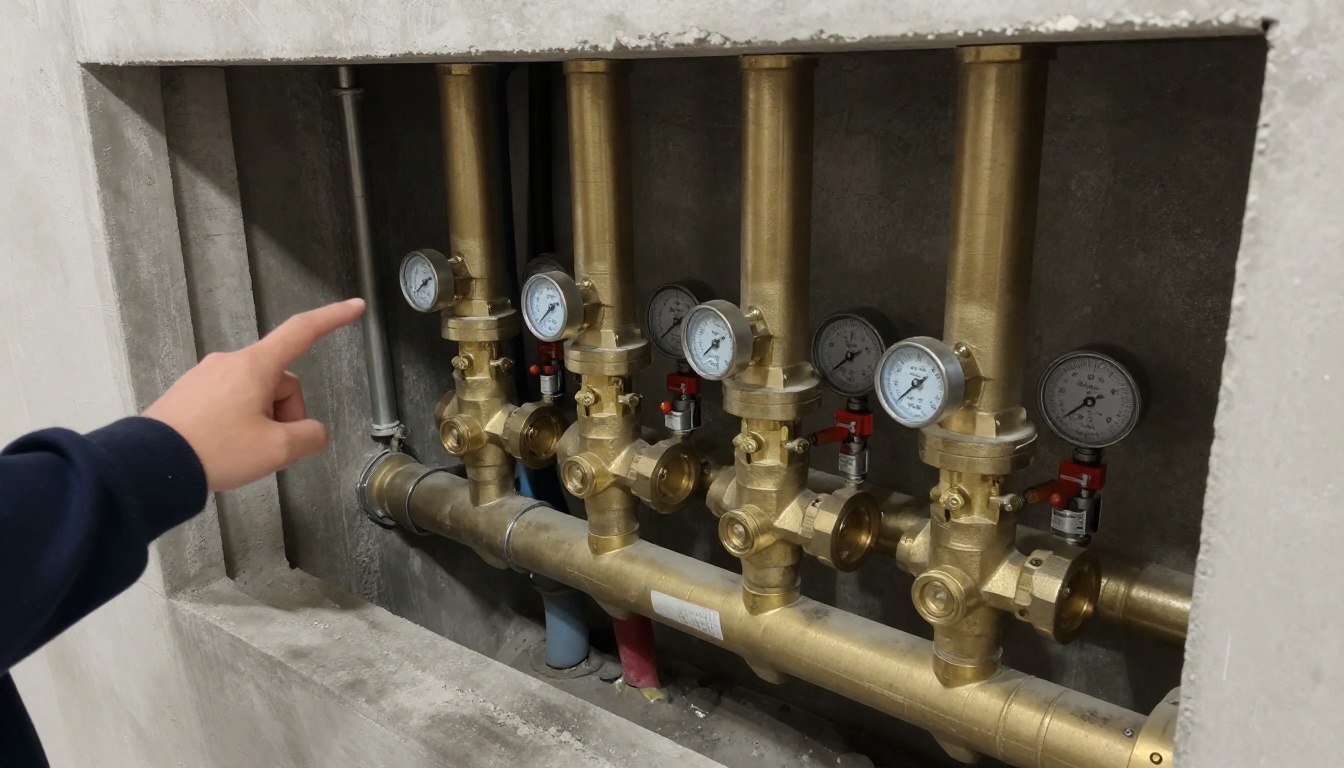
- Will partial work leave other end-of-life components behind, such as PRVs or old valves?
In Oakville condominiums, we often see value in a phased strategy when full immediate replacement is not feasible. That may mean prioritizing the worst risers first, aligning work with suite turnover where practical and combining it with all maintenance programs that reduce interim risk. But phased does not mean indefinite patching. The board should still adopt an end-state plan for the whole domestic system.
What deferring full re-piping costs
Deferring a necessary re-pipe is not cost-free. The most obvious cost is emergency response, but that is usually the smallest line item once the pattern gets serious. The larger costs are restoration, resident disruption, insurance consequences and management time.
Every leak in an occupied Oakville condominium can involve after-hours attendance, investigation, shutdown coordination, ceiling and wall opening, drying, restoration, resident complaints and in some cases chargeback disputes. If alterations exist in suites, section 98 records and standard unit definitions can complicate who pays for what finish. What boards experience as “just another leak” is often a multi-trade event with hidden administrative cost.
There is also the reserve fund issue. If a building continues spending operating dollars on emergency work that should have triggered a capital project, the reserve plan becomes less credible. A proper re-pipe scope allows the corporation to align spending with the reserve fund study cycle and present a defensible capital forecast to owners.
Operationally, deferral also means more shutdown risk. Old valves that are rarely exercised tend to fail when needed most. That is why even before a full re-pipe, a building may benefit from valve audit, charting and exercise programs and targeted in-suite plumbing repairs where active issues are compounding risk.
Finally, there is resident confidence. A board that can explain the problem with evidence, show the phased plan and budget properly will usually face less resistance than a board that appears to be reacting one flood at a time.
FAQs about full building re-piping in Oakville
When does an Oakville condominium usually need full building re-piping instead of spot repairs?
In Oakville, full building re-piping usually enters the discussion when a building has repeated domestic water leaks across multiple risers or branches, not just one isolated failure. We typically see that in older buildings with galvanized steel or aging copper where wall thickness loss, internal corrosion, failing valves and poor pressure control are all showing up together. If leak history, pipe samples and pressure complaints point to system-wide deterioration, isolated repairs often stop making financial sense.
What piping materials are commonly found in older Oakville multi-residential buildings?
In Oakville’s older apartment and condominium stock, it is common to find galvanized domestic water piping in earlier buildings and copper in later 1980s and 1990s construction. Some buildings from the late 1990s into the 2000s may also have specialty systems or mixed-material repairs from previous leak response work. The exact material matters because the failure pattern, access method and replacement strategy are different for galvanized, copper and later plastic systems.
How long does a condo repipe take in Oakville?
A full condo repipe in Oakville is usually planned in phases over several months rather than one continuous building-wide shutdown. A mid-size tower may need pre-construction investigation, mock-ups, resident communication and riser-by-riser execution, with in-suite access scheduled stack by stack. The actual duration depends on suite count, shaft access, ceiling types, whether kitchens and bathrooms are back-to-back, and how much restoration is included in the plumbing contract.
Can Oakville residents stay in their suites during building re-piping work?
Usually yes, but with scheduled water shutdowns and controlled access windows. In Oakville condo repipe projects, residents are commonly asked to provide daytime access for specific dates while crews open ceilings or walls, replace branches, test the new piping and restore service. Boards should expect some temporary inconvenience, especially in older buildings with tight chases and limited alternate routing.
What does full building re-piping cost in Oakville?
For Oakville multi-residential buildings, full building re-piping costs vary widely based on height, suite count, pipe material, access conditions and the amount of finishing restoration. As a broad GTA planning range, domestic water re-piping in an occupied condominium can run from the high hundreds of thousands into several million dollars. Boards should treat any early number as a budgeting estimate until destructive investigation, scope definition and phasing are complete.
Should an Oakville board coordinate PRVs, valves and backflow work during a re-pipe?
Yes. In Oakville, a re-pipe is often the right time to bundle related infrastructure that is already at end of life, including isolation valves, pressure reducing valves and premise isolation backflow assemblies where applicable. Coordinating these items avoids reopening finished areas later and helps the new piping system start with proper pressure control, operable shutoffs and documented testing.
Next steps for an Oakville board considering a condo repipe
If your Oakville building has moved beyond isolated plumbing incidents and into a pattern of repeated domestic water failures, the next step is to get from symptoms to scope. That means collecting leak history, confirming pipe materials, testing valve operability, reviewing pressure control and deciding whether the project is selective replacement or true full building re-piping.
BMI serves Oakville and the surrounding GTA from its Toronto shop and has worked in roughly 200 condominium and multi-residential buildings over 20 years. If you need help with investigation, budgeting or a phased capital plan, review our completed projects and building references, explore our broader repairs and service capabilities for interim risk management, or use our contact page to request a quote or site review.
Contact BMI
- Contact BMI
- Phone: (416) 845-3756
- Emergency: (416) 845-3756, answered 24 hours a day
- Email: info@brial.ca
More on condominium plumbing
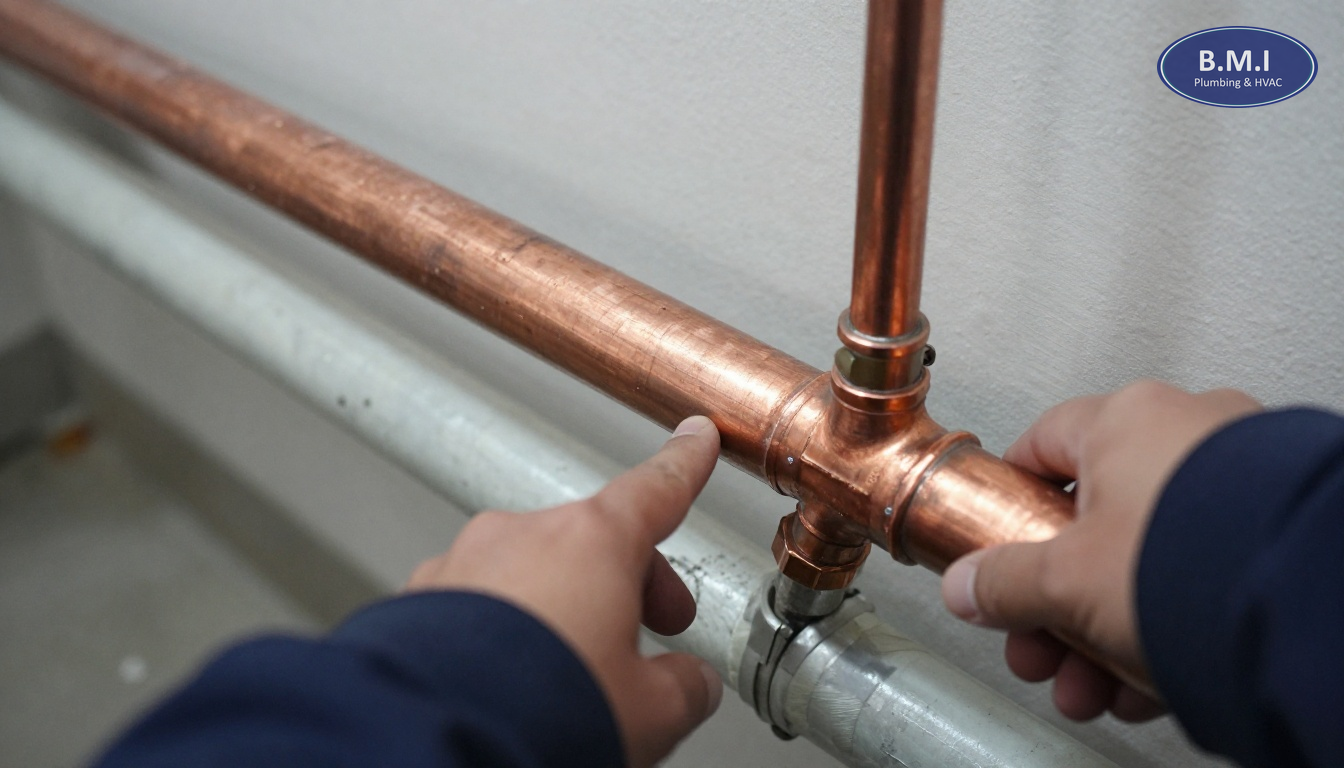
Full Building Re-Piping in Burlington Condominiums
What full building re-piping in Burlington involves, when condo repipe work makes sense, and typical costs, timelines, …
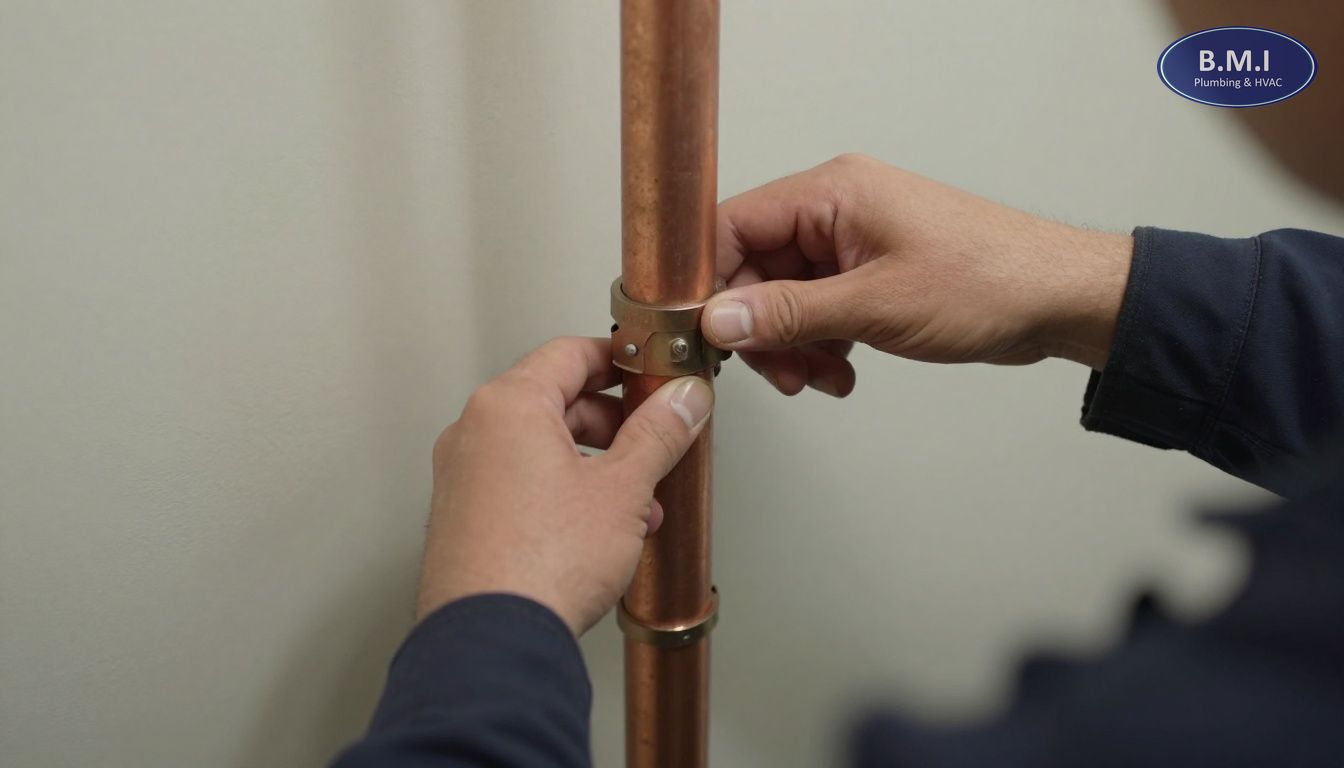
Domestic Water Riser Replacement in Oakville Condos
Domestic water riser replacement in Oakville condos: signs, inspection, costs, timelines and how boards plan a condo …
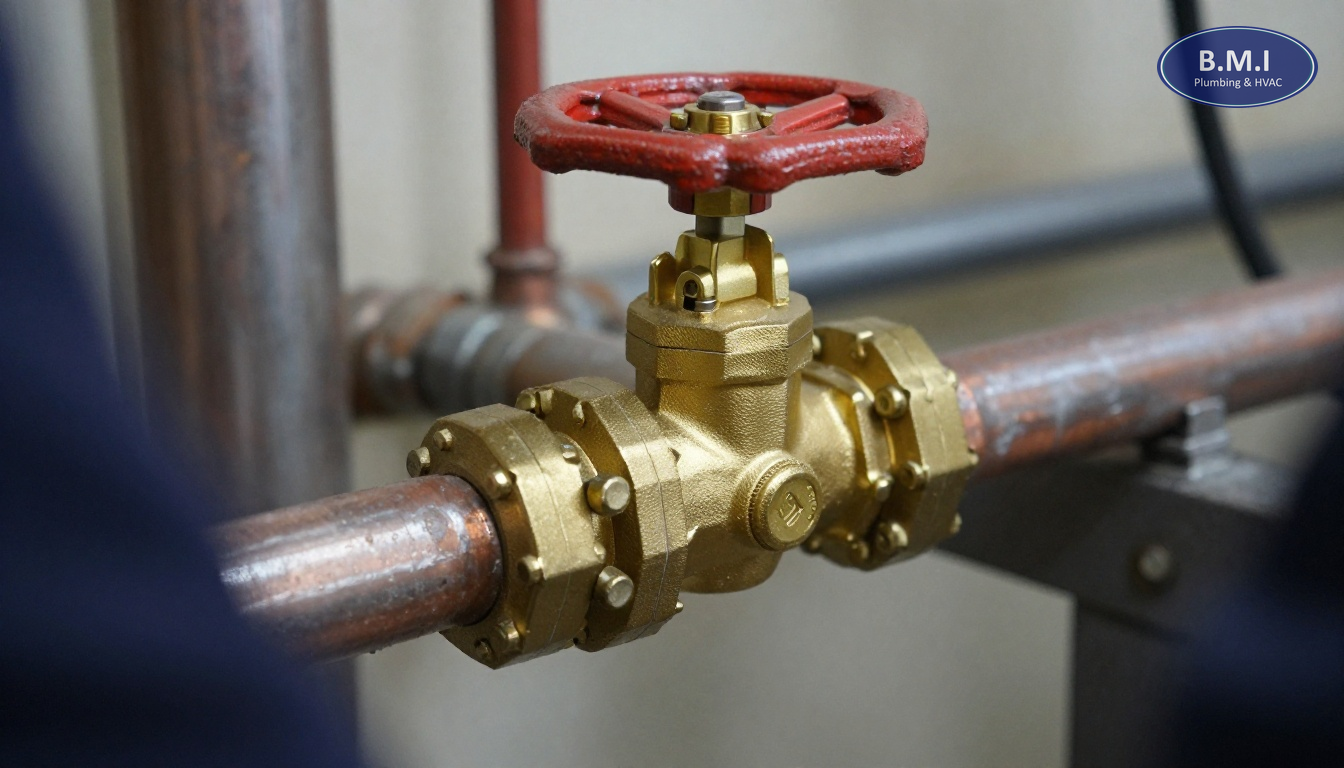
Sectional and Isolation Valve Replacement in Oakville
Sectional and isolation valve replacement in Oakville condos: costs, timelines, diagnosis and planning for safer …
Need a plumber in your building?
BMI services roughly 200 condominium and multi-residential buildings across Toronto and the GTA. Emergencies are answered at any hour.