Galvanised Pipe Replacement in Toronto Condos
Galvanised pipe replacement for Toronto condos: how old condo piping fails, what it costs, and when pre-1980 buildings should act.
Galvanised Pipe Replacement in Toronto Condos
Quick summary: If your condominium was built before 1980 and still has galvanised steel domestic water piping, the question is usually not whether it will become a capital project, but whether the board starts on its own schedule or after a leak pattern forces it. In Toronto, North York, Etobicoke and Mississauga, many 1960s and 1970s towers are now beyond the point where isolated repairs are the economical option, because the real problem is not just leaks — it is internal corrosion, flow loss, failed valves, and shutdown risk across the whole system.
A common misconception is that old galvanised piping is acceptable as long as it is not actively leaking. In practice, by the time residents are reporting weak shower pressure on upper floors, brown water after routine shutoffs, and repeated threaded-joint leaks in riser closets, the pipe has often already lost a meaningful percentage of its internal diameter. Boards that treat this as a maintenance issue instead of a capital-planning issue usually spend two or three years paying emergency invoices before approving the same replacement they could have tendered in a controlled way.
The real issue is not age alone — it is diameter loss, pressure loss, and shutdown risk
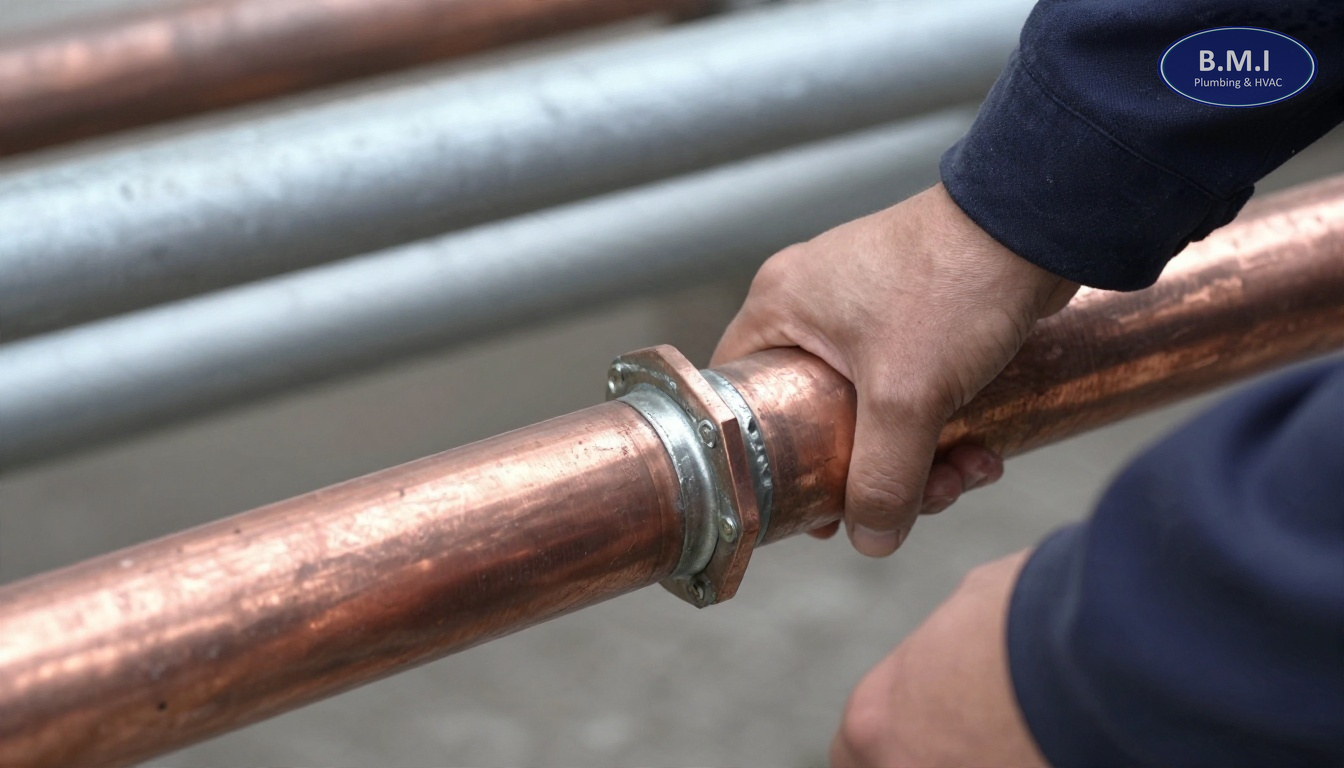
In pre-1980 concrete high-rises, galvanised steel piping was commonly used for domestic cold water, and in some buildings for hot water distribution as well. On paper, a 1 1/2-inch or 2-inch riser may still exist. In reality, after decades of internal corrosion and mineral buildup, the effective bore can be dramatically smaller. We have cut out sections where a nominal 1-inch branch had an opening closer to 3/8 inch because of tuberculation. That is why a building can have “good pressure” at the pump or city service and still have poor fixture performance in suites.
This matters most in taller 1970s towers in Toronto and Scarborough where static pressure at the base may be 110 to 140 psi, then reduced through zoned pressure stations or pressure reducing valve assemblies. If the pipe wall is rough and the inside diameter has narrowed, friction loss rises sharply under demand. A resident experiences that as a shower that drops off when another fixture runs, but the real issue may be several floors below in the riser. Before budgeting, it is worth pairing replacement planning with a review of the building’s PRV maintenance program, because bad pressure control can mask or worsen an already weak piping system.
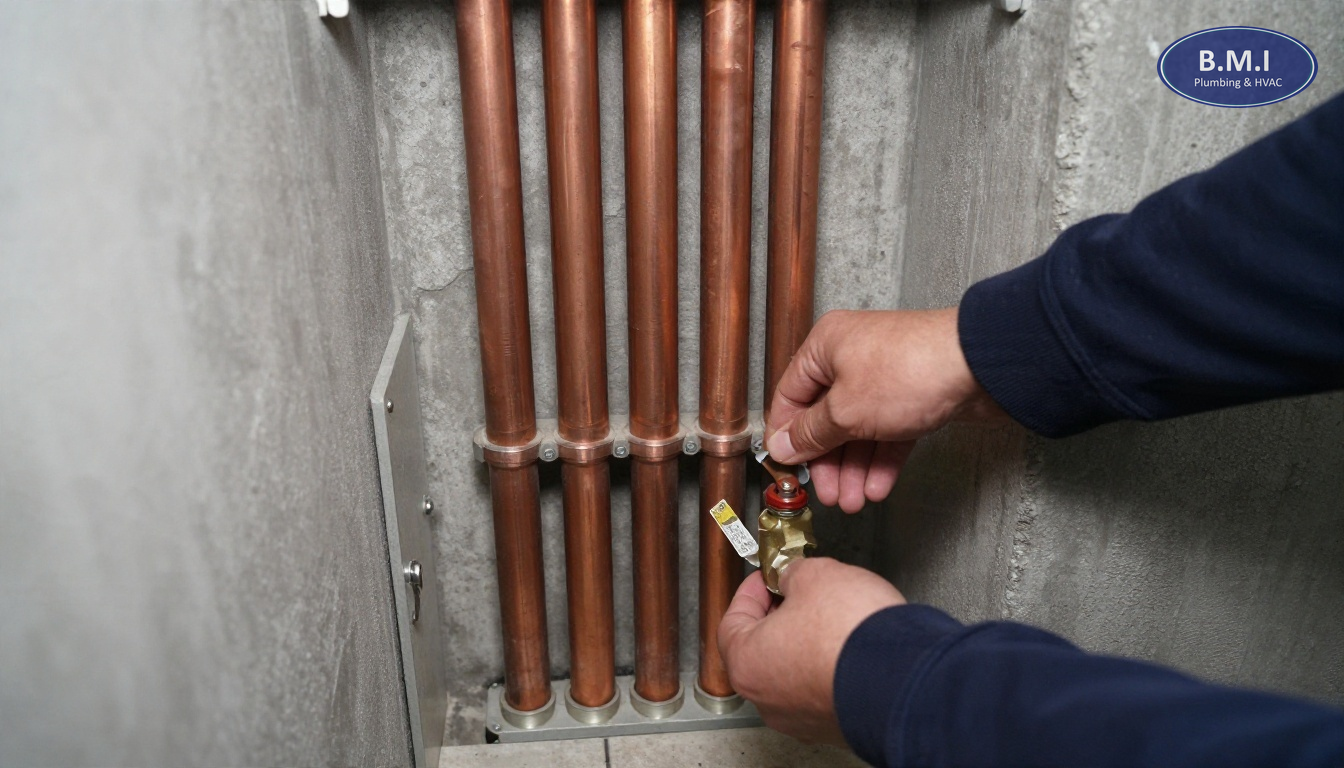
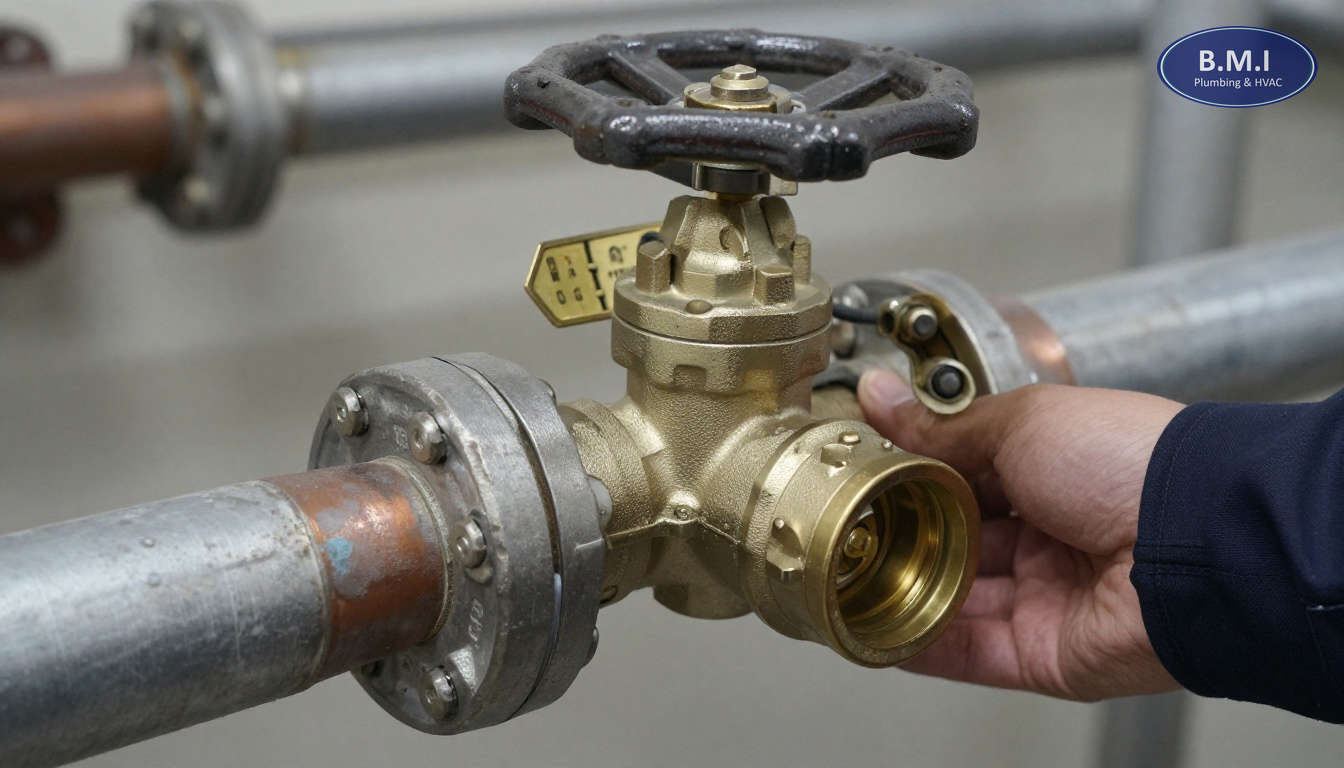
Another risk that boards underestimate is shutdown performance. Old threaded galvanised systems rarely age gracefully when you start operating valves. Isolation valves seize, stems leak, and sections that have sat undisturbed for 40 years suddenly release debris after the line is disturbed. That is why a simple branch repair in an older building can turn into a wider shutdown or an emergency valve replacement. If your building has never completed a proper valve audit, it is difficult to promise residents a clean, limited shutdown during any piping project.
Why pre-1980 buildings are now at the tipping point
The age band matters. In Toronto, East York, York and older parts of Mississauga, many condominium and purpose-built rental towers completed in the late 1960s through late 1970s are now 45 to 60 years old. Galvanised steel can physically remain in service that long, but the failure curve gets steeper because several problems stack on top of each other:
- Zinc coating depletion: The protective galvanising layer is long gone in many systems, exposing the base steel.
- Threaded-joint vulnerability: Leaks often start at fittings, tees and transitions where wall thickness is already compromised.
- Internal tuberculation: Rust nodules and mineral deposits reduce diameter and create rough flow surfaces.
- Mixed-metal transitions: Old repairs that tie steel to copper without proper dielectric separation accelerate corrosion at the connection.
- Valve obsolescence: Original gate valves frequently no longer isolate reliably, which turns routine work into invasive work.
A common mistake we see in early 1970s North York high-rises is relying on leak count alone. Leak count is a lagging indicator. The more useful question is whether the building still has enough controllable sections to repair failures without affecting dozens of suites. If each repair requires a broad shutdown because sectional valves no longer hold, the cost of deferral is not just water damage. It is resident disruption, after-hours labour, and management time.
There is also a reserve fund reality. In Ontario, many corporations wait for a Class 1 or Class 2 reserve fund study update to move piping projects higher on the plan, but by the time leak frequency clearly shows up in the operating budget, the reserve study may already be behind the field condition. For boards preparing next year’s capital budget in the fall, this is often the moment to get a site-based opinion and compare it with the reserve fund assumptions, rather than discovering in February that emergency failures have overtaken the study.
If the building is considering broader infrastructure work, galvanised replacement should be looked at alongside domestic water riser replacement, valve replacement, and in some towers a larger building re-piping strategy. Treating these as separate issues can create duplicated openings, repeated shutdowns, and higher restoration cost.
How galvanised piping problems actually show up in a condo
Property managers are rarely told “our galvanised risers are reaching end of life.” They hear fragments from residents and supers. The pattern matters.
Resident complaints that point to system deterioration
Specific complaint patterns are more useful than general comments about “bad water pressure.” Examples that often point to old condo piping rather than a single fixture issue include:
- Upper-floor suites lose flow most noticeably between 6:30 and 8:30 a.m., but lower floors do not.
- Water runs discoloured for a few minutes after any building shutdown, even a planned one.
- A toilet fill valve or shower cartridge clogs repeatedly with debris after repairs elsewhere in the stack.
- A kitchen faucet has acceptable cold-water flow but weak hot-water flow in multiple suites on the same line, suggesting hot side restriction or recirculation issues.
- Repairs are clustering on one vertical line of suites, usually around fittings, not random fixture failures.
That last point is often the one that makes the case to a board. If leaks follow a vertical pattern — for example, units 04 on floors 6, 11 and 17 over an 18-month span — you are no longer looking at bad luck. You are looking at a riser with a condition history.
What the operator sees that residents do not
Building operators often notice the bigger warning signs first: pressure gauges that fluctuate more than expected, branch valves that cannot be trusted, rust staining at threaded couplings in riser closets, and an unusual amount of fixture cartridge fouling after shutdowns. In waterfront buildings and taller towers, pressure swings in colder months can expose weak spots because the system sees different demand patterns and more frequent heating-related maintenance shutdowns. Fall is the right time to review this before winter emergency access becomes harder and holiday staffing gets thinner.
If the building is also dealing with recurring drain issues, keep the scopes separate. Galvanised domestic water piping is a supply-side problem; cast iron stack issues are drainage. They often coexist in the same vintage of building, but they need different evidence and different budgets. For drainage symptoms, a camera inspection or drain cleaning program may be the right first step; for old supply piping, the evidence usually comes from cut-outs, pressure testing and leak mapping.
What a proper diagnosis looks like before you approve a project
Boards should insist on evidence that supports the scale of recommendation. “The pipes are old” is true but not enough.
A useful pre-project review typically includes:
- Leak history by location and date — not just total leak count, but the vertical and horizontal pattern.
- Pressure readings at the incoming service, after PRVs, and at representative upper and lower floors.
- Visual review of accessible piping in mechanical rooms, service corridors and riser closets.
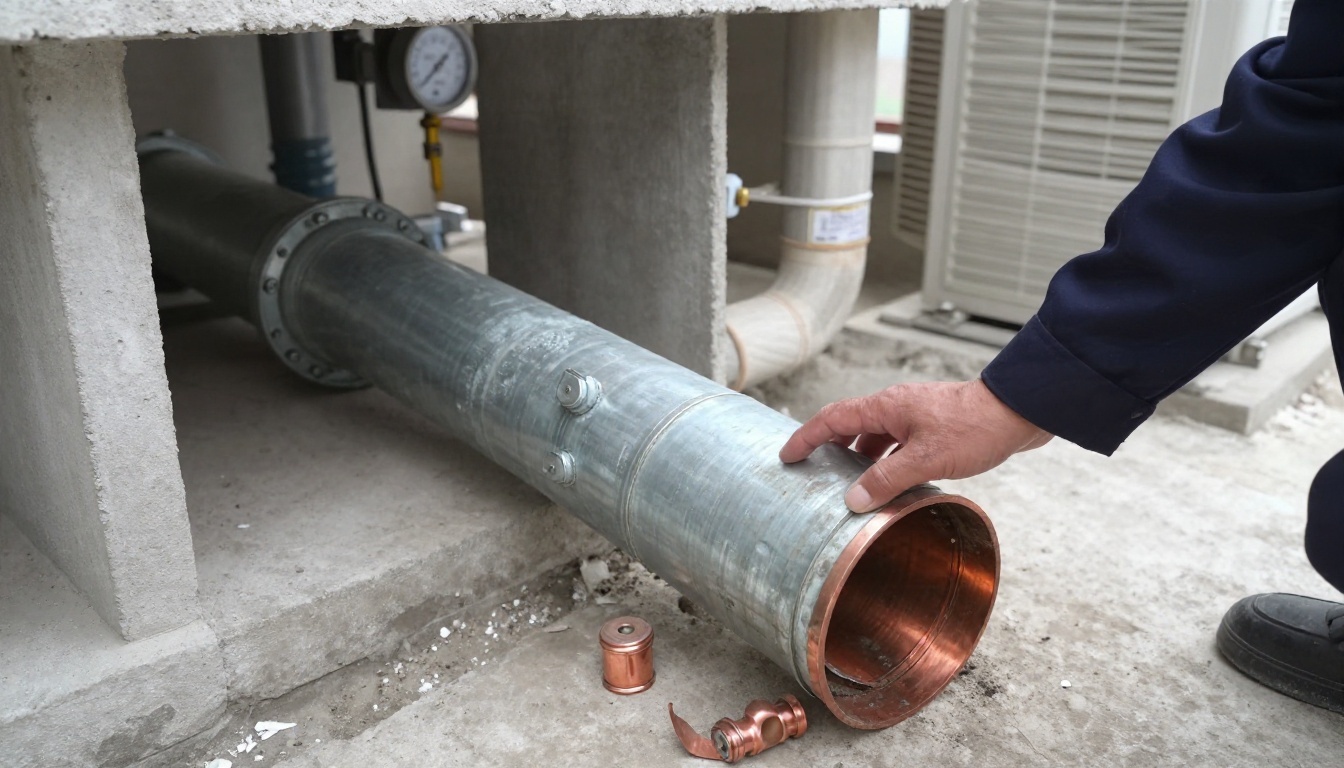
- Cut-out samples from at least one problem area, showing wall condition and internal buildup.
- Valve condition assessment to determine whether sectional shutdowns are realistic.
- A written scope boundary showing what is common element, what is in-suite branch work, and what restoration assumptions are included.
In many buildings, the decision is less about proving that the pipe is old and more about proving whether a phased replacement is feasible. On a 20- to 30-storey tower, replacing one or two worst risers first can be sensible if failures are concentrated and isolation is workable. But if the building has no dependable sectional isolation, a piecemeal strategy can create repeated resident disruption with no real savings. That is why a project solutions review should be tied to the valve map, not just the leak log.
A second opinion is worth getting when the proposed scope jumps from “repair a few sections” to “replace everything” without intermediate evidence. The right answer is not always full replacement immediately. In some 8- to 12-storey slab buildings in Etobicoke or York with accessible pipe chases and limited leak history, a staged approach can buy time. In a 25-storey North York tower with repeated failures, no functioning sectional valves, and major diameter loss, the same delay usually costs more than it saves.
Repair, partial replacement, or full re-pipe: a decision framework
The financially defensible decision is usually one of three paths.
Option 1: Continue with repairs for 12 to 24 months
This can make sense when:
- leaks are infrequent and isolated,
- failures are on accessible branches rather than multiple risers,
- pressure complaints are limited,
- sectional valves still isolate reliably,
- and the board needs one budget cycle to prepare.
This is not a long-term strategy. It is a controlled delay. If you choose it, pair it with a formal maintenance program review and a schedule for capital planning, otherwise the building simply drifts into reactive spending.
Option 2: Replace the worst risers or zones first
This is often the best fit where one stack line or pressure zone is clearly failing faster than the rest. It works best when the building has enough isolation to separate risers and enough access to reopen the same chase line efficiently. In practice, phased work often starts with hot and cold domestic risers serving a vertical bank of suites, typically 3/4-inch to 2-inch depending on the building and floor grouping.
The risk is inconsistency. Once one zone is upgraded, the remaining old galvanised areas can become the next weak link, especially where new copper or PEX ties into old steel. Transition design, dielectric treatment, and flushing matter. A partial project should not be sold to the board as a permanent fix unless the engineer or contractor can show why the remaining system is expected to perform.
Option 3: Full domestic water riser replacement or building re-pipe
This is usually justified when the building has:
- repeated leaks on multiple risers,
- broad pressure and flow complaints,
- unreliable original valves,
- inaccessible or heavily corroded threaded assemblies,
- or reserve fund timing that supports a coordinated project.
A full building re-piping project is disruptive, but it is also the point where the corporation regains control. It allows proper valve sequencing, standardized materials, coordinated restoration, and realistic owner communication. It also reduces the hidden cost of repeated emergency access, after-hours premiums, and insurance deductibles that do not show up neatly in reserve planning.
What replacement costs look like in the Toronto market
No serious contractor should give exact pricing without seeing the building, but boards still need planning numbers. These are budget-level GTA ranges, not quotations.
| Scope | Typical budgeting range | Notes |
|---|---|---|
| Isolated galvanised branch repair | $1,200-$4,000 per occurrence | Accessible repair only; after-hours emergencies and restoration extra |
| Sectional isolation valve replacement | $1,500-$6,000 per valve | Depends on size, access, shutdown complexity, bypass needs |
| Domestic water riser replacement | $25,000-$90,000 per riser group | Varies by height, suite count, finishes, shaft access |
| Per-suite budgeting for larger riser projects | $3,500-$8,000 per suite | Includes broad project conditions, not just pipe labour |
| Full older high-rise re-pipe | High six figures to several million dollars | Depends on 50 units vs. 300+ units, riser count, restoration scope |
Three cost drivers matter more than boards expect:
- Access and restoration, not just pipe material. Opening tiled shower walls costs more than opening drywall bulkheads.
- Shutdown control. If old valves do not isolate, the building may need temporary shutdown windows, bypasses, or pre-work valve replacement.
- Working hours and resident occupancy. Evening or staged work can reduce disruption but increase labour cost.
Material choice also affects budget. Copper Type L generally costs more in installed labour than many PEX systems, but in some buildings it reduces support and coordination headaches in risers. PEX can lower labour and opening sizes, especially in tight suites, but the savings disappear quickly if the building has complex firestopping, long horizontal runs, or difficult restoration conditions. The right comparison is not “copper versus PEX” in isolation; it is “which material gives the cleanest install in this shaft and this suite layout.”
For boards also considering water-consumption improvements, this is sometimes the right moment to evaluate devices such as an MEV water-saving valve if the building has pressure-related consumption issues. It does not replace piping work, but in some systems it can complement broader domestic water upgrades.
Timelines, shutdowns, and resident logistics
This is where many projects succeed or fail.
On a mid-size 12-storey building, a focused riser replacement program might run 4 to 8 weeks depending on the number of risers, suite access, and restoration scope. On a 25- to 35-storey tower, a broader project can extend 3 to 6 months once mobilization, openings, pipe replacement, inspections, firestopping and wall repairs are included. Pipe installation is only part of the schedule; access coordination is often the actual critical path.
A realistic production rate for in-suite piping work is often 4 to 10 suites per day per crew, depending on whether the crew is opening, replacing and temporarily restoring, or only performing pipe work with separate restoration trades following. Buildings that assume every resident will provide smooth access usually lose time. In occupied towers, missed entries and owner scheduling can add a week or more per phase.
Notice periods and access planning
For condominium corporations, the workflow matters as much as the plumbing. Good planning usually includes:
- preliminary resident notice before tender or award,
- formal suite entry notices in line with condominium requirements,
- elevator booking and protection,
- designated shutdown windows,
- temporary water plans where needed,
- and a written process for chargebacks when owner alterations complicate access.
In Ontario condos, the friction point is often common element versus in-suite responsibility. If the corporation is replacing a common element riser but an owner’s renovated vanity or custom tile enclosure makes access harder, the declaration and any section 98 agreement may determine who pays for extra restoration. Boards should clarify that before the first wall is opened, not during the first dispute.
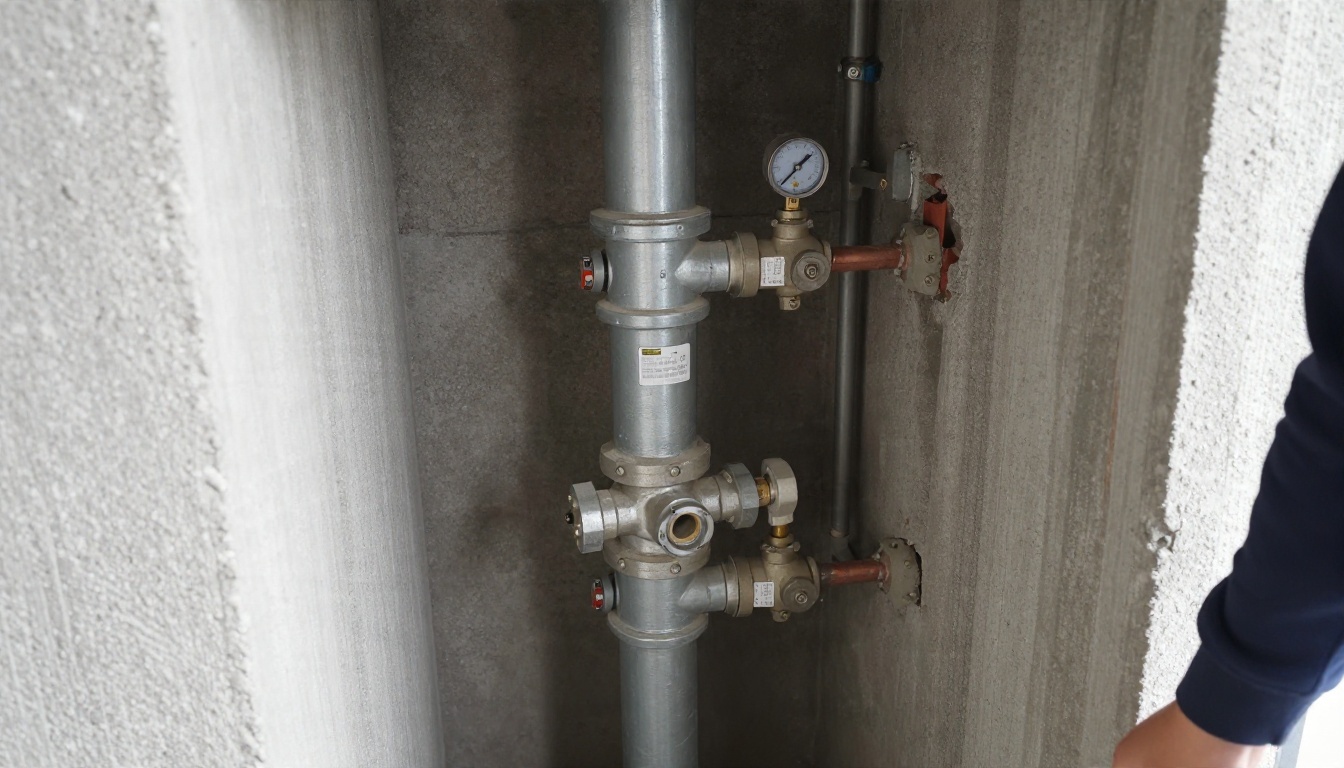
If shutdown control is poor, some buildings need pre-work valve replacement or even a complete valve audit and charting program first. That can feel like extra cost, but it is often what turns a chaotic project into a manageable one.
What happens if the board defers it another year
Sometimes deferral is reasonable. Sometimes it is expensive denial.
If the building has limited leak history, decent flow, and working isolation, waiting a year to align with reserve funding may be sensible. But boards should understand what they are accepting if they defer in a building already showing broad galvanised failure:
- Higher emergency repair frequency, often at after-hours rates.
- Wider shutdowns, because old valves fail when used.
- More resident claims and frustration, especially after repeat brown-water events.
- Higher insurance exposure, particularly if one leak damages multiple stacked suites.
- Poor tender position, because emergency decision-making reduces time for proper scoping.
The insurance issue is not theoretical. In multi-residential buildings, one domestic water failure can affect three, six, or ten suites vertically and horizontally depending on layout. Even where the corporation ultimately recovers some costs, the deductible and management burden are real. Insurers and adjusters also look at maintenance history. A documented pattern of recurring leaks with no capital response is harder to defend than a building that can show it investigated, planned and budgeted the issue.
From a budget-season standpoint, fall is the right time to get evidence in front of the board. Waiting until winter means trying to plan a major piping project while also dealing with holiday occupancy, weather-related response delays, and the usual year-end backlog of mechanical work. If your building already has old supply piping and has not reviewed its broader plumbing priorities, this is also a good time to line that up with backflow prevention testing, PRV review, and seasonal maintenance planning.
A practical next step for managers and boards
If your building was constructed before 1980 and still has original or mostly original galvanised domestic water piping, the next step is not to panic and it is not to keep patching blindly. It is to get a site-based condition review that answers four board-level questions:
- Is the problem localized or building-wide?
- Can the existing valves support phased work?
- What is the realistic 12-month risk if the project is deferred?
- What budget range should go in front of the board now?
BMI attends the building before quoting because old condo piping is never just about the pipe. It is about access, shutdown control, restoration, resident communication, and whether the corporation is solving the right scope. In many buildings, the most useful first deliverable is not a sales pitch but a clear recommendation: repair for one more budget cycle, replace the worst risers now, or start planning a full riser replacement project.
If your board is comparing options, it is also worth reviewing completed multi-residential work to see what similar buildings have done. BMI’s project portfolio and broader repairs and service capabilities are relevant because many towers need both capital planning and interim leak response while the project is being approved.
FAQs
How long does galvanised steel piping usually last in a condo building?
In GTA condominium buildings, galvanised domestic water piping often gives 40 to 60 years of service, but the useful life is not the same as the leak-free life. A 1970s Toronto or Scarborough high-rise may still have pipe in the walls that technically holds pressure, while the inside diameter has already closed down enough to cause poor flow, recurring pinhole leaks at threads, and brown-water complaints after shutdowns. Once a building is into that age band, decisions should be driven by condition evidence, not by hope.
Can a few local repairs buy time instead of full galvanised pipe replacement?
Sometimes, but only if the failure pattern is still isolated. If a building has one or two accessible leaks a year on branch lines, local repair and a camera inspection or opening program may reasonably buy 12 to 24 months while the board budgets. If there are repeated leaks on multiple risers, pressure complaints on upper floors, seized isolation valves, and visible tuberculation at every cut-out, patching usually becomes the expensive way to avoid making a capital decision.
What does galvanised pipe replacement cost in Toronto-area condos?
As a broad GTA budgeting range, domestic water riser replacement in an older high-rise often lands around $3,500 to $8,000 per suite depending on access, finishes, temporary water logistics, and whether hot, cold and recirculation lines are all included. On a per-riser basis, many projects fall roughly between $25,000 and $90,000 per vertical line group, while full building re-piping can run from the high six figures into several million dollars. Those are planning numbers only; actual pricing varies sharply between a 12-storey Etobicoke slab and a 30-storey North York tower with tight shafts and poor valve isolation.
Who pays for old condo piping replacement: the corporation or the unit owner?
In most condominiums, vertical domestic water risers and common distribution piping are common elements, so replacement is typically a corporation cost funded through operations or the reserve fund. The complication is in-suite branch lines and prior owner alterations, especially where bathrooms or kitchens were moved under a section 98 agreement or similar indemnity arrangement. Managers should check the declaration and standard unit definition before promising owners that every pipe behind every wall is automatically the corporation’s responsibility.
What evidence should a board ask for before approving a riser replacement project?
Ask for more than photos of one leak. A defensible recommendation should include pressure readings at low and high floors, a map of leak history by riser, cut-out samples showing internal corrosion or tuberculation, valve condition notes, and a written scope distinguishing risers, branches, shutoffs and wall restoration. On larger projects, boards should also expect phased shutdown planning, suite access assumptions, and coordination details for valve replacement where old sectional isolation will not hold.
Is PEX always better than copper when replacing galvanised steel piping?
Not always. Copper Type L remains a strong choice in many Toronto high-rises because it is rigid, familiar to consultants, and performs well when water chemistry and support are handled properly, but it usually costs more in labour and can be less forgiving in tight retrofit shafts. PEX can reduce opening sizes and speed suite work, but it needs proper support, protection at penetrations, and careful design around recirculation, pressure and firestopping; material choice should follow the building layout, not a blanket preference.
Contact BMI
If your pre-1980 building is still relying on original galvanised domestic water piping, this is the right season to get real numbers in front of the board before winter failures and next year’s budget cycle overtake the decision. A site review now can tell you whether you have another year, whether one riser group should be done first, or whether you are already in full replacement territory.
- Contact BMI
- Phone: (416) 845-3756
- Emergency: (416) 845-3756, answered 24 hours a day
- Email: info@brial.ca
For related reading, see BMI’s blog.
More on condominium plumbing
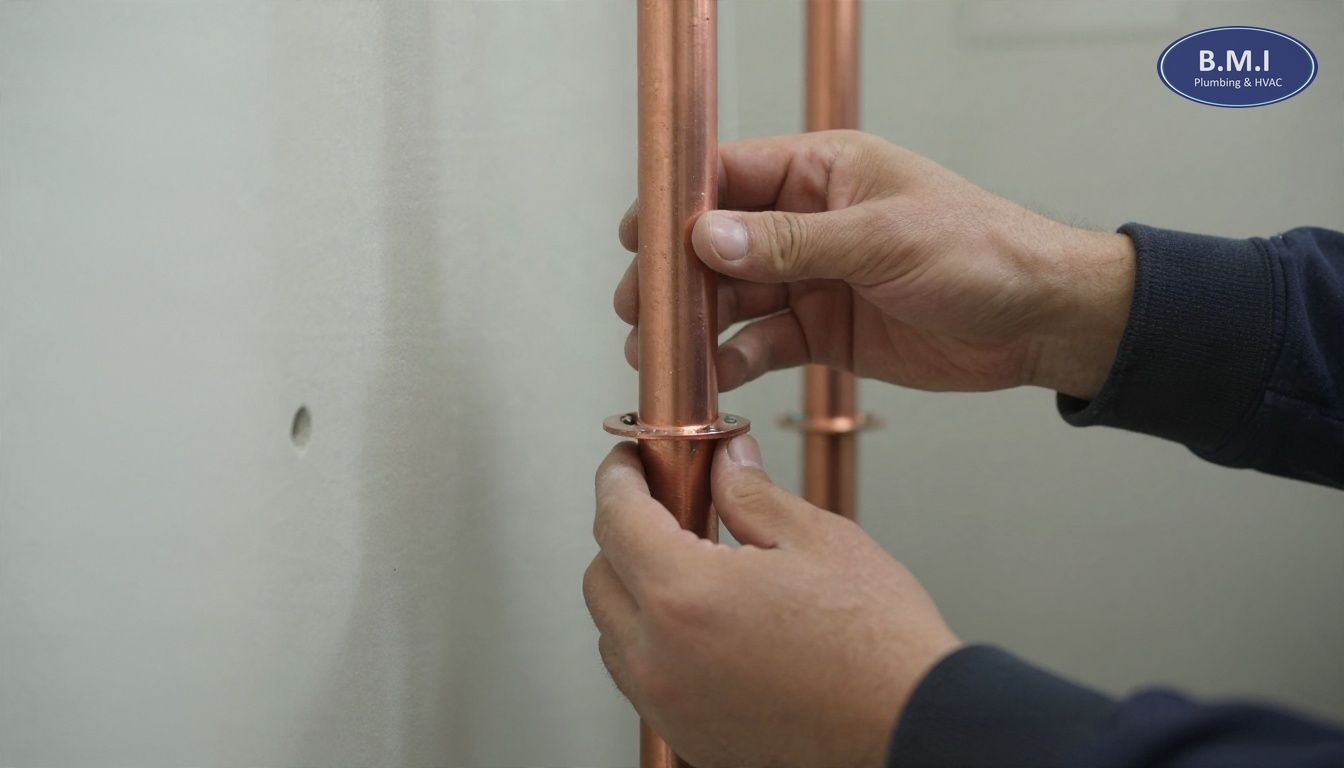
Signs Your Toronto Building Needs Riser Replacement
Learn the real riser replacement signs in Toronto condos, including pinhole leaks, pressure issues, costs, timelines and …
Domestic Water Riser Replacement in Toronto Condos
What a condominium should expect from domestic water riser replacement in Toronto: costs, timelines, shutdowns, suite …
Adding Riser Isolation Valves in Toronto Condo Projects
Planning a riser project in Toronto? Learn when adding riser isolation valves makes sense, cost ranges, shutdown …
Need a plumber in your building?
BMI services roughly 200 condominium and multi-residential buildings across Toronto and the GTA. Emergencies are answered at any hour.