High Water Pressure Damage in Toronto Condo Buildings
High water pressure damage shortens fixture life, drives leaks and bursts pipes. A Toronto condo guide to diagnosis, costs and pressure control.
High Water Pressure Damage in Toronto Condo Buildings
Quick summary: High water pressure damage is one of the most underdiagnosed causes of repeated plumbing service calls in Toronto condominium buildings. If toilets, faucet cartridges, braided connectors and isolation stops keep failing suite after suite, the problem may not be fixture quality at all. In many buildings, the real issue is uncontrolled pressure, a drifting PRV, bad zoning, or pressure spikes that quietly shorten the life of everything downstream.
A common mistake boards make in budget season is treating fixture failures as random in-suite maintenance instead of a building-wide pressure control problem. Before you approve another year of piecemeal repairs, it is worth understanding what pressure is doing to your water pressure fixtures, your insurance profile and your reserve planning.
The expensive misconception: “Residents just use their fixtures hard”
In older Toronto and North York high-rises, especially 1970s and 1980s concrete buildings with several generations of fixture replacements, repeated faucet and toilet repairs are often blamed on age or resident misuse. That is sometimes true, but in buildings with chronic lower-floor issues, the pattern usually tells a different story: the same categories of parts fail over and over because the domestic water system is running too hard.
The first clue is often not a burst pipe. It is a service history that looks noisy but ordinary: fill valves replaced every 12-24 months, kitchen faucet cartridges failing early, laundry shutoffs seeping, braided connectors bulging, and pressure-balanced shower cartridges becoming difficult to set. When you add those calls across a 200- or 300-unit building, what looks like routine wear can become a significant operating cost.
In buildings we service in Mississauga and Vaughan, the lower 5 to 10 floors commonly absorb the worst of the problem because they see the highest static pressure in a poorly controlled zone. A resident on the 3rd floor may complain that their toilet is “always running,” while the 22nd floor complains about weak shower pressure. Those two complaints can come from the same root cause: a pressure reducing valve station or booster pump setup that is no longer controlling the system the way it was designed.
If your building has not had a recent PRV maintenance review, it is difficult to know whether you are paying for a fixture problem or a pressure problem masquerading as one.
What is actually happening inside the piping
High pressure does not usually destroy a building in one dramatic event. It accelerates wear at every weak point, especially on moving parts, elastomers and thin-walled flexible connectors.
The numbers that matter
For most condominium domestic water systems, sustained suite pressure above 80 psi is where premature wear becomes common. Many fixtures perform best closer to 50-75 psi. Once you start seeing readings in the 85-100 psi range on lower floors, you should expect a shorter service life on toilet fill valves, faucet cartridges, solenoids in appliances, hammer arrestors, angle stops and braided supply lines.
Pressure is only part of the story. The other part is pressure fluctuation. A building that sits at 72 psi consistently is usually easier on fixtures than a building that drifts from 58 psi during peak demand to 95 psi overnight. Those off-peak spikes are why a building can seem “fine” during daytime testing and still produce unexplained failures.
Why PRVs drift and fail quietly
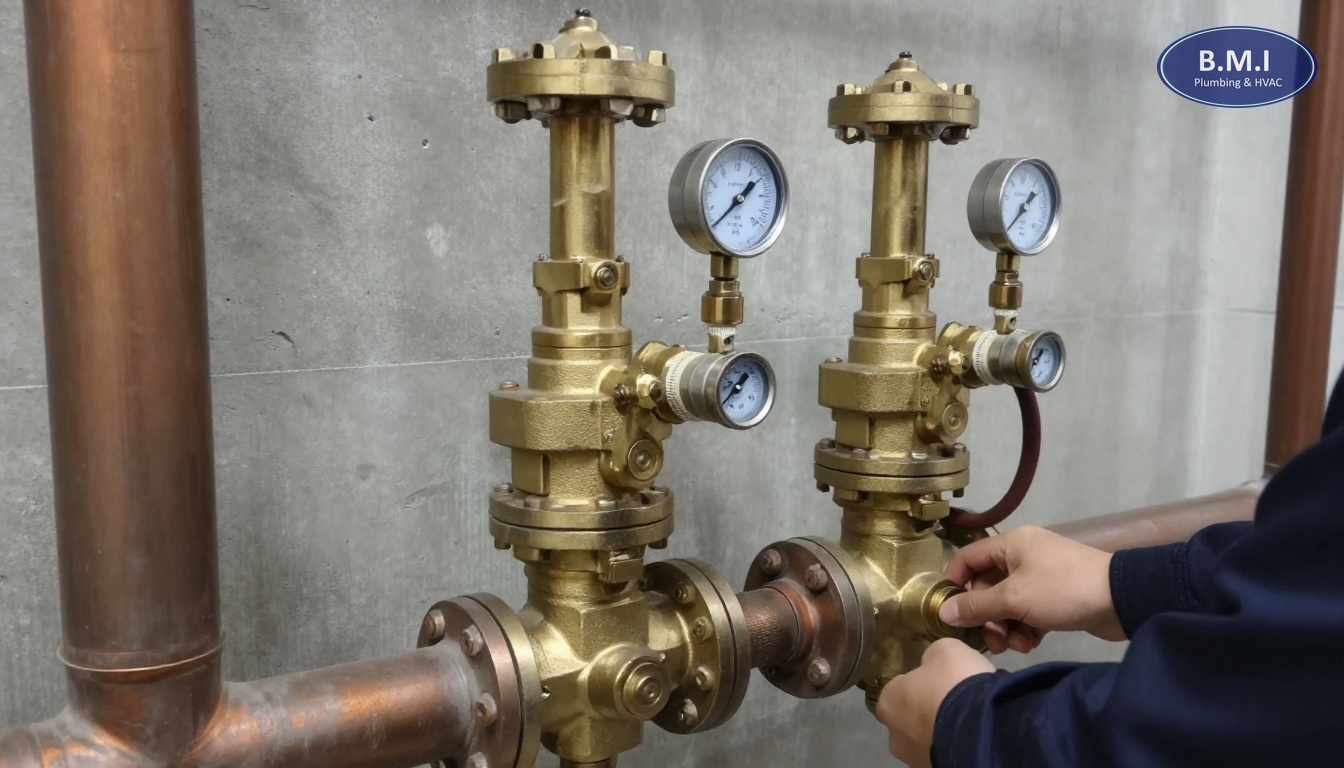
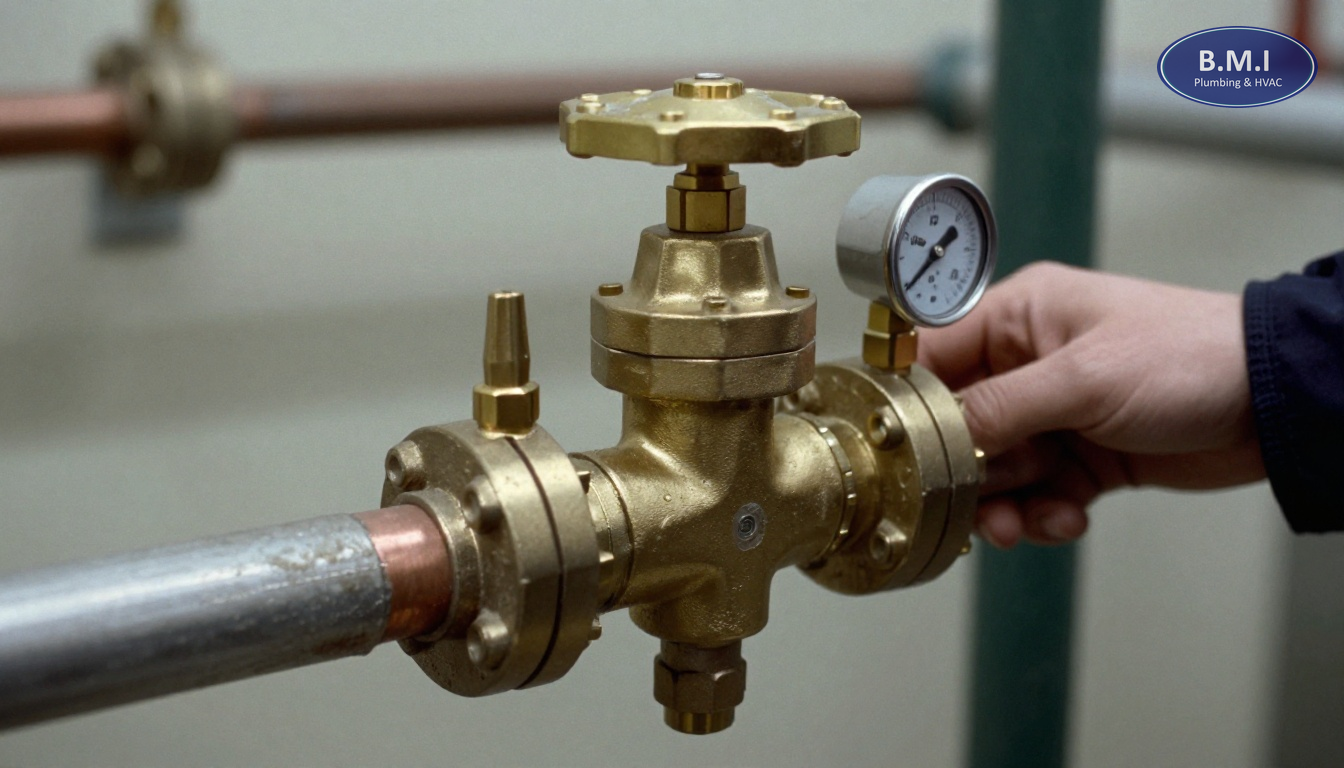
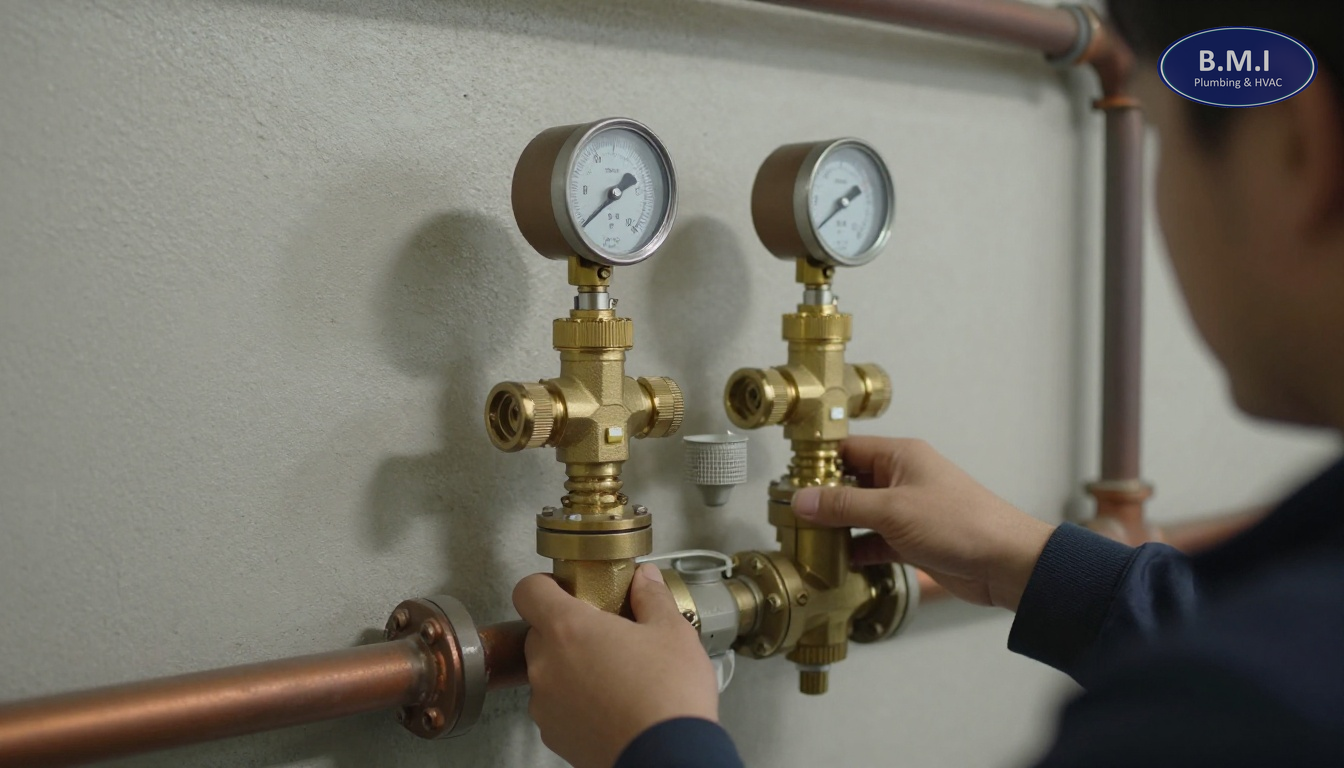
A pressure reducing valve is not a set-it-and-forget-it component. In GTA high-rises, the main PRV station is often a brass or bronze body valve on the incoming domestic service, sometimes with a bypass, isolation valves, gauges and a strainer upstream. Common manufacturers in the market include Watts, Wilkins/Zurn, Cash Acme and Apollo, and while the bodies can last a long time, the internal seats, diaphragms and springs do not last forever.
A common fall-season issue is pressure creep. This happens when a PRV no longer closes tightly and downstream pressure slowly rises during low-flow periods. Managers often miss it because daytime spot checks can look acceptable. The better test is to log pressure at different times, especially overnight or early morning when demand drops.
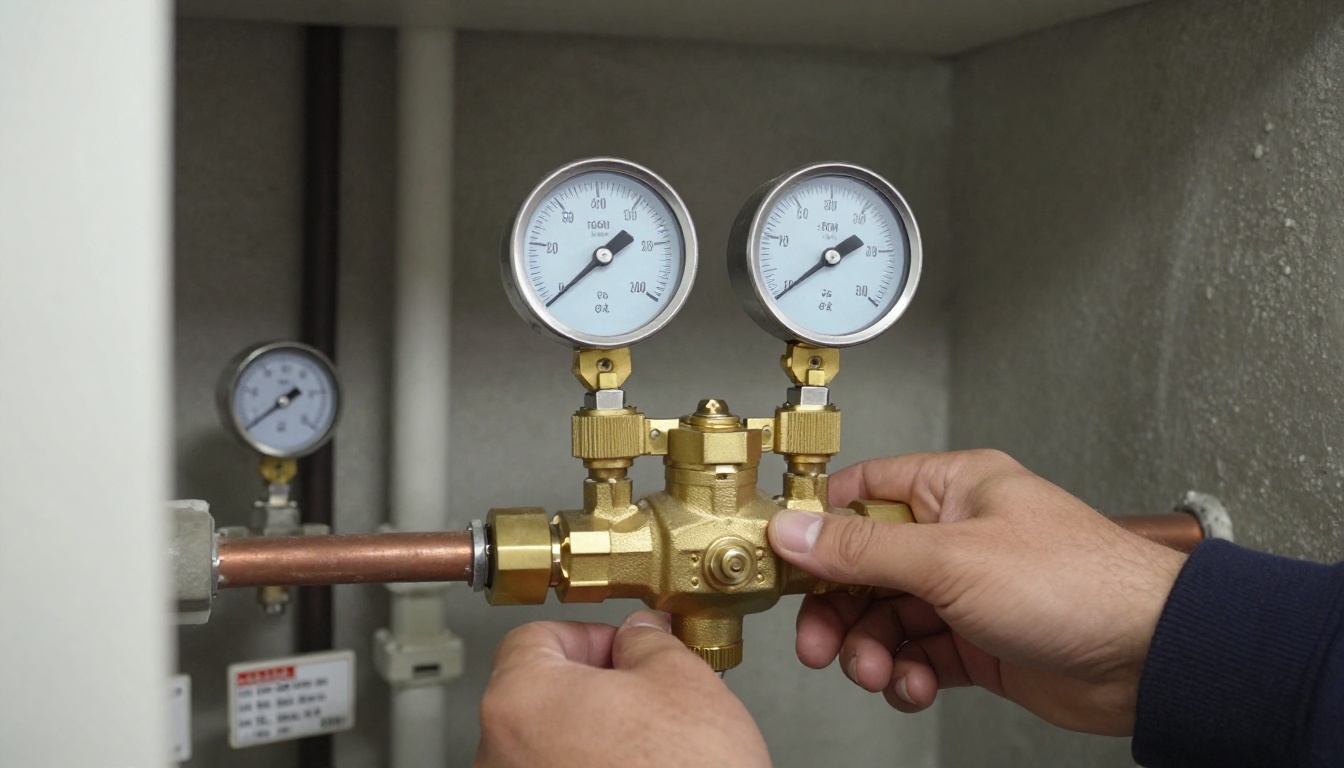
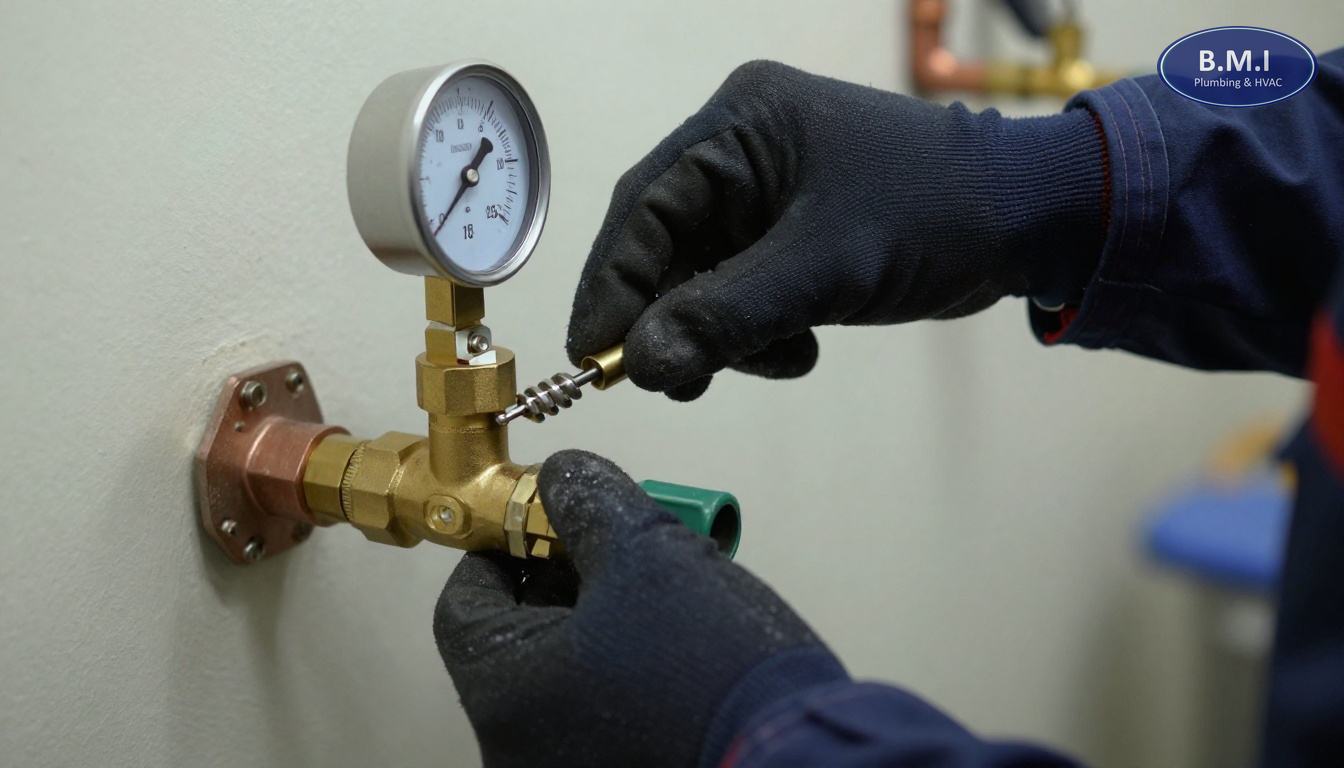
Another issue is bad or missing gauges. In some buildings, the gauges on either side of the PRV station have not been reliable for years. That means no one really knows whether the building is running at 65 psi or 95 psi until residents start calling. A pressure control strategy without accurate gauges is like operating an elevator without floor indicators.
Building age matters more than most people think
- 1970s and 1980s concrete towers in Toronto, Scarborough and Etobicoke often have older copper distribution with legacy valves that no longer isolate well. Pressure control work becomes harder and more expensive because a simple PRV replacement can cascade into sectional valve replacement.
- Early-1990s towers frequently have aging brass fixture stops and a mix of original and replacement fixtures, which makes pressure damage show up inconsistently from suite to suite.
- Kitec-era buildings (roughly 1995-2007) are especially sensitive because elevated pressure and heat accelerate problems at fittings and manifolds. If your building still has affected materials, pressure management is not optional. This is where Kitec replacement planning and pressure review should be discussed together.
- Post-2010 glass towers are not immune. They often have more pressure-sensitive fixtures, electronic controls and compact valves that react badly to pressure spikes even when the piping itself is newer.
If there is any doubt about the broader condition of the domestic system, a review of project solutions for risers and valves helps determine whether the pressure issue is isolated or part of a larger capital problem.
How high pressure presents in a condo building
Property managers rarely get a ticket that says “our pressure reducing valve is creeping.” They get symptom reports. The key is knowing which complaints are random and which are diagnostic.
Symptoms that point to a building pressure issue
- Toilets that refill loudly or repeatedly, especially across multiple lower-floor suites
- Faucet cartridges failing every 1-3 years instead of lasting much longer
- Braided supply hoses under sinks or behind toilets showing bulging, sweating at crimps, or unexplained early failure
- Shower pressure that feels aggressive on lower floors but inconsistent on upper floors
- Repeated seepage at angle stops, laundry valves or fixture connections after no recent work
- Water hammer or banging after solenoid valves close on dishwashers or washing machines
- Residents reporting that pressure is stronger late at night or early in the morning
One specific pattern worth noting: a suite that has gone through two or three toilet fill valves in a short period, while the same stack line of suites reports faucet issues, usually deserves a pressure test before authorizing more fixture replacements. That is not the kind of pattern you get from simple wear alone.
Another field clue is that some leaks appear right after unrelated plumbing work. If a contractor replaces a faucet cartridge and a different stop starts seeping, the work may not have “caused” the leak in the ordinary sense. The system may simply be operating at a pressure where the next weak point was ready to fail.
For suite-level symptoms that need immediate attention while the building-wide diagnosis is underway, in-suite plumbing service and toilet and faucet repairs can stabilize conditions, but they should not substitute for pressure testing.
What a proper inspection looks like
A defensible recommendation to a board needs more than “the pressure seems high.” It needs evidence that survives scrutiny when owners ask why the corporation is spending money.
Minimum evidence to insist on
A useful pressure investigation should include:
- Gauge readings at the incoming service upstream and downstream of the PRV station
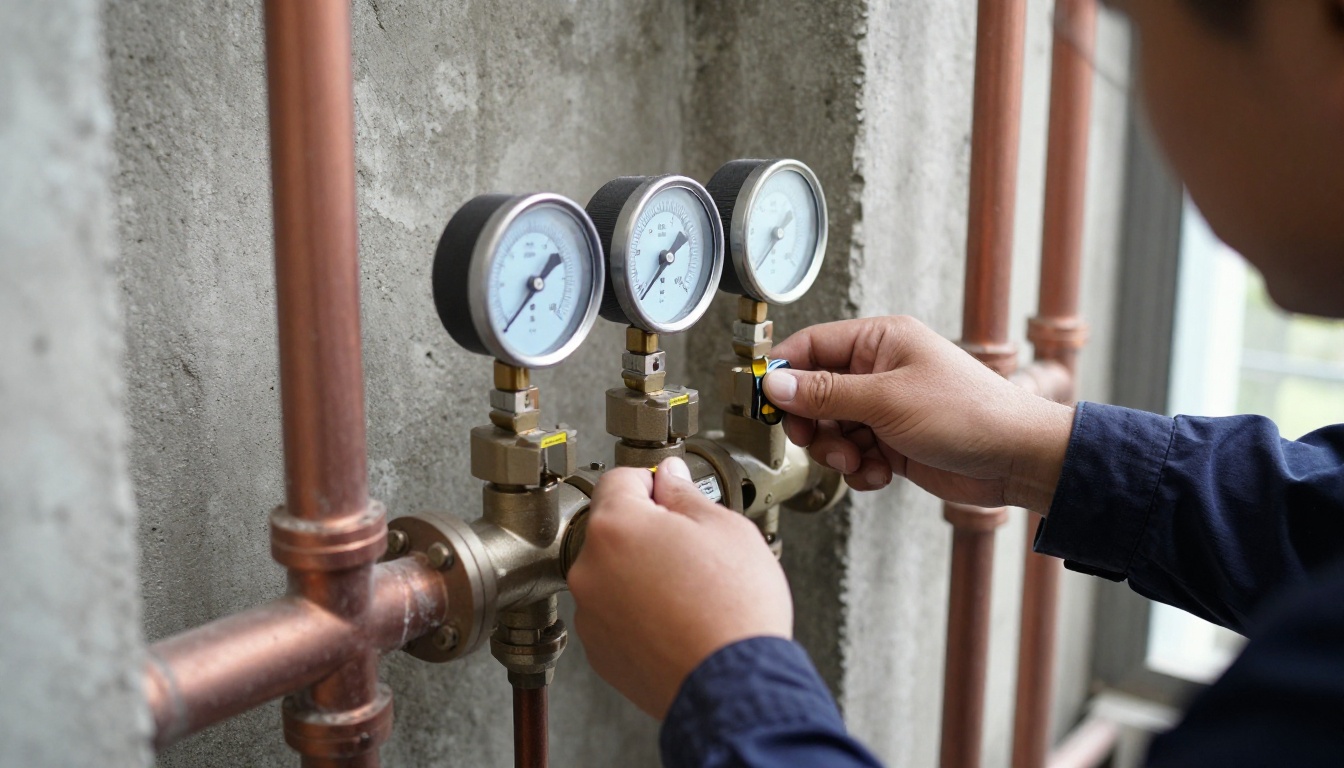
- Readings on multiple floors, especially lower, middle and upper levels
- Time-based readings during both high-demand and low-demand periods
- Condition notes on the PRV body, strainer, bypass, isolation valves and gauges
- A determination of whether the building has single-zone or multi-zone pressure control
- A written recommendation stating whether the issue is adjustment, rebuild, replacement, zoning or booster-pump related
In a 20- to 30-storey building, one reading in the mechanical room is not enough. Pressure behaves differently by elevation. A lower mechanical room reading that seems reasonable can still translate to over-pressure in low suites if the system is not zoned or controlled correctly.
Camera work is sometimes part of the pressure conversation
High pressure is primarily a domestic water issue, but it often shows up alongside drain complaints because buildings with poor maintenance habits tend to have both. If repeated leaks have damaged cabinets, walls or shafts, or if residents are confusing backup symptoms with supply issues, a camera inspection can help separate domestic water failures from drain-system defects.
Why valve condition changes the recommendation
A common mistake we see in early-1990s North York high-rises is budgeting only for the PRV itself. If the upstream and downstream isolation valves do not hold, the actual project may require valve replacement before the PRV can even be changed safely. That is why site attendance before quoting matters. On paper, a PRV replacement can look straightforward; in an old mechanical room with seized valves and no bypass control, it is not.
Repair, rebuild or replace: a practical decision framework
Not every high-pressure problem requires a capital project. Some do. The decision depends on age, stability, parts availability and the condition of the surrounding isolation setup.
When adjustment or maintenance may be enough
A PRV can sometimes be adjusted or serviced if:
- The valve body is in good condition
- Gauges are accurate or can be replaced easily
- The downstream pressure is only modestly out of range
- There is no evidence of pressure creep or seat failure
- Replacement parts are still available for that model
This is where a scheduled PRV maintenance program makes sense. In buildings with stable systems, annual or semi-annual checks can prevent a small drift from becoming a building-wide issue during winter.
When rebuild is reasonable
Rebuilds can make sense where the body is sound, the model is common, and the valve station is otherwise well laid out. A rebuild typically addresses internal wear components such as diaphragms, seats, springs and seals. That said, rebuilds are only worthwhile if the surrounding valves isolate properly and the labour to access the assembly does not approach replacement cost.
When replacement is the smarter answer
Replacement is usually the better choice when:
- The valve is older and parts are difficult to source
- Pressure creeps after prior adjustments
- The building has repeated complaints across multiple floors
- Isolation valves are unreliable and need to be changed anyway
- The board needs a durable, documented fix rather than another short-cycle repair
In taller buildings, the correct answer is sometimes not one new valve but a broader review of pressure zones, booster controls and riser condition. If the domestic system is aging more generally, riser replacement may belong in the same reserve-fund conversation, even if the PRV issue gets addressed first.
Real Toronto cost ranges and what moves them
The honest answer is that high water pressure damage can be cheap to correct early and expensive to ignore. The pressure-control work itself is often not the biggest number. The accumulated fixture damage, emergency calls, after-hours labour and insurance deductibles are what make deferral expensive.
Typical market ranges
These are broad GTA budget ranges, not quotations, and they vary by building access, valve condition, shutdown complexity and after-hours requirements.
| Item | Typical GTA range | Notes |
|---|---|---|
| Pressure investigation with multi-point readings and report | $750-$2,500 | Higher if multiple visits or data logging are needed |
| Gauge replacement at PRV station | $250-$800 per gauge | Depends on isolation and gauge quality |
| PRV inspection/service visit | $600-$1,800 | Often part of a scheduled maintenance program |
| PRV rebuild | $1,500-$4,500 | Only if body and surrounding valves are in good condition |
| Smaller PRV replacement | $3,500-$7,500 | Straightforward access, good isolation |
| Larger PRV assembly replacement with bypass work | $8,000-$20,000+ | Common in larger condo mechanical rooms |
| Sectional/isolation valve replacement tied to PRV work | $1,200-$6,000 per valve | Size, access and shutdown risk matter |
| Suite fixture damage from uncontrolled pressure | $250-$1,500 per event | Fill valves, cartridges, stops, hoses, minor leak repairs |
On a 300-unit building, it is not unusual for chronic pressure problems to generate dozens of suite-level service calls annually. Even if the average chargeable event is only a few hundred dollars, the building can quietly spend more on symptoms than it would on proper pressure control.
The hidden cost drivers boards miss
- After-hours shutdowns: In occupied towers, PRV work is often scheduled evenings or specific low-demand windows.
- Poor isolation: If valves do not hold, the shutdown area gets bigger and resident impact increases.
- Temporary water logistics: Some buildings need staged shutdowns or temporary supply planning.
- Resident coordination: Notices, concierge workload, elevator protection and operator attendance add real cost.
- Related valve failures: Once you touch an old station, weak components nearby often reveal themselves.
A valve audit before budget season is often money well spent because it tells you whether the PRV scope is truly isolated or likely to expand once work begins.
Timelines, shutdowns and resident logistics
This is where good planning separates a clean maintenance project from a building-wide headache.
How long the work usually takes
- A basic pressure survey in a mid-size building can often be completed in half a day to one day, with the written findings to follow.
- A straightforward PRV service or rebuild may take 2-6 hours if isolation is reliable.
- A PRV replacement with valve work commonly takes one full day, sometimes longer if the station is large or access is tight.
- In a complex high-rise with uncertain isolation, planning can take longer than the actual wrench time.
Notice periods and access
For common-area mechanical work, managers should still provide clear resident communication, even if suite entry is not required. In practice, a minimum 48-72 hours’ notice for a planned domestic water shutdown is sensible, and more is better in larger communities. Residents care less about the valve model than about when they cannot shower, cook or use laundry.
A good notice should state:
- Date and shutdown window
- Whether hot, cold or both are affected
- Whether pressure may fluctuate before or after the work
- Whether discoloured water is possible temporarily after restoration
- Who residents should call if fixture issues appear after pressure is restored
Where suite-level consequences are likely, having repairs and service support available after restoration prevents a manageable project from turning into a flood of complaints.
Why fall is the right planning window
October is a practical time to do this work because boards are building next year’s operating and reserve budgets. It is also when many Toronto buildings prepare for winter pressure swings, holiday occupancy and heavier kitchen use. A building that enters December with an unstable PRV station is taking an avoidable risk.
If your building is already reviewing kitchen stack cleaning before the holiday cooking season, it makes sense to review pressure control at the same time. The maintenance categories are different, but the budgeting and resident communication window is the same.
What happens if you defer it
Deferral is sometimes reasonable. Not every pressure issue is an emergency. But there is a difference between monitored deferral and wishful thinking.
When deferral may be acceptable
If the pressure is only modestly elevated, the PRV is stable, there is no sign of pressure creep, and fixture failures are not trending upward, it may be reasonable to monitor for a budget cycle. That recommendation should still come with actual readings, a target recheck date and a contingency if complaints increase.
When deferral becomes expensive
Deferral is harder to defend when:
- Lower-floor pressure is consistently above 80 psi
- Overnight pressure spikes are documented
- The building has repeated braided hose, fill valve or cartridge failures
- The PRV station lacks reliable gauges
- Isolation valves are already known to be poor
At that point, you are not saving money. You are shifting cost from planned maintenance to emergency response.
Insurance and condominium implications
From a property management perspective, repeated water damage is not just a plumbing issue. It affects deductibles, owner relations and chargeback disputes. If a common-element pressure problem contributes to a suite leak, the question of who pays for resulting damage can become contentious very quickly.
The exact answer depends on the declaration, rules and any applicable standard unit definition, but boards should understand the principle: a fixture may be in-suite, while the pressure condition causing repeated failures may be common-element. That is why documenting pressure readings matters. It gives management a defensible record when owners ask why the corporation is addressing a building system rather than just another toilet or faucet.
If deferral leads to a major leak after hours, emergency plumbing response becomes the first call, but it is the most expensive way to discover a preventable pressure problem.
A practical plan for managers and boards this fall
If you are trying to decide what to put in front of the board before year-end, keep it simple.
Recommended sequence
- Review service history from the last 12-24 months for repeated toilet, faucet, stop and braided connector failures.
- Arrange a pressure investigation with readings at the PRV station and on representative floors.
- Confirm valve condition so the board understands whether a simple PRV scope is realistic.
- Classify the issue as operating maintenance, deferred maintenance or capital replacement.
- Budget before winter, not after a January flood.
In many buildings, the right answer is not dramatic. It is a modest maintenance scope, documented properly, before pressure swings and holiday occupancy expose the weakness. In others, the pressure problem is the first visible sign that the domestic water infrastructure is aging and needs a bigger conversation about building re-piping, risers or sectional valves.
For managers who need comparative context, reviewing completed plumbing projects in GTA buildings and related articles on the BMI blog can help frame the recommendation for the board.
FAQs
What water pressure is too high in a condominium building?
In most GTA multi-residential buildings, sustained domestic water pressure above about 80 psi is where fixture wear and nuisance failures start to increase noticeably. Many suites function best in the roughly 50-75 psi range, but the right number depends on booster pump settings, PRV station design and the pressure needed at the top occupied floor. A single reading is not enough; the important question is whether pressure is spiking overnight or after low-demand periods.
Can high water pressure really damage toilets and faucets if there is no obvious leak?
Yes. Excess pressure often shows up first as shortened cartridge life, fill valves that start hissing, angle stops that begin seeping, and braided connectors that fail years earlier than expected. In Toronto towers, we routinely see suites with repeated toilet and faucet service calls where the underlying issue is 90-100 psi at the lower floors, not poor fixture quality. The damage is cumulative, which is why boards often miss the pattern until repair volume becomes expensive.
Who is usually responsible for fixing high water pressure in a condo: the unit owner or the corporation?
In many condominiums, the root cause sits in the common element plumbing system: the building PRV station, booster pumps, recirculation controls or failed sectional valves affecting pressure zones. The suite-level symptom may be an owner’s faucet or toilet, but the corporation typically needs to investigate the common system first and then check the declaration to determine who pays for the fixture repair itself. This is one of the most common common-element-versus-in-suite disputes property managers deal with.
How is a high-pressure problem properly diagnosed in a condo building?
A proper diagnosis includes gauge readings at the incoming service, downstream of the main PRV, and on multiple floors, ideally during both peak and low-demand periods. In a taller building, pressure should also be checked by zone because lower floors can be over-pressurized while upper floors complain of low flow. A written report should include actual psi readings, valve condition, gauge condition, and whether pressure creep suggests a PRV seat failure or thermal expansion issue.
What does PRV maintenance or replacement typically cost in Toronto?
For a condo or rental building in Toronto, annual inspection and testing of a domestic water PRV station is usually a modest maintenance item, while replacement is capital work. As a broad market range, smaller PRV replacements can start around $3,500-$7,500, while larger assemblies with bypasses, isolation valve work and after-hours shutdowns often land in the $8,000-$20,000 range or more. Costs move quickly if valves do not isolate, if temporary water service is needed, or if corroded gauges and strainers are replaced at the same time.
Is fall the right time to deal with building water pressure problems?
Yes. Fall is when many boards are finalizing next year’s budget, and it is also a sensible time to inspect PRVs before winter pressure swings and holiday occupancy put more stress on fixtures. In buildings we service in Toronto, Etobicoke and Vaughan, a fall pressure review often catches issues early enough to avoid mid-winter emergency calls, resident complaints and insurance headaches.
Next steps
If your building has a pattern of short-lived toilet parts, faucet cartridge failures, braided hose leaks or lower-floor pressure complaints, do not keep treating each suite in isolation. Have the building pressure checked properly, with readings, valve assessment and a written recommendation the board can act on.
If the PRV station has not been reviewed recently, this is the time to do it. Fall is the right season to get numbers in front of the board, confirm whether the issue belongs in the operating budget or reserve plan, and avoid discovering the problem through an after-hours leak in January. BMI attends the building before quoting, and maintenance work can be set up on a schedule rather than handled call by call.
Contact BMI
- Contact BMI
- Phone: (416) 845-3756
- Emergency: (416) 845-3756, answered 24 hours a day
- Email: info@brial.ca
More on condominium plumbing
Toronto High-Rise Pressure Zones: Why Floors Vary
Why top floors lose water pressure while lower floors get too much in Toronto condos. A practical guide to water …
PRV Failure Symptoms in Toronto Condo Buildings
Learn the real PRV failure symptoms behind condo water pressure problems, with Toronto cost ranges, testing steps and …
Water Hammer in Toronto Condos: Causes and Fixes
A practical guide to water hammer in Toronto condos: why banging pipes happen, how to diagnose them, repair options, …
Need a plumber in your building?
BMI services roughly 200 condominium and multi-residential buildings across Toronto and the GTA. Emergencies are answered at any hour.