In-Suite Plumbing Repairs in Brampton Condominiums
In-suite plumbing repairs in Brampton condos: leaks, shutoffs, toilets, faucets, stacks, diagnosis, costs and timelines for boards and managers.
In-Suite Plumbing Repairs in Brampton Condominiums
Quick summary: In-suite plumbing repairs in Brampton condominiums are rarely just about one leaking faucet or one backed-up toilet. The real issue for property managers and boards is whether the suite problem is isolated, or whether it is the visible symptom of aging valves, pressure problems, stack conditions or branch piping deterioration elsewhere in the building.
For Brampton buildings, that distinction matters because the city’s condominium stock is mixed: older rental and condominium buildings along established corridors, plus a large number of mid-rise and high-rise towers built from the 1990s onward around the downtown area, Bramalea and newer intensification nodes. BMI handles in-suite plumbing repairs across the GTA from its Toronto shop, including Brampton service calls where access, resident coordination and building-system diagnosis all have to happen together.
Why in-suite plumbing issues show up the way they do in Brampton buildings
Brampton is not one single building type. That is the starting point for understanding condo suite plumbing repair in the city.
In older multi-residential stock, you often see original cast iron sanitary stacks, copper domestic water, aging brass stops and fixture supplies that have simply reached the end of their dependable life. In those buildings, a resident reports a slow tub drain or recurring kitchen backup, but the true problem may be scale, grease loading or interior corrosion in the branch or stack. That is where a camera pipe inspection or targeted drain cleaning and snaking becomes more useful than repeating the same reactive suite visit.
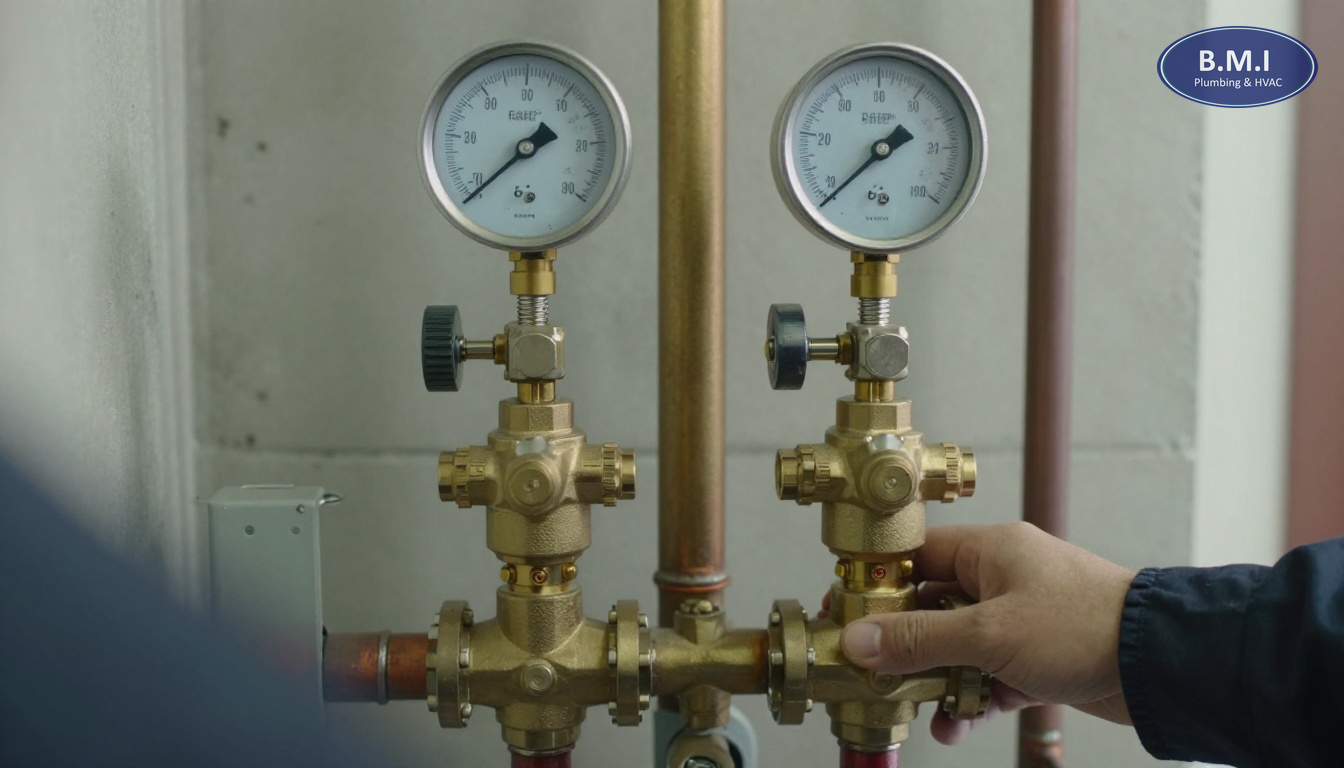
In Brampton towers from the late 1980s through the 2000s, the common pattern is different. Domestic water systems may still be fundamentally serviceable, but fixture shutoffs seize, toilet supplies harden, faucet cartridges fail, and pressure-related wear shows up inside suites long before the board thinks of the building as “old.” In some of those buildings, pressure fluctuation from tired reducing valves or poorly maintained zone control equipment accelerates in-suite failures. That is why suite-level calls often connect back to pressure reducing valve maintenance and replacement.
Newer Brampton condominium buildings bring another set of issues. The finishes are newer, but that does not eliminate plumbing callbacks. We see leaking angle stops, defective cartridges, improperly supported trap arms, clogged shower drains from usage rather than age, and fixture issues tied to resident alterations. In condominium terms, that can intersect with section 98 alterations under the Condominium Act, 1998 when a previous owner changed plumbing fixtures, moved vanities or altered walls without leaving the corporation a clean record.
Municipal context matters too. Brampton is served by Peel water and wastewater infrastructure, and the practical effect for condominium plumbing is that pressure conditions are not identical from one part of the city to another. Elevation, booster systems and the condition of the building’s own pressure control equipment all affect how residents experience water delivery in suites. In higher buildings, the resident complaint may sound simple, but the root cause can sit in the mechanical room or pressure zone rather than behind the fixture.
For boards planning ahead this fall, suite repair data is useful budget information. If your building is seeing a rise in shutoff failures, repeated toilet rebuilds and frequent branch line calls, that is often the point to connect reactive service with a building-wide valve audit, charting and exercise program or broader maintenance programs.
How in-suite plumbing problems present in Brampton condos
Property managers in Brampton usually do not get a technical diagnosis at first. They get a symptom.
The resident says the toilet keeps running, the kitchen sink backs up when the dishwasher drains, there is a stain on the unit below, the shutoff under the lavatory will not close, or the shower temperature swings unexpectedly. In an occupied condominium, the first job is not only to fix the symptom but to classify it properly.
The common in-suite calls include:
- leaking toilet tanks, failed fill valves and worn flappers
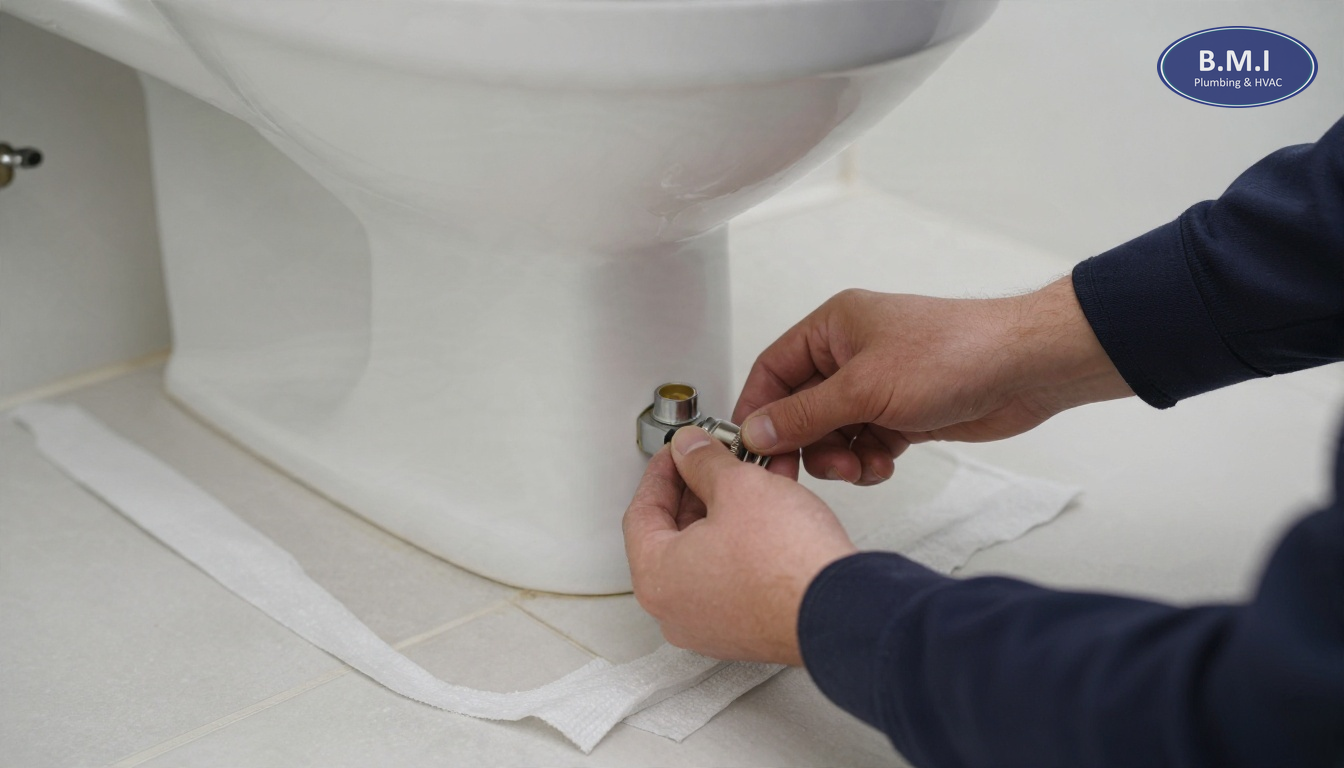
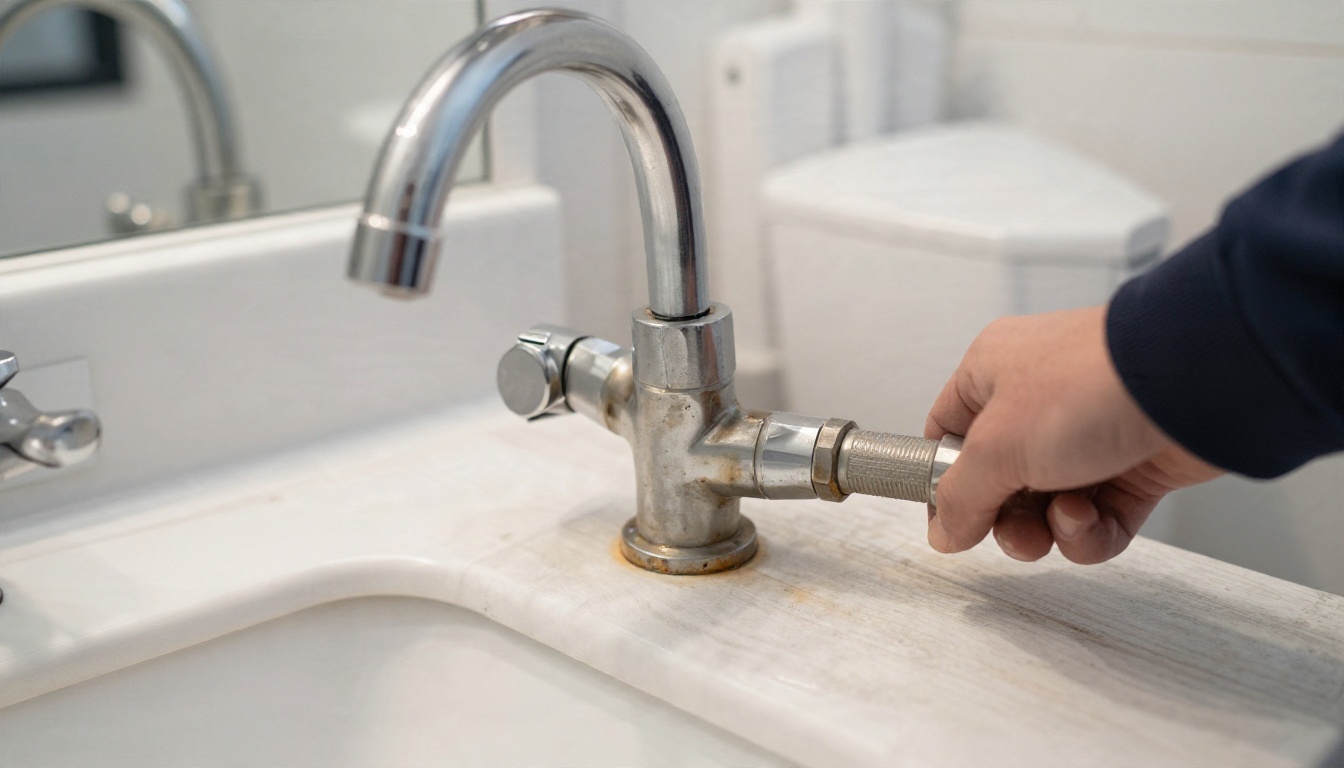
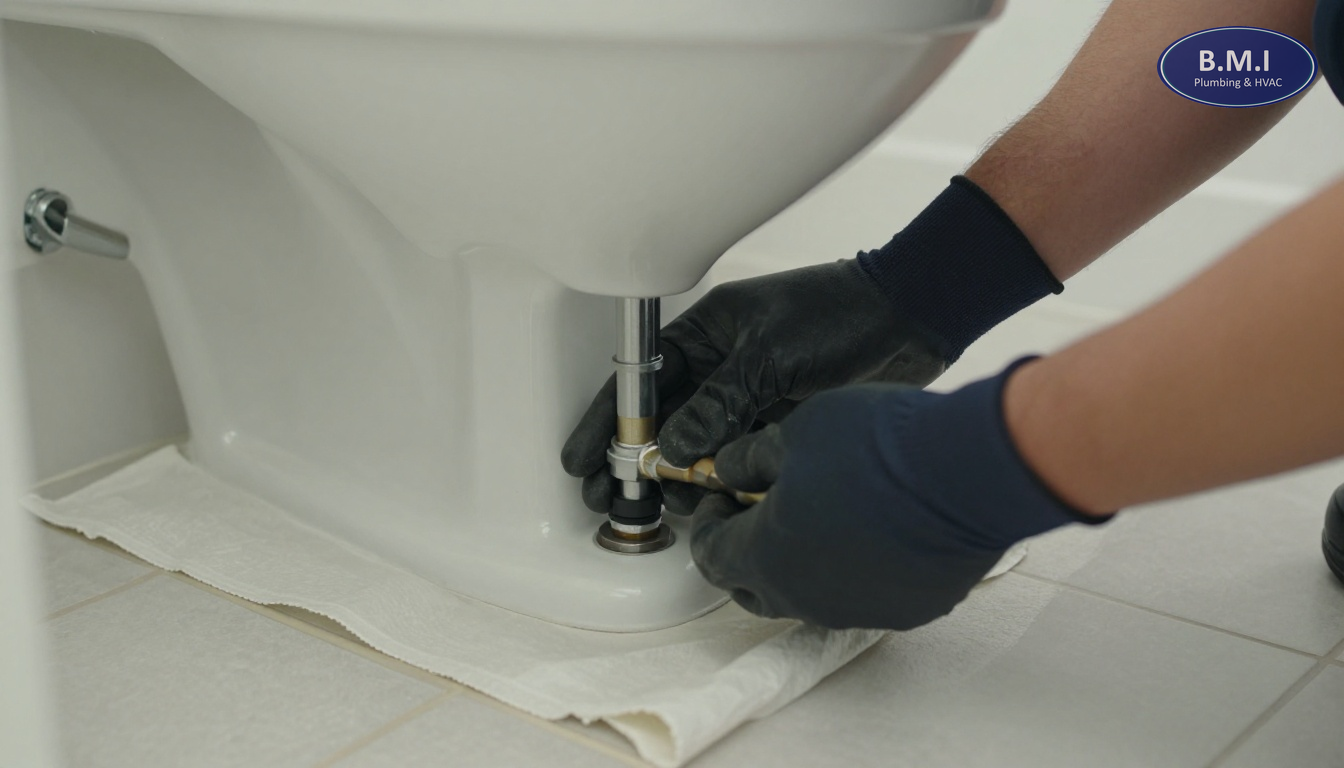
- seized or dripping fixture shutoffs under sinks and behind toilets
- faucet cartridge failures in kitchens and bathrooms
- leaking basket strainers, tubular traps and dishwasher connections
- branch drain blockages at kitchen sinks, lavatories, tubs and laundry boxes
- concealed leaks at supply lines, stop valves or behind escutcheons
- pressure complaints that show up as noisy fixtures, hammering or repeated hose failures
In Brampton high-rise work, one of the most important distinctions is between a local branch issue and a stack-related issue. If several vertically aligned suites report slow drainage, gurgling or intermittent backups, that is rarely just one suite’s problem. At that point, a manager should be asking whether the building needs kitchen stack cleaning, stack investigation or broader maintenance rather than another isolated service call.
Another practical Brampton issue is access. Some buildings have good loading and service elevator procedures; some do not. Older corridors can be tight, residents may be absent during work hours, and after-hours emergency entry can become the most time-consuming part of the repair. In occupied suites, protecting finishes and documenting pre-existing conditions is not optional. A proper repairs and service response includes that administrative discipline, not just the wrench work.
Diagnosing in-suite plumbing in Brampton: what to inspect and what evidence to insist on
For a board or manager, the key question is not just whether the plumber can make the leak stop today. It is whether the diagnosis is strong enough to avoid paying for the same failure twice.
A proper Brampton condo suite plumbing repair call should typically include:
- Source confirmation. Is the water domestic, sanitary, condensate or from another suite? Cross-unit migration is common.
- Isolation test. Do local fixture shutoffs actually hold, or does the repair require a branch or riser shutdown?
- Condition assessment. Are the stops, supplies, traps and fixture connections merely worn, or are they corroded enough that disturbing one part will trigger failure elsewhere?
- Pressure observation. Are there signs of excessive or unstable pressure that suggest building PRV issues rather than a one-off fixture problem?
- Drainage assessment. If the complaint is backup or slow flow, was the branch cleared, and was there evidence of stack involvement, grease loading or scale?
- Documentation. Photos, video where relevant, and a written note of what failed and what follow-up is recommended.
This is especially important in Brampton during fall budget season. Boards are trying to separate operating repairs from reserve-funded capital work. If the service report simply says “repaired leak,” it is of limited value. If it says the lavatory stop failed due to corrosion, the toilet stop is in similar condition, pressure at the suite appears high, and several recent calls on the same line suggest a wider issue, that is useful evidence for budgeting and scope development.
For drain-related suite complaints, insist on clarity about whether the line was only snaked or whether the condition of the piping was actually assessed. In older Brampton buildings with cast iron, repeated snaking without understanding the pipe wall condition can become expensive routine. A targeted camera pipe inspection is often the difference between informed planning and repeated service invoices.
Where backflow devices or premise isolation assemblies are part of the building’s water service arrangement, annual compliance remains a separate building obligation. It is not an in-suite repair item, but it is part of the broader plumbing risk picture, and Brampton properties that require it should keep backflow prevention testing and certification current.
A representative Brampton in-suite plumbing service call
A realistic example would be a 16-storey condominium from the late 1990s near the downtown Brampton area, with roughly 140 suites and original domestic water fixture shutoffs in many units.
The initial complaint came from one resident reporting a leak under the ensuite lavatory that had stained the ceiling of the suite below. Building staff had already discovered that the local shutoff under the sink would not fully close. When BMI attended, the first step was to protect finishes, verify the source and test isolation. The angle stop was heavily corroded, the supply line showed age-related wear, and the escutcheon area indicated the valve had likely been sweating for some time.
Because the local stop would not hold, the repair could not be completed safely as a simple in-suite fixture call. The plumber traced the branch, coordinated a short shutdown, replaced the failed stop and supply, and then pressure-tested the repair. During the same visit, the technician checked the companion shutoff at the toilet and found similar deterioration. The manager approved replacement of both stops to avoid a second access event.
What made the call specifically useful was the reporting. Two recent suites on the same floor range had already experienced stop-valve failures, and the plumber noted that the pattern suggested the corporation should consider a floor-by-floor review rather than continue purely reactive work. The repair itself took part of one day including access coordination and shutdown management. The rough cost for that individual suite call, including labour, materials and controlled isolation, was in the high hundreds to low low-thousands depending on after-hours needs and the extent of wall opening required. The more important result was that the building then had evidence to budget a targeted valve program.
That is often how in-suite plumbing Brampton work evolves in practice: one resident leak becomes the data point that supports a wider sectional and isolation valve replacement strategy or another planned project from BMI’s capital project work.
Costs and timelines for Brampton condominium suite plumbing repairs
No responsible contractor should present one flat number for all condo suite plumbing repair work, because access, isolation and existing conditions drive cost. But managers still need planning ranges.
For Brampton condominiums in 2026, typical repair ranges often look like this as broad market estimates:
- Basic fixture repair such as a flapper, fill valve, faucet cartridge or minor trap repair: often a few hundred dollars per visit.
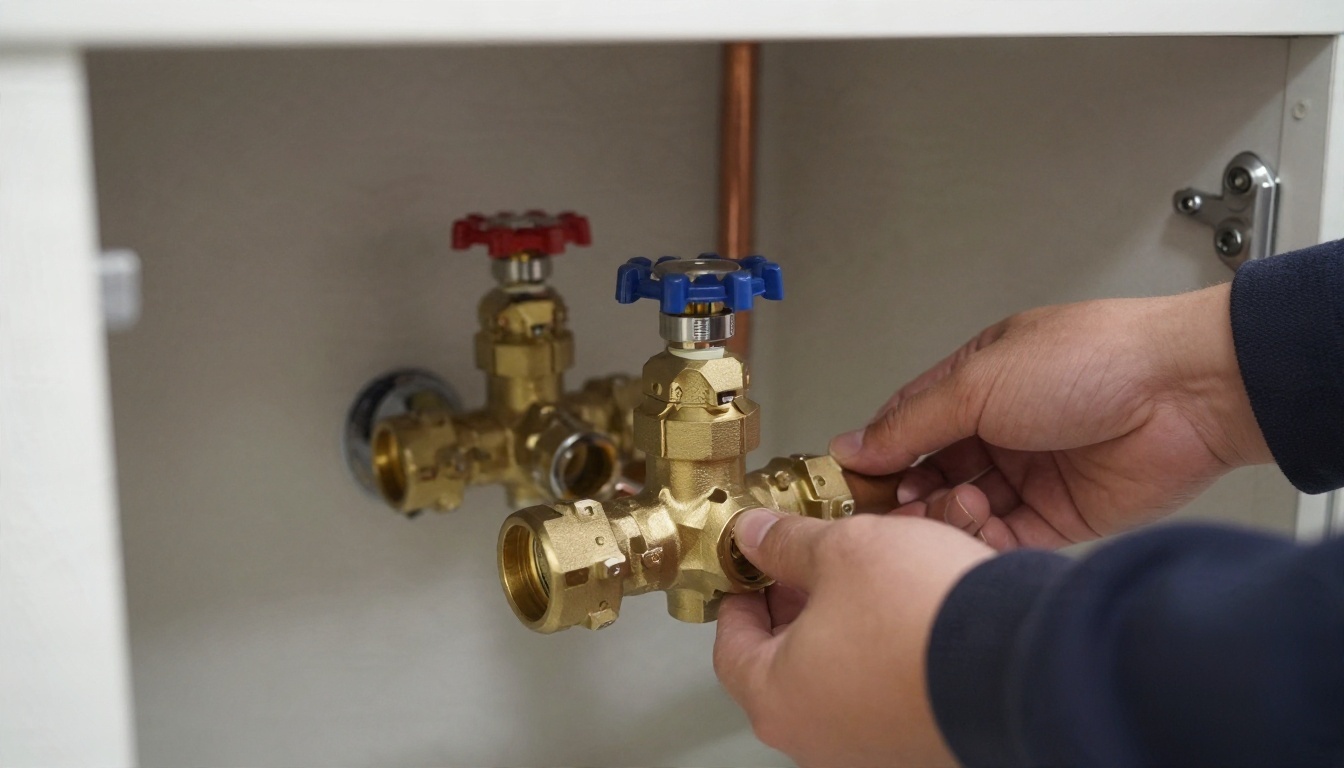
- Fixture shutoff replacement where local isolation works and access is straightforward: commonly several hundred dollars.
- Drain clearing at one suite fixture with no stack involvement: often several hundred dollars, higher if repeated attempts or camera work are required.
- Leak repair requiring controlled shutdown, additional labour protection and more than one component replacement: often high hundreds to low thousands.
- Investigative call with camera work, multiple test points or cross-unit tracing: can move from the high hundreds into the low thousands depending on scope.
- After-hours emergency response with active leakage, emergency entry coordination and temporary make-safe work: usually carries a premium over daytime scheduled service.
Timelines are similarly variable. A straightforward Brampton in-suite plumbing repair may be completed in one visit of one to three hours. Once you add resident no-access issues, failed shutoffs, mechanical room isolation, ceiling opening, drying contractor coordination or restoration trade involvement, the elapsed timeline can become several days even if the plumbing itself is only half a day of labour.
In fall and early winter, managers should also expect tighter scheduling around holiday occupancy and year-end board meetings. If your building already knows it has recurring kitchen line complaints before the holiday cooking season, this is the time to schedule kitchen stack cleaning, not after the first long weekend backup.
Repair versus replacement in Brampton suites, and when to stop being reactive
The right decision framework is not “Can this be repaired?” It is “What are we buying by repairing it?”
If a Brampton suite has one isolated faucet cartridge failure in an otherwise stable plumbing system, repair is the right answer. If the suite has original stops, brittle supplies, prior leak history and poor local isolation, replacing only the visibly failed part may simply transfer risk to the next weakest component.
For boards and managers, the practical triggers for moving from reactive in-suite plumbing to planned replacement include:
- repeated failures of original suite shutoffs in the same building vintage
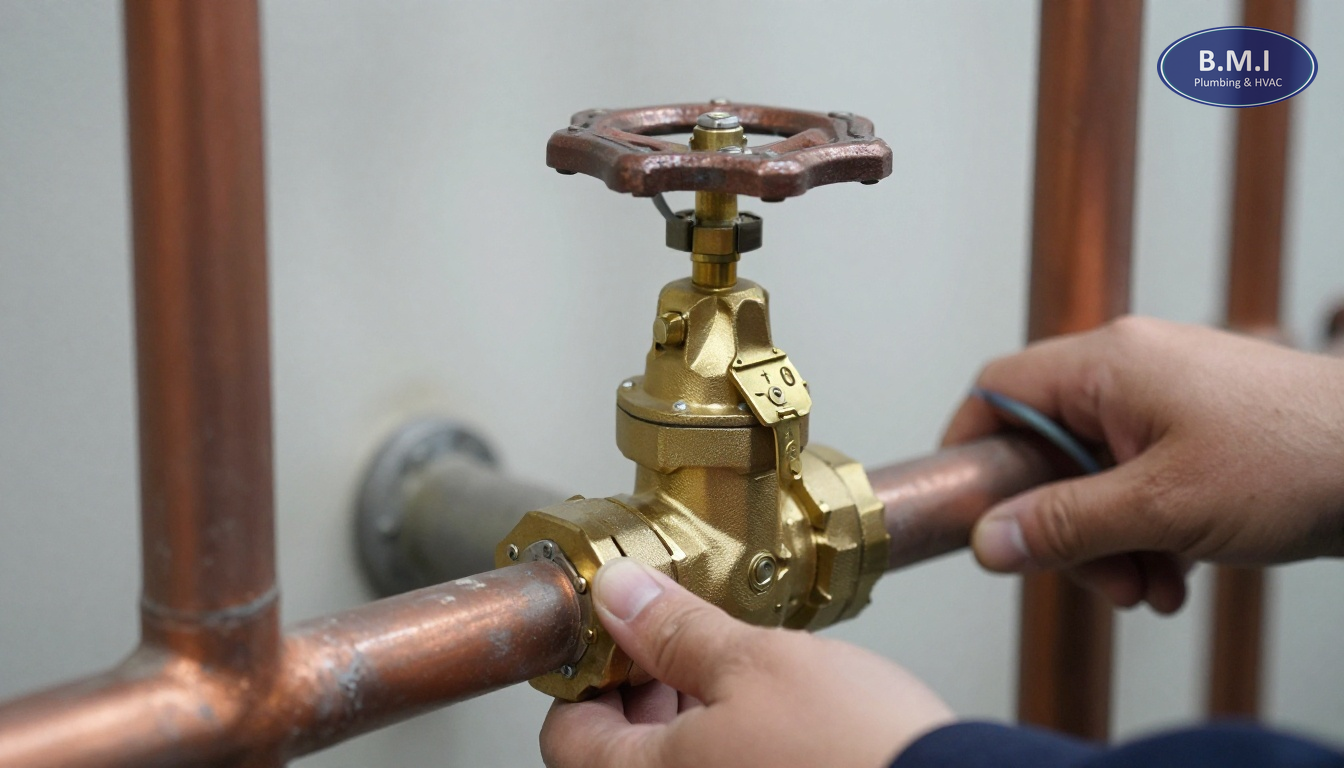
- evidence that local valves no longer isolate reliably
- recurring branch drain blockages on the same stack line
- multiple pressure-related fixture failures suggesting PRV or pressure-zone issues
- water damage claims where the plumbing component cost was minor but restoration cost was major
That is where a suite-service issue intersects with programs such as pressure reducing valve maintenance and replacement, valve audit, charting and exercise programs, or in more advanced cases domestic water riser replacement and full building re-piping.
Brampton boards reviewing reserve fund study updates should also remember the accounting side. Frequent in-suite failures often begin as operating expenses, but a clear pattern may justify evaluating a common-element project through reserve planning. The reserve fund study cycle and updates are where recurring repair data should be fed back into capital forecasting.
What deferring Brampton in-suite plumbing repairs really costs
The direct plumbing invoice is usually the smallest number in the file.
What boards in Brampton actually pay for when in-suite plumbing is deferred includes:
- emergency after-hours attendance
- security or superintendent overtime for access
- elevator protection and booking disruptions
- resident complaint management
- drywall, paint, flooring and millwork restoration
- insurer deductibles and claims handling
- difficult chargeback disputes where responsibility is unclear
- repeat visits because the first call addressed only the symptom
A failed toilet supply or lavatory stop can cost relatively little to replace compared with the cost of drying and restoring two or three suites below. That is why preventive suite observations matter. If your service history shows repeat stop-valve failures, repeated pressure complaints or recurring kitchen branch blockages, the board should not treat each one as random bad luck.
This is particularly relevant in Brampton budget season. Managers preparing numbers for the board should look not only at the total spent on in-suite plumbing repairs, but also at the associated restoration and emergency costs. That combined figure is often what justifies a planned maintenance or replacement program.
FAQs about in-suite plumbing repairs in Brampton condos
Who is responsible for in-suite plumbing repairs in a Brampton condominium?
In Brampton condominiums, responsibility depends on the declaration, standard unit definition and the cause of loss. Toilets, faucets, fixture shutoffs and branch piping serving one suite are often unit-related, but common element risers, stacks and building valves usually remain the corporation’s responsibility. Managers should review the governing documents and the insurer’s position before authorizing broad chargebacks.
How quickly should a Brampton condo respond to a suite leak or drain backup?
Active leaks and backups should be treated the same day, and many require immediate attendance because water can travel quickly through several floors. In Brampton high-rises, access delays are often what turn a modest repair into drywall, flooring and elevator protection costs. If the source is unclear, start with isolation, then document conditions with photos, video and a licensed plumber’s findings.
Are repeated in-suite plumbing problems in Brampton usually a fixture issue or a building system issue?
Either is possible, and the pattern matters. One leaking toilet fill valve is usually a local fixture repair, but recurring pressure complaints, repeated angle-stop failures or several drain blockages on the same line may point to a PRV problem, aging branch piping or stack conditions. That is why suite repairs should be connected to wider programs such as PRV maintenance, camera inspection and valve audits.
What does an in-suite plumbing repair typically cost in Brampton?
For Brampton condominiums, a straightforward service call for a toilet mechanism, faucet cartridge, trap replacement or fixture shutoff replacement may fall in the low hundreds, while more invasive repairs involving opening walls, corroded branch piping or multiple trades can move into the low thousands. Emergency after-hours work, parking logistics, repeated access attempts and asbestos-related protocols in older buildings can all affect cost. The right comparison is not unit price alone, but total loss avoided.
Can BMI complete in-suite plumbing repairs in occupied Brampton suites?
Yes, most in-suite plumbing work in Brampton occupied condos is done with residents in place. The practical issues are advance notice, access windows, protection of finishes, elevator booking where needed and confirming whether local shutoffs work before opening any fixture. Where isolation valves fail, the suite repair may need to be paired with building valve replacement or a planned shutdown.
What should a Brampton property manager ask for after an in-suite plumbing repair?
Ask for a clear description of the failed component, what was tested, whether shutoffs held, whether there is evidence of a wider building issue and what follow-up is recommended. In Brampton, that often means noting if pressure appears excessive, if branch piping is deteriorated, or if the stack should be assessed with a camera. Good reporting helps with reserve planning, insurance files and repeat-call reduction.
Next steps for Brampton property managers and condo boards
If your Brampton building is seeing more suite leaks, more drain complaints or more shutoff failures this fall, treat that service history as a diagnostic tool. One call may be isolated. A pattern usually is not.
BMI provides in-suite plumbing repairs, investigative support, and broader condominium plumbing planning across Brampton and the GTA from its Toronto shop. If you need immediate help, a second opinion on recurring suite issues, or budget input for a board package, review BMI’s completed projects and building references, explore the broader blog and request a quote or service call.
Contact BMI
- Contact BMI
- Phone: (416) 845-3756
- Emergency: (416) 845-3756, answered 24 hours a day
- Email: info@brial.ca
More on condominium plumbing
In-Suite Plumbing Repairs in Thornhill Condominiums
Practical guidance on in-suite plumbing repairs in Thornhill condos, including diagnosis, costs, timelines and when …
Seized Shutoff Valve in Toronto Condos: Avoid Floods
A seized shutoff valve can turn a small leak into a major condo flood. Toronto guidance on diagnosis, costs, shutdowns …
Low Water Pressure Condo Toronto: Suite or Building?
Low water pressure condo complaints in Toronto are not always a suite issue. Learn how to tell suite defects from …
Need a plumber in your building?
BMI services roughly 200 condominium and multi-residential buildings across Toronto and the GTA. Emergencies are answered at any hour.