In-Suite Plumbing Repairs in Thornhill Condominiums
Practical guidance on in-suite plumbing repairs in Thornhill condos, including diagnosis, costs, timelines and when boards should act early.
In-Suite Plumbing Repairs in Thornhill Condominiums
Quick summary: In-suite plumbing repairs in Thornhill are rarely just about a faucet or a toilet. In many condominium buildings around Yonge Street, Steeles Avenue, and the older apartment and condo clusters through Thornhill, suite-level leaks and blockages are often tied to the age of the building, the condition of isolation valves, and whether pressure and drainage systems have been maintained properly. For property managers and condo boards, the right approach is fast response, clear diagnosis, and good records so a minor suite repair does not turn into a larger insurance or reserve fund problem.
Why in-suite plumbing issues show up the way they do in Thornhill buildings
Thornhill is not one uniform building stock, and that matters. The older high-rise and multi-residential buildings in the Thornhill area, particularly along the Yonge corridor and in established pockets near Steeles, often date from the 1970s through 1990s. In that stock, we commonly see copper domestic water distribution, aging brass fixture stops, original toilet shutoffs, cast iron drainage stacks, and branch drains that have seen decades of soap, paper, grease and scale buildup.
The newer condominium product in and around the Promenade area and more recent infill developments tends to have newer fixtures and cleaner drainage systems, but those buildings bring a different set of problems: owner alterations, poorly installed aftermarket faucets, concealed leak paths behind upgraded vanities, and access complications in tighter mechanical chases and finished bulkheads. In some suites, the plumbing itself is not old, but the failure point is a braided hose, cartridge, dishwasher connection or owner-installed fixture that was never meant to last the life of the suite.
Municipally, Thornhill sits across a split service context depending on which side of the municipal boundary a building is on. That means property managers need to be careful not to assume every building has the same water pressure characteristics, backflow program requirements or notice procedures. What matters at suite level is the practical result: pressure may vary from building to building, and pressure swings become more noticeable in fall and winter as systems are adjusted and occupied buildings head into heavier seasonal use. That is one reason many corporations schedule pressure reducing valve maintenance and replacement before winter complaints start.
For managers reviewing repeated suite calls, it also helps to step back and ask whether the issue is really local to the fixture or part of a broader building pattern. A run of leaking stop valves, noisy toilets, hammering after fixture use, or repeated complaints from the same vertical stack may point toward larger work such as sectional and isolation valve replacement or even all maintenance programs rather than one-off service calls forever.
How in-suite plumbing problems are reported in Thornhill condos
Property managers rarely receive a report that says, “the 1/2-inch angle stop has failed.” What they get is something much less precise.
In Thornhill condominiums, the typical reports sound like this:
- water under the kitchen sink after someone ran the dishwasher
- a toilet that keeps running and occasionally overfills
- a bathroom faucet with very low pressure in one suite but not the next
- a ceiling stain reported by the unit below
- a shower that suddenly goes hot and cold
- a shutoff valve that will not close during flooring or vanity work
- a kitchen sink backing up before a holiday weekend
Those symptoms can come from a simple fixture defect, but in multi-residential buildings they often overlap with system issues. A toilet that will not shut off may be a fill valve problem, but if the local stop is seized and starts leaking when touched, the job immediately becomes more involved. A sink backup may be isolated to the trap arm, or it may be the beginning of a vertical drainage restriction that calls for drain cleaning and snaking or a broader kitchen stack cleaning program.
This is especially relevant heading into fall in Thornhill. Before the holiday cooking season, kitchen lines in occupied towers see heavier grease loading, and suite backups often show up first in lower floors or in line stacks that already have partial obstruction. Meanwhile, as boards finalize next year budgets, repeated service calls for pressure complaints or fixture failures should be tracked. They may support capital planning, not just repairs.
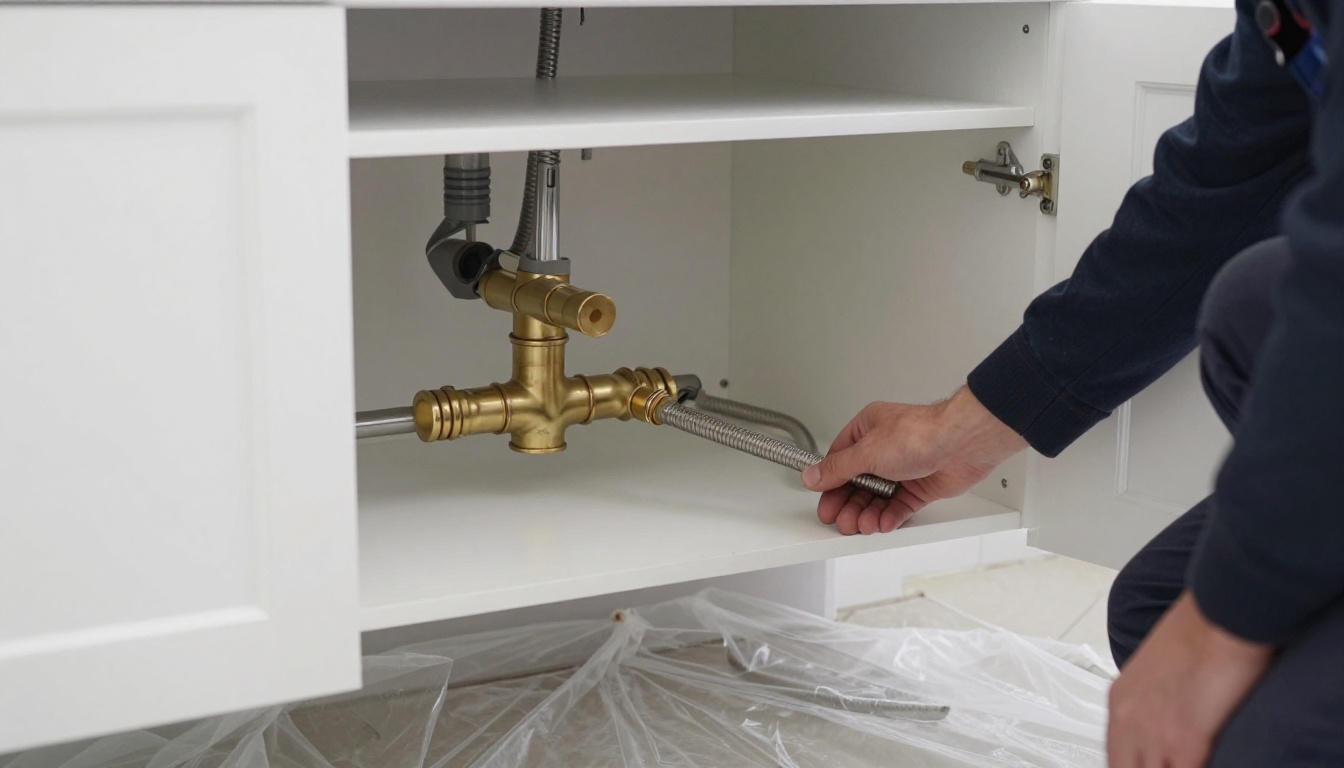
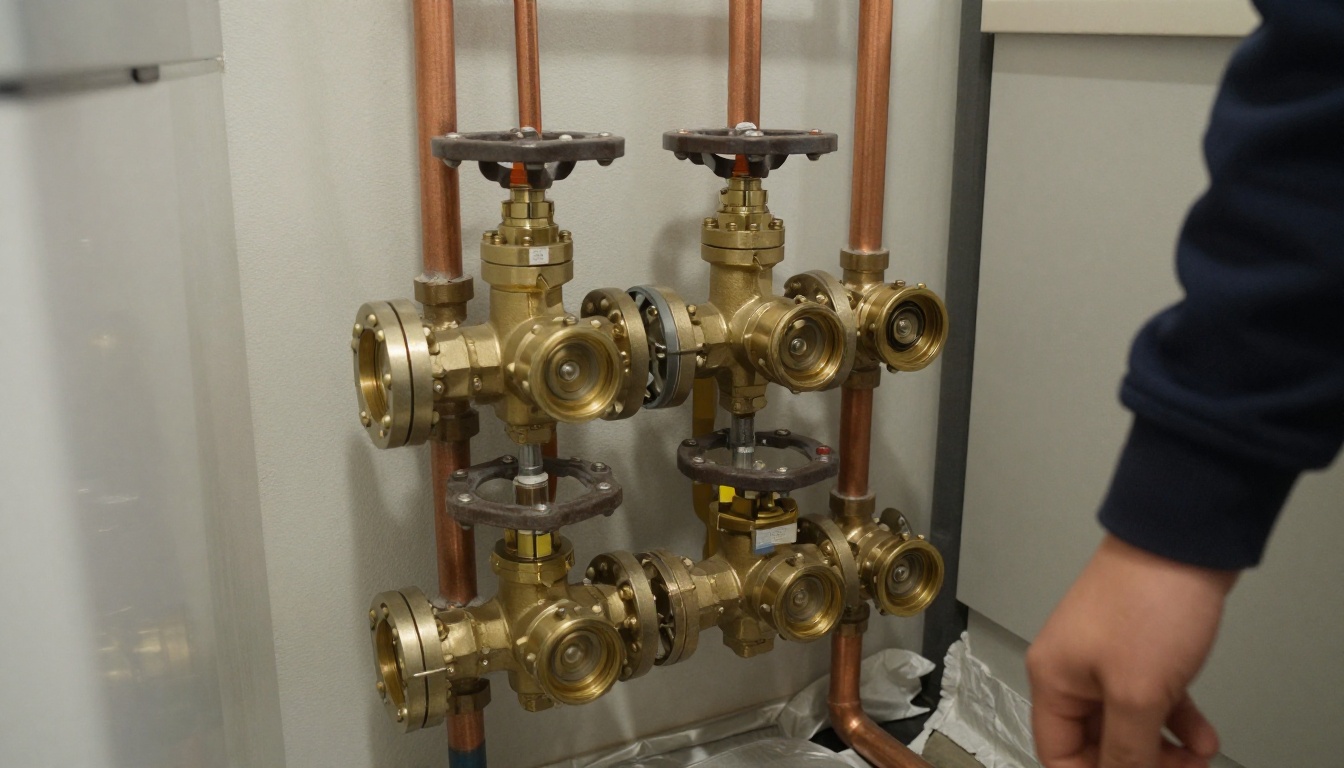
Another practical issue in Thornhill buildings is access. In older towers, service corridors can be tight, in-suite shutoffs may be hidden in vanity cabinets or behind stacked laundry, and some buildings still have original valves that have not been exercised in years. In newer condominiums, access may be physically easier inside the suite but administratively harder because of owner upgrades, short booking windows for elevators, and stricter protection requirements in finished interiors. For recurring issues, a manager is often better served by pairing suite repairs with a valve audit, charting and exercise program.
What proper diagnosis of in-suite plumbing in Thornhill should include
A good condo suite plumbing repair starts with determining three things: the exact source of failure, whether the local valves actually isolate, and whether there is evidence of a building-wide contributing issue.
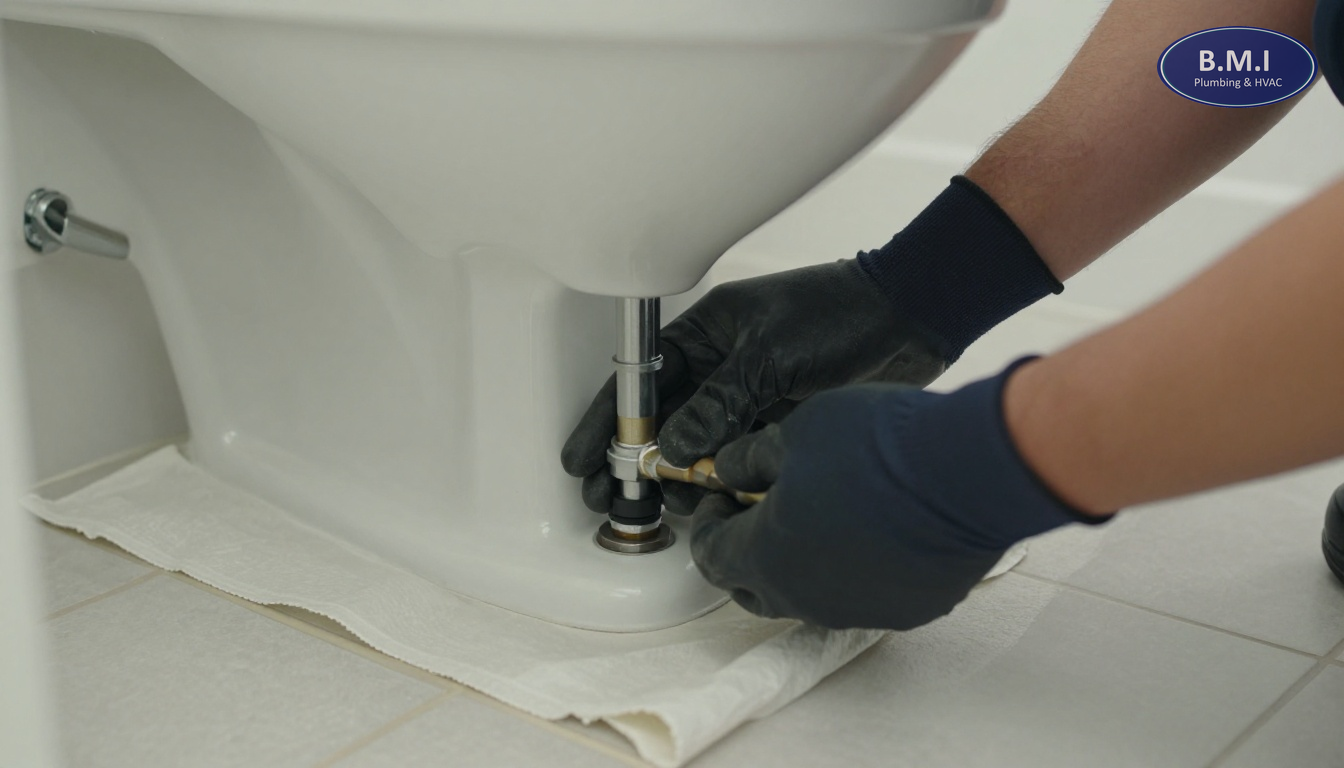
For suite leaks, that usually means a visual inspection first, followed by live testing under pressure. Toilets are checked at the shutoff, supply tube, fill valve, flush valve, tank bolts and wax seal path if leakage is visible at floor level. Faucets and shower valves are checked for cartridge wear, body leaks, loose connections, pressure imbalance and signs of prior owner work. Kitchen sink issues are checked at basket strainers, tubular drains, dishwasher wyes, trap arms and cabinet penetrations. If the source is not obvious, moisture tracing and opening may be required, and if drainage is suspected the next step is often camera pipe inspection.
For a property manager, the key is evidence. Ask for photos of the failed component, notes on whether the suite shutoff worked, and confirmation of whether the repair was completed under local isolation or required a line shutdown. If the stop valve dripped when operated or would not close, that is not a trivial note. It tells you something about asset condition in that stack or line of suites.
In Thornhill, where many buildings are now old enough that original valves and branch piping are entering a more failure-prone phase, that distinction matters. If a service call for a leaking faucet turns into a stack shutdown because the stop valve is seized, the real issue is no longer just the faucet. Repeated findings like that can justify planned in-suite plumbing repairs in conjunction with all repairs and service tracking, or larger common element work.
Managers should also insist on clarity where owner alterations may be involved. Under the Condominium Act, alterations can affect responsibility, and section 98 agreements may be relevant where owners have moved fixtures, installed non-standard showers, or altered kitchens. The plumbing contractor should document whether the failure occurred in original building piping, at a fixture connection, or in owner-modified work.
A representative Thornhill in-suite plumbing service call
A representative example would be a 19-storey condominium from the late 1980s near Yonge Street in Thornhill. The manager received two reports in the same week: one owner had water under a bathroom vanity, and the suite below reported a ceiling stain near the powder room.
On arrival, the initial symptom looked minor. The upper suite had a slow leak at the hot angle stop serving the lavatory faucet. But when the stop was operated, the stem packing began leaking heavily and the valve would not fully close. Further inspection found that both lavatory stops were original, heavily mineral-stained, and the faucet supplies were older braided connectors at end of life. The leakage had been travelling along the cabinet base and through a slab penetration, which explained the staining below.
Because the local stops could not be trusted, the repair required coordination of a short line shutdown affecting a small group of suites. Notices were issued, the line was isolated, both angle stops and supply connectors were replaced, the faucet connections were remade, and the ceiling below was opened enough to confirm no active leak remained. During the same attendance, the technician noted unusually high fixture pressure and noisy operation in the same bathroom group, which was reported back to management for follow-up on the building’s pressure control.
The suite repair itself took part of a day, but coordination stretched the event across two business days because access to one adjacent suite was needed to verify isolation and complete the shutdown safely. The rough market cost for that kind of call in the Toronto area would typically land around $900 to $2,200 depending on after-hours timing, shutdown coordination, number of visits, and whether restoration is separate. If the issue had been handled as an emergency after substantial leakage, the total cost would have climbed quickly once drying and restoration were added.
That is a common Thornhill pattern: the fixture leak is small, but the age of the valves and the realities of multi-unit access are what make the repair operationally significant. Where pressure complaints are recurring, managers should also consider whether pressure reducing valve maintenance and replacement is contributing to repeated suite-level failures.
Costs and timelines for in-suite plumbing repairs in Thornhill
For budget season, boards usually want realistic ranges, not a single number. The ranges below are typical Toronto-market estimates for condominium work and vary by building access, shutdown requirements, after-hours timing, parking logistics, and whether ceilings or walls must be opened.
Typical Thornhill in-suite plumbing repair ranges:
- Toilet rebuild in suite: about $350 to $750
- Toilet replacement using existing rough-in and shutoff if serviceable: about $700 to $1,400
- Faucet cartridge or minor faucet repair: about $250 to $550
- Lavatory or kitchen angle stop replacement under local isolation: about $250 to $500 per valve
- Same valve replacement where a shutdown is required: often $700 to $1,800 total depending on coordination
- Braided supply hose replacement and reconnection: about $200 to $450 when done with related work
- Kitchen sink blockage at suite level: about $350 to $800, more if the blockage is in the stack
- Leak investigation involving access opening and tracing: often $600 to $1,800 before restoration
- After-hours emergency response for active leaks: often starts higher and can exceed these ranges quickly
Timelines are just as building-specific. A simple fixture repair may be completed in one visit. A repair involving failed shutoffs, resident access issues, or stack isolation may take one to three business days from diagnosis to completion, even if the hands-on plumbing time is short. In occupied Thornhill buildings, elevator booking, resident notice periods and mechanical room access often dictate the schedule as much as the repair itself.
This is one reason fall is a useful time to clear routine in-suite items, especially before winter pressure swings and holiday occupancy. It is also a good time to review whether repeated suite service calls should be bundled into broader project solutions or tracked against reserve planning assumptions.
Repair versus replacement in Thornhill suites
The right decision is not always to replace everything, but repeated small repairs are often more expensive than they first appear.
A good framework for Thornhill condominium plumbing is:
- Repair the fixture component if the failure is isolated, the shutoffs work, and there is no sign of excessive pressure or piping deterioration.
- Replace local valves and connectors proactively where they are original, seized or visibly deteriorated.
- Move from reactive suite calls to a program when the same defect repeats across a line of suites.
- Escalate to common element review when suite symptoms point back to pressure control, riser condition, or poor isolation.
For example, replacing a single faucet cartridge is sensible. Rebuilding the same type of original stop valve in dozens of suites is usually not. Likewise, repeated pinhole leaks or pressure-related fixture failures can support a bigger review of domestic water riser replacement or full building re-piping in older stock.
Managers should also think seasonally. In fall, if a Thornhill building is already seeing complaints about noisy fixtures, toilet fill problems or leaking stops, winter will usually not improve matters. Pressure fluctuations and higher indoor occupancy tend to expose weak points faster, not slower.
What deferring in-suite plumbing repairs costs a Thornhill corporation
Deferral is rarely neutral. In-suite plumbing problems affect more than the owner in the unit where the leak starts.
The direct costs are obvious: emergency response, overtime, damage to suites below, restoration, resident claims and management time. The indirect costs are what boards often underestimate. Repeated minor losses can affect insurance history. Disputed responsibility between owner and corporation can consume staff time. Small recurring repairs can also distort reserve planning if the corporation is unknowingly treating a capital condition as an operating issue.
In Thornhill condominiums, a common pattern is a sequence of small leaks from old shutoffs or supply hoses that are dealt with one by one until one fails during a weekend or holiday period and causes broader damage. Another is repeated kitchen sink backups that are treated as suite misuse when the real issue is a partially restricted stack, better addressed through scheduled kitchen stack cleaning.
There is also a compliance side. Plumbing work in Ontario must be performed by a licensed plumber, and if a repair touches backflow protection in a building with premise isolation requirements, documentation matters. Some buildings in the Thornhill area are also due for annual testing programs, making backflow prevention testing and certification part of the broader maintenance conversation even if the original call began in a suite.
When boards are preparing next year’s numbers, repeated in-suite plumbing incidents should be reviewed alongside reserve fund study updates, service records and shutdown history. The point is not to overreact to every leak. It is to identify when the pattern has changed from normal wear to an asset-management problem.
FAQs about in-suite plumbing repairs in Thornhill
Who is usually responsible for in-suite plumbing repairs in a Thornhill condominium?
It depends on the declaration, rules and standard unit definition for that corporation. In many Thornhill condominiums, the corporation is responsible for common element piping up to a certain point, while the owner is responsible for fixtures, stop valves, supply hoses and alterations inside the suite. Property managers should confirm responsibility before authorizing non-emergency work, especially where a leak may involve both original building piping and owner-installed fixtures.
What are the most common in-suite plumbing repairs in Thornhill high-rises?
The most common calls are toilet rebuilds or replacements, leaking angle stops, failed braided supply hoses, kitchen sink blockages, worn faucets and shower cartridges, and leaks from shutoffs that have not been exercised for years. In older Thornhill towers from the 1980s and 1990s, we also see issues tied to aging copper branch piping and isolation valves that no longer close fully.
Do in-suite plumbing repairs in Thornhill require shutdowns?
Many suite-level repairs can be done using local fixture stops, but in real buildings that is not always possible because stops seize, packing nuts leak, or the valve will not isolate completely. In those cases, a tier shutdown or stack shutdown may be needed, which affects notice periods, staffing and access coordination. That is why documenting valve condition through a valve audit program is useful before winter and before budget season.
How quickly should a property manager respond to a small leak inside a Thornhill condo suite?
Immediately. A slow leak at a toilet supply, sink stop or under a kitchen cabinet can damage millwork, flooring and the suite below long before it looks serious from the hallway. If there is active leakage or water migration, it should be treated as an urgent service call and escalated to 24/7 emergency response if after hours.
What evidence should a board or manager ask for after a Thornhill in-suite plumbing repair?
Ask for clear notes on the source of the leak or failure, what was tested, what parts were replaced, whether the repair required a shutdown, and whether there are signs of broader building issues such as excessive pressure or deteriorated branch piping. Photos before closure are helpful, especially where walls or ceilings were opened or where responsibility may later be disputed between owner and corporation.
Can repeated in-suite plumbing repairs in Thornhill point to a larger capital issue?
Yes. If the same line of suites keeps having stop valve failures, recurring pinhole leaks, pressure complaints, or fixture damage from pressure spikes, that often points to a building-wide issue rather than isolated owner maintenance. In Thornhill, that can mean aging risers, failing PRVs, original valves at end of life, or drainage problems that need a planned project instead of repeated reactive calls.
Next steps for Thornhill property managers and condo boards
If your Thornhill building is seeing recurring suite leaks, fixture failures, sink backups or shutoffs that do not isolate properly, treat the individual repair as data, not just an invoice. Track which stack or line of suites is affected, whether shutdowns were required, and whether the same defects keep appearing. That is usually where the decision becomes clear between routine in-suite plumbing repairs, targeted maintenance, or a larger capital scope.
BMI serves Thornhill and the surrounding GTA from its Toronto shop. For urgent leaks, after-hours response, or help reviewing repeated suite-level plumbing problems before they become winter emergencies, managers can request service, budgeting input or a site review through Contact BMI. For examples of related condominium work, see completed projects and building references or browse the blog.
Contact BMI
- Contact BMI
- Phone: (416) 845-3756
- Emergency: (416) 845-3756, answered 24 hours a day
- Email: info@brial.ca
More on condominium plumbing
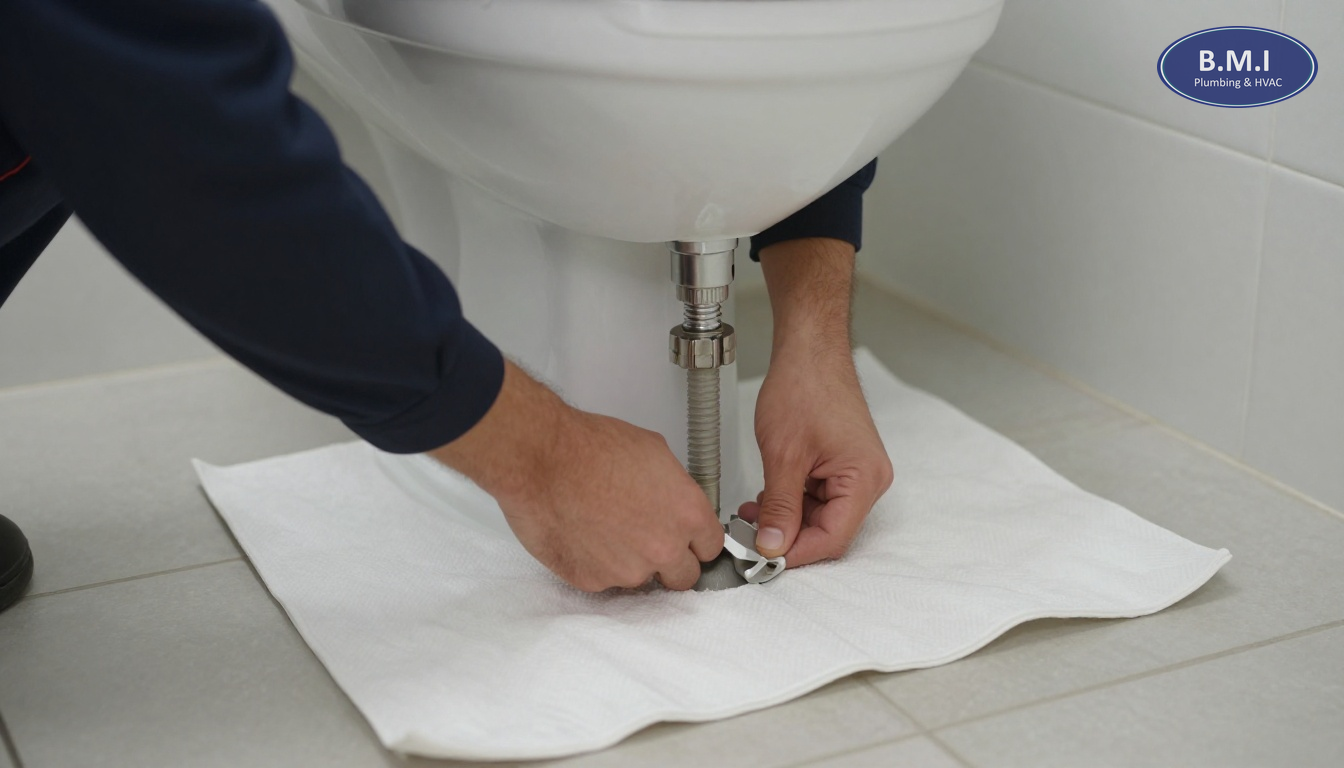
In-Suite Plumbing Repairs in Whitby Condominiums
Practical guidance on in-suite plumbing repairs in Whitby condominiums, including diagnosis, costs, timelines, and …
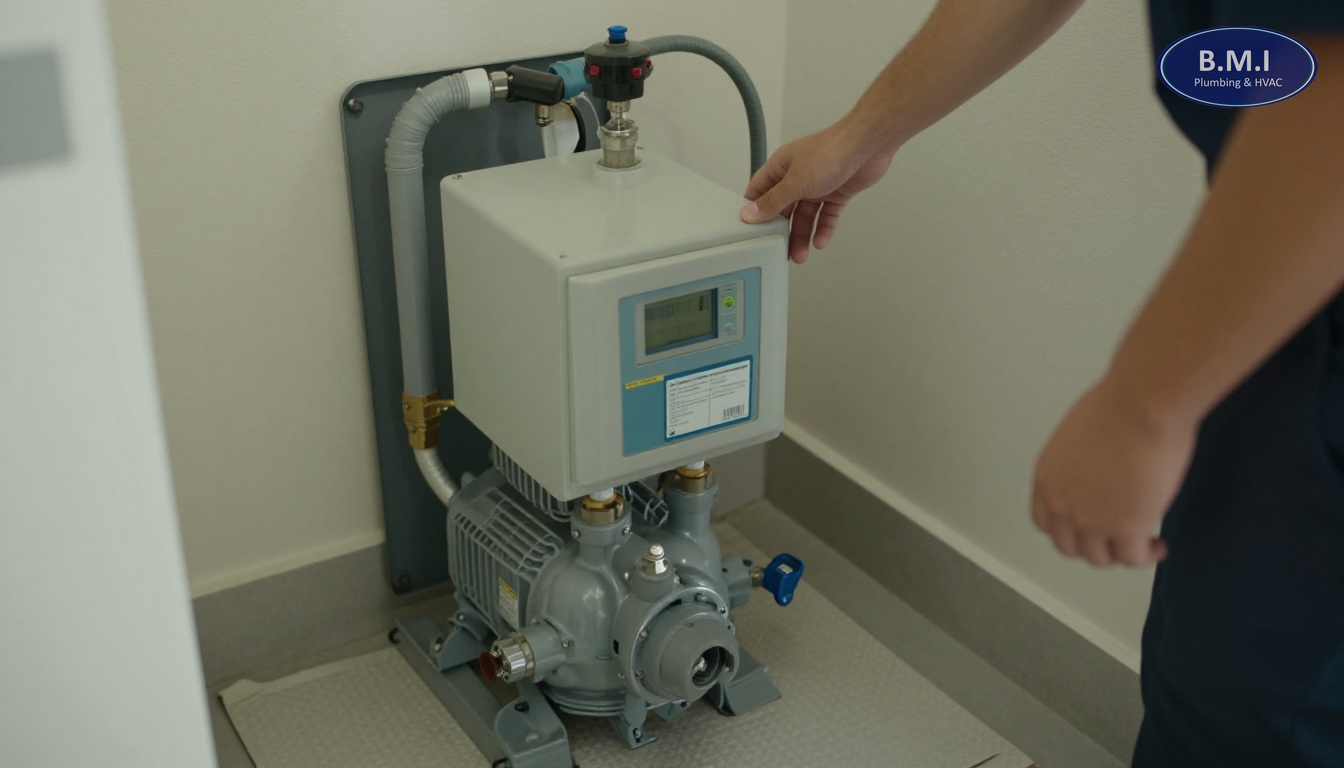
Sump Pumps and Sewage Ejector Pits in Toronto Condos
Toronto condo guidance on sump pumps and sewage ejector pits: failure signs, inspection scope, costs, timelines and …
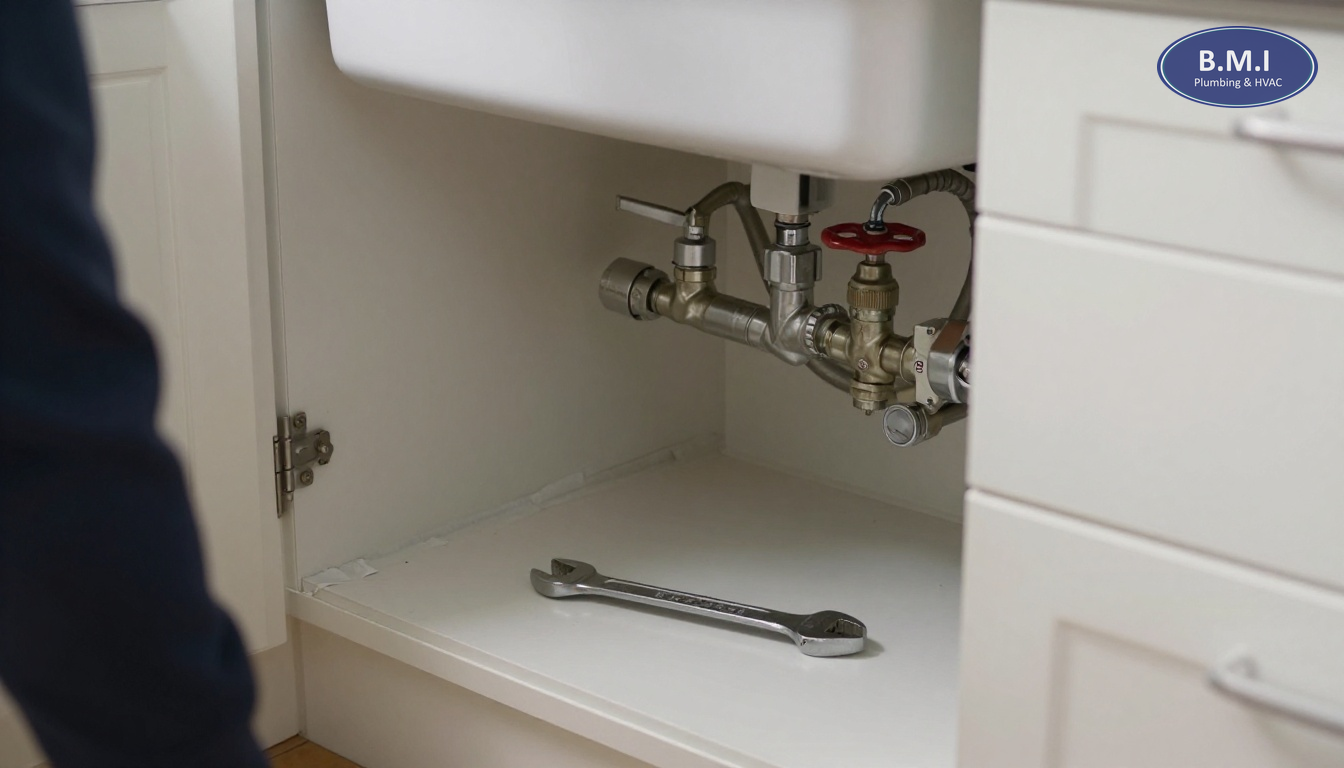
In-Suite Shutoff Valve Responsibility in Toronto Condos
Who pays for an in-suite shutoff valve in a Toronto condo? A practical guide to condo valve responsibility, common …
Need a plumber in your building?
BMI services roughly 200 condominium and multi-residential buildings across Toronto and the GTA. Emergencies are answered at any hour.