
In-Suite Plumbing Repairs in Whitby Condominiums
Practical guidance on in-suite plumbing repairs in Whitby condominiums, including diagnosis, costs, timelines, and repair planning.
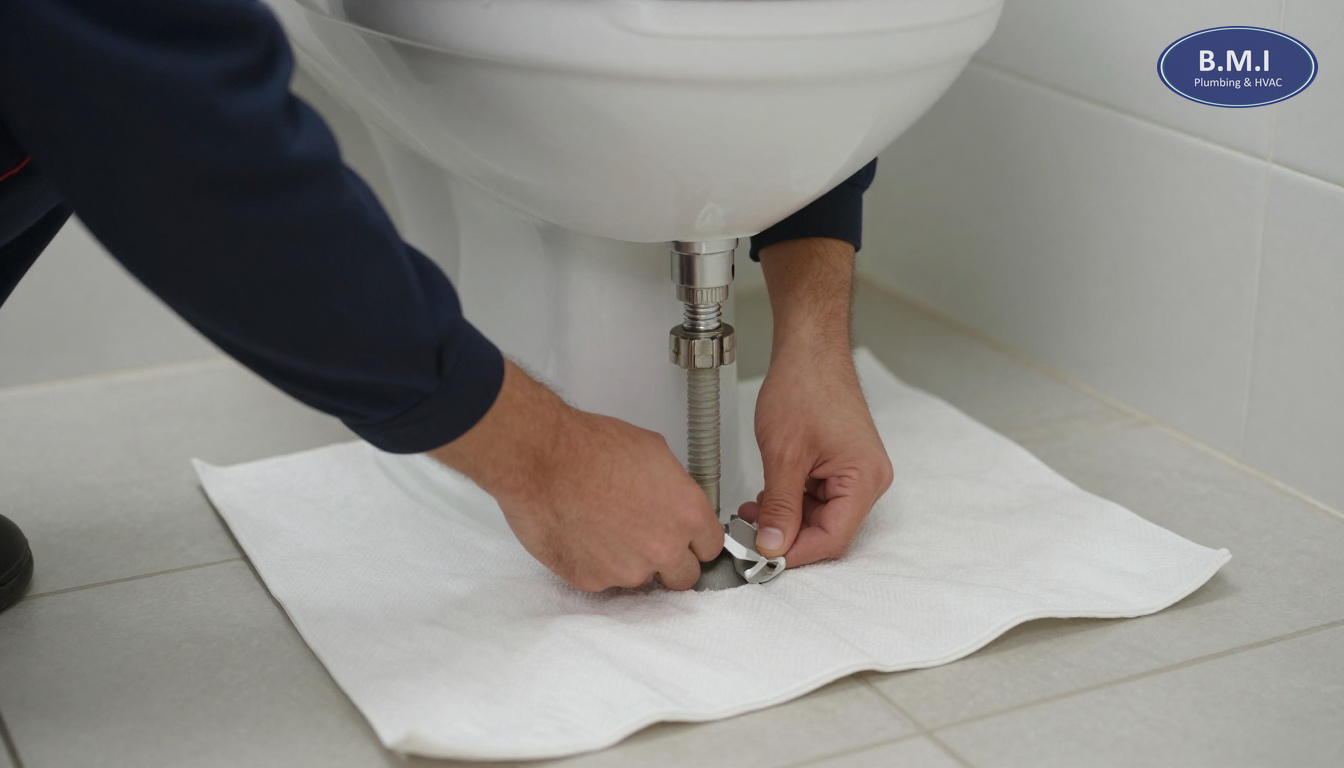
In-Suite Plumbing Repairs in Whitby Condominiums
Quick summary: In-suite plumbing repairs in Whitby condominiums are rarely just about one leaking faucet or one running toilet. In many buildings, the real issue is access to aging shutoffs, fixture connections that have reached end of life, or a mismatch between what is inside the suite and what is failing behind the wall. For Whitby property managers and condo boards, the priority is getting a clear diagnosis, controlling water quickly, and deciding whether a one-off repair is enough or whether the building is showing a repeat pattern that belongs in the maintenance plan.
Why in-suite plumbing issues show up in Whitby buildings specifically
Whitby has a mix of condominium and multi-residential stock that produces different in-suite plumbing repair patterns depending on when the building was constructed. Along Brock Street, near the GO station area, and in newer development pockets toward Dundas Street East and Garden Street, you will see a combination of older apartment-style buildings, 1990s and 2000s condominium stock, and newer suites with more modern fixtures but not necessarily fewer service calls.
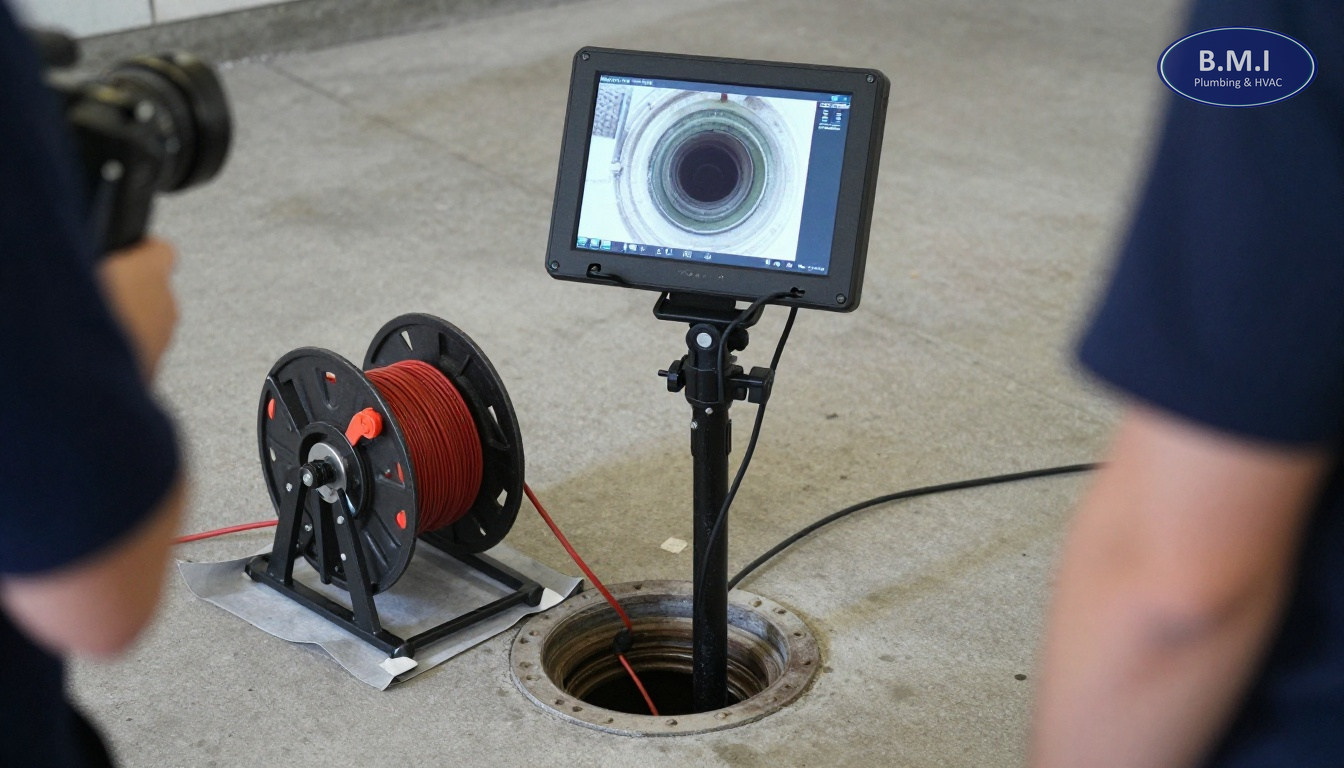
In older Whitby buildings, suite plumbing issues often start with components that were never meant to last the full life of the building: angle stops that no longer close fully, toilet shutoffs that seize, chrome-plated tubular drains that have corroded under vanities, and faucet cartridges that fail after years of hard use. Where drainage is tied into older cast-iron branch lines, residents may report slow drains, odours, or intermittent backups that seem like a local suite issue until a broader line condition is confirmed. In those buildings, camera pipe inspection can help separate a simple trap blockage from a stack or branch problem.
In Whitby condominium towers and mid-rises from the late 1990s into the 2000s, the common pattern is different. The domestic water distribution is often copper, but in-suite fixture connections, shutoff valves, braided supplies, and owner-replaced faucets become the weak points. A superintendent may receive repeated complaints that sound unrelated: one suite has weak hot water at a lavatory, another has a leaking toilet supply, another has hammer or vibration when a dishwasher cycles. Often those are not isolated events. They can point to pressure control issues, neglected valves, or years of piecemeal suite alterations.
Newer Whitby condominiums are not immune. In fact, they can produce a steady stream of repair calls because modern fixtures use smaller passages, specialized cartridges, pressure-balancing components, and proprietary trim parts. A small amount of debris after a shutdown can jam a cartridge or fill valve. A braided connector can fail long before the fixture itself. An owner-installed faucet or bidet seat can create cross-connection concerns that should be reviewed alongside a building’s backflow prevention testing and certification program where applicable.
Whitby is served by Durham Region for water and sewer services, and from a practical plumbing standpoint that means managers need to think about pressure conditions, elevation changes, and how a given building is performing internally rather than assuming every suite complaint is a municipal problem. In taller buildings or buildings with uneven internal pressure control, upper and lower floors can report very different symptoms. That is where pressure reducing valve maintenance and replacement becomes relevant even if the original complaint starts inside one suite.
How in-suite plumbing problems present in Whitby condos
What the resident reports is often not the actual failure point. The report might be “my sink leaks,” but the real issue is a seized shutoff and a corroded supply line. It might be “the toilet keeps running,” but the larger risk is that the fixture stop no longer closes and the building must shut down a branch or stack to make a routine repair.
Common in-suite plumbing complaints in Whitby condominiums include:
- Running toilets and phantom refills, often from worn fill valves or flappers
- Leaking faucet bases, failed cartridges, or dripping shower valves
- Slow kitchen sink drainage from grease accumulation in branch piping
- Leaking angle stops and braided fixture supplies under sinks and behind toilets
- Toilet rocking, failed wax seals, and seepage into ceilings below
- Intermittent odours from dried traps, loose cleanout caps, or partial branch obstructions
- Low pressure or pressure fluctuations at one or more fixtures in the suite
- Water staining on the suite ceiling that appears to be “from upstairs” but needs confirmation
In Whitby buildings, one of the biggest operational issues is access. Some mid-rise and apartment-style buildings have tighter service risers, smaller washrooms, and older shutoffs tucked behind vanities or toilets. Newer condos can be physically easier to enter but harder to service cleanly because of upgraded owner finishes, floating vanities, custom cabinetry, and strict protection requirements. The plumbing itself may be straightforward; protecting the suite and controlling resident disruption is what takes time.
This is also why a single suite complaint sometimes turns into a building conversation. If a plumber attends three separate Whitby suites in one month and finds three seized fixture stops and two failing toilet shutoffs, that is not just service noise. It may indicate the need for a valve audit, charting and exercise program or broader review of in-suite isolation reliability.
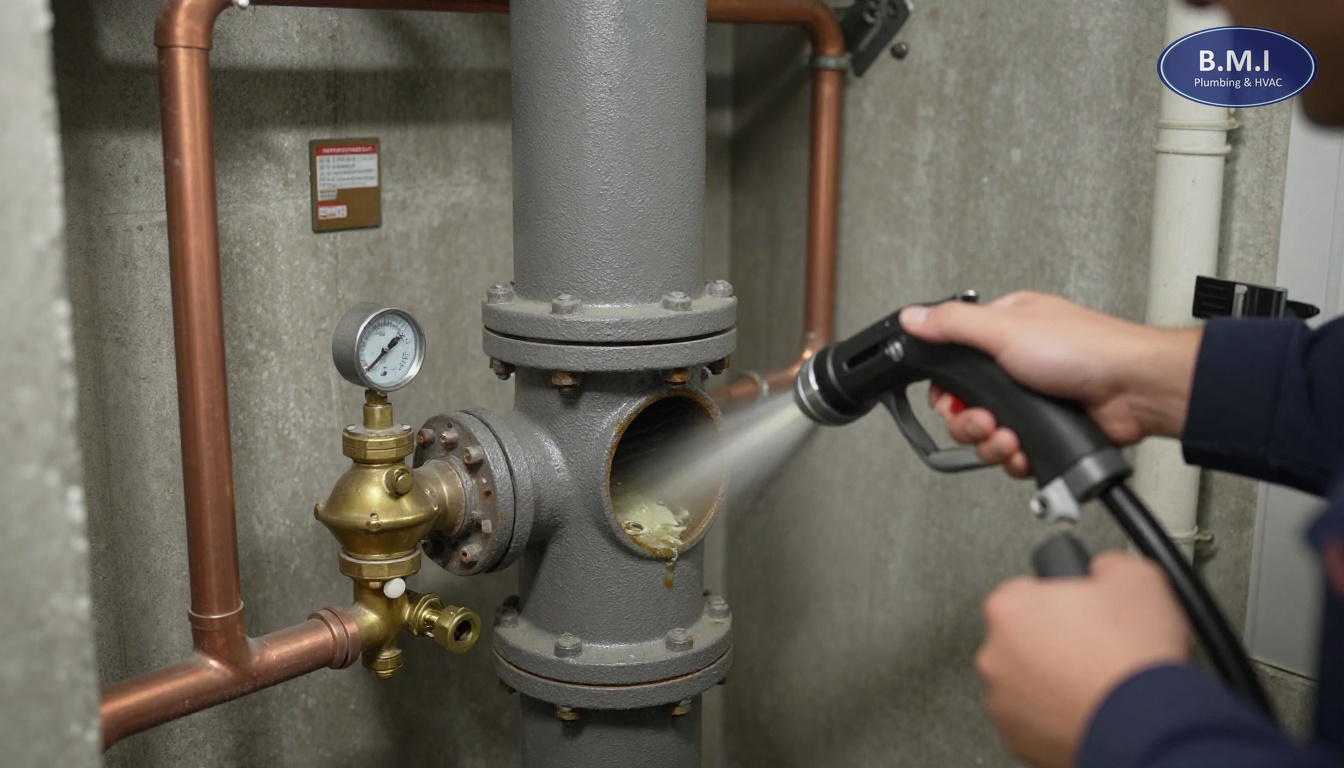
For drain-related complaints, especially before the holiday cooking season, managers should also consider whether repeated kitchen sink service calls point to a stack maintenance issue rather than isolated resident misuse. In that case, kitchen stack cleaning may be the more cost-effective answer than repeated snaking inside individual suites.
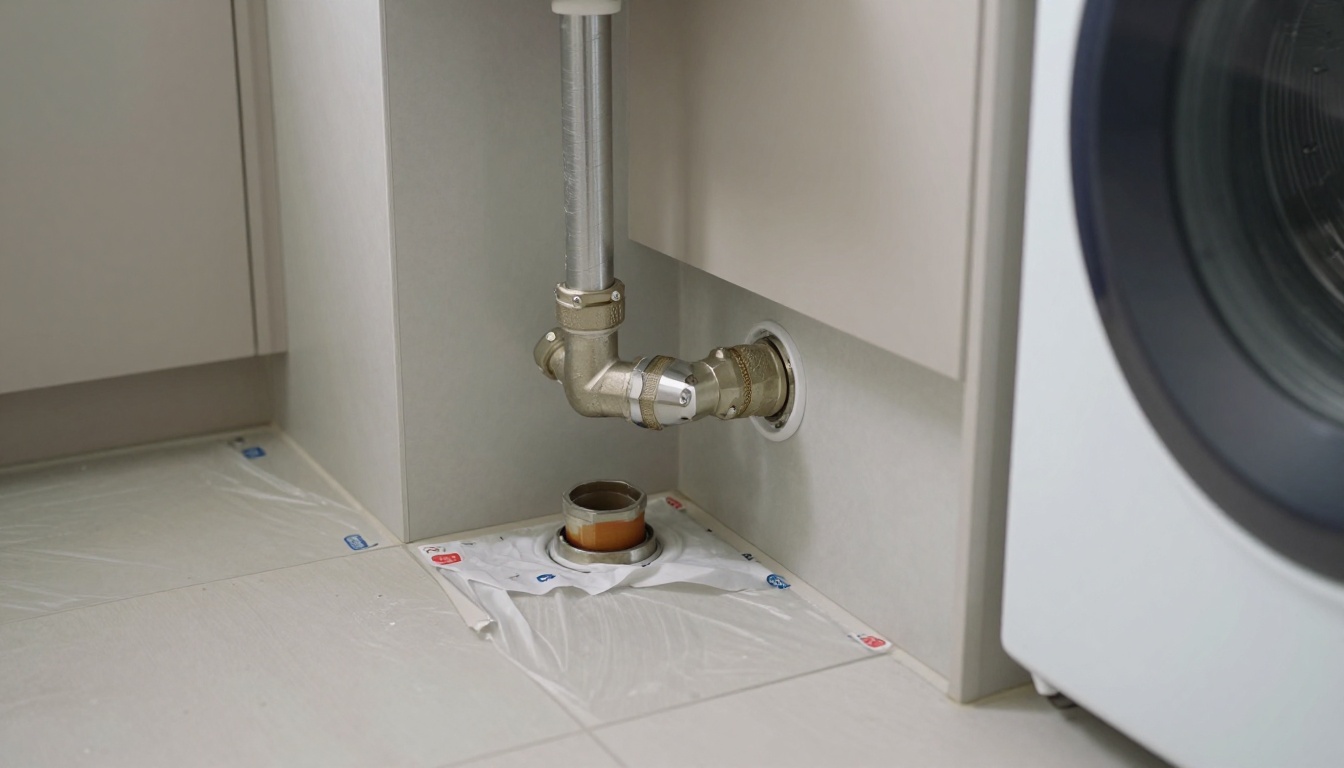
What diagnosis and inspection should include in Whitby
For a Whitby property manager, the goal is not just “fix the leak.” The goal is to know exactly what failed, whether the repair was made at the right level, and whether the event belongs in the building’s operating budget, reserve planning, or a chargeback discussion.
A proper in-suite plumbing assessment usually starts with isolation and verification:
- Confirm the source fixture or drain and whether the leak is active or residual.
- Test fixture shutoffs and determine whether they hold.
- Check for evidence of pressure issues, thermal expansion effects, or recurring hammer.
- Inspect nearby piping, supplies, traps, escutcheons, and penetrations for signs of prior leakage.
- Determine whether the source is truly in-suite or whether the suite is only where damage became visible.
Managers should insist on clear evidence, especially when multiple parties may be involved. That means photographs, a written description of the failed component, and a note on whether the source appears to be owner fixture, suite branch, or common-element piping. If the diagnosis involved a blocked drain line beyond the trap arm, drain cleaning and snaking may solve the immediate issue, but the report should still say whether there are signs of scale, grease, offset joints, or corrosion that suggest a recurring problem.
Where pressure complaints are involved, a credible diagnosis should not stop at replacing a faucet cartridge. If several Whitby suites report high pressure, noisy fixtures, or repeated supply failures, the building should look at its pressure control equipment and not just the symptom inside the unit. That is where all maintenance programs can be useful as a framework, especially during fall budget season when boards are trying to decide what belongs in next year’s operating plan.
For leak investigations affecting suites below, access coordination is just as important as plumbing skill. The source suite, affected suite, superintendent, and sometimes restoration contractor all need to line up. In practice, that means documenting when water was observed, whether it correlates to fixture use, and whether the leak appears on demand or intermittently. A leak that only appears when a tub is drained is a different diagnosis from one that appears after toilet flushing or under constant line pressure.
A representative Whitby in-suite plumbing repair project
A realistic example would be a 12-storey condominium from the early 2000s near Dundas Street East, with roughly 140 suites. The property manager had been dealing with an annoying pattern rather than a disaster: several service calls over two months for leaking toilet supplies, one lavatory shutoff that would not close, and a complaint from a resident about staining in the ceiling below a bathroom.
The initial assumption was that these were unrelated suite issues. On inspection, the active leak came from a failed toilet supply and angle stop in an upper-floor suite. The stop was heavily mineralized and would not fully isolate, so the repair could not be completed cleanly without further control. While investigating adjacent fixtures, the plumber also found a lavatory shutoff in poor condition and signs of prior seepage at the trap connection. In the suite below, the ceiling staining was consistent with intermittent leakage over time rather than one major overflow event.
The repair plan involved isolating the local branch as available, protecting finishes, replacing the toilet shutoff, supply, fill valve, and wax seal, replacing the lavatory shutoffs and supplies, and testing the faucet and toilet under operating pressure. Because the building had seen several similar failures, BMI also recommended a review of suite isolation reliability and building pressure conditions, including pressure reducing valve maintenance and replacement and a broader valve replacement discussion where aged isolation points were no longer dependable.
The in-suite repair portion took most of one working day including access coordination, protection, and testing. The rough service cost for the suite work was in the range of $1,100 to $2,000 plus any restoration by others, depending on the exact fixture parts and access conditions. The more important outcome for the property manager was that the event changed from a one-off repair to a building trend. Over the following budget cycle, the board could treat repeated fixture-stop failures as a manageable maintenance issue instead of waiting for an after-hours flood.
For managers comparing options, it can also help to review completed projects and building references to understand how localized service calls sometimes lead to broader plumbing planning in GTA condominium stock.
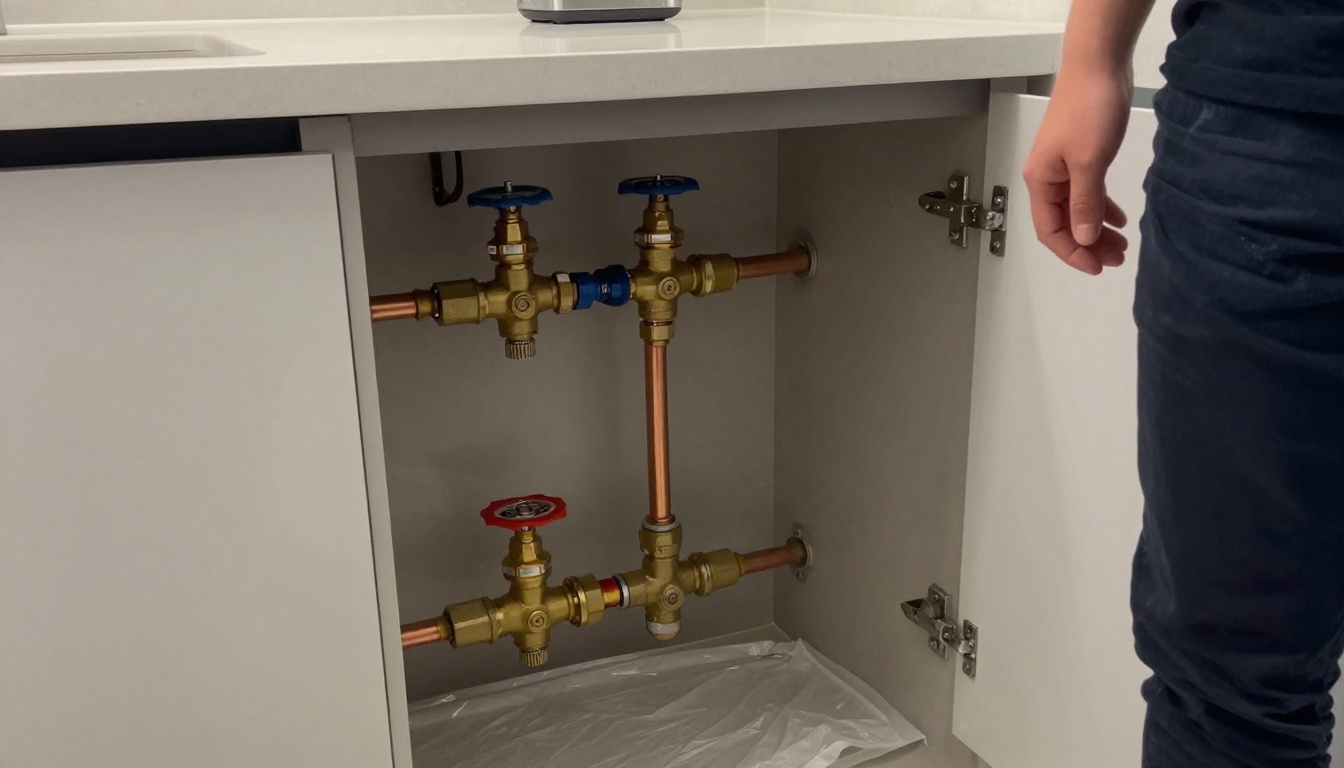
Costs and timelines for Whitby condominium in-suite plumbing repairs
For budgeting purposes, in-suite plumbing repair costs in Whitby should be treated as building-specific estimates, not fixed prices. Access, after-hours timing, resident coordination, parking and loading, fixture type, and whether shutoffs hold all affect the final number.
Typical GTA market planning ranges in 2026 are roughly:
- Basic in-suite service call with minor repair: about $350 to $650
- Toilet rebuild, supply replacement, or standard fixture repair: about $450 to $900
- Faucet cartridge replacement where parts are available and shutoffs function: about $400 to $850
- Replacing failed angle stops and supplies at one fixture group: about $700 to $1,400
- Leak investigation affecting multiple suites or requiring repeated attendance: about $800 to $2,000+
- Drain clearing within the suite or branch line, depending on severity and access: about $400 to $1,200
- After-hours emergency response with active leakage and difficult isolation: often materially higher than daytime rates
Timelines are usually short for the plumbing itself and longer for everything around it. A straightforward toilet or faucet repair may take one visit if access is confirmed and parts are standard. A leak with failed shutoffs, specialty fixture trim, tenant no-access, or ceiling opening can stretch into several visits over several days once restoration and reinspection are included.
In Whitby, practical logistics can matter more than outsiders expect. Some buildings have efficient loading and elevator access; others have limited superintendent coverage, tighter booking windows, or resident rules around notice periods and protection. During fall and early winter, service demand also rises as buildings address pressure swings, deferred repairs, and pre-holiday drain complaints. Where repeated suite calls point to a larger pattern, it can be more efficient to move from individual work orders to a coordinated in-suite plumbing repairs program or a broader all repairs and service review.
Repair versus replacement in Whitby suites
The right decision framework is simple: repair the isolated failure, replace components that are predictably near end of life, and escalate to building-level work when repeat calls prove the issue is systemic.
Repair is usually appropriate when:
- The fixture body is sound and only the working parts have failed
- Shutoffs are functional and can isolate the work safely
- The leak source is obvious and localized
- There is no pattern across multiple suites
Replacement becomes the better choice when:
- Shutoff valves are seized or unreliable
- Multiple fixtures in the same suite show aging supplies and stops
- Specialty faucet parts are obsolete or repeatedly failing
- Water pressure issues are damaging suite components
- Branch piping or common-element piping is implicated behind finishes
For boards and managers, this is where the Condominium Act and reserve fund planning matter. A reserve fund study is not there to absorb every suite service call, but repeated evidence of failing common valves, pressure control, risers, or branch infrastructure should feed into reserve discussions and updates. In some buildings, a stream of in-suite complaints is the first visible sign that larger work such as domestic water riser replacement or even full building re-piping is getting closer.
Owner alterations also complicate the decision. If a Whitby suite has aftermarket fixtures, relocated plumbing, or non-standard installations, the corporation may need to review section 98 records, permissions, or alteration history before deciding responsibility. That is another reason good documentation during the first repair call matters.
What deferring in-suite plumbing repairs costs
Deferred suite plumbing work rarely stays cheap. A $30 braided connector or a worn toilet fill valve can become a ceiling restoration claim, resident displacement issue, deductible dispute, or chargeback argument if it fails at the wrong time.
For Whitby condominium boards, the cost of deferral usually shows up in five places:
- After-hours emergency premiums. Work that could have been completed on a weekday becomes a night or weekend response through 24/7 emergency leak response.
- Restoration and drying. Finishes, contents, and contractor coordination often cost more than the plumbing repair itself.
- Insurance pressure. Frequent water losses can affect deductibles, claims history, and insurer scrutiny.
- Staff time. Superintendents and managers spend hours arranging access, notices, photos, owner communication, and contractor coordination.
- Board budgeting uncertainty. Reactive spending hides patterns that should be addressed through maintenance planning.
Fall is a good time in Whitby to sort these issues into the right buckets before winter. If the building is already seeing erratic pressure, recurring fixture leaks, or a cluster of suite drain complaints, the board should ask whether this belongs in operating maintenance, a targeted valve program, or a larger capital review through all capital project work.
FAQs about in-suite plumbing repairs in Whitby
Who is responsible for in-suite plumbing repairs in a Whitby condominium?
That depends on the declaration, rules, and the corporation’s standard unit definition. In many Whitby condominiums, shutoff valves, risers, stacks, and common piping remain the corporation’s responsibility, while fixtures and appurtenances within the suite may fall to the owner. A manager should confirm responsibility before authorizing non-emergency work, especially where a leak may involve both suite fixtures and common elements behind walls.
Do older Whitby condo buildings have different in-suite plumbing problems than newer ones?
Yes. Older mid-rise and high-rise stock in Whitby often shows failing angle stops, seized fixture shutoffs, aging brass components, cast-iron drainage noise and corrosion, and worn toilet and faucet internals. Newer buildings more often present with installation-related issues, cartridge failures, braided connector leaks, balancing problems, and owner alteration issues such as poorly installed bidet seats, dishwashers, or replacement faucets.
When should a Whitby property manager treat an in-suite plumbing issue as an emergency?
Treat it as urgent when water cannot be isolated, active leakage is affecting units below, a toilet is overflowing and cannot be shut down, or a drain backup risks sanitary damage. A failed shutoff valve inside the suite can turn a simple faucet repair into an after-hours emergency, which is why many buildings combine suite repairs with broader valve programs and ready access to 24/7 emergency leak response.
Can BMI inspect behind suite walls or ceilings during a Whitby plumbing repair?
A plumbing contractor can identify likely leak sources, perform isolation testing, inspect visible piping, and use tools such as moisture readings and camera inspection where accessible. Opening walls or ceilings is typically coordinated with the property manager, restoration contractor, or superintendent because access, resident notice, and responsibility for finishes must be managed carefully. In many cases, the key question is whether the leak originates from a fixture connection in the suite or from common piping in the wall.
What do in-suite plumbing repairs typically cost in Whitby condos?
Simple service calls such as toilet rebuilds, faucet cartridge replacement, trap replacement, or braided supply replacement are often a few hundred dollars, while more involved repairs with shutoff replacement, access complications, or multiple fixtures can run into the high hundreds or low thousands. If ceilings are opened, valves are seized, or common-element piping is implicated, costs rise quickly. For budget purposes, managers should treat any published range as a planning estimate that varies by building, access, timing, and scope.
Should Whitby condominiums schedule in-suite plumbing work in the fall?
Fall is often the right time to deal with deferred suite issues before winter pressure swings and holiday occupancy increase call volume. It is also budget season for many boards, so a cluster of recurring suite repairs can be turned into a planned maintenance or capital discussion instead of another year of reactive service. In buildings with repeated shutoff failures or pressure complaints, fall is also a good time to review PRV maintenance and valve condition.
Next steps for Whitby property managers and boards
If your Whitby building is seeing repeated in-suite plumbing repairs, the next step is not just to dispatch another service call. Start by grouping the failures: toilets, faucets, shutoffs, drain backups, pressure complaints, or leaks affecting units below. Then ask whether they are isolated resident issues or evidence of aging plumbing components that need a building response.
BMI serves Whitby and the surrounding GTA from its Toronto shop. For managers and boards, that usually means three practical options: book a targeted suite repair, arrange diagnostic work such as toilet and faucet repairs or camera pipe inspection, or step back and review whether the pattern belongs in a maintenance or capital plan. If you need help sorting that out, the best place to start is to contact BMI with the building type, age, symptom pattern, and any photos or incident history you already have.
Contact BMI
- Contact BMI
- Phone: (416) 845-3756
- Emergency: (416) 845-3756, answered 24 hours a day
- Email: info@brial.ca
More on condominium plumbing
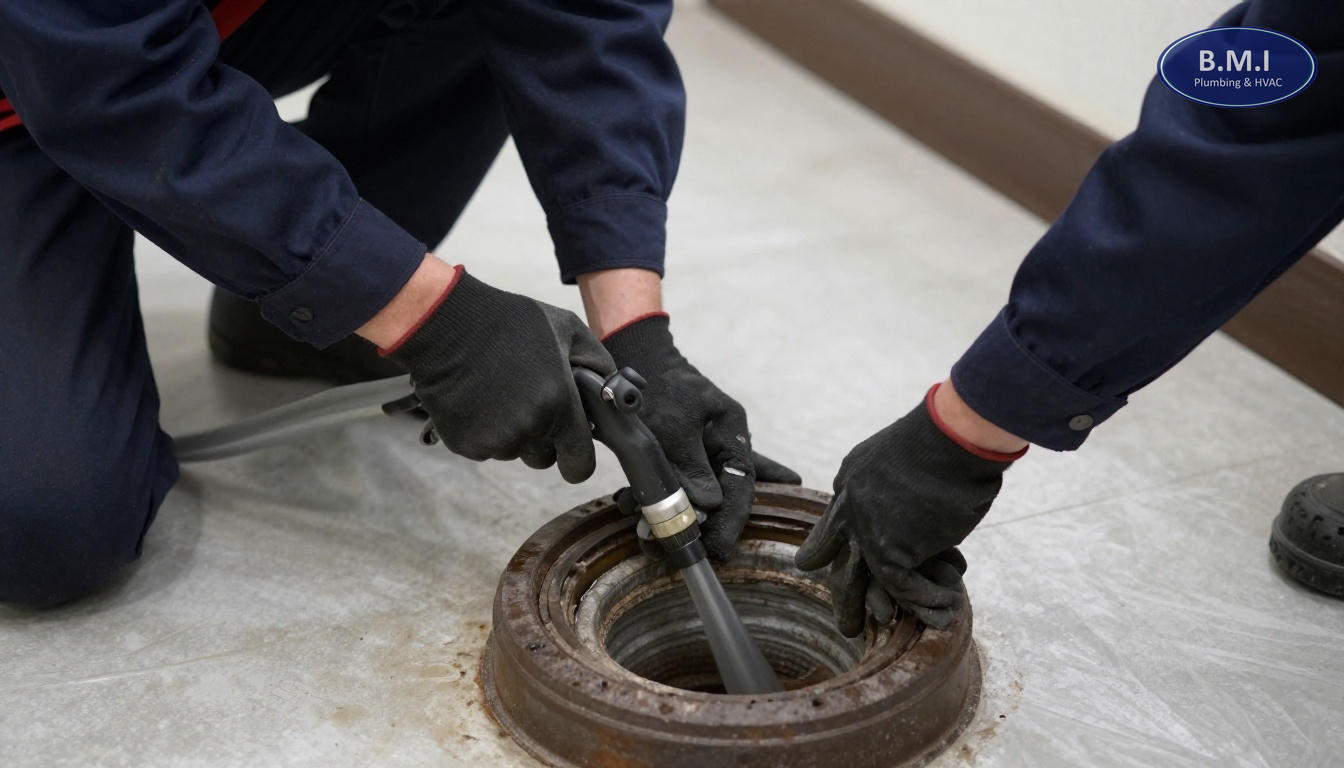
Condo Kitchen Stack Cleaning Frequency in Toronto
How often should a condo kitchen stack be cleaned? Toronto guidance on stack cleaning schedule, costs, warning signs and …
Camera Pipe Inspection in Mississauga Condominiums
Camera pipe inspection in Mississauga for condos and rentals. Learn when CCTV drain surveys are needed, what they show, …
Why Kitchen Stacks Block in Toronto Condominiums
A practical guide to kitchen stack cleaning in Toronto condos: why grease buildup happens, what blockage signs mean, and …
Need a plumber in your building?
BMI services roughly 200 condominium and multi-residential buildings across Toronto and the GTA. Emergencies are answered at any hour.