In-Suite Shutoff Valve Responsibility in Toronto Condos
Who pays for an in-suite shutoff valve in a Toronto condo? A practical guide to condo valve responsibility, common element rules, costs and decisions.
In-Suite Shutoff Valve Responsibility in Toronto Condos
Quick summary: In a condominium, an in-suite shutoff valve is not automatically the owner’s problem just because it is inside the suite, and it is not automatically the corporation’s problem just because it connects to common plumbing. The answer depends on the declaration, the valve’s location and function, and whether it serves only one unit or part of the building system. For Toronto property managers and boards, the expensive mistake is deciding who pays before confirming those facts.
A common fall scenario in Toronto is this: a resident is replacing a faucet or reporting a leak, the plumber tries to isolate the suite, and the in-suite shutoff valve either will not close or starts leaking from the stem when touched. Suddenly a simple repair becomes a building issue, because now management has to decide whether the owner pays, whether the corporation must shut down a riser, and whether similar valves should be budgeted for before winter pressure swings and holiday absenteeism increase the risk of a larger loss.
In buildings we service in Toronto, North York, Mississauga and Vaughan, this question comes up far more often in October and November than in spring. That is not because valves fail more in the fall; it is because boards are finalising next year’s budget, residents are doing fixture upgrades before the holidays, and managers are trying to avoid emergency shutdowns once cold weather arrives. If a branch isolation valve has not been exercised in 15 or 20 years, the first person to discover that is usually not the board’s consultant. It is the service plumber standing in a suite with water still running.
The first misconception: location does not decide responsibility
The most persistent misunderstanding around condo valve responsibility is that anything inside the drywall belongs to the owner. In practice, that is often wrong. Condominium responsibility in Ontario is driven by the Condominium Act, 1998, the declaration, the description and the standard unit definition, not by a simple “inside the suite” rule.
A valve can be physically inside a suite and still be treated as a common element or shared system component. This happens most often where the valve is the first isolation point off a domestic cold or hot water riser, where it is needed to safely isolate part of the building system, or where the governing documents define utility components differently from finishes and fixtures. Before approving work, managers should resist verbal assumptions and confirm the paper trail.
This is also why a building-wide valve audit is more useful than many boards expect. It does not just identify which valves operate. It helps establish which valves are sectional, which are suite-serving, which are hidden above ceilings or behind access panels, and which ones have become operationally critical because upstream isolation no longer works as intended.
The three-part test managers should use
When BMI is asked who should pay, the practical review usually starts with three questions:
- What does the valve isolate? One fixture, one suite, one riser branch, or multiple suites.
- Where is the valve installed? Under a sink, behind a toilet, above a suite ceiling, in a fan coil cabinet, or in a corridor/shaft.
- What do the condo documents say? Declaration, by-laws, rules, standard unit definition, and any section 98 alteration agreement.
That third point matters more than people think. A suite with owner-installed cabinetry, relocated plumbing, or a renovated laundry closet may have a section 98 agreement that changes access, restoration or cost allocation. If an owner enclosed a valve behind millwork without proper access, the valve itself may still be a corporate responsibility while the restoration or access cost is not.
What an in-suite shutoff valve actually is in condo buildings
The term gets used loosely, which causes billing disputes. In a condominium context, an in-suite shutoff valve can refer to several very different components:
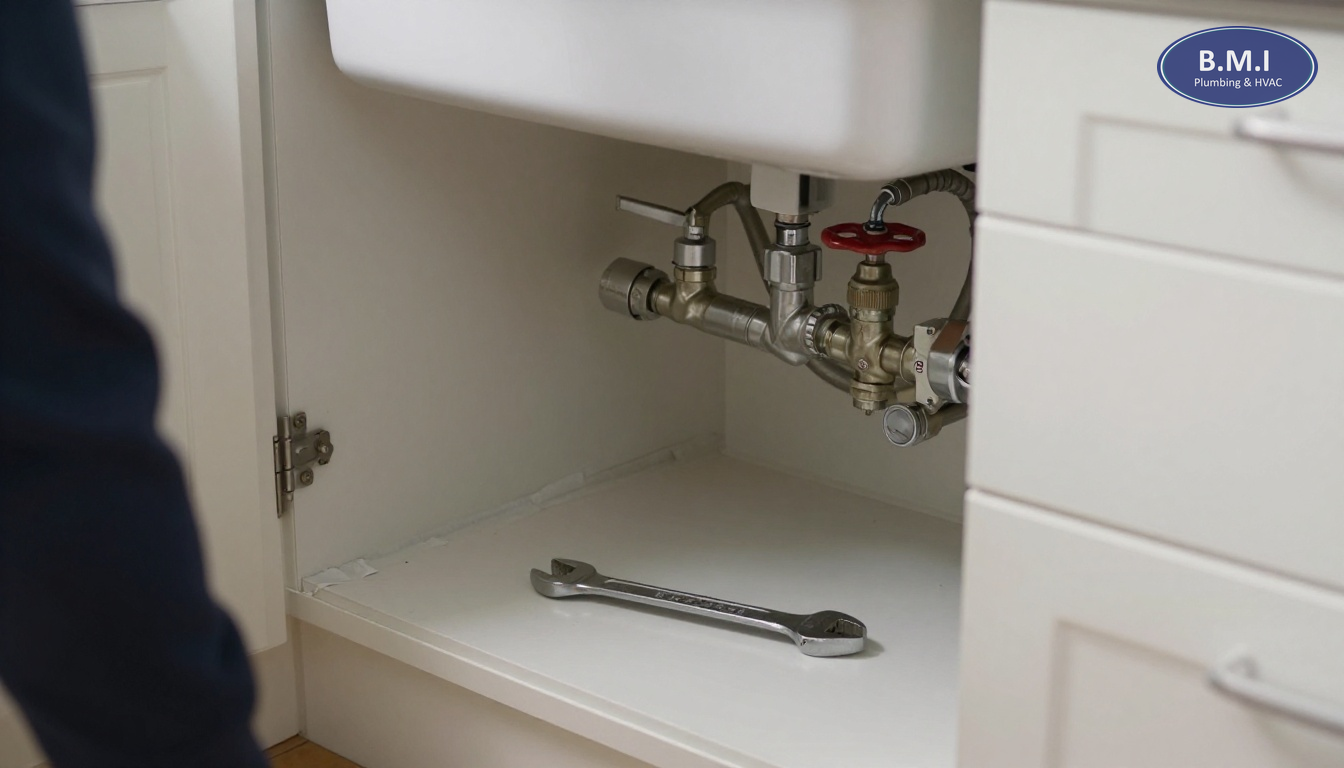
- Fixture stop valves at toilets and sinks, usually 3/8-inch outlet x 1/2-inch nominal inlet angle stops
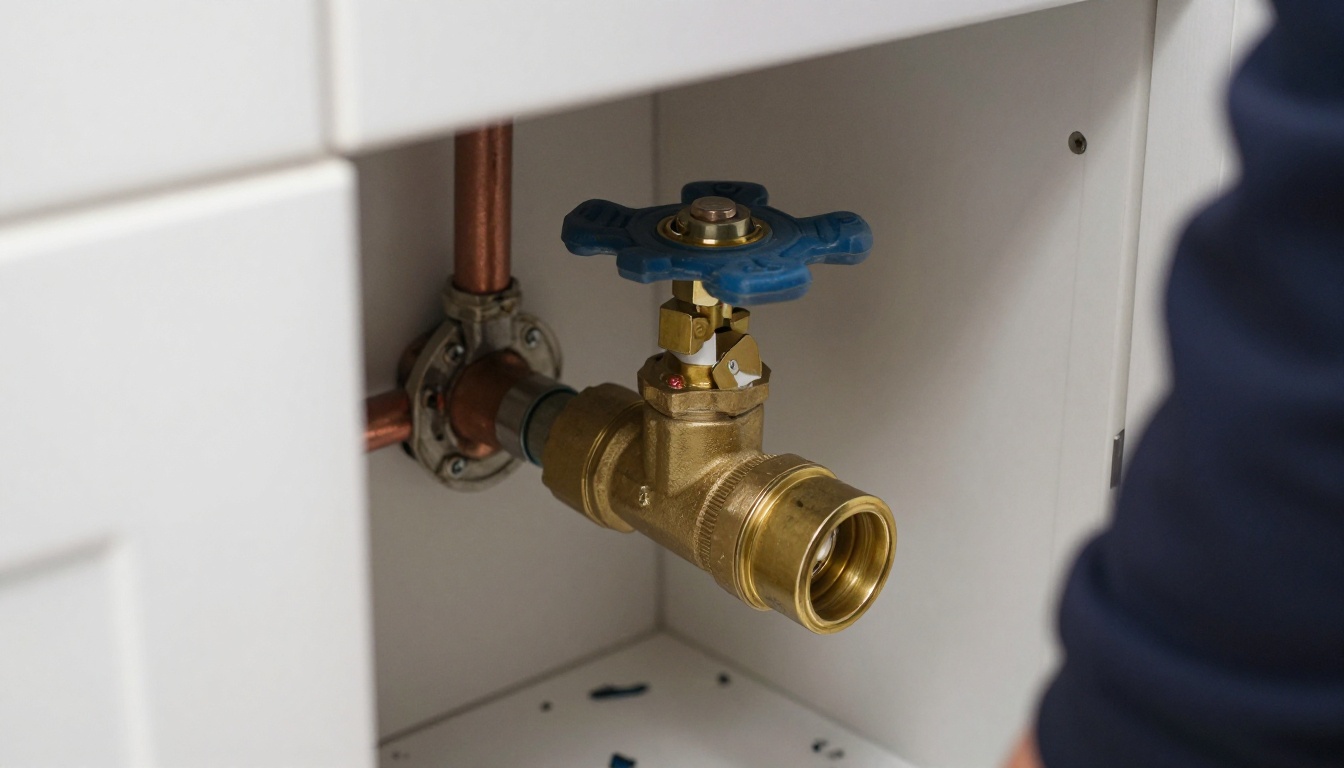
- Suite branch isolation valves, commonly 1/2-inch, 3/4-inch or occasionally 1-inch ball valves on domestic hot or cold lines serving the suite
- Laundry shutoffs for washer boxes, often 1/2-inch valves with hammer arrestors in newer towers
- Fan coil or heat pump isolation valves, which may involve hydronic systems rather than domestic water
- Dishwasher or icemaker stops, usually owner-side fixture branch components
These are not interchangeable from a responsibility standpoint. A failed sink stop under a vanity is often treated differently from a seized 3/4-inch branch valve that isolates the suite’s domestic cold water takeoff from the riser. They are also priced differently. A fixture stop replacement may be a routine in-suite plumbing call, while a branch isolation replacement may require a shutdown, corridor protection, notices and coordination with building operations.
A common mistake we see in early-1990s North York high-rises is calling every valve under a sink a “main shutoff.” It usually is not. In many towers, there is no true in-suite main visible under the kitchen sink. The actual branch shutoff may be in a ceiling bulkhead near the entry, in a laundry closet, or behind an access panel near the riser wall. That difference matters because replacing the wrong valve does not solve the emergency isolation problem.
How these valves fail in Toronto condo stock
Different building vintages fail in different ways, and that is where generic advice falls apart.
1970s and 1980s concrete high-rises
Older Toronto, Scarborough and Etobicoke towers often have brass gate valves or older multi-turn stops on copper branches. After 30 to 45 years, the stem packing dries out, the gate binds, or the internal washer degrades. The valve may appear fine until it is operated; then it starts dripping around the stem or fails to reseat fully. In these buildings, touching an original valve for the first time in years is often what reveals the defect.
Early-1990s towers
Early-1990s buildings frequently have a mix of better-quality copper distribution and mediocre isolation strategy. The pipe may still be serviceable, but the branch valves were installed in awkward locations or behind limited access. We also see many original ball valves that technically turn but no longer provide a reliable seal. A quarter-turn handle gives managers false confidence because the valve feels modern, but internal wear or mineral buildup can still let water pass.
Kitec-era buildings, roughly 1995-2007
In Toronto, Markham and Mississauga condos from the Kitec era, the valve issue is often tied to the pipe system itself. Where Kitec/PEX-AL-PEX or related brass fittings remain, a valve replacement can trigger a larger decision because the fitting interfaces are part of the risk profile. In those cases, it may make little sense to replace only one failing valve if the suite or stack is already a candidate for Kitec replacement or broader building re-piping.
Post-2010 glass towers
Newer towers usually have better valve layouts, but they are not immune. We see issues from compact installation, inaccessible access panels, and owner renovations that bury shutoffs behind custom millwork. Another modern problem is that many valves are rarely exercised because the building relies on suite-level service calls rather than preventive programs. Even a 10- to 15-year-old valve can seize if it sits untouched in a warm, humid cabinet for years.
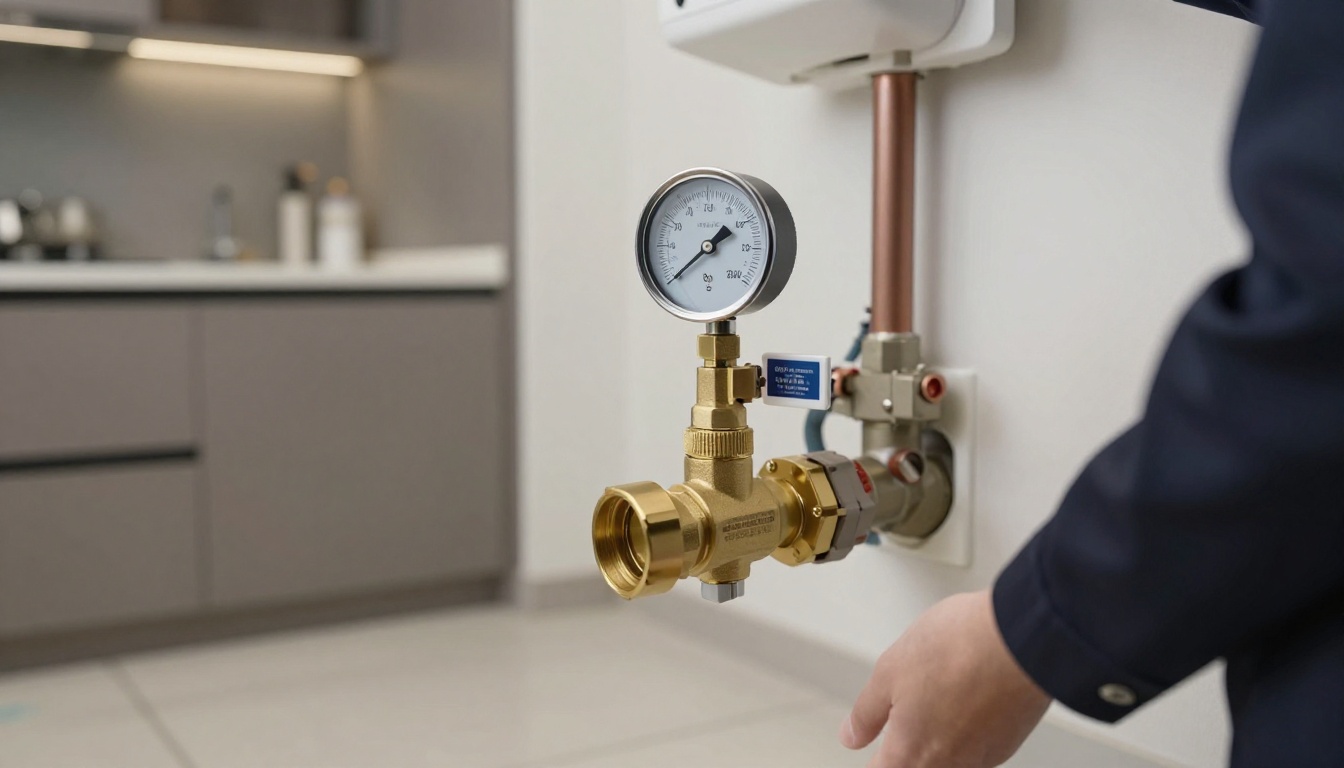
For buildings with repeated pressure complaints, it is also worth checking the upstream pressure reducing valve station. Excessive building pressure, especially overnight or during winter municipal swings, shortens valve life and makes weak stops leak sooner. That is why fall is the right time to review PRV maintenance, not after the first cold-weather flood.
What residents report versus what is actually wrong
Property managers rarely receive a ticket that says, “branch isolation valve has failed.” They get symptoms. Knowing which symptom points to a valve problem saves time and avoids the wrong trade being called.
Typical reports include:
- “The plumber could not shut the water off to replace my faucet.”
- “The toilet valve is closed but water is still feeding the tank.”
- “The valve started leaking after someone touched it.”
- “We had to shut down the stack for one suite repair.”
- “There is no accessible shutoff for this appliance.”
A useful distinction: if a toilet or faucet stop leaks only when turned, that is usually a local fixture valve issue. If a contractor cannot isolate the suite at all and has to request a riser or branch shutdown, that points to a more significant condo valve responsibility question because building operations are now involved.
Another non-obvious sign is repeated after-hours calls from the same vertical line of suites. When three or four units on one riser have had fixture replacements complicated by bad branch valves, the building likely has a pattern, not isolated bad luck. That is the point to consider a scheduled valve replacement program rather than continuing with reactive service.
What a proper inspection should include before anyone decides who pays
A surprising number of disputes happen because the first report is too vague. “Valve failed” is not enough. Management should insist on evidence that distinguishes a fixture stop from a suite branch valve and a suite branch valve from a common riser valve.
A defensible inspection record should include:
- Photos in place showing the valve before removal
- Pipe size and material, such as 1/2-inch Type M copper, 3/4-inch Type L copper, PEX, or Kitec
- Exact location, including room and access type
- Function, meaning what the valve isolates
- Condition, such as seized, passing, stem leak, body corrosion, cracked solder joint, or inaccessible
- Operational impact, including whether a riser or floor shutdown is required
If the valve location is unclear, a camera inspection is less relevant than a physical piping trace by an experienced condo plumber, but camera work can still help when drains, bulkheads or hidden chases are part of the access issue. For water systems, the more important evidence is often pressure readings, valve charting and as-built verification.
In larger high-rises, a proper valve audit often reveals a second problem: the supposed upstream sectional valve also does not hold. That changes both cost and responsibility, because replacing one in-suite valve may now require replacement of a failed common isolation valve elsewhere in the system.
Repair, replace, or defer: a decision framework boards can defend
Not every bad valve has to be replaced immediately, but some should not wait.
Replace now if:
- The valve will not close and the suite cannot be isolated
- The valve leaks from the stem or body when operated
- The valve passes significantly after closure
- A resident is away for extended periods and the suite has no reliable isolation
- The building has had recent water losses from similar valves
Schedule and batch if:
- The valve still functions but is stiff or partly seized
- Multiple similar valves in the same building vintage are failing one by one
- The work can be combined with fixture upgrades, riser work, or access already planned
- The board is assembling next year’s capital or operating budget
Defer cautiously if:
- The valve is accessible, dry, functioning, and there is a reliable upstream isolation method
- The suite is low-risk and occupied, and no related work is planned
- Replacement would require disproportionate wall restoration for little immediate benefit
This is where experienced judgement matters. In a 300-unit building, replacing 40 suspect valves in a planned campaign can cost less overall than handling 12 emergency calls over two winters. Emergency calls bring after-hours premiums, concierge coordination, elevator use, damage mitigation and sometimes emergency plumbing response if the valve fails during use.
If the issue is part of a larger domestic water reliability problem, managers should also look at riser replacement or broader project solutions, not just local valve swaps. Replacing branch valves on a deteriorated riser system can be money spent in the wrong place.
Cost ranges in Toronto: what boards should budget
The brass valve itself is usually the smallest part of the invoice. Labour, access, shutdowns and restoration drive the number.
| Scope | Typical Toronto market range | What moves the cost |
|---|---|---|
| Replace one accessible fixture stop valve | $250-$450 | Tight vanity access, corroded stub-out, fixture removal |
| Replace one accessible 1/2" or 3/4" branch shutoff | $450-$950 | Pipe material, sweating near finishes, old fittings |
| Replace one branch shutoff requiring local wall/ceiling opening | $1,200-$2,500 | Drywall cuts, patching, painting, limited access |
| One-suite shutdown coordination in a straightforward building | $0-$300 additional | Depends whether local isolation works |
| Riser/floor shutdown for one valve replacement | $500-$1,500 additional | Notice, staffing, after-hours work, multiple trades |
| Batch replacement program, 20-100 valves | Often 10%-25% lower per valve | Repetition, access planning, grouped notices |
These are budgetary ranges, not quoted prices, and they vary by building. In downtown Toronto towers with restricted service elevator windows and after-hours work requirements, costs trend higher. In more accessible mid-rises in Vaughan or Mississauga, grouped work can be more efficient.
A detail non-experts often miss: if the valve is on a domestic hot water branch, replacement may require coordination with recirculation and thermal conditions, especially in older systems without ideal sectional isolation. That can turn a 45-minute swap into a half-day event.
For corporations trying to reduce the frequency of these calls, a scheduled maintenance program paired with valve replacement is usually easier to defend at budget time than a vague line item for “plumbing contingencies.”
Shutdown logistics, notices and access realities in condo buildings
This is where many owner-versus-corporation arguments become operational problems.
If a fixture stop under a sink is being replaced and it can be isolated locally, the work may take 30 to 90 minutes in-suite. If the suite branch valve has failed and the riser must be shut down, the timeline changes:
- Resident notice: typically 48 to 72 hours minimum, though many buildings prefer 3 to 7 days for planned shutdowns
- Work window: often weekday daytime, but some towers require after-hours to reduce resident impact
- Suite access: one or more suites may need entry if sectional isolation is poorly charted
- Building staff coordination: concierge, super, operator, and elevator protection may all be involved
- Water interruption: anywhere from 1 to 4 hours for a simple branch valve, longer if upstream valves fail
On a 25-storey building, one bad in-suite valve can expose three separate weaknesses at once: the suite valve does not hold, the floor sectional valve is not charted, and the riser isolation leaks through. That is why BMI often recommends a valve audit after the second or third shutdown-related surprise, not the tenth.
In fall, there is also a strategic reason to deal with known valve issues before December. Holiday travel means more vacant suites, and a small leak that would normally be reported in an hour may run overnight. That risk multiplies in post-2010 towers with high-end finishes and in purpose-built rentals where access coordination can lag.
Who pays when there is damage, not just a repair invoice
This is where managers need careful language. The question “who pays” often has two separate answers:
- Who pays to repair or replace the valve
- Who pays for resulting water damage, deductible, and restoration
Those are not always the same party. A corporation may be responsible for a common element valve replacement, while the owner may still be charged back for certain damages depending on the declaration and insurance by-law. Conversely, an owner may own a fixture stop valve, but if the corporation delayed access to a known failing common sectional valve, the broader loss analysis changes.
Another nuance: if a contractor or owner operated a visibly deteriorated valve during unauthorized renovation work, liability can become more fact-specific. This is why managers should document pre-existing condition and insist on written findings from the attending plumber, whether through in-suite plumbing service or a broader building review.
In Ontario condominium practice, the declaration usually answers more than people expect, but only if someone actually reads the plumbing-related schedules. Too many disputes are driven by assumptions copied from another building with completely different documents.
When an in-suite valve problem is really a building program problem
Boards often treat these as nuisance calls until the volume becomes impossible to ignore. The better trigger is pattern recognition.
Consider a building-wide program when you see:
- More than 5 to 10 valve-related service calls in a year in the same plumbing vintage
- Repeated need for riser shutdowns for routine suite work
- Original valves older than 20 to 30 years with no exercise history
- Multiple owner complaints that contractors cannot isolate suites safely
- Pressure complaints suggesting upstream regulation issues
At that point, the conversation should expand beyond one valve. It may include PRV maintenance, valve replacement, selective riser replacement, and review of whether aging domestic piping justifies a future building re-piping strategy. In some towers along the waterfront, higher humidity and mechanical room conditions accelerate corrosion around valve stations and supports, which then affects how confidently suites can be isolated upstream.
For boards preparing reserve fund discussions, this is one of those categories that often falls between operating and capital budgets. One-off valve replacements are usually operating expenses; a coordinated building-wide replacement campaign may need reserve fund review depending on scale and advice from the corporation’s engineer or reserve fund provider. Fall is the right time to get those numbers in front of the board.
FAQs
Is an in-suite shutoff valve usually the owner’s responsibility or the condo corporation’s?
There is no universal answer across Toronto condominiums because responsibility follows the declaration, description and standard unit definition, not trade habit. In many high-rises, the branch shutoff serving only one suite is treated as part of the suite, but in other buildings it is a common element or a shared component because it isolates part of the riser system. The practical test is whether the valve serves only one suite, where it is physically located, and what the governing documents say. Managers should not approve owner-paid replacement or corporate-paid replacement until those three points are checked together.
If a shutoff valve fails and causes water damage, who pays for the repair and the damage?
The plumbing repair cost and the water damage cost are often allocated differently. A corporation may be responsible for repairing a failed common element valve, while the owner may still face a deductible chargeback if the declaration permits it and the loss originated from their unit. In Toronto-area claims, the deductible often matters more than the pipe repair itself, because a valve replacement may cost a few hundred to a few thousand dollars, while a multi-suite water loss can reach tens of thousands. Managers should review the declaration, insurance by-law and any negligence evidence before making statements about chargebacks.
How much does it cost to replace an in-suite shutoff valve in a condo building?
For a straightforward accessible replacement of a 1/2-inch or 3/4-inch in-suite shutoff on copper, a realistic Toronto market range is often about $450 to $950 per valve during regular hours. If drywall opening, after-hours shutdowns, corroded fittings, or multiple trades are required, the cost can move into the $1,200 to $2,500 range per valve. Buildings that bundle 20 to 100 valves into one program usually achieve a lower per-valve cost than one-off service calls. The largest cost driver is usually access and shutdown complexity, not the brass valve itself.
Can a failed in-suite shutoff valve wait, or should it be replaced immediately?
A valve that is stiff but still holds can sometimes wait until a planned maintenance window, especially in budget season when boards are packaging work for the next fiscal year. A valve that will not close, drips from the stem, seeps at the packing nut, or spins without stopping flow should not be left for months because it removes your ability to isolate a suite during an emergency. In older North York and Scarborough towers, one failed branch valve often signals several more of the same age and make are near the end of life. The right response is usually not just one replacement, but a valve audit and a building-wide plan.
What evidence should management ask for before deciding who pays?
At minimum, ask for photos of the valve in place, the pipe size and material, the exact location, and a written note stating what the valve isolates. If responsibility is disputed, management should also ask whether the valve is on the suite branch after the riser takeoff, whether it serves any other unit or common-area fixture, and whether replacement requires a stack or riser shutdown. A proper record may include valve tags, as-built references, and findings from a building valve audit or in-suite plumbing investigation. Without that evidence, corporations often pay the wrong party’s invoice and then struggle to reverse it.
Should condo corporations proactively replace in-suite shutoff valves?
In many buildings, yes, especially where original valves are now 20 to 40 years old and no longer operate reliably. A proactive program makes sense when repeated service calls show seized angle stops, failing branch ball valves, or inaccessible original gate valves in 1970s and 1980s towers in Toronto, Etobicoke or Mississauga. Replacing valves in batches also reduces emergency shutdowns, elevator bookings, resident disruption and after-hours premiums. This is often better handled as part of a scheduled maintenance program or broader valve replacement project than as isolated reactive work.
A practical next step for managers and boards
If your building has had even two or three recent cases where a routine suite repair turned into a shutdown because an in-suite shutoff valve failed, do not treat that as random noise. That is enough evidence to review valve responsibility in your governing documents, chart the actual isolation points, and price a targeted replacement program before next year’s budget is locked.
A sensible fall approach is:
- Pull the declaration and standard unit definition.
- Compare them to actual field conditions, not assumptions.
- Identify whether the recurring failures are fixture stops, suite branch valves, or upstream sectional valves.
- Get budget numbers for both reactive replacement and a grouped program.
- Address upstream pressure concerns through PRV maintenance if readings are high or unstable.
If the building has not had its valves charted in years, start with a site review rather than a blind tender. In condo plumbing, the cheapest-looking number is often based on the least accurate understanding of the system. BMI attends the building before quoting, and where it makes sense, maintenance work can be set up on a schedule rather than handled call by call. For related reading, see the BMI blog, repairs and service pages, or examples of completed multi-residential work on the projects page.
Contact BMI
- Contact BMI
- Phone: (416) 845-3756
- Emergency: (416) 845-3756, answered 24 hours a day
- Email: info@brial.ca
More on condominium plumbing
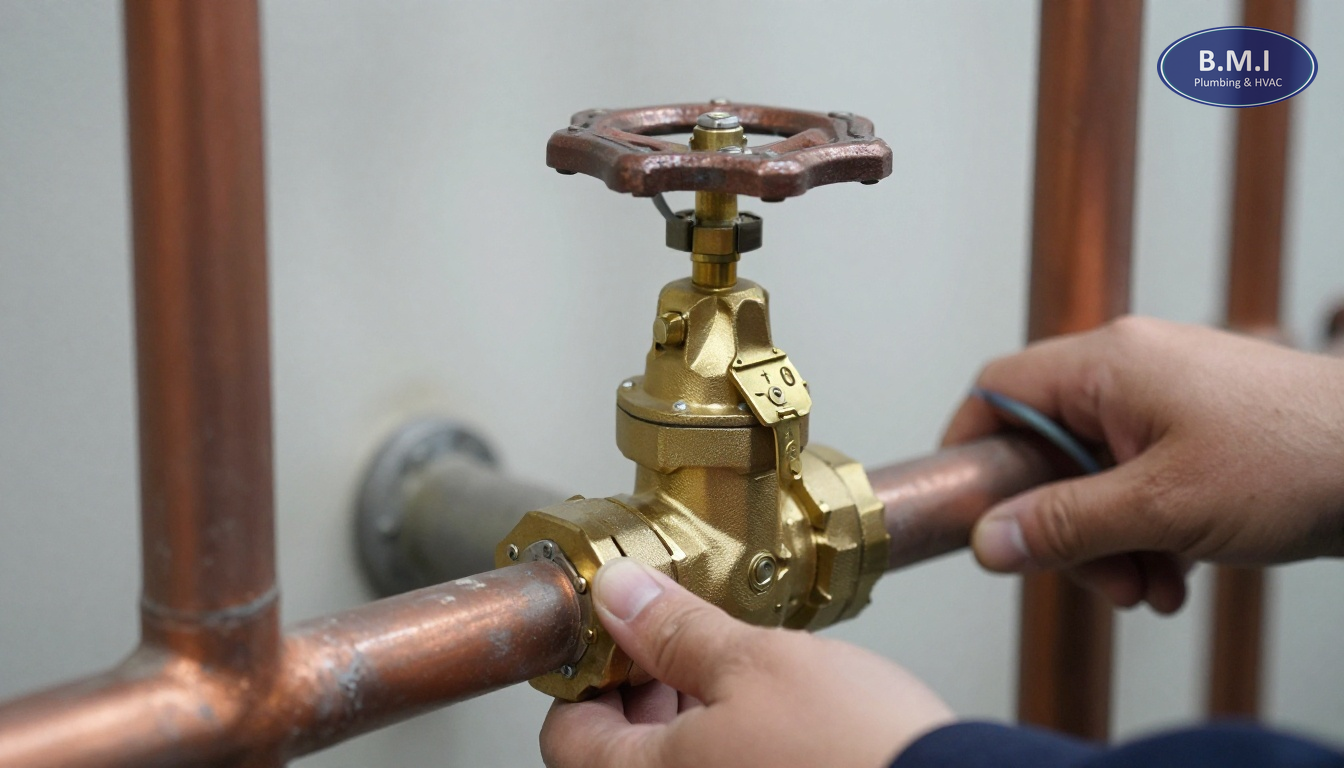
Seized Shutoff Valve in Toronto Condos: Avoid Floods
A seized shutoff valve can turn a small leak into a major condo flood. Toronto guidance on diagnosis, costs, shutdowns …
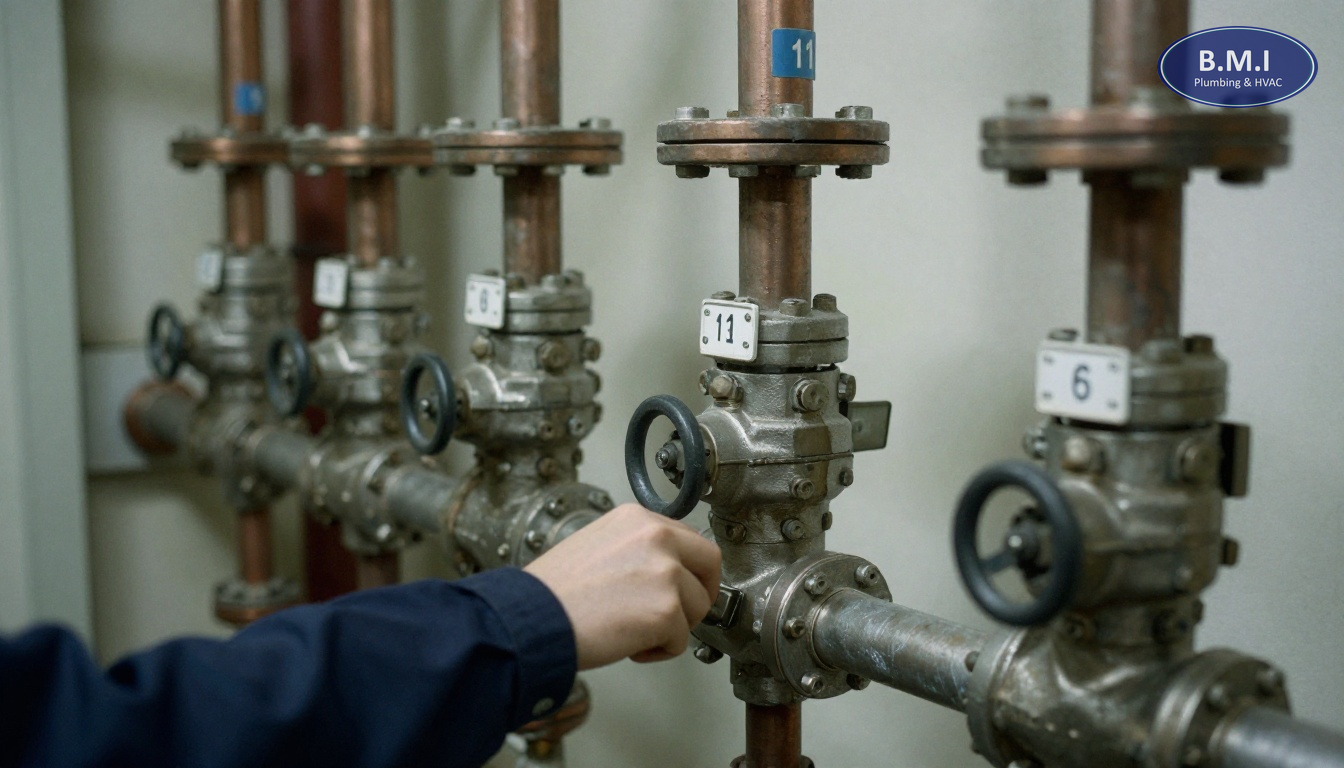
Gate Valve vs Ball Valve in Toronto Condos
A practical guide to gate valve vs ball valve and condo valve types in Toronto buildings, with costs, shutdown planning …
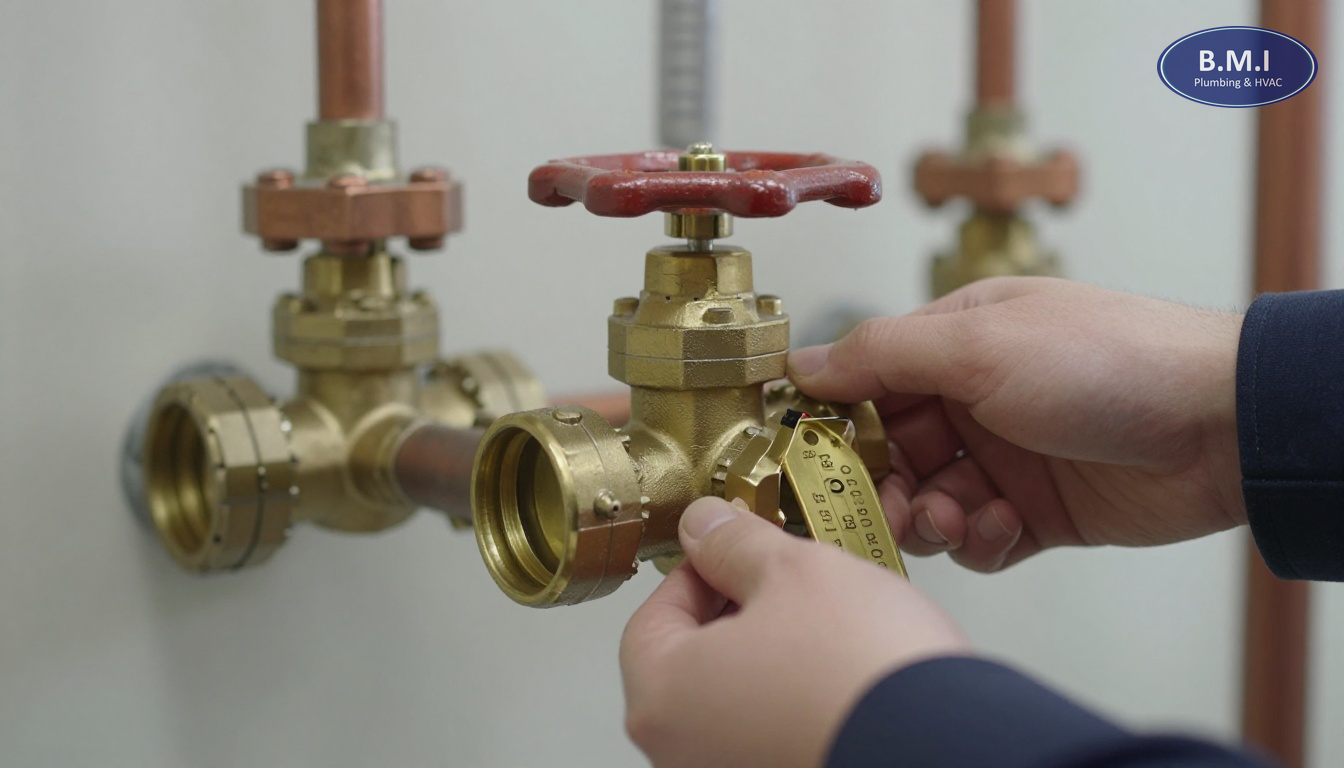
Valve Tagging and Valve Charts for Toronto Condos
Valve tagging and a usable valve chart help Toronto condos isolate leaks faster, avoid full-building shutdowns, and …
Need a plumber in your building?
BMI services roughly 200 condominium and multi-residential buildings across Toronto and the GTA. Emergencies are answered at any hour.