
Kitchen Stack Cleaning for Condominiums in Mississauga
Kitchen stack cleaning in Mississauga condos: how grease blockages develop, what inspection should include, and budgeting ranges for boards.
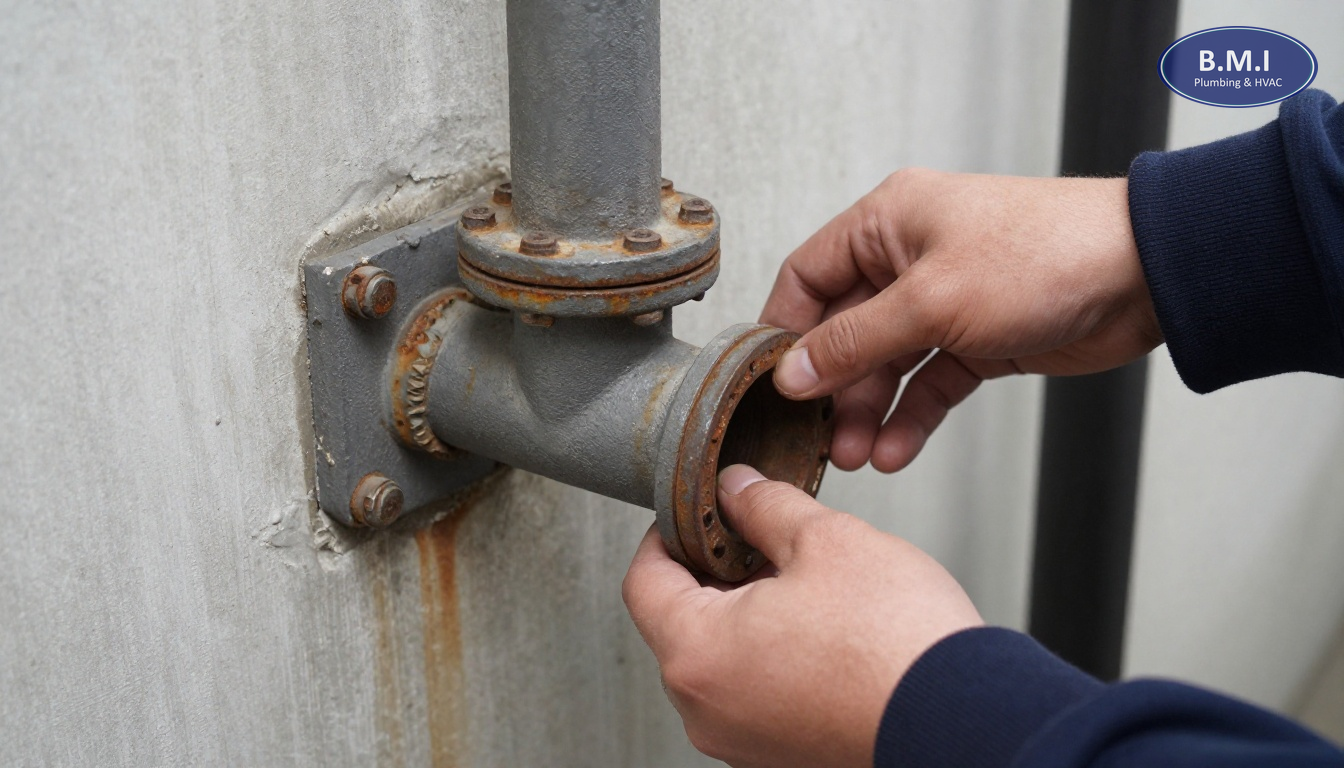
Kitchen Stack Cleaning for Condominiums in Mississauga
Quick summary: Kitchen stack cleaning in Mississauga condominiums is preventative maintenance aimed at removing grease, soap residue, food solids, and scale from shared vertical drain lines before they turn into recurring backups. In this market, the need is closely tied to the city’s building stock: older rental and condominium towers with cast iron stacks, 1990s and early-2000s high-rises around the City Centre area, and dense multi-residential corridors where repeated kitchen backups tend to show up first on lower floors and then spread vertically.
For property managers and condo boards, the goal is not simply to reopen a blocked sink. It is to reduce emergency calls, avoid unit damage claims, and decide whether a stack still responds to maintenance or is moving toward a capital item such as full building re-piping or more targeted project solutions.
Why kitchen stack cleaning shows up in Mississauga buildings specifically
Mississauga has several distinct eras of condominium and multi-residential construction, and each one produces a slightly different kitchen drainage problem. In older apartment and condominium towers along corridors such as Hurontario, Burnhamthorpe, and parts of Erin Mills, kitchen drains are often cast iron branch and stack systems that have seen decades of grease discharge. Even where residents are careful, long-term buildup narrows the inside diameter. Once the pipe wall gets rough and scaled, grease adheres faster and a stack that drained adequately five years ago can become a repeat trouble line.
In 1990s and early-2000s towers near Square One and surrounding City Centre growth, BMI often sees a mix of cast iron verticals with copper or plastic branches, or transitions made during prior repairs. These buildings are now old enough that original drainage systems are showing their age, but not old enough that every board has accepted the need for major replacement. That is exactly where a planned kitchen stack cleaning program makes sense: it can extend serviceability, identify which risers are still maintainable, and separate operating maintenance from deferred capital work.
Newer Mississauga towers, including glass high-rises closer to the waterfront and newer intensification pockets, are not immune. The piping may be newer and smoother, but heavy resident turnover, short-term occupancy patterns in some buildings, and concentrated cooking habits can still create localized grease blockages, especially in poorly used or poorly flushed sections. The difference is that newer piping usually cleans more predictably unless there is a design or installation issue.
There is also a municipal reality to consider. Mississauga’s high-rise buildings are served through a large municipal water and sewer system, and in taller or more elevated buildings, drainage complaints can be confused with domestic water pressure issues or fixture problems. A board should not assume every slow kitchen sink is a stack issue, but when the same vertical line keeps coming back, it usually is. This is why stack cleaning should be coordinated with broader maintenance programs rather than handled as isolated after-hours emergencies.
From a logistics standpoint, Mississauga buildings often present access challenges that affect how stack cleaning is done. Older towers may have narrow service corridors and original cleanout locations hidden behind millwork or inside suite cabinets. Newer towers may have stricter loading dock booking, tighter service elevator windows, and resident notice requirements. In fall, before the holiday cooking season, many boards try to complete cleaning while weather is still manageable and before winter pressure and occupancy patterns put extra strain on the building’s plumbing systems.
How grease blockages present in Mississauga condo drain stacks
A true kitchen stack issue rarely starts as a dramatic whole-building event. More often, the property manager hears that one resident’s kitchen sink drains slowly. Then another complaint comes from the suite above or below on the same riser. A superintendent may snake one suite and get temporary relief, only to have the lower-floor unit back up again two weeks later when several residents use dishwashers at the same time.
In Mississauga condominium buildings, the reports are usually some version of the following:
- slow kitchen sinks on a vertical line of suites
- gurgling when the dishwasher discharges
- water rising in one sink when another fixture is used
- odours from under the sink cabinet
- repeated lower-floor backups, often between the second and sixth floors depending on stack layout
- after-hours calls around long weekends or holiday cooking periods
These patterns matter. If the issue is isolated to one suite, the problem may be a branch line, trap, or fixture connection better handled through in-suite plumbing repairs or toilet and faucet repairs where appropriate. If multiple suites on the same vertical line are affected, the board should think beyond spot service and ask whether the condo drain stack itself has lost effective carrying capacity.
The lower floors usually show symptoms first because they receive discharge from the floors above. In older Mississauga buildings, that means the bottom section of the stack can become heavily lined with grease and food solids, especially where there is a long horizontal offset before the building drain. The result is not always a full blockage. Sometimes it is a partially closed pipe that backs up only during peak use, which is why the problem can seem intermittent for months before it turns into a claim.
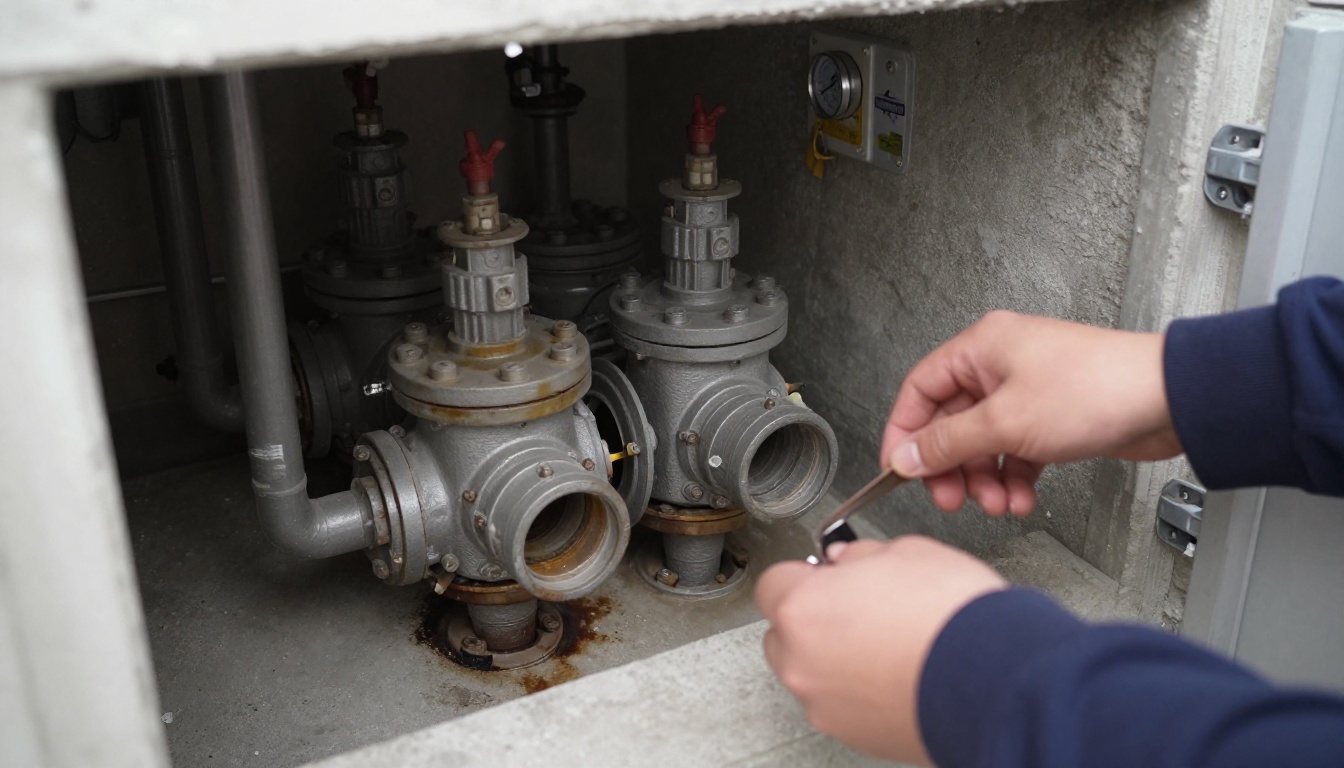
What diagnosis and inspection should involve in Mississauga condominiums
For a property manager, the most important question is not simply whether a plumber can clear the line today. It is whether the contractor can show what condition the stack is in and whether cleaning is likely to hold.
A proper diagnosis usually starts with complaint mapping. Which suites are affected, on what dates, and on which vertical line. That information tells you whether you are dealing with a branch, a stack, or a main building drain issue. From there, access points are identified: suite cleanouts, base cleanouts, or service room access. In some Mississauga towers, especially those built before extensive in-suite renovations became common, access can be awkward and may require opening cabinet backs or working through older service spaces.
The next step is usually a combination of mechanical cleaning and visual confirmation. A contractor may begin with cabling or a preliminary opening to establish flow, but where there are recurring backups, a board should strongly consider camera pipe inspection. Camera work does not always travel every section of a grease-lined kitchen stack cleanly before cleaning, but it is valuable before and after to document whether the pipe is merely dirty, severely scaled, offset, cracked, or approaching failure.
Evidence to insist on includes:
- identification of the exact stack or riser cleaned
- before-and-after observations, ideally with photos or video where possible
- notes on pipe material and approximate condition
- whether the blockage was soft grease, hardened scale, foreign material, or a structural defect
- recommendations on interval: reactive only, annual, or more frequent
- any sections that may need drain cleaning and snaking follow-up, repair, or replacement
On older Mississauga properties, this distinction is critical. If the stack wall is deeply scaled and the internal diameter is badly reduced, jetting may restore some function but will not reverse age. At that point, the stack may need to be monitored under a planned program while the board budgets for building re-piping or selective replacement. A good contractor should say so plainly.
Kitchen stack cleaning also intersects with other building systems. If your building has neglected shutoff valves, poor suite isolation, or inconsistent domestic pressure, even routine maintenance becomes harder to stage. That is why many boards pair stack work with broader items such as a valve audit, charting and exercise program or pressure reducing valve maintenance and replacement when they are trying to bring an older Mississauga asset under better control.
A representative Mississauga kitchen stack cleaning project
A realistic example would be a 24-storey condominium from the early 1990s near Hurontario and Burnhamthorpe. The building had roughly 180 suites and a history of kitchen sink backups affecting two vertical lines on the lower and mid-level floors. The property manager reported that individual service calls had increased over the previous 18 months, especially after long weekends, and that one lower-floor suite had experienced two overflows from the kitchen sink despite prior snaking.
BMI attended first for diagnosis. Complaint records showed the same two stacks repeatedly involved. Access was available from base cleanouts in a service area and from selected suites. Initial opening restored some flow, but cable resistance and pulled debris suggested heavy grease accumulation rather than a single foreign object. A follow-up camera pipe inspection confirmed thick grease and scale coating the lower sections of both kitchen stacks, with the heaviest buildup in the bottom several storeys and at the horizontal transition near the building drain.
The recommended work was scheduled stack-by-stack with resident notice windows. Each riser was taken out of kitchen service for a defined period while controlled cleaning was performed from the best available access points. Selected branch connections were checked where prior complaints suggested secondary buildup. The building remained occupied throughout, but resident coordination was essential because dishwasher and sink use during active cleaning would have disrupted the work.
The project took two working days on site, plus advance notices and coordination. The rough cost was in the mid four figures for the two problem stacks including inspection, cleaning, and reporting, with the final amount varying by access time and the extent of follow-up branch work. The practical result was that recurring backups stopped, and the board adopted a rotating preventative program for the higher-risk kitchen risers rather than waiting for another overflow.
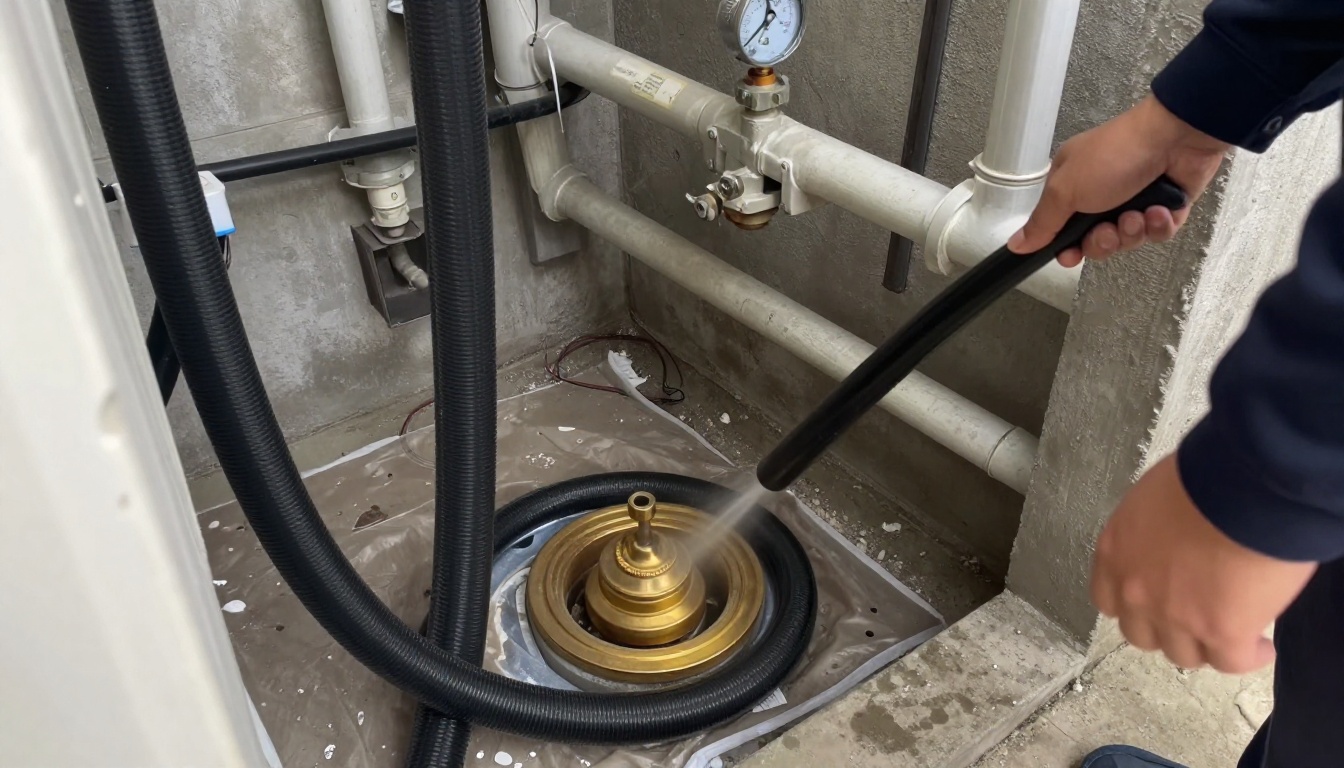
Costs and timelines for kitchen stack cleaning in Mississauga
Costs vary widely because no two condominium drainage systems are equally accessible. As a GTA market estimate, not a quoted price, a single problem stack with straightforward access may cost a few thousand dollars to inspect and clean properly. A broader program for a mid-rise or high-rise Mississauga condominium with multiple kitchen risers can range from several thousand dollars into the low tens of thousands depending on:
- number of stacks and branch connections involved
- whether work is daytime or after-hours
- whether camera pipe inspection is included
- how difficult access is in suites, service rooms, or behind millwork
- whether the building needs repeat passes because of heavy grease and scale
- whether temporary fixture restrictions require additional resident coordination
For budgeting purposes, boards should ask for unit pricing by stack or by riser group, not just one lump sum. That makes future budget season easier and lets the board compare reactive call costs against a planned maintenance cycle. In fall, many Mississauga condominiums prefer to complete this work before the holiday season, when kitchen use rises and emergency response becomes more disruptive.
Timelines are usually shorter than boards expect. One to several stacks can often be addressed in a day if access is good and notices are well managed. A larger building with many affected risers may need phased work over several days or a rolling program by elevation or wing. If the inspection reveals that some stacks are too deteriorated for meaningful maintenance, the timeline shifts from cleaning to capital planning and resident communication.
Repair versus replacement in Mississauga: when cleaning still makes sense
Kitchen stack cleaning is maintenance, not a cure for every old drain system. The decision framework is straightforward.
Cleaning usually makes sense when the stack is structurally serviceable, the blockage is mainly grease and residue, and the building’s issue is recurring restriction rather than pipe failure. This is common in many Mississauga towers from the late 1980s through early 2000s, where the drains still have useful life but have not been maintained systematically.
Replacement becomes the more responsible answer when the stack is cracked, offset, badly corroded, or repeatedly backing up soon after cleaning. If camera evidence shows severe internal deterioration, the board should stop spending operating dollars as though this were routine maintenance and start evaluating domestic water riser replacement, full building re-piping, or related capital work depending on which system is actually failing. Kitchen drainage and domestic piping are different systems, but in older buildings they often reach decision points at similar times.
There is also a middle ground: scheduled maintenance on selected stacks while the board plans phased replacement. That approach is often sensible in Mississauga where reserve fund timing, resident disruption, and access constraints make immediate wholesale replacement impractical. A reserve fund study and its update cycle will not tell a board exactly when a specific kitchen stack will block, but inspection evidence can help refine how urgent the work is and whether maintenance spending is still justified.
What deferring kitchen stack cleaning costs a Mississauga board
The direct cost of deferral is easy to see: more emergency calls, more suite access problems, more resident frustration. The indirect cost is usually larger.
A kitchen backup can damage cabinetry, flooring, drywall, and contents. Once wastewater leaves the piping system, the issue moves from maintenance into claims, restoration, and difficult conversations about responsibility. Under the Condominium Act framework and each corporation’s governing documents, boards already know how quickly a routine plumbing problem can become an insurance or chargeback matter. Preventative maintenance will not eliminate all incidents, but it gives the corporation a stronger record that it acted reasonably.
Deferral also distorts budgeting. Instead of one planned maintenance line item, the corporation ends up paying for repeated after-hours attendance under 24/7 emergency leak response, repeated drain cleaning and snaking, restoration coordination, and resident communication each time the same line fails. In older Mississauga stock, that cycle can continue for years unless someone steps back and asks whether the stack is being maintained properly or simply patched repeatedly.
Fall is usually the right time for that review. Boards are preparing budgets, reserve discussions are active, and there is still time to clean problem stacks before heavier holiday kitchen use. If your building also has aging shutoffs or pressure control issues, it may be efficient to align stack work with pressure reducing valve maintenance and replacement or a broader all maintenance programs review so the corporation is not mobilizing trades repeatedly for disconnected plumbing problems.
FAQs about kitchen stack cleaning in Mississauga condominiums
How often should a Mississauga condominium schedule kitchen stack cleaning?
For many Mississauga condominium towers, a 12- to 24-month cycle is a reasonable starting point, but the right interval depends on building age, pipe material, resident cooking habits, and the number of repeat backups. Older high-rises with cast iron kitchen stacks often need more frequent maintenance than newer buildings with smoother drain piping. A good program is based on service history, camera evidence, and which risers are repeatedly causing after-hours calls.
What are the warning signs of a grease blockage in a condo drain stack?
The common pattern is not a single plugged sink but slow kitchen drains on several vertically aligned suites, gurgling at one fixture when another is used, or backups that appear first on lower floors. Property managers in Mississauga also report odours from kitchen cabinets, repeated snaking with only short-term relief, and overflows that happen around holiday cooking periods. Those symptoms usually point to grease accumulation on the stack walls rather than an isolated trap blockage.
Is snaking enough, or does a Mississauga condo need hydro jetting for kitchen stacks?
Snaking can reopen a path through soft grease, but it usually bores a hole and leaves most of the buildup attached to the pipe wall. In many Mississauga condo kitchen stacks, especially older cast iron, effective cleaning requires controlled jetting combined with inspection and access at the right cleanouts. The correct method depends on pipe condition, because badly scaled or fragile sections may need a more cautious approach or capital planning instead of aggressive cleaning.
Can kitchen stack cleaning be done while residents remain in their suites?
Usually yes, but the work has to be staged carefully. The plumbing contractor will typically isolate one stack at a time, issue notices asking residents not to use kitchen sinks or dishwashers during a set window, and coordinate access to affected suites and service rooms. In Mississauga towers with limited service elevators or narrow original shafts, sequencing and communication matter almost as much as the cleaning itself.
What does kitchen stack cleaning cost for a Mississauga condominium?
As a market estimate in the GTA, a small targeted cleaning of one problem stack may fall in the low thousands, while a planned program for multiple stacks in a mid- or high-rise Mississauga condominium can run from several thousand dollars into the tens of thousands. Cost depends on the number of stacks, access conditions, whether camera inspection is included, after-hours requirements, and how much heavy grease or scale is present. Buildings should ask for unit pricing by stack or by vertical line so future budgeting is easier.
How does kitchen stack cleaning fit into reserve fund and annual maintenance planning in Mississauga?
Kitchen stack cleaning is generally treated as operating maintenance rather than a reserve fund replacement item, although the inspection findings often help identify future capital work. For Mississauga boards doing fall budget work, it makes sense to pair stack cleaning history with related line items such as camera inspection, drain cleaning and snaking, and longer-term building re-piping where repeated failures show the piping is at end of life. Good records also help support decisions when recurring backups lead to chargeback or insurance discussions.
Next steps for Mississauga property managers and condo boards
If your Mississauga building has had more than one kitchen backup on the same vertical line, it is time to treat that line as a building maintenance issue, not just a suite complaint. Start with the history: which stacks, which floors, how often, and what prior service actually accomplished. Then ask for a scope that includes cleaning, condition assessment, and a recommended interval, rather than another one-off attendance.
BMI serves Mississauga and the surrounding GTA from its Toronto shop and works primarily in condominium and multi-residential buildings. For boards that need a preventative approach before winter and before holiday cooking volume increases, BMI can help assess whether a stack belongs in a recurring kitchen stack cleaning schedule, a broader repairs and service plan, or a future capital discussion. You can also review BMI’s completed projects and building references or request a site review through the contact page.
Contact BMI
- Contact BMI
- Phone: (416) 845-3756
- Emergency: (416) 845-3756, answered 24 hours a day
- Email: info@brial.ca
More on condominium plumbing

PRV Inspection Schedule for Multi-Zone Buildings in Toronto
Plan a defensible PRV inspection schedule for multi-zone pressure in Toronto condos, with costs, timelines, warning …
High Water Pressure Damage in Toronto Condo Buildings
High water pressure damage shortens fixture life, drives leaks and bursts pipes. A Toronto condo guide to diagnosis, …
Sump Pumps and Sewage Ejector Pits in Toronto Condos
Toronto condo guidance on sump pumps and sewage ejector pits: failure signs, inspection scope, costs, timelines and …
Need a plumber in your building?
BMI services roughly 200 condominium and multi-residential buildings across Toronto and the GTA. Emergencies are answered at any hour.