Kitchen Stack Cleaning for Condominiums in Newmarket
Kitchen stack cleaning in Newmarket for condominiums. Learn how grease blockages develop, what cleaning involves, and what boards should budget.
Kitchen Stack Cleaning for Condominiums in Newmarket
Quick summary: In Newmarket condominiums, kitchen stack cleaning is not just a drain call under a different name. It is planned maintenance for the shared kitchen drainage system, aimed at removing grease and food-scale buildup before it turns into repeated sink backups, ceiling leaks and after-hours emergency calls. For boards and property managers, fall is a practical time to scope this work before holiday cooking loads and before next year’s operating and reserve discussions are finalized.
Why kitchen stack cleaning shows up in Newmarket buildings specifically
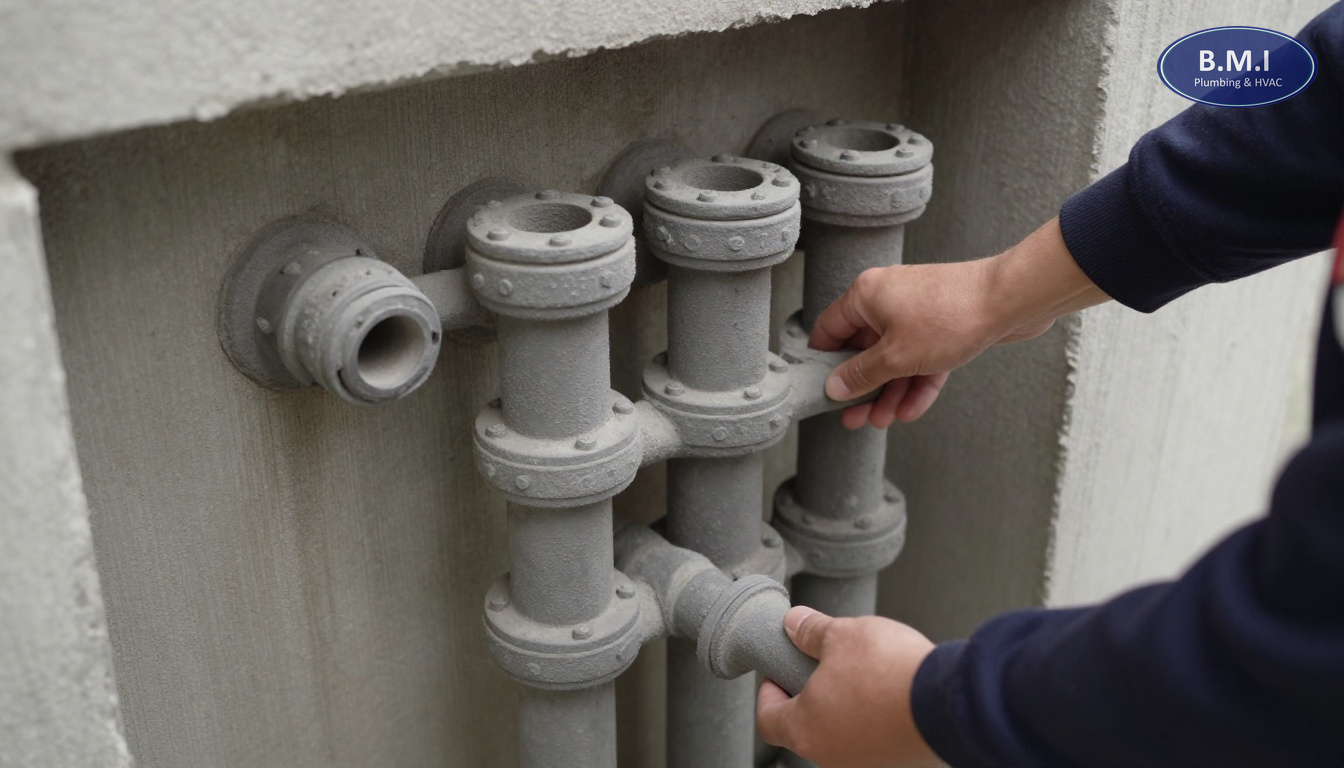
Newmarket has a mix of condominium and multi-residential building stock that creates very different kitchen drain problems from one property to the next. Around Yonge Street, Davis Drive and the older established parts of town, you see low-rise and mid-rise buildings where the original sanitary piping may date back decades. In those buildings, kitchen drainage is often cast iron, and the issue is not just a soft clog. It is a narrowing of the pipe bore over time as grease, soap residue and food fines build a hard interior scale on the pipe wall.
In newer condominium buildings, including more recent development around the Upper Canada Mall area and along key corridors feeding into Yonge, the kitchen drainage may be PVC or other newer materials. Those systems do not corrode internally the same way cast iron does, but they still develop grease blockages, especially where long horizontal runs, poor slope, heavy resident turnover or strong reliance on garburators in some suites contribute to loading. A newer pipe can still block if grease cools and collects at offsets, fittings and branch connections.
Newmarket is served by York Region water and wastewater systems, and from a plumbing operations standpoint that matters less for kitchen stack cleaning than building age, piping configuration and how the building is actually used. What does matter locally is that many condominium sites outside downtown Toronto have different access and staffing realities. Some Newmarket properties have generous surface access and easier loading than a dense downtown tower, but others have tighter service corridors, limited elevator booking windows and resident expectations that noisy work be tightly controlled. In older stock, narrow riser chases and limited cleanout access can turn a simple scope on paper into a more involved service day.
For that reason, boards should treat kitchen stack cleaning as a building-specific maintenance program, not a commodity line item. The right frequency in a 1980s mid-rise with cast iron stacks is not necessarily the right frequency in a 2010s low-rise with plastic drainage.
How grease blockage presents in Newmarket condominium plumbing
Property managers rarely receive a complaint that says, “your kitchen stack needs cleaning.” What they hear instead is a pattern.
Residents report kitchen sinks draining slowly, then suddenly gurgling when an upper suite uses water. One owner on a lower floor complains that dark water backed up into the sink overnight. Another says the problem seems worse on weekends or after holiday gatherings. In some Newmarket condominium buildings, supers notice repeated service calls on the same line of suites: stacks lining up one above another with recurring kitchen sink issues from roughly the same riser.
When the stack is badly scaled, the symptoms spread. Water may back up into one or more suites below the point of obstruction. If the blockage is near a branch connection or horizontal offset, the building may see leaks into cabinets, under flooring transitions or into the suite below if fixtures overflow. In older buildings, you may also get odour complaints because grease-laden buildup traps debris and contributes to chronic foul smells.
This is where reactive drain cleaning and snaking has limits. A single service call may open a path through the blockage, but if the pipe wall is still lined with heavy grease scale, the stack remains one busy weekend away from another incident. For managers in Newmarket, the clue is recurrence. If the same riser produces multiple kitchen drain calls in a year, you are no longer dealing with an isolated suite issue.
Boards should also watch the seasonal pattern. Fall and early winter are a common time for kitchen drain problems to accelerate because indoor activity increases and holiday cooking adds grease to already restricted lines. That is why many buildings pair stack work with broader building plumbing maintenance programs during budget season.
What kitchen stack cleaning in Newmarket actually involves
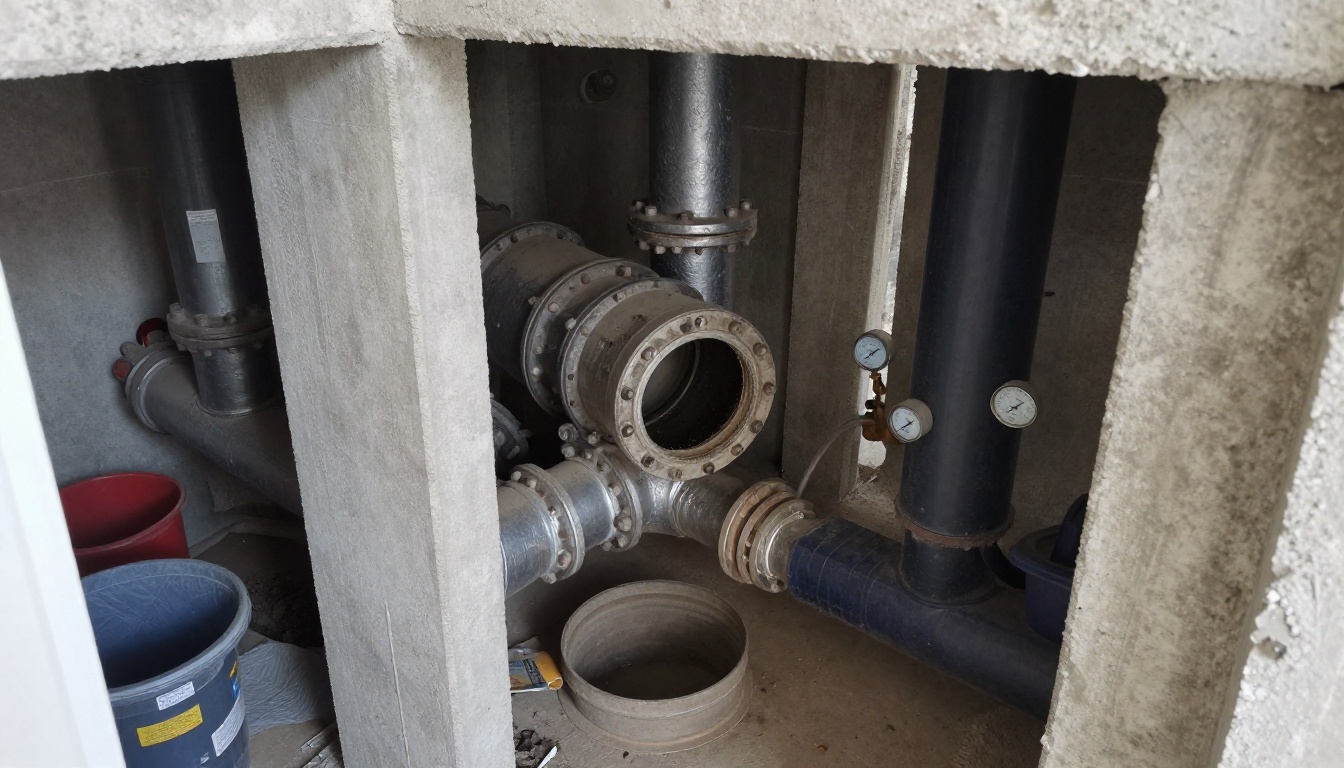
A proper kitchen stack cleaning scope starts with identifying exactly which risers are kitchen stacks, which floors are affected and where access exists. In many condominium buildings, the work is performed stack by stack rather than attempting to disrupt the entire building at once. That matters for resident communication, elevator use and containment.
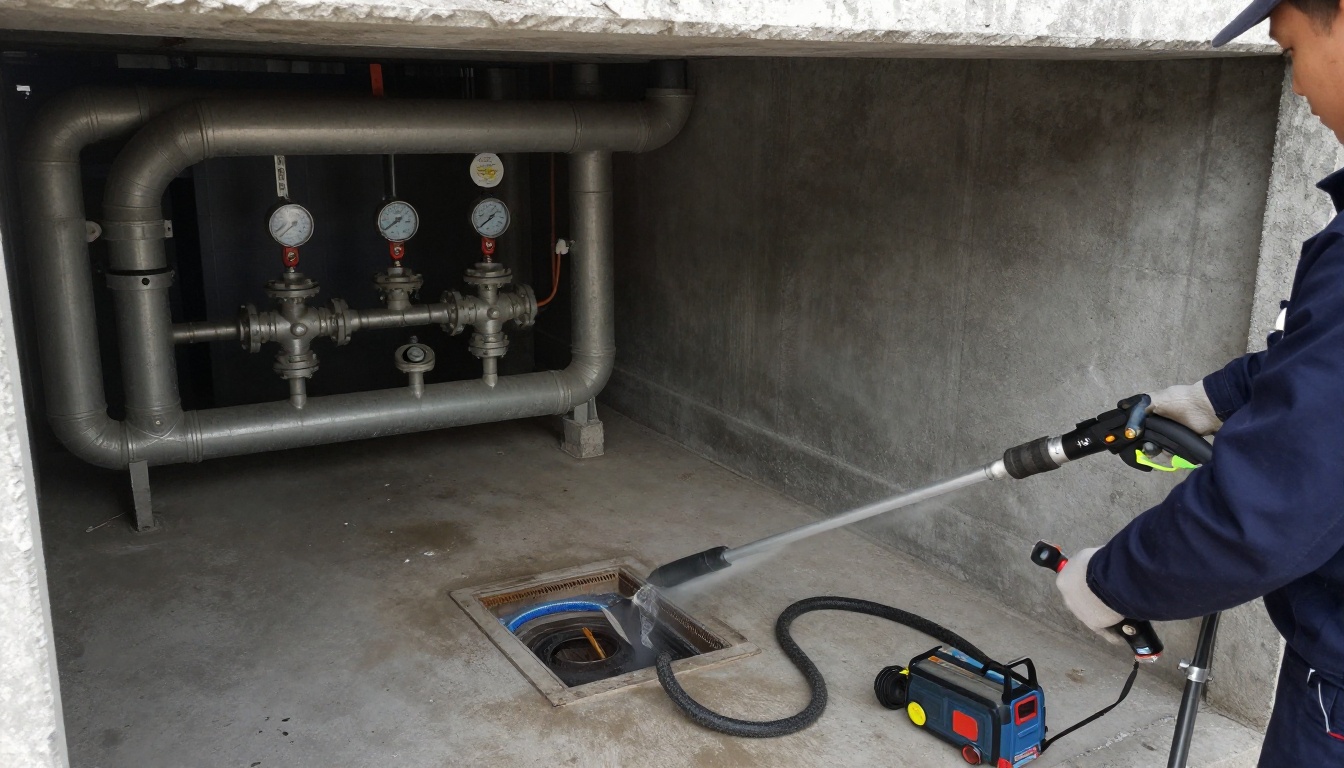
The cleaning method depends on the pipe material and condition. In cast iron kitchen stacks, mechanical cleaning may be used to break away interior grease and scale, often followed by flushing and verification. In some systems, controlled water jetting is appropriate to strip grease from the walls and move debris to a suitable collection point. In newer plastic systems, the concern is less about corrosion and more about removing accumulations without damaging fittings or creating a downstream blockage.
A manager in Newmarket should insist on more than a statement that the stack was “cleared.” Ask for evidence of condition before and after, especially on problem risers. That can include findings from camera pipe inspection, notes on where heavy scaling was found, which cleanouts were used, whether branch lines were included and whether any sections appear bellied, offset or cracked. If the contractor had to stop short of full cleaning because the pipe condition was poor, that should be documented clearly.
A useful scope also addresses logistics that matter in condominium operations:
- Which suites require entry and for how long
- Whether kitchen fixtures must remain out of service during the work window
- How debris and wastewater are controlled and removed
- What hours noisy cleaning can occur under local site rules
- Whether post-cleaning verification is included
For some buildings, kitchen stack cleaning reveals adjacent problems that should be handled before they become emergencies: inoperable isolation valves, missing cleanout access, brittle branch connections or heavily deteriorated riser sections that point toward domestic water riser replacement or other capital planning in a different part of the plumbing system. The value of a good maintenance visit is that it gives the board information, not just a temporarily open drain.
A representative Newmarket kitchen stack service call
A realistic example would be a 7-storey condominium from the late 1980s in Newmarket, in the broader Yonge and Davis area. The building had repeated complaints from one kitchen riser serving 14 suites. Lower-floor residents had experienced two sink backups within eight months, and the superintendent reported that routine snaking restored flow each time but did not solve the issue.
The building’s kitchen drainage was original cast iron. Initial inspection suggested the main restriction was not in a single suite trap arm but in the shared vertical stack and a lower horizontal section before the line tied into the building drain. Access was available through existing cleanouts in the service area and through selected suites on upper and lower floors.
The work involved notifying the affected residents, booking the service elevator for debris movement and protecting accessed kitchens with drop sheets and containment. The crew mechanically cleaned the stack, removed significant grease and hardened scale, then flushed and verified the line. A follow-up camera pipe inspection confirmed that the stack was substantially cleaner but also showed rough internal condition consistent with the building age. The recommendation was to place that riser on an annual cleaning cycle and monitor one lower offset where buildup was heaviest.
The active work took one day, with resident no-use windows scheduled in blocks. The rough cost for that targeted scope in the 2026 market would typically fall around $3,500 to $7,000 depending on access, after-hours constraints and verification requirements. Had the building continued with emergency callouts only, it likely would have spent a meaningful portion of that amount over time without reducing the recurrence risk.
Costs and timelines for kitchen stack cleaning in Newmarket
For boards comparing proposals, it helps to separate small targeted work from program-level maintenance.
A single problematic kitchen stack in a Newmarket condo may be cleaned for a few thousand dollars where access is straightforward and the scope is limited. A broader program covering multiple risers in a mid-rise building can run from roughly $6,000 to $18,000 or more as a market estimate, depending on:
- Number of stacks and storeys
- Pipe material and condition
- Whether the work is mechanical cleaning, jetting or both
- How many suites need access
- Whether the building requires evening or weekend work
- Inclusion of camera pipe inspection
- Difficulty of debris handling and cleanup
High-rise or complex multi-phase properties can exceed that range if there are numerous risers, limited access windows or extensive post-cleaning reporting requirements. Conversely, a smaller low-rise with only one or two kitchen stacks may be below it.
Timelines are usually measured in days, not weeks, once access is organized. One stack may be a half-day to one-day operation. A multi-stack program may take several days, often staged to reduce resident disruption. The longest part is often not the plumbing work itself but pre-planning: notices, suite access coordination, elevator booking and confirming where cleanouts actually exist.
For Newmarket boards working through fall budgets, it is also worth pricing related preventive scopes at the same time. If the building has recurring pressure complaints or aging mechanical room controls, request budget numbers for pressure reducing valve maintenance and replacement. If nobody is confident which sectional valves still operate, ask about a valve audit, charting and exercise program. Those are not the same project, but they often surface during the same planning cycle.
Scheduled cleaning versus reactive drain calls in Newmarket
This is the main decision framework for a condominium board. If the building has never had a kitchen stack issue, an immediate full program may not be necessary. But if one or more risers produce repeat complaints, the comparison should not be between cleaning and doing nothing. It should be between scheduled maintenance and a series of reactive calls, resident disruptions and water damage incidents.
Scheduled kitchen stack cleaning makes sense when:
- The same riser has repeated slow-drain or backup complaints
- Lower floors are vulnerable to overflow from upper-suite use
- Cast iron kitchen stacks show evidence of heavy interior scaling
- Holiday-season and weekend call volume is predictable
- The board wants a documented maintenance record for budgeting and risk control
Reactive service may still be reasonable when a problem is clearly isolated to one suite branch and there is no history on the shared stack. In that case, in-suite plumbing repairs or targeted drain cleaning and snaking may be appropriate first. The problem is assuming every kitchen backup is a local fixture issue when the pattern says otherwise.
If cleaning reveals severe deterioration, then the question shifts from maintenance to capital planning. A stack that is clean but structurally poor may need targeted replacement now or inclusion in a broader project solutions plan later. Good maintenance helps you make that decision earlier, with less pressure.
What deferring kitchen stack cleaning costs a Newmarket condominium
The obvious cost is emergency service. After-hours response, resident coordination and repeated callouts add up quickly. But the bigger cost is usually secondary damage.
A kitchen stack backup can affect cabinets, flooring, drywall, ceilings below and resident contents. In a condominium setting, that creates the usual questions about common element responsibility, standard unit definitions, chargebacks and insurance deductibles. Even where some costs can be allocated, the building still spends management time investigating, documenting and handling resident disputes.
Deferral also distorts budgeting. A board may think it is saving operating dollars by skipping a preventive cleaning cycle, only to absorb several emergency invoices and an insurance event later. That is not efficient maintenance; it is simply moving cost from planned to unplanned.
From a governance standpoint, this is also where reserve fund and operating planning meet. Under the Condominium Act, boards are expected to maintain the common elements, and reserve fund studies are updated on a regular cycle. Kitchen stack cleaning is generally an operating maintenance item, not a reserve project, but the findings from maintenance can influence future capital decisions if piping condition is poor. In practice, Newmarket boards are better served by documented evidence and predictable maintenance than by waiting for a resident backup during a winter long weekend.
Where the building also has neglected shutoffs or unreliable zone valves, even a simple drain incident becomes harder to control. That is why many managers review stack maintenance alongside valve replacement needs and emergency response readiness, including access to 24/7 emergency leak response.
FAQs about kitchen stack cleaning in Newmarket condominiums
How often should a Newmarket condominium schedule kitchen stack cleaning?
For many Newmarket condominium buildings, a 12- to 24-month cycle is a reasonable starting point, but the right interval depends on building age, stack material, resident use patterns and complaint history. Older buildings with cast iron kitchen stacks, repeated slow-drain complaints or frequent holiday-season blockages often need annual cleaning. A useful program is based on evidence: previous service records, camera findings and which risers are producing the most calls.
What is the difference between snaking a blocked sink line and cleaning a condo kitchen stack in Newmarket?
Snaking is usually a reactive response to open a single blockage so one suite or one branch line can drain again. Kitchen stack cleaning is a planned maintenance service for the shared vertical drain and associated horizontal sections, typically using mechanical cleaning and/or water jetting to remove grease scale from the pipe wall. In Newmarket condominium plumbing, the distinction matters because repeated snaking may restore flow temporarily without addressing the heavy grease buildup causing recurring backups.
Can kitchen stack cleaning be done while residents remain in their suites?
Usually yes, provided the work is planned properly and residents are given clear shutdown and no-use windows for the affected stack. In a Newmarket high-rise or mid-rise, the contractor will typically isolate one riser at a time, protect finishes in accessed suites and coordinate access from top, bottom and selected intermediate floors. The practical issue is communication and scheduling, not whether the building must be vacated.
How much does kitchen stack cleaning cost in Newmarket?
As a market estimate in 2026, a small targeted cleaning of one problematic stack in a Newmarket condominium may start in the low thousands, while a broader program across multiple risers in a mid-rise or tower can run from several thousand dollars into the low five figures. Pricing depends on the number of stacks, height, access conditions, whether jetting is appropriate, after-hours requirements and whether camera inspection is included. Boards should ask for the scope in writing so they can compare like with like.
Will cleaning damage older cast iron kitchen stacks?
Not when the method matches the condition of the piping. In older Newmarket buildings with aging cast iron, the first step is understanding wall condition, offsets and existing defects so the contractor can choose the right heads, pressure and access points rather than treating every stack the same. The greater risk is often leaving a heavily scaled stack untouched until it blocks and overflows into several suites.
When is the best time of year for kitchen stack cleaning in Newmarket condominiums?
Fall is often the best planning window in Newmarket because boards are setting budgets and many buildings want stack work completed before the holiday cooking season increases grease loading. It is also a practical time to combine stack cleaning with related maintenance reviews such as pressure reducing valve maintenance and replacement or a broader review of building plumbing maintenance programs. The ideal timing, though, is before recurring blockages become an emergency.
Next steps for Newmarket property managers and condo boards
If your Newmarket building has had repeat kitchen drain complaints on the same line of suites, ask for a stack-based review, not just another isolated drain call. Confirm which risers are involved, what the complaint history looks like, whether the piping is cast iron or newer material and whether a maintenance cycle can be set before the winter and holiday period.
For many buildings, the right next step is a site review and a written scope covering access, cleaning method, verification and recommended frequency. If you need broader context for board planning, BMI’s completed projects and building references and blog can help frame what similar condominium plumbing issues look like across GTA buildings. BMI serves Newmarket and the surrounding GTA from its Toronto shop.
Contact BMI
- Contact BMI
- Phone: (416) 845-3756
- Emergency: (416) 845-3756, answered 24 hours a day
- Email: info@brial.ca
More on condominium plumbing
Pressure Reducing Valve Service and Replacement Mississauga
Pressure reducing valve service and PRV replacement in Mississauga condos: signs, inspection steps, costs, timelines and …
Domestic Water Booster Pump Service in Richmond Hill
Domestic water booster pump service in Richmond Hill for condos and rentals. Diagnosis, costs, timelines and repair …
Backflow Prevention Testing and Certification in East York
Backflow prevention testing and certification in East York for condos and multi-residential buildings, with local …
Need a plumber in your building?
BMI services roughly 200 condominium and multi-residential buildings across Toronto and the GTA. Emergencies are answered at any hour.