MEV Water-Saving Valve Installation in North York
MEV water-saving valve installation in North York condos. Learn where it fits, how savings are verified, and what costs and timelines to expect.
MEV Water-Saving Valve Installation in North York
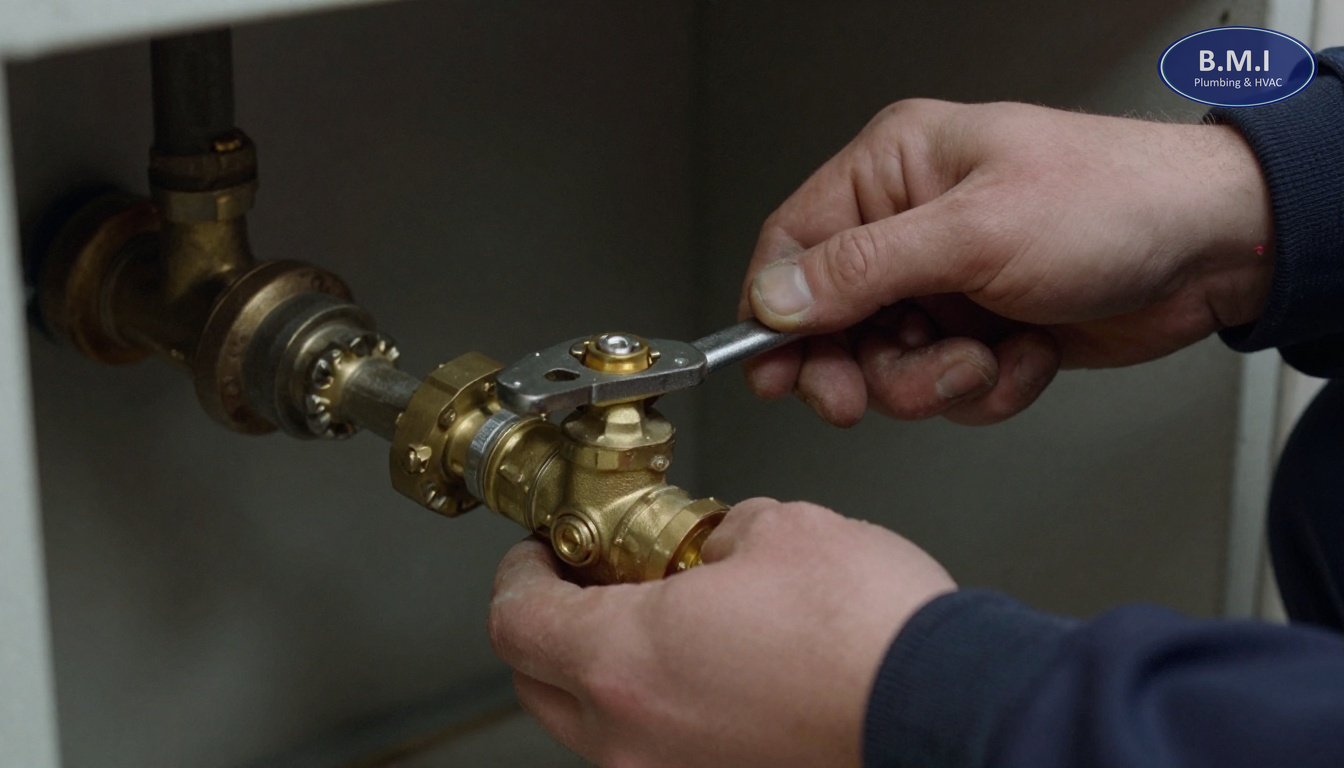
Quick summary: In North York condominium towers, an MEV water-saving valve can be a practical way to reduce water consumption where the building has excess flow, stable municipal supply, and a domestic water system that is otherwise in decent shape. The key is not the device alone, but the survey, pressure review, shutdown planning and post-install verification that determine whether the project saves water without creating service complaints.
For property managers and condo boards in North York, fall is often when this discussion becomes urgent. It is budget season, reserve fund priorities are being reviewed, and boards want realistic numbers before winter pressure swings and holiday occupancy increase demand on domestic systems.
Why MEV valve projects show up in North York buildings specifically
North York is not one uniform building type, and that matters. The apartment and condominium stock along Yonge Street, around Sheppard and Finch, through Willowdale, Don Mills, and the corridor toward Yorkdale includes several distinct generations of plumbing systems.
Older rental and condominium high-rises from the 1960s through 1980s often have copper domestic water piping, original or early-generation pressure reducing equipment, and a patchwork of fixture replacements over decades. These buildings may have been designed around flow expectations that do not match current fixture mixes or present-day operating habits. If a tower has had repeated in-suite fixture upgrades but still carries older mechanical room controls, excess flow can persist even when residents think they are simply using “normal” amounts of water.
Mid-1990s to early-2000s North York towers often have more modern pumping and pressure control arrangements, but many are now at the age where valves, balancing components and isolation assemblies are no longer performing as originally intended. In that group, an MEV water-saving valve may make sense as part of a conservation package, especially where common-area and suite water use is trending upward without a single obvious leak source.
Newer towers around the Yonge and Sheppard area and other redevelopment nodes generally have more sophisticated mechanical systems, but that does not automatically mean they are optimized. We still see buildings with high domestic consumption caused by commissioning drift, pressure settings that were never fine-tuned after occupancy, and equipment interactions that push more water through fixtures than necessary.
Because North York is part of Toronto, buildings are typically supplied through the City of Toronto water system, and actual operating pressure can vary by elevation, booster configuration and where the building sits relative to local distribution conditions. That is one reason an MEV valve should never be discussed as a generic add-on. The building’s pressure profile, booster pump arrangement, PRV condition and fixture inventory all matter. Where pressure issues are already present, boards should review pressure reducing valve maintenance and replacement before expecting a conservation device to solve a system problem.
For many corporations, the better conversation is not “Should we install an MEV valve?” but “Is an MEV valve the right next step after we rule out leakage, failing PRVs, bad isolation valves and wasteful fixture performance?” That broader planning lens is why these projects often sit alongside other capital project work for condominium plumbing systems.
How excess water use presents in North York condos
In practice, property managers in North York rarely call and say they need an MEV valve. They call because water bills are climbing, the board wants to reduce operating costs, or residents are reporting pressure that feels inconsistent from floor to floor. Sometimes the trigger is a reserve fund discussion. Sometimes it is a year-over-year utility increase with no corresponding rise in occupancy.
Common reports include:
- Water consumption higher than expected for the suite count
- Good fixture operation on lower floors but over-aggressive flow at some taps or showers
- Pressure complaints after prior work to boosters or PRVs
- Domestic water systems that are technically functioning but clearly not optimized
- A board directive to evaluate conservation measures before next year’s budget is finalized
In North York high-rises, the complaint pattern often tells you where to look first. A building with uniformly high flow and no upper-floor service issues may be a candidate for a water-saving valve review. A building with chronic top-floor pressure complaints, by contrast, may have a control or distribution problem that needs to be corrected before any flow-limiting strategy is considered.
This is also where boards should be careful not to confuse conservation with deferred maintenance. If sectional valves do not close reliably, if a bypass is in poor condition, or if the domestic water room has not been properly reviewed in years, an MEV project can get derailed on shutdown day. It is often worth pairing the review with a valve audit, charting and exercise program so the corporation knows what will isolate and what will not.
What diagnosis and inspection should include before an MEV valve in North York
A proper review starts with the mechanical room, but it cannot end there. For a North York condominium, the inspection should include the incoming domestic service arrangement, existing pressure reducing valves if present, booster pumps where applicable, bypass piping, isolation valves, meter arrangements, and any evidence of historical modifications.
The board or manager should insist on evidence, not assumptions. That means:
- Static and flowing pressure readings
- Readings or observations at different elevations where practical
- A review of recent water billing trends
- Confirmation of pipe sizes and available installation space
- Identification of any failed or unreliable isolation valves
- A clear explanation of how the proposed valve will be commissioned and verified
If the building has recurring leak history, corrosion concerns or unexplained domestic losses, it may also make sense to investigate related piping condition. Some North York towers now face overlapping issues: conservation goals on one hand, aging risers or suspect legacy materials on the other. In those cases, boards may need to look beyond a single valve project toward domestic water riser replacement or even broader full building re-piping planning.
Where inspection access is limited, additional diagnostic work may be needed. Mechanical rooms in older North York stock are not always generous, and service access can be complicated by low clearances, legacy supports or piping added over decades. If there is concern about concealed routing or branch conditions, targeted camera pipe inspection can help clarify what is original, what has been modified, and what may interfere with the work.
The municipal and code context matters as well. Plumbing alterations in Ontario must be performed by a licensed plumber, and any domestic water modification in an occupied condominium needs orderly shutdown planning, notices, and safe recommissioning. If backflow assemblies are present at premise isolation points, boards should ensure annual testing remains current through a qualified backflow prevention testing and certification program.
A representative North York MEV valve project
A representative example would be a 22-storey condominium from the late 1990s near the Yonge and Finch corridor. The board had been reviewing operating costs during fall budget season and noticed domestic water charges had climbed steadily over several billing cycles. There was no single catastrophic leak, and suite fixture repairs had been handled as needed, but water consumption remained high compared with the building’s occupancy pattern.
Residents were not broadly complaining about poor service. In fact, some lower and mid-level suites described showers and lavatory faucets as having very strong flow. The upper floors were generally acceptable, though morning peak demand produced some inconsistency. The building had an existing pressure control arrangement and accessible mechanical room space, but several isolation valves had not been exercised in years.
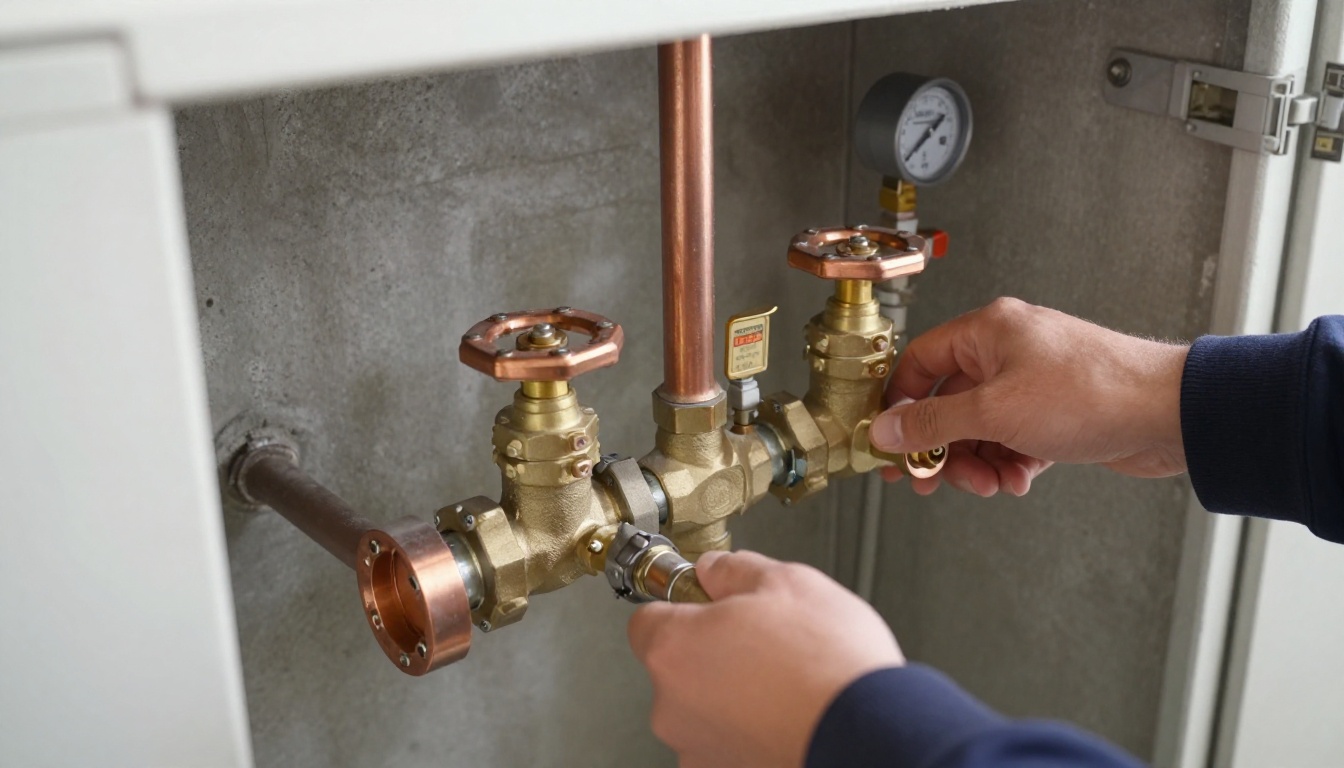
The initial review included pressure checks, a survey of the domestic water room, a review of recent billing, and confirmation that the proposed installation would not compromise service to higher elevations. Before the MEV valve could be installed, one aging sectional valve and one bypass isolation valve needed replacement so the shutdown could be completed without risking a prolonged outage. That related work resembled a small sectional and isolation valve replacement project.
The installation itself was scheduled for a planned daytime shutdown with advance notices to residents and coordination with management. The crew isolated the domestic main, cut in the valve assembly, reworked adjacent fittings to suit the room layout, and recommissioned the system with pressure verification after restoring service. Follow-up included observation during occupied conditions to confirm that upper floors remained adequately served and that no new complaints appeared.
Total on-site installation time was one working day, with additional pre-planning and follow-up visits. The rough project cost, including the related valve work, fell in the low five figures. For the board, the important point was not just the installation, but the fact that the work was based on measured conditions rather than guesswork.
Costs and timelines for MEV valve installation in North York
For budgeting purposes in North York, an MEV water-saving valve project is usually modest compared with riser replacement or a full domestic re-pipe, but it is still a mechanical room project that can become more involved depending on the existing system.
A realistic Toronto-market estimate for a straightforward installation in a condominium is often in the range of $7,500 to $20,000. That typically assumes:
- Reasonable access in the domestic water room
- Pipe sizes that do not require major reconfiguration
- Existing isolation valves that hold well enough for a planned shutdown
- No major electrical or controls revisions
- Limited reinstatement or finishing work
Costs can rise above that range where the building needs associated valve replacement, bypass modifications, support changes, additional gauges, overnight work, or more complicated shutdown planning. If a North York tower has unreliable shutoffs, the “simple” valve installation may expose deferred maintenance that has to be addressed first.
Timelines are usually best thought of in phases:
- Site review and budgeting: 1 to 2 weeks depending on access and reporting
- Board approval and procurement: often 2 to 6 weeks depending on meeting cycles and equipment lead times
- Resident notice and shutdown planning: usually 1 week or more
- Installation and recommissioning: often 1 day for simple work, longer if related valves or piping must be addressed
- Post-install verification: several days to several weeks depending on monitoring approach and billing cycle review
Because it is now fall, many North York corporations are trying to get numbers in front of boards before year-end approvals. That is sensible. It also pairs well with reviewing other winter-season priorities such as pressure reducing valve maintenance and replacement and broader condominium plumbing maintenance programs, especially before cold-weather pressure swings and holiday occupancy put more stress on domestic systems.
MEV valve or something else: a decision framework for North York boards
An MEV valve is most effective when the building’s water use problem is truly about excess flow and inefficient operating conditions, not hidden leakage or failing infrastructure. For North York boards, the decision usually comes down to four questions.
First, is consumption high for a clear mechanical reason? If billing is elevated because of recurring leaks, running toilets, or unaddressed in-suite fixture failures, the better starting point may be a focused toilet and faucet repair program or broader in-suite plumbing repairs.
Second, is pressure already poorly controlled? If the building has unstable pressure or chronic floor-to-floor inconsistency, the priority may be PRVs, boosters or balancing, not an MEV valve.
Third, will the isolation strategy support a clean installation? If not, related valve work should be planned as part of the project rather than discovered during an outage.
Fourth, is the board looking for an operating-cost measure or a reserve-fund project? Sometimes the answer is both. Under the Condominium Act, reserve fund planning should reflect the actual condition and expected timing of major components, and many corporations are reviewing these issues in conjunction with reserve fund study update cycles. A relatively contained conservation project can make sense operationally, but not if it distracts from larger domestic water risks that belong in the capital plan.
Boards can also compare an MEV valve project against other plumbing priorities that may offer better immediate value. In some North York buildings, for example, stack and drainage issues create more resident disruption than water consumption itself, making seasonal kitchen stack cleaning for grease blockages and jetting a higher priority heading into the holiday cooking season.
What deferring an MEV or water conservation review costs in North York
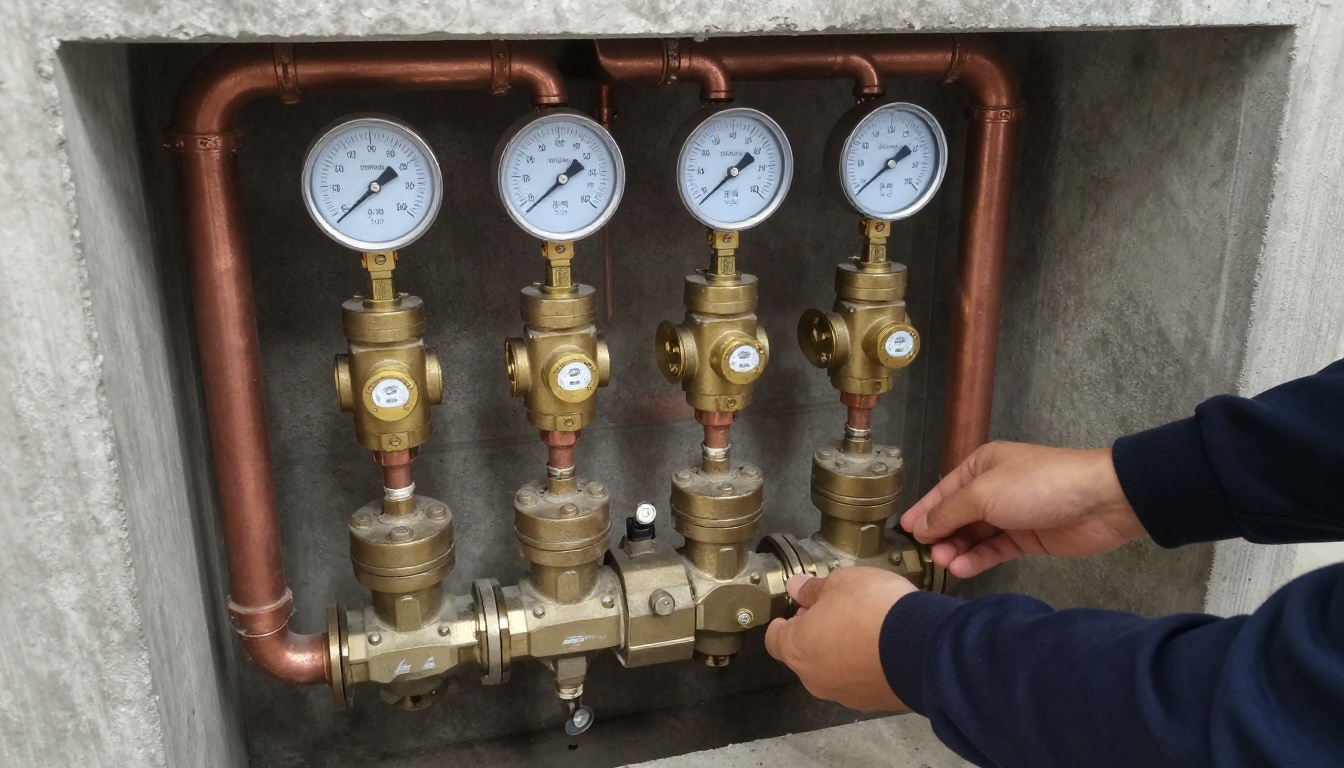
The obvious cost of deferring a conservation review is ongoing utility spend. But in North York condominiums, the larger cost is often decision-making without good data. If the board waits too long, it may enter budget season with only a high water bill and no explanation, which makes it hard to prioritize between conservation, repairs and major capital work.
Deferral can also mask other problems. Buildings with elevated consumption sometimes have a mix of issues: over-delivery at some fixtures, hidden fixture leakage, poor pressure control, and aging valves that will not isolate during emergencies. That combination becomes expensive fast if a winter leak or mechanical failure forces reactive shutdowns. In those cases, the corporation may move from a planned efficiency project to a 24-hour response scenario requiring emergency leak response.
There are insurance and governance implications as well. Insurers increasingly look at water damage history, and boards are expected to manage building systems in a disciplined way. While an MEV valve itself is not an insurance device, a documented review of domestic water performance supports better capital planning, more defensible reserve fund decisions and fewer avoidable resident disputes over service quality and chargebacks.
FAQs about MEV valve installation in North York
What does an MEV water-saving valve do in a North York condominium?
An MEV water-saving valve is installed on the domestic water system to reduce unnecessary flow and stabilize delivery, especially during periods of fluctuating demand. In many North York towers, it is used as part of a broader water conservation strategy where suites have adequate pressure but the building is still consuming more water than expected. It is not a cure-all for every pressure complaint, so the existing pressure profile and fixture performance need to be reviewed first.
Will residents in North York notice lower pressure after an MEV valve installation?
If the valve is selected and commissioned properly, residents should not experience a meaningful loss of usable service at taps and showers. The goal is to trim excess flow, not to leave upper floors under-served or create complaints at peak morning demand. In North York high-rises, this is why pre-install readings at different elevations matter and why post-install balancing and verification are essential.
How long does MEV valve installation take in a North York high-rise?
For a typical North York condominium with a reasonably accessible domestic water room, the physical installation is often completed in one planned shutdown, commonly over one working day, with preparatory review and post-install verification before and after. More time is needed if the mechanical room is tight, if isolation valves do not hold, or if related work such as bypass revisions or pressure reducing valve replacement is required. Most buildings should plan for site review, procurement, shutdown notices, installation and follow-up over a few weeks rather than assuming it is same-day from approval to completion.
Is an MEV valve the same as a pressure reducing valve in North York buildings?
No. A pressure reducing valve controls downstream pressure, while an MEV water-saving valve is intended to limit wasteful flow and improve water-use efficiency within the operating conditions of the building. In many North York buildings, the two devices are discussed together because a poor pressure profile can undermine conservation results, but they perform different functions and should not be treated as interchangeable.
How much can a North York condo expect to spend on an MEV valve project?
As a market estimate in the Toronto area, a straightforward MEV valve installation in a North York condo commonly starts in the mid-thousands and can move higher depending on pipe size, room access, isolation reliability, bypass requirements, controls, and whether related valves need replacement. A realistic planning range for many buildings is roughly $7,500 to $20,000 for a simple project, with more involved mechanical room modifications costing more. The only reliable way to budget it is with a site review that confirms pipe sizes, shutoff conditions and the surrounding mechanical layout.
How do boards in North York verify that an MEV valve actually reduced water consumption?
The right approach is to compare utility billing and meter data before and after installation while accounting for occupancy, irrigation, seasonal cooling loads and known leak events. In North York, boards should also confirm that the building did not simply shift complaints from over-consumption to poor fixture performance on upper floors. A credible contractor should provide commissioning information and a clear record of pressure and operating conditions, not just a statement that savings are expected.
Next steps for a North York board or property manager
If your North York building is discussing an MEV valve, start with a focused review of the domestic water system rather than a product-first conversation. Gather recent water bills, summarize resident pressure complaints by floor if any exist, confirm whether existing shutoffs have been exercised, and decide whether the board wants a conservation measure, a repair program, or a larger capital assessment.
BMI serves North York and the surrounding GTA from its Toronto shop. For boards comparing options, it can help to review MEV water-saving valve project information, look at broader completed projects and building references, or contact BMI to arrange a site review tied to this year’s budgeting cycle. If the building is weighing several plumbing priorities at once, a broader review of repairs and service for condominium plumbing systems may be the better starting point.
Contact BMI
- Contact BMI
- Phone: (416) 845-3756
- Emergency: (416) 845-3756, answered 24 hours a day
- Email: info@brial.ca
More on condominium plumbing
Cast Iron Stack Replacement in Toronto Condos at 50 Years
When aging cast iron stacks need cleaning, lining or replacement in Toronto condos, here is how to diagnose, budget and …
Laundry Stack Cleaning in Toronto Condos: Costs and Signs
Laundry stack cleaning for Toronto condos: how lint and detergent block condo laundry drains, what inspections show, and …
Sectional and Isolation Valve Replacement in Oakville
Sectional and isolation valve replacement in Oakville condos: costs, timelines, diagnosis and planning for safer …
Need a plumber in your building?
BMI services roughly 200 condominium and multi-residential buildings across Toronto and the GTA. Emergencies are answered at any hour.