MEV Water-Saving Valve Installation in Oshawa Condos
MEV water-saving valve installation in Oshawa condos. Learn where it fits, expected savings, costs, timelines, and how boards should evaluate it.
MEV Water-Saving Valve Installation in Oshawa Condos
Quick summary: In Oshawa condominium buildings, an MEV water-saving valve can be a practical way to reduce water consumption when incoming pressure is higher than the building actually needs and when the domestic system is otherwise in decent condition. The value is not just the valve itself, but the engineering judgment around where it belongs in the system, what existing pressure control is doing now, and whether the building’s plumbing stock will support the change without creating service complaints.
Why MEV valve projects come up in Oshawa buildings specifically
Oshawa has a mixed condominium and multi-residential inventory, and that matters. The city has older apartment and rental stock from the 1960s through 1980s, plus a wave of condominium development from the 1990s onward, with more recent mid-rise and mixed-use projects around the downtown area, along major corridors, and closer to the GO corridor. Those different vintages were piped differently and they age differently.
In older Oshawa towers, it is common to see domestic copper that has been in service for decades, original or near-original sectional valves, and fixture populations that have changed suite by suite over time. Some suites may have newer low-flow fixtures while others still have older toilets, shower valves, and faucet sets that use more water than current standards. In that environment, incoming pressure that is higher than necessary tends to show up as excess water use, frequent toilet fill-valve wear, dripping faucets, and resident complaints that seem minor individually but add up across a building.
In 1990s and early 2000s Oshawa buildings, the domestic water systems are often more standardized, but many are now at the age where pressure control equipment deserves close review. The original PRV arrangement may still be operating, but not necessarily accurately. Boards looking at conservation often begin with a mechanical room review and discover that the better first step is a combination of pressure reducing valve maintenance and replacement and a properly selected MEV water-saving valve, rather than relying on old setpoints and assumptions.
Newer Oshawa buildings are a different conversation. If the building already has efficient fixtures, modern booster controls, and stable pressure management, the conservation gain from an MEV valve may be more modest. But even in newer stock, boards are under pressure to control operating costs, especially during fall budget season when water, reserve fund planning, and winter readiness are all on the table.
Municipal supply conditions also matter. Oshawa is served within the Durham Region water system, and as with any municipal supply, pressure at the building entry is not identical everywhere or at all times. Elevation, location relative to supply infrastructure, and time-of-day demand patterns all influence what the building sees. That is why a generic “water-saving valve” recommendation without pressure data is not enough. In one Oshawa building near King Street the issue may be over-pressure at lower levels; in another closer to the north end, the upper-floor margin may already be tighter and require a different strategy.
For boards comparing options, this is where broader project solutions for condominium plumbing become relevant. A valve is never isolated from the rest of the system.
How excessive water use presents in Oshawa condominium plumbing
Property managers in Oshawa rarely call and say, “We need an MEV valve.” They call with a pattern.
The pattern may be rising water bills without a single obvious leak event. It may be repeated toilet repairs in multiple stacks. It may be residents complaining about noisy fixtures, banging at night, or faucets and cartridges wearing out sooner than expected. In some buildings, the superintendent notices that fill valves and braided connectors seem to fail more often than they should. In others, the board is simply trying to understand why water use has remained stubbornly high even after some fixture updates.
Another common trigger is a review of capital and operating costs during the fall. Oshawa boards preparing next year’s budget often want numbers they can take to a board meeting: what can be done now, what belongs in reserve planning, and what has a measurable operating impact. An MEV valve discussion often comes alongside questions about in-suite plumbing repairs, recurring fixture service, and whether the building has been too reactive instead of managing water systematically.
The resident-facing symptoms are usually ordinary:
- toilets that run intermittently or need frequent rebuilds
- shower pressure that feels aggressive on lower floors but inconsistent elsewhere
- faucet cartridges failing early
- repeated minor leaks at fixtures and supply stops
- service calls after municipal or seasonal pressure swings
Those symptoms do not automatically mean an MEV valve is the answer. But in Oshawa buildings with stable occupancy and unexplained water consumption, they are often signs that the domestic water system is delivering more pressure and volume than necessary.
What inspection and diagnosis should include before an MEV valve installation in Oshawa
A board should insist on more than a product pitch. Before recommending an MEV valve in Oshawa, the inspection should establish how the building water system actually behaves.
At minimum, that means reviewing:
- incoming water service arrangement
- existing PRV station and setpoints
- isolation valve condition upstream and downstream
- bypass arrangement, if any
- domestic hot water generation and recirculation context
- booster pumps, where applicable
- pressure readings at different times and at different elevations
- evidence of fixture wear, leaks, or ongoing service patterns
The reason this matters is simple. If the building has neglected or inaccurate pressure control, a failed gauge, or valves that no longer isolate properly, installing a new water-saving valve without addressing those issues can produce a poor result and a lot of blame afterward.
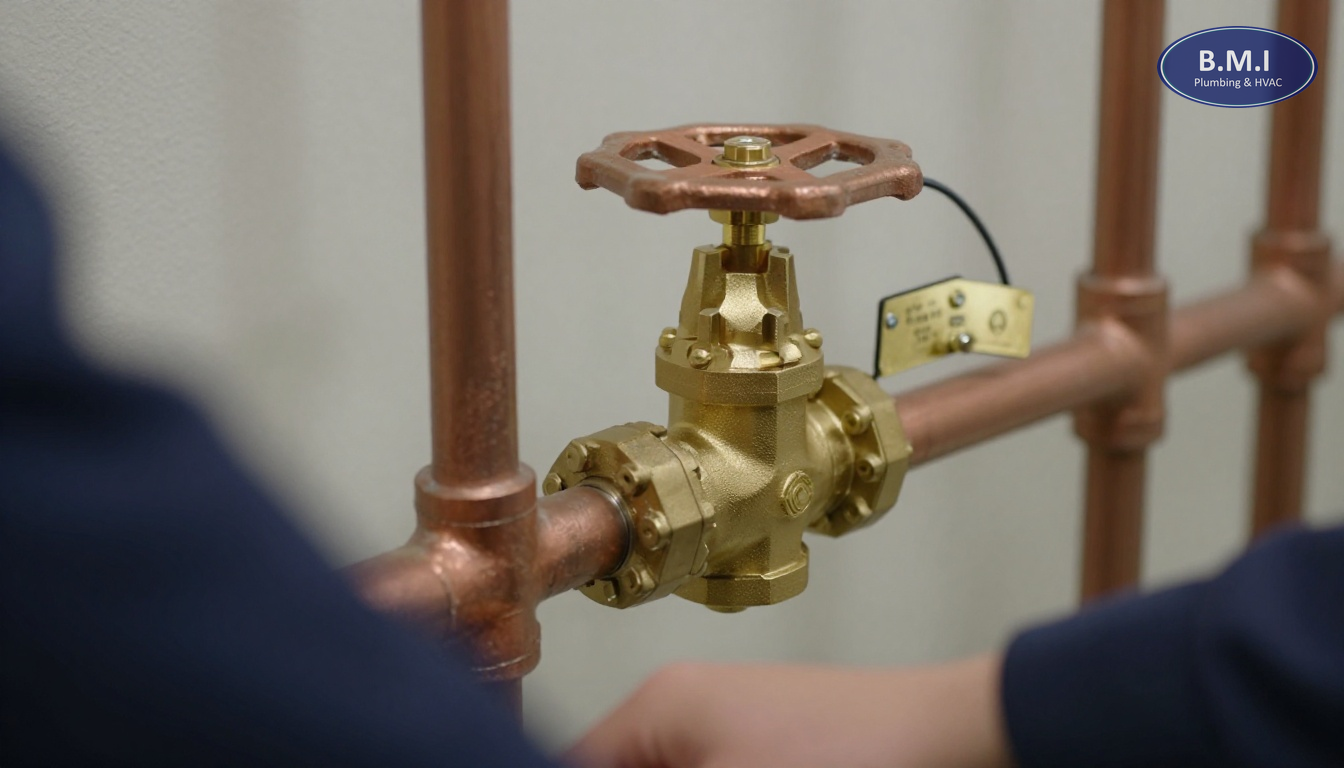
In many Oshawa buildings, the mechanical room itself shapes the scope. Older rooms may have tight access, limited floor space, and original valve layouts that were never designed for easy changeout. Some have enough room for a clean new assembly with isolation and service access. Others require more careful sequencing, temporary shutdown planning, and sometimes related sectional and isolation valve replacement to make the installation serviceable.
You should also ask what evidence will be provided after commissioning. That should include final pressure settings, observed performance, and confirmation that the building still meets expected service conditions at representative suites. If the recommendation is based on hidden piping concerns or suspected restrictions, a camera pipe inspection or other targeted diagnostic work may be appropriate, although camera work is more often tied to drainage than domestic pressure problems.
For condominium corporations, this is also where governance matters. If the project is coupled with in-suite fixture changes or owner-area modifications, the board should consider its obligations under the Condominium Act and how any owner alterations are documented. A base-building water control project is not the same thing as a suite renovation, but the interfaces matter.
A representative Oshawa MEV valve project
A representative example would be a 17-storey condominium from the late 1990s in Oshawa, not far from the downtown-to-GO corridor. The board had seen water costs climbing over several budget cycles, with no major underground leak and no single catastrophic plumbing issue. The superintendent also reported frequent toilet fill-valve replacements and recurring resident comments that lower-floor fixtures felt overly forceful.
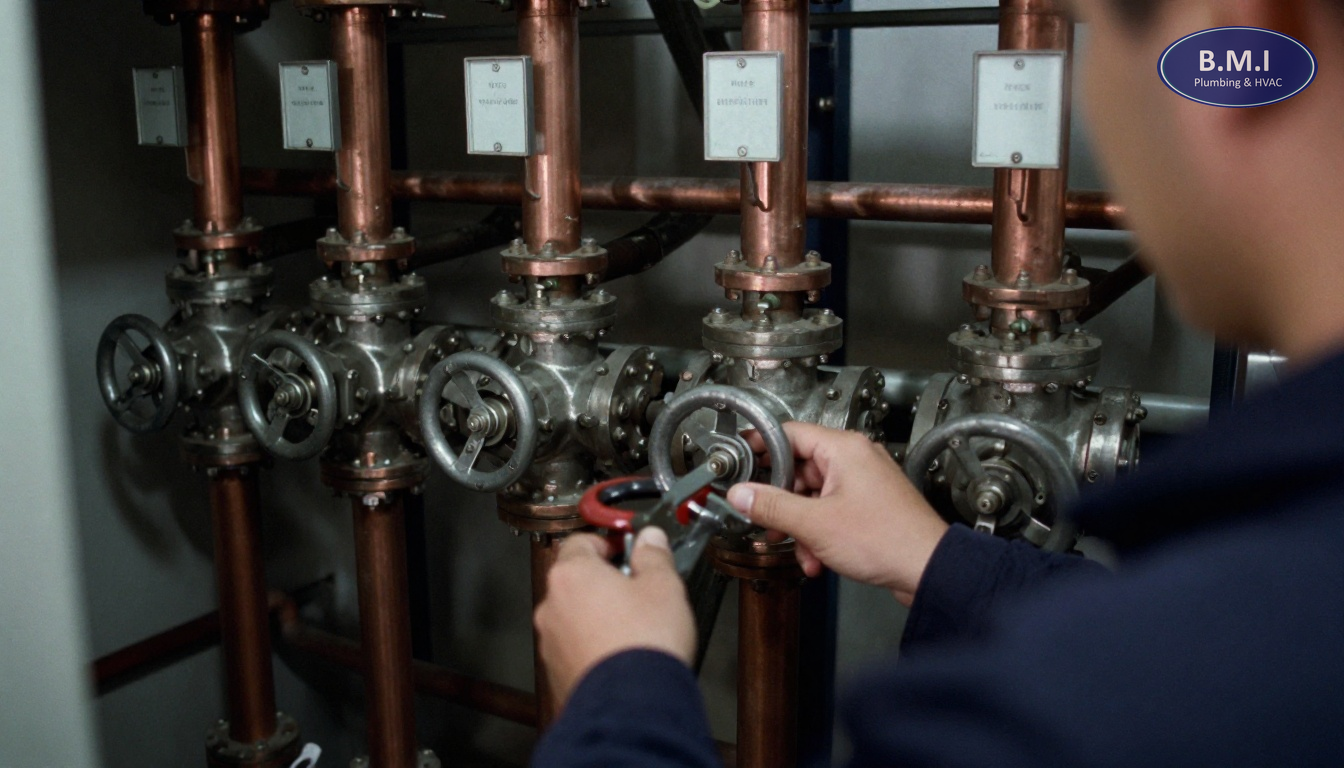
BMI’s review started in the mechanical room. The building had an aging pressure control arrangement on the incoming domestic line, copper distribution in generally serviceable condition, and isolation valves that still operated but were near the point where future replacement needed to be discussed. Pressure readings showed that the building entry conditions were higher than what the building needed for reliable service at most of the occupied levels. The upper floors were checked to confirm that any conservation measure would not create performance complaints there.
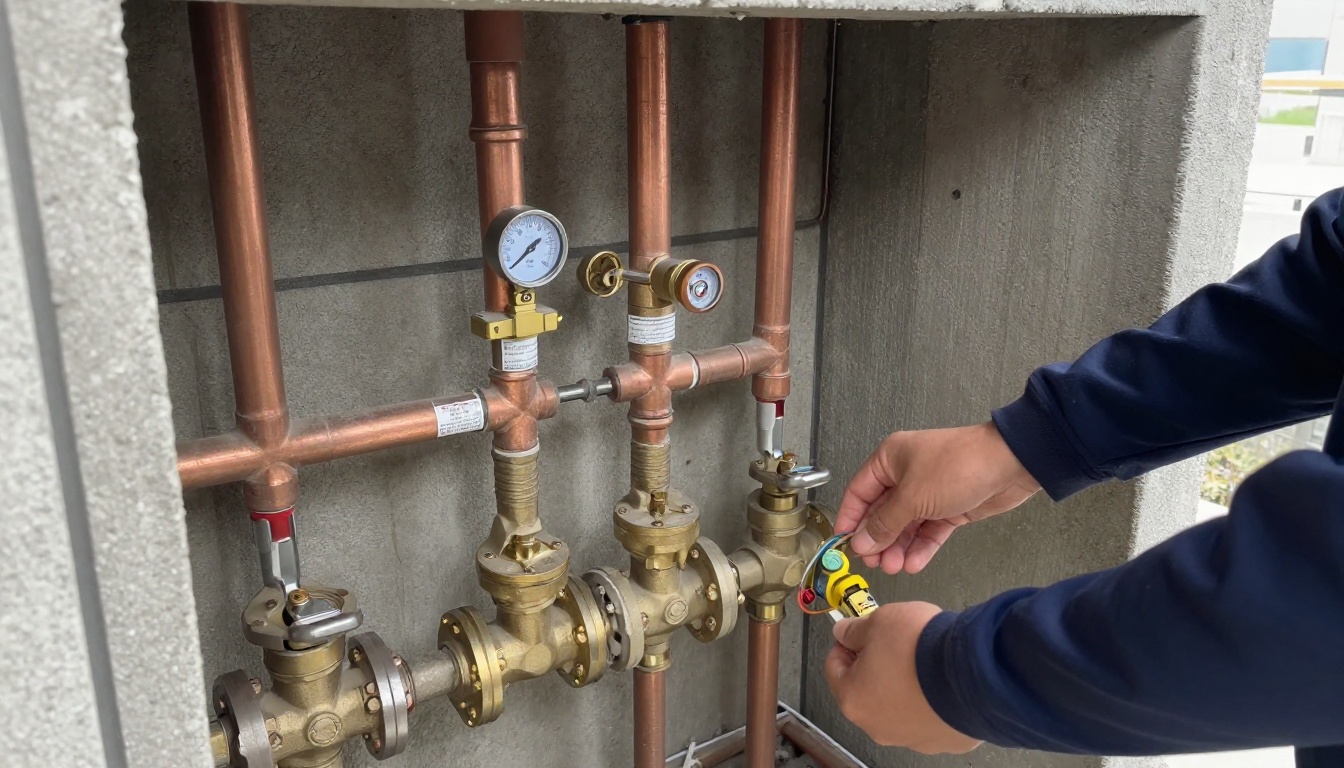
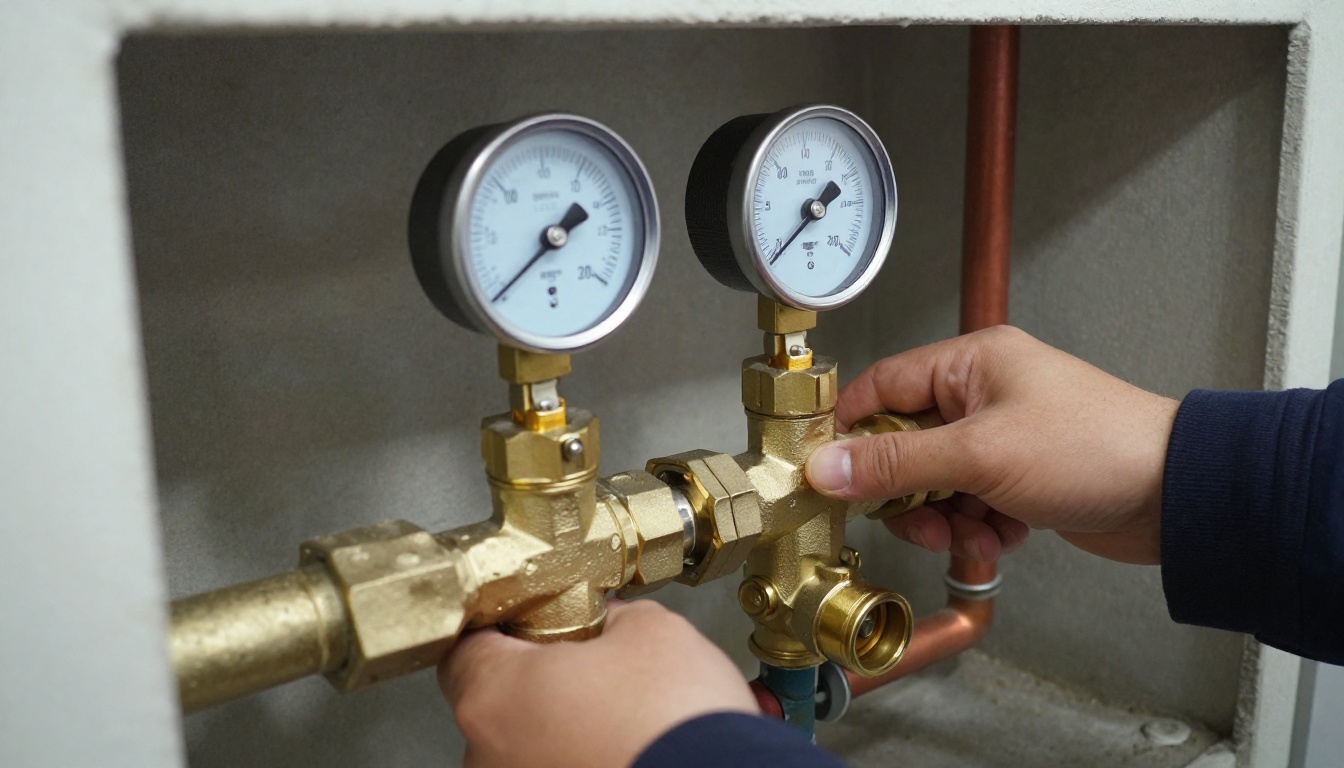
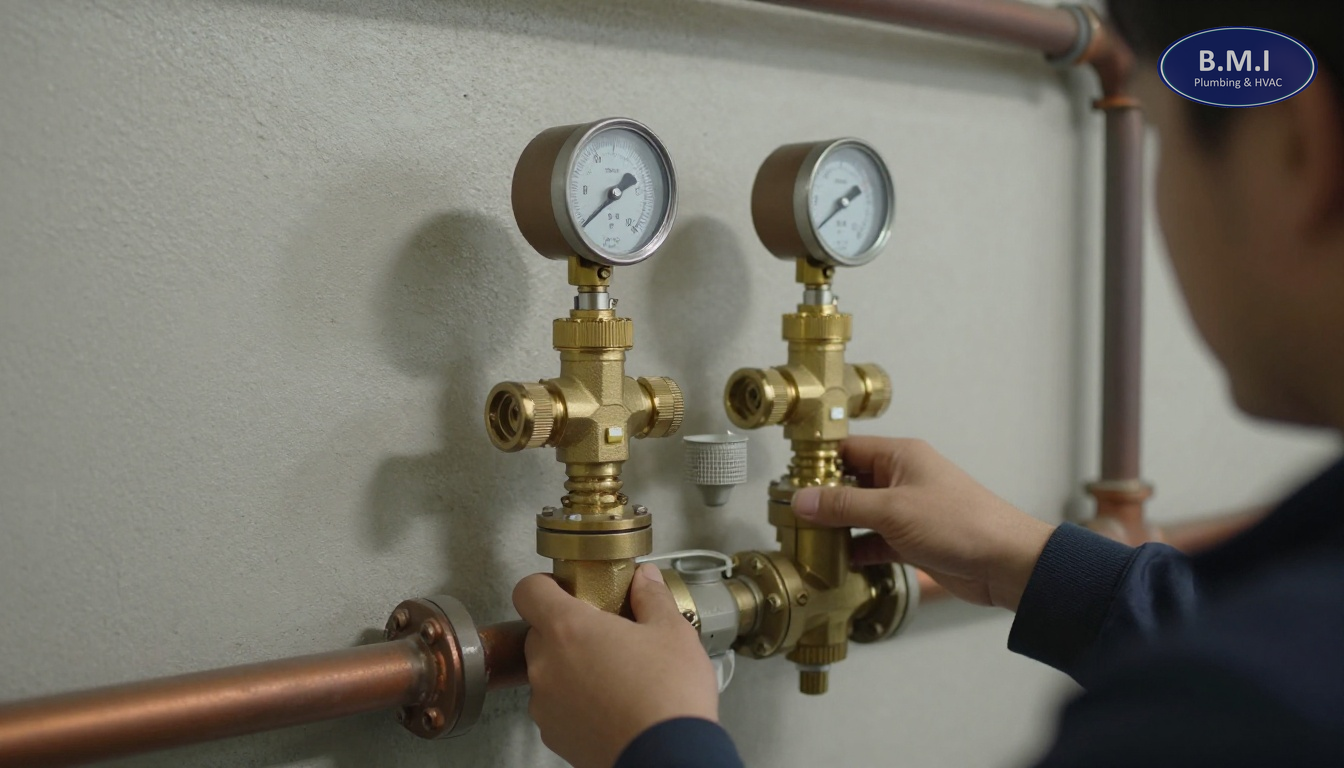
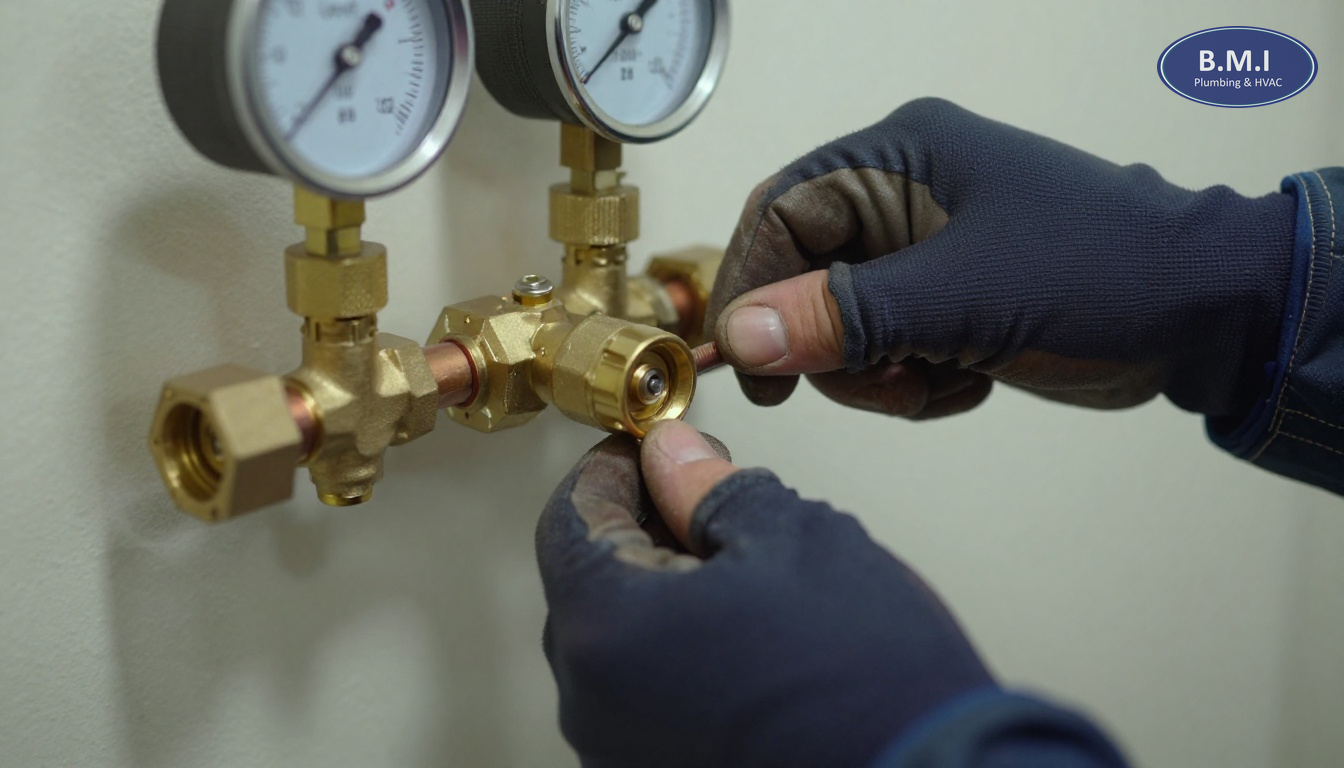
The work involved isolating the domestic service during a planned shutdown window, modifying a short section of piping at the entry, installing the MEV water-saving valve assembly, replacing gauges, and commissioning the system under observed demand. The board chose to pair the installation with targeted valve audit, charting and exercise program work so staff would have a clearer record of what isolated what in the room.
Total site time was about two working days, with the main shutdown concentrated into a scheduled period coordinated with management and residents. The rough project cost, including valve installation, small piping modifications, commissioning, and related mechanical room work, was in the range of $12,000 to $22,000 plus tax. If the same building had needed broader valve replacement or a more substantial reconfiguration of the domestic entry, the number would have been higher.
The important point is not the exact figure. It is that the result depended on the condition of the existing room, the availability of working isolation, and whether the board treated the job as a system adjustment rather than simply buying a device.
Costs and timelines for MEV valve installation in Oshawa
For Oshawa condominium buildings, the cost of an MEV valve project usually falls into one of three bands.
1. Straightforward installation at a serviceable water entry: roughly $9,000 to $16,000 plus tax. This usually assumes reasonable access, functioning isolation, limited repiping, and a standard commissioning process.
2. Installation with related mechanical room upgrades: roughly $15,000 to $30,000 plus tax. This is common where gauges are poor, access is tight, some entry piping needs rework, or aging isolation valves should be replaced while the system is already down.
3. Installation as part of a larger water-control modernization: $30,000 and up plus tax. This can include extensive valve work, domestic entry reconfiguration, PRV station renewal, or coordination with broader capital projects.
Timelines are usually shorter than riser or repiping work, but there is still planning involved. A typical Oshawa MEV valve project might look like this:
- 1 to 3 weeks for site review, pressure assessment, and scope definition
- 2 to 6 weeks for approvals, material lead time, and resident notice planning
- 1 to 2 days on site for installation in a straightforward case
- additional time if shutdown windows are restricted or other mechanical room deficiencies are uncovered
Fall is often the right time to do this work because boards are finalizing budgets and trying to avoid winter surprises. It also pairs well with seasonal reviews of pressure reducing valve maintenance and replacement before colder-weather pressure swings are felt through the building.
MEV valve versus other water-saving work in Oshawa
An MEV valve is not always the first dollar a board should spend.
If the building has widespread leaking toilets, neglected fixtures, or frequent suite shutoff failures, the better first move may be fixture repair and control of obvious losses. That can include targeted toilet and faucet repairs or broader in-suite service planning. If the domestic risers are at the end of life, pressure optimization will not solve the underlying asset problem, and boards may need to think in terms of domestic water riser replacement or even full building re-piping.
On the other hand, if the piping is still serviceable and the issue is over-delivery rather than structural failure, an MEV valve can be a sensible operating-cost measure. It is especially attractive where the board wants a defined project with limited suite access compared with larger intrusive work.
The practical decision framework is:
- Are water costs high relative to the building’s known fixture condition and occupancy pattern?
- Is incoming pressure higher than the building needs?
- Is the existing PRV arrangement outdated, drifting, or poorly documented?
- Can the building maintain acceptable service at upper floors after adjustment?
- Are there related mechanical room components that should be addressed during the same shutdown?
If the answer to most of those questions is yes, MEV valve installation in Oshawa may be worth serious review.
What deferring the issue costs an Oshawa board
The cost of doing nothing is rarely one dramatic event. It is usually a long series of small losses.
Excess pressure and over-delivery can increase wear across the plumbing system. That means more fixture failures, more service calls, and more resident dissatisfaction. Toilets that cycle and run intermittently waste water quietly for months. Faucets and cartridges fail early. Minor leaks become insurance discussions when they affect multiple units or common elements.
Boards also need to think about reserve fund planning and operating budgets separately. An MEV valve may fall into a category where part of the value is operational savings, but if the mechanical room also needs valves, gauges, or entry piping work, some of that belongs in capital planning. During reserve fund study updates, it helps to distinguish between conservation improvements and end-of-life asset replacement.
There is also a winter operations angle. In the fall, Oshawa buildings should be looking at domestic pressure control, shutoff reliability, and system stability before colder weather arrives. A building that enters winter with poor pressure management is more likely to face nuisance leaks, overnight noise complaints, and emergency calls that could have been reduced through planned work. If a problem does escalate, boards end up paying reactive rates through 24/7 emergency leak response instead of scheduling the work under controlled conditions.
For some properties, the smartest step is not immediate installation but a broader annual plan through building plumbing maintenance programs, so water conservation is evaluated alongside stack cleaning, valve exercise, and pressure control.
FAQs about MEV water-saving valves in Oshawa
What does an MEV water-saving valve actually do in an Oshawa condominium?
An MEV water-saving valve is installed on the building water service to manage incoming pressure and flow in a way that reduces unnecessary water consumption. In Oshawa high-rise and mid-rise buildings, that usually means less over-delivery at fixtures, fewer pressure spikes through suites, and lower wear on fill valves, mixing cartridges, and other plumbing components. It is not a cure-all for leaks or bad fixtures, but it can be an effective conservation measure when the rest of the system is in reasonable condition.
Is an MEV valve the same thing as a standard PRV in Oshawa buildings?
No. A standard pressure reducing valve primarily lowers and stabilizes downstream pressure, while an MEV valve is selected specifically to reduce water use by controlling how water is delivered under varying demand conditions. In many Oshawa buildings, the MEV valve conversation starts after a review of the existing PRV station and overall pressure profile. The two topics overlap, which is why a proper survey of the mechanical room and upper-floor pressure conditions matters before any recommendation is made.
How much water reduction can an Oshawa condo realistically expect?
That varies by building age, fixture mix, current pressure, resident usage patterns, and whether the building already has efficient fixtures. In practice, boards should be cautious about anyone promising a single universal savings number without reviewing utility bills, pressure logs, and fixture conditions. The right approach is to treat MEV valve installation in Oshawa as one part of a broader water management plan that may also include fixture repairs, toilet rebuilds, and pressure control work.
Will residents in Oshawa notice weaker showers or slower fixture performance after installation?
A properly sized and commissioned MEV valve should not create the kind of obvious performance drop that generates widespread complaints. The goal is to remove excess delivery, not make normal plumbing use inconvenient. If a building already has marginal pressure on upper floors, booster issues, or undersized piping, those problems need to be identified first so the valve is not blamed for pre-existing conditions.
What should an Oshawa board ask for before approving an MEV valve project?
Ask for a site review of the incoming water arrangement, current PRV configuration, pressure readings at different times, and confirmation of how the valve will affect domestic cold, hot water production, and upper-floor service. The board should also ask for a clear scope covering shutdowns, bypass arrangements if needed, commissioning, and post-installation verification. If the building has other aging components, it is worth reviewing related capital items such as pressure reducing valve maintenance and replacement or sectional valve replacement at the same time.
Can an MEV valve installation in Oshawa be combined with other plumbing work?
Yes, and in many buildings it should be. If the domestic water entry has aging isolation valves, poor access, outdated gauges, or a neglected PRV station, combining the work is usually more efficient than returning later for another shutdown. Budget season in Oshawa is a good time to bundle MEV valve review with a broader look at maintenance programs and upcoming capital plumbing work.
Next steps for an Oshawa board or property manager
If your Oshawa building is reviewing water consumption, this is the right season to get the numbers and site information in front of the board. Start with the building’s recent water bills, a summary of recurring fixture repairs, and a mechanical room review focused on incoming pressure control, valve condition, and serviceability.
From there, the decision is usually clear. Either the building has a good candidate profile for an MEV water-saving valve, or the better first step is other plumbing work such as fixture repairs, PRV renewal, valve replacement, or larger capital planning. BMI serves Oshawa and the surrounding GTA from its Toronto shop and can help boards and managers assess where an MEV valve fits within the bigger plumbing picture. To discuss a site review or request a quote, use the BMI contact page. You can also review completed projects and building references and other articles on the BMI plumbing blog.
Contact BMI
- Contact BMI
- Phone: (416) 845-3756
- Emergency: (416) 845-3756, answered 24 hours a day
- Email: info@brial.ca
More on condominium plumbing
Sectional and Isolation Valve Replacement in Oshawa
Sectional and isolation valve replacement in Oshawa condo buildings. Costs, timelines, diagnosis and planning for boards …
Water Hammer in Toronto Condos: Causes and Fixes
A practical guide to water hammer in Toronto condos: why banging pipes happen, how to diagnose them, repair options, …
PRV Replacement Cost in Toronto Condos: Downtime Guide
Understand PRV replacement cost, downtime and scheduling for Toronto condos, with real GTA price ranges, shutdown …
Need a plumber in your building?
BMI services roughly 200 condominium and multi-residential buildings across Toronto and the GTA. Emergencies are answered at any hour.