MEV Water-Saving Valve Installation in Pickering Condos
MEV water-saving valve installation in Pickering condos: how boards reduce water consumption, stabilize pressure and plan costs.
MEV Water-Saving Valve Installation in Pickering Condos
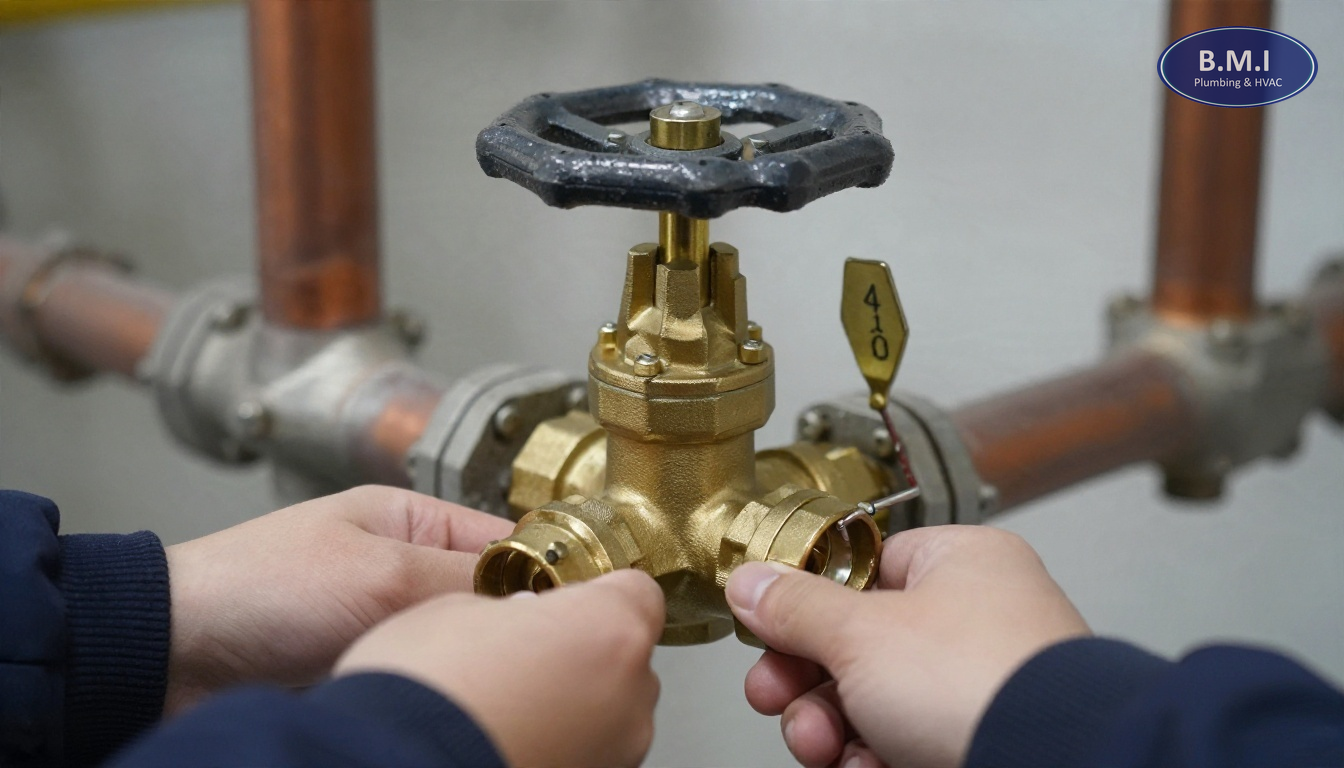
Quick summary: In Pickering condominiums, MEV water-saving valve installation is usually considered by boards that want to reduce water consumption without starting with disruptive in-suite plumbing work. The value is strongest where the building has stable domestic water infrastructure but higher-than-necessary flow, pressure variation or operating costs that justify a mechanical-room upgrade.
Why MEV valve projects show up in Pickering buildings specifically
Pickering has a mix of condominium stock that makes water-use control a very building-specific conversation. Along Liverpool Road, around the Town Centre area, and in buildings closer to Bayly Street and the waterfront, you see a combination of older high-rise and mid-rise stock from the late 1980s through early 2000s, along with newer condominium phases from the last decade. Those vintages matter because they were built with different domestic water assumptions, fixture efficiencies and control strategies.
In many of the older Pickering towers, the base plumbing system is conventional: copper domestic water mains and risers, mechanical-room pressure reducing assemblies, booster pumps in taller buildings, and fixture stock that has been replaced unevenly over time. A building may have some original piping infrastructure but a patchwork of newer toilets, lavatory faucets and shower controls installed through suite turnovers and owner renovations. That creates inconsistency. Some fixtures are already low-flow, some are not, and the incoming building pressure may be higher than it needs to be for day-to-day use. In those buildings, a properly selected MEV water-saving valve solution can make sense as part of a strategy to reduce water consumption at the building level.
Newer Pickering condominiums present a different case. They often already have more efficient fixtures and better controls, but boards are under pressure to manage common expenses closely. By 2026, utility and operating costs are not an abstract issue. Boards are comparing water bills against reserve fund pressures, insurance increases and mechanical renewal needs. If the domestic water system is otherwise sound, an MEV valve can be evaluated alongside other project solutions for condominium plumbing systems rather than waiting for a major renewal cycle.
Municipal water conditions also matter. Pickering is served through Durham Region’s water system, and in practice that means the pressure seen by a building can vary based on location, elevation and the design of the building’s own domestic water system. Lower-elevation sites and buildings with robust municipal feed pressure may have more opportunity to reduce excess delivery than buildings that already rely heavily on booster performance. That is why a local site review matters more than generic water-savings claims.
Fall is a sensible time for boards in Pickering to examine this work. It aligns with budget season, and it also creates an opportunity to pair an MEV review with pressure reducing valve maintenance and replacement planning before winter pressure swings and holiday occupancy patterns put the system under more scrutiny.
How an MEV valve issue presents in Pickering condo operations
Most property managers do not start by saying they need an MEV valve. They start with operating symptoms.
In Pickering, the typical call sounds more like this: the building’s water consumption seems high compared with similar years; residents report that fixtures feel aggressive on lower floors and inconsistent on upper floors; toilets and faucets wear out faster than expected; or the board wants a realistic way to reduce water use without opening every suite. Sometimes the trigger is a consultant’s review. Sometimes it is simply budget pressure after another year of rising common expenses.
The more subtle symptom is pattern inconsistency. One Pickering building may have acceptable pressure at most times but very high delivery at off-peak periods. Another may have a domestic water setup that technically works but pushes more water through fixtures than is necessary. That does not always create an emergency, but over months and years it adds cost.
MEV valve projects also come up when a building has already addressed obvious leaks and fixture failures. If management has been staying ahead of service calls through in-suite plumbing repairs, toilet and faucet repairs and standard mechanical room maintenance, but the water profile still looks too high, then a system-level control measure becomes worth examining.
What boards should not do is assume every water bill problem is solved by one valve. Hidden running toilets, irrigation issues, garage hose bib misuse, domestic hot water recirculation imbalances, leaking isolation valves and unreported suite fixture failures can all distort consumption. A proper review separates those issues before an MEV installation is approved.
What MEV valve diagnosis and inspection should involve in Pickering
A credible MEV valve proposal for a Pickering condominium starts with evidence, not a brochure. The building should expect a plumbing contractor to review the incoming domestic water service, existing PRVs, backflow assembly location, booster equipment if present, and the available space and isolation points in the mechanical room.
At minimum, the inspection should include:
- Static and flowing pressure readings at the service entrance and representative points in the building
- A review of pressure variation through the day where practical
- Condition assessment of main isolation valves and bypass arrangements
- Review of existing backflow preventer configuration and testing status
- Review of fixture mix and any known pressure-related service history
- Confirmation that the installation will not create unacceptable performance at upper floors or during peak demand
In Pickering high-rises, it is especially important to understand how an MEV valve will interact with booster pumps and existing PRVs. If the building already has unstable pressure control, the first step may be valve replacement at the sectional or main isolation level or a more structured valve audit, charting and exercising program, not immediate installation of a water-saving device.
The board should also insist on practical deliverables. Ask where the valve will be installed, what shutdowns are required, whether temporary water interruptions can be staged, and how post-installation performance will be verified. If the contractor cannot explain the expected impact on both lower and upper zones of the building, the review is not complete.
Where there is uncertainty about related piping condition, supplementary inspection can help. In some buildings, camera pipe inspection or a broader mechanical-room review is useful, especially when the building has several aging components and management is trying to coordinate projects rather than react one issue at a time.
A representative Pickering MEV valve project
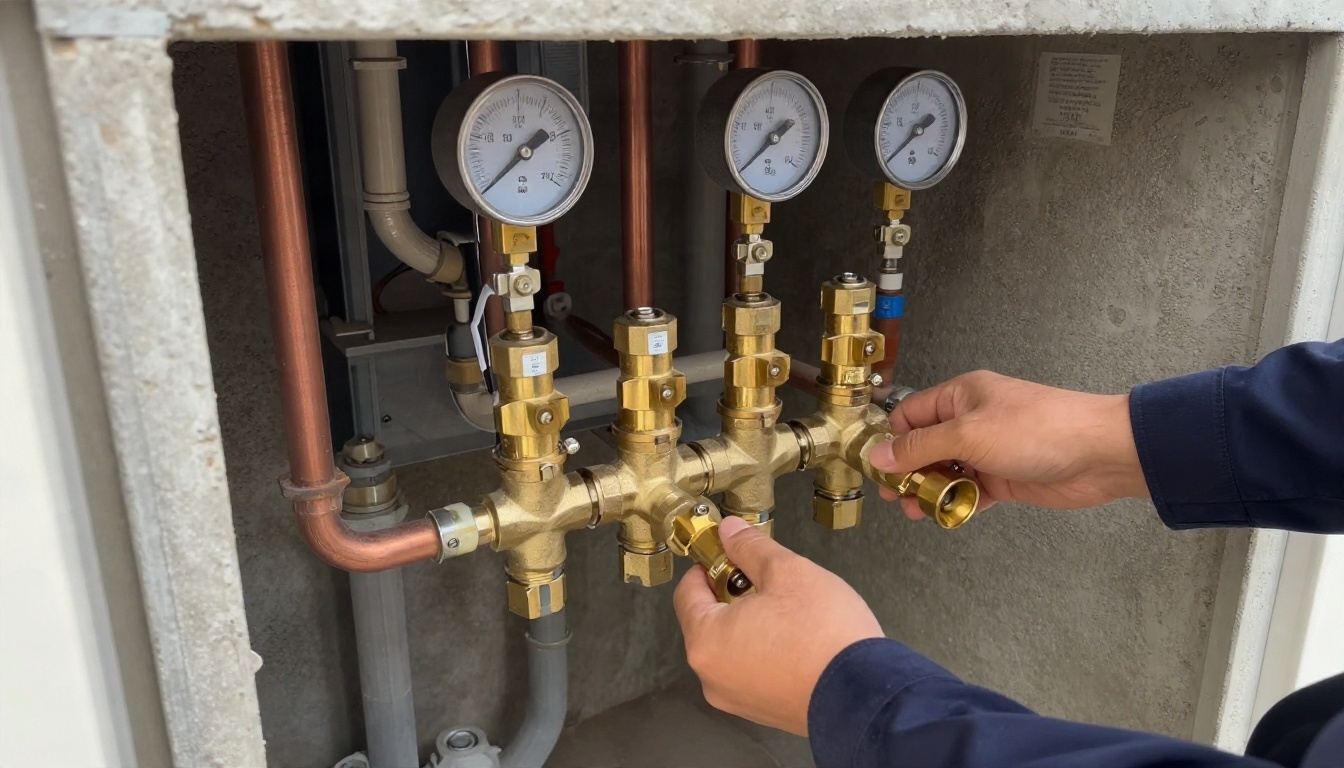
A realistic example would be a 16-storey condominium from the late 1990s near the Pickering Town Centre area, with roughly 170 suites. The property manager’s concern was not a single failure but a utility pattern: annual water consumption remained stubbornly high despite regular repairs to toilets and faucets, and residents on lower floors often described fixture flow as stronger than necessary. The building had copper domestic water mains, an existing backflow assembly, booster equipment for upper floors and aging but serviceable mechanical-room isolation valves.
BMI was asked to review whether an MEV valve installation was practical. The first step was a site assessment and pressure review under different demand conditions. That confirmed the building had enough incoming pressure and system capacity to support a water-saving control strategy, but it also showed that one existing isolation valve was unreliable and should not be trusted for a planned shutdown.
The scope became two-part work: replace the failed isolation component, then install the MEV assembly on the domestic water service in the mechanical room, coordinate commissioning and confirm post-installation operating conditions. Resident impact was limited to a planned shutdown window with advance notice, and the work was scheduled to avoid a heavy occupancy period.
The installation itself took one working day on site after materials and coordination were in place, with some additional time for pre-planning, notices and follow-up checks. The rough project cost landed in the low five figures, driven mainly by valve size, mechanical-room configuration and the added isolation work. For this type of Pickering building, that is a realistic range when the project is straightforward and does not trigger major ancillary repairs.
The important point is that the project succeeded because it was not treated as a miracle device. The building first confirmed its pressure profile, valve condition and system readiness. That is what makes the result credible.
Costs and timelines for MEV valve installation in Pickering
For condominium boards in Pickering, the right way to think about cost is by building condition and scope, not by a single advertised number.
A smaller or mid-sized condominium with good access, reliable main isolation and a straightforward mechanical-room layout may see an MEV valve installation land roughly in the $8,000 to $18,000 range as a planning estimate. A larger high-rise, a building requiring additional isolation work, or a site where controls and commissioning are more involved may land in the $18,000 to $35,000+ range. Those are GTA market estimates only, not quoted prices, and they vary with valve size, room access, shutdown complexity and whether related work is bundled in.
If the project uncovers weak supporting infrastructure, costs move quickly. Replacing seized building valves, correcting PRV issues, adjusting backflow configuration or improving mechanical-room access can add materially to the scope. In some buildings, bundling the MEV valve project with backflow prevention testing and certification, PRV maintenance or other planned capital plumbing work is more efficient than separate shutdowns.
Timelines are usually manageable. Allow one to three weeks for site review, design of the approach, coordination and material lead time on a straightforward project. Installation is often completed within a day, but the planning around resident notices, shutdown sequencing and post-installation verification is what determines whether the project feels smooth or disruptive.
In Pickering buildings with constrained loading, limited mechanical-room maneuvering space or strict concierge procedures, logistics can add time even when the plumbing scope is simple. Older buildings may also have service corridors and valve tags that do not match reality, which is one reason a pre-work valve audit can pay for itself.
Repair versus replacement versus control upgrade in Pickering
Not every Pickering building that wants to reduce water consumption should start with an MEV valve. Boards should compare three paths.
First, repair what is leaking or failing. If suites have chronic running toilets, dripping faucets, failed angle stops or recurring service calls, start there. Basic losses can overwhelm any savings from a control device. Ongoing in-suite plumbing repairs and targeted toilet and faucet repairs remain foundational.
Second, restore pressure control that should already be working. Many buildings have PRVs and balancing components that have simply not been maintained well enough. If the existing system is drifting, then pressure reducing valve maintenance and replacement may deliver better value before an MEV strategy is added.
Third, add a control upgrade when the base system is sound. This is where an MEV valve is strongest. If the building has acceptable infrastructure, stable operation and a clear water-reduction objective, then the valve becomes a sensible optimization rather than a substitute for deferred maintenance.
For some Pickering condominiums, the conversation also overlaps with broader renewal planning. If the domestic water system is aging badly, with repeated pinhole leaks, deteriorated risers or obsolete materials, a targeted water-saving valve may not be the priority. In that case, the board may need to evaluate domestic water riser replacement or even full building re-piping on a longer horizon.
What deferring an MEV review can cost a Pickering board
Deferring an MEV valve project is not automatically a mistake. What matters is whether the board is deferring analysis or just deferring a purchase. The costly mistake is failing to understand why the building uses the water it does.
For Pickering condominiums, the cost of inaction usually shows up in four places.
First, there is the direct utility cost. If the building is consistently over-delivering water and no one has quantified it, the excess becomes part of the operating baseline year after year.
Second, there is fixture wear. Higher-than-needed pressure and flow contribute to shorter service life in fill valves, cartridges, supply connections and other components. That increases chargebacks, suite access coordination and service-call volume.
Third, there is budgeting uncertainty. Under the Condominium Act framework, boards are expected to make informed decisions, and reserve fund studies are updated on a regular cycle. Even when an MEV valve is funded from operations rather than reserve, the board is in a stronger position if it has documented the mechanical condition and options before budget season closes.
Fourth, there is the tendency to chase symptoms. Without a system review, management may keep paying for reactive service while never addressing the building-wide operating profile. Planned work generally costs less than repeated troubleshooting, especially if it can be coordinated with other fall priorities such as kitchen stack cleaning before holiday demand, winter shutoff planning and scheduled repairs and service work.
FAQs about MEV water-saving valves in Pickering
What does an MEV water-saving valve do in a Pickering condominium?
An MEV water-saving valve is installed on the domestic water service to moderate flow and pressure conditions so the building uses less water without making suites unusable. In practical terms, it trims waste from over-delivery at fixtures, reduces peak demand and can help calm pressure-related complaints in buildings where municipal supply conditions change through the day. It is usually considered as part of a broader water management strategy rather than a stand-alone cure for every plumbing issue.
Are MEV valves a good fit for older or newer Pickering buildings?
They can be a fit for both, but for different reasons. In older Pickering towers from the 1970s to 1990s, the issue is often excessive or uneven pressure, worn fixture internals and water use that is higher than it needs to be; in newer buildings, boards are more often focused on utility savings, amenity expectations and measurable operating efficiencies. The building still needs a proper review of incoming pressure, booster operation, fixture condition and any existing pressure reducing valves before installation.
How much disruption is involved in MEV valve installation in Pickering?
For a typical condominium, installation is usually concentrated in the main mechanical room and at the incoming domestic water service, so suite disruption is limited compared with riser replacement or in-suite re-piping. The main impact is a planned building water shutdown, coordination with management, notices to residents and sometimes after-hours work depending on the building and noise rules. If isolation valves are seized or unreliable, the scope may need to expand to include valve replacement before the MEV work proceeds.
What should a Pickering board ask for before approving an MEV valve project?
Ask for a site review that documents static and flowing pressures, peak-demand conditions, existing valve condition, booster pump interaction and the expected installation location. The board should also ask how savings will be measured after installation, what assumptions are being used, and whether related work such as a pressure reducing valve maintenance review or valve audit is needed first. Good documentation matters because reserve fund planning and owner communication are much easier when the basis for the project is clear.
Can an MEV valve fix resident complaints about low pressure in upper floors of a Pickering high-rise?
Not by itself. If upper-floor complaints are caused by booster pump issues, failing PRVs, undersized or scaled piping, or localized fixture problems, an MEV valve is not the first repair. In Pickering high-rises, the right approach is to diagnose the whole domestic water system so the building does not mistake a control strategy for a cure to a mechanical deficiency.
When is the best time to schedule MEV valve installation in Pickering?
Fall is often practical because boards are setting budgets, winter pressure swings are ahead, and management teams want planned shutdowns completed before holiday demand and year-end scheduling become difficult. It also pairs well with related work such as PRV maintenance, backflow prevention testing and broader maintenance programs. The exact timing depends on resident notice requirements, parts lead times and whether other mechanical room work is being bundled into the same shutdown.
Next steps for a Pickering board considering an MEV valve
If your Pickering condominium is exploring ways to reduce water consumption, start with a building-specific review rather than a product-first approach. Confirm where the water is going, what the incoming and distributed pressures look like, and whether the domestic system is healthy enough for an MEV valve to perform as intended.
For many boards, the practical next step is to combine that review with other planned fall work so one shutdown supports several objectives. That may include MEV valve planning, PRV maintenance, backflow testing, or broader condominium plumbing project planning. If the building has a larger capital horizon, it can also help to review completed plumbing projects and building references to understand how similar GTA buildings phase this work.
BMI serves Pickering and the surrounding GTA from its Toronto shop, with experience in approximately 200 condominium and multi-residential buildings over 20 years. For boards and property managers, the goal is straightforward: get clear evidence, realistic cost ranges and a plan that fits the building you actually have.
Contact BMI
- Contact BMI
- Phone: (416) 845-3756
- Emergency: (416) 845-3756, answered 24 hours a day
- Email: info@brial.ca
More on condominium plumbing
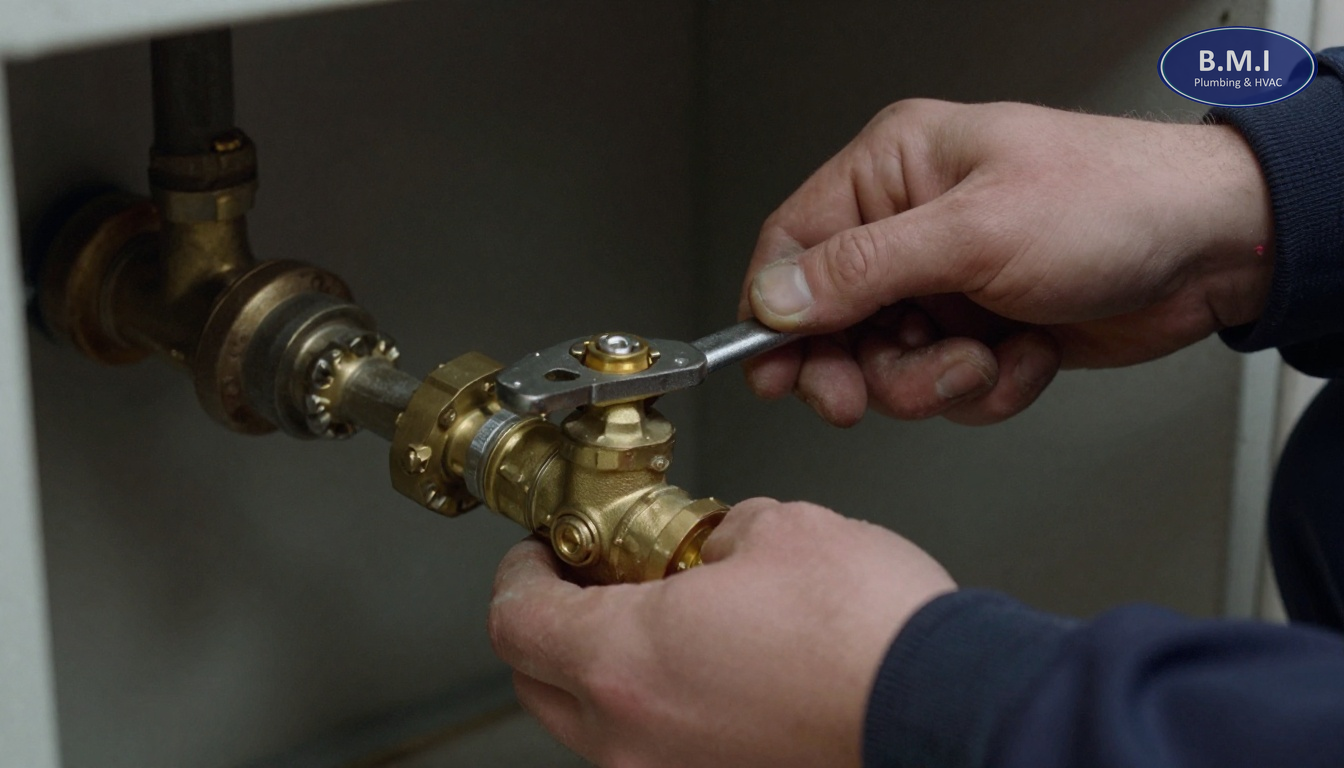
MEV Water-Saving Valve Installation in North York
MEV water-saving valve installation in North York condos. Learn where it fits, how savings are verified, and what costs …
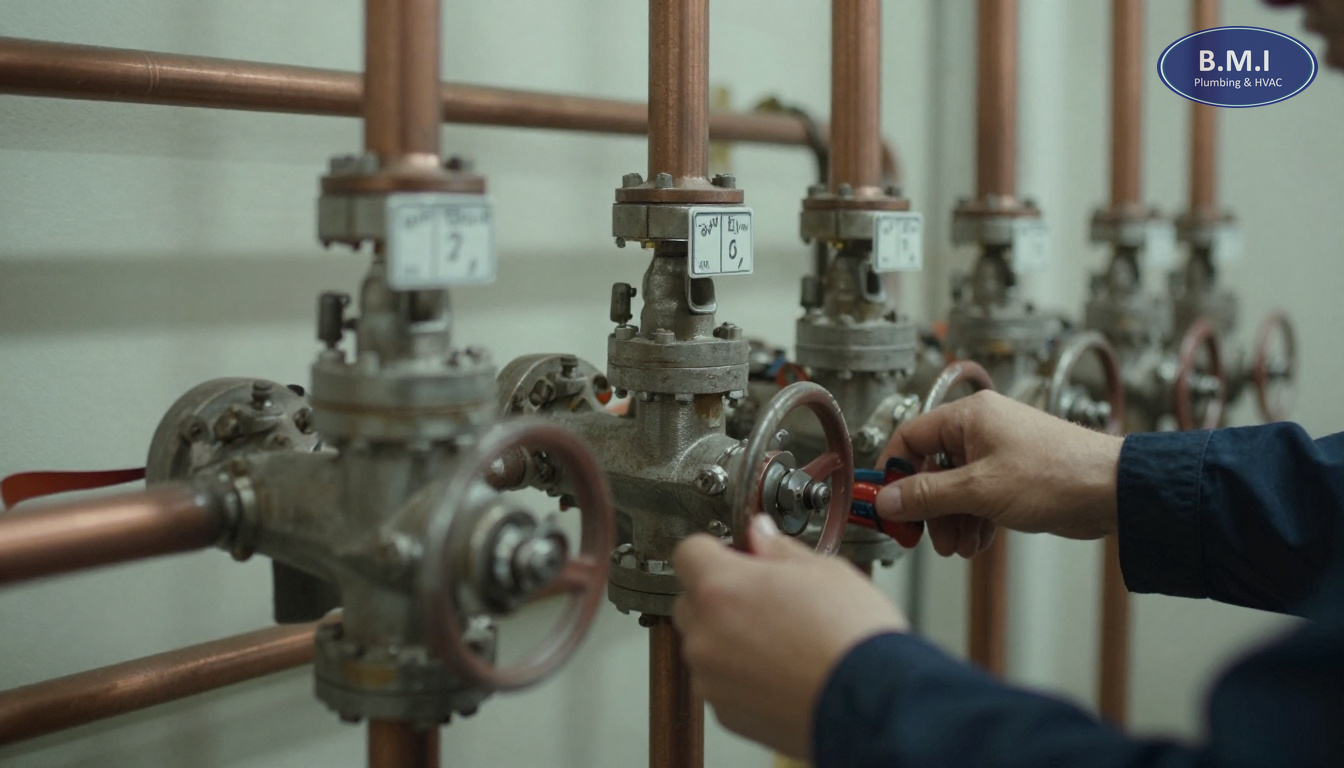
MEV Water-Saving Valve Installation in East York
MEV water-saving valve installation in East York for condos and rentals. Reduce water consumption without fixture …
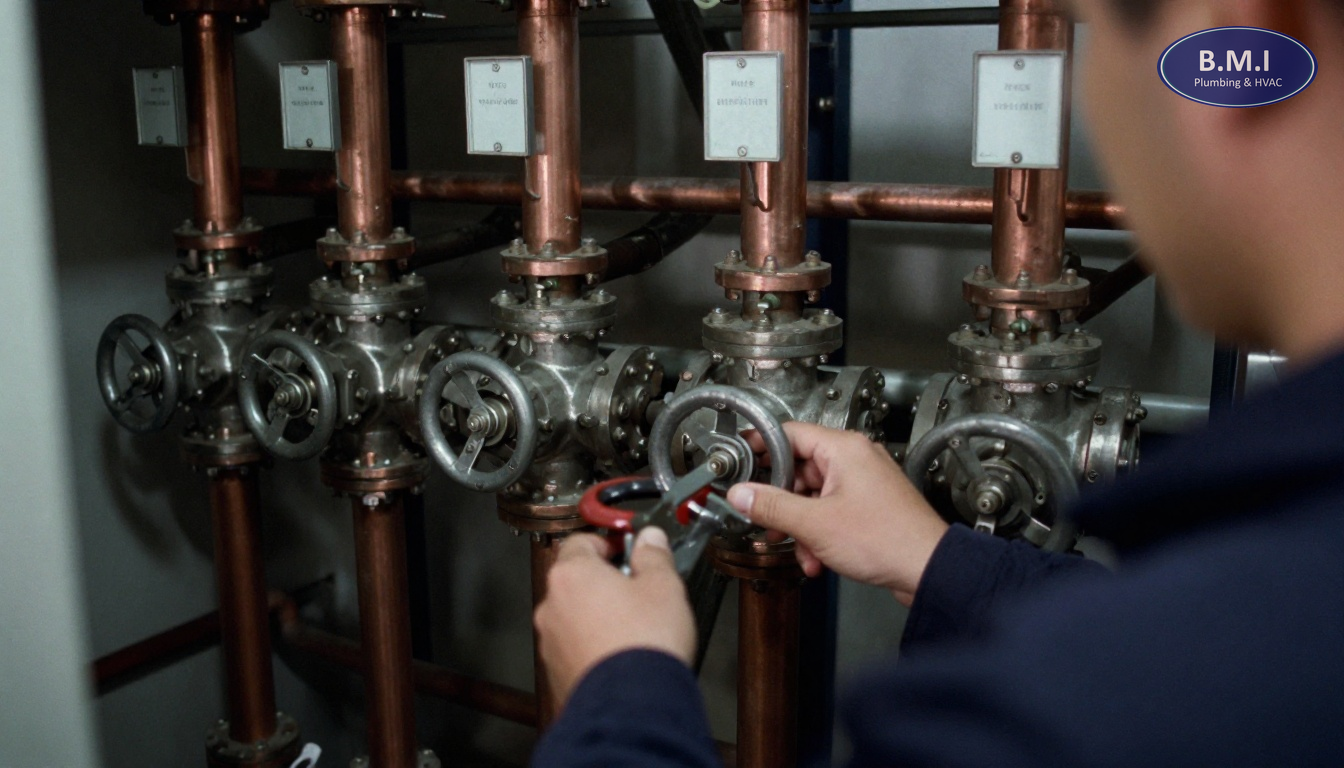
MEV Water-Saving Valve Installation in Oshawa Condos
MEV water-saving valve installation in Oshawa condos. Learn where it fits, expected savings, costs, timelines, and how …
Need a plumber in your building?
BMI services roughly 200 condominium and multi-residential buildings across Toronto and the GTA. Emergencies are answered at any hour.