
Parking Garage and Exterior Wall Piping in Ajax
Practical guidance on garage pipe leaks and exterior wall piping in Ajax condominiums, including diagnosis, costs, timelines and repair planning.
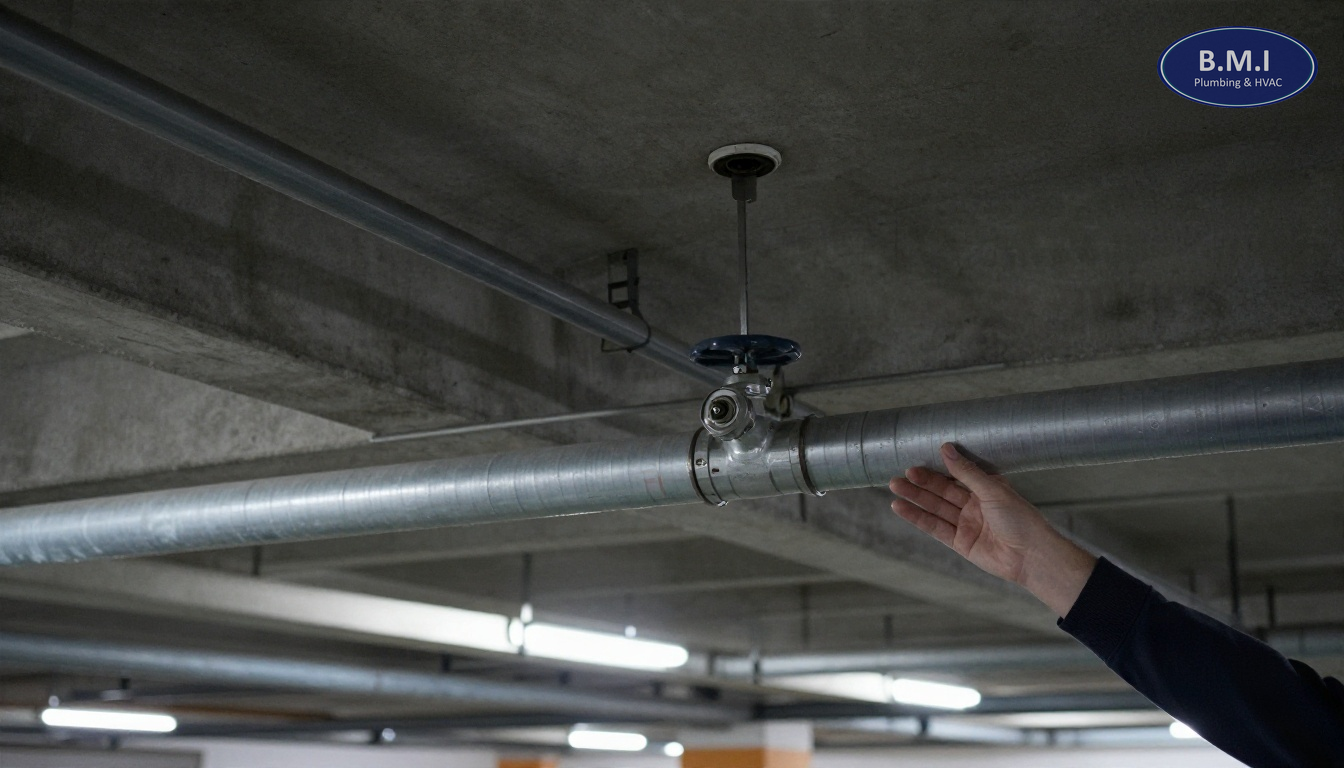
Parking Garage and Exterior Wall Piping in Ajax
Quick summary: In Ajax condominiums, parking garage and exterior wall piping problems usually show up first as recurring leaks, ceiling staining in the garage, wet insulation, or unexplained water near perimeter columns and service rooms. The right response is not just to patch the visible leak, but to determine which system is failing, how much of the piping run is affected, and whether the building is dealing with an isolated defect or a broader age-and-exposure problem.
Ajax is not one uniform building type, and that matters. Mid-rise and high-rise condominium stock along Harwood, Bayly, Kingston Road and the waterfront-adjacent parts of town can have very different garage layouts, piping materials and exposure conditions than newer multi-residential buildings farther north. For property managers and boards, that means a garage pipe leak in Ajax needs to be assessed in the context of the building’s vintage, envelope details and winter operating conditions, not treated as a generic emergency.
Why parking garage and exterior wall piping issues show up in Ajax buildings
Ajax has a mix of older rental and condominium stock from the late 1980s through early 2000s, plus newer mid-rise development from the 2010s onward. That mix creates two very different sets of plumbing issues.
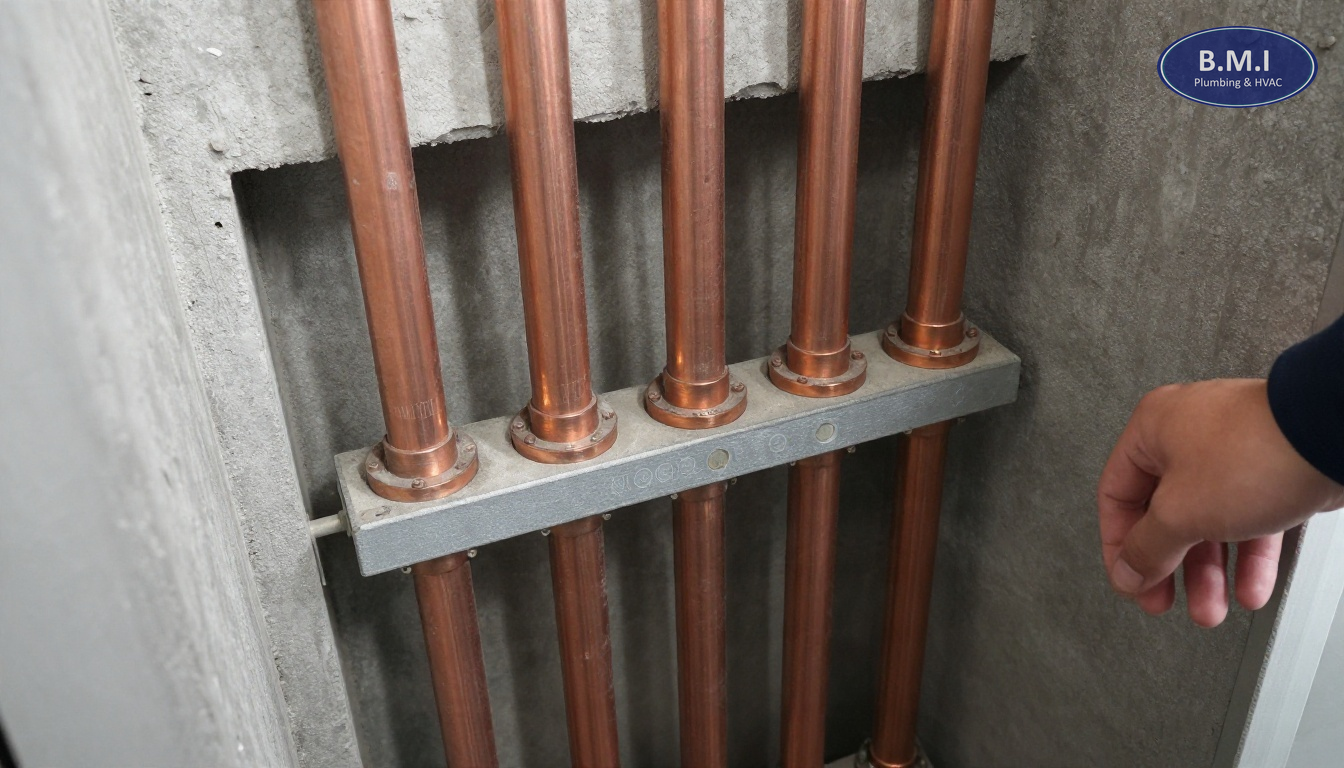
In older buildings, domestic water piping in garages and near perimeter walls is often copper with brass valves and fittings, sometimes with sections of steel supports and hangers that have spent decades in a damp environment. Drainage piping may be cast iron or no-hub cast iron, and garage ceiling runs often include branch piping that has seen condensation, corrosion at couplings, or physical wear from past repairs. Exterior wall piping in these buildings can sit in narrow chases with aging insulation, and once that insulation gets wet or displaced, heat loss accelerates.
In newer Ajax buildings, the issue is often less about simple age and more about installation details, thermal movement, and access. Long straight runs in parking levels, piping close to exterior concrete walls, and lines passing through slab edges or wall penetrations can develop stress at supports or fittings. Where there are domestic water systems under higher pressure, neglected control devices can add strain. That is one reason many boards fold garage leak concerns into a broader review of pressure reducing valve maintenance and mechanical room conditions rather than treating every leak as unrelated.
Municipal water conditions also matter. Ajax is served through Durham Region’s water system, and as in other GTA municipalities, pressure conditions can vary by building elevation, internal booster arrangements and the condition of the building’s own pressure controls. In lower-level garage areas, managers may see the effects of pressure fluctuation first at older valves, unions and weaker sections of copper. If the corporation has not reviewed its isolation map in years, even a small leak can become a large disruption because nobody is fully sure which valve actually shuts down the affected run. That is why a valve audit and charting program often belongs in the same conversation.
Fall is also when these issues become more visible. As temperatures drop, perimeter wall cavities and garage ceilings near ramps and entrances see larger temperature swings. Before winter, BMI often finds that “new” leaks are actually existing weak spots made worse by colder surfaces, heavier mechanical cycling and deferred insulation repairs from previous seasons.
How a garage pipe leak in Ajax usually presents
Property managers rarely get the first report in technical language. They get a superintendent saying there is water dripping over parking stall lines, a resident complaining about water on the garage floor, or security reporting staining spreading on a ceiling beam near the parkade entrance.
In Ajax buildings, the most common real-world reports include:
- dripping from a garage ceiling near an exterior wall after a cold night
- wet insulation hanging from domestic water piping
- staining around hangers or at the underside of slab penetrations
- repeated dampness near a service room wall or electrical area
- a leak that seems to stop and start with temperature changes or fixture use
- resident complaints from suites above about cold floors, damp drywall near a perimeter chase, or reduced water pressure after an emergency shutoff
One of the main mistakes in this category is assuming all garage water is drainage-related. It is not. Some leaks are active domestic water lines. Some are hydronic or heating related. Some are condensation caused by failed insulation. Some are roof or envelope water migration showing up at the garage ceiling. And some are sanitary or storm drainage leaks that only appear during peak use or rain events.
That is why boards should insist on a plumbing diagnosis rather than a quick visual patch. If the source is misidentified, the corporation can spend money opening the wrong area, replacing the wrong fittings, or restoring finishes only to have the leak return.
For urgent active leaks, a building may need immediate containment and 24/7 emergency leak response to protect electrical rooms, elevators, or occupied parking areas. But after stabilization, the follow-up investigation is where the real value is created.
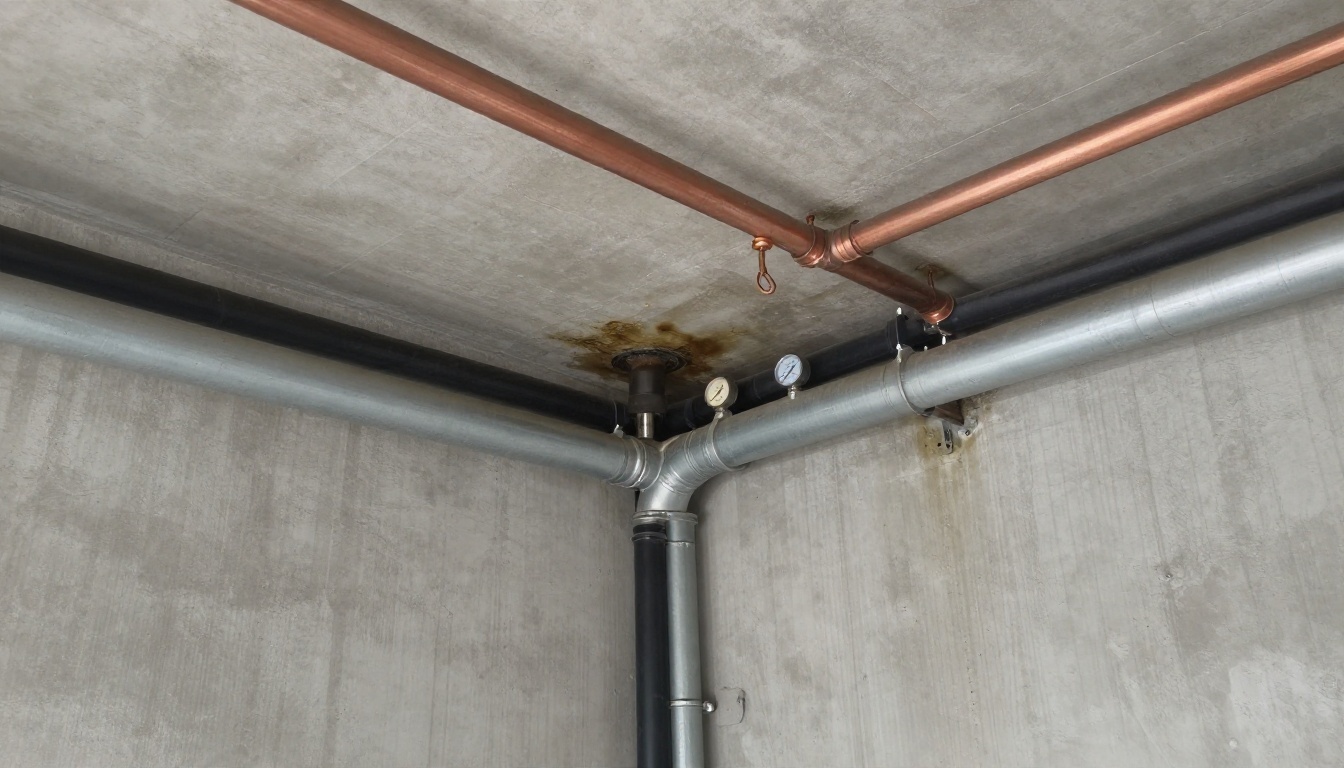
What diagnosis and inspection should involve in Ajax condominiums
A proper inspection of exterior wall piping or a garage pipe leak in Ajax should answer five questions:
- Which system is leaking?
- What is the exact failure point?
- Is the failure local or systemic?
- What access is required to repair it properly?
- What else should be addressed while the area is open?
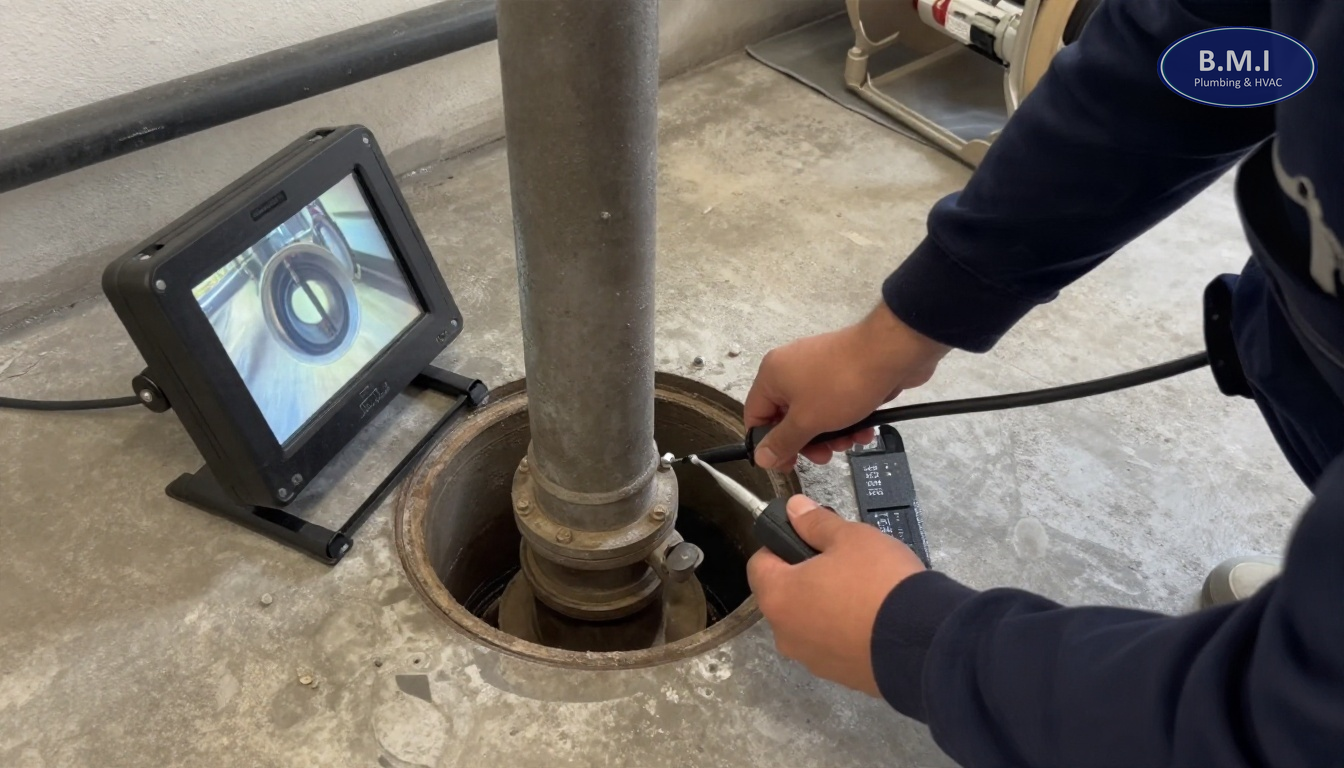
The service call often starts with visible tracing in the garage, service corridor or mechanical room. Pipe material, diameter, insulation type, valve locations and leak patterns all matter. If the leak is on a domestic line, pressure behaviour before and after isolation can help narrow the section. If it is on a drain, the building may need a camera pipe inspection to confirm whether the issue is a crack, failed joint, offset connection or build-up causing backup and overflow.
In older Ajax buildings, access is frequently the difficult part. Garage ceilings may have multiple overlapping systems: domestic cold water, domestic hot water return, sprinkler piping, sanitary branches, storm leaders and electrical containment. Exterior wall piping can disappear into bulkheads, amenity spaces, suite chases or insulated cavities. The inspection plan should identify not just the source but the safest and least disruptive access route.
Managers should ask for evidence, not conclusions alone. That means:
- photos of the leak location and surrounding piping
- identification of the piping system and material
- notes on wall thickness concerns, corrosion, insulation condition and supports
- confirmation of which isolation valves operate and which do not
- a marked-up sketch or photo showing the repair extent
- if exploratory openings are needed, what finishes or access panels are involved
Where domestic water lines are aging more broadly, a one-off leak is often the prompt for a deeper review of domestic water riser replacement options or, in more advanced cases, broader building re-piping planning. Not every Ajax building with a garage leak needs a capital project, but repeated pinholes in exposed lower-level runs should not be looked at in isolation from the rest of the domestic system.
Another practical issue in Ajax condominiums is logistics. Some sites have straightforward loading and service elevator access. Others require long material moves through underground levels, strict booking windows, resident notice periods and noise-hour limitations. In an older garage with tight clearances and occupied stalls, even a modest repair can take longer because the work zone has to be protected, drained, ventilated and restored safely.
A representative Ajax service call
A useful example is a 12-storey condominium from the late 1990s near the Harwood and Bayly area. The property manager reported recurring water in the P1 level near the perimeter wall, close to a row of resident parking spaces. The leak had been patched twice over the previous two winters by replacing short sections of copper, but the dampness kept returning.
BMI attended first on a service basis to trace the source. At initial review, the visible drip appeared to be from overhead domestic cold water insulation. Once insulation was opened back, the immediate leak point was found at a small corroded section near a support. However, the inspection also found multiple greened areas on adjacent copper, deteriorated vapour barrier wrap, and evidence that colder air was affecting the run where it passed close to the exterior wall.
The building had limited confidence in its shutoffs, so the next step included isolating and testing nearby valves. Two did not fully hold. That changed the scope. Rather than another spot repair, the recommended work became a planned sectional replacement of the affected run, replacement of two isolation valves, new insulation and vapour sealing, and correction of a support detail that had been trapping moisture.
The work was completed over two consecutive weekdays with a scheduled water shutdown notice to affected stacks. The active plumbing work took roughly a day and a half, with additional time for draining, access setup, testing and insulation restoration. Roughly speaking, a project of that type in the Toronto market in 2026 would often fall in the range of $8,000 to $14,000 depending on access, after-hours requirements and how much insulation and finish restoration was involved.
The main value was not the replacement of a few feet of copper. It was breaking the cycle of repeated winter leaks, emergency callouts and resident disruption. The building also left the visit with a clearer map of which valves needed attention, which is often as important as the immediate repair. Where shutoffs are unreliable, boards should consider a broader sectional and isolation valve replacement program.
Costs and timelines for Ajax garage and exterior wall piping work
For budgeting purposes, managers in Ajax should separate emergency response costs from corrective scope costs.
An emergency attendance to identify and contain an active garage pipe leak may be relatively modest if the source is exposed and a nearby valve works. It becomes more expensive when the leak is concealed, after-hours access is needed, or the system cannot be isolated cleanly.
Reasonable 2026 GTA budget ranges for this type of work are often:
- Emergency leak response and temporary stabilization: about $750 to $2,500 depending on timing, complexity and whether temporary piping changes are needed
- Simple exposed repair in a garage ceiling or service room: about $1,500 to $4,000
- Sectional replacement with new valves, insulation and moderate access work: about $5,000 to $15,000
- Larger perimeter or multi-location renewal program: about $15,000 to $60,000 and up, depending on length, material, shutdown planning and restoration
Those are not quotations. They are planning numbers only, and actual costs vary with pipe size, materials, occupancy constraints, whether asbestos-containing materials are present, and how much non-plumbing restoration is required.
Timeline is similarly variable. A straightforward exposed repair may be completed in one visit. A planned sectional replacement commonly needs site review, notice periods, material procurement and one or two scheduled shutdown windows. If the board wants comparative pricing or needs reserve fund coordination, the process naturally stretches longer.
In fall budget season, it is often wise for Ajax boards to ask for two numbers: the immediate repair cost and the likely cost of the next logical phase if more deterioration is found. That prevents under-budgeting and helps the board decide whether to treat the issue as operating repair or capital renewal. It also aligns well with broader project solutions for condominium plumbing systems.
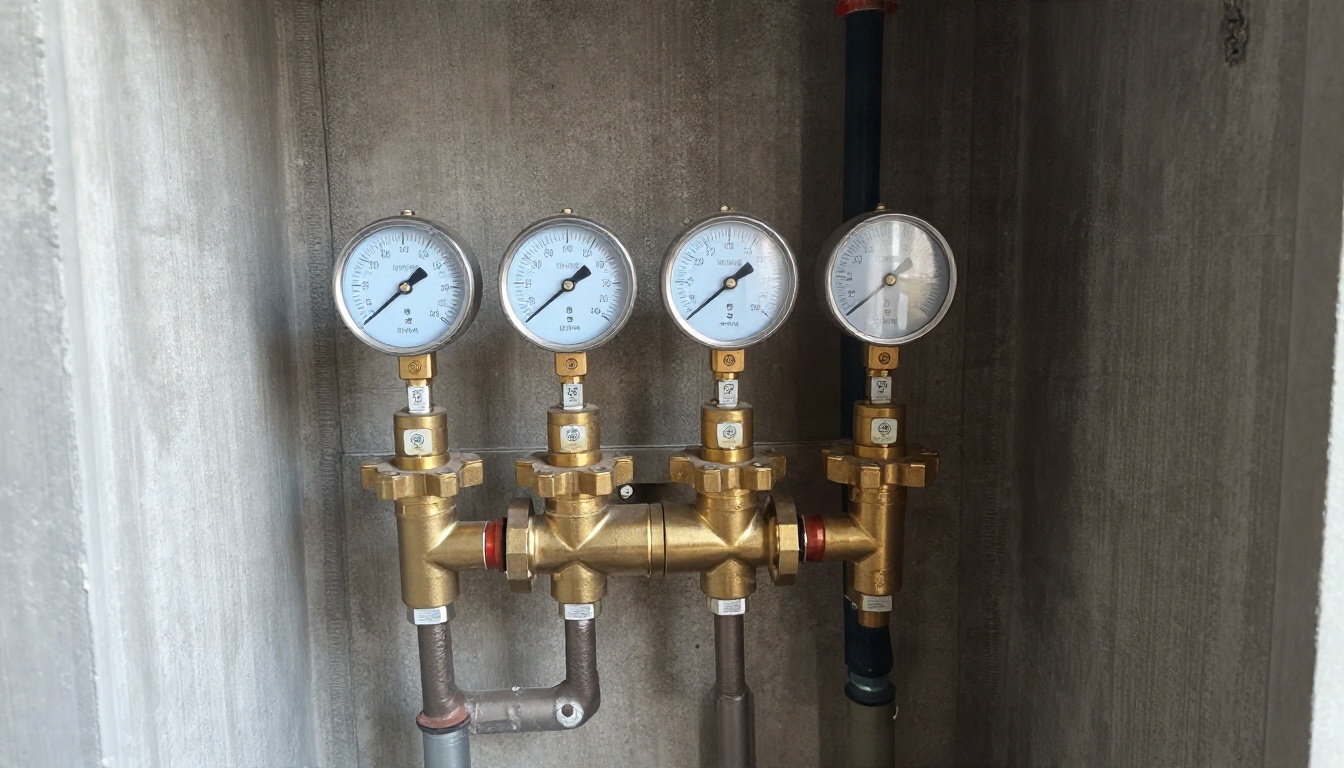
Repair versus replacement in Ajax: a practical decision framework
The right answer is not always full replacement, and it is not always another patch.
A local repair usually makes sense when:
- the leak is clearly isolated
- nearby piping is in sound condition
- wall thickness loss is not widespread
- insulation failure is local and correctable
- the building has reliable shutoffs and access
Sectional replacement is often the better decision when:
- there have been repeat leaks in the same run or zone
- corrosion is visible at multiple points
- supports, hangers or transitions are contributing to failure
- the line serves critical areas and repeat shutdowns are disruptive
- the cost of repeated callouts is approaching the cost of doing the section properly
A larger replacement strategy should be discussed when garage-level deterioration is simply the visible edge of a broader domestic water problem. In that case, garage and exterior wall piping repairs should be integrated with full maintenance programs for condominium plumbing systems, PRV review, shutoff reliability and future riser planning.
Fall is a good time to make this decision because winter conditions will test every weak point in the perimeter piping. Waiting until January usually means higher urgency, more resident complaints and less flexibility on scheduling.
What deferring exterior wall piping problems costs
The direct repair cost is only one part of the picture. In multi-residential buildings, deferring garage and exterior wall piping work can create several secondary costs:
- repeated emergency callouts
- water damage to electrical rooms, fire alarm components or access systems
- slip hazards in parking areas
- resident chargebacks, claims disputes or insurer scrutiny
- elevator shutdown risk if leakage migrates into shafts or pits
- higher restoration costs once insulation, drywall or concrete-adjacent components are saturated
For condominium corporations, repeated reactive spending also distorts operating budgets and reserve planning. Under the Condominium Act, reserve fund studies and updates are supposed to help boards anticipate major common element expenditures. A recurring garage pipe leak may begin as a repair item, but once the pattern shows broader end-of-life deterioration, it becomes a planning issue as much as a service issue.
There is also the problem of hidden deterioration. Wet insulation near exterior walls does not just reduce thermal protection. It can conceal active corrosion and make leaks appear smaller than they are. By the time staining becomes obvious in the garage, the surrounding run may already be compromised.
For drainage-related issues, deferral can be just as expensive. A small leak or seep at a cast iron joint may be manageable today, but if the underlying problem is build-up or branch line deterioration, holiday-season demand can expose it quickly. That is why fall often prompts boards to pair garage leak reviews with preventive drain cleaning and snaking services or, where kitchen waste lines are involved, scheduled kitchen stack cleaning before peak seasonal use.
FAQs about garage pipe leaks and exterior wall piping in Ajax
What usually causes a garage pipe leak in an Ajax condominium?
In Ajax buildings, the most common causes are corrosion on domestic water piping exposed to garage temperature swings, failed insulation on lines near exterior walls, and leakage at valves, couplings or threaded transitions. In parking levels, road salt, humidity and repeated freeze-thaw conditions also shorten the life of hangers, supports and metal components around the piping.
Are exterior wall pipes in Ajax at higher risk in winter?
Yes. Piping routed in perimeter chases, soffits and wall cavities is more vulnerable once outdoor temperatures drop and wind exposure increases. In Ajax, buildings closer to open corridors and lake-influenced weather can see colder perimeter conditions, especially where insulation has been disturbed during past repairs or suite renovations.
When should a condo corporation repair versus replace garage piping in Ajax?
A single isolated leak on otherwise sound piping may justify a local repair, especially if wall thickness readings and visual inspection do not show broader deterioration. If a building in Ajax is seeing repeated pinholes, widespread rusting at supports, failing valves and multiple leak locations over two or three heating seasons, sectional replacement or a larger piping renewal plan is usually the better financial decision.
How do you diagnose whether the leak is from domestic water, heating, or drainage piping?
Diagnosis starts with pipe identification, operating pressure, temperature, insulation type, and where the water appears relative to the run. A proper service call may include tracing the line, opening selective access points, using a moisture meter, checking pressure behaviour, and where needed arranging a camera review for nearby drains through a camera pipe inspection. Managers should ask for photos, marked-up locations and a clear statement of which system is leaking before approving broader work.
What does exterior wall piping repair typically cost in Ajax?
For Ajax multi-residential buildings, a straightforward exposed repair in a garage or service room may land in the low thousands, while opening finishes, replacing insulation, and restoring a longer section near the building perimeter can move the cost significantly higher. Budget estimates often range from about $1,500 to $4,000 for a simple isolated repair, $5,000 to $15,000 for a more involved sectional replacement with access work, and more where multiple levels or occupied suites are affected.
Can BMI help Ajax boards plan preventive work before winter?
Yes. Fall is the right time for Ajax property managers and boards to review recurring garage leaks, check pressure conditions, identify weak isolation valves and confirm whether perimeter piping insulation is still intact. That planning often ties into pressure reducing valve maintenance, a valve audit and exercise program, and broader maintenance programs for condominium plumbing systems so the board has real numbers before winter and budget season.
Next steps for Ajax property managers and boards
If your Ajax building has had even one recent garage pipe leak or unexplained moisture near an exterior wall, treat it as a system review opportunity, not just a repair ticket. Start with source confirmation, shutoff verification, and documentation of the affected run. Then decide whether the issue belongs in routine service, next year’s operating budget, or a planned capital scope.
BMI serves Ajax and the surrounding GTA from its Toronto shop, with service experience across roughly 200 condominium and multi-residential buildings over the past 20 years. If you need a service call, a second opinion on recurring leaks, or budgeting support before winter, the practical next step is to arrange a site review through BMI’s repairs and service team, review similar building work on completed plumbing projects, or request a scope through the BMI contact page.
Contact BMI
- Contact BMI
- Phone: (416) 845-3756
- Emergency: (416) 845-3756, answered 24 hours a day
- Email: info@brial.ca
More on condominium plumbing
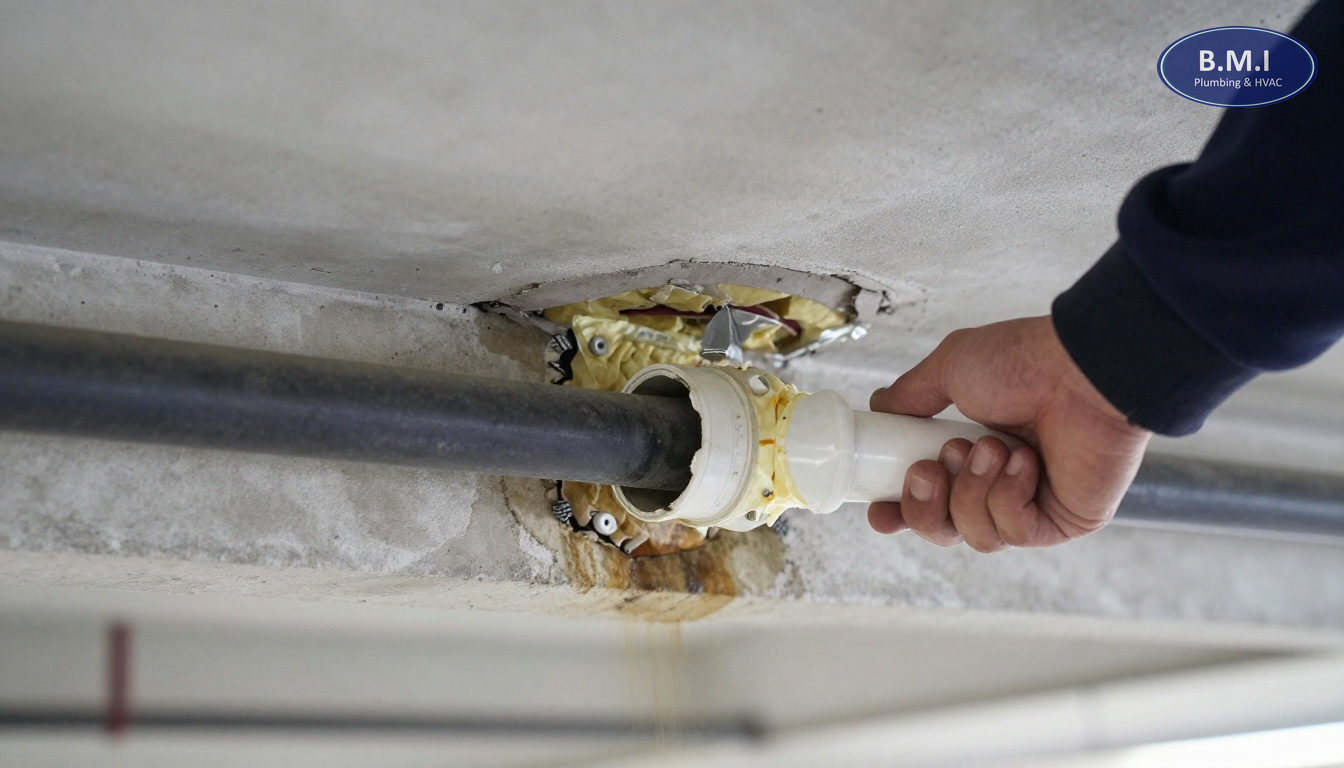
Parking Garage and Exterior Wall Piping in Burlington
Parking garage and exterior wall piping service in Burlington for condos and rentals. Diagnose leaks, corrosion and …
Partial vs Full Riser Replacement in Toronto Condos
How to evaluate partial riser replacement and phased re-pipe options in Toronto condos, with costs, timelines, shutdown …
Camera Pipe Inspection in East York Condominiums
Camera pipe inspection in East York for condos and rentals. Learn when CCTV drain surveys are needed, what they show, …
Need a plumber in your building?
BMI services roughly 200 condominium and multi-residential buildings across Toronto and the GTA. Emergencies are answered at any hour.