Parking Garage and Exterior Wall Piping in Burlington
Parking garage and exterior wall piping service in Burlington for condos and rentals. Diagnose leaks, corrosion and winter failures with clear repair options.
Parking Garage and Exterior Wall Piping in Burlington
Quick summary: In Burlington condominiums and rental buildings, parking garage and exterior wall piping tends to fail where age, condensation, road-salt exposure, and winter temperature swings all meet. For property managers and boards, the important question is not just how to stop one leak, but whether the piping condition points to a localized repair, a recurring maintenance issue, or a capital replacement problem.
Burlington is a different plumbing environment than downtown Toronto high-rise clusters. The city has a mix of older apartment stock, 1980s and 1990s condominium buildings, and newer mid-rise and high-rise development near the waterfront and around major corridors such as Fairview and Appleby. That mix matters because the piping materials, insulation standards, and garage exposure details vary a lot by building vintage.
Why parking garage and exterior wall piping fails in Burlington buildings specifically
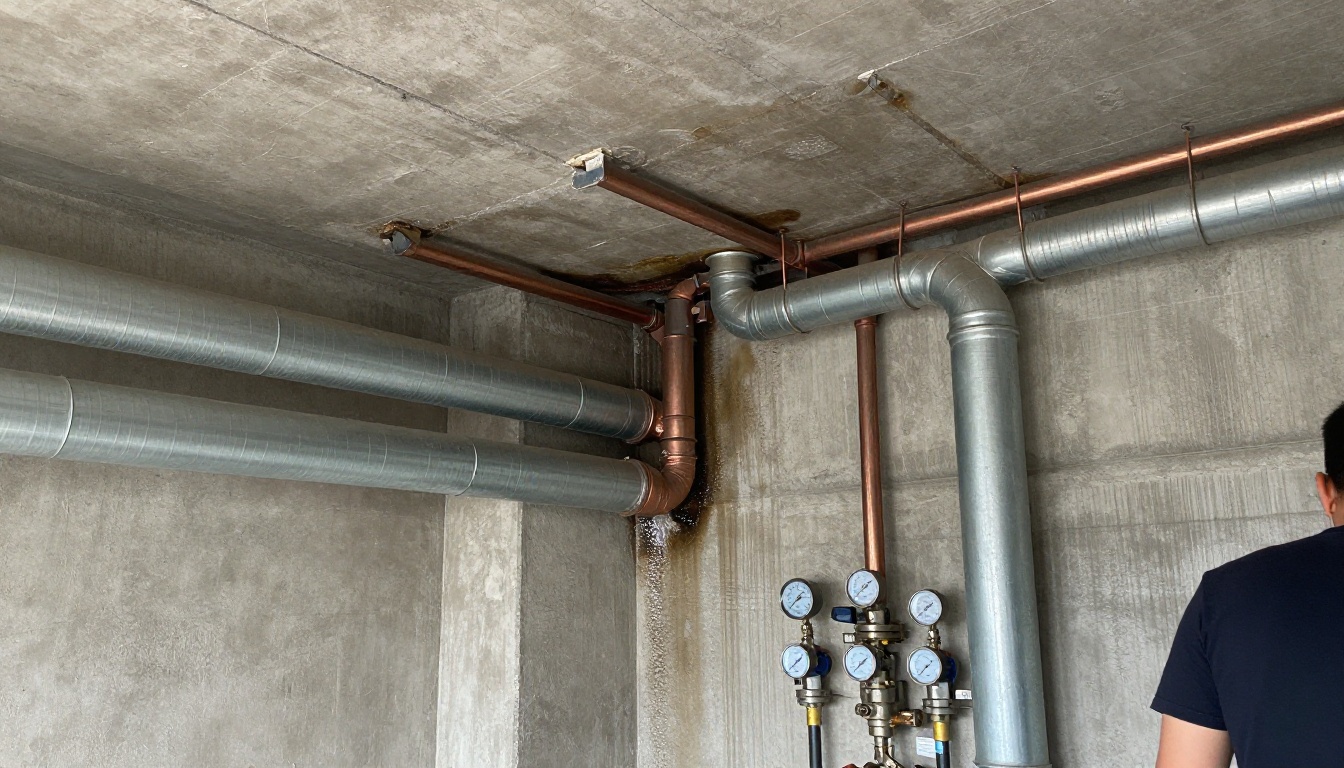
Burlington’s multi-residential stock is not one uniform product. In older apartment and condominium buildings, especially those built before the 1990s, it is common to find domestic water and drainage piping routed through parking garage ceilings, service rooms, and perimeter wall zones with insulation that has been patched many times over the years. In those buildings, leaks often come from plain age, corrosion under insulation, or hangers and supports that no longer hold the pipe correctly.
In 1990s and early 2000s condominium buildings, including many mid- and high-rise properties built as Burlington grew east and north from the older downtown and waterfront core, we often see copper domestic piping, cast iron drainage, and a mix of exposed and semi-concealed runs along garage ceilings and exterior wall transitions. These buildings are old enough now that original insulation is deteriorating, valves are stiff or inoperable, and previously minor pinhole issues may be turning into repeat failures. That is often when managers begin pairing leak repairs with a broader valve audit and exercise program, because the quality of a repair depends heavily on whether the correct isolation points will actually close.
Newer Burlington buildings are not immune. On more recent projects, the failures are different: poor access at slab edges, vulnerable mechanical runs near open parking levels, failed sealants at wall penetrations, and condensation on cold-water lines where insulation has been damaged by other trades or by previous leak investigations. Newer buildings can also have more complicated garage ceiling congestion, which makes even a simple leak harder to isolate and repair cleanly.
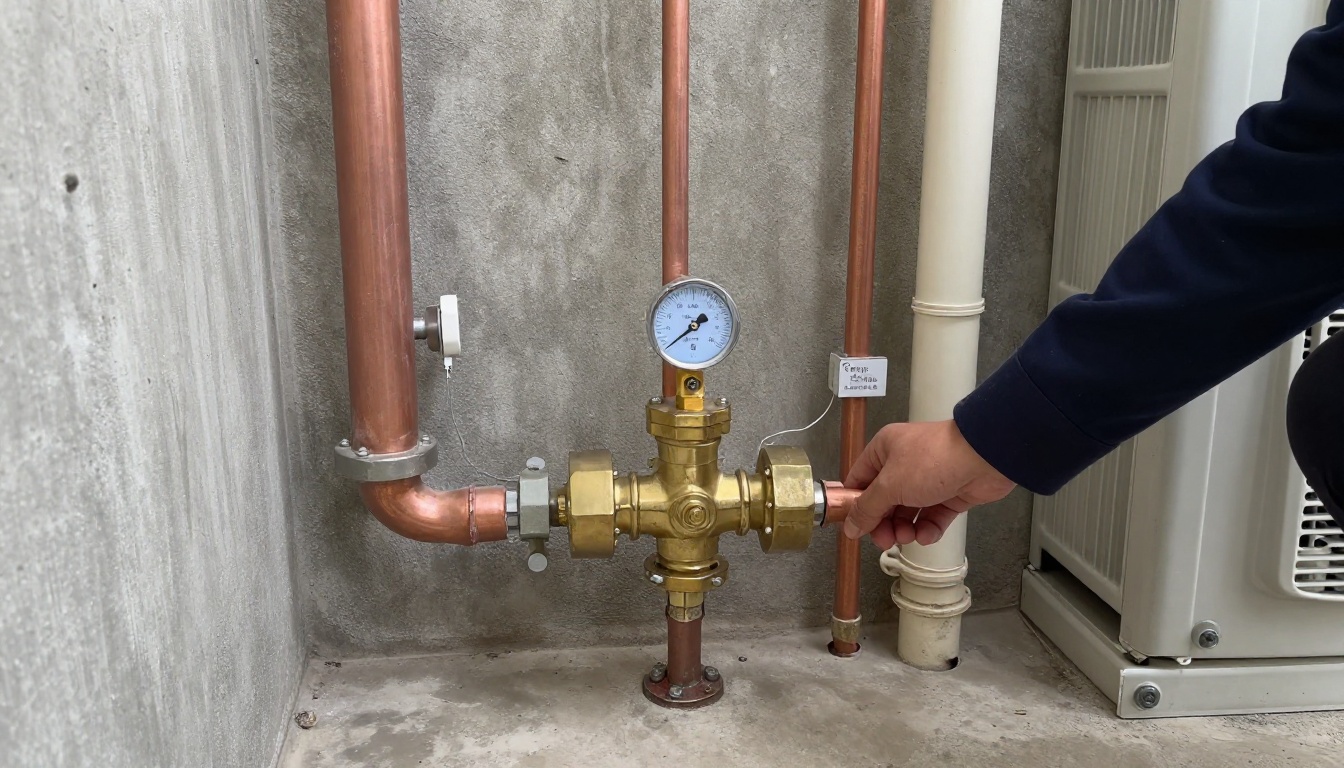
Municipal water conditions matter too. Burlington is served by Halton Region for water and wastewater services, and, as in other GTA municipalities, building pressure conditions can vary depending on elevation, pressure zone, and where the building sits in relation to local pumping and distribution infrastructure. That is one reason garage and perimeter mechanical spaces should not be looked at in isolation. If a building has pressure fluctuations or aging pressure reducing equipment, it is worth reviewing pressure reducing valve maintenance and replacement at the same time, especially heading into winter when pressure swings and occupancy patterns can expose weak points.
Access is also a local issue. Burlington properties near the lakefront or in tighter established sites may have limited loading and staging options, while larger suburban sites may be easier to access but still require careful traffic control in active resident garages. Older buildings often have narrow service rooms and low-clearance garage ceilings that affect material handling and safe work setup.
How a Burlington garage pipe leak usually presents
Property managers almost never receive the first report as a neat diagnosis. What they hear is more like: residents are complaining about water dripping onto parking spots, there is staining on a garage ceiling beam, a puddle keeps returning along the perimeter wall, insulation is hanging down, or there is water appearing near an electrical room or by the ramp after a cold night.
With exterior wall piping, the first symptom may show up inside a suite or corridor rather than outside. A resident may report a cold wall, staining near a corner unit, a recurring mould smell, or intermittent loss of hot water followed by visible leakage in the garage below. In Burlington buildings that are exposed to wind off the lake or open winter conditions in upper parking levels, freeze-related damage can start at vulnerable perimeter sections before the source is obvious.
Drainage-related problems present differently. A crack or joint failure on a sanitary or storm line in the garage may show as persistent dampness, rust staining, scaling on cast iron, or recurring odour. In kitchen waste systems, holiday cooking season often increases grease loading, and backups can expose weak joints or existing defects. Where managers are seeing repeated lower-level drainage issues, it can make sense to combine the leak response with kitchen stack cleaning or broader drain cleaning and snaking, depending on which system is involved.
What matters operationally is documenting three things early: whether the leak is active or intermittent, whether it is from a pressurized line or a drainage system, and what assets are below it. A domestic cold-water leak over resident parking is a different risk profile from a sanitary seep over a service corridor or a storm line issue at a perimeter wall.
What diagnosis and inspection should include in Burlington
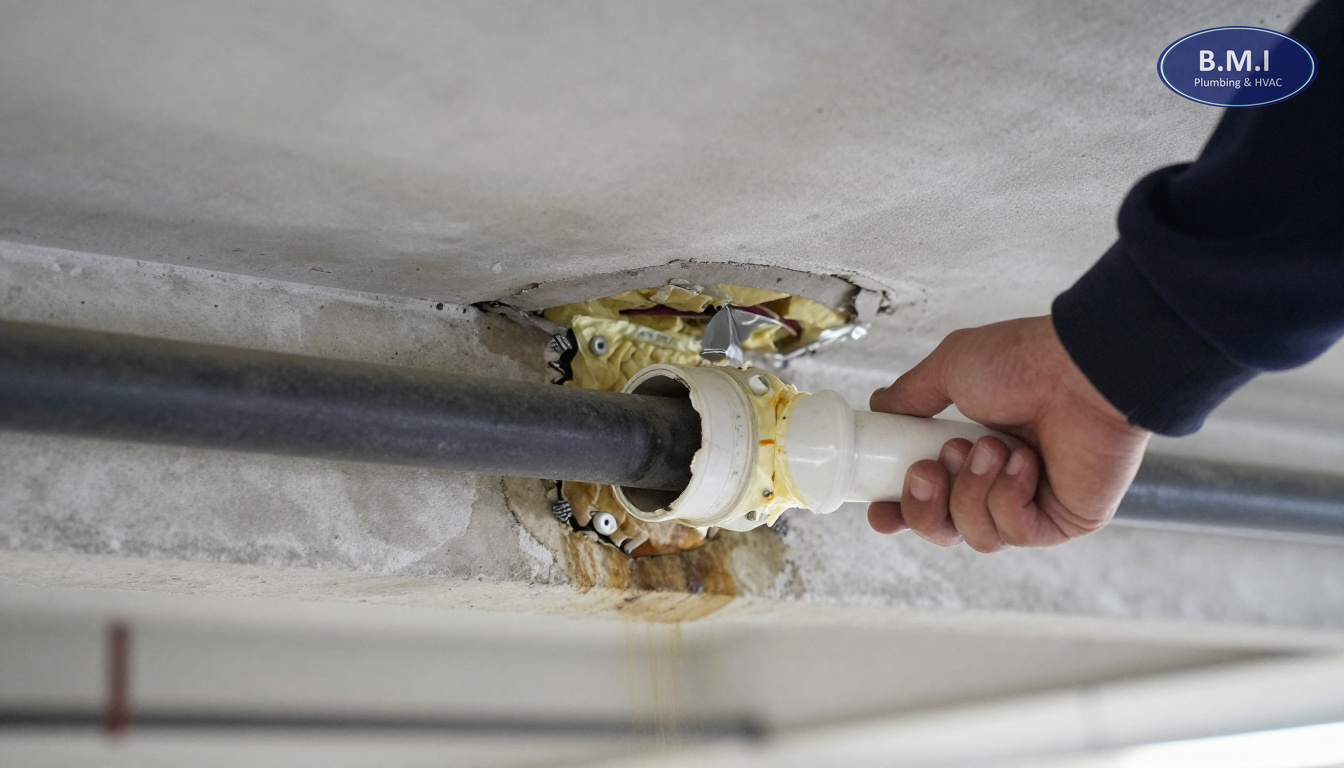
A proper investigation goes beyond finding the drip point. In garage ceilings and exterior wall conditions, the drip is often several feet away from the actual failure. Water travels along insulation jackets, pipe saddles, slab soffits, conduit, and beam edges before it becomes visible.
The first step is to identify the system. Is it domestic cold, domestic hot, recirculation, heating water, sanitary, storm, or a localized source such as irrigation or hose bibb piping near the perimeter? In Burlington multi-residential buildings, exterior wall zones sometimes contain a surprising mix of services, especially where original layouts were altered over time.
For pressurized systems, diagnosis usually includes visual inspection, selective insulation removal, checking support conditions, confirming line material and diameter, and observing pressure behaviour before and during isolation. Managers should expect photo documentation of the defect, not just a verbal report. If a valve will not isolate properly, that should be documented as part of the scope because the leak repair may trigger a second issue: necessary sectional and isolation valve replacement.
For drainage systems, evidence may include scale patterns, crack location, weeping at hub or no-hub joints, and internal condition. If the line is concealed or the failure pattern suggests broader deterioration, a camera pipe inspection is often the right next step. That gives boards something better than guesswork when deciding whether to patch one area or budget for a larger project.
For exterior wall piping, insulation and freeze protection need to be part of the diagnosis. A technically correct pipe repair can still fail again if the line remains exposed to the same cold air leakage, damaged insulation, or failed heat trace. In the fall, this is especially important in Burlington because boards are often setting next year’s budget and need numbers before winter conditions make access and response harder.
If the building has a backflow preventer or premise isolation assembly in the garage-level mechanical area, any work nearby should be coordinated carefully. Halton properties with annual testing obligations should keep those records current, and if the assembly or surrounding piping is affected, managers should treat that as part of the same risk review with backflow prevention testing and certification.
A representative Burlington service call
A realistic example would be a 14-storey condominium from the late 1990s in east Burlington, not far from Appleby Line, with two levels of underground parking and a mixed exposed-concrete garage ceiling. The property manager reported recurring water drips over six parking spaces along an outside row after colder nights, plus deteriorated insulation and rust staining on nearby supports.
On initial inspection, the visible drip appeared to be coming from a domestic cold-water branch serving hose bibbs and a janitor room line routed along the perimeter before turning upward. The actual failure was not at the drip point. After opening insulation selectively, the leaking section was found at a hanger location near an exterior wall penetration where the insulation jacket had been compromised for some time. Condensation and intermittent cold exposure had allowed corrosion to progress on the copper line and hardware, and the nearest isolation valve only partially closed.
The immediate work involved a controlled shutdown, temporary resident notice, removal of wet insulation, replacement of the failed copper section and fittings, installation of a new accessible isolation valve, replacement of several compromised hangers, and re-insulation of the repaired run with proper vapour-sealed jacketing. Because the perimeter wall opening showed air movement around the pipe sleeve, the building’s maintenance team was advised to coordinate sealing of the penetration as part of envelope maintenance.
The active repair took one day, with return attendance for insulation finishing and labelling. The rough cost for that kind of service call in the Burlington market could reasonably fall around $3,500 to $8,000 depending on shutdown complexity, after-hours requirements, and how much insulation and access work is required. If the valve had not isolated at all, or if multiple sections along the same run had shown significant thinning, the recommendation would likely have shifted toward a larger planned replacement rather than repeated spot repairs.
For managers dealing with an active leak after hours, that starts as an emergency plumbing response. The longer-term question, though, is whether the building should stay in reactive mode or move the affected garage run into a planned capital scope.
Costs and timelines for Burlington garage and exterior wall piping work
Costs vary widely because the plumbing itself is only part of the job. Access, shutdown planning, resident notice, firestopping, insulation replacement, traffic control, and after-hours work all affect the final number.
For Burlington condominium and rental buildings, these are reasonable 2026 market estimates, not quoted prices:
- Minor exposed pressurized pipe repair in a garage ceiling: roughly $1,500 to $4,000 where access is simple and isolation is reliable.
- More involved repair with insulation removal and replacement, new supports, and a difficult shutdown: roughly $3,500 to $10,000.
- Drainage leak investigation with selective opening and camera pipe inspection: often $1,500 to $5,000 depending on access and extent.
- Replacement of a longer corroded garage run or perimeter section, including valves, supports, and insulation: often $10,000 to $40,000 or more.
- Broader phased replacement of multiple garage-level domestic runs or deteriorated sections tied to risers: costs can move into capital-project territory and may be evaluated alongside domestic water riser replacement or even full building re-piping if failures are systemic.
Timelines also depend on scope. A straightforward repair may be completed in one attendance or over one to two days. A planned replacement of several sections usually takes more coordination: site review, pricing, board approval, resident communication, material lead time, and staged shutdowns. In budget season, boards are often better served by getting investigative work done in fall so they can decide before winter emergencies force a rushed decision.
Repair versus replacement in Burlington: how boards should decide
The wrong decision is usually not repairing too little or replacing too much in the abstract. It is treating a pattern problem as a one-off, or treating a one-off as if it justifies a building-wide project without evidence.
A localized repair often makes sense when the failed section is clearly isolated, the surrounding pipe is sound, the building has little or no similar leak history, and the line can be properly insulated and supported after the repair. That is normal service work.
Replacement becomes the better decision when leaks are repeating on the same run, when pipe wall loss is visible in multiple areas, when insulation is trapping moisture over long sections, or when the only way to repair one failure is to rely on valves that are already known to be unreliable. In those cases, boards should ask for a practical scope that addresses the run, the isolation points, and any related pressure or support issues. Sometimes that is a targeted replacement project; sometimes it sits within a broader capital plumbing project solution.
In Burlington buildings from the 1980s and 1990s, we often see this decision point arrive during reserve fund planning. The Condominium Act framework and reserve fund study updates are meant to help corporations plan for major common-element work. If garage-level domestic piping and perimeter runs are showing age-related failures now, that should be reflected in the building’s capital conversation rather than absorbed indefinitely as operating surprises.
What deferring garage and exterior wall piping problems costs
Deferral has direct and indirect costs. The direct cost is obvious: repeated emergency service, repeated cleanup, insulation replacement, and resident disruption. The indirect costs are often larger.
A garage pipe leak over parking stalls can damage vehicles, coatings, stored materials, and nearby building systems. Exterior wall piping leaks can wet insulation and concealed assemblies for long periods before anyone sees the full extent. If the failure affects domestic water service, there may be resident claims and pressure on management to arrange quick temporary solutions.
Insurance implications are also real. One isolated leak is one thing. A documented pattern of leaks on aging common-element piping with no broader plan is harder to explain after a larger loss. Boards should think in terms of loss prevention, not only repair invoices.
There is also the operational cost of poor shutdown control. If the building has not kept up with valve replacement or a formal maintenance program for critical plumbing systems, a small repair can become a building-wide water interruption because the intended isolation points no longer function. In fall, before winter demand and holiday occupancy, it is also smart to review pressure reducing valve maintenance and any known vulnerable stacks or drains.
For Burlington managers trying to build next year’s budget, this is often the key point: the cost of one emergency is not the benchmark. The benchmark is the total cost of repeated emergencies, collateral damage, staff time, resident complaints, and rushed work performed in poor conditions.
FAQs about Burlington parking garage and exterior wall piping
What usually causes a garage pipe leak in Burlington condominiums?
In Burlington, the most common causes are external corrosion from salt-laden moisture in parking garages, failed insulation on cold lines, aging hangers, and freeze exposure where piping runs near exterior walls or open ramp areas. In older buildings, original steel or copper piping may also be at the end of its service life, especially where there has been chronic condensation or small unnoticed leaks.
How urgent is exterior wall piping leakage in a Burlington high-rise?
It should be treated as urgent because water can travel behind finishes, saturate insulation, damage concrete or parking deck coatings, and create slip hazards below. In cold weather, a small Burlington exterior wall piping leak can also turn into a freeze break, which changes a contained repair into an after-hours emergency.
Can Burlington condo corporations repair only the failed section, or do they need full replacement?
That depends on the failure pattern. If the problem is isolated to one corroded branch or one damaged section at a slab edge or exterior wall penetration, a sectional repair may be appropriate; if multiple leaks are showing up on the same run, replacement is usually more economical than repeated callouts. A proper recommendation should be based on visible condition, wall-thickness loss, leak history, and, where needed, camera or opening-up work.
What does diagnosis of parking garage piping in Burlington involve?
A good Burlington investigation starts with tracing the line and confirming whether it is domestic cold, domestic hot, heating, storm, or sanitary related. That usually includes visual inspection, moisture mapping, selective opening of insulation, pressure observations, and documenting the exact leak source with photos; for drainage-related issues, a camera pipe inspection can help confirm the condition of concealed sections.
How much does a Burlington garage piping repair usually cost?
For Burlington multi-residential buildings, a straightforward exposed repair might be in the low thousands, while a more involved leak with traffic control, access equipment, insulation replacement, and multiple shutdowns can move into the mid-five figures. If a longer run along a garage ceiling or exterior wall has widespread corrosion, capital replacement costs are often significantly higher and should be budgeted as a project rather than treated as routine service.
Should Burlington boards inspect garage and exterior wall piping before winter?
Yes. Fall is the right time in Burlington to check exposed garage piping, heat tracing where present, insulation integrity, and shutoff valve operation before freeze-thaw conditions and holiday occupancy increase demand on the building. It is also a practical time to combine this with pressure reducing valve review, valve exercising, and any drain or stack maintenance that should be completed before winter.
Next steps for Burlington property managers and boards
If you are dealing with a garage pipe leak or suspect vulnerable exterior wall piping in a Burlington building, start by getting the system identified and the exact failure documented. Ask for photos, the probable cause, the condition of nearby pipe, and whether the required valves actually operate. Those four items usually determine whether you are looking at a service repair, a seasonal maintenance issue, or a capital scope.
Fall is also the practical time to bundle related work. If the building already has garage-level access open, consider whether this is the right moment for targeted in-suite and common plumbing repairs, a valve audit, drain cleaning service, or a broader review of BMI’s repairs and service work. For boards preparing budgets, getting those numbers now is usually better than making the decision in January during an active leak.
BMI serves Burlington and the surrounding GTA from its Toronto shop. For building-specific advice, service calls, or budget pricing for a planned scope, use the contact information below.
Contact BMI
- Contact BMI
- Phone: (416) 845-3756
- Emergency: (416) 845-3756, answered 24 hours a day
- Email: info@brial.ca
More on condominium plumbing
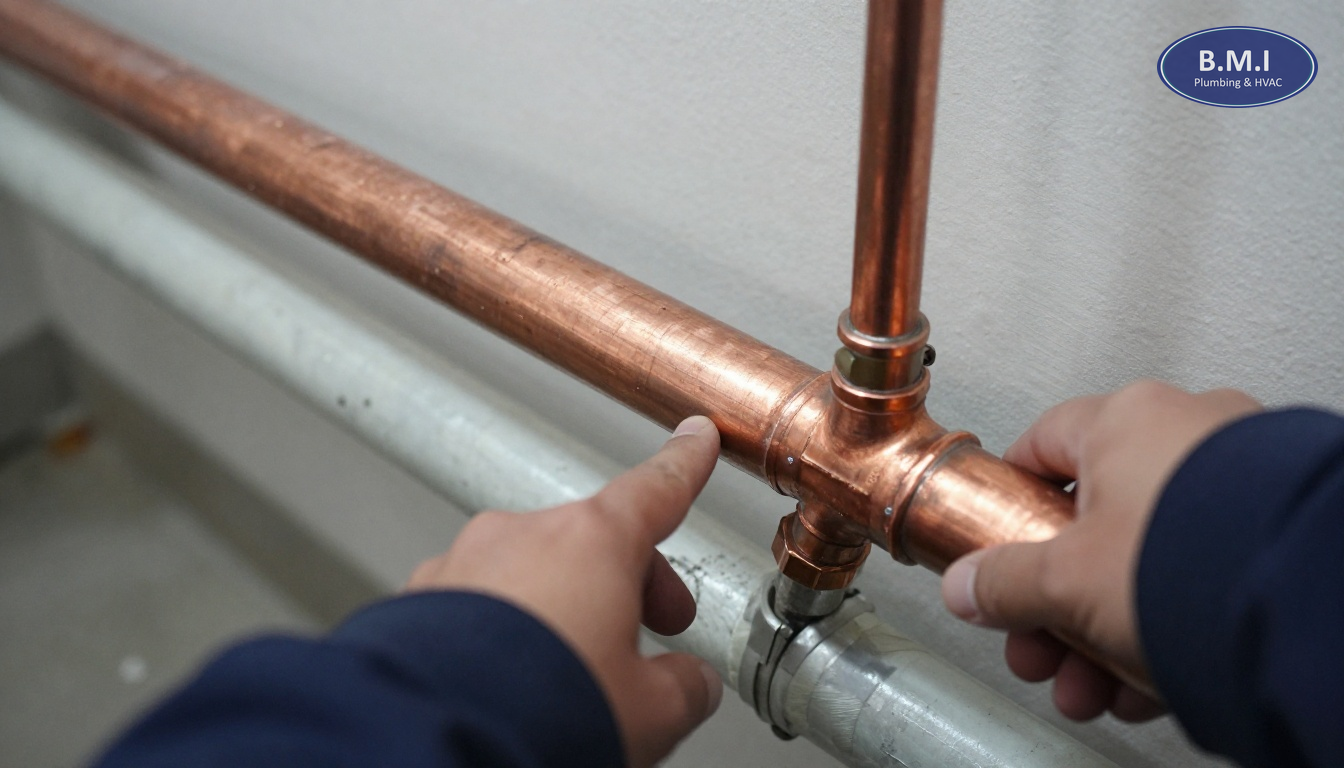
Full Building Re-Piping in Burlington Condominiums
What full building re-piping in Burlington involves, when condo repipe work makes sense, and typical costs, timelines, …
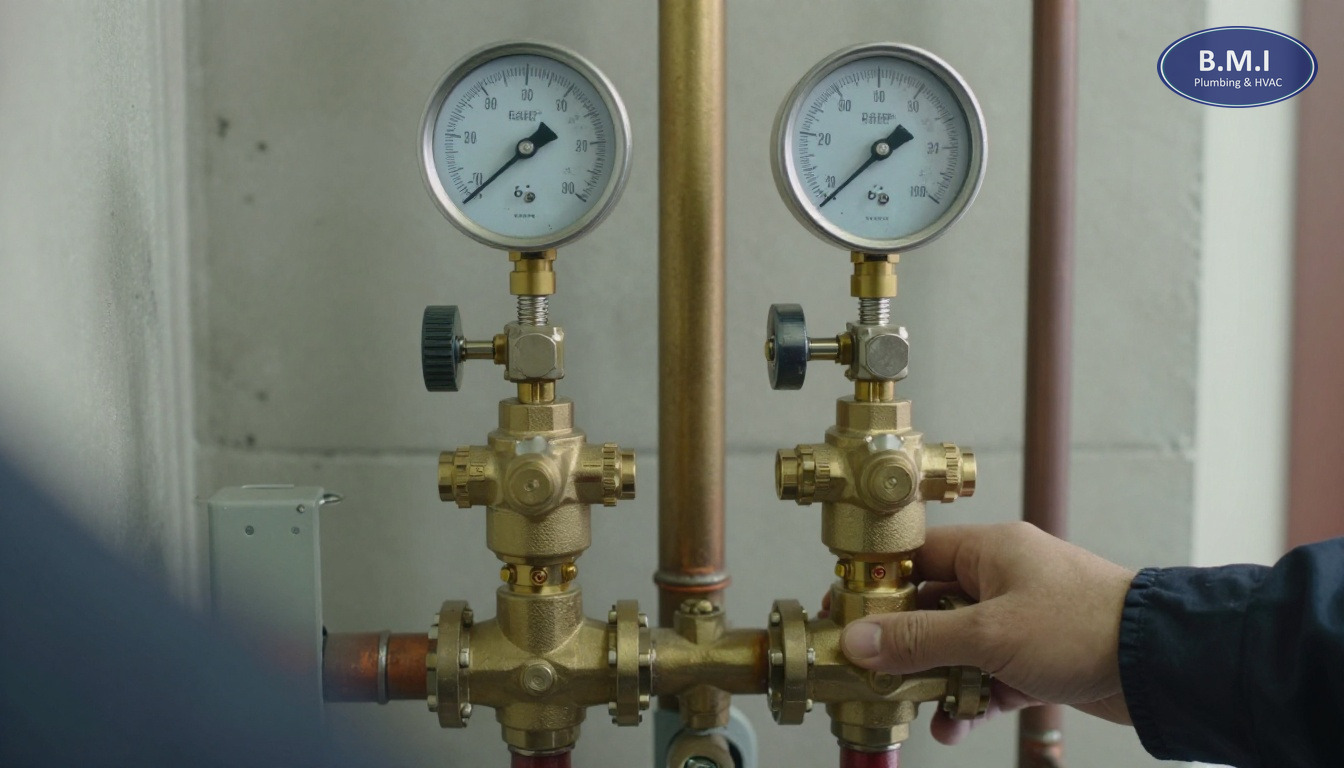
Low Water Pressure Condo Toronto: Suite or Building?
Low water pressure condo complaints in Toronto are not always a suite issue. Learn how to tell suite defects from …
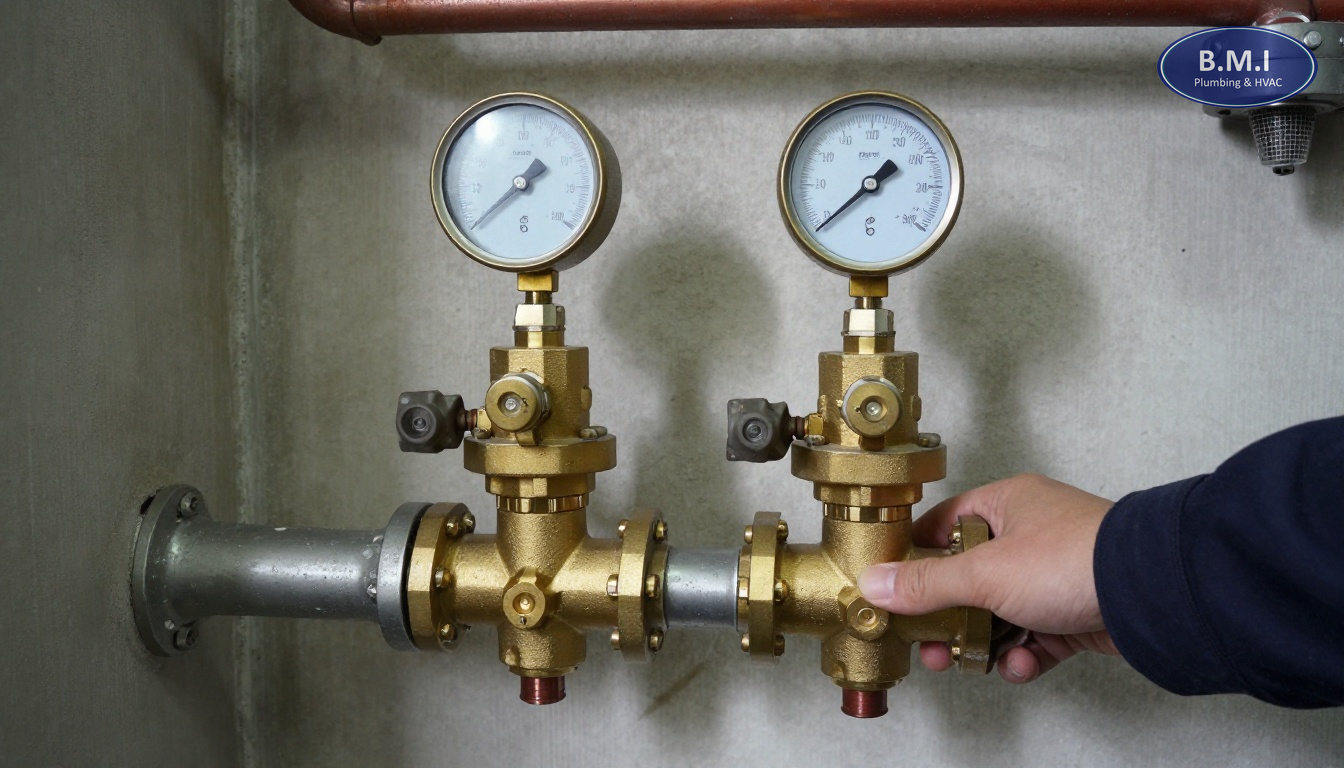
Pressure Reducing Valve Service and Replacement Toronto
Pressure reducing valve service and PRV replacement in Toronto condos. Learn how building water pressure issues are …
Need a plumber in your building?
BMI services roughly 200 condominium and multi-residential buildings across Toronto and the GTA. Emergencies are answered at any hour.