Partial vs Full Riser Replacement in Toronto Condos
How to evaluate partial riser replacement and phased re-pipe options in Toronto condos, with costs, timelines, shutdown logistics and risk.
Partial vs Full Riser Replacement in Toronto Condos
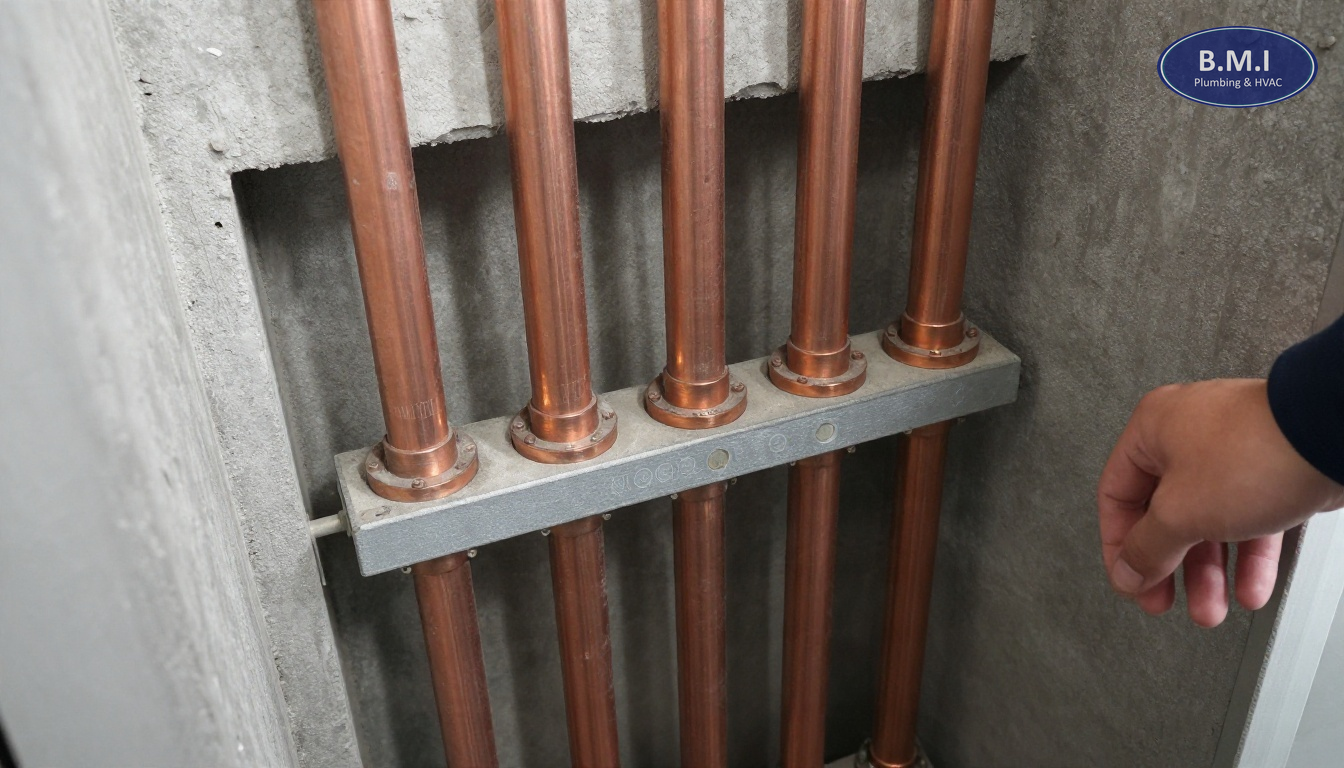
Quick summary: In a condominium, the choice between partial riser replacement and a full riser replacement is rarely about plumbing alone. It is a decision about leak frequency, insurance exposure, reserve fund timing, shutdown logistics and whether the building wants to pay once in a planned way or repeatedly in emergencies.
In Toronto and the GTA, a phased approach can be the right answer when failure is isolated and documented. But in many 1970s to early-1990s towers, especially where original valves no longer isolate properly, partial work only delays a larger project while multiplying disruption and cost.
A common board misconception is that every riser project starts with a binary choice: do nothing, or replace everything. In practice, there is a middle ground, but it only works when the building understands exactly which risers are failing, why they are failing, and how much confidence there is in the remaining pipe. That is why a proper site review before a quote matters more than the quote itself. BMI typically attends the building first, reviews leak history, valve condition and access constraints, and then recommends whether a targeted riser replacement program or a broader building re-piping project is actually justified.
Start with the money: what the board is really deciding
By November, most property managers in Toronto, North York and Mississauga are trying to get real numbers in front of the board for next year. This is exactly when riser decisions should be made, because a January leak is the worst time to discover that the building still cannot isolate a domestic hot water line without shutting down half the tower.
The real financial choice is not “partial versus full” in the abstract. It is usually one of these three:
- Targeted replacement of one or several failing risers because evidence shows the problem is concentrated.
- A phased re-pipe over 2 to 5 budget cycles, often grouping risers by exposure, age, or resident access logistics.
- One coordinated full riser replacement because the system has reached the point where repeated emergencies and access damage cost more than planned work.
In buildings we service in Scarborough and Vaughan, the hidden cost that boards often miss is duplicate mobilization. If you replace three risers this year, four next year and five the year after, you do not simply divide the full project cost by three. You pay for repeated notices, repeated shutdown planning, repeated drywall openings, repeated elevator protection, repeated after-hours coordination and repeated reinstatement. On some occupied towers, that can add 10% to 25% over the cost of a single coordinated campaign.
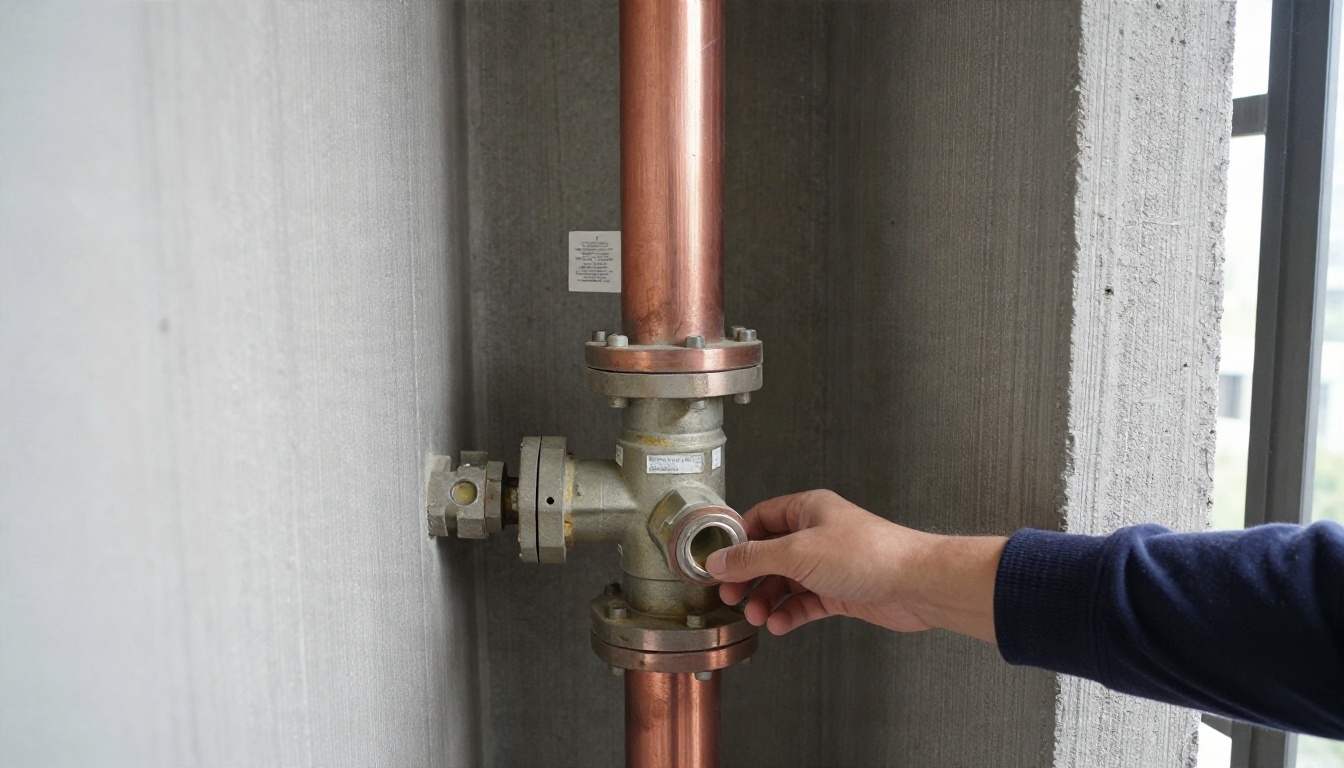
Another overlooked cost is valve reliability. If the building has not had a recent valve audit or needed valve replacement, a partial riser project can stall before it starts because the sectional isolation valves that are supposed to isolate one vertical line may not hold. A riser job that looked like a local shutdown can become a building-wide shutdown very quickly.
What is actually failing when people say “the risers are going”?
“Riser” gets used loosely in condominium discussions. For budgeting and scope, it matters whether you are talking about:
- Domestic cold water risers, often 1 1/2" to 4" depending on building size
- Domestic hot water risers, commonly 3/4" to 2"
- Hot water recirculation lines, often 3/4" to 1 1/2"
- Sanitary or kitchen stacks, usually 3" or 4" cast iron, which are a different project entirely
This distinction matters because failure modes differ. Domestic water risers fail from internal corrosion, erosion, poor water velocity control, chemistry, recirculation imbalance, poor support, and age-related thinning. Waste stacks fail from scaling, grease loading, solids accumulation and corrosion from the inside out. If the issue is actually repeated kitchen backups, the answer may be a planned kitchen stack cleaning program or camera inspection, not a riser replacement at all.
In Toronto high-rises built in the 1970s and 1980s, original copper domestic water systems were often Type L in main runs but not always consistently installed throughout branches and verticals. In early-1990s towers in North York, Thornhill and Mississauga, one common mistake we see is assuming all copper of that era has the same remaining life. It does not. Hot water risers usually age faster than cold because temperature, recirculation and dissolved oxygen conditions are more aggressive. A cold riser may have years left while the adjacent hot riser is already producing pinholes.
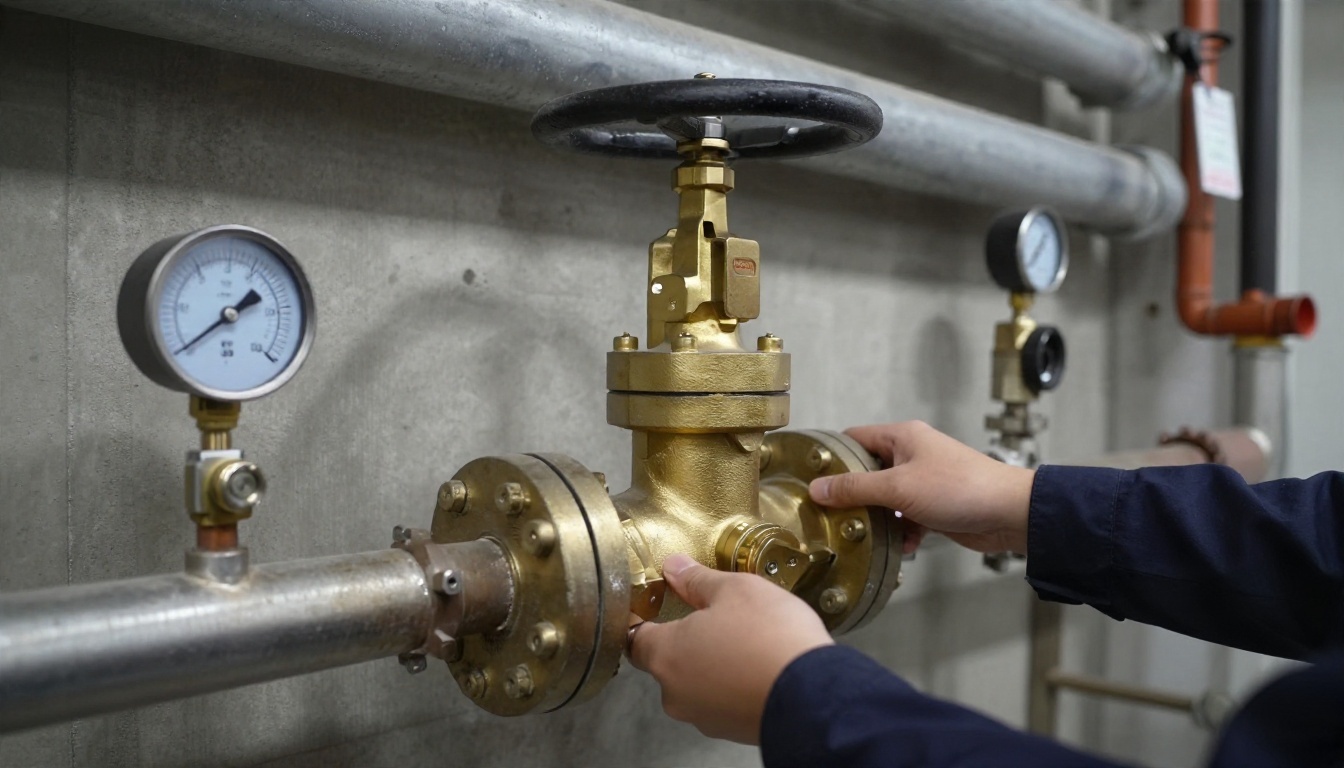
Galvanized domestic water risers, still found in some older purpose-built rentals and a few converted or heavily original buildings, are usually well beyond the age where patching is a sensible strategy. Once tuberculation has reduced the internal diameter, a nominal 2" line can behave hydraulically more like a much smaller pipe, which shows up as pressure complaints on upper floors. If the building is also fighting pressure control issues, a PRV maintenance review should be part of the diagnosis because 95 to 110 psi spikes will expose weak pipe much faster than a stable 60 to 75 psi downstream system.
The field signs that point toward partial replacement
A partial project is defensible when the evidence has a pattern. The best candidates usually show one or more of the following:
- Leak concentration on one riser or one zone, not random failures all over the building
- Repeated failures on domestic hot water, but not cold, especially on mid or upper floors
- Known poor original installation details, such as unsupported offsets, stressed fittings or inaccessible repair history
- A localized pressure problem, for example one pressure zone consistently running high because a PRV station is drifting
- A renovation history that exposed the same deteriorated condition in multiple adjacent suites
A useful example: if suites 09 and 10 on floors 12 through 18 have seen three hot water pinhole leaks in 18 months, while the rest of the building has had none, that is a candidate for targeted work. By contrast, if leaks are appearing on hot and cold lines across multiple stacks, multiple floor lines and both pressure zones, the building is usually past the point where partial riser replacement is the low-risk answer.
Another clue is the nature of resident complaints. In-suite symptoms that often trace back to a deteriorating riser include:
- Pressure that is acceptable in the morning but drops sharply in evening peak demand
- Brown or black water after shutdowns, indicating scale disturbance in older steel or heavily corroded copper systems
- Hot water delay and temperature instability on one line, often tied to recirculation problems rather than only fixture issues
- Repeated valve packing leaks or branch shutoff failures during suite repairs, showing the whole system is aging together
If complaints are instead isolated to one faucet, one toilet or one suite fixture set, the first step is usually in-suite plumbing service or toilet and faucet repairs, not a capital project.
Why phased re-pipe works in some buildings and fails in others
A phased re-pipe is not simply a smaller version of a full project. It is a management strategy. Done well, it lets a corporation spread cost across reserve fund cycles while addressing the highest-risk piping first. Done poorly, it creates years of repeated disruption with no meaningful reduction in leak exposure.
Where phased work tends to succeed
Phased work is usually successful when:
- The building has clear riser-by-riser leak data going back at least 24 months
- There are working sectional valves or a realistic plan to replace them first
- The risers are laid out in a way that allows contained shutdowns
- The board has funding for a multi-year commitment, not just a one-year reaction
- The contractor can maintain consistent material and installation standards across phases
On a 300-unit tower, for example, it can make sense to replace the domestic hot water risers in the highest leak zone this year, the recirculation lines next year, and the corresponding cold risers later if inspection shows acceptable condition. That approach is much more defensible than replacing a few risers simply because those suites complained the loudest.
Where phased work becomes false economy
Phased work starts to fail when the building is using it to avoid acknowledging that the system is broadly at end of life. Three conditions usually point that way:
- Isolation is poor. If one riser cannot be isolated without affecting 40 to 100 suites, each phase becomes a major event.
- Materials are uniformly old. If all risers are the same age, same material and same installation standard, the remaining “good” risers may only be good because they have not leaked yet.
- Access conditions are repetitive. In many post-1985 condos, every phase means opening the same bulkheads, closets and bathroom chases again and again.
In Etobicoke and Markham towers with original copper now 30 to 40 years old, a common mistake is replacing only the visibly failed sections and leaving the adjacent aged pipe. That often creates a “new-to-old” transition at exactly the point where the remaining pipe is thinnest. The repair works, but the next leak often appears within 12 to 24 inches of the new work.
If the building is already planning broader mechanical upgrades, it is worth reviewing all project solutions together. Riser renewal often overlaps with expansion compensator replacement, valve replacement and pressure control work. Bundling those scopes can reduce shutdown count and contractor remobilization.
What a proper investigation should include before anyone recommends scope
A board should be wary of any recommendation based only on age. Age matters, but age alone does not tell you whether the right answer is partial or full.
A proper pre-project review should include:
- Leak map by riser and floor line for at least the last 2 to 5 years
- Material confirmation: copper type, steel, PEX, mixed repairs, previous alterations
- Pressure readings at the incoming service, after PRVs and ideally in upper and lower zones
- Valve isolation testing or at minimum a realistic review of valve operability
- Opened inspection points in representative suites or riser closets
- Photos and written findings, not just a verbal opinion
- Access review: closets, chase walls, tile conditions, asbestos or designated substance concerns where relevant
If drainage piping is part of the complaint history, include camera pipe inspection so the board does not mix up a domestic water capital project with a stack problem. If pressure instability is part of the story, include pressure reducing valve maintenance in the review because unstable downstream pressure can make a marginal riser look worse than it is.
One practical point from field experience: insist on knowing how many valves must operate correctly for the proposed phase to work. If the answer is “sixteen existing valves across two pressure zones,” that is a project risk, not a footnote. In many older buildings, the first phase should actually be a valve audit and exercise program, followed by selective valve replacement, before riser work starts.
Repair, partial replacement or full replacement: a decision framework
Below is a simplified framework that matches how many property managers actually have to present this to a board.
| Condition in the building | Likely best path | Why |
|---|---|---|
| 1-2 isolated leaks over several years on one known riser | Localized repair or targeted partial replacement | Failure may be concentrated; avoid overscoping |
| 3+ leaks on the same riser or floor line within 12-24 months | Partial riser replacement | Pattern is established; emergency repairs are no longer efficient |
| Leaks across multiple risers, both hot and cold, same vintage pipe | Full riser replacement or multi-year phased re-pipe | Systemic aging is evident |
| Original valves do not isolate reliably | Valve project first, then phased or full replacement | Shutdown logistics control the project more than pipe cost |
| Insurance pressure and high water damage deductible | Planned replacement sooner rather than later | Financial risk is now beyond plumbing scope |
| Major suite finish disruption expected in every phase | Full coordinated project often more efficient | Repeated access and reinstatement become expensive |
This is also where second opinions are worth having. If one contractor recommends full replacement after a single leak and cannot show the broader failure pattern, get another opinion. But the reverse is also true: if the building has recurring failures and the recommendation is to keep patching indefinitely, that is usually not prudent asset management.
Toronto-market cost ranges managers can budget with
These are budgetary ranges only. Actual pricing varies with height, access, material, asbestos conditions, reinstatement scope, after-hours work, and whether ceilings or tiled walls must be opened and restored.
Typical cost ranges
| Scope | Typical GTA budget range |
|---|---|
| Investigative openings and condition review | $2,500-$12,000 |
| Valve audit and charting program | $3,000-$15,000 depending on building size |
| Sectional isolation valve replacement | $1,200-$4,500 per valve depending on size and shutdown complexity |
| Single domestic water riser replacement | $20,000-$60,000 per riser |
| Small phased re-pipe program | $80,000-$250,000 |
| Full riser replacement in a mid-size tower | $300,000 to $1M+ |
| Full building re-pipe in a large occupied high-rise | $1M to several million |
A useful budgeting shortcut is to think in both per riser and per suite touched terms. A riser that passes through 20 to 30 suites may look reasonable on a pure pipe basis, but once you add suite notices, openings, access coordination and finish reinstatement, the effective cost per suite can climb quickly. In occupied GTA towers, it is not unusual for access and reinstatement logistics to represent 30% to 50% of the total project cost.
Another number boards should understand is the cost of deferral by emergency. One after-hours leak involving common element pipe can easily produce:
- $1,500-$4,000 in emergency plumbing response and temporary work via emergency plumbing service
- $5,000-$25,000+ in drying, restoration and corridor or suite damage
- Deductible exposure far beyond the pipe repair itself
- Management and staff time that never appears on the plumbing invoice
That is why some corporations choose a phased re-pipe even when a full project is technically preferable: not because it is ideal, but because it is still better than paying for chaos.
Timelines, shutdowns and resident access: where projects succeed or fail
The technical pipe work is only half the job. In occupied condominiums, schedule discipline is what separates a manageable project from a political problem.
Typical production rates
- One riser replacement: 3 to 7 working days for the vertical line, plus suite access prep and reinstatement coordination
- In-suite access work: often 4 to 8 suites per day per crew in an occupied building
- 25-storey tower phased program: commonly 8 to 24 weeks depending on the number of risers and finish conditions
- Full riser campaign: often planned over one summer season, but pre-construction and resident communication start months earlier
Fall is often the right time to tender and scope the work even if the physical project happens in late spring or summer. By November, managers should already know whether winter pressure swings or holiday occupancy will make deferral risky. If the building has not had recent pressure review, combine the capital discussion with PRV maintenance planning, because pressure instability in winter can turn a manageable leak history into an emergency season.
Notice and access realities
For most occupied condo riser projects, expect:
- At least 48 to 72 hours written notice for planned suite entry, often more depending on building policy
- Multiple touches per suite: initial inspection, plumbing shutdown work, and reinstatement review
- Elevator booking and protection for materials and debris movement
- After-hours or daytime noise coordination based on municipal noise rules and building policies
- Operator and concierge involvement for access control and communication
A practical lesson from buildings in Toronto and Richmond Hill: the riser project often succeeds or fails based on the 5% of suites that do not respond to notices. That is why the scope should include a realistic access protocol, not just a pipe drawing.
What happens if the building defers it
Deferral is not always wrong. Sometimes the honest answer is that a building can wait a year if leak history is light, valves are serviceable and pressure is controlled. But that should be an informed deferral with monitoring, not a vague hope that the next budget cycle will be easier.
The risks of deferral are usually these:
- More frequent emergency shutdowns, often affecting larger portions of the building than planned work would
- Insurance scrutiny, especially if loss history shows repeated water incidents
- Higher restoration cost, because emergency openings are messier and less controlled than planned access
- Reserve fund distortion, where repeated operating expenses mask what is really a capital renewal issue
- Resident confidence erosion, because repeated plumbing incidents are more visible than one planned project
From a governance standpoint, boards should also remember that reserve fund studies and updates are only as good as the condition information provided. If the corporation knows the domestic water risers are failing but continues to budget only for isolated repairs, that can create an avoidable mismatch between actual asset condition and capital planning. In some cases, a consultant-supported scope review before the next reserve fund update is the most defensible step.
If the building is not ready for full replacement, at minimum it should consider a documented maintenance and monitoring plan through BMI maintenance programs, so the corporation can show it is managing the asset rather than ignoring it.
FAQs
When does a partial riser replacement make sense?
A partial riser replacement makes sense when the failure pattern is concentrated and verifiable, not just assumed. Typical examples are a single domestic hot water riser with repeated pinhole leaks between floors 8 and 15, or one stack of early-1990s Type M copper in a building where pressure and recirculation imbalance have accelerated wear in a specific zone. The key is having evidence such as leak history, wall-thickness readings, pressure data and visual inspection from opened sections, because replacing 20% of the system only works if that 20% is genuinely the problem.
What usually pushes a building from phased re-pipe to full riser replacement?
The tipping point is usually when leak frequency, access damage and resident disruption start costing more than a planned project. In Toronto high-rises, that often happens when a building is seeing 6 to 12 domestic water leaks per year, multiple emergency shutdowns, and insurers begin asking tougher questions about water damage deductibles or loss history. Another trigger is when valve isolation is poor enough that one riser leak affects 30 to 80 suites, making piecemeal work operationally expensive.
How long does a phased re-pipe take in an occupied condo building?
For an occupied 20- to 30-storey building, a phased re-pipe is usually measured in months, not days. A realistic production rate is 4 to 8 suites per day for in-suite access work when wall openings, reinstatement coordination and resident scheduling are included, while one vertical riser line may take 3 to 7 working days depending on complexity and valve condition. Spread across multiple risers and notice periods, many phased programs run 8 to 24 weeks, sometimes longer if work is broken into annual budget phases.
Is partial replacement cheaper, or does it just delay the inevitable?
Sometimes it is genuinely cheaper, and sometimes it only postpones a larger project while adding duplicate mobilization costs. In the Toronto market, replacing one domestic water riser in a high-rise can land around $20,000 to $60,000 depending on height, pipe size, access and reinstatement, while a full multi-riser program can run into the hundreds of thousands or more. If the remaining risers are of the same age, material and failure condition, partial work can become false economy because you pay for repeated shutdown planning, repeated access coordination and repeated ceiling and drywall repairs.
What evidence should a board insist on before approving riser work?
A board should ask for a written scope supported by actual field evidence, not just a verbal recommendation after one leak. That means leak history by riser, pressure readings in psi at different times of day, photos of failed pipe and fittings, wall-thickness or condition observations from opened sections, valve isolation findings, and a clear explanation of why the recommendation is partial replacement, staged replacement or full replacement. If the contractor cannot show which risers are affected, what pipe sizes are involved and how shutdowns will be managed, the board does not yet have enough information.
Who usually pays for riser replacement work in a condominium?
In most GTA condominiums, domestic water risers are common elements, but the exact answer depends on the declaration, standard unit definition and any section 98 alterations. If an owner renovation enclosed riser access, relocated fixtures or added non-standard finishes, part of the reinstatement or access cost may be chargeable back even when the pipe itself is common element. Property managers should confirm responsibility before tendering, because payment responsibility affects owner communication almost as much as the plumbing scope.
A practical next step for boards and managers
If your building has had more than two domestic water leaks on the same line, or if no one is confident that the isolation valves still work, do not start with a tender for “replace everything.” Start with a site review that answers four questions:
- Which risers are actually failing?
- Can they be isolated without unacceptable disruption?
- Is the remaining pipe in materially better condition, or just untested?
- What is the most defensible scope for next year’s budget?
BMI attends the building before quoting, because the right answer for a 1980s concrete high-rise in Toronto is not necessarily the right answer for an early-1990s tower in Vaughan or a mid-rise in Mississauga. If the evidence supports partial riser replacement, that should be said clearly. If the honest answer is a broader building re-piping project, that should be said just as clearly. For managers preparing board packages, it is often useful to pair the riser recommendation with related findings on valve condition, pressure control and the building’s broader project solutions roadmap.
For additional background on condominium plumbing planning, see the BMI blog or request a building-specific review through the contact page.
Contact BMI
- Contact BMI
- Phone: (416) 845-3756
- Emergency: (416) 845-3756, answered 24 hours a day
- Email: info@brial.ca
More on condominium plumbing
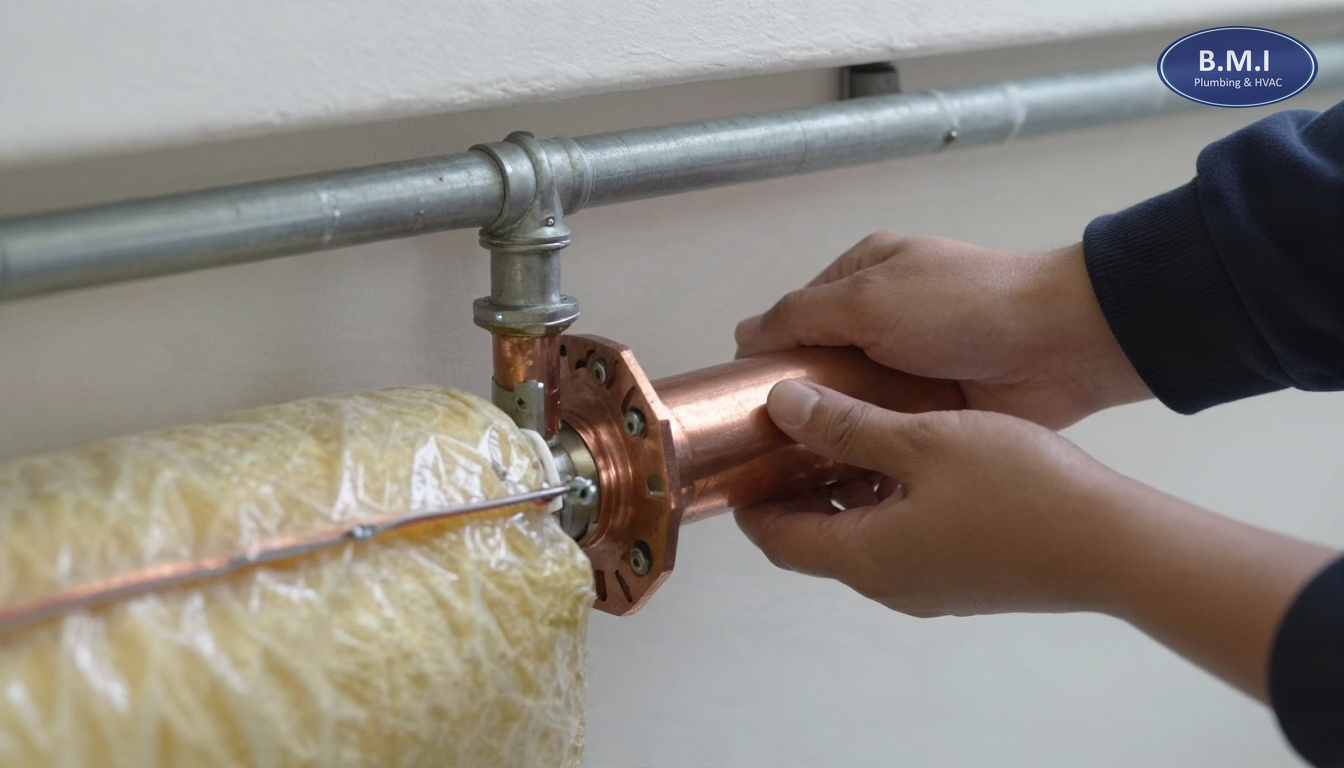
Riser Replacement Cost Toronto: High-Rise Budget Guide
A practical guide to riser replacement cost in Toronto high-rises, with per-suite, per-riser and full re-pipe cost …
Suite Access Notice in Toronto Riser Projects
How to manage suite access notice and condo entry rights during a Toronto riser project, with timelines, legal context, …
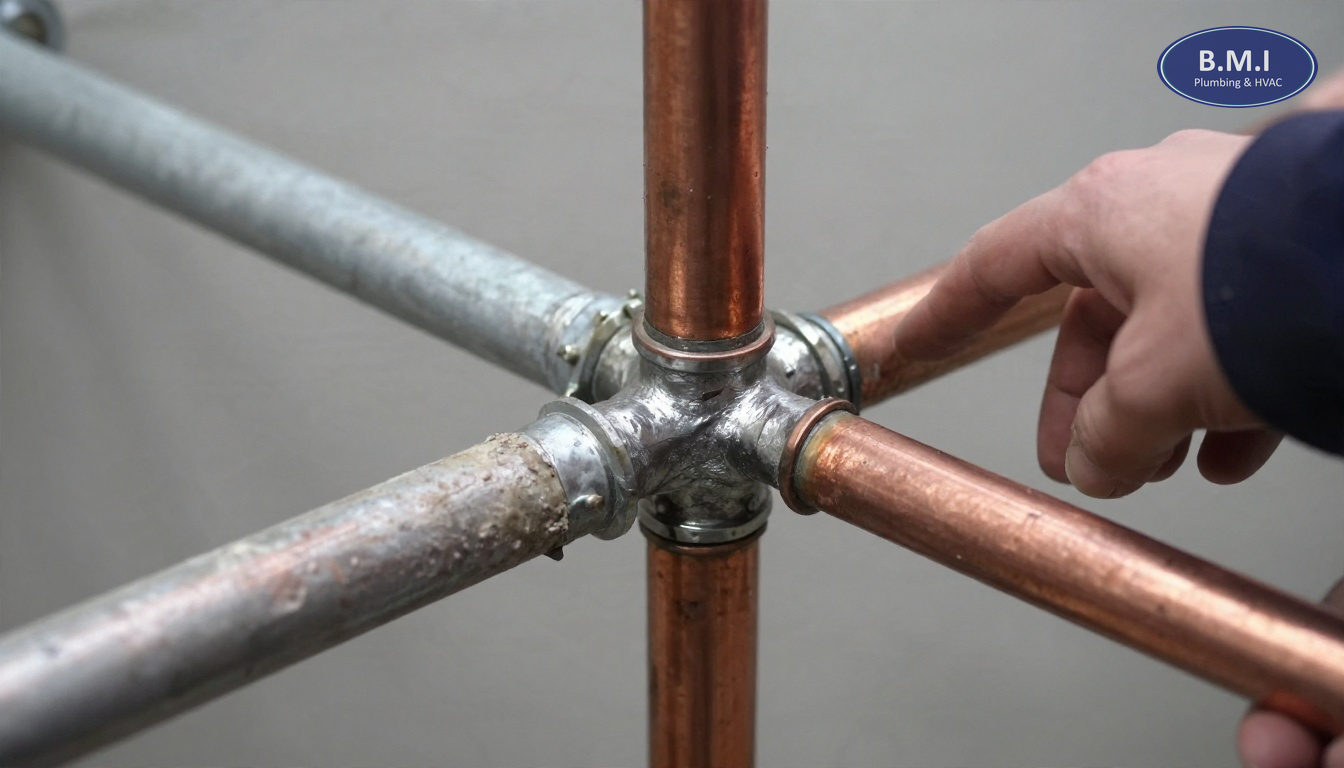
25-Storey Toronto Riser Project Timeline: What to Expect
A practical guide to riser project timeline and condo re-pipe schedule planning for 25-storey Toronto buildings, with …
Need a plumber in your building?
BMI services roughly 200 condominium and multi-residential buildings across Toronto and the GTA. Emergencies are answered at any hour.