Plumbing Vent Condo Problems in Toronto High-Rises
Understand plumbing vent condo and stack venting problems in Toronto high-rises: symptoms, diagnosis, costs, shutdowns and when repair becomes replacement.
Plumbing Vent Condo Problems in Toronto High-Rises
Quick summary: In a high-rise, a “venting problem” is usually not a mysterious smell issue. It is a pressure-control problem inside the drainage system, and when the venting path is blocked, undersized, altered or disconnected, the building starts telling you in specific ways: gurgling fixtures, trap seal loss, intermittent sewer odour and slow drainage that seems to move from suite to suite. For Toronto condominium managers and boards, the important question is not only what failed, but whether you are dealing with a common-element stack issue, a roof termination issue, or a suite alteration that should be isolated and charged back.
In fall, this topic matters more than it gets credit for. Once colder weather arrives in Toronto, North York, Mississauga and Markham, roof vent terminations that are already marginal can start icing, and holiday cooking season increases stack loading in the same buildings that are already seeing pressure swings and odour complaints. If the board is building next year’s maintenance and capital budget now, stack venting belongs on the same list as kitchen stack cleaning, PRV maintenance and valve planning.
The misconception that causes expensive misdiagnosis
The most common mistake is treating every sewer smell or gurgling complaint as a simple blockage. In condominium towers, especially 1970s and 1980s concrete high-rises in Toronto and Scarborough, the drainage system only works properly when waste piping and vent piping work together. The drain carries water and solids; the vent manages air pressure so traps keep their water seal. If one side is impaired, the other starts producing misleading symptoms, which is why repeated drain cleaning calls can continue for months without solving the underlying complaint.
A second mistake is assuming that if only one suite complains, the problem must be in that suite. In buildings we service, venting defects often show up first in the top few floors, in one stack line, or in a suite with a recently renovated bathroom or laundry connection. One owner-installed change to branch piping pitch, trap arm length or fixture tie-in can upset the hydraulics for multiple units. Under the Condominium Act and the declaration, that matters because the corporation may need to investigate a common element first, then determine whether there is a recoverable owner-caused issue.
The third mistake is relying on verbal diagnosis. If a contractor says the building “probably has a vent issue,” ask what evidence supports that conclusion. A defensible recommendation should point to observed trap movement, pressure-related gurgling, roof vent obstruction, camera findings, or a pattern of vertically aligned complaints. If you are spending reserve fund or operating dollars, you need more than a hunch. That is the same standard boards should apply whether they are considering camera inspection, maintenance programs or a larger project solution.
What stack venting is actually doing in a high-rise
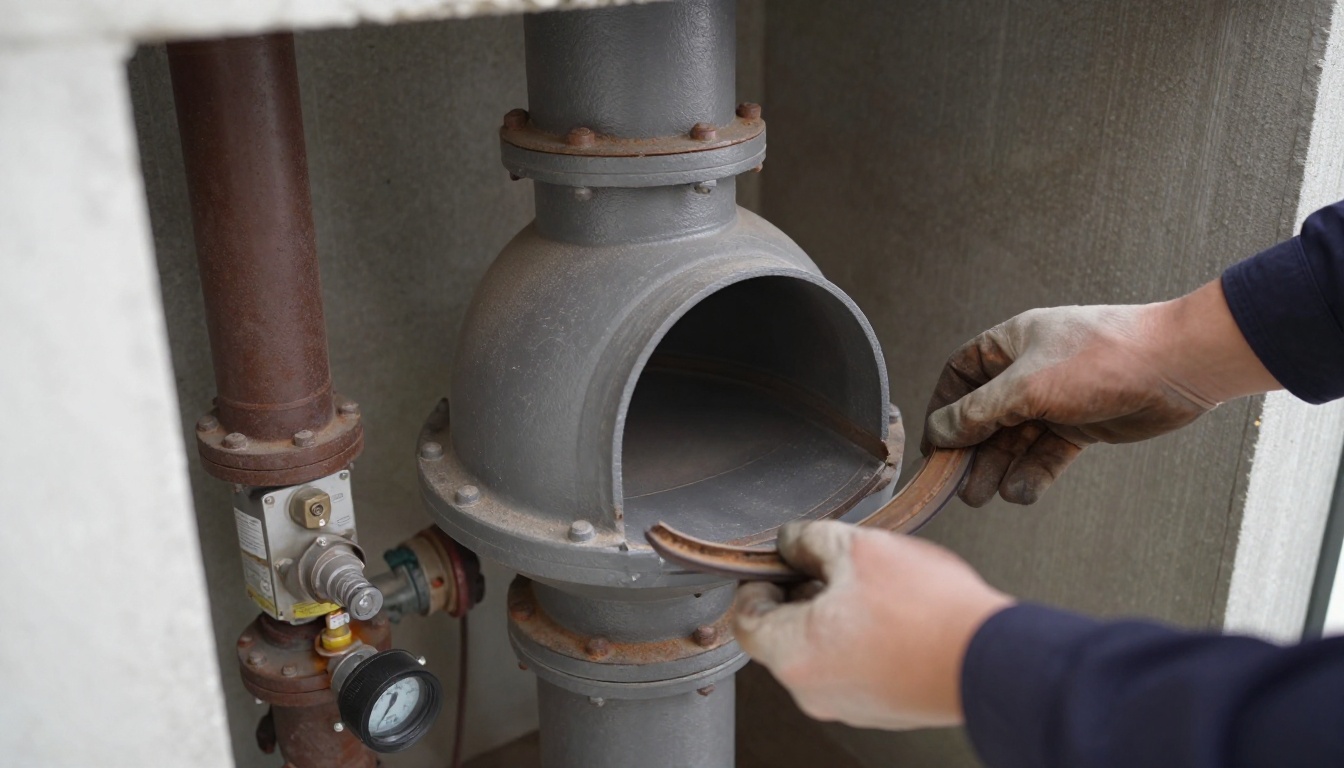
In a typical high-rise sanitary system, each fixture discharges into a branch that ties into a vertical soil or waste stack, usually 3 inch or 4 inch cast iron in older towers and sometimes no-hub cast iron or plastic in newer construction. The vent system allows air to enter and leave so that when a slug of water drops down the stack, it does not create enough negative pressure to siphon the water out of nearby traps. A trap only needs about 2 to 4 inches of water seal to do its job, which means it does not take a dramatic event to break it.
When a stack is loaded by a toilet flush, dishwasher discharge, washing machine pump-out or bathtubs draining on multiple floors, air has to move with that water. In a well-functioning system, the vent path to the roof keeps pressure close to neutral. In a compromised system, you see two classic effects: negative pressure, which pulls water out of traps and causes gurgling, and positive pressure, which can push foul air through weak trap seals or floor drains. That is why a resident may report, “my powder room smells after the upstairs neighbour showers,” which sounds odd until you think of the stack as an air column, not just a drain.
A common mistake we see in early-1990s North York and Mississauga towers is assuming the vent stack can be ignored because the waste stack still drains. It can drain and still be malfunctioning. Partial scale, grease accumulation, construction debris at offsets, bird screening added incorrectly at roof terminations, or owner alterations inside a suite can all narrow the available air path long before the stack plugs solid. Where a 4 inch vent effectively behaves like a 2 inch opening because of obstruction or frost, the pressure behaviour changes fast.
There is also a height effect in towers that many non-specialists miss. The top floors often complain first because they are closest to the vent termination and because branch geometry near the uppermost offsets is less forgiving. In post-2010 glass towers in downtown Toronto and along the waterfront, tighter mechanical coordination sometimes means more complex routing above ceilings and in bulkheads, which can make diagnosis harder than in older straight-stacked buildings. That does not mean the building is defective; it means access planning matters.
How venting problems show up in real condominium complaints
Property managers rarely receive a ticket saying, “please inspect stack vent pressure imbalance.” They get practical complaints, and some are much more diagnostic than others.
Complaint patterns that strongly suggest venting
- A fixture gurgles when another fixture drains nearby. Example: a vanity trap chatters when the bathtub empties, or a kitchen sink burps when the dishwasher discharges.
- Intermittent sewer odour with no active backup. If the smell appears after heavy use periods and then disappears, trap seal disturbance is more likely than a constant blockage.
- Top-floor or upper-stack complaints. Repeated odour or gurgling on floors 20 to 25 in a 25-storey building often points you upward, toward vent routing or roof termination.
- A floor drain smells only during high-flow events. That can mean positive pressure is pushing air through a weak or dry trap, especially in laundry rooms, mechanical spaces or seldom-used ensuites.
- The sink drains normally alone but backs up or burps when an upper suite uses water. That often indicates a stack issue, not just a local branch restriction.
Complaint patterns that are more likely simple drainage problems
- A single kitchen sink is slow all the time, regardless of what other suites are doing.
- A toilet is sluggish and improves temporarily after a basic auger.
- A tub holds water with no odour and no relation to neighbouring fixture use.
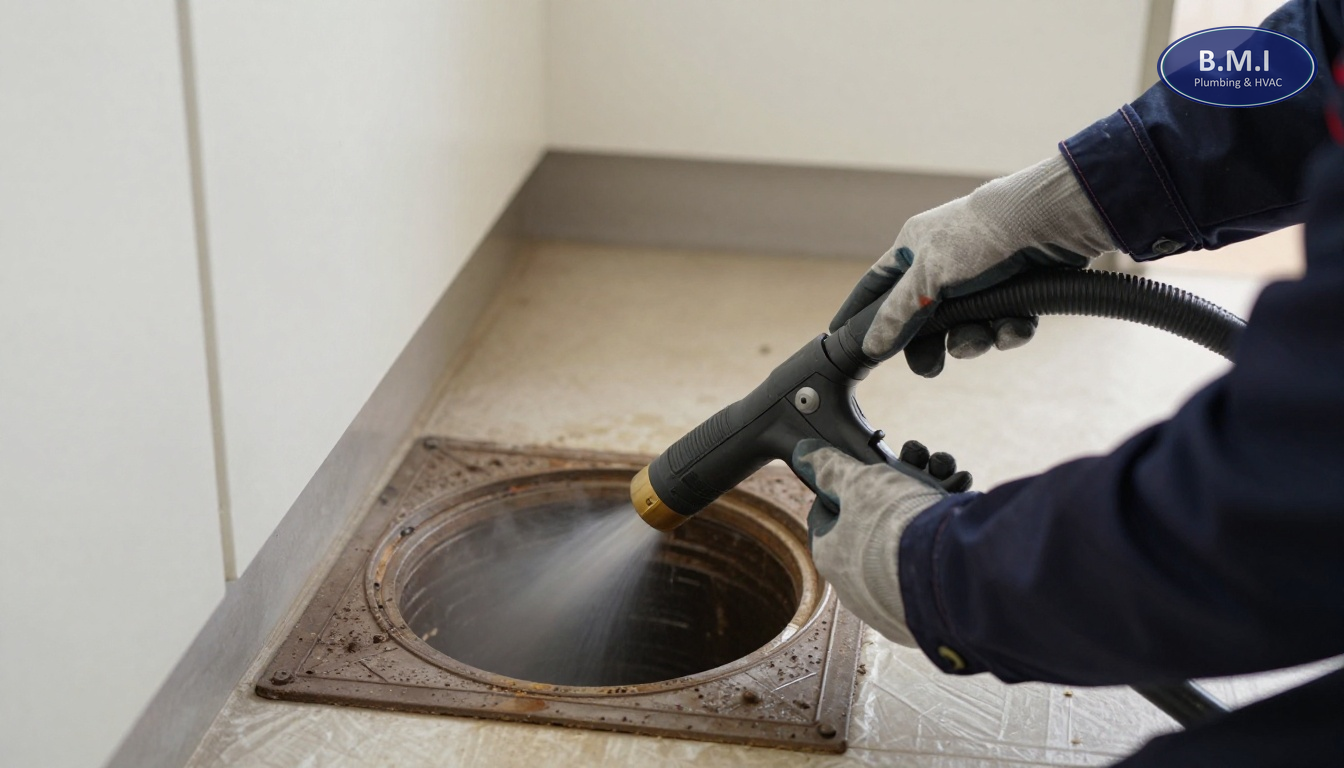
Even then, the lines blur. A heavily restricted kitchen waste stack in an older Etobicoke or Scarborough high-rise can mimic venting problems because the stack is effectively part blocked with grease and soap. That is why stack diagnosis often overlaps with kitchen stack cleaning and targeted in-suite plumbing access.
Why these problems happen in Toronto-area buildings
1. Blocked or restricted roof vent terminations
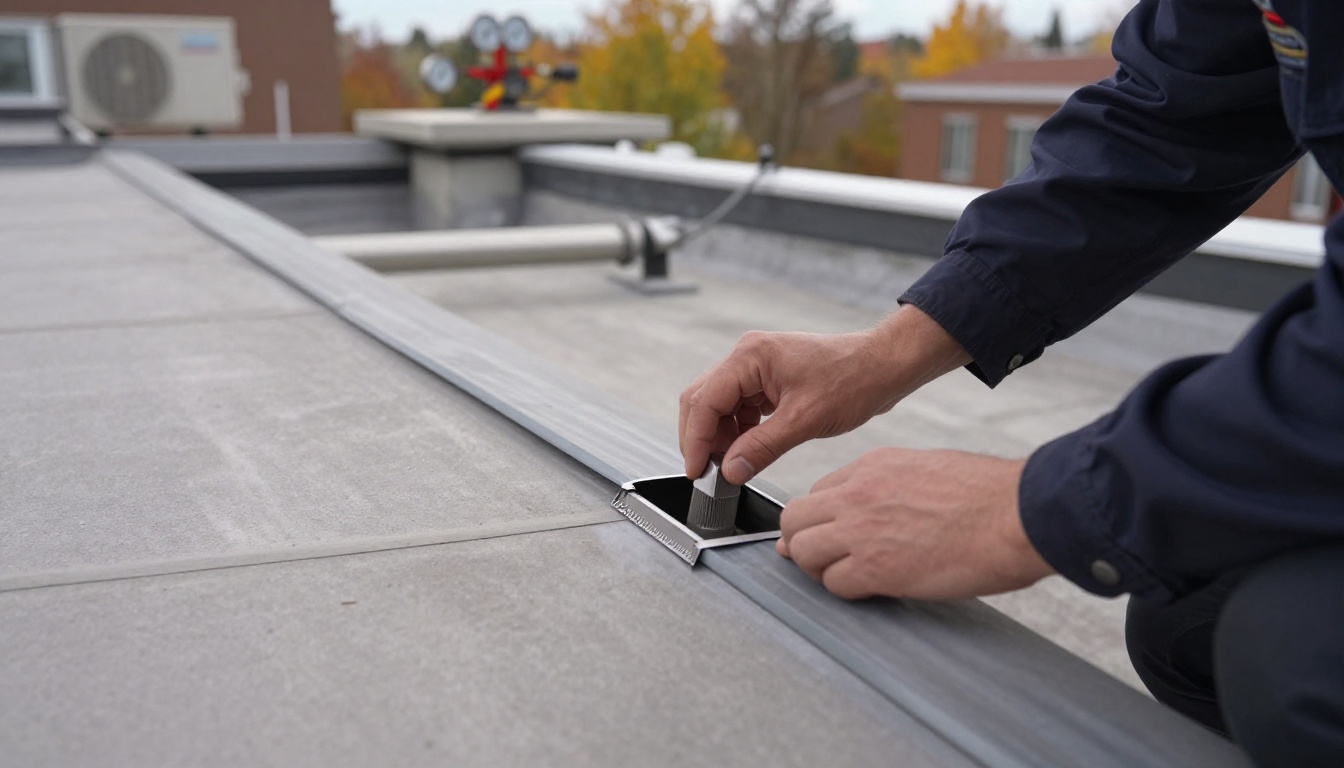
On older roofs, vent terminations can be partially blocked by debris, failed flashings, roofing work, nesting material or ice formation. In Toronto and Markham, we also see vent caps or improvised screens added with good intentions and bad results. A vent is not an exhaust fan outlet; you cannot choke it down and expect the stack to behave the same way. Even a partial restriction at the terminal can affect multiple floors below.
2. Internal scale, grease and solids in shared stacks
This is more common than many boards expect. Kitchen lines in 1970s and 1980s towers are often 2 inch branch lines into 3 inch or 4 inch cast iron stacks, and over decades the internal diameter can reduce materially. Once grease and food solids narrow the stack, airflow becomes less predictable during discharge events. That is one reason scheduled kitchen stack cleaning often reduces odour complaints even when residents thought the issue was “just smell.”
3. Renovation-related venting defects inside suites
Illegal or poorly executed renovations are a major source of stack venting complaints. Common examples include moving a kitchen island sink without proper venting, extending a trap arm too far, flattening branch pitch to fit cabinetry, adding a laundry standpipe where one was never designed, or concealing an AAV where the building’s system was not designed around it. In condominium terms, this is where section 98 alterations and as-built review matter. If the branch was altered without proper approval, the corporation needs documentation before deciding on chargeback.
4. Building-age material issues
- 1970s to 1980s concrete towers: cast iron sanitary and vent stacks, often durable but prone to internal roughness, offset debris accumulation and failed no-hub couplings if previously patched.
- Early-1990s towers: generally better layout consistency, but more mixed materials and more renovation history now, which means the original design may no longer match actual suite conditions.
- Post-2010 towers: fewer age-related corrosion issues, but tighter ceiling spaces and more fixture density can make branch venting less forgiving if one alteration is done poorly.
5. Pressure interactions with other building systems
This is less obvious, but building pressure management can amplify complaints. A domestic water system operating with unstable pressure because of a neglected PRV station can create stronger fixture discharge events at certain times of day. That does not create a venting defect by itself, but it can make a marginal stack perform worse. Fall is a good time to review pressure reducing valve maintenance if residents report banging, pressure swings and drainage noise together.
What a proper investigation should include
A manager should not approve invasive work based only on smell complaints. The investigation should be staged, documented and proportionate.
Start with pattern mapping
Before opening walls or scheduling roof work, map complaints by:
- stack line
- floor range
- fixture type
- time of day
- whether odour follows heavy discharge events
- whether the suite has known renovations
On a 300-unit building, a good pattern map can narrow the issue to one or two vertical lines in a day. That is far cheaper than sending multiple service calls to random suites over three months.
Use the right inspection methods
Depending on access, a diagnosis may involve:
- CCTV where feasible using camera inspection from cleanouts or accessible branches
- roof inspection of vent terminations and flashings
- controlled fixture testing in vertically aligned suites
- smoke or peppermint testing for hidden openings or disconnected vents
- trap seal verification at floor drains and little-used fixtures
- review of renovation history and approved alteration drawings
Not every vent can be camera-scoped end to end. That is a practical field limitation, especially in older towers with offsets and inaccessible branch geometry. When a contractor cannot camera the entire vent path, the report should say so plainly and explain what evidence still supports the recommendation.
Ask for evidence you can put in a board package
For condominium decision-making, the minimum useful record is:
- A written summary of symptoms and affected suites
- Photos or video of roof terminations, cleanouts or opened conditions
- Camera footage where accessible
- A clear statement on probable common-element versus in-suite responsibility
- Next-step options with cost ranges
If there is any chance the issue ties to isolation or shutdown planning, it is also worth checking the building’s valve audit status. A surprising number of towers discover during an urgent investigation that their sectional valves do not hold, which turns a simple opening into a building-wide water event. If valves are weak or uncharted, valve replacement may become part of the logistics even if it is not the root cause.
Repair, cleaning or replacement: how to decide
The honest answer is that not every venting complaint justifies a capital project. Some do. Many do not.
When cleaning or targeted correction is usually enough
Choose a targeted approach when:
- the issue is isolated to one stack line
- evidence points to a blocked roof termination or localized obstruction
- the stack material is otherwise serviceable
- complaints started after a specific renovation or branch alteration
- the building has not had routine stack maintenance in 2 to 3 years
This is where a combination of drain cleaning, kitchen stack cleaning and selective suite access often solves the problem without major opening.
When partial replacement becomes reasonable
Partial replacement is worth considering when:
- cast iron is badly scaled or pitted at repeated trouble spots
- offsets or fittings are damaged and repeatedly re-blocking
- prior patch repairs have created a chain of weak points
- access is already being opened for another project
In practical terms, replacing a section of vent or waste stack in a riser chase is often far more economical if coordinated with a washroom renovation line, fan coil work or domestic riser project. Boards miss this coordination opportunity all the time. If a building is already planning riser replacement or building re-piping, stack vent corrections should be reviewed at the same time.
When a broader project is justified
A building-scale project becomes defensible when you have repeated trouble across multiple lines, chronic age-related failure, and evidence that piecemeal repairs are consuming operating budget without reducing complaints. In some 40- to 50-year-old Toronto and Etobicoke towers, the right answer is not “clean it again” but to prepare phased capital work, update the reserve fund assumptions and coordinate access with other intrusive plumbing projects shown under project solutions.
Toronto-market cost ranges and what moves the number
These are budgetary ranges only, not quoted prices. Real cost depends on height, access, after-hours work, roof conditions, suite finishes, and whether valves hold.
| Scope | Typical Toronto-area budget range | Notes |
|---|---|---|
| Initial targeted investigation of one stack line | $750-$2,500 | Includes site review, selective testing, limited roof check, report; after-hours and multiple suites increase cost |
| Roof vent obstruction clearing | $400-$1,500 | Straightforward if roof access is simple and no major safety setup is needed |
| Smoke or peppermint testing of selected area | $1,200-$3,500 | Useful where hidden openings or disconnections are suspected |
| Camera inspection of accessible sanitary/stack sections | $900-$3,000 | Depends on cleanout access and whether multiple lines are surveyed |
| Selective opening and branch correction in one suite | $1,500-$6,000 | Finish restoration usually separate |
| Localized stack or vent section replacement | $3,000-$15,000 | Wide range driven by access, floor count affected, asbestos protocols and restoration |
| Multi-stack phased corrective program | $20,000-$100,000+ | More common in older towers with recurring defects |
Three cost drivers are underestimated by boards.
First, access and restoration often exceed the pipe work. Opening a tiled ensuite bulkhead in a luxury downtown tower costs more to put back than opening a painted service closet in a 1980s rental. Second, shutdown logistics matter. If the nearest holding isolation valve does not hold, a small repair can require temporary building-wide measures. That is why valve audit and valve replacement planning save money even on unrelated work. Third, roof access in winter conditions is a premium service, which is why fall inspection is financially smarter than January emergency diagnosis.
Timelines, suite access and shutdown reality
Managers usually ask two questions: how long will this take, and how disruptive is it.
For a straightforward diagnosis affecting one stack line, expect 3 to 10 business days from first site visit to written recommendation, assuming suite access is available. The field work itself may only be half a day, but coordination with residents, roof access, and follow-up testing usually takes longer than the actual plumbing.
For targeted repairs:
- Roof vent clearing or minor correction: often completed in half a day to one day.
- Selective in-suite branch correction: typically 1 to 3 days of trade work, plus restoration by others.
- Localized stack replacement across several floors: often 2 to 5 days of plumbing spread over 1 to 2 weeks once notices and access are coordinated.
In occupied condominiums, resident communication is not administrative clutter; it is part of the project scope. For non-emergency access, corporations generally want at least 48 hours written notice, and many managers prefer 5 to 7 days so owners can arrange presence, pets and elevator booking. If work requires opening a riser chase in stacked ensuites, plan for protection, dust control and often after-hours shutdown windows.
A practical point many boards overlook: if you are already scheduling fall backflow prevention testing, PRV checks or annual maintenance under maintenance programs, combine site attendance where possible. One coordinated visit is not always enough to diagnose everything, but it is often enough to identify whether the vent complaint belongs in the operating budget or the reserve fund discussion.
What happens if you defer it
Deferral is not always irresponsible. If the evidence suggests a minor localized issue with no active overflow risk, it may be reasonable to monitor and budget for spring or summer. But boards should understand what is being deferred.
Consequences of waiting too long
- Trap seal loss and recurring odour complaints become a resident relations problem long before they become a flood.
- Repeated drain calls add up. Four or five service visits at $400 to $900 each can quietly exceed the cost of a proper diagnosis.
- Hidden moisture and opening costs rise if condensate, leakage at failed fittings, or repeated access damages finishes.
- Insurance complexity increases if a known recurring plumbing defect later contributes to a loss and the file shows no investigation.
There is also a reserve fund angle. Venting work is sometimes ignored because it does not fit neatly into common categories like domestic risers or roof replacement. But if the building has aging cast iron sanitary/vent infrastructure and recurring stack complaints, that belongs in the next reserve fund update discussion. A Class 1, 2 or 3 update is only as good as the physical condition information fed into it.
For emergency situations, such as active backup, repeated overflow or strong sewer gas in common areas, this is no longer a planning item. It becomes a service call, and managers should use a contractor with true emergency plumbing response and condominium access experience.
A practical decision framework for boards and managers
If you need a defensible way to explain next steps to a board, use this framework:
- Identify whether the complaint is isolated or stack-related. One suite alone does not always mean one-suite responsibility.
- Gather pattern evidence before authorizing invasive work. Floor line, fixture type and timing matter.
- Confirm common-element versus owner alteration exposure. Review declaration and renovation history early.
- Insist on written findings. A board can approve money on evidence; it cannot approve money on folklore.
- Coordinate with other plumbing priorities. If PRVs, valves, risers or stack cleaning are already due, bundle planning.
- Decide whether this is operating, reserve or chargeback. That accounting answer should follow diagnosis, not precede it.
In buildings we service in Toronto, Vaughan and Mississauga, the best outcomes usually come from treating vent complaints as a building systems issue, not a one-off odour problem. That is the difference between one service call and a maintenance strategy.
FAQs
Can a roof vent problem cause sewer smell in only one or two suites?
Yes. A blocked or undersized vent can show up in just one vertical line of suites, especially the top 3 to 5 floors, because those fixtures are closest to the vent termination and see the strongest pressure fluctuation. In practice, if a bathroom smells only when a nearby suite drains a tub or flushes a toilet, that often points to trap seal disturbance from venting, not a simple dirty drain.
Is stack venting usually a common element issue or an in-suite issue?
In most Toronto condominium high-rises, the vent stack itself, roof termination and shared sanitary piping are common elements, while the trap, fixture connection and any owner-altered branch piping inside the suite may be the unit’s responsibility. The declaration and standard unit definition control the answer, but if the symptom affects multiple vertically aligned suites, managers should assume a common element investigation first.
How do you confirm a venting problem instead of a drain blockage?
The minimum defensible approach is to combine symptom mapping with evidence: camera inspection where accessible, smoke or peppermint testing in selected cases, and observing trap movement or gurgling during controlled fixture use. A kitchen sink that drains slowly all the time usually suggests a waste restriction, but a sink that drains normally until an upper suite discharges points more toward stack loading or vent-related pressure imbalance.
What does it cost to investigate and repair stack venting in a condo building?
A focused diagnosis in Toronto commonly runs from about $750 to $2,500 depending on roof access, camera access, after-hours requirements and whether multiple stacks must be tested. Targeted repairs such as clearing a blocked roof vent may be a few hundred to low thousands, while opening walls, correcting illegal alterations or replacing sections of vent stack can move into $3,000 to $15,000 per affected area, with larger capital corrections higher.
Do vent problems get worse in winter?
They can. In Toronto, North York and Markham towers, cold weather can increase frost closure at vent terminals, especially where warm moist discharge condenses at undersized or poorly configured roof penetrations. Fall is the right time to inspect vent terminations because once January complaints start, diagnosis becomes slower and emergency roof access is more expensive and weather-dependent.
Can kitchen stack cleaning solve a venting complaint?
Sometimes, but not always. If the real problem is a heavily restricted kitchen waste stack, high-pressure kitchen stack cleaning can restore air movement and flow in the system; however, a blocked roof vent, failed trap primer, dry floor drain or badly altered in-suite branch will not be fixed by jetting alone. That is why managers should insist on a written diagnosis before approving repeated drain calls.
Next steps for Toronto condo boards and managers
If your building has recurring gurgling fixtures, intermittent sewer odour, or top-floor complaints that keep returning after routine drain service, do not keep treating it as random suite noise. Have the affected stack line reviewed properly, with roof termination inspection, symptom mapping and written findings. If the building has not had recent stack maintenance, pair that review with kitchen stack cleaning, a camera inspection, and a check on whether your isolation valves are reliable enough for investigative openings.
For fall budgeting, the practical question is simple: is this a maintenance item, a chargeback issue, or the start of a capital conversation. BMI attends the building before quoting, works in occupied condominium environments across Toronto and the GTA, and can help separate one-suite problems from stack-wide issues. If you are trying to get numbers in front of the board before year end, start with a site review rather than another blind service call. More building-specific guidance is also available on the BMI blog.
Contact BMI
- Contact BMI
- Phone: (416) 845-3756
- Emergency: (416) 845-3756, answered 24 hours a day
- Email: info@brial.ca
More on condominium plumbing
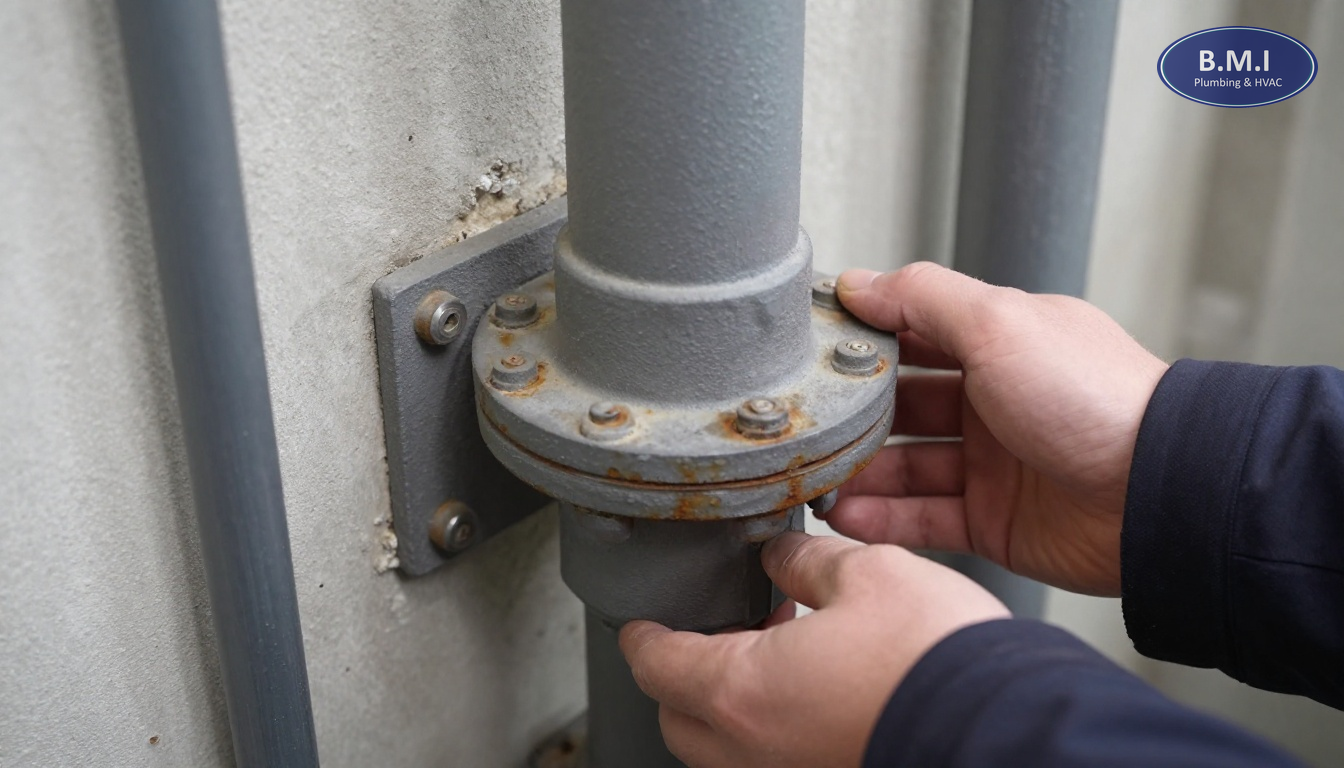
Sanitary vs Storm Stack Failures in Toronto Condos
How to tell whether a sanitary stack or storm drain condo issue failed, what evidence to demand, Toronto cost ranges, …
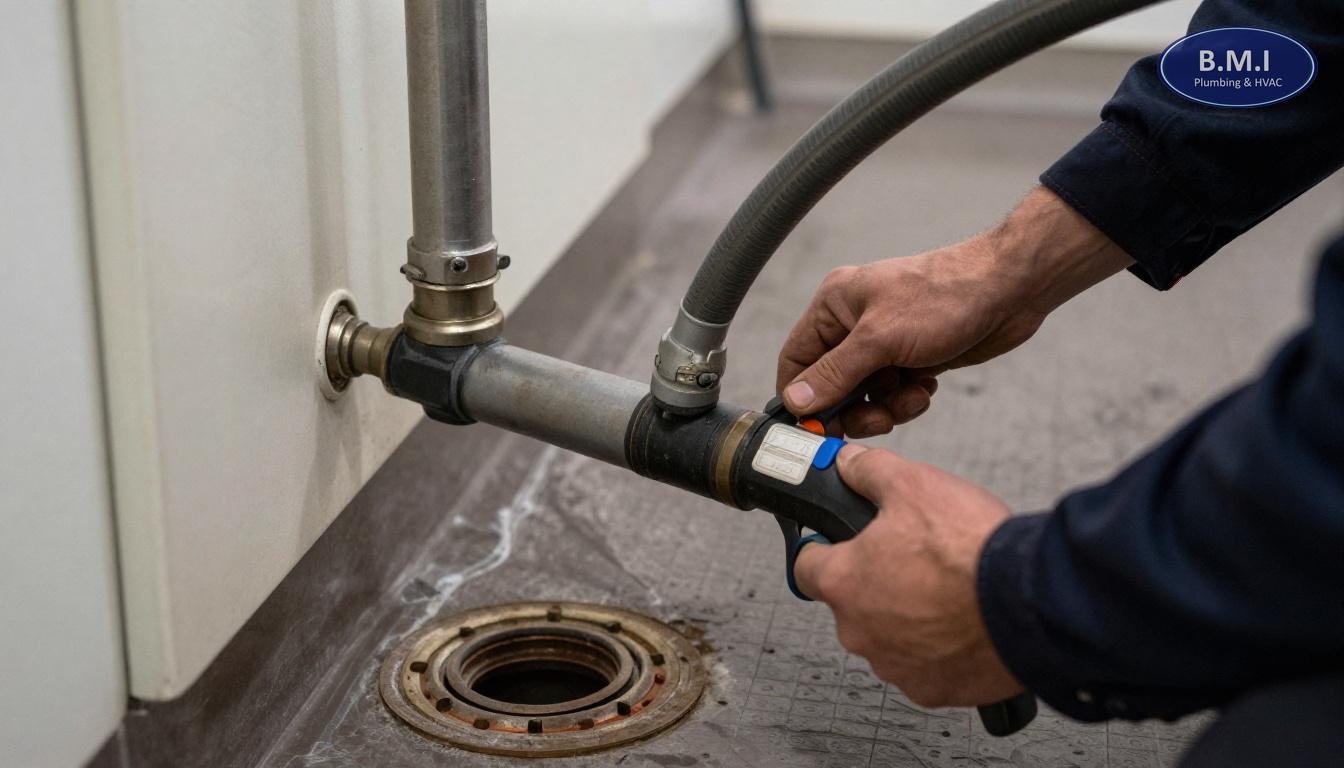
Cast Iron Stack Replacement in Toronto Condos at 50 Years
When aging cast iron stacks need cleaning, lining or replacement in Toronto condos, here is how to diagnose, budget and …
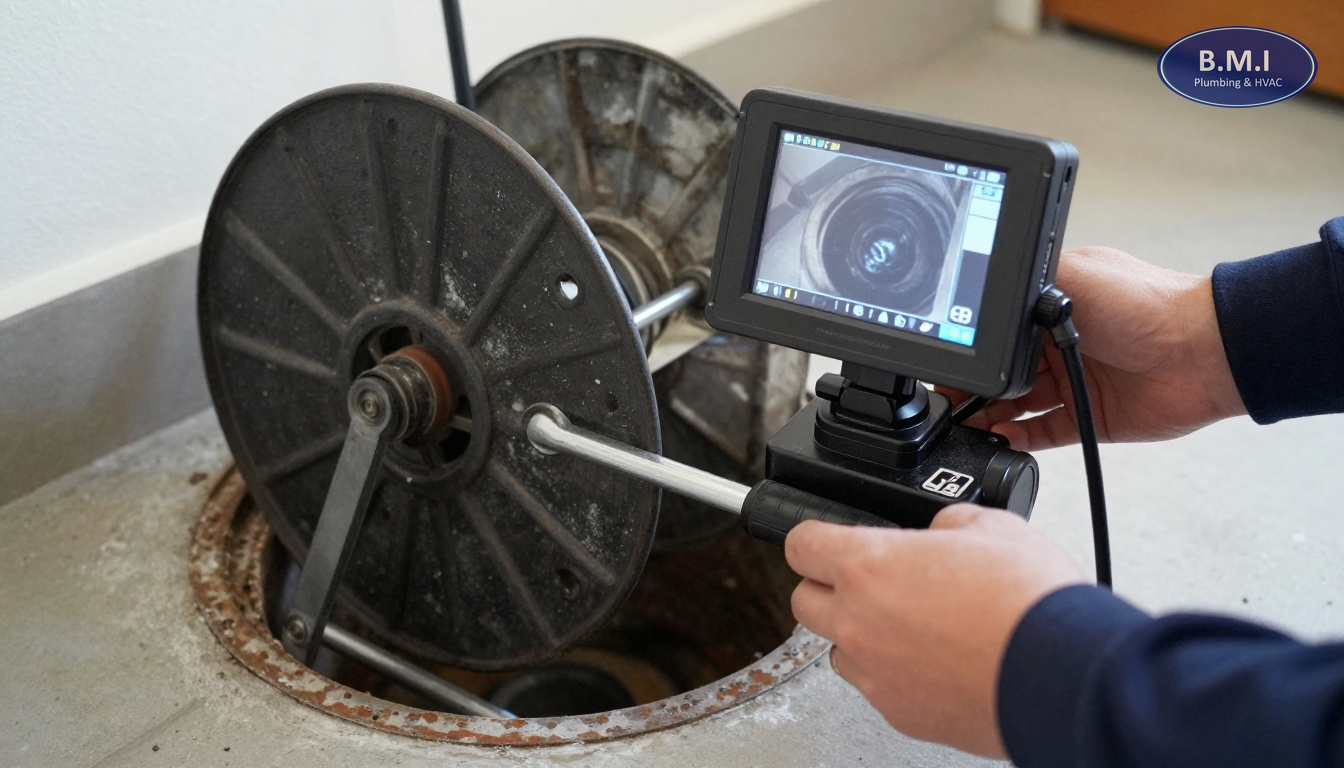
Stack Camera Inspection in Toronto: What 40-Year-Old Pipes Show
What a stack camera inspection in Toronto actually reveals inside 40-year-old cast iron pipes, what it means, and when …
Need a plumber in your building?
BMI services roughly 200 condominium and multi-residential buildings across Toronto and the GTA. Emergencies are answered at any hour.