Pressure Reducing Valve Service and Replacement Etobicoke
Pressure reducing valve service and PRV replacement in Etobicoke condos. Building water pressure issues, costs, timelines and planning advice.
Pressure Reducing Valve Service and Replacement Etobicoke
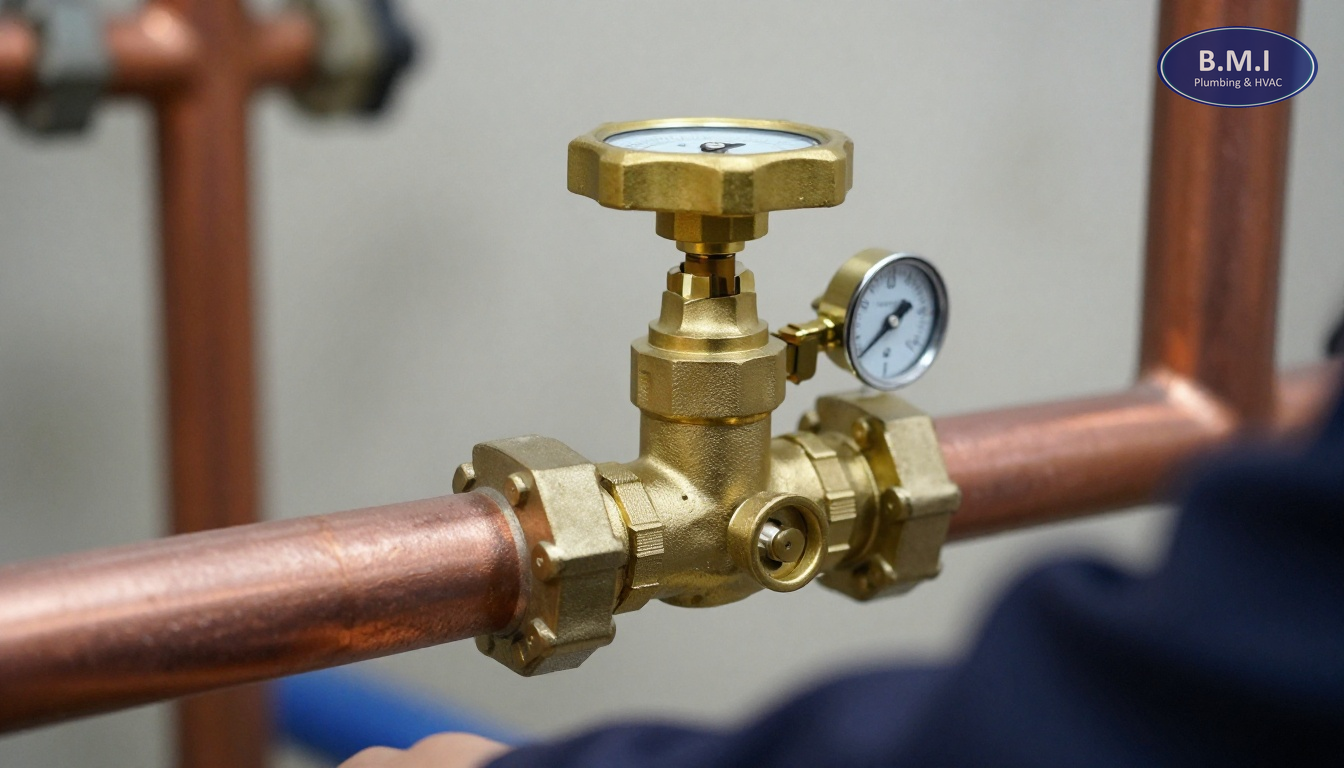
Quick summary: In Etobicoke condominium and multi-residential buildings, pressure reducing valve problems rarely start as a dramatic failure. They usually show up first as recurring fixture repairs, unstable building water pressure, noise, and resident complaints on lower floors. For boards and property managers, the practical question is not just whether a PRV can be adjusted, but whether the valve train, isolation, and pressure control strategy still fit the building’s age and operating conditions.
Why pressure reducing valve problems show up in Etobicoke buildings specifically
Etobicoke has a wide spread of building stock, and that matters for PRV service. South Etobicoke has many older apartment buildings and condominium towers from the 1960s through 1980s, including stock around The Queensway, Islington, and the Lake Shore corridor. Those buildings often have original or long-aged brass pressure reducing assemblies on domestic water mains, along with aging isolation valves that do not shut fully when service is finally needed. In those properties, the PRV itself may be only part of the issue; the whole arrangement around it may no longer be maintainable without additional valve work.
Further north, around Bloor and Kipling and up toward the Etobicoke Centre and Rexdale areas, there are many 1990s and early 2000s towers and mid-rise buildings. These often have better mechanical room layouts than older rental stock, but the original pressure reducing valves are now well into the age where diaphragms stiffen, seats wear, springs weaken, and debris affects performance. In that generation of building, it is common to see repeated toilet fill valve and faucet cartridge failures blamed on “bad fixtures” when the underlying problem is unstable building water pressure.
Etobicoke buildings are supplied through Toronto’s municipal water system, but site conditions still vary. Elevation changes across Etobicoke, distance from trunk mains, and the way each building is zoned internally all affect what the incoming pressure looks like and how much regulation the building needs. A low-rise near Lake Shore does not behave the same way as a taller building farther inland. That is why a proper pressure reducing valve maintenance program starts with actual readings and operating history, not guesswork.
There is also a seasonal reason to pay attention in fall. Boards are building next year’s operating and capital budgets now, and winter is when pressure swings, thermal movement, and weak control components become more noticeable. If a property already has noise, hammer, or repeated fixture failures, fall is the right time to inspect PRVs before cold-weather complaints pile up.
How PRV issues present in Etobicoke condos and rentals
The report from residents is almost never “our pressure reducing valve is failing.” What managers hear instead is that water pressure is too strong on the lower floors, shower temperature is harder to control, toilets keep running after recent repairs, or there is banging in the walls when fixtures close quickly. In some Etobicoke buildings, supers will notice that hose bibbs or janitor sinks seem unusually aggressive, while upper floors report no issue at all.
In older high-rises, one of the first visible signs can be fixture component churn: fill valves, braided supplies, faucet cartridges, tempering valves and solenoids failing more often than the normal replacement cycle would suggest. In buildings with booster pumps and multiple pressure zones, complaints may be limited to one zone, which is why broad terms like “the building pressure is high” are not enough for diagnosis.
Property managers should also watch for indirect symptoms in the mechanical room. Relief valves weeping, gauges that do not agree, old regulators that chatter, or PRV bypass lines that have been left in questionable positions are all warning signs. If the building has had recent domestic water work, it is also worth confirming the condition of nearby isolation valves through a valve audit and charting program, because PRV service becomes more disruptive when the surrounding valves are seized or passing.
In Etobicoke specifically, logistics matter too. Many older towers have tight mechanical rooms, limited loading, and service access through parking garages with low clearances. Some have only one practical shutdown window because of resident routines, concierge coverage, or shared domestic services. Those constraints should shape the service plan just as much as the mechanical findings.
Diagnosing pressure reducing valve problems in Etobicoke buildings
A credible PRV assessment should be evidence-based. For a board or property manager, that means asking for more than a recommendation to replace a valve because it is “old.” Age matters, but performance matters more.
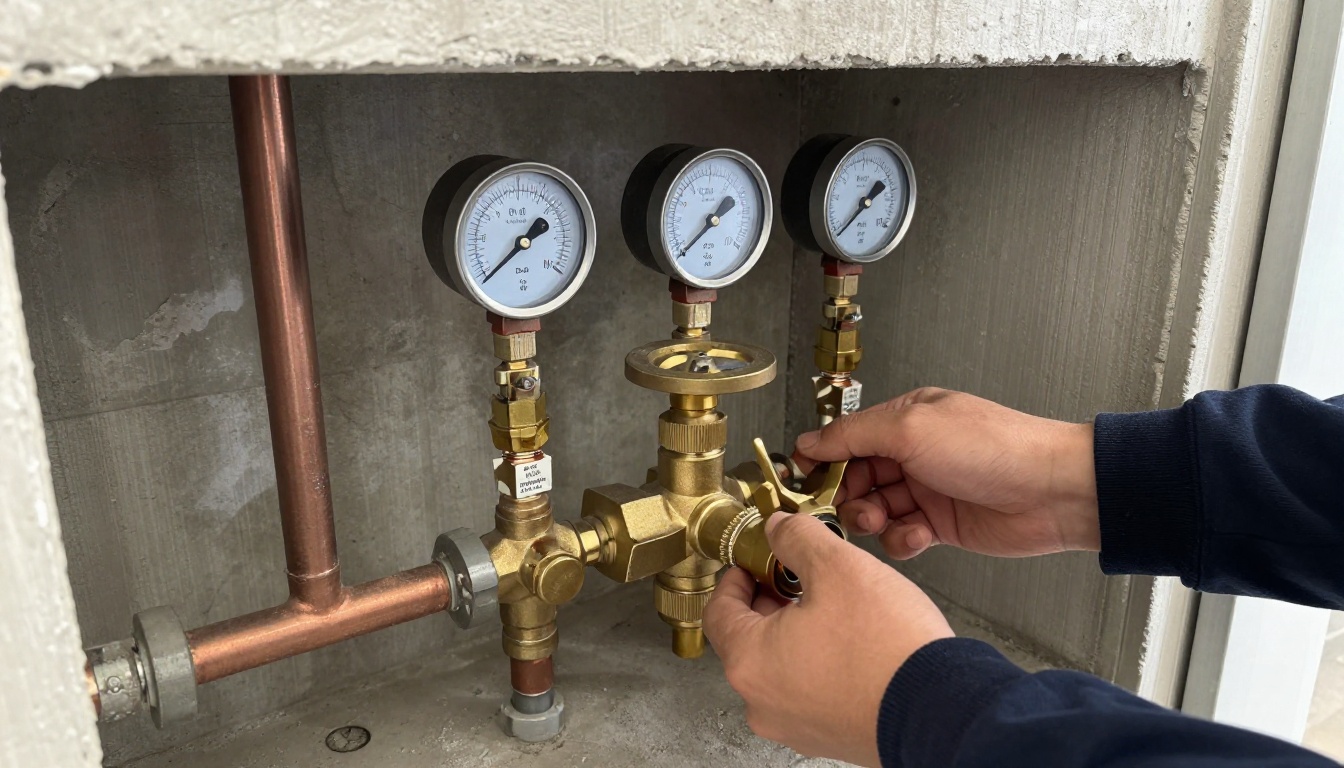
The inspection should normally include static and flowing pressure readings upstream and downstream of the valve, ideally at different times of day if the complaint is intermittent. If the building has multiple zones, each zone should be reviewed separately. Technicians should also inspect for pressure creep, which is when downstream pressure rises above the intended setpoint when there is low or no flow. That is a classic sign of internal wear or fouling.
A good review also checks the condition of:
- upstream and downstream isolation valves
- strainers and unions
- bypass assemblies, if present
- gauges and gauge accuracy
- supporting pipe and hangers
- signs of corrosion, leakage or previous temporary repairs
Where symptoms are unclear, pressure logging can be more useful than a one-time reading. A building can look acceptable during a daytime walkthrough and still experience overnight spikes or instability during morning demand. In some Etobicoke towers, especially where lower floors are the main complaint area, logging tells the story more clearly than a spot test.
If the building is also due for domestic water system review, it can make sense to pair PRV work with related preventive items such as backflow prevention testing and certification and sectional and isolation valve replacement. That is often more efficient than mobilizing separately for each issue.
Where resident complaints include noise or repeated fixture damage, in-suite confirmation may also be needed. BMI regularly handles in-suite plumbing repairs and can correlate what is failing in suites with what is happening at the main pressure control equipment. If lower-floor cartridges are burning out every year while upper floors are normal, the pattern matters.
A representative Etobicoke PRV service call
A representative project would be a 19-storey condominium from the late 1980s near The Queensway and Islington. The property manager’s initial complaint was not mechanical-room based; it was a string of resident issues on the first six floors, including noisy toilets, several recent faucet cartridge replacements, and reports that water pressure felt much stronger late at night. The superintendent also noted occasional chatter near the domestic cold water entry.
Initial testing found that the downstream pressure from the main pressure reducing valve was not holding consistently. During low-flow conditions, the pressure crept above the intended setpoint, and the existing gauges were old enough that they could not be relied on without cross-checking. The assembly had limited service clearance, and one of the adjacent isolation valves did not close fully, which meant straightforward PRV rebuilding was not the whole answer.
The work was planned as a daytime shutdown with advance resident notice. Scope included replacement of the main PRV assembly, new pressure gauges, replacement of the failing isolation valve on one side of the train, cleanup of a short corroded spool piece, and recommissioning with pressure checks at representative lower and mid-level suites. Total field duration was about two working days including shutdown, installation, refill and balancing checks. Rough market cost in the Toronto area for that kind of scope in 2026 would commonly fall in the range of $8,000 to $18,000, depending on valve size, access, shutdown complexity, and how much surrounding valve and piping work is required.
The key lesson from that Etobicoke call was that fixture complaints were real, but they were symptoms. Replacing another batch of in-suite parts without correcting the pressure control would only have extended the cycle.
Etobicoke costs and timelines for PRV service and replacement
Costs vary widely by building size, valve size, accessibility and how much enabling work is needed. The ranges below are planning estimates for GTA multi-residential work, not quoted prices.
For annual inspection, testing and adjustment under a formal maintenance program for condominium plumbing systems, many buildings should expect a few hundred to low-thousands range depending on the number of valves, zones and visits. If pressure logging is required, the cost goes up, but it often saves money by preventing unnecessary replacement.
For a straightforward service call to inspect, test and diagnose one main PRV assembly in Etobicoke, a typical market range might be roughly $700 to $2,000 depending on after-hours requirements, number of pressure zones, and whether in-suite verification is needed.
For rebuildable PRVs, an in-place service or rebuild with a planned shutdown may land roughly in the $2,500 to $6,000 range where access is good and isolation is reliable. Once the surrounding valves are seized, spool pieces are corroded, or the assembly is obsolete, full PRV replacement becomes more likely.
For replacement of a main domestic PRV assembly serving a condominium zone, many Etobicoke buildings will see budgets in the rough range of $5,000 to $20,000 per assembly. Larger sizes, difficult access, premium shutdown timing, or the need for multiple new isolation valves can push the number higher. If a building has several pressure zones, the total program can become a staged capital project rather than a one-off repair.
Timelines usually break down like this:
- diagnostic visit: a few hours to one day
- reporting and scope confirmation: several days to two weeks
- material procurement: often one to four weeks depending on valve make and size
- field installation: one day for simple work, two to three days for more involved replacement
If the building is planning other domestic water work, such as domestic water riser replacement or broader capital plumbing project work, PRVs should be reviewed as part of the same strategy. It is poor value to modernize risers while leaving unreliable pressure control at the base of the system.
Repair versus replacement in Etobicoke: a practical decision framework
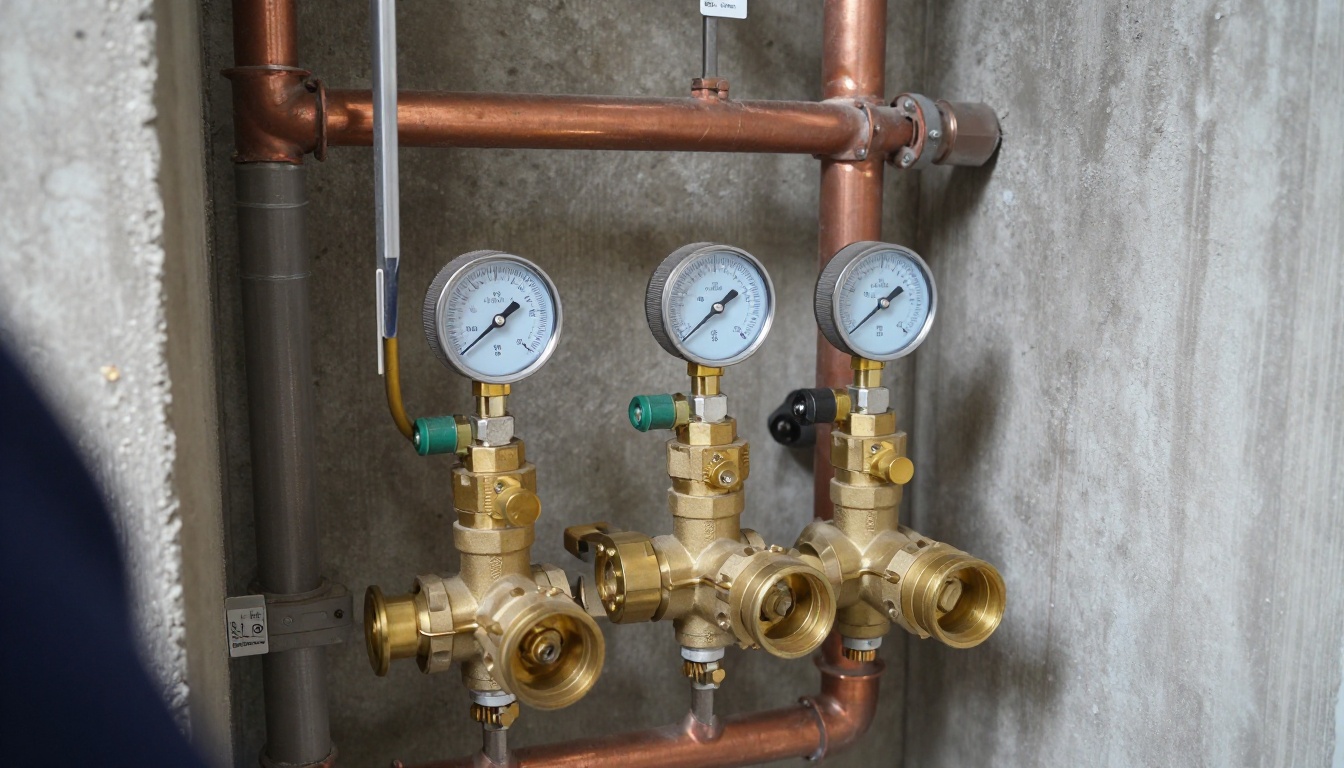
The right decision is not always full replacement, but it should be systematic.
Service or rebuild is often reasonable when:
- the valve body is in good condition
- the model is still supported with parts
- upstream and downstream isolation are dependable
- pressure control is recoverable with rebuilding and calibration
- there is no major corrosion or layout problem around the assembly
Replacement is usually the better decision when:
- downstream pressure creeps badly or control is unstable after adjustment
- parts are obsolete or lead times are impractical
- adjacent isolation valves are failing and need replacement anyway
- the assembly is poorly arranged for maintenance
- the building has had repeated fixture damage and wants a longer reset on maintenance costs
For Etobicoke boards, this often becomes a budget-season question. If a valve can be serviced safely this fall, that may buy time to include a larger mechanical room upgrade in next year’s capital plan. But if the building has recurring chargebacks, resident disruption and insurance concerns tied to overpressure events, deferral may cost more than acting now.
This is also where reserve fund planning matters. Under Ontario condominium governance, reserve fund studies and updates shape how major common-element work gets forecast. PRV replacement may not be the largest line item in a study, but where it is tied to domestic water reliability, it belongs in the same discussion as valves, risers and mechanical-room lifecycle planning. BMI’s completed plumbing projects and building references can help boards understand how similar GTA buildings have phased this kind of work.
What deferring PRV work costs an Etobicoke building
The direct cost of deferral is usually disguised as something else. A building keeps paying for toilet repairs, faucet cartridge replacements, solenoid failures, leak calls and resident complaints, while the actual pressure problem continues. Those costs often hit the operating budget in small pieces, which makes them easy to underestimate.
There is also the risk side. Excess pressure stresses fixtures, connectors and valves throughout the building. A failed supply line under a bathroom vanity is not always caused by pressure, but overpressure shortens the margin for many components. In condominiums, that can turn into insurance claims, deductibles, unit-owner disputes and avoidable management time.
From a planning standpoint, deferral also narrows your options. A valve that could have been rebuilt during a controlled shutdown in October may become an emergency response issue in January. Emergency work is almost always more disruptive and usually more expensive, especially if the building discovers at the same time that old isolation valves do not hold. When that happens, the scope can expand quickly into 24/7 emergency plumbing response instead of scheduled maintenance.
For boards looking at year-end numbers, the sensible approach is to get the condition documented now, then decide whether the answer is annual servicing, staged replacement, or a broader domestic water upgrade.
FAQs about pressure reducing valve service in Etobicoke
How often should an Etobicoke condo inspect or service its pressure reducing valves?
For most Etobicoke condominium and rental buildings, annual inspection is a practical minimum, with more frequent review where pressure complaints, hammer, fixture failures or large seasonal swings are already showing up. Buildings from the 1970s through early 2000s often have older brass PRVs on domestic mains or booster branches that benefit from pressure logging and exercising as part of a formal maintenance plan. Fall is a good time to do it because boards are setting budgets and winter pressure changes tend to expose weak valves.
What symptoms usually point to a failing pressure reducing valve in an Etobicoke building?
The common reports are toilets running more often than usual, fill valves and faucet cartridges failing repeatedly, noisy piping, pressure that feels strong at night but unstable in the morning, and occasional relief discharge near mechanical equipment. Property managers in Etobicoke also see pressure complaints concentrated on lower floors, where incoming municipal pressure is felt most directly. A single complaint does not prove PRV failure, but a pattern across stacks or fixture types usually justifies testing.
Is PRV replacement a reserve fund project or an operating maintenance item?
It depends on scope. Servicing, testing, minor rebuilds and adjustments are typically treated as operating maintenance, while replacement of major PRV assemblies, bypass arrangements, isolation valves and associated piping more often fits capital planning and should be discussed alongside the reserve fund study and annual budget. In Etobicoke high-rises, the answer is often a mix: immediate service now, with larger replacement phases scheduled over one or two budget cycles.
Can a condo board in Etobicoke just adjust the valve instead of replacing it?
Sometimes, but only after testing confirms the valve is otherwise sound. If the regulator is hunting, not holding set pressure, passing excessive downstream pressure, corroded internally, or lacks reliable isolation around it, adjustment alone usually does not solve the problem for long. Good practice is to insist on pressure readings, condition notes and a clear explanation of whether the issue is calibration, wear, debris, or a valve that has reached the end of service life.
How long does PRV replacement take in an Etobicoke condominium?
A straightforward replacement of a single accessible assembly in a well-laid-out mechanical room can often be completed in one day with a planned shutdown. If the building also needs new isolation valves, corroded spool pieces replaced, support modifications or after-hours coordination for residents and retail tenants, the field work may extend to two or three days. The longer lead time is usually in planning, procurement and resident notice, not the wrench time itself.
Why does water pressure seem different on different floors in Etobicoke towers?
Part of it is basic building hydraulics: lower floors feel more of the incoming municipal pressure, while upper floors depend on the building’s zoned distribution, booster equipment and regulator settings. In Etobicoke, that variation can be more noticeable from one site to another because tower elevation, distance from major mains and building design all matter. A proper review looks at static and flowing pressure by zone rather than relying on one reading in the mechanical room.
Next steps for Etobicoke property managers and boards
If your Etobicoke building has recurring fixture failures, lower-floor pressure complaints, noisy piping or unexplained water pressure swings, start with a documented assessment rather than another round of piecemeal repairs. Ask for upstream and downstream readings, zone-specific findings, and a clear recommendation on service versus replacement. If the building is already planning mechanical-room work for budget season, combine it where practical with related valve and domestic water upgrades.
BMI serves Etobicoke and the surrounding GTA from its Toronto shop, with experience across roughly 200 condominium and multi-residential buildings over 20 years. To discuss pressure reducing valve maintenance and replacement, broader repairs and service for condominium plumbing, or to request a site review, contact the team.
Contact BMI
- Contact BMI
- Phone: (416) 845-3756
- Emergency: (416) 845-3756, answered 24 hours a day
- Email: info@brial.ca
More on condominium plumbing
Stack Cleanout Access in Toronto Condos: What Gets Buried
Stack cleanout access problems in Toronto condos often start with renovations. Learn how hidden cleanouts affect drain …
Sanitary vs Storm Stack Failures in Toronto Condos
How to tell whether a sanitary stack or storm drain condo issue failed, what evidence to demand, Toronto cost ranges, …
Toronto Condo Stack Cleaning Resident Notice Guide
How to schedule condo stack cleaning with clear resident notice, suite access planning, costs, timelines and shutdown …
Need a plumber in your building?
BMI services roughly 200 condominium and multi-residential buildings across Toronto and the GTA. Emergencies are answered at any hour.