Pressure Reducing Valve Service and Replacement Toronto
Pressure reducing valve service and PRV replacement in Toronto condos. Learn how building water pressure issues are diagnosed, budgeted and planned.
Pressure Reducing Valve Service and Replacement Toronto
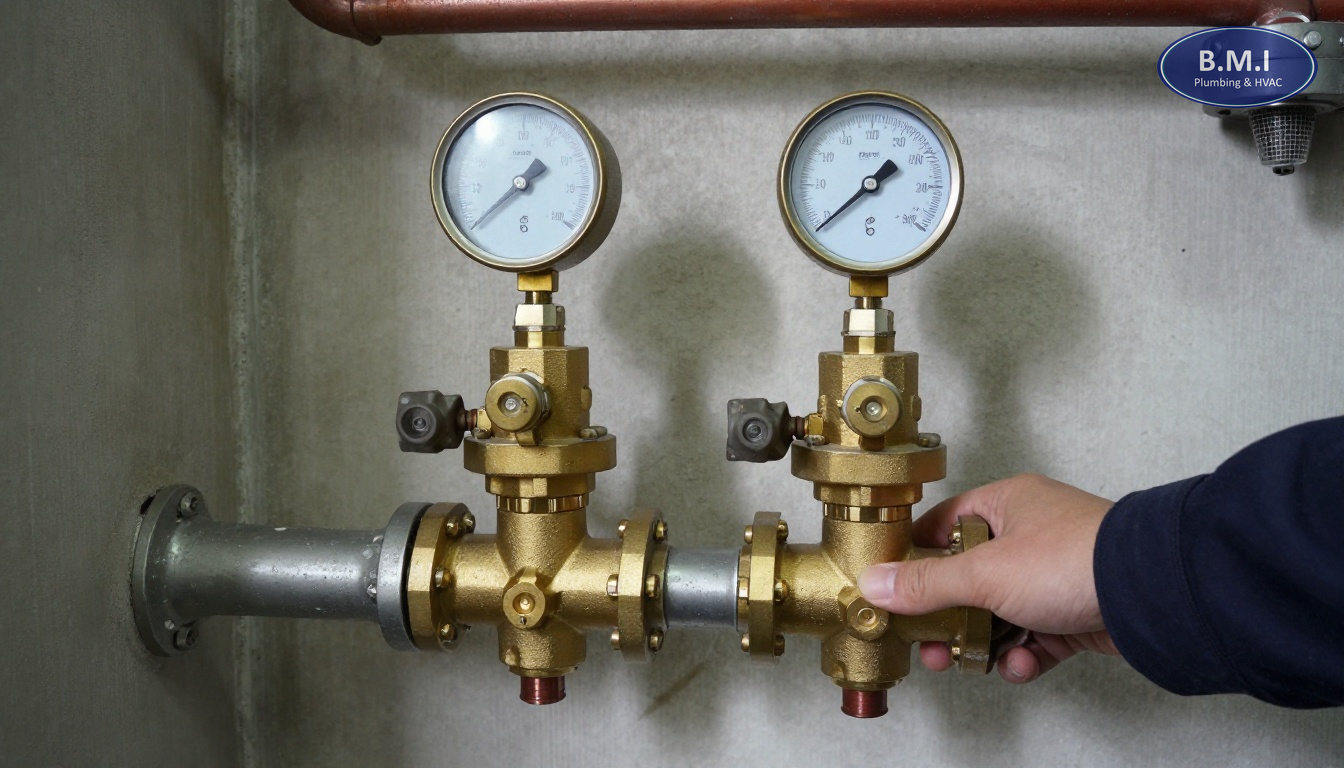
Quick summary: In Toronto condominium and multi-residential buildings, pressure reducing valves are one of the quiet pieces of infrastructure that only get attention when pressure complaints, leaks or fixture failures start multiplying. Proper pressure reducing valve service and PRV replacement in Toronto is not just about swapping a valve; it is about understanding the building’s vintage, vertical zoning, incoming municipal pressure, and the condition of the domestic water system around it.
Why pressure reducing valve issues show up in Toronto buildings specifically
Toronto has several very different generations of multi-residential building stock, and they do not fail in the same way. Older apartment towers and condominium high-rises from the 1960s through the 1980s in areas such as North York, Scarborough and along St. Clair or the waterfront often have domestic water systems that have been altered repeatedly over decades. Many still have original or early-replacement brass pressure reducing valves, aging copper distribution, mixed generations of sectional valves, and mechanical rooms that were never designed for modern access standards. In those buildings, PRV problems are often not isolated problems. They sit inside a broader pattern of valve seizure, strainer fouling and inconsistent balancing across pressure zones.
Toronto’s 1990s and early 2000s condominium boom created another large group of buildings, from downtown towers south of Bloor to dense clusters around Yonge and Sheppard and CityPlace. Many of those buildings have more sophisticated domestic water layouts, often with multiple PRVs serving different pressure zones, but they are now old enough that internal trim wear, seat erosion and spring fatigue are becoming routine. A valve that looked serviceable at year 15 may be unstable at year 25, especially if it has not been exercised, tested or rebuilt as part of a preventive program.
Newer Toronto towers can still have PRV issues, just of a different kind. Buildings from the 2010s often have tighter mechanical spaces, more compact assemblies, and more resident sensitivity to pressure fluctuation because suites have pressure-balancing shower valves, efficient faucets and modern fill valves that show pressure changes quickly. A newer building may not need system-wide replacement, but it can still need targeted pressure reducing valve maintenance and replacement to keep control stable.
Municipal supply conditions matter too. Toronto Water supplies the city, but incoming pressure is not identical at every building. Elevation, local distribution conditions and a building’s distance relative to pumping and storage infrastructure all affect what the PRV sees at the inlet. In some Toronto towers, especially where lower floors are exposed to high incoming pressure, the PRV does heavy work every day. When that control drifts, the result is often felt first in the lowest pressure zone through leaking flush valves, noisy faucets and recurring fixture damage.
For boards and managers, this is why a PRV should not be treated as a generic valve replacement line item. It is part of the building’s pressure strategy, and in Toronto that strategy varies materially between a 1970s slab tower in Etobicoke and a 2004 downtown condo with multiple domestic zones.
For buildings trying to get ahead of system-wide aging, BMI usually treats PRVs as part of a broader maintenance conversation that may also include a valve audit and review of the building’s overall maintenance programs.
How building water pressure problems present in Toronto condos
The first complaint is rarely “our pressure reducing valve is failing.” What managers hear instead is more practical and scattered.
Residents on lower floors say the water comes out too hard, toilets are noisy, or faucet cartridges do not last. Upper floors may report that pressure drops noticeably at peak morning times. Concierge or maintenance staff may notice that after one fixture is repaired, another starts leaking. The superintendent may see pressure gauges drifting higher overnight when demand falls off. In some buildings, domestic hot water relief lines discharge intermittently because pressure is not being controlled properly on the cold side.
Another common Toronto pattern is repeat service calls that seem unrelated until they are lined up over time: fill valves, braided connectors, ice maker lines, stop valves and lavatory cartridges all failing more often than expected. A building with unstable pressure usually pays for it in small repairs long before it pays for it in one major leak.
In older towers, you may also hear pipe noise, banging when fixtures close, or complaints after other plumbing work has been done. Sometimes a partially seized isolation valve or a fouled strainer upstream of the PRV has changed the way the valve responds. Sometimes a previous repair introduced a mismatch in setpoint or valve size. Without testing, it is easy to blame the wrong component.
For Toronto property managers, the useful question is not just whether pressure feels high or low. It is whether pressure is stable by zone, at different times of day, and under changing demand. That is the difference between a fixture issue and a building system issue.
Where suite complaints are mounting, the right follow-up may include pressure logging, selective in-suite plumbing repairs to verify symptom patterns, or a broader review of domestic system condition if the building is already considering domestic water riser replacement.
What PRV diagnosis and inspection should involve in Toronto
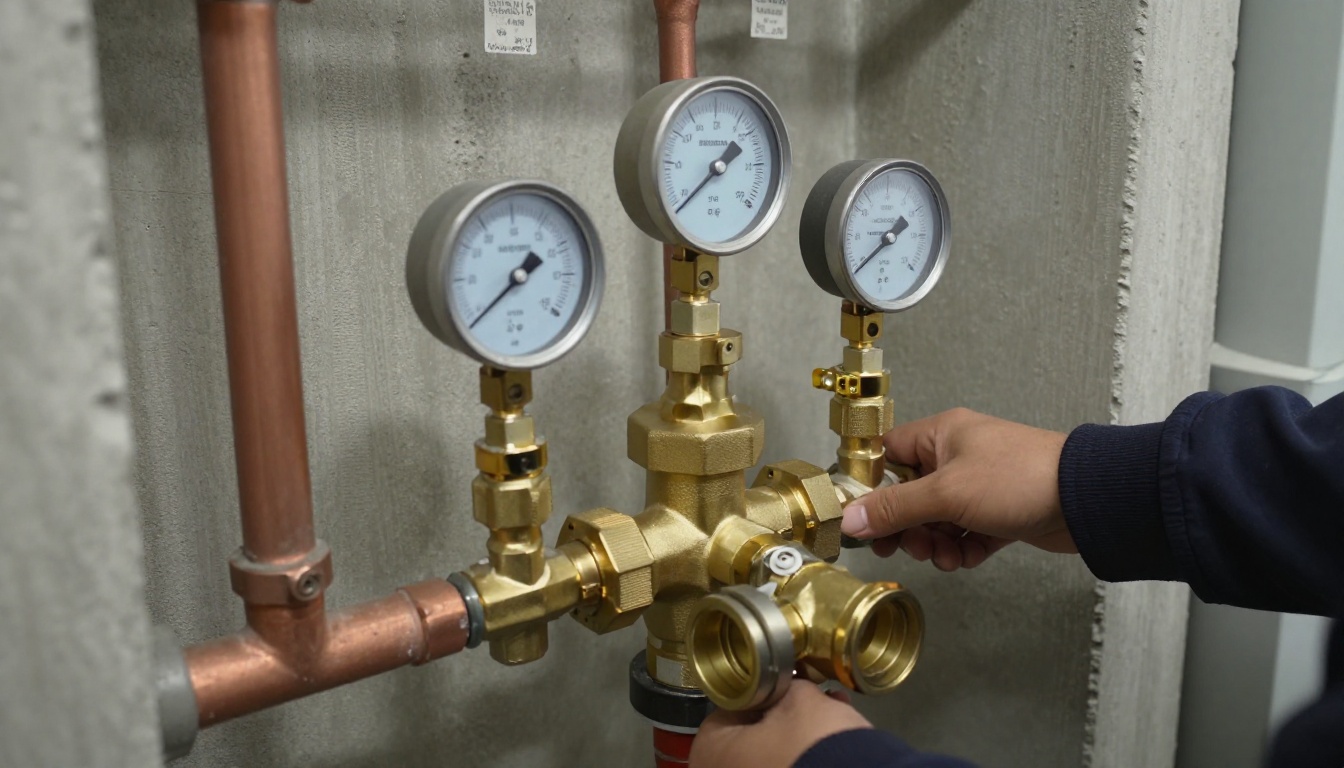
A credible PRV inspection in a Toronto condominium should produce evidence, not just opinion. At minimum, that means recording inlet and outlet pressures, observing pressure under flow and no-flow conditions, checking strainers and gauges, and confirming whether the valve is holding setpoint or creeping upward when demand stops. If a building has multiple domestic zones, each zone should be considered separately.
The inspection should also look at the condition of the surrounding assembly. We often find that the PRV is only part of the issue. Isolation valves may not hold. Bypass arrangements may be outdated or unreliable. Unions may be seized. Pressure gauges may be inaccurate or dead. In older Toronto mechanical rooms, there can be very little working clearance, and a “simple replacement” becomes more involved once adjacent piping is opened.
For a board or manager, the evidence to insist on is straightforward:
- actual pressure readings, not just verbal descriptions
- photos of the PRV assembly and surrounding valves
- confirmation of accessibility and shutdown requirements
- identification of related deficiencies that affect replacement risk
- a clear explanation of whether service, rebuild or full replacement is the recommended path
If the problem is chronic or unclear, a camera does not diagnose pressure, but other inspection tools can still support the picture. For example, a building with poor pressure performance and known domestic piping deterioration may need both valve work and a longer-term capital plan. In those cases, a contractor should connect the PRV findings to the broader condition of the water distribution system, not treat the valve in isolation. Where drainage issues are also occurring, some managers bundle access and resident communication with other work such as camera pipe inspection or drain cleaning and snaking.
In Toronto, access planning matters almost as much as the valve itself. Downtown sites often have restricted loading, limited visitor parking, and tight booking windows for service elevators. Older rental and condo stock may have narrow service corridors and mechanical rooms tucked behind storage areas. Noise and water shutdowns need to be planned within building rules and local by-law hours. A good inspection will flag those logistics early so the board is not surprised when scheduling the work.
A representative Toronto PRV service call
A representative example would be a 27-storey condominium from the late 1990s near Yonge and Eglinton. The building had recurring resident complaints on the lower third of the tower: toilets refilling loudly, faucet cartridges failing unusually often, and occasional reports that shower pressure felt too aggressive at off-peak hours. The superintendent had also noticed that the domestic cold-water pressure reading in the mechanical room was higher very early in the morning than it was during daytime demand.
The building had two domestic pressure zones and original brass PRV assemblies serving one of the lower zones. On inspection, the affected PRV was not holding a stable outlet pressure at no-flow conditions. The strainer had debris buildup, one gauge was inaccurate, and the adjacent isolation valves were operable but in poor condition. The valve had enough age that a rebuild would have been possible, but not ideal given the surrounding wear and the building’s leak history.
The work involved a scheduled shutdown to the lower zone, replacement of the failing PRV, replacement of the local gauges, cleaning and reconfiguration of the assembly, and targeted replacement of one isolation valve that could not be relied on for future service. The crew also documented setpoints and post-installation readings so building staff had a baseline. The active work took one day, but resident notice, shutdown coordination, drain-down and refill made it a two-day building event operationally.
The rough market cost for that type of Toronto project in 2026 would often land around $4,500 to $9,000 for straightforward service and replacement of a single accessible assembly, with the upper end or beyond applying when additional valves, piping rework, after-hours shutdowns or difficult access are involved. If the surrounding valve package is poor, the scope can expand into a more complete sectional and isolation valve replacement approach.
The result was not dramatic in appearance, but practical in outcome: fewer repeat fixture failures, more stable lower-zone pressure, and a clearer maintenance record for the next reserve fund and operating budget discussion.
Costs and timelines for PRV service and replacement in Toronto
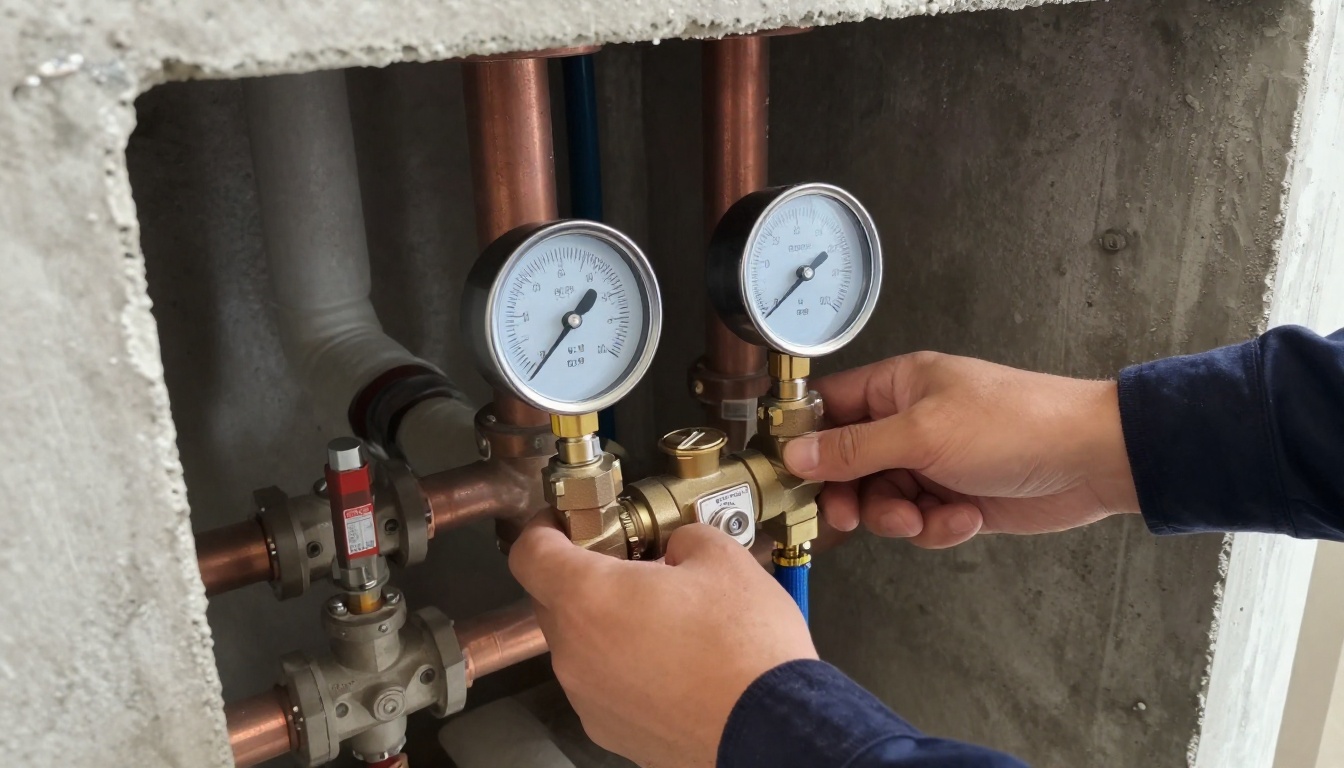
Costs in Toronto vary mostly by assembly size, accessibility, shutdown complexity, and how much adjacent work is needed once the system is opened. The ranges below are budgetary market estimates for condominium and multi-residential buildings, not quoted prices.
For annual inspection and basic testing of one or more accessible PRV assemblies in a mechanical room, many buildings might budget roughly $600 to $2,000 depending on travel, reporting, number of valves and whether pressure logging is included. If the visit is combined with a structured pressure reducing valve maintenance program, the value is usually in trend tracking and early identification rather than one-time testing alone.
For servicing a PRV assembly where cleaning, minor adjustment, gauge replacement or limited rebuilding is appropriate, a common range is roughly $1,500 to $4,000. That assumes the assembly is accessible, shutoffs are functional, and no major piping modifications are required.
For replacement of a small to medium mechanical-room PRV assembly in a Toronto condo, a practical budgeting range is often $3,500 to $9,000. Once the assembly is larger, serves a critical zone, needs after-hours shutdowns, or requires additional piping and valve work, costs can move into the $10,000 to $20,000-plus range. In older buildings where the PRV sits inside a broader obsolete valve package, replacing only the regulator may be false economy.
Timelines are similar. A routine inspection may take part of a day. A straightforward service or replacement can often be completed in one working day, but building operations usually require more lead time for notices, elevator bookings, water shutdown coordination and commissioning. If Toronto traffic, loading restrictions or downtown service access are part of the equation, even simple jobs benefit from realistic scheduling.
At budget season in the fall, many boards ask whether it is worth getting PRV numbers now if the work may not happen until next year. Usually, yes. Reliable condition information helps a board decide whether to treat the issue as an operating repair, a capital project, or part of a larger domestic water scope under project solutions.
Repair versus replacement in Toronto high-rise plumbing
Not every PRV needs immediate replacement. Some valves respond well to service, particularly where the body is in good condition, the internal trim is still available, and the surrounding assembly is sound. If the valve is relatively modern, parts are obtainable, and testing shows a specific serviceable fault, repair can be a sensible way to extend life while the board plans future capital work.
Replacement becomes the stronger option when the valve is obsolete, parts are uncertain, pressure control is unstable, adjacent isolation is poor, or the building has already paid too many times for downstream fixture failures. In Toronto towers from the 1980s and 1990s, we often see buildings spend years making small repairs around a PRV that should have been replaced earlier.
The decision should also consider the rest of the domestic system. If the building is facing broader copper deterioration, valve seizure, or recurring leaks in risers and branches, a PRV decision should not be isolated from planning for building re-piping or targeted domestic water riser replacement. Conversely, if the system is otherwise healthy, a single PRV replacement may be all that is needed.
For boards, the practical framework is this:
- repair when the valve is serviceable and the assembly around it is dependable
- replace when control is unstable, parts are obsolete, or surrounding components make future service risky
- plan proactively when the PRV issue is one symptom of a larger domestic water asset problem
What deferring PRV work costs a Toronto condominium
Deferred PRV work usually does not fail quietly. It shows up in repeat service calls, resident dissatisfaction, avoidable leaks and more difficult capital planning later.
The most immediate cost is downstream damage. Excessive or unstable pressure shortens the life of fill valves, faucet cartridges, braided connectors, dishwasher hoses and other weak points inside suites. A single failed connector can become an insurance claim, and repeated water losses can affect deductibles, chargebacks and insurer scrutiny. For Toronto condo boards already managing water-loss history, pressure control is a risk item, not just a comfort item.
There is also the staffing cost. Building staff spend time responding to scattered complaints that seem unrelated because the root cause is hidden in the mechanical room. Those hours matter, especially in towers where in-suite access is difficult and resident coordination is time-consuming.
From a governance standpoint, deferral can also create reserve fund pressure. Under the Condominium Act, reserve fund studies are updated on a regular cycle, and boards are expected to make informed decisions about common-element assets. If a building knows a key domestic pressure control component is near end of life but continues to defer without inspection evidence, that is not good asset management.
Where a pressure issue contributes to unauthorized suite-level modifications, boards may also find themselves dealing with alteration questions under section 98 if owners have changed plumbing fixtures or pressure-related equipment improperly. None of that gets easier after a leak.
In practical terms, planned PRV work is almost always cheaper than emergency response. If a failed assembly causes a major shutdown or contributes to a burst weak point elsewhere, the building may need urgent 24/7 emergency leak response when access, parts and labour are least convenient.
FAQs about pressure reducing valve service in Toronto
How often should a Toronto condominium have its pressure reducing valves inspected?
For most Toronto condominium buildings, annual inspection is a sensible minimum, with more frequent review where pressure complaints, hammer, leaking fixtures or frequent fill-valve failures are already showing up. Buildings with older brass PRVs, wide day-to-night pressure swings, or a history of domestic water leaks often benefit from a structured pressure reducing valve maintenance program tied to seasonal checks in the fall and spring.
What are the signs that a PRV in a Toronto building is failing?
The common signs are unstable suite pressure, noisy piping, toilets that keep running after repairs, repeated faucet cartridge failures, relief valve discharge at hot water equipment, and pressure that rises when demand drops overnight. In Toronto high-rise stock, managers also report resident complaints that lower floors feel too forceful while upper floors fluctuate, which can point to PRV wear, poor staging or bypass issues rather than a fixture problem in one suite.
Is PRV replacement a reserve fund item or an operating repair?
It depends on scope and intent. Rebuilding or replacing one failed valve as a repair may be treated differently from a planned multi-valve domestic pressure control upgrade affecting the building’s core systems, which is more often considered a capital item and should be coordinated with the reserve fund study and board approval process. Toronto boards should review this with their engineer, reserve fund planner and property manager rather than assuming every PRV cost belongs in one bucket.
Can poor building water pressure in Toronto be caused by something other than the PRV?
Yes. A proper diagnosis may find blocked strainers, partially closed isolation valves, failed check valves, undersized or fouled balancing components, deteriorated risers, booster pump control issues, or local fixture restrictions inside suites. That is why a pressure complaint should be supported by gauge readings, pressure logging and inspection evidence, not just a recommendation to replace a valve on sight.
How long does PRV replacement take in a Toronto condo?
A straightforward single-valve change in an accessible mechanical room can often be completed in one day, but shutdown planning, drain-down, refill, testing and resident notice usually make it a scheduled building event rather than a quick call. In older Toronto towers with poor valve isolation, limited ceiling height, or corroded adjacent piping, the work can extend to two or three days and may require related sectional and isolation valve replacement to complete safely.
Why is fall a good time for PRV service in Toronto?
Fall is when many Toronto property managers are setting next year’s budget and trying to reduce winter leak risk before holiday occupancy and colder weather. It is also a practical time to inspect domestic pressure control alongside other seasonal plumbing work such as kitchen stack cleaning and winter shutdown planning, so boards have real numbers before emergency conditions force a reactive decision.
Next steps for Toronto property managers and boards
If your Toronto building is seeing recurring pressure complaints, unusual fixture failure rates, or unexplained differences between floors or zones, the next step is not to guess. It is to get the PRV assemblies inspected, documented and tied to a practical plan.
For some buildings, that will mean annual service and trend monitoring. For others, it will mean replacing one failing assembly before winter pressure swings and holiday occupancy expose weak points elsewhere in the system. And for older towers with broader domestic water aging, it may be the first step toward a larger asset plan.
BMI serves Toronto and the surrounding GTA from its Toronto shop, with work focused on condominium and multi-residential plumbing systems. To review your building’s pressure reducing valve condition, budget a PRV replacement, or coordinate the work with related service, see BMI’s repairs and service, review completed projects and building references, or contact BMI to discuss your building.
Contact BMI
- Contact BMI
- Phone: (416) 845-3756
- Emergency: (416) 845-3756, answered 24 hours a day
- Email: info@brial.ca
More on condominium plumbing
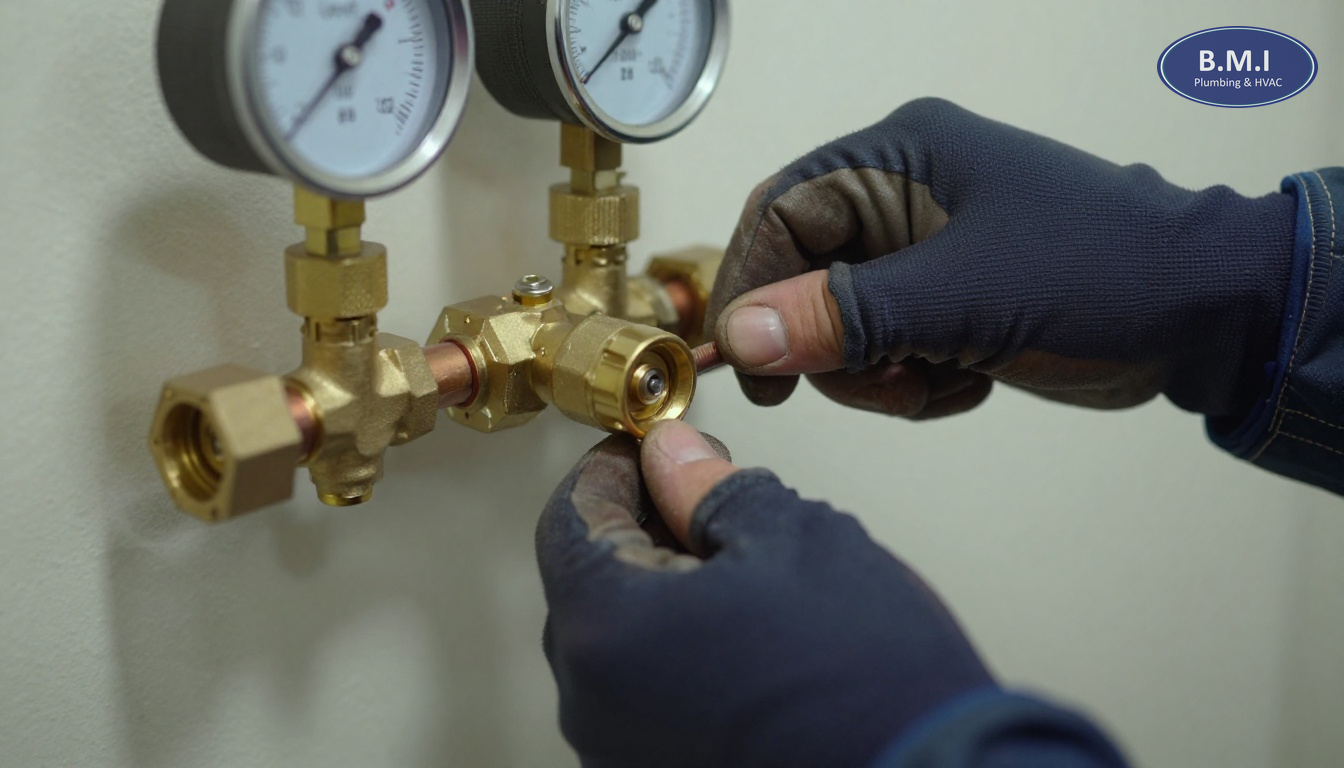
PRV Replacement Cost in Toronto Condos: Downtime Guide
Understand PRV replacement cost, downtime and scheduling for Toronto condos, with real GTA price ranges, shutdown …
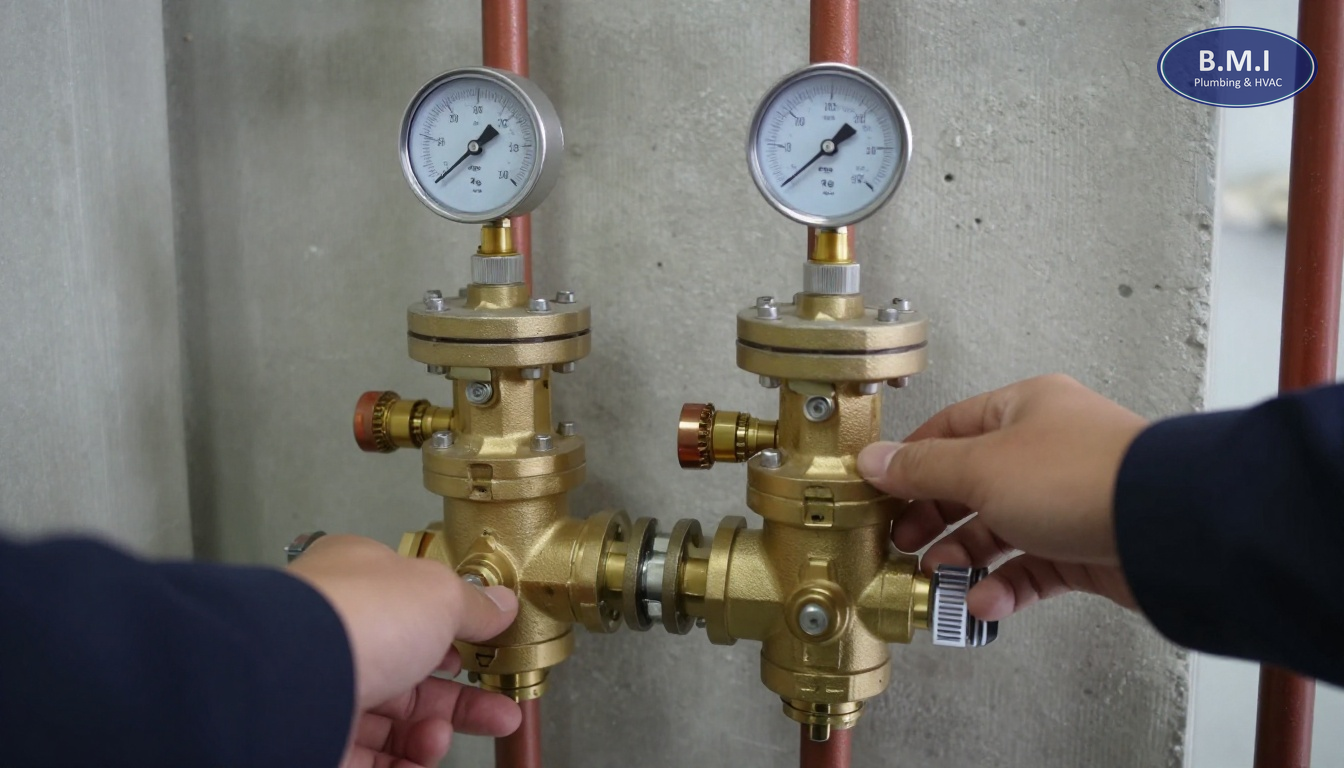
Pressure Reducing Valve Service and Replacement Mississauga
Pressure reducing valve service and PRV replacement in Mississauga condos: signs, inspection steps, costs, timelines and …
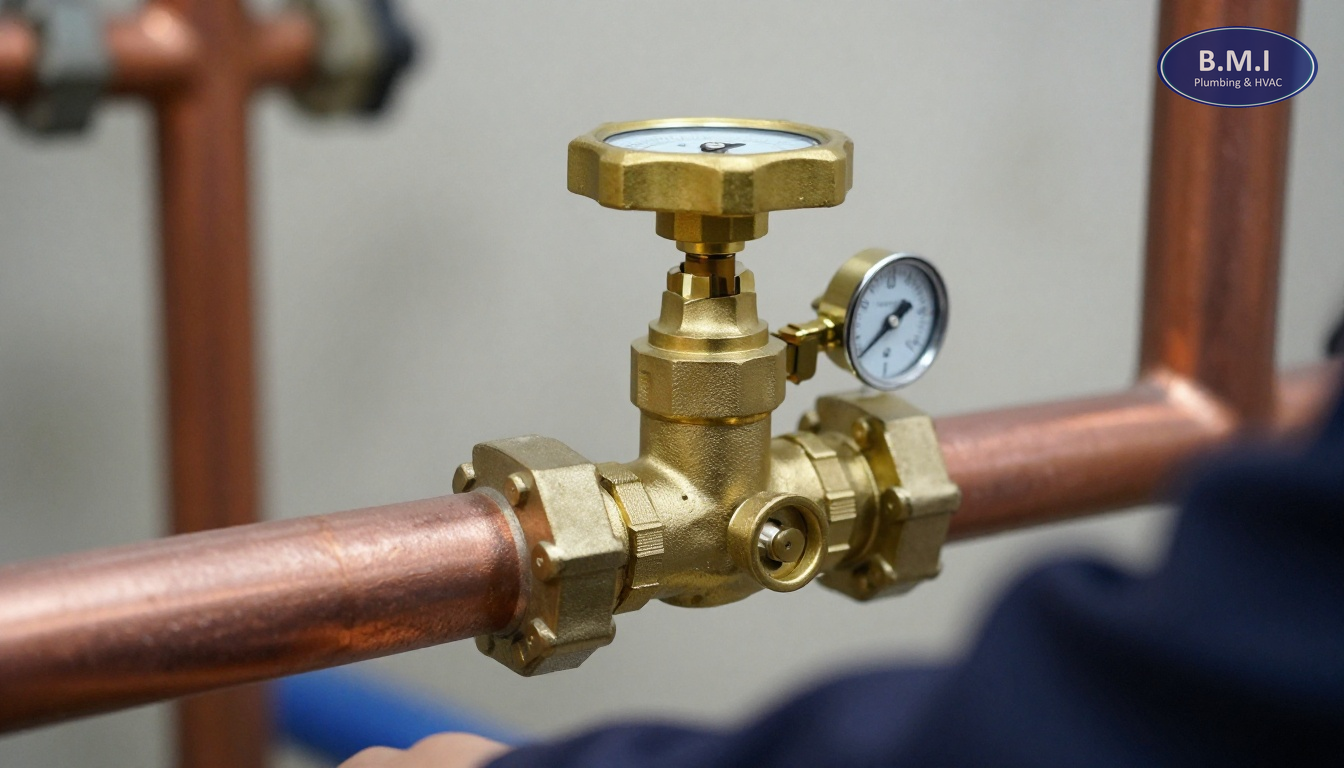
Pressure Reducing Valve Service and Replacement Etobicoke
Pressure reducing valve service and PRV replacement in Etobicoke condos. Building water pressure issues, costs, …
Need a plumber in your building?
BMI services roughly 200 condominium and multi-residential buildings across Toronto and the GTA. Emergencies are answered at any hour.