Preventive Plumbing Maintenance Programs in Thornhill
A practical guide to preventive plumbing maintenance programs in Thornhill condos, with local building issues, costs, timelines and planning advice.
Preventive Plumbing Maintenance Programs in Thornhill
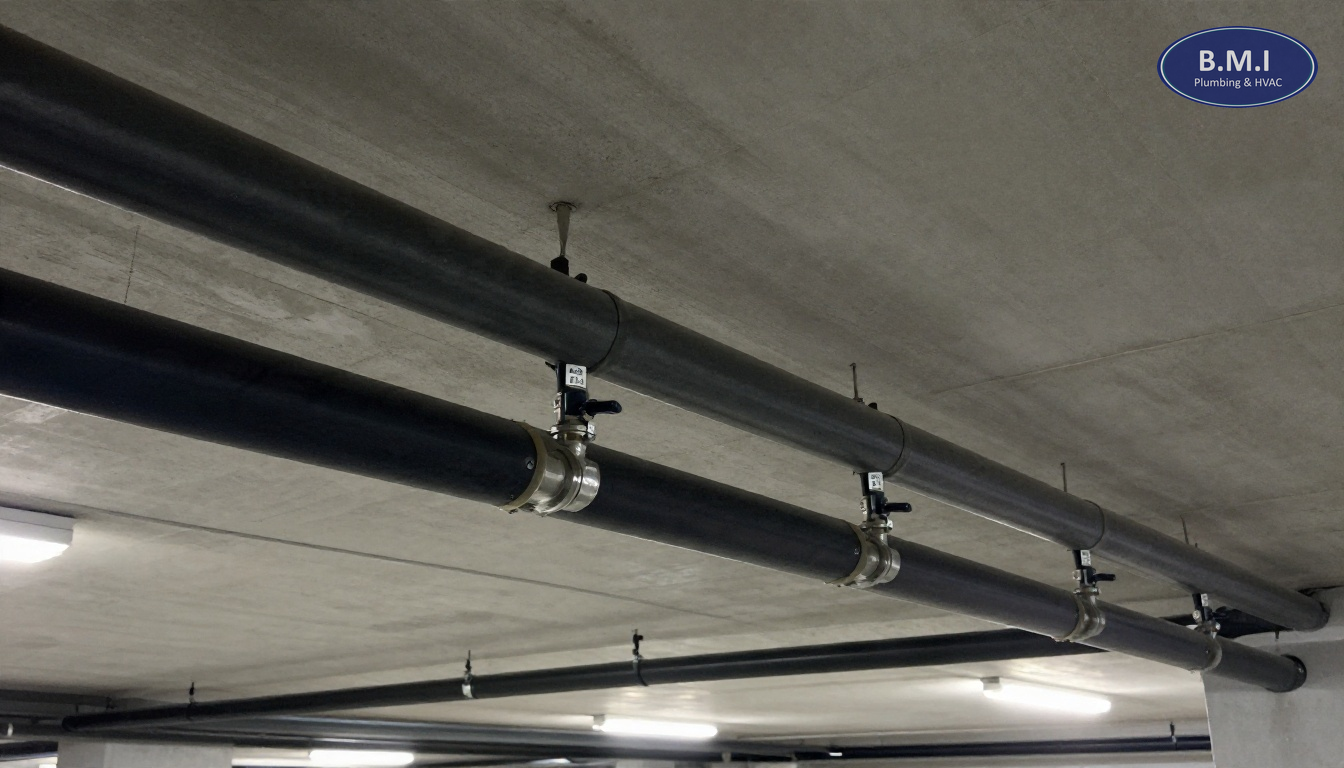
Quick summary: In Thornhill, preventive plumbing maintenance is not a generic checklist. The right program depends on whether your building is an older high-rise along Yonge, a 1990s condominium near Steeles, or a newer multi-residential property farther north in Markham or Vaughan, because the piping materials, pressures, access constraints and failure patterns are different. For boards and property managers, fall is usually the right time to tighten winter shutoff procedures, clean kitchen stacks before the holiday season, review PRV performance and get budget numbers in front of the board.
Why preventive plumbing issues show up differently in Thornhill buildings
Thornhill is not one uniform building type, and that matters when you are setting up a preventive maintenance program. The older apartment and condominium stock closer to Yonge Street and south toward Steeles often includes buildings from the 1970s and 1980s with cast iron drainage, copper domestic water risers, aging sectional valves and mechanical rooms that were never designed for easy service access. In those properties, preventive maintenance is often about controlling known deterioration: seized valves, scaled PRVs, pinhole leaks on copper, and recurring branch drain blockages.
Buildings from the late 1980s through early 2000s, common in parts of Thornhill that developed as condominium growth moved north, tend to have a different profile. You still see copper domestic water, but now the issue is often not original installation quality so much as lifecycle fatigue. Isolation valves that have not been exercised in years may not close when needed. Expansion movement at risers starts to show up. Pressure complaints become more common because PRVs are no longer holding a stable downstream setpoint. A building that has had only reactive service calls can look fine right up until a winter pressure swing exposes weak points.
Newer multi-residential buildings in the Thornhill market usually need less corrective work, but they still need structure and documentation. Backflow assemblies need testing, shutoffs need to be mapped, and amenity plumbing, booster systems and in-suite fixtures need trend tracking before warranty periods are long gone. A newer building without records can actually be harder to manage than an older one with a disciplined maintenance history.
Municipal reality also matters in Thornhill because the community spans areas served through different municipal systems and operating practices. Rather than assuming one condition everywhere, a good contractor checks actual incoming pressure, PRV behavior, booster operation and elevation effects in that specific building. Higher floors, buildings farther from a pumping point, and towers with poorly maintained pressure control can all produce very different resident complaints from one property to the next. This is one reason boards often add pressure reducing valve maintenance and replacement to a broader annual plan rather than waiting for complaints.
From an operational standpoint, Thornhill properties also vary a lot in access. Older towers can have narrow service corridors, crowded mechanical rooms and limited loading options. Newer condos may have stricter booking procedures, elevator protection requirements and tighter resident communication expectations. A useful program needs to fit those realities, not just list tasks on paper. BMI typically ties that work into broader maintenance programs for condominium plumbing systems so the board has one documented schedule instead of isolated service calls.
What condo plumbing maintenance in Thornhill usually looks like in practice
Property managers rarely call and say they want “preventive maintenance.” They usually describe symptoms.
In Thornhill, common reports include:
- repeated kitchen sink backups on lower floors
- pressure that feels high overnight and weak during peak morning use
- valves that cannot be shut during in-suite repairs
- recurring leaks above ceilings in corridors or suites
- hammer or banging after laundry or flush valve use
- a mechanical room backflow device coming due for testing
- resident complaints that one stack has had three or four service calls in a year
Those symptoms point to very different maintenance tasks. A lower-floor kitchen backup in an older Thornhill tower usually calls for more than a hand snake. It often means grease accumulation in kitchen stacks, branch offsets or partially restricted horizontal drainage. That is where scheduled kitchen stack cleaning and, where needed, camera pipe inspection make sense.
Pressure complaints are another area where boards lose money by treating each complaint as isolated. If a building near Yonge or Bayview has pressure swings every winter, the problem may be at the PRV station, at local zone control, or in a combination of worn valves and aging gauges that no longer tell the truth. Seasonal swings matter because colder weather changes demand patterns and exposes weak regulators. Fall is the right time to inspect and service them, not January after pipe movement and occupant demand have already increased.
Valve reliability is less visible but just as important. Many Thornhill condominiums discover during a suite leak or toilet replacement that the local shutoff or sectional isolation valve does not operate. A building-wide valve audit, charting and exercise program turns that from an emergency surprise into a manageable capital plan. It also helps with section 98 alteration reviews under the Condominium Act, because when owners request plumbing modifications, management needs to know what can actually be isolated and how.
Another recurring issue in Thornhill is that preventive work gets split between too many vendors, leaving no one responsible for system-level interpretation. A cleaner may jet a stack, a tester may sign off a backflow assembly, and a plumber may change a leaking stop valve, but nobody ties together why one riser zone keeps seeing callbacks. A proper program should track patterns and recommend when a building is approaching domestic water riser replacement or broader capital plumbing project work, rather than continuing to spend from operating budget with no end point.
What inspection and documentation should include in Thornhill
For Thornhill boards and managers, the quality of the evidence matters as much as the service itself. “Inspected” is not enough.
A serious condominium plumbing maintenance program should produce:
- a current inventory of major plumbing assets
- photographs of key equipment condition
- pressure readings before and after PRVs where applicable
- notes on valve operability, not just valve location
- camera footage or stills where drainage condition is a concern
- a record of recurring suites, stacks or riser zones with repeated incidents
- recommendations divided into immediate, 12-month and reserve-fund horizon items
For drainage, insist on more than a statement that the line was cleared. If a Thornhill building has repeated stack or branch issues, ask for camera evidence showing whether the contractor found grease, scale, offsets, broken sections or standing water. That distinction affects whether your next step is more frequent drain cleaning and snaking, scheduled jetting, or planning for replacement.
For water systems, pressure data is critical. If a contractor recommends PRV replacement, ask for upstream and downstream readings, observed fluctuation, and the condition of associated strainers, bypasses and gauges. If isolation valves are being assessed, ask whether they were only visually identified or actually exercised under controlled conditions. In older Thornhill buildings, the difference is substantial.
Backflow prevention also deserves a formal place in the maintenance plan. Many multi-residential buildings in Thornhill have premise isolation assemblies that must be tested and documented on a set cycle. The practical issue for management is not just passing the test. It is keeping a current device list, knowing which valves feed the assembly, and avoiding a failed test that turns into an urgent repair with little notice. BMI often folds that into backflow prevention testing and certification so annual compliance and repair planning are handled together.
Finally, boards should connect plumbing maintenance to reserve fund planning. Reserve fund studies are updated on a regular cycle, but plumbing decisions often lag because the evidence is scattered across work orders. A good maintenance report helps the engineer and board distinguish between normal annual service and a component that now belongs in the reserve forecast.
A representative Thornhill preventive maintenance project
A representative example would be a 19-storey condominium from the mid-1990s in Thornhill, east of Yonge and north of Steeles, with roughly 170 suites. Management’s complaints were familiar: recurring kitchen sink backups on lower floors, erratic water pressure on upper levels, and several in-suite repair visits where local shutoffs or floor sectional valves would not hold.
The building had been handling problems reactively. One contractor snaked stacks when residents backed up, another handled fixture leaks, and annual testing was done separately. There was no current valve map, no trend log by riser, and no recent pressure data. The board wanted a preventive program before budget season so it could decide what belonged in operating budget and what needed to be staged as capital.
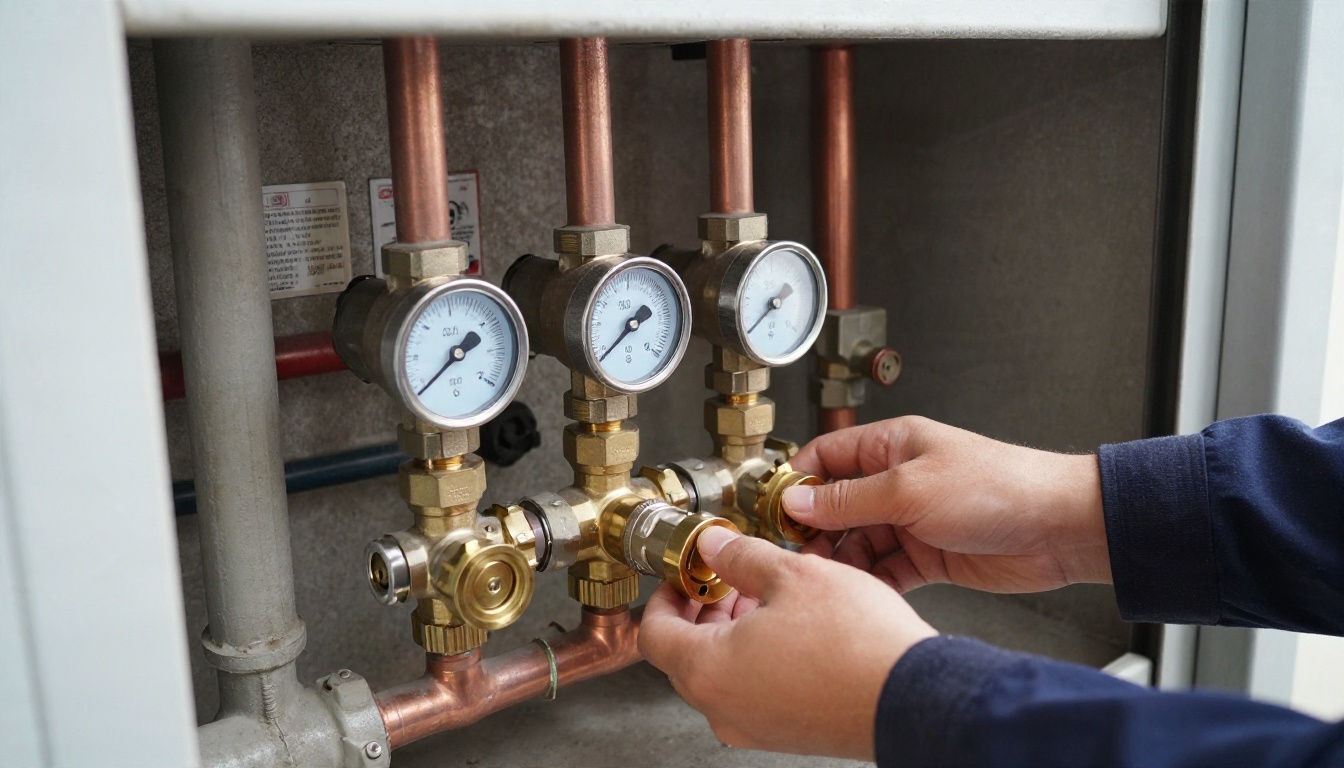
The first step was a system review. BMI documented the domestic water PRV arrangement, checked pressure stability during different demand periods, identified several inoperable or unreliable isolation valves, and reviewed service history by stack. Camera inspection of selected drainage runs found grease buildup in kitchen stacks and scale in portions of the horizontal drain serving the lower levels. The backflow assembly also required testing and minor service.
The work was phased rather than treated as one large project. Phase one included camera pipe inspection, annual backflow prevention testing and certification, targeted kitchen stack cleaning, and a valve audit, charting and exercise program. Phase two, scheduled after board review, included replacement of several failed isolation valves and service to the building PRV station through a structured pressure reducing valve maintenance and replacement scope.
The field work took about four working days spread over two visits, with resident notices coordinated around stack access and short shutoffs. Roughly speaking, phase one came in around the high four figures to low five figures, depending on the extent of stack cleaning and inspection points, while the valve and PRV corrective work added another mid four figures to low five figures. More important than the initial spend, the building finally had a documented list of near-term capital items and reduced emergency calls over the following winter.
Costs and timelines for Thornhill condominium plumbing maintenance
Costs for condo plumbing maintenance Thornhill properties are highly building-specific, but boards still need realistic planning ranges. The numbers below are market estimates for GTA multi-residential work in 2026, not quoted prices.
For a smaller low-rise or mid-rise condominium, a basic annual program that includes a site review, limited valve checks, PRV inspection, and backflow testing can start in the low thousands. Once you add drainage maintenance, stack jetting, camera work and more extensive valve exercising, many buildings move into the mid to high four figures.
For a mid-size high-rise in Thornhill, annual planned plumbing spend often falls somewhere in the broad range of about $6,000 to $20,000, depending on scope. A building with chronic drainage issues, older shutoffs and multiple pressure zones may exceed that range if corrective work is bundled into the same cycle. If the review identifies failing risers, seized isolation valves or widespread deterioration, the building may need separate budgeting for sectional and isolation valve replacement or even full building re-piping in future years.
Typical timelines are shorter than many boards expect if the work is organized properly:
- annual review and report: often 1 day on site plus reporting
- backflow testing: often a few hours to 1 day depending on access and repairs
- kitchen stack cleaning: 1 to several days depending on stack count and resident coordination
- valve audit and exercise: 1 to several days depending on quantity and whether failures are found
- PRV service or replacement: often 1 day for straightforward work, longer if shutdown planning is complex
Fall is usually the best planning window in Thornhill. It allows stack cleaning before the holiday cooking load, PRV checks before winter pressure swings, and enough lead time to get figures into the board’s budget cycle rather than forcing January emergency approvals.
Repair versus replacement in a Thornhill maintenance plan
A preventive program should not become an excuse to keep patching components that are clearly at end of life. Boards in Thornhill need a decision framework.
Repair or continued maintenance usually makes sense when:
- the failure is isolated rather than system-wide
- pressure control is unstable but the PRV station is still serviceable
- valve failures are limited to certain branches or zones
- drain issues are due to grease or localized scale rather than structural collapse
- the work can materially reduce risk for several more years
Replacement or capital planning becomes the better choice when:
- the same riser or zone produces repeated leaks
- sectional valves are widely seized or unreliable
- PRV failures are recurring and parts support is poor
- camera inspection shows heavy internal scaling, offsets or structural drainage defects
- emergency repairs are becoming the main maintenance strategy
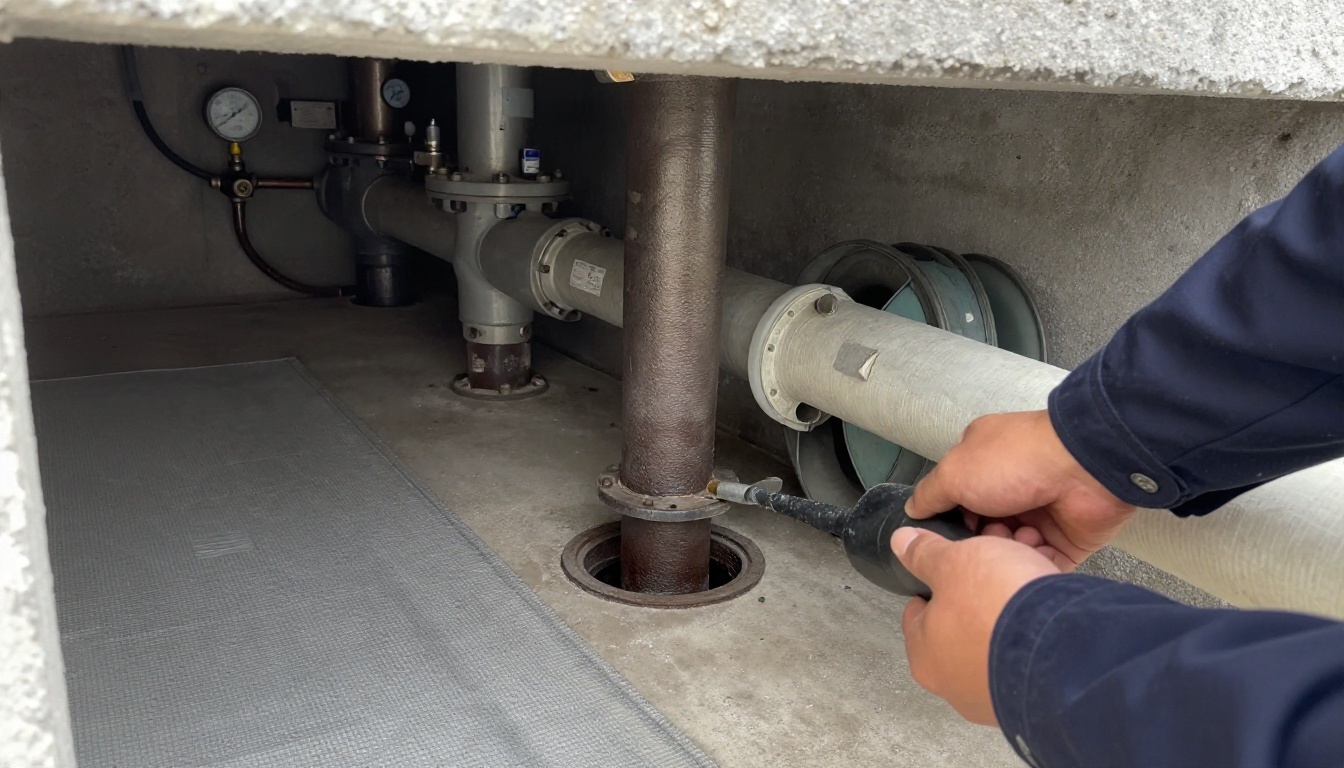
That is where annual maintenance creates real value. It gives the board evidence to decide whether to stabilize, replace selectively, or move toward larger work such as domestic water riser replacement, expansion compensator replacement or broader building re-piping. Without that evidence, the board is often forced into decisions by the next leak.
What deferring preventive plumbing maintenance costs
Deferral rarely shows up as one dramatic line item at first. It shows up as friction across the building.
In Thornhill condominiums, deferred maintenance often means more after-hours leak calls, more resident disruption, more elevator bookings for emergency access and more management time spent on repeat incidents. It can also mean insurance consequences. Repeated losses, especially from domestic water leaks or backups, can affect deductibles and claims experience even if each incident looks manageable on its own.
There is also a reserve fund consequence. If the board delays documenting actual system condition, reserve planning becomes less accurate. Components that should have been moved into a staged replacement plan stay hidden inside operating repairs until the cost spikes. That is a poor position for budget season.
Chargebacks and owner relations can become messy as well. When shutoffs do not work, in-suite repairs become larger building events. When drainage maintenance is inconsistent, residents may dispute responsibility for backups. When owners request alterations, section 98 reviews become harder because management has no clear record of valve locations, riser condition or system constraints.
For boards trying to control risk, the practical goal is simple: fewer emergencies, better records, and a clearer line between annual maintenance and capital work. That is why many managers consolidate recurring service under one documented condominium plumbing maintenance program instead of relying only on reactive repairs and service.
FAQs about condo plumbing maintenance in Thornhill
What should a preventive plumbing maintenance program in Thornhill actually include?
For most Thornhill condominium buildings, a useful program includes annual domestic water valve review, pressure reducing valve inspection, backflow prevention testing where required, drain and stack maintenance, and a documented response plan for recurring leaks or blockages. In older towers, it should also include condition tracking for risers, isolation valves and cast iron drainage so the board can move work from emergency spending into the reserve plan.
How often should Thornhill condos clean kitchen stacks and main drains?
A lot depends on building use and history, but many Thornhill high-rise condos benefit from annual or semi-annual kitchen stack cleaning, especially before the holiday cooking season. Buildings with repeated grease blockages, lower-floor backups or known flat drain sections may need more frequent jetting and camera verification to confirm the line is actually being restored rather than simply punched through.
Do Thornhill condominium buildings need annual backflow testing?
Many multi-residential buildings in Thornhill do have premise isolation assemblies or other backflow devices that must be tested on a regular cycle under the local cross-connection control framework. Property managers should confirm device type, test frequency, report format and any utility submission requirements, and keep a current inventory so missed tests do not become a compliance issue.
Is preventive maintenance cheaper than waiting for failures in Thornhill condos?
In most cases, yes, particularly in buildings from the 1980s through early 2000s where valves, PRVs, drainage and riser components are now old enough to fail unpredictably. Planned maintenance still costs money, but it is usually far less disruptive than emergency leak response, after-hours access, resident damage claims, insurance deductibles and repeated contractor mobilization.
How do boards in Thornhill decide between maintenance and capital replacement?
The decision should be based on evidence, not age alone: leak history, pressure readings, camera footage, valve operability, corrosion condition and the number of repeated service calls in the same area. A strong maintenance program helps produce that evidence so a board can justify whether a component belongs in operating budget work, a near-term reserve fund project, or a full replacement plan.
What is a realistic budget range for condo plumbing maintenance in Thornhill?
For a mid-size Thornhill condominium, annual plumbing maintenance budgets often start in the low thousands for basic testing and inspections and move into the tens of thousands where stack cleaning, valve exercise programs, PRV work and recurring repairs are included. The range varies with building height, suite count, amenity plumbing, access limitations and whether the building is mainly trying to stabilize aging systems or simply keep newer systems documented and compliant.
Next steps for Thornhill property managers and boards
If your Thornhill building is heading into budget season with recurring plumbing calls, start by grouping the issues by system rather than by suite complaint. Kitchen backups, PRV instability, unreliable valves and overdue testing are usually not separate stories. They are signs that the building needs a maintenance structure and a record of actual condition.
The practical next step is to schedule a building review, identify immediate winter-readiness items, and separate the next 12 months of maintenance from the next 3 to 5 years of capital planning. If your property already knows it has recurring leaks, difficult shutoffs or aging drainage, it is better to get evidence now than to wait for holiday blockages or cold-weather failures. You can review BMI’s completed plumbing projects and building references, explore the broader blog, or contact BMI for a maintenance review.
Contact BMI
- Contact BMI
- Phone: (416) 845-3756
- Emergency: (416) 845-3756, answered 24 hours a day
- Email: info@brial.ca
BMI serves Thornhill and the surrounding GTA from its Toronto shop.
More on condominium plumbing
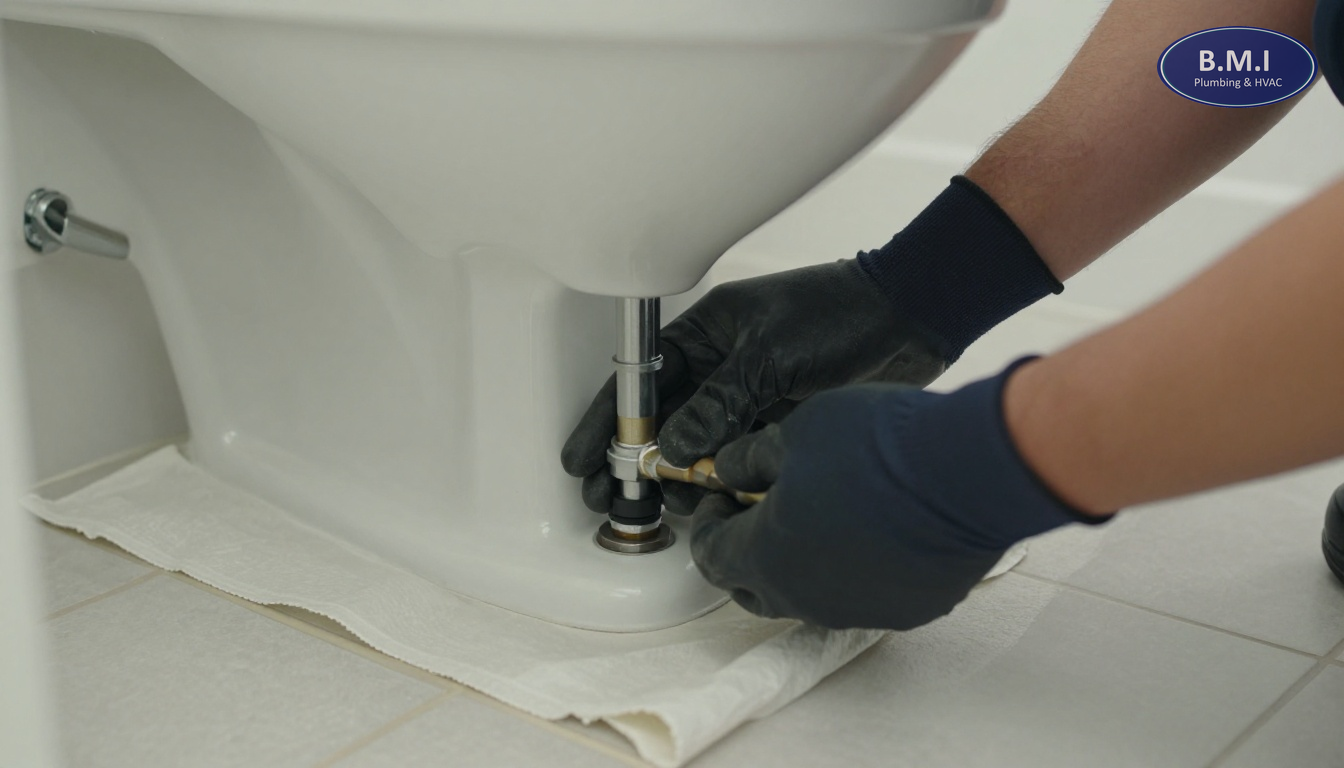
In-Suite Plumbing Repairs in Thornhill Condominiums
Practical guidance on in-suite plumbing repairs in Thornhill condos, including diagnosis, costs, timelines and when …
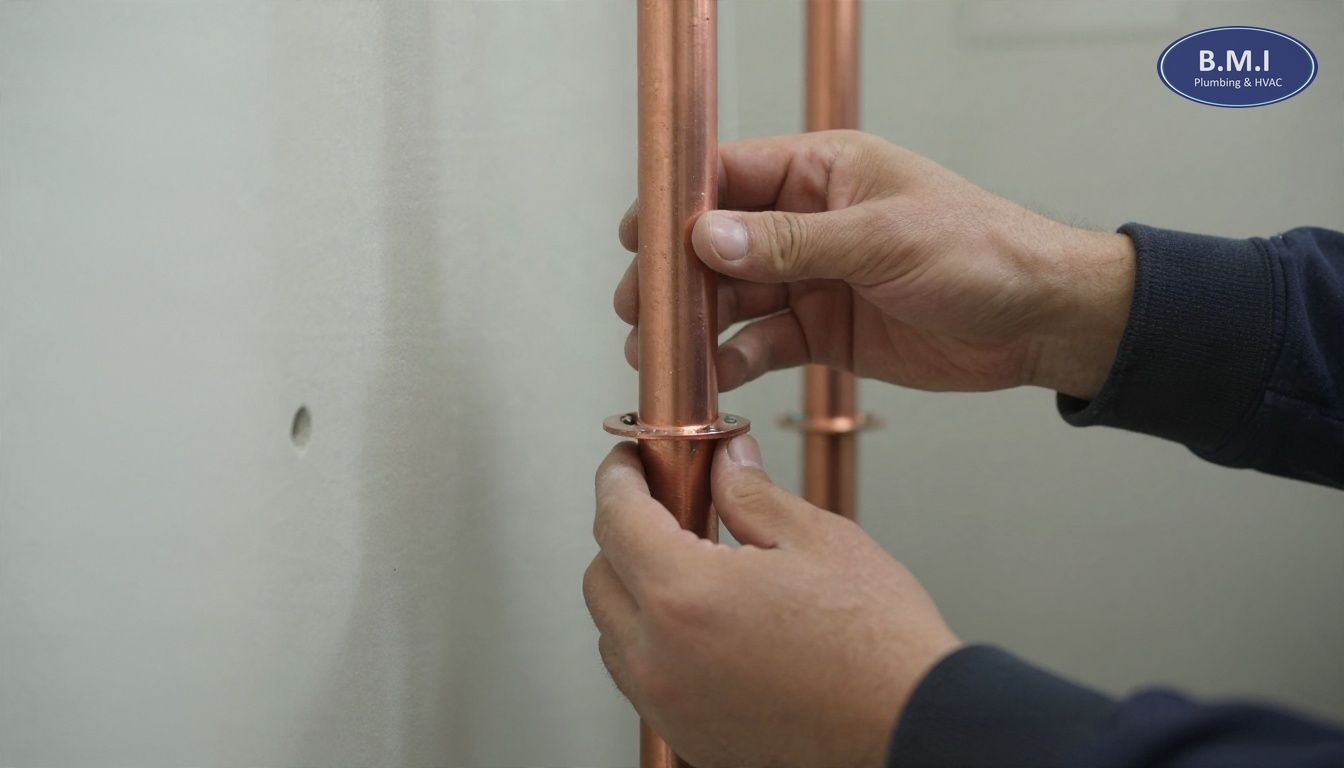
Domestic Water Riser Replacement in Toronto Condos
What a condominium should expect from domestic water riser replacement in Toronto: costs, timelines, shutdowns, suite …
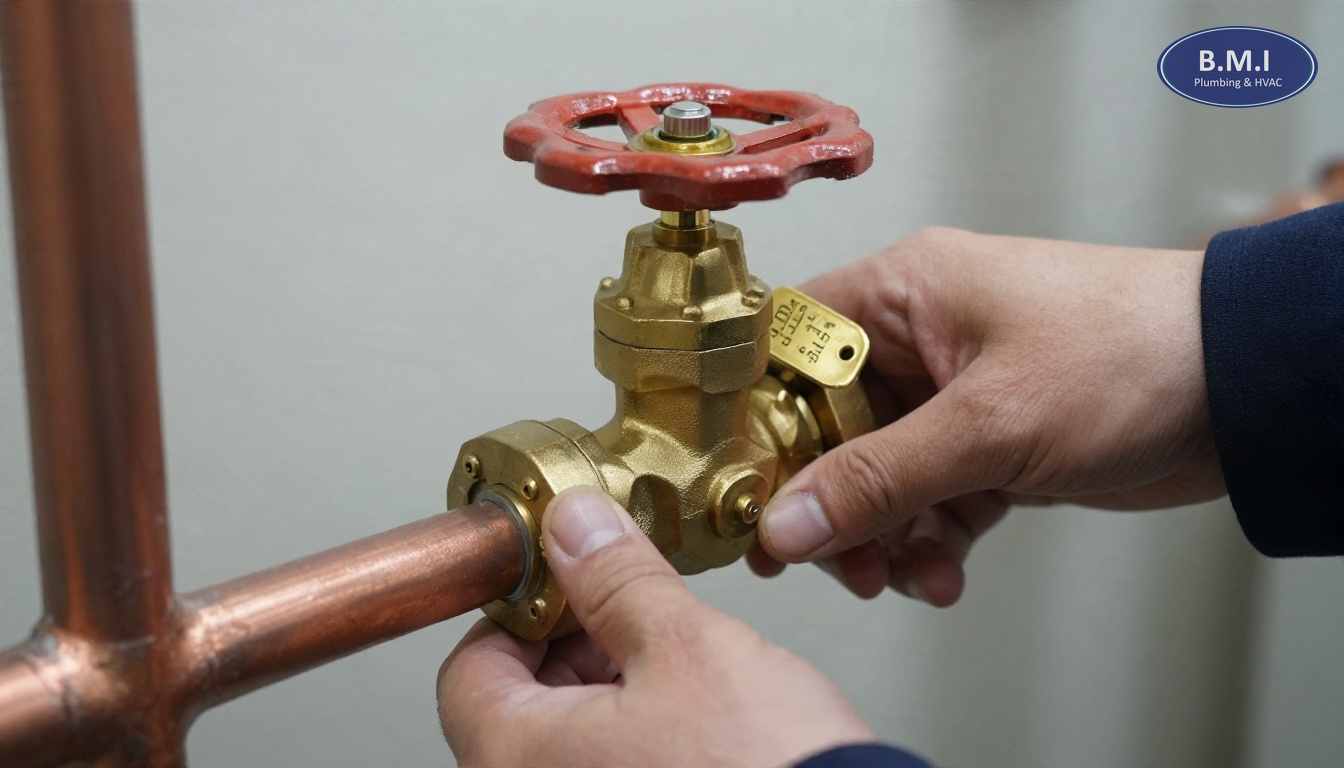
Valve Age Failure in Toronto’s 1980s Condo Plumbing
Why valve age failure clusters in 1980s condo plumbing in Toronto, what to inspect, what it costs, and when replacement …
Need a plumber in your building?
BMI services roughly 200 condominium and multi-residential buildings across Toronto and the GTA. Emergencies are answered at any hour.