
PRV Failure Symptoms in Toronto Condo Buildings
Learn the real PRV failure symptoms behind condo water pressure problems, with Toronto cost ranges, testing steps and replacement planning.
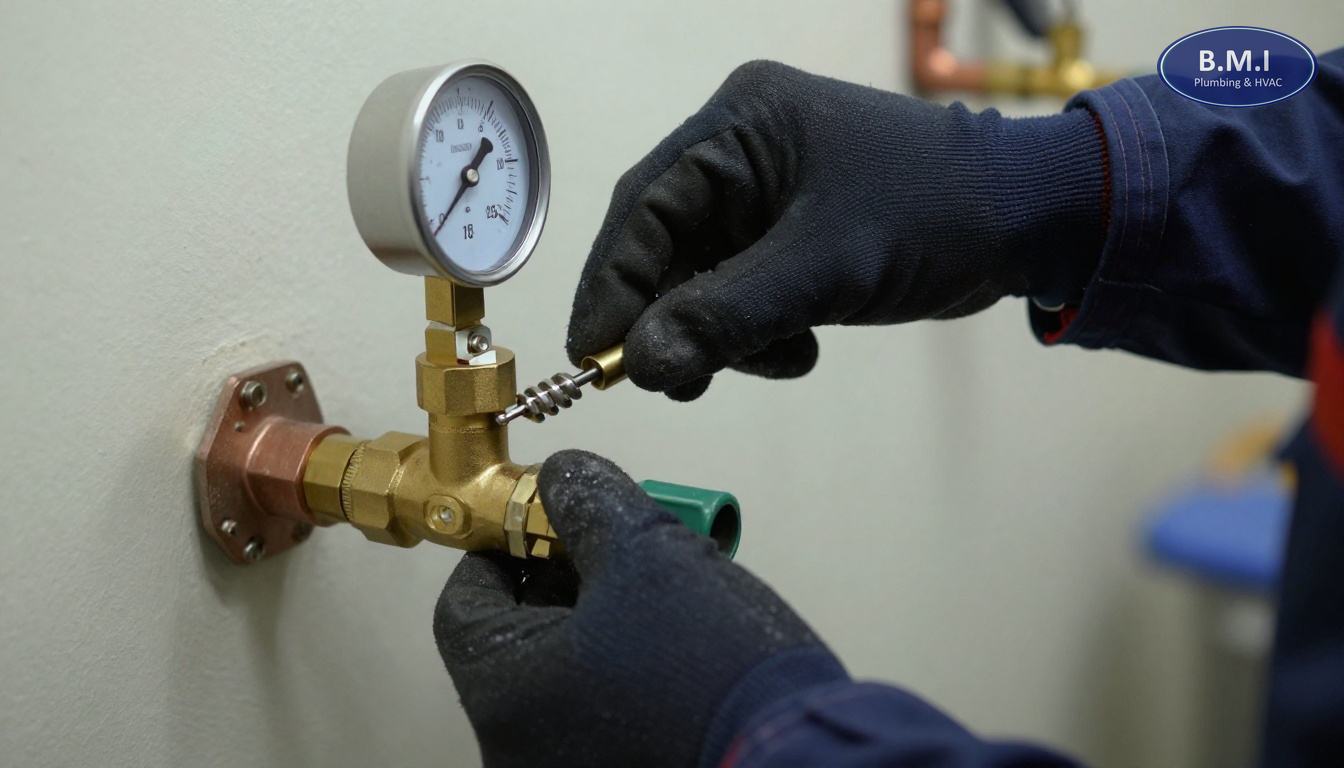
PRV Failure Symptoms in Toronto Condo Buildings
Quick summary: A failing pressure reducing valve (PRV) in a condominium rarely announces itself with one dramatic breakdown. More often, it shows up as a pattern of complaints that seem unrelated at first: noisy pipes at night, repeated toilet fill valve failures, pressure that is weak at 7 a.m. but aggressive at 11 p.m., or leaks that start appearing in older suites after years of stability. In Toronto condo buildings, especially 1970s to early-2000s high-rises in North York, Etobicoke and Mississauga, those symptoms are often the difference between a planned maintenance job and an insurance claim.
The misconception that costs boards money
A common mistake in condominium buildings is treating water pressure problems condo-wide as a fixture issue because the first complaints arrive one suite at a time. One resident says a shower is weak. Another says a toilet keeps running. A third says the kitchen faucet started hammering when the dishwasher shuts off. Those can all be symptoms of a PRV problem, and replacing in-suite parts without checking the pressure profile is one of the most expensive ways to stay stuck.
In buildings we service across Toronto and Mississauga, a PRV issue often gets missed because maintenance staff only see a daytime gauge reading in the mechanical room. That is not enough. A valve can hold 65 psi at 2 p.m. and still creep to 85 or 95 psi overnight when demand drops. That overnight creep is where braided supply lines, toilet fill valves and older single-handle cartridges start failing. If your building has had a cluster of small fixture failures in the same quarter, that is often more meaningful than one dramatic leak.
For boards working through fall budgets, this matters because PRV maintenance is usually a modest line item compared with the cost of one after-hours flood. A proper pressure reducing valve maintenance program gives you trend data, not guesses, and trend data is what lets a manager defend replacement timing at budget season.
What a PRV actually does in a high-rise
A pressure reducing valve is not just a comfort device. In a condominium building, it protects downstream piping and fixtures from the incoming city main pressure or from overboosted internal distribution pressure. Toronto municipal supply pressure can vary materially by neighbourhood and elevation, and in taller buildings the system may also be divided into pressure zones with booster pumps, break tanks, or multiple PRV stations feeding lower floors.
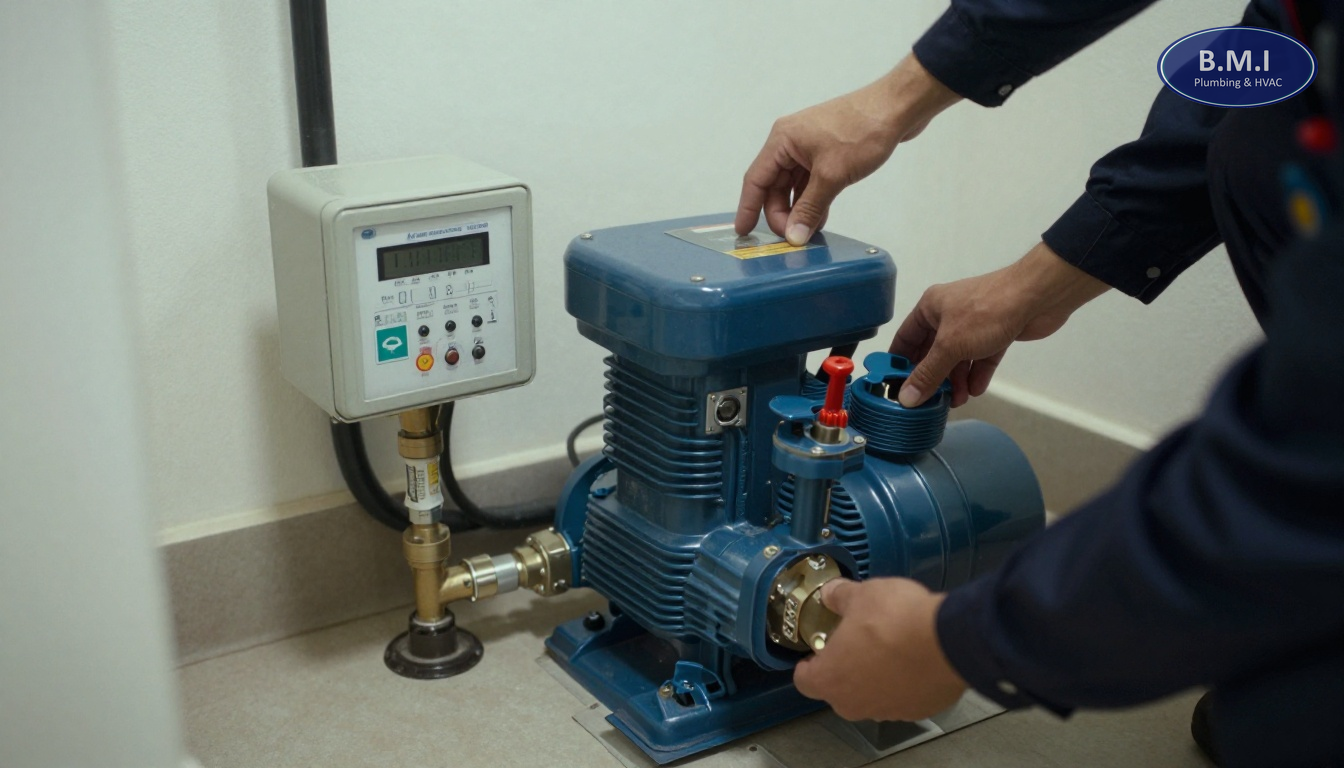
Most condominium PRVs are brass or bronze-bodied valves installed on 1 1/2-inch to 4-inch domestic water lines, often with pressure gauges upstream and downstream. Common manufacturers seen in GTA mechanical rooms include Watts, Wilkins/Zurn and Cash Acme, though the exact station layout varies by age of building. In a 20- to 35-storey tower, you may have one main PRV station for lower floors and separate zone control for mid or upper pressure zones, especially where booster systems are involved.
The practical target is usually to keep downstream pressure in a controlled range, often 50 to 75 psi, depending on the branch and building design. Below that, upper fixtures in the zone may complain during peak demand. Above that, wear accelerates. Once you get into 80 psi and above, the building starts paying in fixture failures, water hammer and nuisance leaks. If the building also has aging copper Type M branches, old angle stops, or residual Kitec-era suite piping, high pressure is even less forgiving.
If your mechanical room has not had gauges verified recently, or if the station lacks clear valve tags and isolation logic, a valve audit and charting program should often happen before major PRV work. Too many buildings discover during an emergency that the “upstream isolation” does not actually isolate.
The symptoms that usually point to PRV failure
1. Pressure is fine at some times of day and wrong at others
This is the classic symptom. Residents report that the shower is forceful late at night but weak in the morning, or that a faucet splashes aggressively after 10 p.m. but feels normal by midday. A healthy PRV should maintain relatively stable downstream pressure despite normal fluctuations in upstream supply and building demand. When the valve starts hunting, sticking or creeping, the pressure pattern becomes time-dependent.
On a 300-unit building, if complaints cluster around 6 a.m. to 9 a.m. and 9 p.m. to midnight, that is often a system clue rather than occupant preference. Morning weakness can point to a PRV that is not keeping up with flow demand. Nighttime overpressure often points to seat wear or debris preventing tight control at low flow.
2. Repeated toilet and faucet failures in multiple suites
If one suite has a bad fill valve, that is suite service. If eight suites on the same pressure zone report toilet fill valve failures, dripping tub cartridges, or washing machine hose issues over six months, the building should stop thinking suite-by-suite. High or unstable pressure shortens the life of the smallest downstream parts first. Toilet fill valves and braided connectors are often the canary in the coal mine.
This is where a good in-suite plumbing service history becomes useful. The pattern matters. A board does not need to wait for a burst pipe if the service records already show a pressure-related trend.
3. Water hammer, banging or chattering after fixtures close
A PRV in poor condition can contribute to water hammer by allowing pressure swings or by failing to dampen changes in flow properly. In older North York and Scarborough high-rises with long copper runs and aging arrestors, the symptom residents describe is often “a bang in the wall when the dishwasher stops” or “a machine-gun chatter when the toilet refills.” Those sounds are not proof of PRV failure by themselves, but they are a strong reason to test the pressure profile.
The non-obvious part is that hammer tends to get worse in fall and winter when buildings experience different occupancy patterns and seasonal municipal pressure behaviour. That is why autumn is a sensible time to review maintenance programs before winter complaints turn into emergency calls.
4. Pressure complaints only affect certain floors or one stack of suites
Not every PRV serves the whole building. In some towers, only the lower zone or a branch serving a particular riser bank is affected. If suites on floors 2 through 8 complain, while floors 9 through 20 do not, that often points to a zone-specific PRV issue, not a city supply issue.
A common mistake we see in early-1990s towers in Etobicoke and Vaughan is assuming a vertical riser problem when the real issue is a pressure control device in the zone station. Before authorizing broader piping work, get pressure readings taken at the mechanical room and at representative suites on the affected floors. If the building may already be facing domestic piping age issues, compare the findings with riser replacement planning rather than letting the diagnosis drift.
5. The PRV itself is leaking, corroded or noisy
External leakage at the valve body, bonnet or flanges is the obvious symptom, but not the most important one. By the time a PRV is visibly leaking, it has often been underperforming internally for some time. A hissing, whistling or vibrating valve under moderate flow can indicate internal wear, debris, cavitation or poor sizing. A station with corroded gauges and no readable downstream pressure is not a station you should trust.
If a leak is active or pressure is unstable, this is no longer just maintenance. It is a repairs and service issue with a capital decision attached.
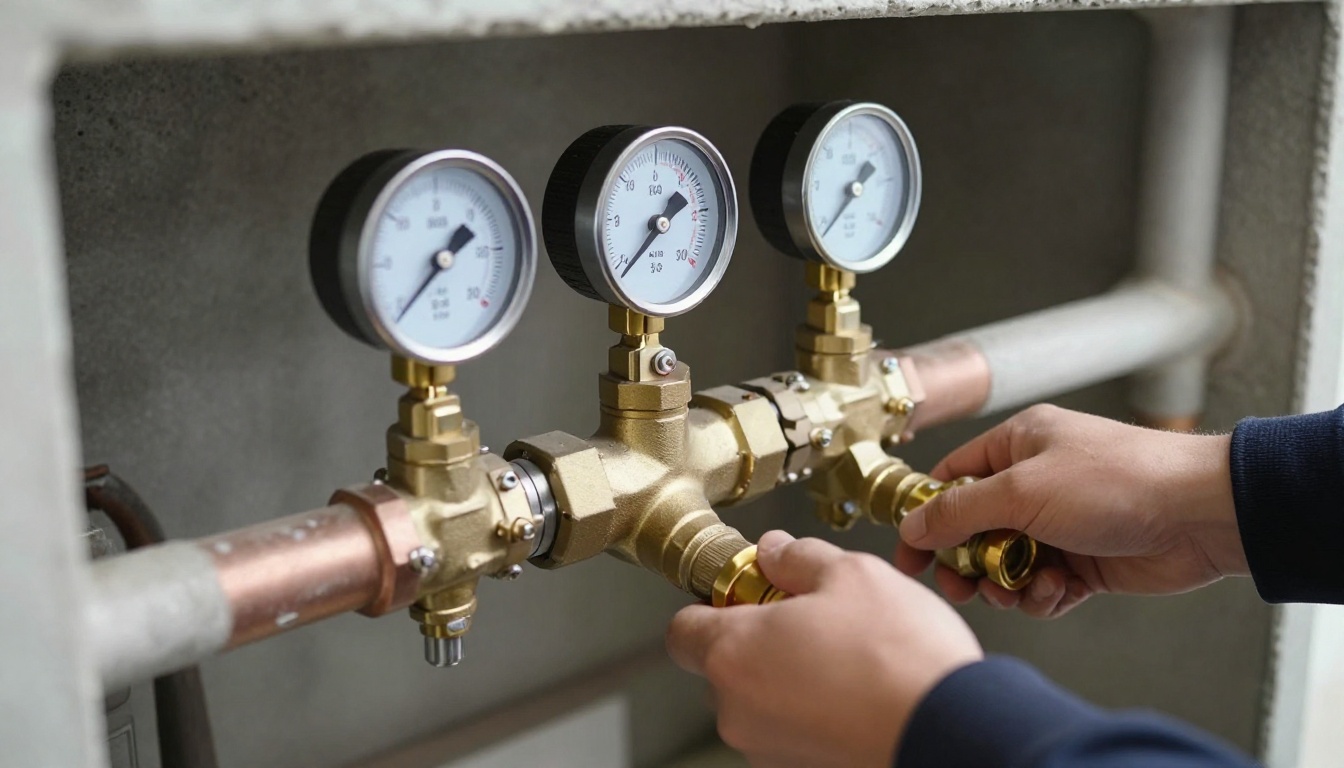
Why PRVs fail in Toronto condominium buildings
The short answer is age, debris, wear and system conditions. The longer answer matters because it changes whether you rebuild, replace, or widen the scope.
Wear of the seat, diaphragm and spring
Most PRVs regulate pressure through an internal spring-loaded mechanism acting against a diaphragm and seat. Over time, the seat wears, the diaphragm stiffens, and the spring loses predictability. Once that happens, the valve may still appear to “work” but no longer controls pressure tightly. That is when you see pressure creep or unstable downstream readings.
In buildings from the late 1980s to early 2000s, original PRVs are often well beyond the point where internal parts behave consistently. Fifteen years is not an automatic replacement age, but once a valve passes that range, the burden of proof flips. The question becomes not “why replace it” but “what evidence says this aging valve is still controlling properly.”
Debris and scale from the water system
Toronto water is generally not extremely hard compared with some other markets, but condominium systems still accumulate scale, solder debris, corrosion products and particulate from old steel or copper lines. In older buildings with sections of galvanized steel or heavy internal corrosion, debris can score the PRV seat or lodge in the trim. That can create a valve that partially closes but never seals properly.
This is one reason a PRV problem is sometimes the first visible symptom of a larger piping issue. If the domestic system is shedding material, the valve is doing precision work in a dirty environment. In those cases, you may be discussing filtration, upstream flushing, or eventually building re-piping, not just one valve.
Incorrect sizing or changed building demand
A valve sized for one flow condition does not always perform well under another. We see this in buildings that have added fixtures, changed occupancy patterns, or undergone piecemeal renovations over 20 years. A PRV that is oversized for normal low-flow conditions may hunt or fail to control well at night, while an undersized valve may starve the building during morning demand.
This matters in post-2010 glass towers as well. Lower fixture flow rates do not automatically mean easier pressure control. They can actually make poor low-flow regulation more obvious.
Failed or inaccessible isolation valves around the station
Sometimes the PRV is not the whole problem. In many older mechanical rooms, the station cannot be isolated cleanly because the adjacent gate valves do not fully close. That turns a straightforward service call into a larger shutdown event. A proper valve replacement strategy is often part of PRV planning, especially before winter when emergency shutdowns become harder to schedule.
How to diagnose a PRV problem properly
The minimum standard should be higher than “we think the pressure is off.” Boards should expect evidence.
What a competent diagnosis includes
A useful PRV assessment in a condo building should include:
- Upstream and downstream pressure readings, not just one gauge glance
- Readings at different times of day where possible
- Confirmation of which floors or zones are affected
- Inspection of gauges, isolation valves and bypass arrangement
- Review of recent suite complaints and fixture failure patterns
- A written recommendation stating whether the valve should be adjusted, rebuilt, replaced or monitored
If pressure complaints are mixed with other plumbing issues, the building may also need camera inspection or related service work to rule out coincidental drain problems. It is not unusual for managers to receive “low pressure” complaints that are actually a clogged shower cartridge in one suite and a genuine PRV issue in another. The point is to separate noise from pattern.
Evidence to insist on
Ask for actual numbers. “Pressure seemed high” is not enough. A report should tell you, for example, that the incoming pressure was 112 psi, the downstream setpoint was intended to be 65 psi, and the observed downstream pressure drifted to 88 psi overnight. That is a board-ready fact pattern.
Also ask whether the gauges themselves are trustworthy. A surprising number of mechanical rooms have gauges that are years out of date, stuck, or physically damaged. Replacing a PRV based on a false gauge reading is avoidable.
In some buildings, especially those with recurring pressure complaints and no recent records, BMI would rather see the building spend money on proper diagnosis first than rush into replacement. If the evidence is weak, get a second opinion.
Repair, rebuild or replace: a practical decision framework
When a rebuild can make sense
A rebuild is worth considering when:
- The valve body is in good condition
- The manufacturer and rebuild kit are still supported
- The PRV is not excessively old
- Pressure instability appears tied to serviceable internal wear
- Isolation valves work, making shutdown manageable
For a relatively modern 1 1/2-inch or 2-inch PRV, a rebuild can be a sensible maintenance choice if the rest of the station is healthy. But a rebuild is not a magic reset. If the station has failed gauges, poor access, bad isolation and a corroded body, rebuilding the internals may only postpone the real job.
When replacement is the better board decision
Replacement is usually more defensible when:
- The valve is 15 to 20+ years old
- Pressure creep has already caused multiple suite issues
- The body is leaking or heavily corroded
- Parts are obsolete or lead times are poor
- The station layout needs modernization
- Isolation valves and gauges also need replacement
In fall budget season, this is often where boards hesitate because replacement costs more upfront. The problem is that repeated service calls, owner complaints and one deductible event can erase that saving quickly. A planned replacement with notice and controlled shutdown is usually cheaper than an after-hours failure.
A realistic Toronto cost range
The numbers below are broad Toronto-market estimates and vary by building access, valve size, shutdown complexity and whether related valves need work.
| Scope | Typical market range | Notes |
|---|---|---|
| PRV assessment and pressure testing | $500-$1,500 | Depends on number of zones, gauges and reporting detail |
| Rebuild of smaller supported PRV | $1,500-$4,000 | Usually 1 1/2-inch to 2-inch valves with good isolation |
| Replace smaller branch/zone PRV assembly | $3,500-$8,000 | Includes valve, gauges, labour and basic fittings |
| Replace larger main PRV station | $8,000-$20,000+ | Common for 2 1/2-inch to 4-inch assemblies with shutdown logistics |
| Add related isolation valve work | $1,500-$6,000+ per valve | Depends heavily on size, access and whether the line drains cleanly |
If the building lacks reliable shutoffs, the PRV number on its own is misleading. This is why project solutions for condo plumbing systems need to be scoped at the building, not just at the device.
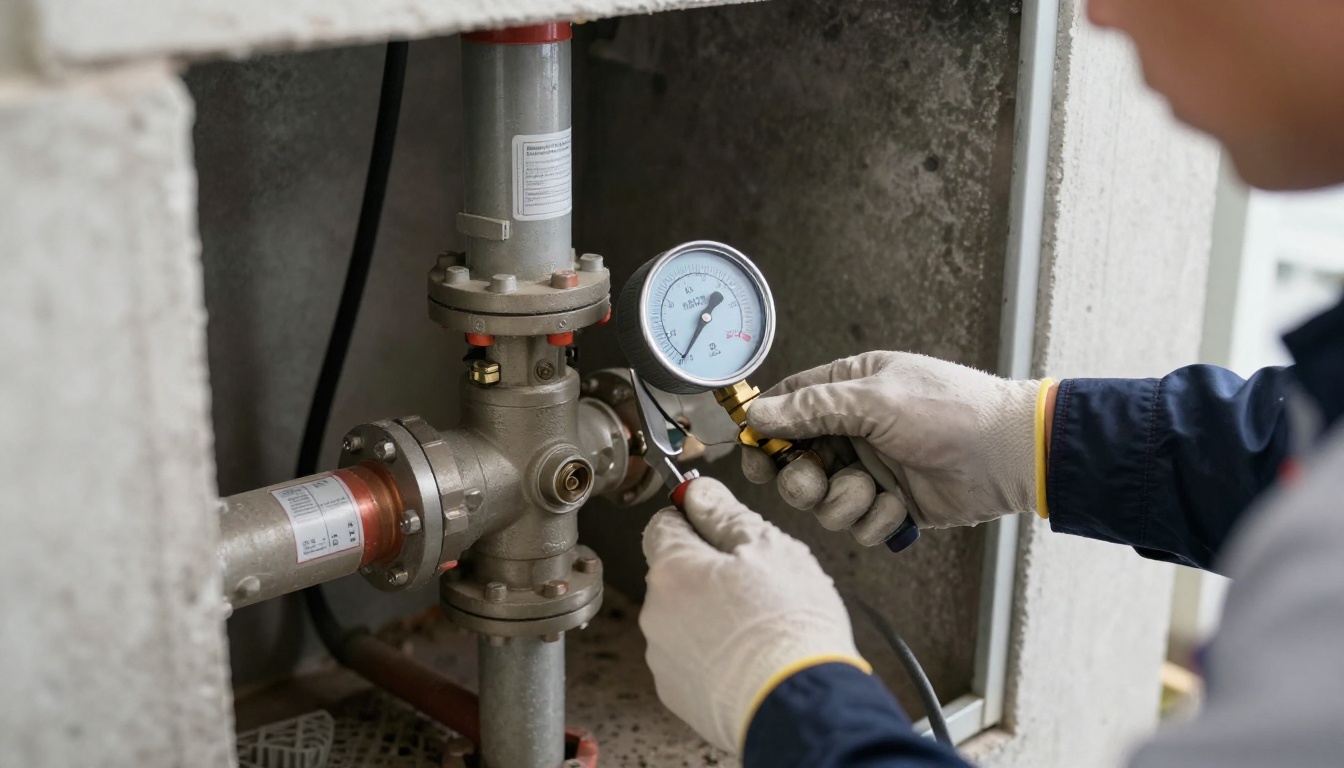
Shutdowns, notice and how the work actually unfolds
For managers, the plumbing work is only half the job. The other half is resident communication and building logistics.
A straightforward PRV replacement in a well-laid-out mechanical room may require a 4- to 8-hour domestic water shutdown for the affected zone or, in some buildings, the full building. If isolation is poor, the window can stretch. In occupied towers, that means coordinating with management, concierge, cleaners and sometimes elevator protection if materials move through resident areas.
A realistic sequence is often:
- Site review and confirmation of valve size, make, access and shutoffs
- Written scope and shutdown plan
- Resident notice, commonly 48 to 72 hours minimum, though more is better for larger buildings
- Material procurement
- Scheduled shutdown, drain-down, replacement and recommissioning
- Pressure verification and post-work reporting
For a simple replacement, the physical work may be one day. The planning around it is often one to three weeks, depending on material availability and board approval cycles. In older Toronto and East York buildings, the biggest delay is often not the valve lead time but uncertainty around whether the sectional valves actually hold.
This is also why fall is the right season to inspect PRVs. Once winter arrives, buildings are less tolerant of unplanned domestic shutdowns, and emergency work competes with frozen pipe calls and other seasonal failures. If your building is also reviewing backflow prevention testing and documentation before year-end, combine the mechanical room review where possible.
What happens if you defer it
Deferral is not always wrong. If testing shows stable downstream pressure, no creep, no leak and no complaint pattern, a board may reasonably monitor for another year. But deferral without evidence is different.
If a PRV is genuinely failing, the usual progression is:
- More frequent suite-level fixture failures
- More resident complaints about pressure inconsistency
- Greater risk of supply hose, angle stop or cartridge leaks
- Harder insurance conversations after a flood because the warning signs existed
- A reactive shutdown at the least convenient time
The insurance angle is not theoretical. In condominium corporations, the question after a water event is not only what failed but whether the corporation acted reasonably once recurring symptoms were present. A documented PRV maintenance program, a written recommendation and a board decision are easier to defend than a file full of unrelated suite repair invoices.
From a reserve fund perspective, PRV work usually falls into an awkward middle ground: too large to ignore, too small to get strategic attention until a failure occurs. If the building is already planning domestic system work, such as expansion compensator replacement or domestic water riser replacement, it can be more cost-effective to address PRV stations in the same planning cycle.
Common element or in-suite responsibility
This is the question property managers get asked first, and the answer drives who pays.
In most condominium buildings, the main PRV and zone PRVs are common element components because they serve multiple suites or the building distribution system. The in-suite faucet cartridge, toilet fill valve or braided connector damaged by overpressure may fall under unit responsibility, corporation responsibility, or a shared insurance framework depending on the declaration and standard unit definition.
The practical issue is that when a common element pressure problem is causing repeated in-suite failures, arguing suite responsibility one owner at a time usually becomes inefficient. The better approach is to determine whether the pressure source is common element equipment, document it, and then deal with the allocation question through the corporation’s governing documents. Managers should not let that legal question delay the mechanical diagnosis.
If residents are asking whether their individual complaint is private or building-wide, the answer often comes from pattern recognition. One suite with poor pressure is usually local. Ten suites with mixed high and low pressure complaints in the same zone is usually not.
FAQs
What pressure is too high for a condominium building?
In most GTA condominium buildings, domestic pressure delivered to suites is typically targeted around 50 to 75 psi, depending on the zone and building design. Once static pressure starts living consistently above about 80 psi, toilets, fill valves, braided connectors and mixing cartridges tend to fail more often, and many manufacturers treat 80 psi as the practical upper limit. The important point is not just one reading in the mechanical room, but whether pressure spikes occur overnight or after low-demand periods.
Can a bad PRV cause both high pressure and low pressure complaints?
Yes. A failing pressure reducing valve does not always fail in one direction. In Toronto high-rises, a worn main PRV or zone PRV can creep upward at night when demand drops, then hunt or choke flow during morning peak use, which is why one resident reports blasting pressure while another says the shower goes weak at 7 a.m. That pattern is one of the clearest signs the valve needs testing rather than another round of fixture repairs.
How long does a condominium PRV usually last?
A reasonable planning range is about 12 to 20 years, but water conditions, cycling frequency, debris and whether the valve was maintained matter more than the calendar alone. In older Toronto, Etobicoke and Scarborough towers, BMI often sees original PRVs from the late 1990s or early 2000s still in place well past the point where diaphragms, seats and springs are predictable. If the valve is over 15 years old and pressure complaints are increasing, budgeting for replacement is usually more defensible than repeated reactive service.
What does PRV replacement usually cost in the Toronto market?
For a typical condominium mechanical room, replacing a smaller branch or zone PRV assembly may run roughly $3,500 to $8,000, while larger main PRV stations with isolation work, gauges and bypass considerations often land in the $8,000 to $20,000-plus range. Costs move up when valves are 3 to 4 inches, access is tight, shutdown windows are restricted, or the building lacks working isolation valves and needs related valve replacement. Those are market ranges, not fixed pricing, and site conditions matter.
Should a condo board repair a PRV or replace it?
If the valve body is sound, parts are available, and testing shows a specific serviceable failure such as a worn seat or diaphragm, a rebuild can make sense on a younger valve. If the PRV is obsolete, badly scaled, leaking externally, causing repeated pressure instability, or tied into a station with failed gauges and poor isolation, replacement is usually the cleaner capital decision. Boards should insist on actual pressure readings and a written recommendation, not a guess based on one complaint.
Who pays for damage caused by PRV-related pressure problems in a condo?
That depends on the declaration, the standard unit definition, and where the failed component sits, but the PRV itself is usually common element equipment serving the building or a pressure zone. If overpressure from common element equipment contributes to failed toilet supplies, faucet cartridges or floods in multiple suites, the corporation can quickly be dealing with deductible exposure, chargeback disputes and difficult owner questions. That is why documenting PRV maintenance and pressure readings matters as much as doing the mechanical work.
What a manager or board should do next
If your building has had more than a handful of pressure-related complaints in the last 6 to 12 months, do not treat them as isolated suite events until the PRV has been assessed. Ask for a site visit, pressure readings, gauge verification and a written recommendation that states clearly whether the valve can be maintained, rebuilt or should be replaced. If the station is old enough that failure is predictable, get the number in front of the board during fall budget season rather than waiting for winter.
If the building has not reviewed its domestic water controls recently, combine the PRV review with a broader look at isolation valves, domestic risers and related mechanical room components. BMI attends the building before quoting because the shutoffs, access and pressure-zone layout usually determine the real scope. For urgent overpressure, active leakage or a flood risk, 24/7 emergency plumbing response is available. For preventive planning, start with PRV maintenance and replacement support, review relevant completed condo plumbing projects, or browse the BMI blog for related building-system guidance.
Contact BMI
- Contact BMI
- Phone: (416) 845-3756
- Emergency: (416) 845-3756, answered 24 hours a day
- Email: info@brial.ca
More on condominium plumbing
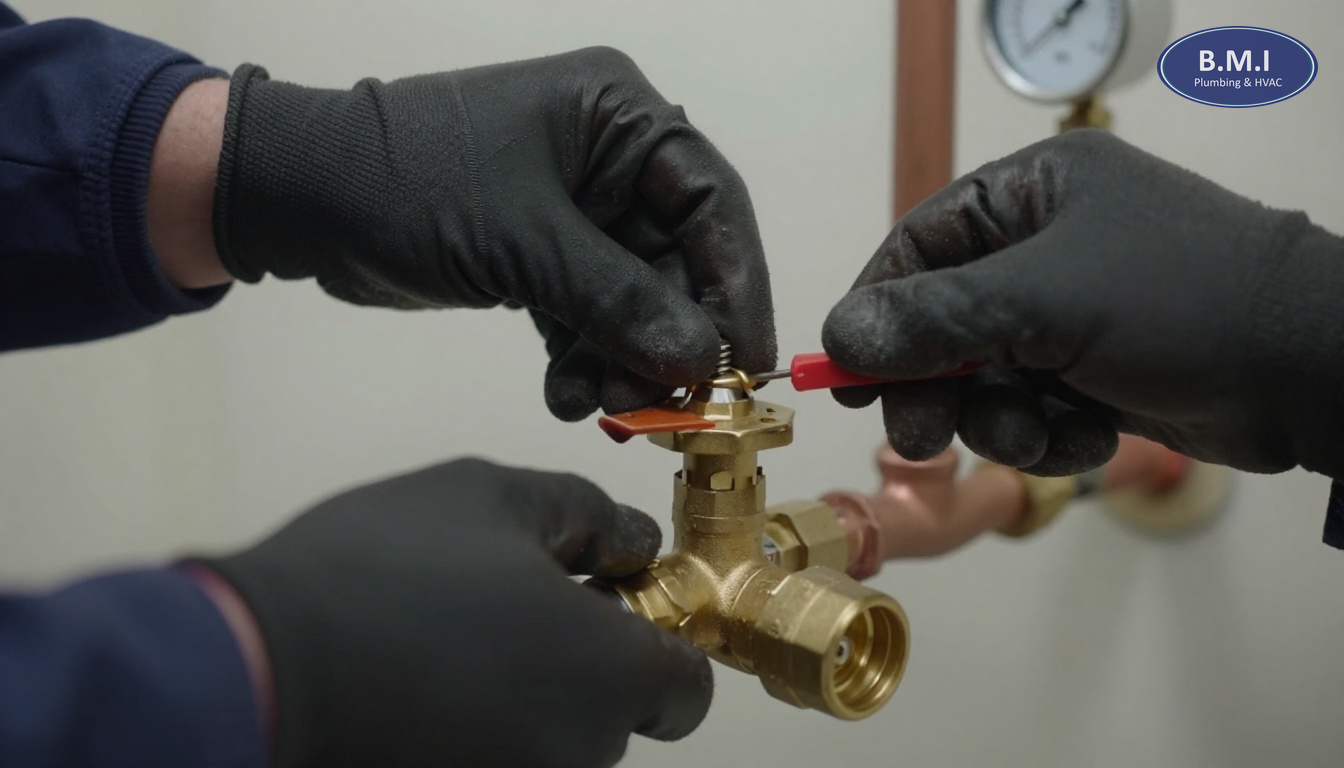
How Pressure Reducing Valves Work in a Toronto High-Rise
Understand pressure reducing valve operation in a condo high-rise, with Toronto cost ranges, failure signs, inspection …
Blocked Mechanical Room Floor Drains in Toronto Condos
A practical guide to floor drain blockage and mechanical room drain issues in Toronto condos: causes, costs, liability, …
Plumbing Vent Condo Problems in Toronto High-Rises
Understand plumbing vent condo and stack venting problems in Toronto high-rises: symptoms, diagnosis, costs, shutdowns …
Need a plumber in your building?
BMI services roughly 200 condominium and multi-residential buildings across Toronto and the GTA. Emergencies are answered at any hour.