
Sectional and Isolation Valve Replacement in Aurora
Sectional and isolation valve replacement in Aurora condos and rentals. Costs, timelines, diagnostics and budgeting guidance for boards and managers.
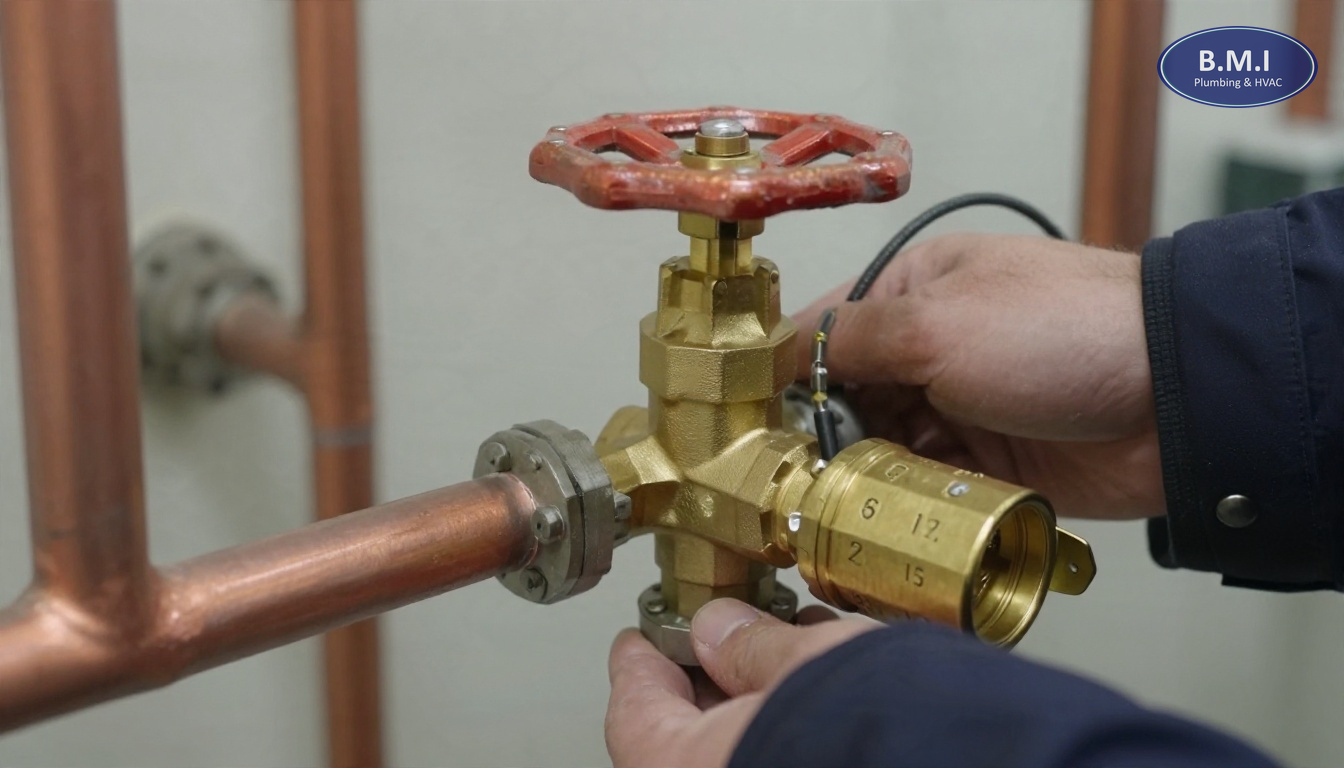
Sectional and Isolation Valve Replacement in Aurora
Quick summary: In Aurora, sectional and isolation valve replacement is often a reliability project, not a cosmetic one. In the town’s older apartment stock and its condominium buildings from the late 1980s through early 2000s, original shutoff valves are now at the age where they fail to hold, seize in place, or start leaking when finally turned during an emergency.
For boards and property managers, the real question is not whether a valve looks old. It is whether the building can isolate a leak, a riser, or a repair area without taking down domestic water to half the property. That has budget, insurance and resident-service consequences.
Why sectional and isolation valve problems show up in Aurora buildings specifically
Aurora is not one uniform building type. Around Yonge Street and the older established parts of town, you still see rental and condominium stock where much of the plumbing infrastructure dates to the original construction era, often with older brass valves on copper domestic water lines and aging gate valves on branch lines and mains. In newer pockets closer to more recent mid-rise development, the valve inventory may be newer, but boards still inherit installation choices that prioritize initial construction cost over easy long-term serviceability.
That matters because valve life is not just about age. It is also about whether the valve has been exercised, whether the building has had stable pressure management, and whether adjacent piping is in good enough condition to survive a shutdown and rebuild. Aurora properties with several additions, phased renovations or repeated suite-level plumbing alterations often end up with incomplete shutoff maps, abandoned isolation points and mixed generations of piping.
In practical terms, BMI often finds three recurring patterns in GTA buildings like those in Aurora:
- Original domestic water sectional valves that have not been operated in years and no longer close tightly
- Isolation valves buried above finished ceilings or in crowded service spaces, making emergency access slow
- Valves serving risers, booster zones or amenity branches that were adequate when installed but are now a weak point whenever adjacent piping requires repair
For boards trying to plan capital work, this usually connects to larger system reliability. A building that is already discussing domestic water riser replacement, full building re-piping or a formal maintenance program for building plumbing systems should also be asking whether its isolation strategy still works.
How valve failure presents in Aurora condominium plumbing
Managers rarely call and say, “we think our sectional valves are at end of life.” What they report is operational pain.
In Aurora condominium plumbing systems, the first sign is often a leak or repair that becomes much larger administratively because the intended shutoff will not hold. A contractor goes to replace a PRV, repair a leaking branch, change a backflow assembly, or isolate one stack for in-suite work, and then discovers the nearest valve passes water or the stem is seized. Suddenly, a minor repair becomes a building-wide shutdown problem.
Other common reports include:
- “We had to shut down more floors than expected to complete one repair”
- “The valve turns, but water keeps feeding the line”
- “The handle broke when someone tried to isolate the branch”
- “The packing started leaking as soon as the valve was operated”
- “No one is certain which valve serves which riser”
In older Aurora properties, especially where valve tags and as-builts were never kept current, the issue is often not one bad valve but a lack of confidence in the entire shutdown sequence. That is a serious operational risk during winter, when domestic water interruptions are harder on residents and any prolonged outage can complicate heating-related service work in mechanical spaces.
A related issue is pressure control. Buildings that have inconsistent or elevated pressure conditions can see faster wear on seats, stems and associated fittings. If your property has recurring fixture complaints or pressure fluctuations, it is worth reviewing pressure reducing valve maintenance and replacement alongside any valve replacement plan.
What diagnosis and inspection should include before Aurora valve replacement
A proper valve replacement project starts with confirming what the valve does, whether it still isolates, and what else may fail when it is touched. That sounds basic, but it is where many rushed projects go wrong.
For an Aurora building, the inspection should usually include:
- A valve inventory. Every target valve should be identified by service, size, approximate age, location and accessibility.
- Isolation testing where feasible. It is not enough to look at a valve body and call it old. The team should verify whether the valve actually holds under operating conditions.
- Assessment of adjacent piping. If corrosion, dezincification, failing unions or brittle joints are present, the scope may need to include more than a simple valve swap.
- Shutdown mapping. The contractor should define which suites, common areas, pumps, make-up lines or equipment are affected.
- Access and reinstatement review. Some Aurora buildings have straightforward mechanical room access; others require opening bulkheads, working above corridor ceilings or coordinating elevator protection and resident notices.
Boards should insist on documentation, not just a verbal recommendation. A formal valve audit and charting program is often the most efficient first step because it turns a vague reliability concern into a list that can be phased over one or more budget cycles.
Where there is doubt about system condition, related diagnostics may include camera pipe inspection on nearby drainage infrastructure or review of other weak points such as aging section valves, strainers and balancing components. On larger jobs, the ability to tie valve work into broader project solutions for condominium plumbing systems can save repeated shutdown costs.
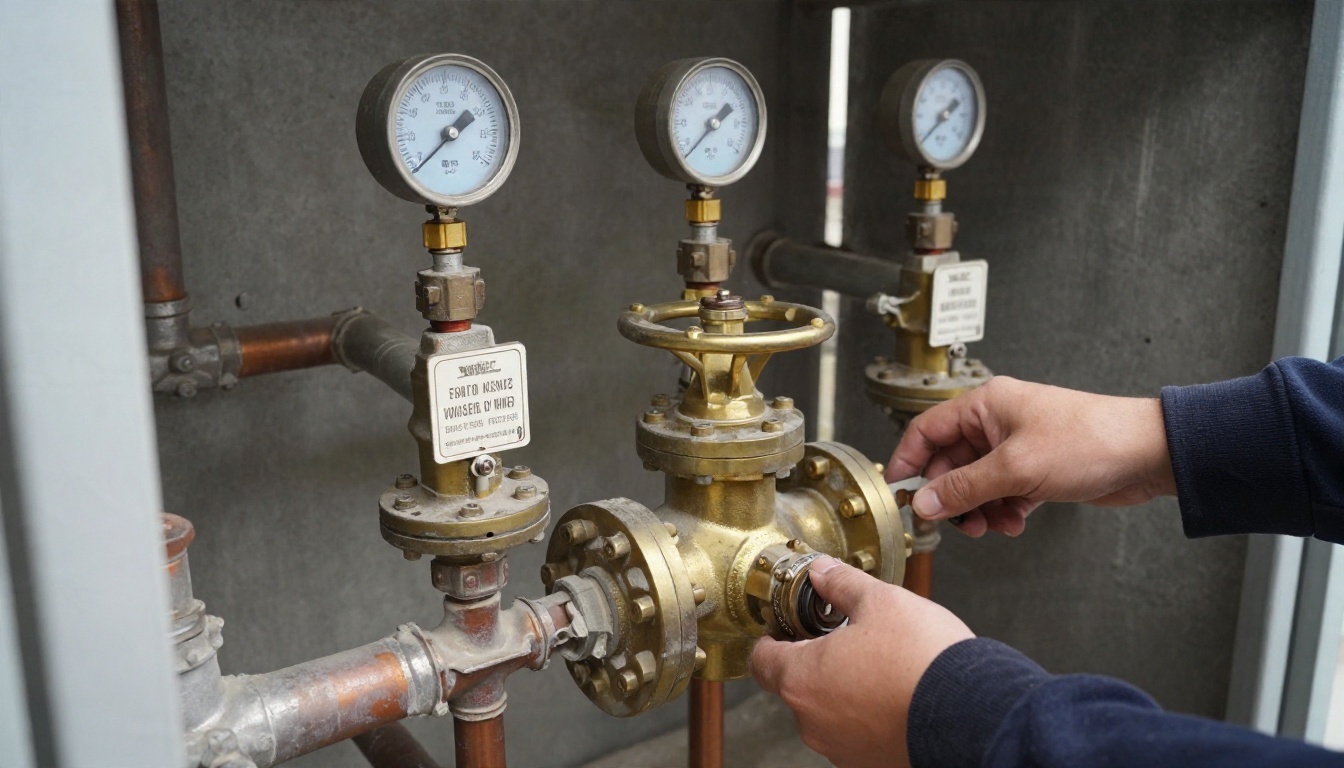
A representative Aurora valve replacement project
A representative example would be a mid-rise condominium from the late 1990s in Aurora, near the Yonge Street corridor. The building had about 90 suites over 8 storeys and was experiencing repeated difficulty isolating domestic cold-water branches for routine in-suite repairs. What started the investigation was a leak behind a suite wall that should have required a local branch shutdown but instead forced a much wider domestic water interruption because the intended sectional valve passed significantly.
BMI’s initial site review found that several original brass and iron shutoff valves in the domestic water distribution had either seized or would not fully seat. Two valves in the ceiling space above a service corridor had limited clearance, and one mechanical room valve showed packing leakage when exercised. The building team also had incomplete records of which valves served specific risers after past alterations.
The first step was controlled testing and mapping. Once the shutdown sequence was confirmed, the project scope was set at replacing six critical valves: two larger sectional valves on domestic mains, three branch isolation valves serving risers, and one mechanical room isolation valve associated with ancillary equipment. Because one ceiling section had to be opened, the work was coordinated during a planned daytime outage with advance resident notice.
The field work took two working days, with water interruption concentrated into one primary shutdown window and one shorter follow-up period for verification. New full-port isolation valves were installed with updated tags and a revised valve schedule for site records. The rough project cost was in the mid five figures, driven less by the valve count than by access, shutdown planning and rebuilding short sections of adjacent corroded piping to create reliable tie-in points.
The result was not just six new valves. The building regained the ability to isolate future repairs by area instead of by large building section, which reduced risk for every subsequent plumbing call, including in-suite plumbing repairs, toilet and faucet repairs and emergency leak response.
Costs and timelines for sectional valve replacement in Aurora
For budgeting purposes only, sectional and isolation valve replacement in Aurora usually falls into a few broad ranges.
Small accessible branch isolation valves in mechanical rooms or open service spaces may budget from roughly $800 to $2,500 per valve where shutdown is simple and adjacent piping is sound.
Mid-sized valves on domestic branches or risers often budget in the range of $2,000 to $6,000 per valve, especially when work includes draining, rebuilding nearby copper, replacing supports, or opening and reinstating access panels or ceilings.
Larger sectional valves on mains or critical building zones can run from $5,000 to $15,000+ per valve depending on size, service, access, outage planning, after-hours requirements and whether temporary measures are needed.
For a small group of high-priority valves in one Aurora condominium, a realistic project budget might be $15,000 to $60,000. A broader phased program across multiple risers, mechanical rooms and amenity areas can move into six figures.
Timelines also vary by access and planning more than by wrench time alone:
- Assessment and scope development: 1 to 3 weeks
- Resident notices, material coordination and shutdown planning: 1 to 4 weeks
- Typical field installation: 1 to 5 days depending on valve count and building complexity
- Documentation and closeout: a few days after completion
Fall is often the best planning window in Aurora because boards are assembling next-year budgets, and buildings want confidence in their shutoff strategy before winter. It is also a good time to combine projects where possible, such as sectional and isolation valve replacement with backflow prevention testing and certification or PRV service.
Repair versus replacement in Aurora: a practical decision framework
Not every valve that looks old must be replaced immediately. But boards should be careful about spending money to “repair” the wrong thing.
For many older shutoff valves in Aurora buildings, especially gate valves that have sat untouched for years, repair is often a short-lived answer. Repacking a stem or replacing an operator does not restore a damaged seat or solve body corrosion. If a valve cannot be trusted to isolate during a real event, its operational value is already gone.
Replacement is usually the better choice when:
- The valve fails a live shutoff test
- The valve leaks from packing or body joints after operation
- The valve is part of a critical shutdown path for risers, mains or life-safety-related building operation
- Access costs are high enough that repeating the shutdown later would be wasteful
- Adjacent piping work is already planned, creating an efficient replacement window
A scheduled program is also usually better than reactive replacement. If the board knows several original valves are suspect, grouping the work reduces notice fatigue, repeated drain-downs and repeated contractor mobilization. It can also be paired with completed capital plumbing project planning examples to help frame the reserve discussion.
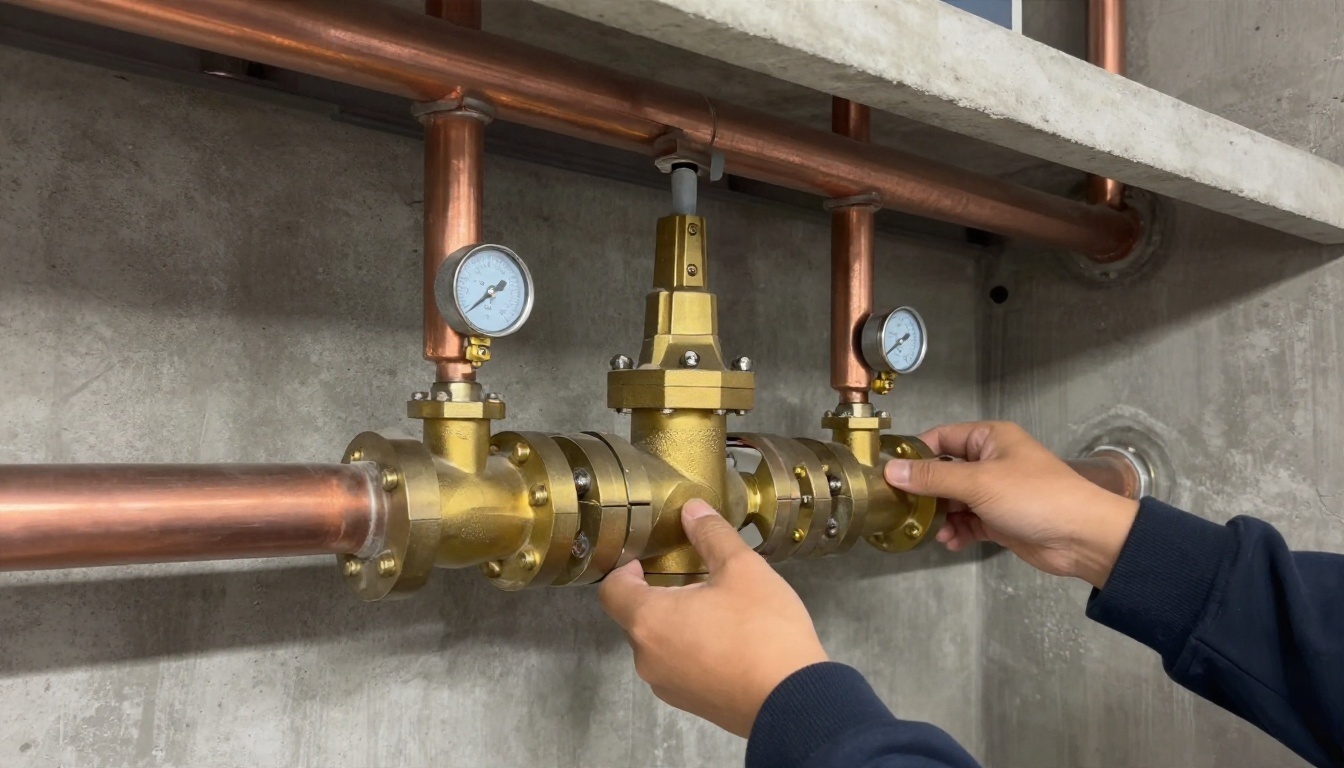
What deferring valve replacement costs an Aurora board
Deferral has a way of showing up in places that do not look like line items in the plumbing budget.
The first cost is outage scope. A failed local shutoff turns a contained repair into a broad water interruption affecting more residents, more notices and more staff time. In a condominium, that means more complaints, more elevator usage for access, more after-hours coordination and a higher chance of chargeback disputes when suite work cannot proceed as planned.
The second cost is emergency escalation. If a leak cannot be isolated locally, the building may need 24/7 emergency leak response and a larger shutdown under pressure. Emergency work is inherently less efficient than a planned project.
The third cost is reserve and insurance pressure. Reserve fund studies under the Condominium Act framework are meant to identify predictable common-element spending. A building that repeatedly treats aging valves as one-off emergencies often ends up with poor spending visibility and a weaker capital plan. Insurers also pay attention to water-loss history, and while valve age alone is not the whole story, inability to isolate leaks quickly can worsen claim severity.
There is also the hidden cost of deferred maintenance on connected systems. If building staff avoid operating suspect valves, they may postpone needed work on PRVs, booster components, strainers or branch piping. Over time, that compounds risk across the system. In many buildings, a sensible path is to fold valve work into a broader review of all plumbing repairs and service needs and capital priorities.
FAQs about sectional and isolation valve replacement in Aurora
When should an Aurora condominium replace sectional or isolation valves instead of repairing them?
In most multi-residential buildings, replacement becomes the practical choice when valves no longer fully shut off, packing leaks recur, handles or gear operators are seized, or the body shows corrosion and mineral buildup around the bonnet. In Aurora buildings from the 1980s through early 2000s, many original domestic water and hydronic isolation valves are now at an age where exercising them during an emergency creates more risk than confidence. A planned replacement program is usually safer and less disruptive than finding out during a leak that a branch or riser cannot be isolated.
What evidence should a property manager in Aurora ask for before approving valve replacement?
Ask for a valve schedule showing location, size, service, current condition and whether the valve held on a live isolation test. Good documentation also includes photos, notes on access constraints in the mechanical room or ceiling spaces, and identification of upstream and downstream shutdown impacts. If the work is tied to a broader reliability issue, a valve audit and charting program is the best starting point because it gives the board a defensible basis for phasing and budgeting.
How much does valve replacement in Aurora usually cost?
For budgeting only, a small accessible domestic water isolation valve may fall in the low hundreds to low thousands per valve, while larger sectional valves on mains or risers often land in the low thousands to several thousands depending on size, material, access and shutdown complexity. Projects become more expensive when ceilings must be opened, temporary water service plans are required, or corroded adjacent piping has to be rebuilt to accept a new valve. In Aurora high-rise and mid-rise buildings, most boards should expect pricing to vary more by access and outage planning than by the valve itself.
Can sectional valve replacement in Aurora be done without shutting down the whole building?
Sometimes yes, but not always. If the existing valve map is accurate and enough upstream and downstream isolation points still function, a contractor can often confine the outage to one riser, one amenity stack or one domestic water zone. In older Aurora buildings where valves have not been exercised for years, the first challenge is often proving that local isolation is actually possible, which is why pre-project testing matters.
Why is fall a good time for valve replacement planning in Aurora?
Fall lines up with budget season, reserve fund planning and the need to verify building shutoffs before winter pressure swings and holiday occupancy. It is also a practical time to coordinate valve work with pressure reducing valve maintenance and replacement, kitchen stack cleaning or other maintenance that may require planned access and notices. Boards that wait until mid-winter often end up approving emergency work under worse conditions and with fewer scheduling options.
Do Aurora condominium valve projects have to be done by a licensed plumber?
Yes. In Ontario, plumbing work on domestic water systems in condominium and apartment buildings should be performed by a licensed plumber, and the work must comply with the Ontario Building Code and the building’s operating constraints. For boards and managers, the practical issue is not just code compliance but also having proper shutdown planning, resident notice procedures, commissioning and documentation after the new valves are installed.
Next steps for Aurora boards and property managers
If your Aurora building has valves that are untested, unlabelled or known not to hold, the best next step is not waiting for the next leak. Start with a documented review of critical shutoffs, identify which valves are part of the building’s real emergency sequence, and separate immediate replacements from longer-term reserve items.
For many properties, the smartest approach is phased: confirm the valve map, replace the highest-risk isolation points first, and align the rest with related mechanical work or upcoming capital projects. BMI serves Aurora and the surrounding GTA from its Toronto shop and works primarily in condominium and multi-residential buildings where shutdown planning, resident communication and building logistics matter as much as the pipefitting itself.
If you need budgeting input, a site review, or an opinion on whether valve replacement should be bundled with other plumbing work, start with BMI’s contact page or review the wider BMI plumbing blog for related building-system topics.
Contact BMI
- Contact BMI
- Phone: (416) 845-3756
- Emergency: (416) 845-3756, answered 24 hours a day
- Email: info@brial.ca
More on condominium plumbing
Kitec and Uponor Pipe Replacement in Aurora Condos
Kitec and Uponor pipe replacement in Aurora condos and rentals. Local guidance on failures, investigation, budgeting and …
Domestic Water Riser Replacement in Aurora Condos
Domestic water riser replacement in Aurora condos: how to assess aging piping, budget the work, and plan a phased …
Floor Drains and Trap Primers in Aurora Condos
Floor drain and trap primer service in Aurora condos. Diagnose sewer gas smell, dry traps and failed primers in garages, …
Need a plumber in your building?
BMI services roughly 200 condominium and multi-residential buildings across Toronto and the GTA. Emergencies are answered at any hour.