Sectional and Isolation Valve Replacement in Burlington
Sectional and isolation valve replacement in Burlington condos and apartments. Costs, timelines, diagnostics and planning for boards and managers.
Sectional and Isolation Valve Replacement in Burlington
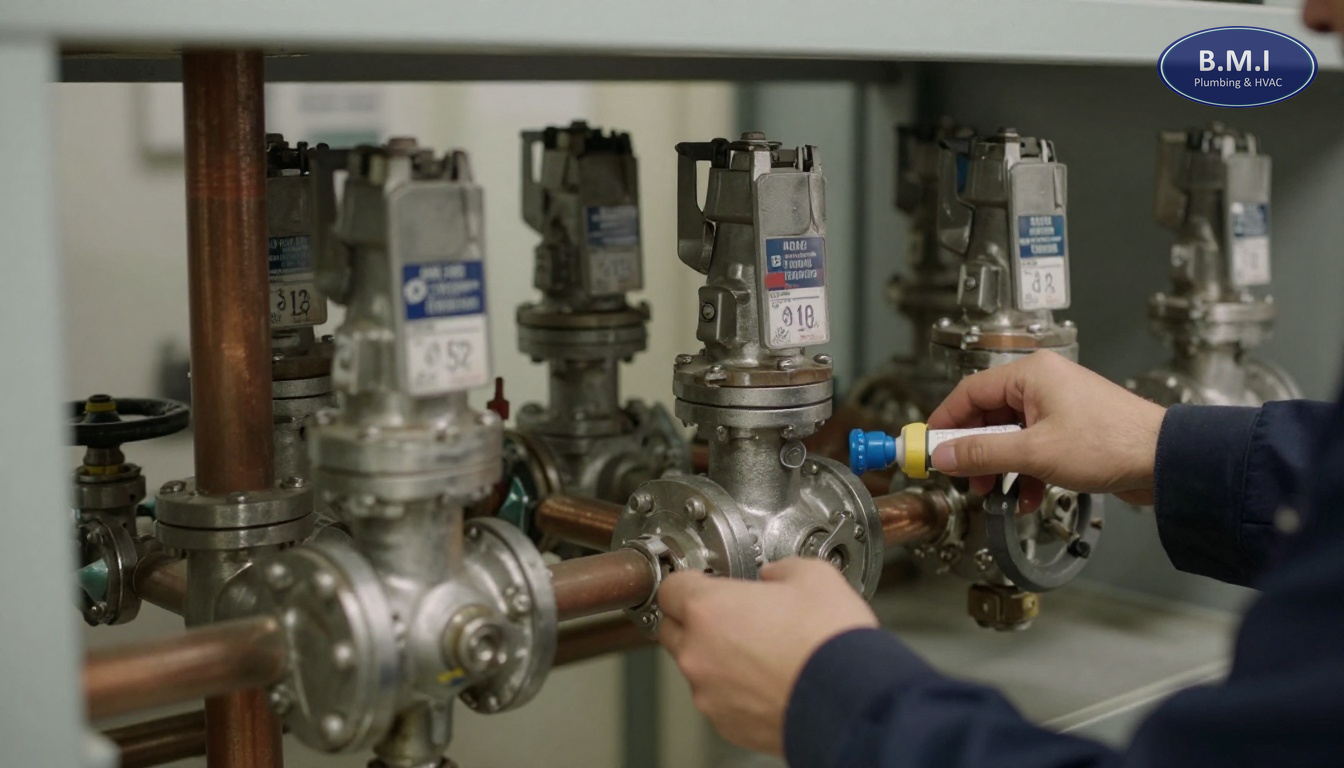
Quick summary: In Burlington condominium and apartment buildings, sectional and isolation valves often fail quietly until a leak, riser repair or suite shutdown proves they no longer hold. For boards and property managers, valve replacement is less about one fitting and more about restoring control over the plumbing system so repairs can be done without taking down half the building.
If you manage a Burlington property, the local building stock matters. A rental tower near Guelph Line is not the same plumbing environment as a newer mid-rise near Appleby Line or a waterfront condominium closer to downtown. The age of the building, the original valve materials, the layout of domestic water risers and the accessibility of service shafts all determine what a valve replacement program will actually involve.
Why sectional valve problems show up in Burlington buildings specifically
Burlington has a mix of older apartment and condominium stock built in different waves, and each wave tends to have its own valve issues. In older high-rise rentals and condos from the 1970s and early 1980s, it is common to find original domestic water valves that have not been exercised consistently for years. Some are gate valves that appear open but have degraded internals, or no longer fully close when needed. In those buildings, narrow service rooms, older shaft layouts and aging copper or galvanized components can turn a simple isolation into a larger project.
Buildings from the late 1980s through early 2000s, including many along the Fairview corridor and in the areas around Upper Middle Road, often have more sectionalization than the earlier stock, but the original valves are now at an age where stems seize, packing leaks start, and shutoff performance becomes unreliable. These are also the buildings where boards are now seeing more planned domestic water work, whether that is pressure reducing valve maintenance and replacement, localized domestic water riser replacement, or broader sectional and isolation valve replacement.
Newer Burlington mid-rises and taller glass buildings generally have better original segmentation, but “newer” does not mean exempt. Valves can still be poorly accessible above ceilings, behind millwork, or inside crowded mechanical rooms. In some cases the issue is not age alone but that the valves were rarely operated after turnover, so the first real test comes during a leak response.
Municipally, Burlington’s water servicing context matters because pressure conditions vary by building elevation and by where the building sits within the local distribution system. That is one reason valve planning should be tied to broader system review, including backflow prevention testing and certification where premise isolation applies, and to a check of whether existing PRVs and isolation points are still doing what the building depends on them to do.
For boards in budget season, this is also the time of year when valve work often gets moved from “maintenance nuisance” into capital planning. A failed shutoff in November is a much bigger operational problem than the same issue discovered and addressed in a controlled summer shutdown.
How valve failure presents in Burlington condos and rentals
Managers rarely get a complaint that says, “your sectional valve has failed.” What they hear instead is operational fallout. A contractor comes to replace a leaking fixture branch or riser component and cannot isolate the affected area. A domestic hot water repair requires a larger shutdown than planned. A suite stack leak turns into an all-day interruption because the floor valve passes water.
In Burlington buildings, common reports include:
- a shutoff that turns but does not stop flow
- a valve that is frozen in place and cannot be safely exercised
- leakage from the packing nut or stem area during operation
- a planned suite repair that unexpectedly affects an entire line of units
- repeated need to drain large sections of piping because local isolation is gone
- resident complaints about long outages for otherwise modest plumbing repairs
This is especially disruptive in occupied condominium towers where resident communication matters. In older stock, managers may also find that valve identification is poor or outdated. The valve chart from turnover no longer matches renovations, shaft modifications or prior emergency work. That is where a proper valve audit, charting and exercise program becomes more than an administrative exercise. It is the groundwork for any realistic replacement plan.
Valve failures also tend to reveal other deferred issues. During a shutdown attempt, a team may find undersized drain points, inoperative balancing valves, missing identification, or signs that thermal movement has been stressing nearby piping. On some domestic hot water systems, it also makes sense to evaluate adjacent components such as expansion compensator replacement while the system is already open.
What diagnosis and inspection should include before valve replacement in Burlington
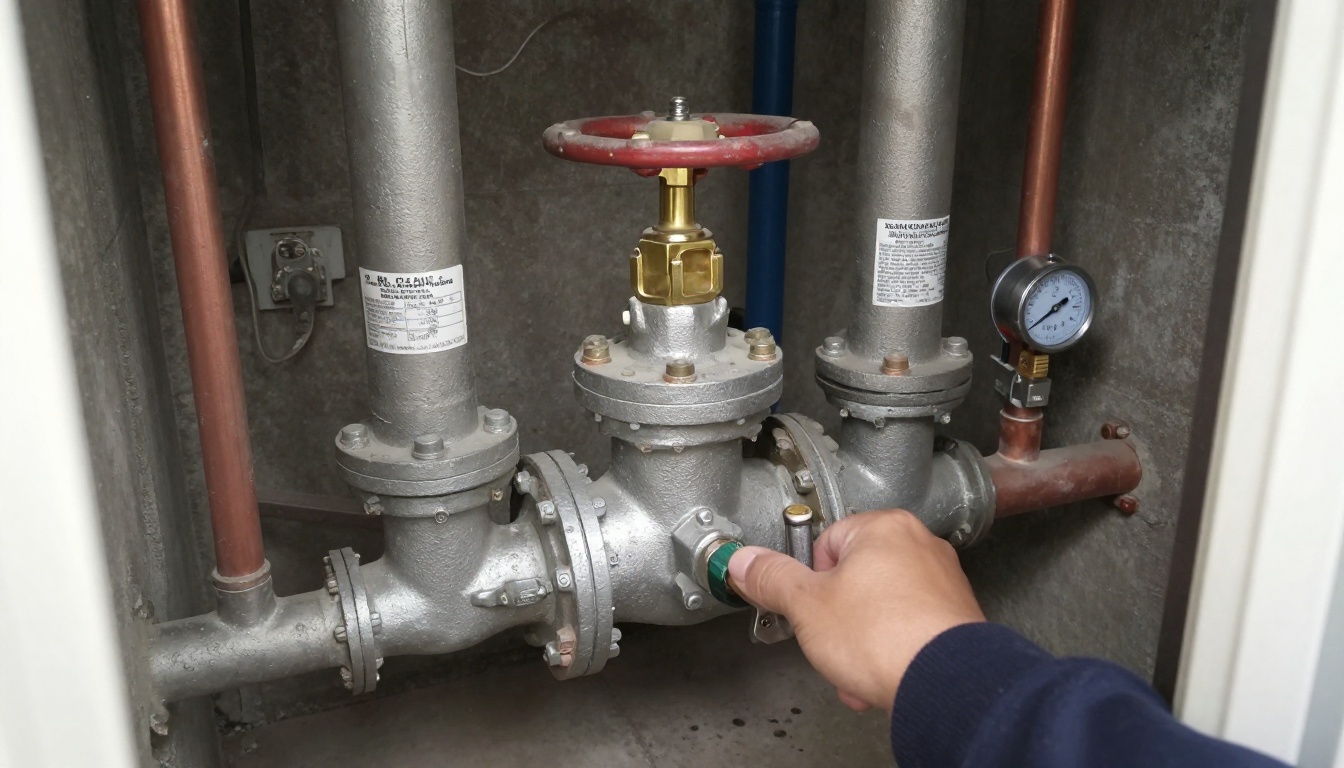
A proper Burlington valve replacement project should start with field verification, not assumptions. Drawings help, but in many occupied buildings the as-built condition has drifted from the original design. Before a board approves a capital scope, the inspection should confirm what each valve actually isolates and whether it still holds under live conditions.
That usually includes:
- locating and tagging each candidate valve
- recording service, size, material and accessibility
- testing operability where it can be done safely
- confirming downstream pressure drop or flow stoppage during isolation tests
- photographing condition issues such as corrosion, stem leakage or missing handles
- mapping affected suites, common areas and equipment for each shutdown zone
For some Burlington properties, especially older towers with uncertain records, camera pipe inspection may be useful on related drain work happening at the same time, but valve assessment itself is mostly a matter of mechanical verification and controlled shutdown planning.
A strong report should not just say “replace valves.” It should separate critical valves from desirable ones. For example, a building may have main domestic cold water sectional valves that are high priority because they affect emergency response, while some local branch valves can wait for a later phase. It should also identify where ceiling openings, wall access, insulation removal, firestopping reinstatement and after-hours water shutdowns will add cost.
In Burlington multi-residential buildings, insist on evidence that the contractor has considered resident logistics. Can work be done during standard weekday hours, or do some shutdowns need evenings? Are loading and material staging realistic? Is elevator booking required for moving valves, chain falls, pumps and protection materials? These are ordinary questions in occupied towers, but they have direct cost and schedule implications.
You should also ask whether valve replacement is being coordinated with other overdue plumbing work, such as kitchen stack cleaning, drain cleaning and snaking, or larger building re-piping in buildings where multiple systems are aging together.
A representative Burlington valve replacement project
A representative project was a 17-storey condominium from the mid-1990s in Burlington, in the broad area between Fairview Street and the QEW. Management’s immediate issue was not an active flood but repeated difficulty isolating domestic water branches for in-suite repairs. Over roughly eighteen months, three separate service calls had expanded from local shutoffs into larger floor or riser interruptions because original sectional valves would not fully close.
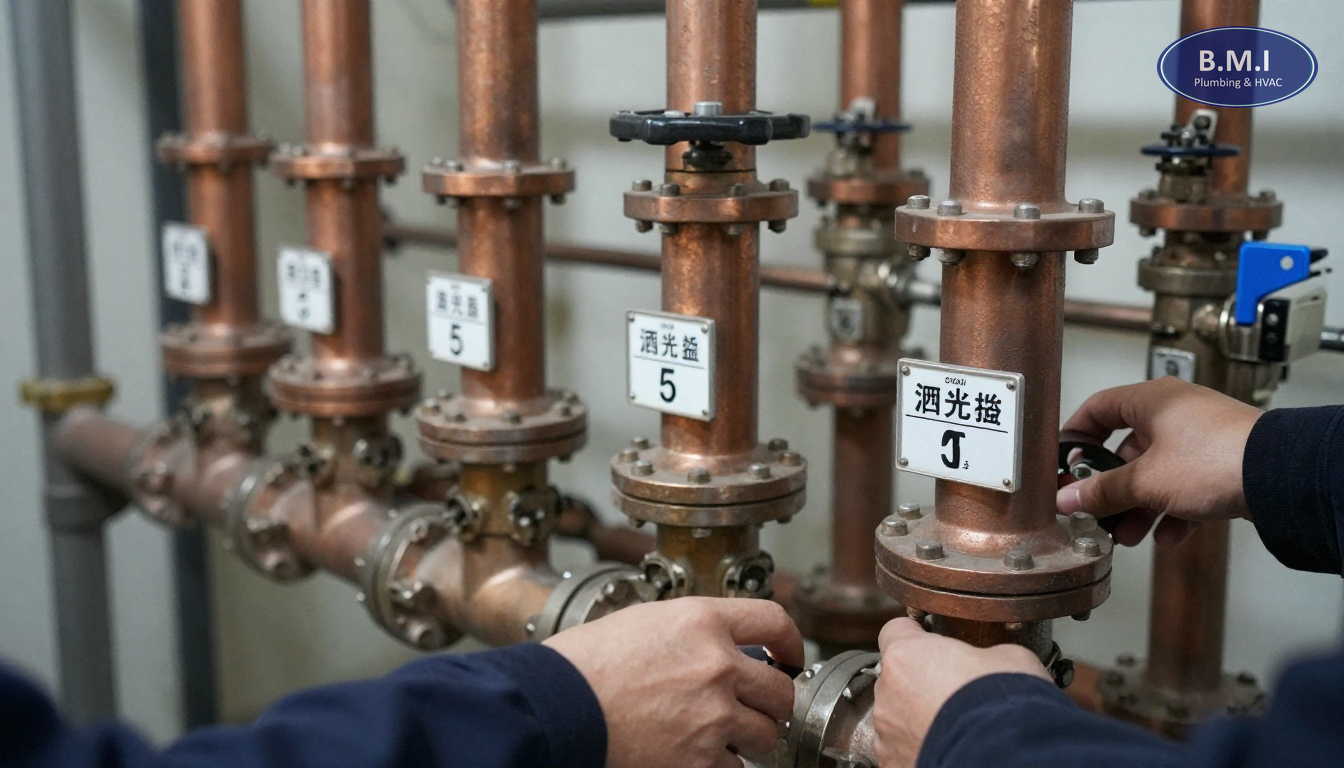
The building had copper domestic water distribution, a mix of mechanical room valves and floor branch isolation points, and limited access above corridor ceilings. Several valves were original gate valves; others had been changed piecemeal over the years, leaving inconsistent tagging and no reliable current valve schedule.
The first step was a controlled audit of the suspect isolation points. Each accessible valve was tagged, photographed and tested during pre-arranged shutdown windows. The audit found that 9 of 22 critical valves either seized, leaked at the stem when operated, or passed enough water that downstream work could not be done safely. Two additional valves were technically operable but in poor enough condition that leaving them in service would likely have created another avoidable shutdown within a year or two.
The approved scope covered replacement of 11 domestic water sectional and isolation valves over two planned shutdown days, plus one evening contingency window. The work included draining affected zones, removing sections of aged copper to accommodate new full-port isolation valves, reinstalling insulation, re-tagging the system and updating the valve chart. Because corridor ceiling access was tight, some openings required careful reinstatement and firestopping review after the piping work was complete.
Total site duration was about one week including mobilization, protection, shutdown work, testing and closeout, though resident water interruptions were limited to the scheduled windows. The rough project cost was in the range of $32,000 to $48,000 plus tax, driven mainly by access conditions, shutdown coordination and the number of valves. The building’s main benefit was not cosmetic. It regained dependable isolation for future repairs, which reduced risk on every subsequent plumbing call.
Costs and timelines for sectional valve replacement in Burlington
Costs in Burlington vary widely because valve replacement is access-driven as much as material-driven. The valve itself is often one of the smaller line items. Labour, draining, reinstatement, resident communication, after-hours work and contingency planning are what move budgets.
As broad GTA market estimates for multi-residential buildings in 2026:
- small accessible isolation valve replacement: roughly $800 to $2,000 per valve
- medium branch or floor sectional valve with moderate access work: roughly $2,000 to $5,000 per valve
- larger mechanical room or riser-zone valve replacement: often $3,500 to $9,000 or more per valve
- phased building program with multiple shutdowns and reinstatement: commonly $20,000 to $150,000+
Those are planning ranges, not quoted prices. Burlington buildings with difficult ceiling access, asbestos-related constraints, poor drainage points, limited shutdown windows or extensive firestopping reinstatement can land above the midpoint quickly.
Timelines are usually shorter than boards expect for the physical replacement, and longer than they expect for preparation. A modest valve package might involve:
- 1 to 3 weeks for site review, scoping and shutdown planning
- 1 to 2 weeks for resident notice, material coordination and access arrangements
- 1 to 5 working days for on-site replacement depending on count and complexity
- several days for follow-up charting, deficiency correction and closeout documentation
Fall is often the right time to get numbers to the board because valve work can be combined with other mechanical planning before winter. If a Burlington building is already reviewing all maintenance programs or broader capital project work, valve replacement should be part of that conversation rather than treated in isolation.
Repair versus replacement: a practical decision framework for Burlington boards
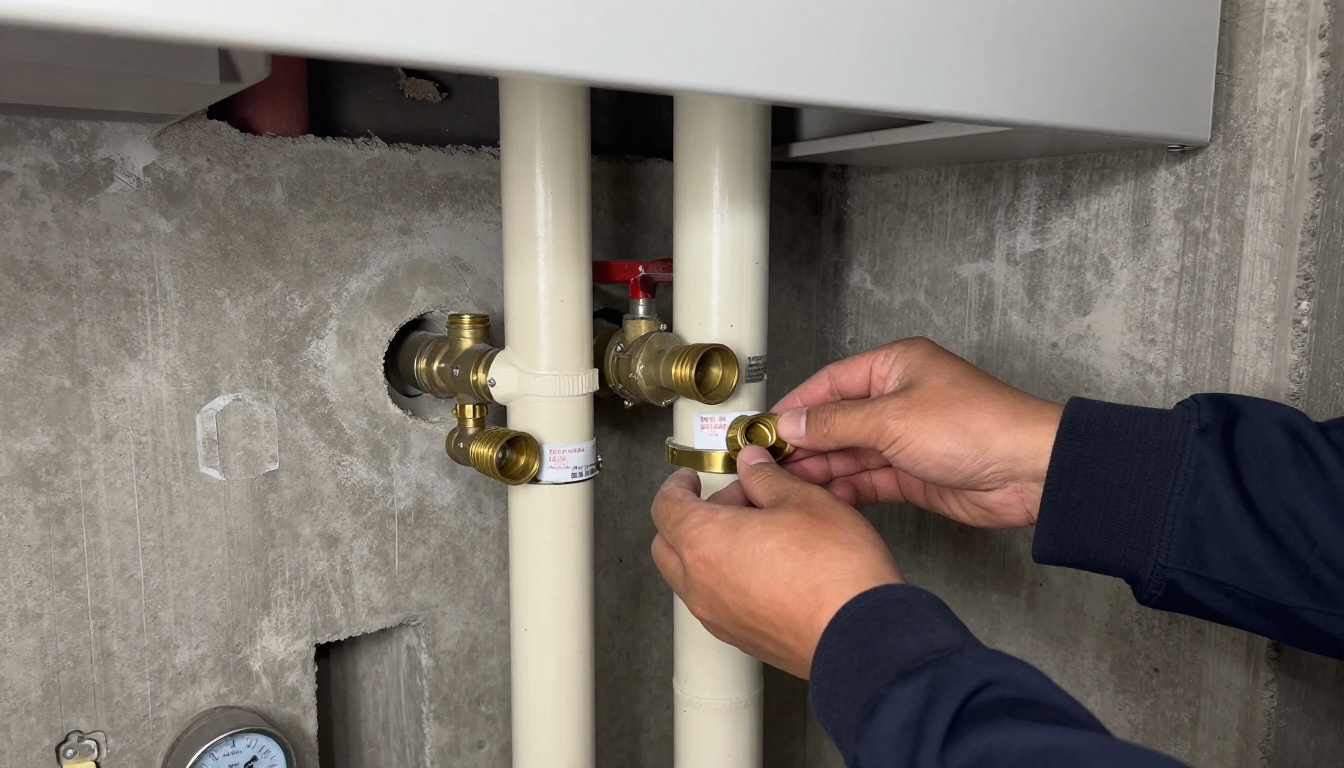
Not every aging valve needs immediate replacement, but boards need a rational framework. In practice, the decision turns on five questions.
First, does the valve isolate fully under real conditions. If not, it has already failed its main purpose.
Second, how critical is that valve to future service work. A bad valve on a minor branch is inconvenient. A bad valve serving a riser zone or a domestic hot water branch can multiply the impact of every repair.
Third, what is the access cost now versus later. If ceilings are already open for another project, or if a mechanical room shutdown is already planned, replacing adjacent valves at the same time is usually more efficient.
Fourth, is the building seeing a pattern. Once multiple original valves of the same vintage start failing, one-off replacement often becomes false economy.
Fifth, what is the resident and insurance risk if the next emergency cannot be isolated quickly. That risk should be discussed in the same plain terms as any reserve fund priority.
For Burlington buildings with broad age-related plumbing issues, valve replacement may be the first phase of a larger reliability program that later includes full building re-piping, selective Kitec and Uponor removal and replacement, or focused riser work. For others, a targeted replacement of critical shutoffs is enough to restore control and buy time.
What deferring valve replacement costs a Burlington building
The immediate cost of deferral is operational. Every time a valve fails to isolate, a simple repair becomes a larger shutdown. That means more staff time, more resident complaints, more after-hours work and a greater chance that emergency service is needed. If a leak cannot be contained quickly, the cost of restoration can exceed the cost of planned valve replacement many times over.
There is also an insurance dimension. Insurers and adjusters look closely at preventable water damage and at whether the corporation acted reasonably once recurring failures became known. No one can promise coverage outcomes, but a documented maintenance and replacement plan puts the board in a much stronger position than repeated reactive calls with no broader corrective program.
From a governance standpoint, valve issues belong in reserve and capital discussions once they become systemic. Under the Condominium Act framework, boards are expected to maintain common elements prudently. If shutoff reliability is deteriorating across the system, it is not just a service nuisance. It is an asset management issue. Where access through suites or alterations are involved, section 98 considerations may also come into play depending on prior owner modifications and who altered what.
Deferral also affects chargebacks and resident relations. When a localized issue turns into a broad interruption because the common-element shutoff does not work, the corporation carries the operational burden. Planned replacement gives management more control over notice periods, protection protocols and contractor sequencing. When urgent response is needed, 24/7 emergency leak response remains essential, but it is not a substitute for restoring basic sectionalization.
FAQs about valve replacement in Burlington
When should a Burlington condo replace sectional or isolation valves instead of repairing them?
If a valve will not fully close, passes water during an isolation test, has a seized stem, or shows active corrosion at the body or packing, replacement is usually the practical choice. In many Burlington buildings from the late 1980s through early 2000s, the issue is not one bad valve but a group of original valves that have reached the same age and wear point, so a phased replacement program makes more sense than repeated emergency work.
How much does valve replacement cost in Burlington multi-residential buildings?
For budgeting purposes, small accessible branch or suite isolation valve replacements may start in the high hundreds to low thousands per valve, while larger sectional valves in mechanical rooms or riser zones often run from a few thousand to several thousand dollars each once shutdowns, access, drainage, reinstatement and after-hours coordination are included. Full floor-by-floor or riser-zone programs in Burlington can range from tens of thousands into six figures depending on valve size, count, material, access and whether domestic hot water recirculation or fire separation work is affected.
Can valve replacement in Burlington be done without shutting down the whole building?
Sometimes yes, but only if the existing valve map is accurate and enough upstream and downstream isolation points still hold. In older Burlington stock, one of the biggest problems is discovering during the shutdown that a supposedly redundant valve also leaks through, which is why a proper valve audit and live isolation test before tendering the work is so important.
What evidence should a property manager ask for before approving a valve replacement project in Burlington?
Ask for a valve schedule showing tag numbers, location, size, service and current condition, along with photos and the result of each isolation test. For Burlington buildings, a good report should also identify which suites or amenity areas are affected by each shutdown, whether replacement can be phased, and whether related work such as pressure reducing valve maintenance or domestic riser upgrades should be priced at the same time.
Does Burlington valve replacement affect reserve fund planning?
Yes. Sectional and isolation valves are building assets with a predictable service life, and once failures become frequent they should be discussed with the engineer responsible for reserve fund study updates rather than treated only as ad hoc repairs. A planned program gives the board better control over shutdown timing, resident notice periods and contractor access than waiting for an emergency leak or a failed isolation during another repair.
Why are valve issues often discovered in Burlington during fall and winter planning?
Fall is when many Burlington boards are preparing budgets, scheduling intrusive work before year-end and checking systems before winter pressure and temperature swings. It is also when managers often line up kitchen stack cleaning, PRV checks and mechanical room maintenance, and those shutdowns tend to reveal which original sectional valves still operate and which ones no longer do.
Next steps for Burlington property managers and boards
If your Burlington building has had even one recent repair complicated by a failed shutoff, it is worth treating that as a system warning rather than a one-off inconvenience. Start with a current valve map, a list of known failures, and a priority ranking of the valves that matter most to emergency response and routine service. If the building has not had a recent review, combine valve assessment with other overdue plumbing items so the board sees the full picture.
The goal is simple: restore reliable isolation so future work can be smaller, safer and more predictable. That may mean a focused replacement of critical valves, or it may mean a phased capital plan tied to larger plumbing renewal. BMI serves Burlington and the surrounding GTA from its Toronto shop and can help boards and managers assess where valve replacement fits within the building’s broader plumbing strategy. You can also review completed projects and building references or browse the BMI blog for related multi-residential plumbing topics.
Contact BMI
- Contact BMI
- Phone: (416) 845-3756
- Emergency: (416) 845-3756, answered 24 hours a day
- Email: info@brial.ca
More on condominium plumbing
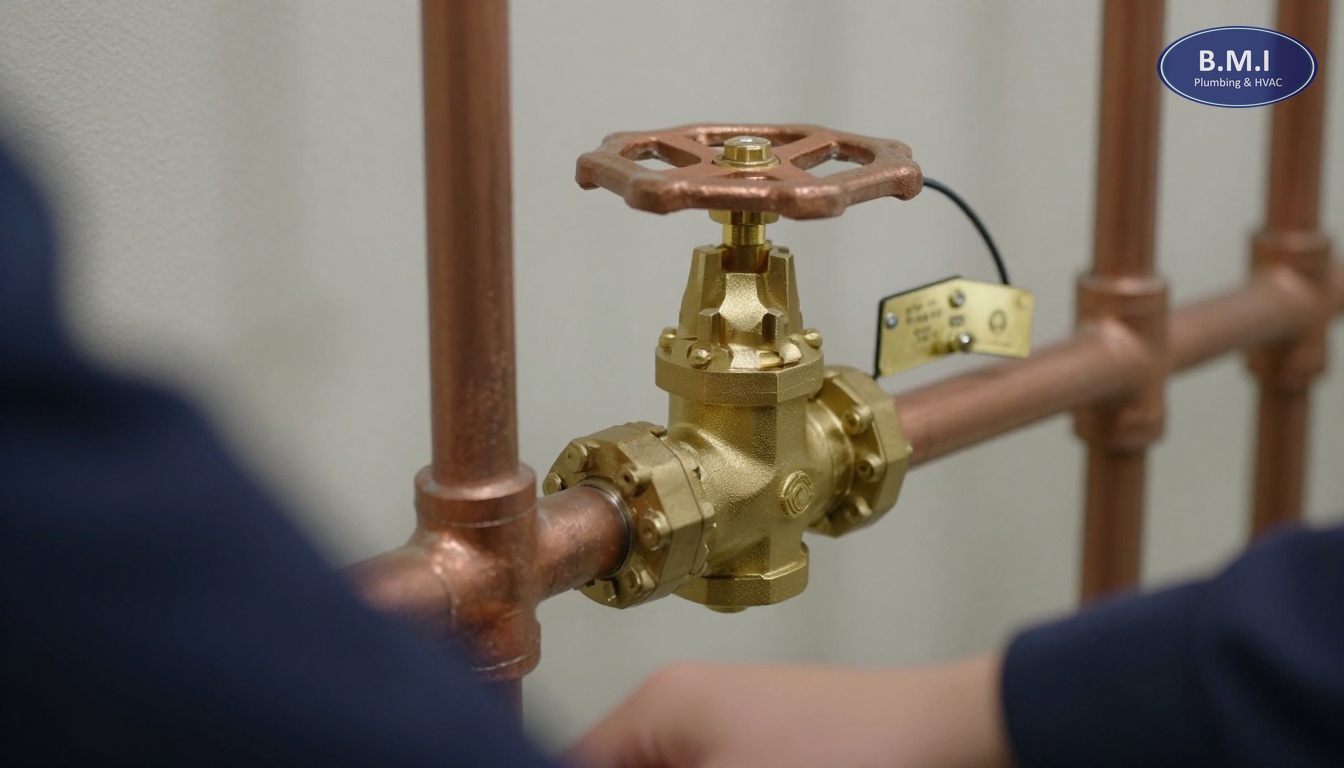
Sectional and Isolation Valve Replacement Toronto
Sectional and isolation valve replacement in Toronto condos: how to diagnose failing shutoffs, budget work, and reduce …
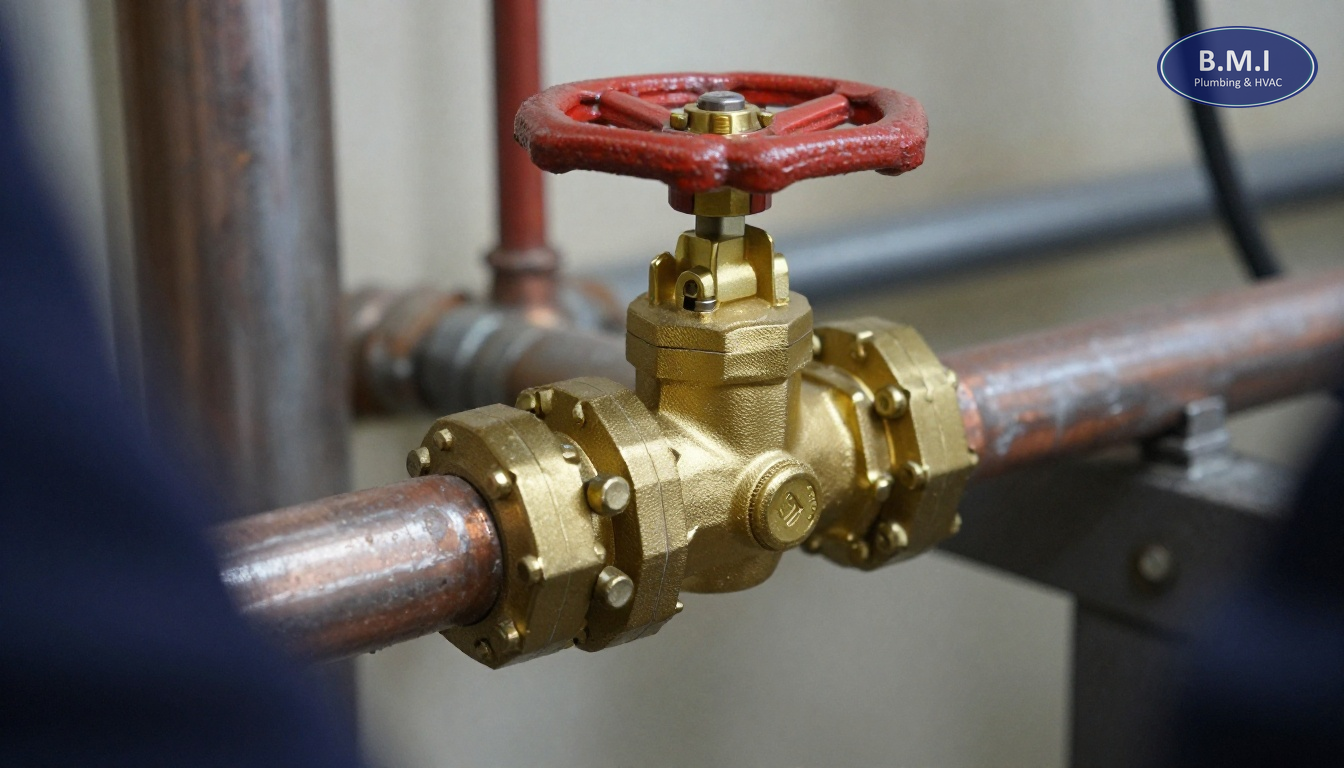
Sectional and Isolation Valve Replacement in Oshawa
Sectional and isolation valve replacement in Oshawa condo buildings. Costs, timelines, diagnosis and planning for boards …
Sectional and Isolation Valve Replacement in Oakville
Sectional and isolation valve replacement in Oakville condos: costs, timelines, diagnosis and planning for safer …
Need a plumber in your building?
BMI services roughly 200 condominium and multi-residential buildings across Toronto and the GTA. Emergencies are answered at any hour.