Sectional and Isolation Valve Replacement in Etobicoke
Sectional and isolation valve replacement in Etobicoke condos. Costs, timelines, diagnosis, and planning guidance for boards and property managers.
Sectional and Isolation Valve Replacement in Etobicoke
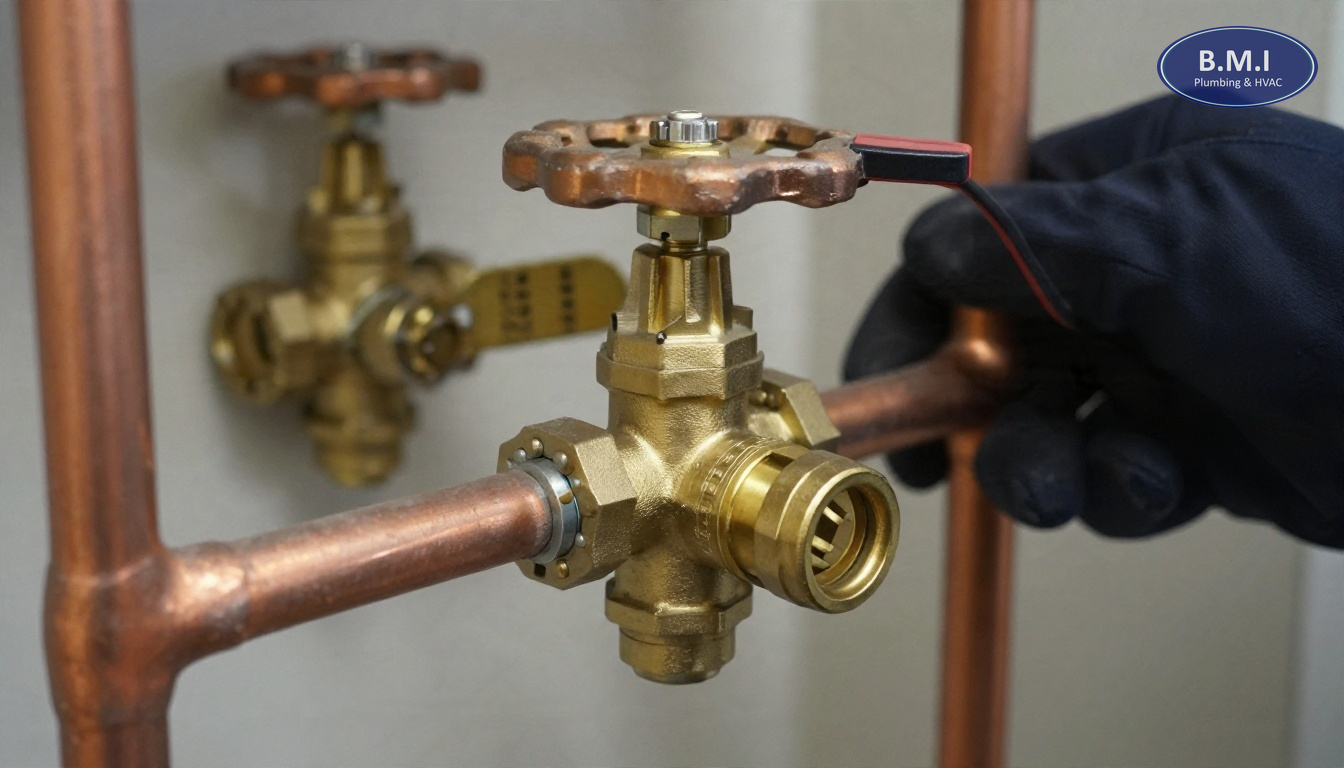
Quick summary: In Etobicoke condominium and rental buildings, failed sectional and isolation valves are a budget problem long before they become an emergency. When a valve will not close, will not reopen, or passes water during a shutdown, routine repairs turn into wider outages, after-hours labour, and avoidable resident disruption.
For boards and property managers in Etobicoke, valve replacement is usually not about one bad handle. It is about restoring control of the building so a leak, riser repair, fixture replacement, or winter shutdown can be done safely and in smaller sections instead of affecting half the tower.
Why sectional valve problems show up in Etobicoke buildings specifically
Etobicoke has a very mixed multi-residential building stock, and that matters. South Etobicoke has many older apartment buildings and condominiums from the 1960s through 1980s, often with original domestic water distribution layouts, older gate valves, and mechanical rooms that have seen decades of patchwork work. Along the Highway 427 corridor, The East Mall, and parts of central Etobicoke, many towers from the late 1980s through early 2000s were built with more sectionalization than the older stock, but those valves are now old enough that seized stems, deteriorated seats, and corroded hardware are common. Near Humber Bay and other newer pockets, newer towers typically have better zoning and more modern assemblies, but even there, poor accessibility or missed maintenance can make a valve unreliable when it is finally needed.
In practical terms, the building age tells you what is likely installed and what is failing now. Older Etobicoke buildings often still have original gate valves on domestic cold water, hot water, recirculation, and branch lines. Those valves may appear intact but fail internally, especially after years of sitting untouched. Mid-1990s and early-2000s towers more often have butterfly or ball valves in key locations, which can still seize, leak at packing, or lose dependable shutoff if not exercised. In either case, management usually discovers the problem during another job, not during a calm planning meeting.
Etobicoke also has real elevation differences between lake-adjacent areas and higher inland areas. Across Toronto, supply pressure conditions vary by zone, building elevation, and the way the building’s own pressure-reducing and booster arrangements were designed. That means valves in one Etobicoke building may see very different operating stress from valves in another. If the building has neglected pressure reducing valve maintenance and replacement, pressure swings can add wear to already aging shutoff points.
From a logistics standpoint, Etobicoke properties present a range of access challenges. Older slab buildings may have tight service rooms, poor drain-down points, and minimal ceiling access. Newer towers may have stricter loading, elevator booking, and resident communication requirements. Buildings near Bloor Street West, the Queensway, or Lake Shore corridors can also have tighter service access windows than suburban-style sites with surface parking. None of that changes the plumbing, but it changes cost and sequencing.
For boards trying to decide whether this belongs in operations or capital planning, a good starting point is a formal valve audit, charting and exercise program. In many Etobicoke buildings, that is the point where management learns the labelled valve on the drawing is not the valve that actually isolates the branch anymore.
How valve failure presents in Etobicoke condos and rentals
Most Etobicoke managers do not get a complaint that says, “your sectional valve has failed.” What they get is a service chain that keeps widening.
A common example is a simple suite plumbing repair. A toilet stop leaks, an angle valve needs replacement, or a lavatory faucet is being changed through in-suite plumbing repairs. The plumber attempts to isolate the local branch and finds the nearest shutoff does not hold. Management then tries the floor valve, then the riser valve, then a mechanical-room branch valve, and one of those also fails. What should have been a contained one-hour repair becomes a larger shutdown notice affecting multiple suites.
Another common presentation is during leak response. A domestic water leak appears above a corridor ceiling or in a parking garage mechanical area. The superintendent or emergency contractor tries to isolate the line and discovers the valve is seized open, the handle spins without closing the disc or gate, or the valve closes but still passes enough water to keep the leak active. That is when a routine 24/7 emergency leak response becomes more expensive than it needed to be.
In Etobicoke high-rises with aging domestic water systems, you also see this issue during planned capital work. A contractor opens a ceiling to replace a small piping section, expansion joint, or balancing component and finds there is no trustworthy local isolation. Instead of a short branch shutdown, the building now needs a broader domestic water interruption, often with more resident notice, more labour, and more risk around restart.
Operational symptoms that point toward valve replacement include:
- shutoff valves that cannot be turned or require unsafe force
- valves that appear closed but still allow measurable flow
- stem leaks or body corrosion after operation
- labels and valve charts that no longer match actual field conditions
- repeated need to shut down larger areas than intended
- resident complaints that water outages are too frequent or too broad
In older Etobicoke rental and condo stock, loss of sectional control often shows up alongside other deferred maintenance items. Buildings that need sectional and isolation valve replacement often also have overdue domestic riser work, aging PRVs, or poorly documented shutoff maps.
What diagnosis and inspection should involve in Etobicoke
A proper valve assessment is not a visual walk-through alone. For an Etobicoke building, the inspection should prove what each important valve actually does.
That usually starts with document review: available as-builts, previous plumbing reports, reserve fund references, and any in-house valve charts. In many older Etobicoke properties, those records are incomplete or no longer match renovations done over decades. The field survey then becomes the real source of truth.
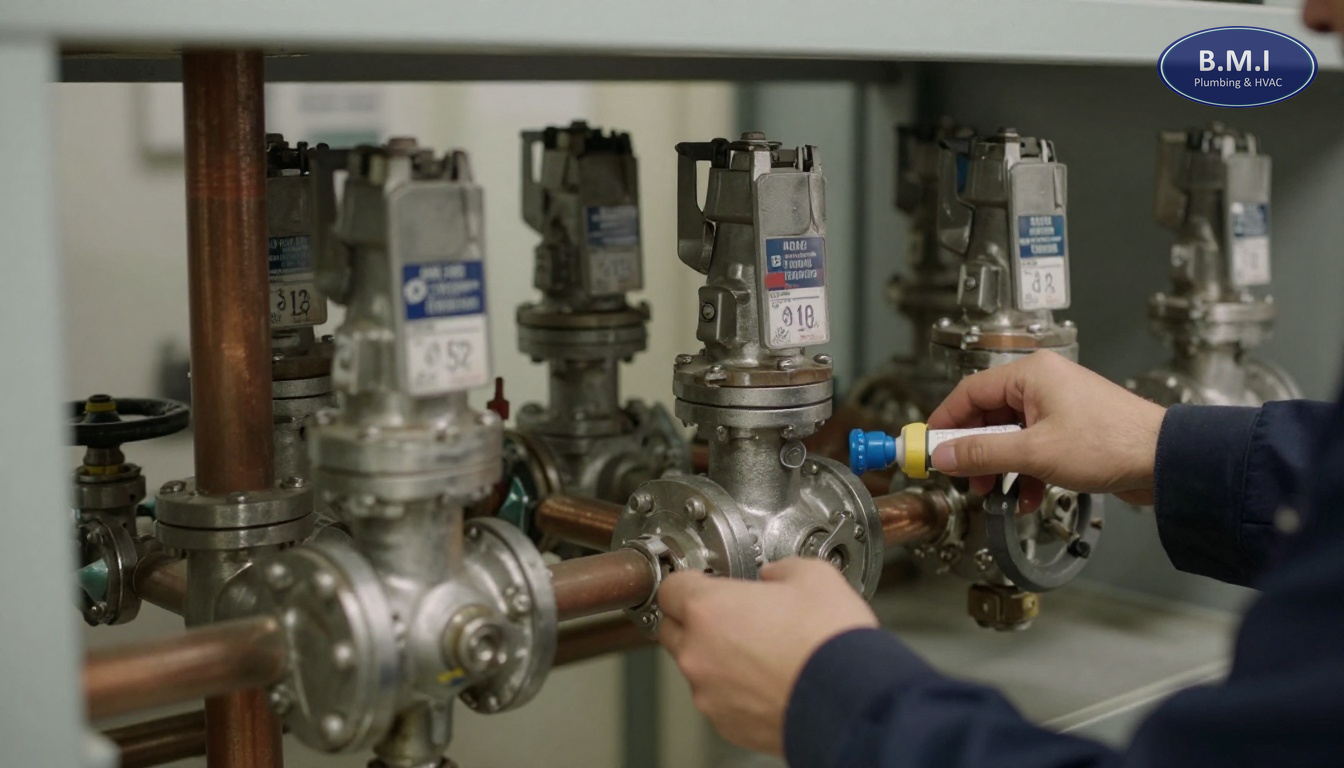
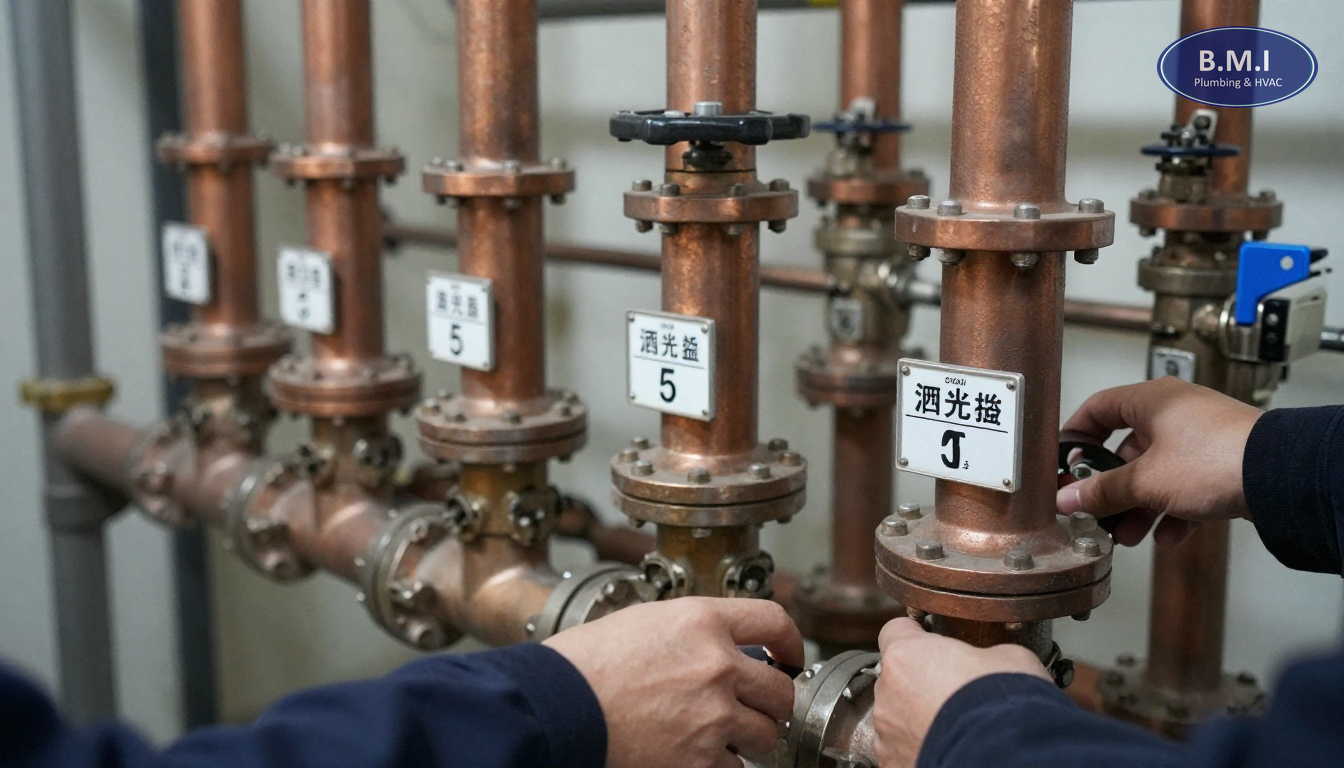
The on-site work should include identification of domestic cold, domestic hot, hot water recirculation, and key branch or riser isolation points. Valves should be tagged consistently and checked for accessibility, condition, direction of operation, and whether they appear original or previously replaced. The crucial step is controlled exercising and, where practical, shutoff verification. If a contractor says a valve is “good” without proving it isolates, that is not enough for planning.
For some buildings, valve replacement planning also benefits from camera pipe inspection of adjacent drainage areas if the work will require coordinated shutdowns and access openings in stacked wet walls or congested service spaces. The point is not to over-scope the job. It is to avoid opening ceilings twice because another hidden piping issue was missed.
You should ask for evidence in a form the board can use:
- a valve schedule with size, service, location, and condition
- notes on whether each valve turned, held, leaked, or failed
- photos of inaccessible or high-risk conditions
- identification of “critical failure” valves affecting major zones
- recommendations grouped into urgent, near-term, and planned capital phases
- assumptions about shutdowns, drainage, restoration, and after-hours work
For Etobicoke condominiums, this also ties into governance. Under the Condominium Act, the board needs enough information to distinguish common element repairs from owner-responsible in-suite alterations. Where previous owner renovations changed fixture branches or access conditions, that should be documented before the work starts. If a valve replacement requires entering altered suite areas, section 98 implications may need to be reviewed with counsel or management depending on the building’s records.
A representative Etobicoke valve replacement project
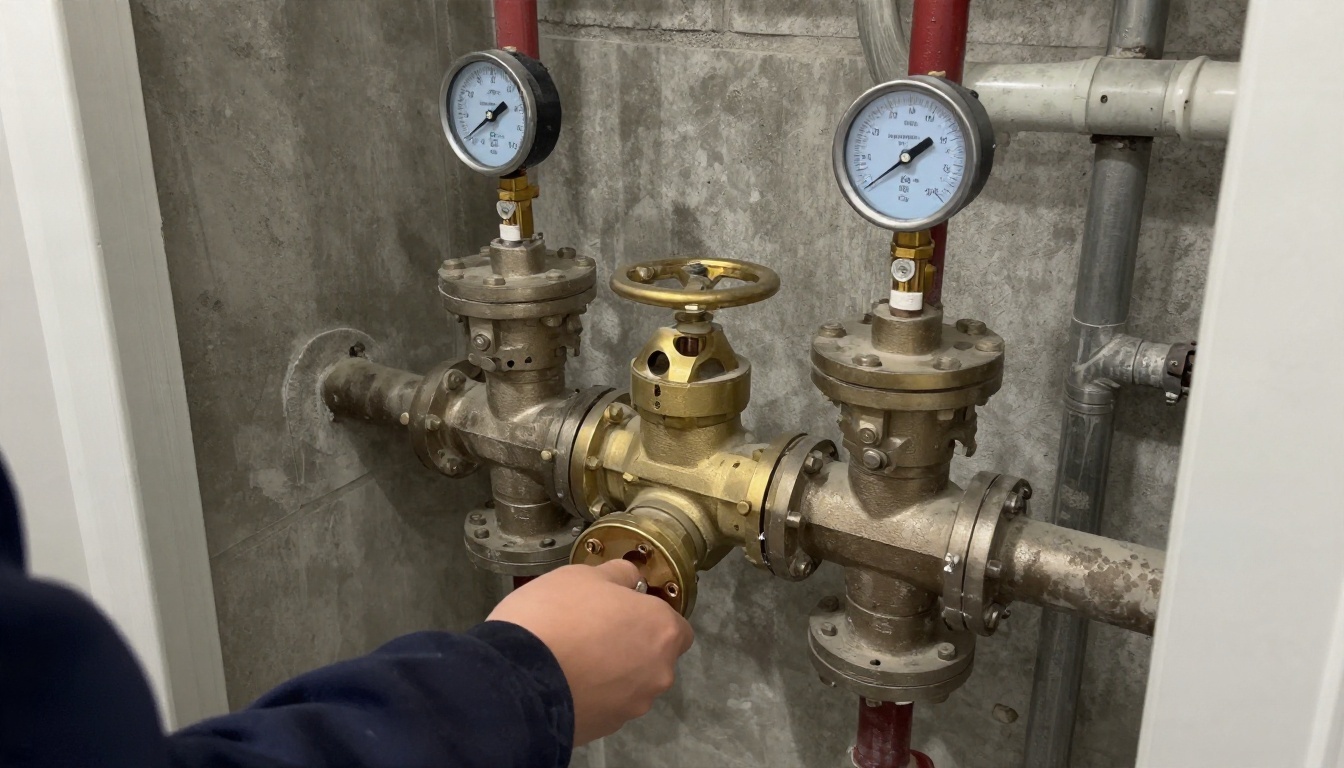
A representative project would be a 22-storey condominium from the late 1990s near the Queensway corridor. The building had around 180 suites and a domestic water system with original mechanical-room butterfly valves and a mix of riser isolation valves above corridor ceilings. Management’s immediate problem was not a visible flood. It was repeated inability to isolate small work areas cleanly.
The trigger event was an otherwise routine suite repair. During a planned fixture shutoff, the floor branch valve passed water. The team moved upstream and found the riser isolation valve stiff and unreliable. When a broader investigation was done, several key valves on the domestic cold and hot water distribution were found to be partially operable at best, with two mechanical-room valves showing seepage and one corridor valve inaccessible behind later ceiling work.
The building commissioned a focused survey of all major domestic water isolation points. The result was a phased replacement plan: first, replace four critical mechanical-room valves and two riser isolation valves that affected the most suites; second, update tagging and valve charts; third, budget a later phase for remaining non-critical valves.
The work required coordinated shutdowns over two weekdays and one after-hours window to limit disruption. Temporary notices were issued to affected residents, elevator protection was installed, and the contractor drained the relevant branches, cut out the failed valves, and installed new grooved and flanged isolation assemblies suited to the piping arrangement. Several adjoining spool pieces also had to be replaced because the original hardware and pipe ends were too degraded to reuse safely.
Total active site time was about three days, with resident impact concentrated into scheduled water interruptions rather than repeated surprise outages. Rough project cost was in the range of $28,000 to $42,000, including access openings, valve replacement, tagging, and basic restoration, but excluding any major asbestos abatement or extensive decorative ceiling work. The practical result for management was not just “new valves.” It was restored control for future suite work, leak isolation, and planned plumbing maintenance.
That kind of phased approach is common in Etobicoke. Buildings rarely need every valve replaced at once, but they do need the critical isolation points working before winter and before other capital projects begin. Related work is often bundled with domestic water riser replacement or broader capital project plumbing solutions to reduce repeat shutdowns.
Costs and timelines for sectional valve replacement in Etobicoke
Costs vary widely because “replace a valve” can mean very different things. A single accessible branch shutoff in a mechanical room is one thing. A failed riser valve above a hard ceiling in an occupied Etobicoke corridor is another.
As rough Toronto-market estimates in late 2026:
- small accessible isolation valve replacement: about $2,500 to $6,000
- larger domestic branch or riser valve with moderate access work: about $5,000 to $12,000 per valve
- coordinated package of several critical valves in a mechanical room or riser network: about $15,000 to $75,000+
- multi-phase building-wide valve renewal tied to broader piping work: often $75,000 into six figures
Those ranges can move based on valve size, flange condition, whether the line drains properly, whether companion valves upstream also fail, and whether shutdowns must be done after hours or on weekends. Etobicoke buildings with limited parking garage access, tight service corridors, or heavy resident traffic management requirements will generally trend higher. If asbestos-containing materials are present at pipe insulation or access points, that can materially affect both schedule and budget.
Timeline also depends on scope. A survey and prioritization report may take a few days on site plus time for documentation. A small replacement package can often be completed in one to three working days. A more complex phased program in an occupied high-rise may stretch across several weeks once notices, shutdown windows, access openings, and restoration are included.
Fall is often the right time to get numbers to the board because valve work affects next-year planning. If your reserve fund study or update cycle is coming due, documented valve conditions help distinguish what belongs in long-term capital planning versus near-term operating risk. Boards that wait until the first winter emergency usually pay more for the same scope.
If the building is also seeing pressure instability, include pressure reducing valve maintenance and replacement in the same review. If branch identification is poor, combine the job with a valve audit, charting and exercise program so the new installation remains useful after turnover in staff or management.
Repair versus replacement in Etobicoke: a practical decision framework
Not every Etobicoke valve problem requires immediate replacement, but many do. The decision should be based on function, criticality, and access cost.
Repair or continued maintenance may be reasonable when:
- the valve is relatively modern and can be safely exercised
- it turns fully and reliably isolates the intended section
- leakage is minor and confined to serviceable packing components
- failure of that valve would not materially expand the shutdown area
Replacement is usually the better decision when:
- the valve does not hold shutoff under test
- the stem, disc, or internal gate is suspected to be compromised
- operation causes body leakage or creates a high risk of not reopening
- access is expensive, making repeated attempts uneconomical
- the valve is on a critical domestic water branch, riser, or mechanical-room header
In many Etobicoke buildings, the real question is not whether one old valve can be nursed along. It is whether management wants to continue running repairs reactively with broad shutdowns. A scheduled replacement program restores control and reduces dependence on emergency work. It also pairs well with full building re-piping or Kitec and Uponor removal and replacement where those broader issues exist.
What deferring valve replacement costs an Etobicoke building
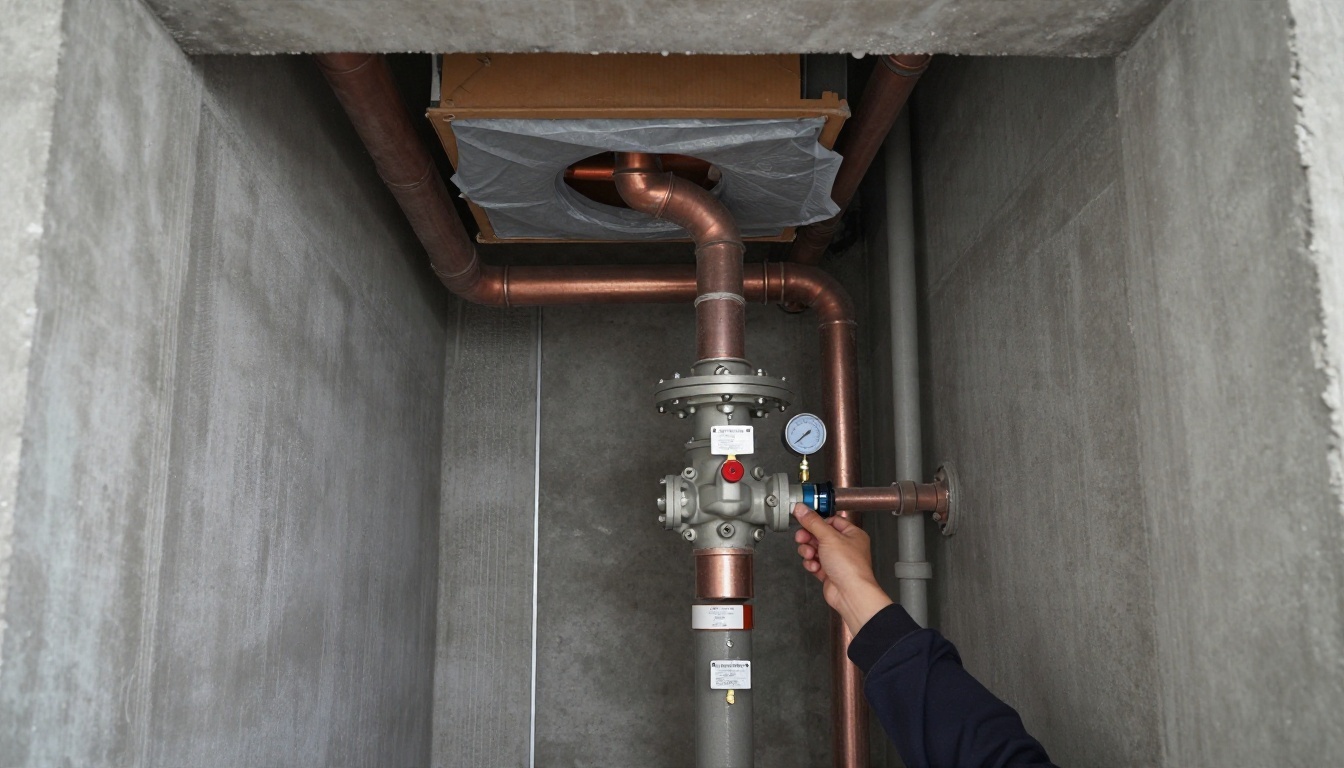
The direct plumbing cost is only part of it. Deferred valve replacement in Etobicoke often creates secondary costs that boards feel more sharply.
First is emergency labour. If a valve fails during a leak, the building may need broader shutdowns, more technicians, extended tracing time, and after-hours response through 24/7 emergency leak response. What could have been a planned weekday replacement turns into an urgent service event.
Second is restoration. The longer water runs or the larger the affected zone, the greater the chance of damage to suites, corridors, and amenity areas. Insurance deductibles and chargeback disputes become more likely when management cannot show that the building had working isolation and a reasonable maintenance plan.
Third is resident disruption. In Etobicoke towers with a high proportion of seniors, families, or work-from-home residents, broad domestic water shutdowns generate more complaints and more administrative time than they did a decade ago. If one failed shutoff means 60 or 100 suites lose water for a simple repair, management pays for that in reputation even if the plumbing invoice is manageable.
Fourth is reserve fund distortion. Reactive spending on repeated emergency access and patchwork replacements can obscure the true capital need. A structured replacement program gives boards cleaner numbers for budgeting and helps support reserve fund planning rather than undermining it.
Finally, there is compliance and risk control. Plumbing work in Ontario must be done by a licensed plumber, and related systems in the same mechanical rooms may trigger other obligations. If premise isolation devices are present, annual backflow prevention testing and certification should not be treated as separate from valve reliability, because a backflow assembly is only as serviceable as the isolation around it. A board that cannot isolate and test key equipment cleanly will spend more maintaining the whole system.
FAQs about valve replacement in Etobicoke buildings
How do we know whether an Etobicoke condo needs valve replacement or just exercising and repair?
If valves still turn fully, hold shutoff under load, and do not seep at the stem or body, a structured exercise program may buy time. Where an older Etobicoke building has seized butterfly valves, gate valves with broken stems, or isolation valves that pass water during suite repairs, replacement is usually the better choice. The key is evidence: tagged testing results, photos, and confirmation of whether the valve actually isolates the intended branch.
Can valve replacement in Etobicoke be done without shutting down the whole building?
Often, yes, but it depends on how the piping was originally sectionalized. In many Etobicoke high-rises, one failed valve can force a larger shutdown than management wants because the next upstream valve also does not hold. A proper pre-job survey maps the real isolation points so the contractor can limit outages to a riser, floor range, amenity zone, or mechanical room branch where possible.
What does sectional and isolation valve replacement cost in an Etobicoke condominium?
As a rough GTA market estimate, replacing a single accessible branch isolation valve may run about $2,500 to $6,000, while a coordinated package of several mechanical-room or riser valves can range from $15,000 to $75,000 or more depending on size, access, after-hours work, and shutdown complexity. Larger projects tied to domestic water riser work or phased capital renewal can move well into six figures. Exact pricing varies with pipe material, ceiling restoration, asbestos considerations, and how many areas must be drained and refilled.
Why is valve replacement in Etobicoke often discussed during fall budget season?
Fall is when many Etobicoke boards are trying to finalize next-year capital and operating numbers, and valve work affects both. It is also a practical time to identify weak shutoffs before winter pressure swings and before holiday occupancy and cooking put more stress on plumbing systems. If a building cannot isolate kitchen stacks, domestic water zones, or amenity branches cleanly, even simple winter repairs become more disruptive and expensive.
Should valve replacement be coordinated with other Etobicoke plumbing work?
Usually yes. If your building is already opening ceilings for domestic water riser replacement, replacing failed isolation valves at the same time reduces repeat shutdowns and restoration costs. It also makes sense to coordinate with pressure reducing valve maintenance and replacement, valve audit, charting and exercise programs, or backflow prevention testing and certification when all that equipment is clustered in the same mechanical spaces.
What should an Etobicoke property manager ask for before approving a valve project?
Ask for a valve schedule showing location, size, service, normal position, and whether each valve was proven to isolate. You should also want a shutdown plan, resident notice requirements, access assumptions, and clear identification of restoration exclusions or allowances. In older Etobicoke buildings, the contractor should flag risks such as seized companion valves, poor drain-down points, or corroded adjoining pipe that could expand the scope once the system is opened.
Next steps for Etobicoke boards and property managers
If your Etobicoke building has had one plumbing job turn into a larger shutdown, assume the issue is systemic until proven otherwise. Start with the valves that matter most: domestic cold, domestic hot, recirculation, riser isolations, and any branch valves needed for recurring suite or amenity repairs.
A practical next step is to arrange a documented field review and prioritize the findings into urgent, near-term, and planned capital items. For some properties, that means a few high-value replacements now. For others, it means integrating valve work into a broader plan that may include all maintenance programs, all capital project work, or review of completed projects and building references to understand how similar GTA buildings have staged the work.
BMI serves Etobicoke and the surrounding GTA from its Toronto shop. If your team needs budgeting numbers, a site review, or a second opinion on whether a shutoff can be trusted, the goal is straightforward: restore sectional control before the next emergency proves you do not have it.
Contact BMI
- Contact BMI
- Phone: (416) 845-3756
- Emergency: (416) 845-3756, answered 24 hours a day
- Email: info@brial.ca
More on condominium plumbing
Sectional and Isolation Valve Replacement in Burlington
Sectional and isolation valve replacement in Burlington condos and apartments. Costs, timelines, diagnostics and …
Sectional and Isolation Valve Replacement Toronto
Sectional and isolation valve replacement in Toronto condos: how to diagnose failing shutoffs, budget work, and reduce …
Sectional and Isolation Valve Replacement in Oshawa
Sectional and isolation valve replacement in Oshawa condo buildings. Costs, timelines, diagnosis and planning for boards …
Need a plumber in your building?
BMI services roughly 200 condominium and multi-residential buildings across Toronto and the GTA. Emergencies are answered at any hour.