Sectional and Isolation Valve Replacement in Oakville
Sectional and isolation valve replacement in Oakville condos: costs, timelines, diagnosis and planning for safer shutoffs in multi-residential buildings.
Sectional and Isolation Valve Replacement in Oakville
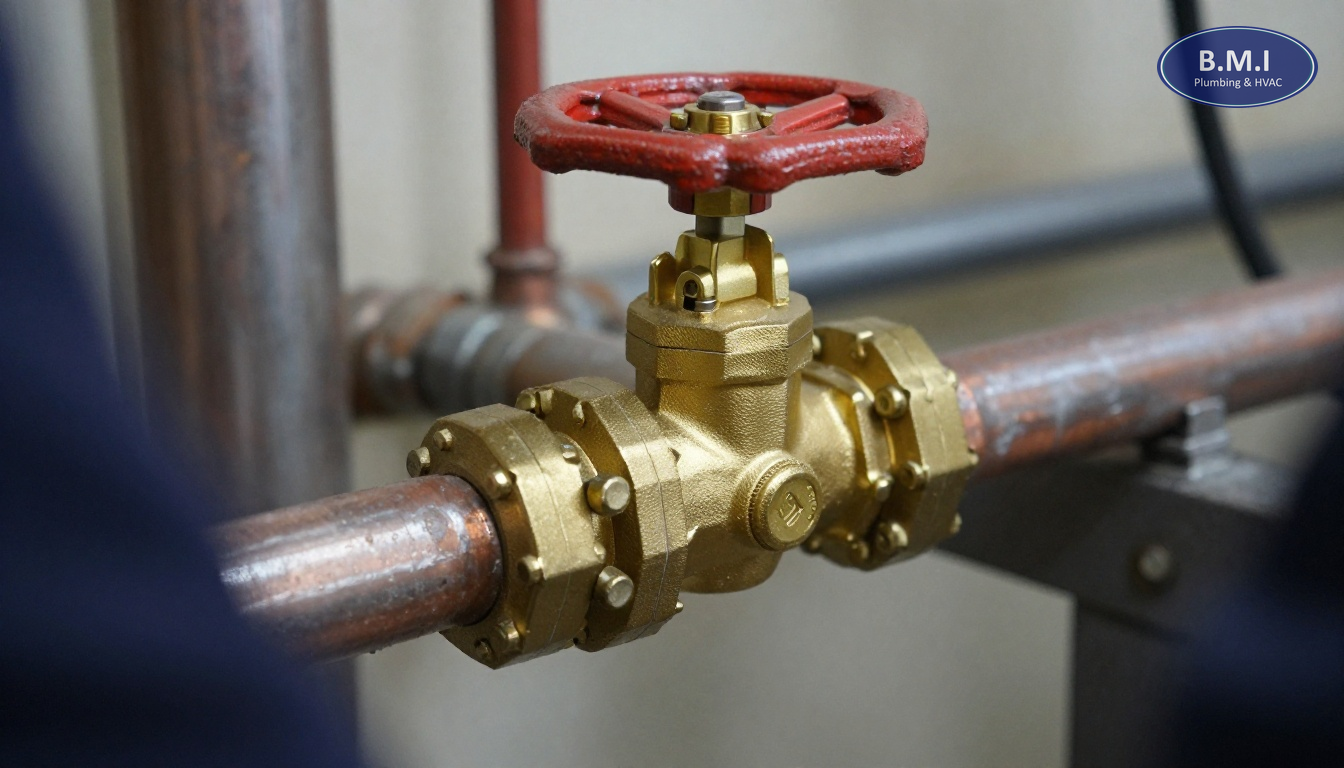
Quick summary: In Oakville condominium and multi-residential buildings, sectional and isolation valve replacement is rarely about one bad valve. It is usually about restoring control over the domestic water system so leaks, fixture repairs, riser work and winter shutdowns can be handled without taking down an entire stack or wing. For boards and property managers, the key questions are which valves are truly reliable, which are decorative at this point, and how to phase replacement before an emergency makes the decision for you.
Why sectional and isolation valve problems show up in Oakville buildings
Oakville has a mix of older apartment and condominium stock along established corridors such as Trafalgar Road and Kerr Street, mid-rise and tower condominium development around Glen Abbey and Uptown, and newer buildings in areas closer to Dundas Street and the hospital district. That matters because valve replacement is not the same problem in every building vintage.
In older rental and condo buildings from roughly the 1970s and 1980s, BMI often sees original gate valves on domestic water mains and risers, along with aging copper and cast iron systems. These valves may still have a handwheel and tag, but many no longer isolate properly. They are often buried in cramped mechanical rooms, above corridor ceilings, or behind access panels that were never meant for repeated service. In these buildings, a simple toilet shutoff issue can turn into a broad shutdown because the sectional valve for that branch no longer closes.
In Oakville towers from the late 1980s through early 2000s, especially mid- and high-rise condominium stock, the common pattern is brass isolation valves that have not been exercised regularly, plus pressure-reducing equipment and balancing arrangements that have seen years of service. Some of these systems are still fundamentally sound, but the valves are no longer dependable under load. BMI often recommends pairing valve work with a valve audit, charting and exercise program so the corporation knows which shutoffs actually work and which ones exist only on paper.
Newer Oakville buildings are not immune. The issue there is less about extreme age and more about access, fit-out, and operational dependency. In newer glass and concrete buildings, the piping may be newer, but isolation points can still be poorly documented, concealed above finished ceilings, or arranged in ways that make resident communication and shutdown planning difficult.
Oakville’s municipal water service conditions also affect how these systems age. Buildings at different elevations or farther from local pumping infrastructure can see different operating pressures, and many multi-residential properties rely on internal pressure control and zoning to keep upper and lower floors within acceptable ranges. When valves upstream or downstream of this equipment seize or leak by, managers lose the ability to isolate equipment cleanly. That is one reason pressure reducing valve maintenance and replacement often connects directly to sectional valve planning.
For boards reviewing fall budget numbers, this is the right season to address it. Before winter pressure swings, holiday occupancy and cold-weather shutoff risks, a building should know whether its critical valves will operate on demand.
How valve failure presents in Oakville condominium plumbing
Property managers in Oakville rarely call and say, “we need capital valve replacement.” They call with symptoms.
A resident leak repair cannot proceed because the branch shutoff will not fully close. A contractor opens a ceiling to replace a mixing valve or fixture stop and discovers the riser isolation leaks through. Domestic water to one line of suites has to stay off longer than planned because the valve passes. A mechanical room test shutdown reveals that what should isolate one zone actually affects half the building.
In older Oakville buildings, another common report is that a valve starts leaking from the stem after someone tries to exercise it for the first time in years. That does not necessarily mean the exercise program was wrong. It usually means the valve was already at end of life and the attempt simply exposed it.
Managers also see secondary signs:
- repeated after-hours shutdown requests for localized repairs
- increasing resident complaints about water interruptions affecting more suites than expected
- missing or inaccurate valve tags and charts
- corroded packing nuts, seized handwheels or painted-over valve bodies
- mechanical room valves that require excessive force and still do not seat
These issues often surface alongside other building plumbing work. A riser replacement program, a domestic leak investigation, or camera pipe inspection for related drainage work can expose how little real isolation exists in the system. In practice, reliable shutoffs are what make every other plumbing project safer and less disruptive.
Diagnosing sectional valve condition in Oakville: what to inspect and what evidence to insist on
A proper valve replacement plan starts with an inventory, not assumptions. For Oakville boards, the goal is to move from anecdotal complaints to a documented map of which valves exist, what they serve, whether they operate, and what risk they present.
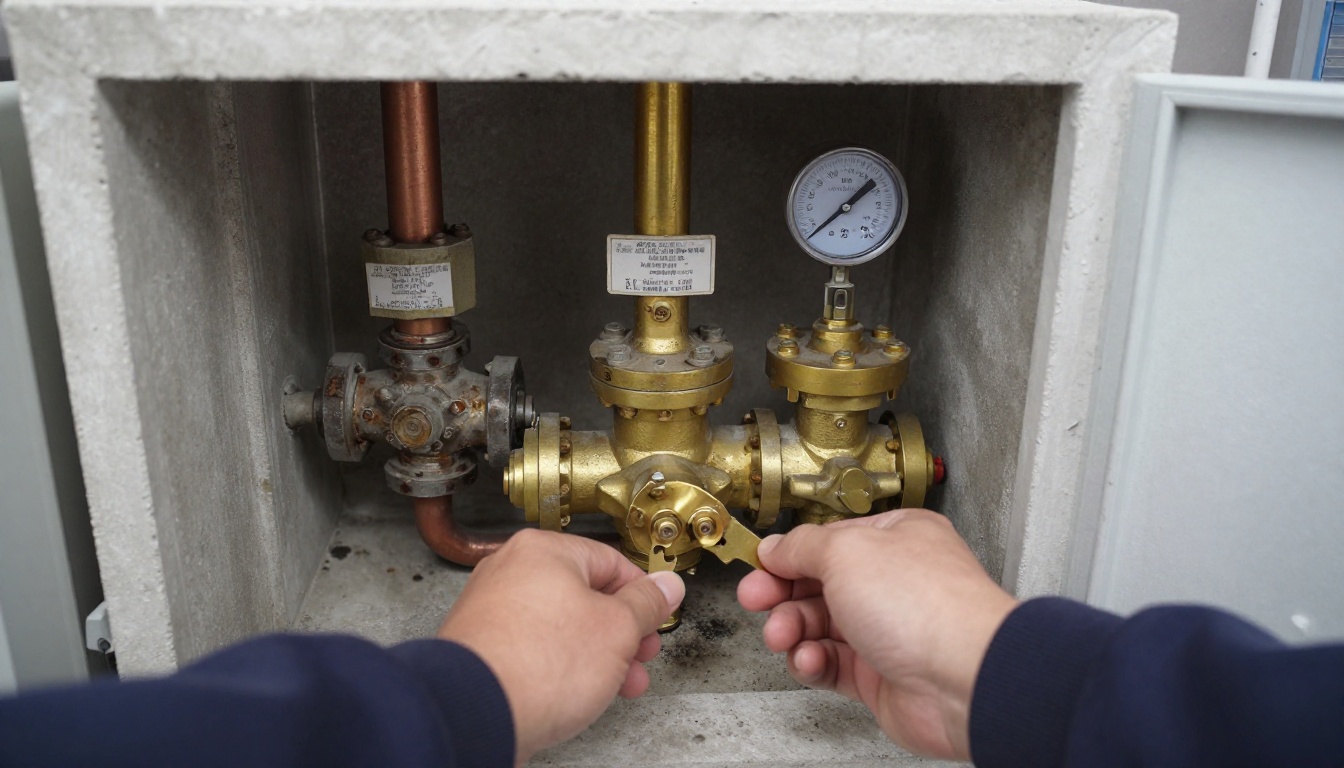
A competent inspection usually includes:
- locating and identifying main isolation, riser isolation, branch sectional and equipment shutoff valves
- noting valve type, size, material and approximate age
- checking accessibility and whether ceilings, walls or millwork must be opened
- reviewing building drawings against actual field conditions
- controlled exercising where appropriate, with contingency planning if a valve fails
- confirming whether the valve fully closes, partially closes, or leaks by under service conditions
- documenting damaged stems, packing leaks, seized operators and body corrosion
For many corporations, a sectional and isolation valve replacement project begins after a valve audit, charting and exercise program shows that a meaningful percentage of shutoffs are unreliable. If the mechanical room layout is older or undocumented, managers should ask for photo documentation and a valve schedule that clearly links each valve to the area or equipment it serves.
Evidence matters. If a contractor says a valve must be replaced, ask for photos, service notes and the operational reason. “Old” is not enough by itself. Stronger reasons are that the valve will not seat, leaks from the stem when operated, cannot be safely exercised, or prevents isolation of life-safety or critical domestic water equipment.
In Oakville occupied buildings, managers should also insist on a practical shutdown plan. That includes notice periods, expected water interruption windows, whether temporary bypassing is needed, how drainage will be controlled, and whether restoration of insulation and valve identification is included. If the building has domestic boosters, PRVs, backflow devices or recirculation equipment, the sequence of shutoff and restart should be part of the method.
Where cross-connection control devices are involved, annual testing obligations still apply, and any related work should be coordinated with qualified testing and certification. BMI handles this through backflow prevention testing and certification where the building’s scope requires it.
A representative Oakville valve replacement project
A representative example would be a 17-storey condominium from the late 1990s near Trafalgar Road and Dundas Street. The property had repeated difficulty isolating domestic cold water branches serving several vertical stacks. What started as a routine in-suite plumbing repair turned into a six-hour water outage because the intended riser shutoff passed badly and a secondary valve in the ceiling cavity was seized.
BMI was called first for service support and system review. The initial finding was not just one failed shutoff. The building had multiple original brass sectional valves in poor condition, inconsistent tagging, and several ceiling access points where previous repairs had been made without updating the valve chart. The board needed to know whether to keep reacting or to plan a controlled project.
The diagnostic phase took about two site visits and a series of supervised checks coordinated with management. BMI documented the critical domestic water isolation points, identified which valves served each riser group, and flagged the valves that could not be relied on. The recommendation was a phased replacement of the most critical riser and branch sectional valves first, followed by mechanical room isolation valves tied to pressure control equipment.
The work was completed over four scheduled shutdown days spread across two weeks to reduce resident disruption. Crews replaced a group of deteriorated sectional valves, updated tags, restored insulation, and revised the valve chart for property staff. Some adjacent short piping offsets had to be rebuilt because the existing arrangement did not leave enough straight length for proper installation. Final cost for that phase was in the rough range of $28,000 to $45,000, depending on the number of valves ultimately changed and the access restoration required.
The practical result was not flashy, but important: suite repairs could be isolated properly, future shutdowns became narrower, and the corporation reduced the risk that a small domestic leak would force a much larger outage. That is usually what boards are buying with valve replacement in Oakville: control.
Costs and timelines for Oakville sectional valve replacement
Costs in Oakville vary more by access and shutdown complexity than by the valve itself. A valve that is easy to reach in an open mechanical room is one kind of project. A valve buried above a finished corridor ceiling with limited drainage and resident impact is another.
Typical GTA market estimates for multi-residential work, including Oakville, often fall into ranges like these:
- small accessible isolation valves on branch lines: roughly $800 to $2,000 each
- mid-size sectional valves with moderate access and shutdown coordination: roughly $1,500 to $4,000 each
- larger mechanical room isolation valves on domestic mains or risers: roughly $3,000 to $8,000 or more each
- phased building programs involving multiple valves, charting, insulation restoration and after-hours coordination: often from the tens of thousands into low six figures
These are not quoted prices. They are planning ranges that vary with valve size, piping material, asbestos constraints, drainage requirements, ceiling restoration, permit needs and shutdown timing.
Timelines also vary. Replacing one accessible mechanical room valve may be a half-day operation with a short scheduled water interruption. A building-wide program can take several weeks from survey to execution, especially if materials need to be matched to existing domestic systems or if shutdowns must be staged around resident needs. In fall, lead time matters because many corporations are trying to complete work before winter and before year-end board approvals close out.
If the building is already planning broader plumbing capital work, there may be savings in combining scopes. For example, valve replacement often aligns naturally with domestic water riser replacement, full building re-piping, or broader capital project work rather than mobilizing separately later.
Repair versus replacement in Oakville, and when scheduled beats reactive
Boards often ask whether a leaking or seized valve can simply be repaired. Sometimes yes, but the right answer depends on the valve type, condition and role in the system.
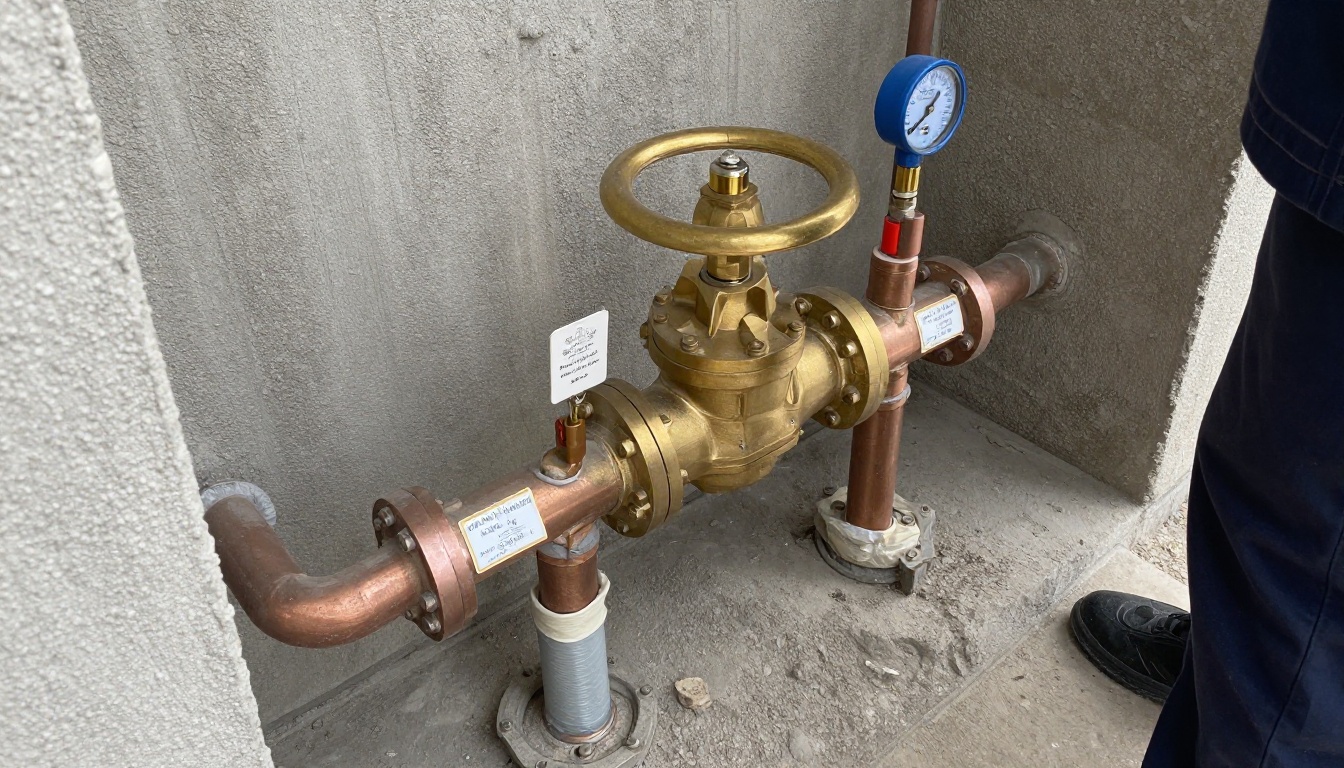
If the issue is minor stem leakage on a still-serviceable valve with good body condition and reliable seating, repacking may be reasonable. But many original sectional and isolation valves in Oakville multi-residential buildings are beyond that point. Once a valve cannot be trusted to isolate, or once operation risks breaking the stem or worsening leakage, replacement is usually the prudent path.
The bigger decision is scheduled versus reactive work. Reactive valve replacement is expensive in indirect ways. It happens under pressure, often after hours, with wider shutdowns, more resident frustration and less control over sequencing. Scheduled work allows the corporation to phase by priority, coordinate notices, and combine related maintenance.
For example, if a building is entering budget season, it may make sense to identify critical failed shutoffs now, replace the highest-risk valves before winter, and then schedule a larger 2027 program. That can also tie into a broader maintenance program for condominium plumbing systems, especially where the building has deferred exercising and chart updates for years.
In some cases, valve replacement should also be coordinated with fixture and in-suite work if access or isolation overlaps. BMI regularly sees advantages in linking system shutoff improvements with in-suite plumbing repairs or related service work so future unit access events are less disruptive.
What deferring valve replacement costs an Oakville corporation
The visible cost of a bad valve is the plumbing call. The larger cost is what happens around it.
When sectional shutoffs fail, small repairs become broad water outages. More suites are affected, more notices are required, and more residents lose confidence in building operations. If a leak cannot be isolated quickly, water damage spreads beyond the original area. That can mean higher restoration costs, insurance deductibles, chargebacks disputes and difficult conversations about whether the corporation acted reasonably once the risk was known.
For Oakville condominium boards, there is also a reserve planning issue. Repeated emergency plumbing spend on known end-of-life components is usually poor value compared with a documented renewal program. Reserve fund studies and updates are meant to help corporations plan predictable common element expenditures. A valve program may not be glamorous, but it directly supports maintainability of the domestic water system and reduces emergency exposure.
There are operational costs too. Property staff lose time tracing mislabeled shutoffs. Mechanical rooms become harder to manage safely. Contractors price uncertainty into every service call when isolation is unreliable. Even routine tasks like drain cleaning and snaking or 24/7 emergency leak response become harder to contain if the water system cannot be sectionalized properly.
By fall, this becomes more pressing. Holiday occupancy, colder weather, and year-end scheduling pressure all make emergency shutdowns harder to manage. If the board already knows certain valves are failed, deferring them through winter is usually a risk decision, not just a budget decision.
FAQs about valve replacement in Oakville condos
When should an Oakville condo replace sectional and isolation valves instead of repairing them?
In many Oakville buildings, valves should be replaced when they no longer fully close, the stem packing is leaking, the handwheel is seized, or the body shows corrosion and scaling. Repair can make sense for limited issues on accessible, serviceable valves, but many original valves in 1980s to early 2000s towers are at the point where exercising them creates a higher risk of failure. For budget planning, the practical test is whether the valve can be relied on during an emergency or planned shutdown.
How disruptive is valve replacement in an occupied Oakville high-rise?
Most valve projects in Oakville are phased to limit shutdowns by stack, zone or mechanical room section rather than taking the whole building offline. A straightforward mechanical room isolation valve change may take a few hours with a planned domestic water interruption, while a broader sectional valve program can run over several days or weeks depending on access, bypass requirements and asbestos or finishing conditions. Good notice, clear shutdown windows and coordination with concierge or property staff matter as much as the plumbing work.
What does sectional valve replacement typically cost in Oakville?
For Oakville multi-residential buildings, replacement costs vary widely by valve size, location, access and whether drains, supports, insulation or adjacent piping also need work. As a rough market range, smaller accessible branch or suite-zone valves may fall in the hundreds to low thousands per valve, while larger domestic water main or riser isolation valves in a mechanical room can run into several thousand dollars each. A building-wide program is usually budgeted from a site review and valve schedule rather than by a single unit price.
Why do old shutoff valves become such a problem in Oakville condominium plumbing?
A shutoff valve that has not been exercised in years often accumulates mineral scale, corrosion and hardened packing, especially on domestic water systems that have seen decades of service. In Oakville towers from the late 1980s, 1990s and early 2000s, it is common to find original brass or iron valves that look intact but will not seat properly when needed. That turns a small leak repair into a larger shutdown because the intended isolation point no longer works.
Should Oakville boards include valve replacement in the reserve fund or treat it as repairs?
That depends on the scale and intent of the work, but many Oakville corporations treat planned valve renewal as a capital item when it is part of a broader building system program. If the work is restoring maintainability and replacing end-of-life components across risers, zones or mains, it often fits reserve fund planning better than repeated reactive service. Boards should review the scope with their engineer, reserve fund planner and property manager so the funding approach matches the corporation’s governing documents and current reserve study.
What should property managers ask for before approving valve replacement in Oakville?
Ask for a clear valve inventory, photos, sizes, locations, shutdown assumptions and a description of what will happen if a valve fails during isolation. In Oakville, managers should also ask whether the contractor has allowed for after-hours shutdowns, drainage, re-insulation, access through occupied areas and restoration of identification tags or charts. The best proposals explain which valves are critical, which can wait, and how the work reduces future emergency exposure.
Next steps for Oakville property managers and boards
If your Oakville building has valves that have not been exercised in years, or if recent repairs exposed failed shutoffs, the next step is not to wait for a larger leak. Start with a documented review of the domestic water isolation points, identify the critical failures, and decide what must be done before winter versus what can be phased into the next capital cycle.
BMI serves Oakville and the surrounding GTA from its Toronto shop and works with condominium boards, property managers and multi-residential operators on both planned and urgent plumbing projects. If you need a site review, a phased replacement plan, or support on a broader domestic plumbing renewal program, you can review BMI’s completed projects and building references, explore all repairs and service, or contact BMI to discuss the building.
Contact BMI
- Contact BMI
- Phone: (416) 845-3756
- Emergency: (416) 845-3756, answered 24 hours a day
- Email: info@brial.ca
More on condominium plumbing
Water Submetering and Consumption Problems in Oakville
Water submetering and high water bill issues in Oakville condos: how to diagnose abnormal water consumption and plan …
Camera Pipe Inspection in Etobicoke Condominiums
Camera pipe inspection in Etobicoke for condos and rentals. Learn how CCTV drain surveys diagnose stack, branch and …
In-Suite Plumbing Repairs in Whitby Condominiums
Practical guidance on in-suite plumbing repairs in Whitby condominiums, including diagnosis, costs, timelines, and …
Need a plumber in your building?
BMI services roughly 200 condominium and multi-residential buildings across Toronto and the GTA. Emergencies are answered at any hour.