Sectional and Isolation Valve Replacement in Oshawa
Sectional and isolation valve replacement in Oshawa condo buildings. Costs, timelines, diagnosis and planning for boards and property managers.
Sectional and Isolation Valve Replacement in Oshawa
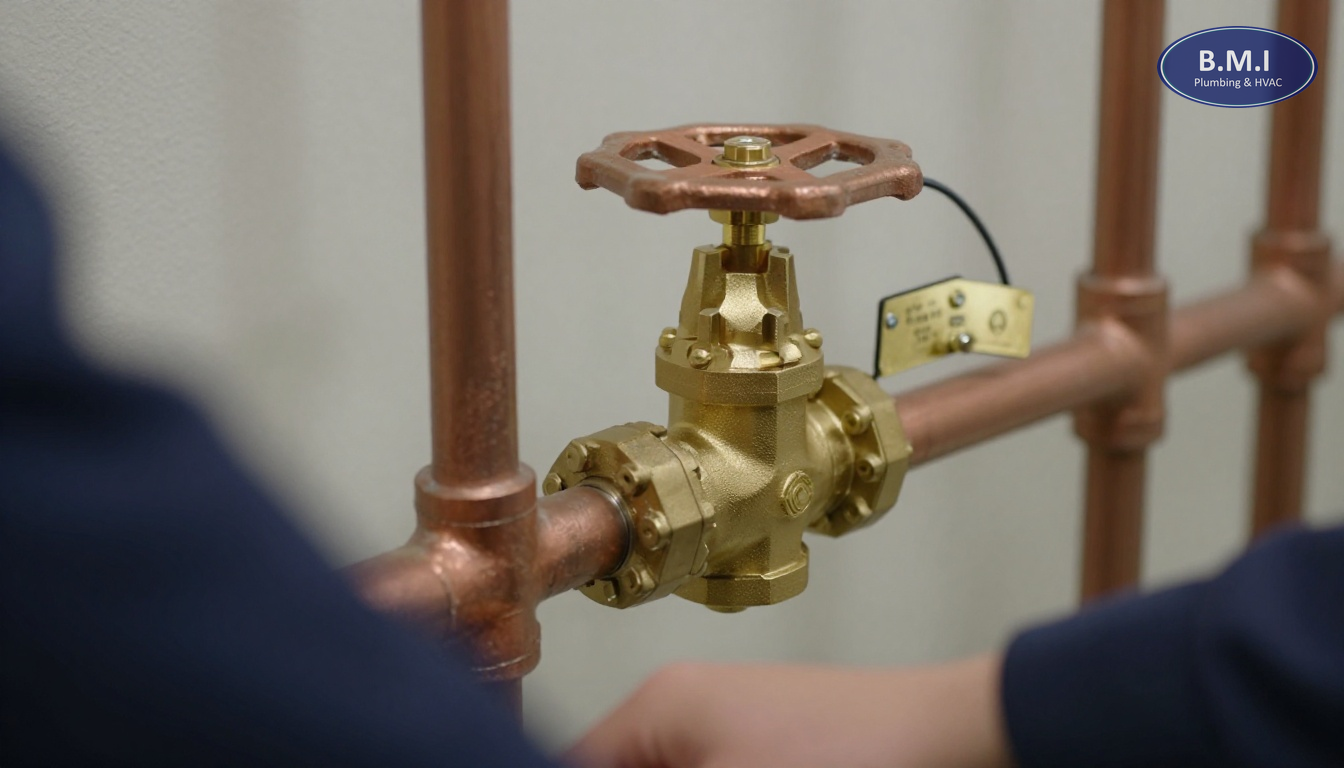
Quick summary: In Oshawa condominium and multi-residential buildings, sectional and isolation valve replacement is often less about a single bad valve and more about regaining control of the plumbing system. When original shutoff valves no longer close fully, every leak, fixture repair or riser project becomes larger, riskier and more expensive than it needs to be.
Why sectional valve problems show up in Oshawa buildings specifically
Oshawa has a building mix that makes valve replacement a recurring capital item. There is older rental and apartment stock closer to the downtown core and along established east-west corridors, plus condominium development from the 1990s and early 2000s around areas such as King Street and Stevenson, and newer product around major growth corridors including the Durham College and Ontario Tech University side of the city and the GO station area. Those different vintages matter because the original plumbing systems and valve selections are not the same.
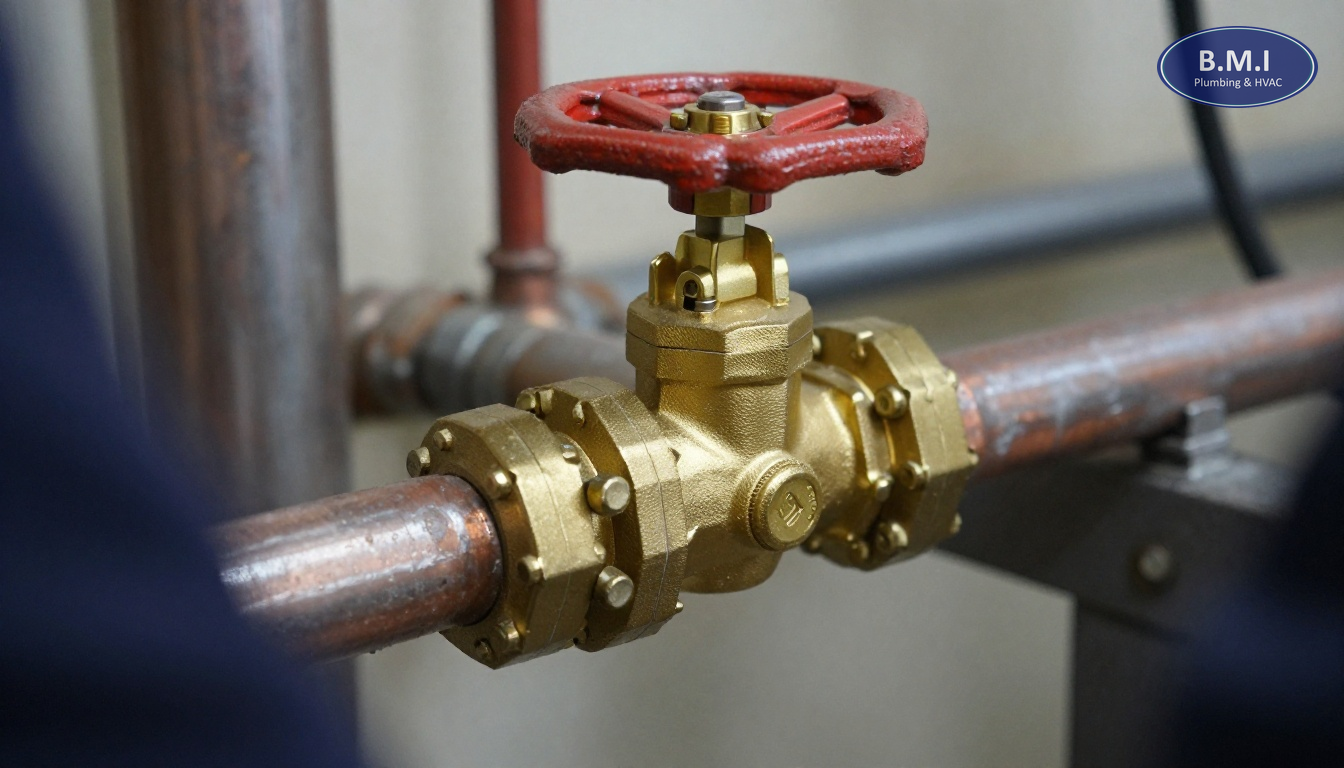
In the older high-rise and slab-style stock, you often find original domestic water mains and branch isolation valves that have seen decades of mineral exposure, very little exercise and occasional emergency operation only. In practical terms, that means seized stems, valves that spin without properly closing, passing valves that reduce flow but do not isolate, and packing leaks that start as soon as someone tries to operate them. In the 1990s and early 2000s Oshawa condominium market, it is common to find a mix of gate valves, ball valves and butterfly valves serving risers, corridor branches, amenity spaces and pump room distribution. Many are now old enough that reliability becomes the issue, not just whether they appear dry today.
For property managers, the problem tends to surface when another job is planned. A suite repair, a PRV issue, a domestic riser tie-in or a backflow service visit should be straightforward, but the assigned shutoff valve does not hold. That is why a proper valve audit is often the starting point before a larger sectional and isolation valve replacement project.
Municipal water conditions also matter. Oshawa is served by the Region of Durham for water, and like any municipal system, pressure conditions at the building are influenced by location, elevation and where the building sits in relation to the local distribution network. Buildings with booster systems or internal pressure zoning put additional importance on reliable isolation. If a shutoff fails in a building where domestic pressure already needs active management, even a simple repair can become a building-wide water interruption. That is one reason many boards combine valve scope with pressure reducing valve maintenance or other domestic water work during the same shutdown window.
Fall is also the season when the issue becomes more visible. Boards are preparing budgets, reserve items are being reviewed, and managers want systems under control before winter pressure swings and holiday occupancy. A bad valve in October is not just a maintenance note; it is a winter operating risk.
How valve failure presents in Oshawa condo plumbing
In Oshawa buildings, residents rarely report “a failed sectional valve.” They report the consequences. The manager hears that a simple faucet replacement required shutting water to an entire stack. The superintendent says a repair in one mechanical room branch could not proceed because the valve would not close. A contractor opens a ceiling near a corridor branch and finds an old isolation valve sweating at the stem once touched. In some cases, a valve appears to close, but pressure remains on the downstream side and the line keeps dribbling for far too long.
The most common operational signs are:
- a valve that cannot be turned at all
- a handwheel or operator that turns but does not move the gate or disc effectively
- a valve that partially closes but still passes enough water to prevent safe work
- leakage at the stem packing when operated
- heavy corrosion, scaling or evidence of prior seepage at the body or flange
- uncertainty about what the valve actually isolates because charting is incomplete or wrong
In older Oshawa stock, another real issue is access. Some original valves are above hard ceilings, inside tight service spaces, behind later renovations or in crowded mechanical rooms where newer equipment has been added around older piping. A valve may be technically present but not practically serviceable. That turns a maintenance problem into a capital planning problem.
When a building has recurring drain and stack service at the same time, managers also start to see how poor isolation complicates unrelated work. A kitchen stack blockage or washroom leak is easier to contain when the domestic water branches serving the affected area can be isolated cleanly. That is one reason boards often review shutoff reliability alongside drain cleaning and snaking services and seasonal kitchen stack cleaning, especially before the holiday cooking season.
What diagnosis in Oshawa should involve, and what evidence to insist on
A good valve replacement plan is not just a list of old valves. It should show which valves matter most, which ones actually fail to isolate, and how replacement can be phased with minimal disruption.
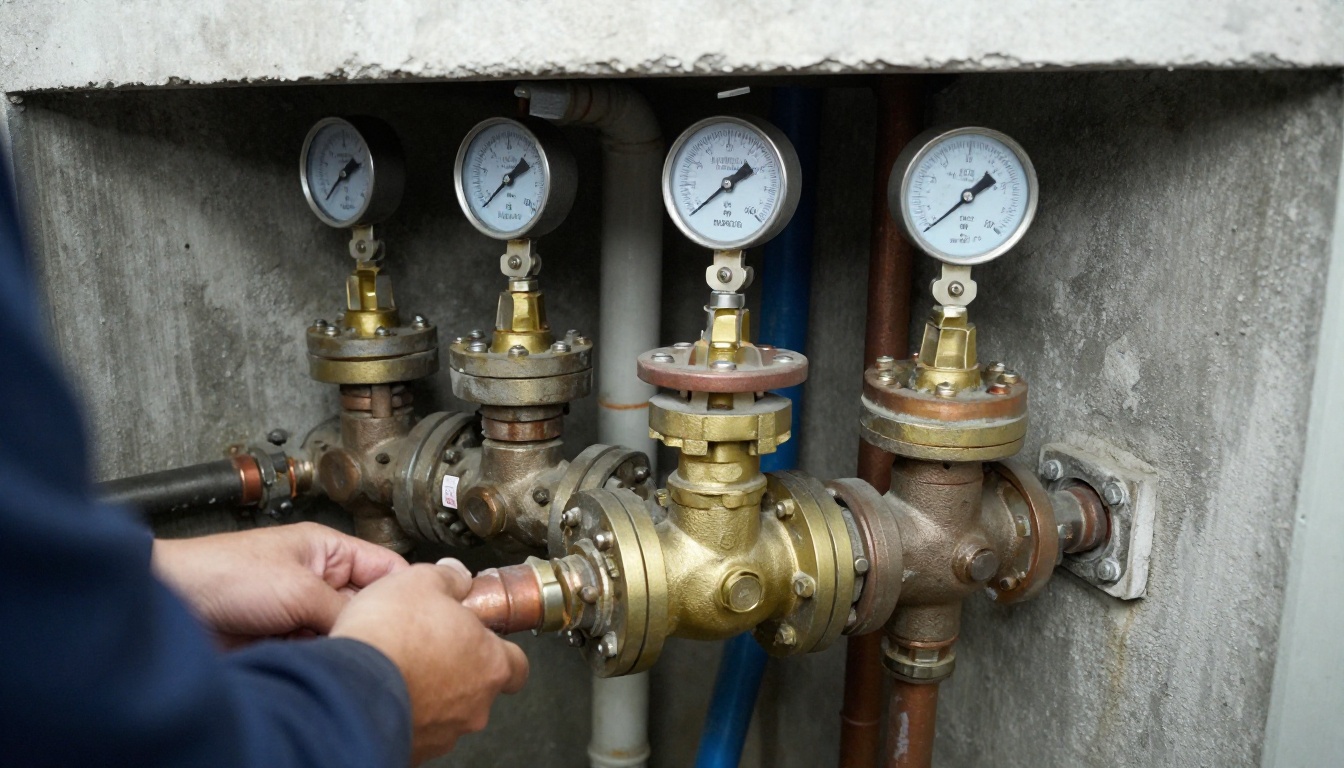
For an Oshawa condominium or rental building, diagnosis typically starts with a field review of the domestic water distribution. That includes the incoming service arrangement, backflow assembly, meter room or mechanical room piping, booster equipment if present, pressure reducing stations, riser takeoffs and branch isolations. In older properties, the review should extend into corridor ceilings, service rooms, parking garage mains and amenity areas. The purpose is to build a real operating map of the building, not just rely on outdated as-builts.
Managers should insist on practical evidence, including:
- a valve inventory by location, size and service
- photos of each priority valve
- notes on accessibility and whether ceiling or wall openings are required
- confirmation of whether the valve fully closes, partially passes or cannot be operated
- identification of what area, stack or equipment that valve is intended to isolate
- recommendations for shutdown sequencing and resident notice requirements
Where there is uncertainty, a camera pipe inspection may support related scope in drainage systems, but domestic water valve diagnosis is mainly physical inspection and controlled operation. On active buildings, the best assessments are often done in coordination with another planned shutdown so the contractor can verify actual isolation under live conditions.
In some Oshawa buildings from older eras, there is another layer: hazardous materials and restoration. If insulation, ceiling texture, drywall compound or other building materials may contain asbestos, that affects how quickly valves can be exposed and replaced. That does not change the need for the project, but it changes the schedule and the soft costs. A board should know that before approving a winter shutdown plan.
From a code and governance standpoint, plumbing work in Ontario must be performed by a licensed plumber, and the broader decision should align with reserve planning under the Condominium Act framework. If the building is already reviewing domestic water infrastructure for reserve fund updates, valve condition should be part of that discussion, not left as an afterthought.
A representative Oshawa valve replacement project
A representative example would be a 17-storey condominium from the late 1990s near the King Street corridor, with roughly 140 suites and a central domestic water mechanical room feeding several risers and amenity branches. The immediate complaint was operational: a routine in-suite repair turned into a six-hour water shutdown affecting multiple floors because the nearest branch isolation valve would not close fully. During the same month, maintenance staff reported that two other valves in the garage ceiling distribution appeared seized.
BMI was asked to review the building and identify which valves were still dependable and which had become liabilities. The inspection found that several original domestic water sectional valves had not been exercised in years. Two gate valves on branch takeoffs passed heavily under isolation attempts, one butterfly valve operator had excessive play and did not seat properly, and another valve began leaking at the stem as soon as it was cycled. Valve charting in the mechanical room also did not fully match what the valves actually isolated in the field.
The recommended first phase focused on the highest-risk points: the failing branch valves serving several residential stacks, one amenity branch valve and two larger isolation points in the domestic water room that were critical for future maintenance. The work required a planned shutdown, draining and localized ceiling access in two common areas. New valves were installed, tagged and charted, and the building used the same shutdown window to complete minor related in-suite plumbing repairs that had been waiting for dependable isolation.
The active replacement work took two days, with pre-planning and notices handled in advance. Restoration extended slightly beyond the plumbing duration because of access panel and ceiling work. The rough market cost for a first phase like this, including planned shutdowns, domestic water isolation, replacement of several valves, testing and basic reinstatement, could reasonably fall in the $28,000 to $55,000 range depending on valve sizes, ceiling conditions and after-hours requirements. A later phase was recommended for lower-priority valves so the corporation could spread spending across budget years instead of waiting for another emergency.
Costs and timelines for valve replacement in Oshawa buildings
There is no single number that fits every Oshawa property because valve replacement is driven by three variables: valve size, accessibility and the operational impact of the shutdown.
A small accessible domestic water isolation valve in a service room is one thing. A larger flanged valve on a main in a crowded mechanical room, or a branch valve in a corridor ceiling that requires access creation and restoration, is another. The biggest cost drivers are usually not the metal valve itself but labour, draining and refill procedures, shutdown coordination, after-hours scheduling, restoration and any abatement controls.
For budgeting purposes in the Toronto market, including Oshawa, broad estimates often look like this:
- small to medium accessible isolation valve replacements: roughly $2,000 to $5,000 per valve
- larger or more complex valves with difficult access or larger shutdown impact: roughly $4,000 to $10,000+ per valve
- targeted first-phase programs for several priority valves: often $20,000 to $60,000
- broader building-wide replacement programs: from the tens of thousands into low six figures depending on count, size and access conditions
These are planning ranges, not quoted prices. A building with clean access, accurate valve charts and daytime shutdown flexibility will budget differently than a building requiring evening work, extensive notices, high resident sensitivity or multiple restoration trades.
Timeline depends on scope. A single planned valve change may be completed in one shutdown window. A priority phase for a mid-rise or high-rise may take one to three days of active plumbing work, with additional time for access and reinstatement. A building-wide program can be phased over weeks or months to align with occupancy, board approvals and reserve cash flow.
For boards preparing fall budgets, this is where it helps to review valve work alongside other capital plumbing items such as domestic water riser replacement, expansion compensator replacement or broader project solutions for condominium plumbing. One planned shutdown strategy is almost always better than several reactive ones.
Repair versus replacement in Oshawa, and when to schedule instead of react
Boards often ask whether an old valve can simply be rebuilt. Sometimes it can, but that is not the same as saying it should be.
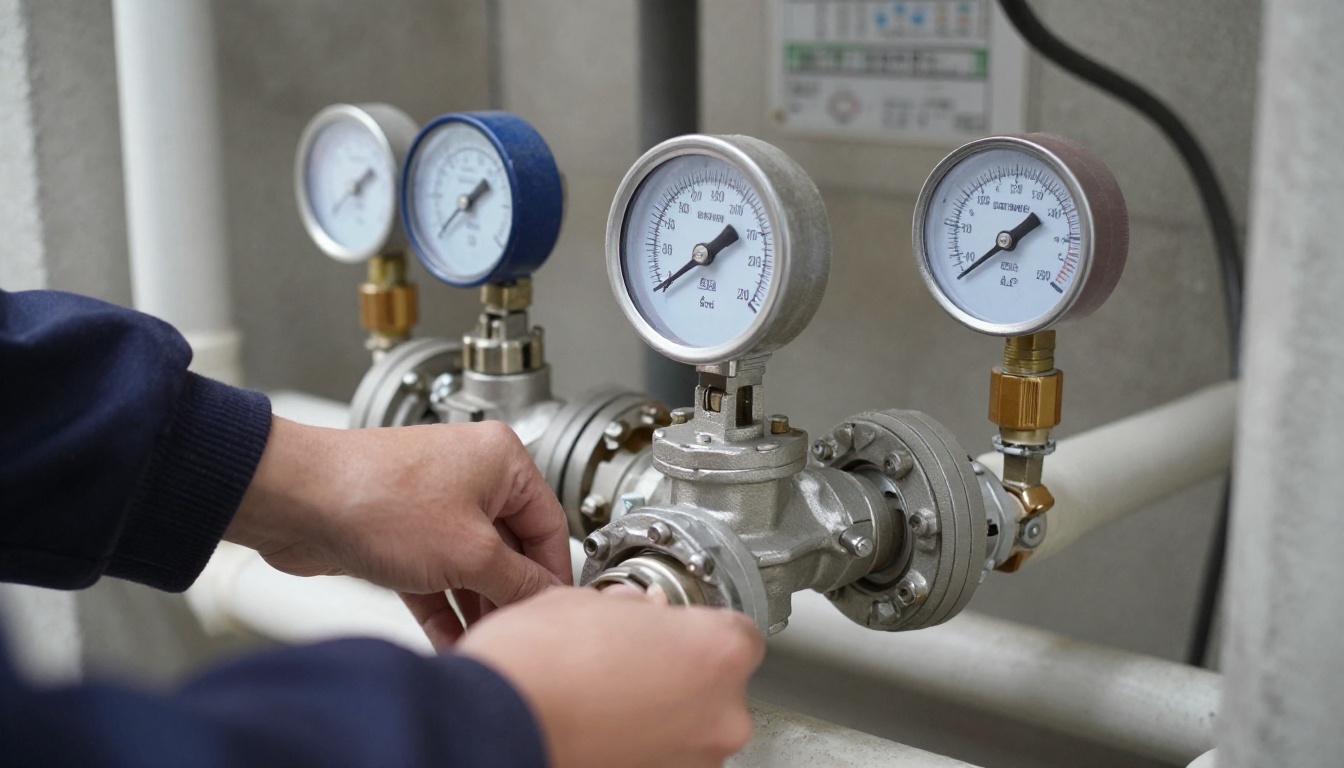
If the valve body is sound, parts are available and the valve has a realistic service life after repair, rebuilding may be worth considering. But in many Oshawa buildings, the problem is not just a leaking packing nut. It is age, incomplete shutoff, uncertain internals, poor accessibility and the fact that the valve is only being discovered because another important job depends on it. In those cases, replacement is usually the cleaner long-term decision.
A practical decision framework looks like this:
- Replace valves that fail isolation on critical domestic branches or risers.
- Replace valves that leak when operated or show body deterioration.
- Replace valves in locations where future access will remain difficult and repeated intervention would be wasteful.
- Consider grouped replacement where several original valves are of the same age and service.
- Schedule work proactively if the building is already planning PRV, riser, backflow or suite plumbing programs.
Reactive replacement during an emergency is always harder. Water must be controlled immediately, notices are compressed, and contractors may need to shut down a larger section of the building than anyone wants. Planned replacement gives the corporation time to communicate, coordinate restoration and sequence related work such as backflow prevention testing and certification or a broader maintenance program review.
What deferring bad shutoff valves costs an Oshawa corporation
Deferral has a cost even before a failure becomes dramatic. Every time a valve does not hold, the shutdown zone gets bigger. That means more suites without water, more resident complaints, more superintendent time and more contractor hours waiting for a system to drain or for a workaround to be found.
The financial risk is larger when a small leak becomes a major event because the nearest isolation point is unreliable. At that stage, the building may need 24/7 emergency leak response instead of a routine service call. Insurance consequences can follow, especially if repeat water damage events show a pattern of deferred control issues. Even where a corporation attempts to charge back certain costs, disputes become more common when the underlying building infrastructure limited the response.
There is also a reserve fund issue. Planned valve replacement is a manageable capital line item. Repeated emergency interventions are operating noise that rarely produce a durable fix. Over time, that is a more expensive way to run a domestic water system.
For Oshawa boards in fall budget season, dependable isolation is not a cosmetic upgrade. It is one of the pieces that allows every other plumbing dollar to work properly.
FAQs about sectional and isolation valve replacement in Oshawa
When should an Oshawa condominium replace sectional or isolation valves instead of rebuilding them?
In many Oshawa buildings from the late 1980s through early 2000s, original gate valves and older butterfly valves are now at the age where seizure, stem leaks and incomplete shutoff are common. If a valve will not fully isolate a branch, leaks from the packing nut, or has a body condition that makes parts support uncertain, replacement is usually the more reliable choice. For boards, the deciding factor is often risk: if a failed shutoff can turn a small repair into a stack-wide or floor-wide outage, rebuilding is usually false economy.
Why do valve replacement projects come up so often in Oshawa high-rise and mid-rise buildings?
Oshawa has a mix of older apartment stock, condominium towers from the 1990s and 2000s, and newer mid-rise development around major corridors. Many of those earlier buildings still have original domestic water isolation valves in mechanical rooms, corridor ceilings and riser branches, and those valves have been operated very little over the years. By the time a suite leak, PRV replacement or riser repair requires a clean shutoff, the valve problem becomes visible all at once.
What evidence should a property manager ask for before approving valve replacement in Oshawa?
Ask for a valve inventory identifying location, size, service and current condition, along with photos and notes on whether each valve fully closes, passes, leaks at the stem or is inaccessible. A proper assessment often includes pressure observations, confirmation of what area each valve actually isolates, and a recommendation for phasing. If walls or ceilings must be opened, managers should also ask how access points will be made good and whether asbestos-containing materials may affect the schedule in older Oshawa buildings.
How much does sectional and isolation valve replacement cost in Oshawa?
For budgeting purposes in Oshawa, smaller accessible domestic water isolation valves may fall in the low thousands per valve, while larger valves in mechanical rooms or garage ceilings can be several thousand dollars each once shutdowns, draining, access and reinstatement are included. A focused phase replacing a group of priority valves might land around $20,000 to $60,000, while broader building-wide programs can be much higher depending on count, size and access. These are market estimates only; actual costs vary with building layout, after-hours work, asbestos controls and whether temporary water service arrangements are needed.
Can valve replacement in Oshawa be coordinated with other plumbing work?
Yes, and it often should be. Boards commonly pair valve work with pressure reducing valve maintenance, domestic riser work, backflow upgrades or a broader valve audit so the building only suffers one planned shutdown instead of several. In fall budget season, combining scopes can also give the board clearer reserve planning and reduce repeat access and restoration costs.
What happens if an Oshawa building keeps deferring bad shutoff valves?
The immediate problem is loss of control during an emergency: a leaking toilet stop or branch line repair can turn into a much larger water damage event if the nearest sectional valve will not hold. The longer-term problem is operational inefficiency, because every routine repair requires larger shutdown zones, more notices, more resident disruption and often more labour. For condominium corporations, that can mean higher insurance friction, more chargeback disputes and reserve fund pressure when reactive work keeps replacing planned capital work.
Next steps for Oshawa property managers and boards
If your Oshawa building has valves that have not been exercised in years, or if recent plumbing work exposed isolation problems, the right next step is not to wait for another emergency. Start with a documented review of critical valves, identify which ones no longer isolate reliably, and decide what can be grouped into a planned shutdown program.
For many corporations, the best value comes from tying valve work to other known needs: domestic water pressure control, riser projects, backflow compliance, or in-suite plumbing campaigns. BMI serves Oshawa and the surrounding GTA from its Toronto shop and works primarily in condominium and multi-residential buildings where access, notices, shutdowns and resident impact all matter.
You can review related completed plumbing projects and building references, explore broader repairs and service for condominium plumbing, or request a building-specific review through the BMI contact page.
Contact BMI
- Contact BMI
- Phone: (416) 845-3756
- Emergency: (416) 845-3756, answered 24 hours a day
- Email: info@brial.ca
More on condominium plumbing
Sectional and Isolation Valve Replacement in Oakville
Sectional and isolation valve replacement in Oakville condos: costs, timelines, diagnosis and planning for safer …
Condo Drain Backup Between Suites in Toronto
Why one condo suite floods when the suite above runs a dishwasher: how stack blockage happens, who pays, and Toronto …
Cast Iron Stack Replacement in Toronto Condos at 50 Years
When aging cast iron stacks need cleaning, lining or replacement in Toronto condos, here is how to diagnose, budget and …
Need a plumber in your building?
BMI services roughly 200 condominium and multi-residential buildings across Toronto and the GTA. Emergencies are answered at any hour.