Seized Shutoff Valve in Toronto Condos: Avoid Floods
A seized shutoff valve can turn a small leak into a major condo flood. Toronto guidance on diagnosis, costs, shutdowns and replacement planning.
Seized Shutoff Valve in Toronto Condos: Avoid Floods
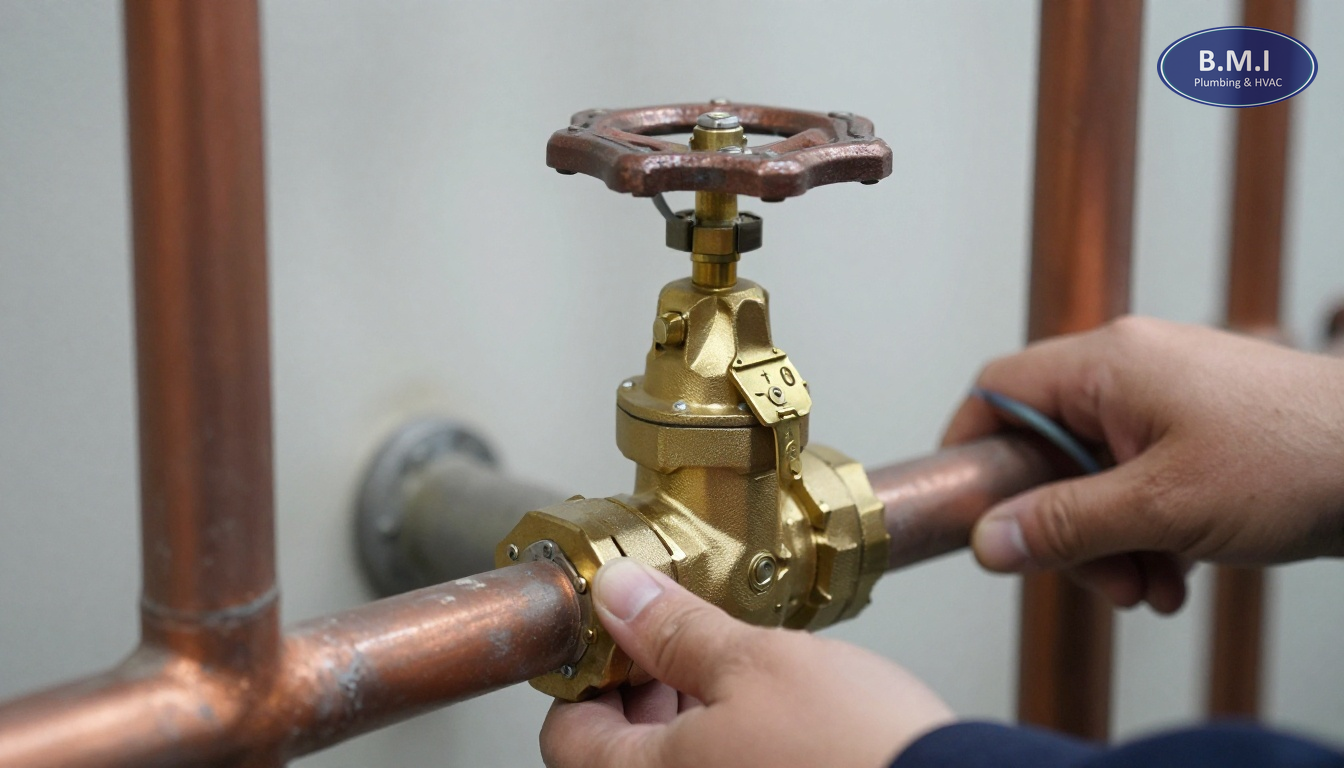
Quick summary: A seized shutoff valve is not a minor maintenance nuisance in a condominium. It is the reason a pinhole leak, burst braided hose or failed toilet stop can spread from one suite into corridors, elevator lobbies and units below because the water cannot be isolated fast enough. In Toronto buildings, especially 1970s to early-1990s high-rises, valve failure is often predictable months or years before the flood happens.
A common board mistake in fall budget season is treating valves as invisible infrastructure that can wait. In practice, if the building operator cannot confidently isolate a domestic cold, hot or recirculation line within minutes, the corporation is carrying more flood risk than most directors realize.
The emergency is usually not the leak. It is the valve that will not close.
In a condo, the plumbing emergency that residents see is usually the water. The real failure is often upstream. A toilet supply hose bursts at 2:00 a.m., a lavatory stop starts spraying from the stem, or a domestic hot riser develops a leak in a riser closet. None of those should automatically become multi-suite losses. They become disasters when the nearest isolation valve is frozen open, the handle spins freely, or the building drawings say one thing and the piping has been altered three times since turnover.
That is why a proper valve audit matters as much as any emergency response plan. In many Toronto, Etobicoke and Mississauga towers, the first 20 minutes of a flood call are spent trying to determine which valve actually serves the leaking line. If the tagged valve will not operate, the shutdown scope expands quickly from one suite to one stack, then one zone, and sometimes the whole building.
From field experience, the most dangerous phrase in a flood is: “We thought that valve worked.” A valve that has not been exercised in 8 to 15 years is not being preserved by inactivity. It is being allowed to seize in place from mineral scale, stem corrosion, packing deterioration, or internal gate failure.
For buildings already seeing repeated shutoff problems, this is usually the point to stop treating incidents one call at a time and look at a broader repairs and service strategy or planned valve replacement program.
Why shutoff valves seize in GTA condominium buildings
The failure mode depends heavily on valve type, building age and where the valve sits in the system. A 3/4-inch in-suite branch ball valve fails differently from a 4-inch mechanical-room butterfly valve, and both fail differently from an original gate valve hidden above a corridor ceiling.
Older gate valves are still one of the biggest risks
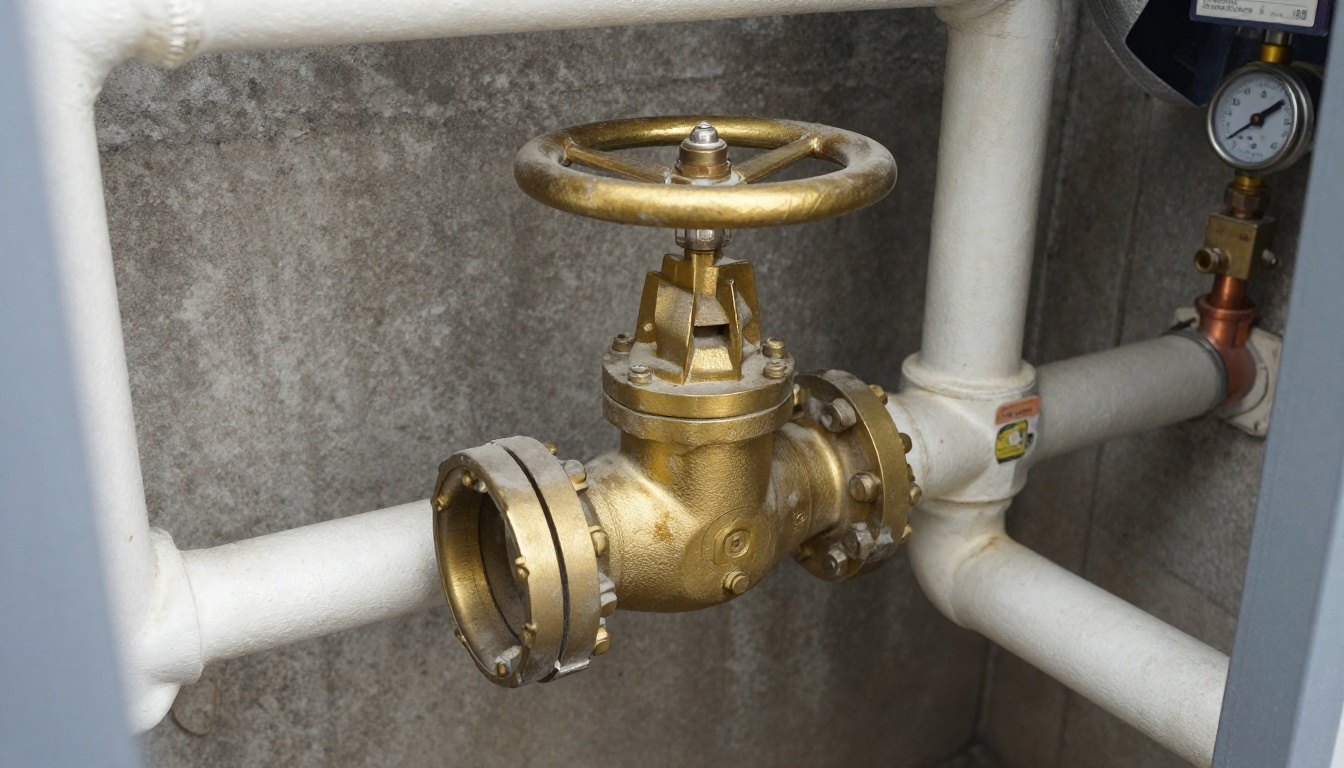
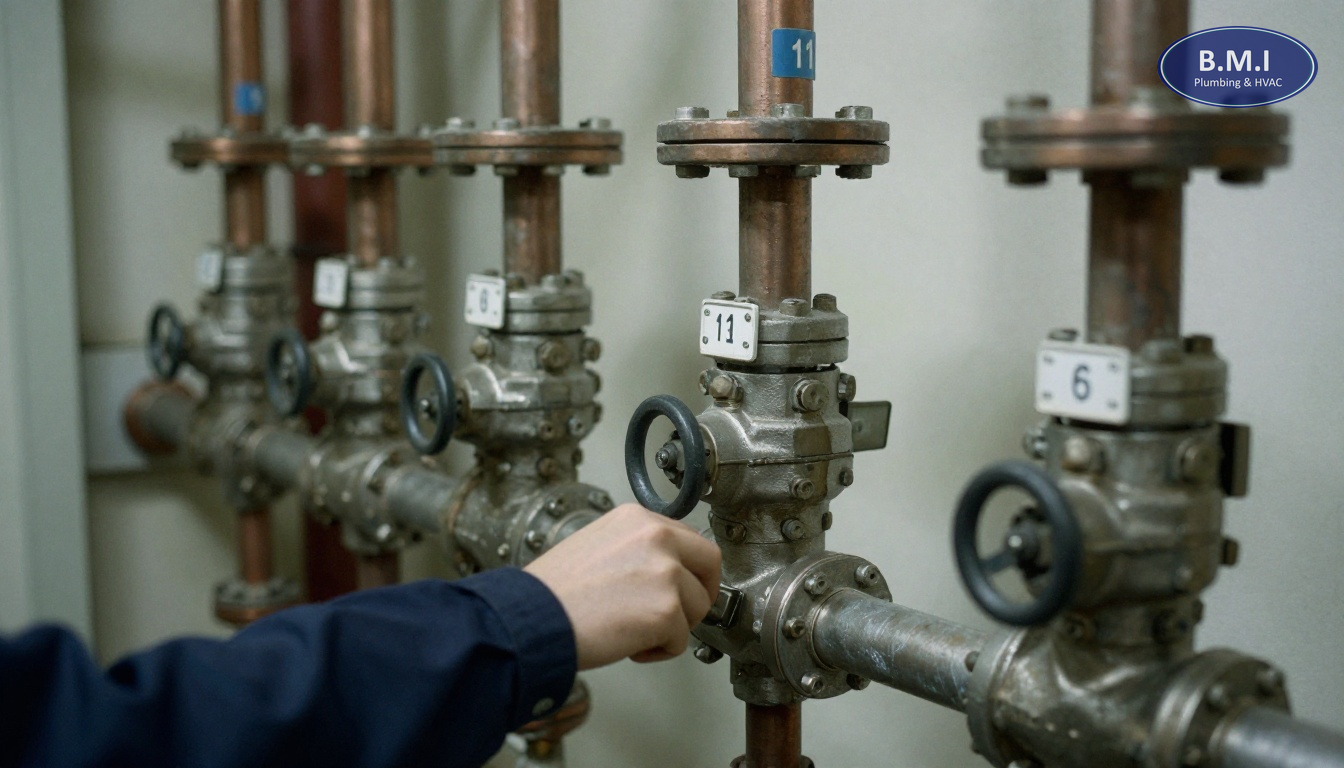
In 1970s and 1980s concrete high-rises across Toronto, Scarborough and North York, original domestic water isolation valves are often gate valves with threaded or flanged ends. These were common on copper and galvanized systems. The problem is not only that they become stiff. The gate can separate from the stem, so the handwheel turns but the internal gate no longer travels. To a non-plumber, it feels like the valve operated. In reality, the water keeps flowing.
Gate valves also tend to accumulate mineral build-up at the seat. Toronto water is not unusually hard by Canadian standards, but over decades the combination of dissolved minerals, oxygen, temperature cycling and stagnant sections around seldom-used valves creates scale and corrosion products that lock the moving parts. Domestic hot lines and recirculation loops are especially prone to this because higher temperature accelerates wear on packing, seats and internal surfaces.
If your building still has original gate valves on 2-inch, 3-inch or 4-inch risers, it is worth reviewing whether they belong in next year’s capital plan alongside domestic water riser replacement or targeted valve replacement.
Ball valves fail less often, but not never
Quarter-turn brass ball valves are generally more reliable than old gate valves, especially in 1/2-inch to 2-inch sizes. But they still fail in condo service. We see seized stems, broken handles, stem seal leakage and valves that become impossible to turn because they were never exercised after installation. On some early retrofits, cheaper full-port lookalikes were installed where better commercial-grade valves should have been used. A valve that is fine in a small retail tenant fit-out does not always hold up to 20 years of high-rise duty.
A common mistake in early-1990s North York towers is assuming all quarter-turn valves are healthy because they are newer than the rest of the system. If they were installed during piecemeal repairs and not documented, operators may not know which are domestic hot, which are recirc, and which isolate only one branch. That confusion can add 30 to 60 minutes during a live leak.
Butterfly valves and larger mechanical-room valves have their own issues
On 2 1/2-inch to 6-inch domestic mains, booster pump headers and PRV stations, butterfly valves are common. These can fail at the gear operator, disc seat, or shaft seals. In buildings along the waterfront and in newer downtown towers, we also see access problems: a perfectly serviceable valve installed too close to another fitting to be replaced without cutting back adjacent pipe. That matters because a simple valve swap then becomes a shutdown with grooving, welding, or reconfiguration.
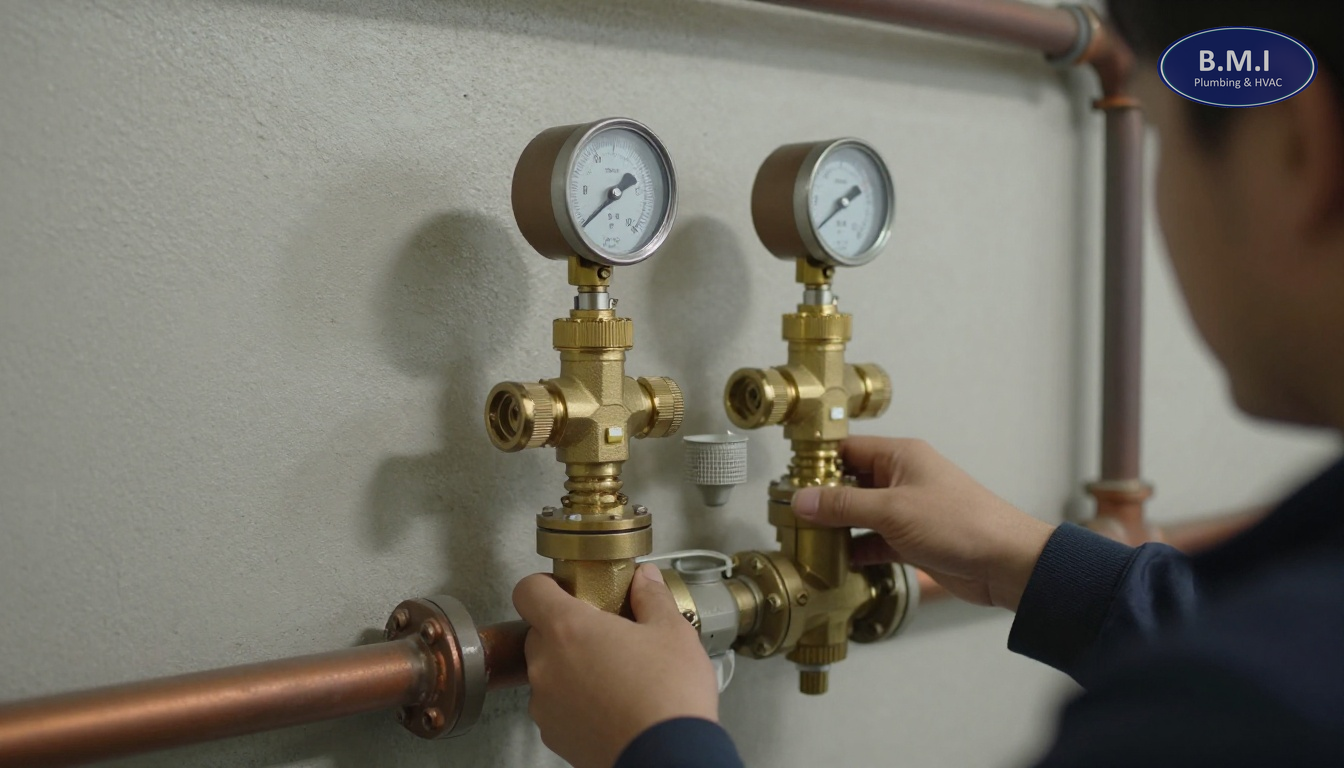
When a building is already planning pressure reducing valve maintenance, it often makes sense to assess the adjacent isolation valves at the same time. There is little value in servicing a PRV station if the upstream and downstream valves cannot reliably isolate it.
How the problem shows up before the flood
Most seized valves announce themselves well before a catastrophic event. The difficulty is that the warning signs are operational, not dramatic.
What managers and operators actually report
Typical reports include:
- “The operator needed two people to turn the valve last time.”
- “The valve closed but the line kept feeding.”
- “The packing nut dripped when we tried to exercise it.”
- “The suite shutoff is buried behind millwork and was never tested after renovations.”
- “We shut one riser and lost water to a different stack than expected.”
That last point matters more than it sounds. In condo buildings that have had 20 or 30 years of alterations, the labelled isolation point is not always the real isolation point. Suite combinations, section 98 alterations, amenity retrofits and after-hours emergency repairs can all leave the valve chart inaccurate. A camera inspection is not for valves, but the same principle applies: management should insist on evidence, not assumptions.
The resident symptom that points to a building valve issue
Residents usually do not report a “seized shutoff valve.” They report that a small leak took hours to stop, or that multiple suites lost water while one repair was being attempted. If a simple fixture replacement in one suite requires shutting down 20 units, the building probably lacks reliable local isolation. That is a maintenance and capital planning issue, not bad luck.
In purpose-built rentals and condo townhouse complexes in Vaughan or Markham, this can be even more obvious because branch isolation may be inconsistent from block to block. On a 300-unit high-rise, by contrast, the clue is often repeated chargebacks or repeated insurance deductibles tied to the same riser line.
What a proper diagnosis looks like
A building should not approve broad valve replacement based on a verbal comment that a valve is “old.” It should also not accept the opposite reassurance that a valve is “probably fine” if nobody has functionally tested it.
The evidence to ask for
A useful valve condition report should include:
- Valve type and size: gate, ball, butterfly, check isolation, PRV bypass isolation; 3/4-inch, 1 1/2-inch, 4-inch, and so on.
- Exact location: mechanical room, riser closet, corridor ceiling, suite plumbing wall.
- What it serves: domestic cold riser, hot water riser, recirc loop, amenity branch, hose bibb branch, make-up water line.
- Functional result: did it fully close, partially close, leak at stem, fail to turn, or turn without isolation.
- Shutdown consequence: how many suites, floors or common areas are affected if this valve fails.
- Photo documentation and whether asbestos-containing insulation, access panels or millwork complicate replacement.
This is exactly why scheduled valve charting and exercise programs are so valuable before winter pressure swings and before holiday occupancy increases. In fall, operators are also winterizing exterior hose bibbs and irrigation feeds; that is often when seized branch valves first reveal themselves.
Testing has to be done carefully
There is no prize for aggressively forcing a 35-year-old valve during business hours and creating a new leak. Valves should be exercised by someone who understands stem packing, back-seating, pressure conditions and what downstream verification looks like. On domestic systems in occupied buildings, the test is not merely mechanical movement. It is whether downstream pressure actually drops and flow stops.
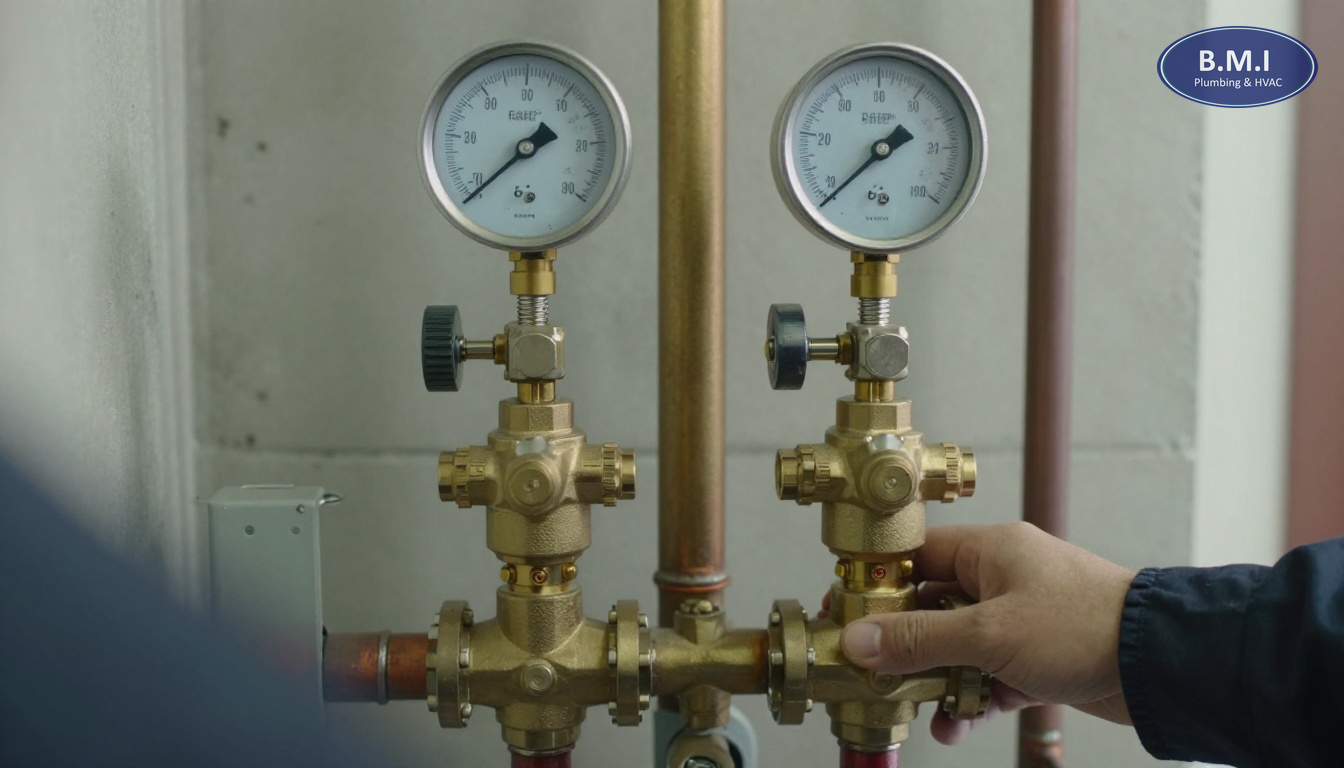
Where a building has repeated water pressure complaints, pairing valve assessment with PRV maintenance and replacement review is often smart. A building with fluctuating pressure at 45 psi one day and 95 psi on another is harder on valves, hoses, stops and fixture cartridges than one with stable control.
Repair, replace, or leave it alone for now
Not every stiff valve needs immediate replacement. But some absolutely do.
When replacement is the right call
Replacement is usually warranted when any of the following are true:
- The valve cannot be operated through full travel.
- The valve appears to close but does not isolate flow.
- The stem packing leaks during operation.
- The valve serves a critical riser, PRV station, booster pump branch or domestic main.
- The valve is buried behind finishes and would delay emergency access.
- The building has already had one flood where this valve was implicated.
A practical example: if a 3-inch domestic hot riser valve on the 18th floor of a 25-storey tower in Toronto will not close, that is not a watch-and-wait item. Domestic hot leaks spread fast, damage finishes quickly and create a difficult shutdown because recirculation lines complicate isolation.
When it may be reasonable to defer a year
Deferral can be reasonable if the valve is non-critical, accessible, partially redundant and the building has other reliable isolation points nearby. For example, a branch valve to a low-priority common-area sink line may not need immediate action if upstream sectional isolation is confirmed and the line has no failure history.
The honest answer in some buildings is that the money is better spent first on the valves that control the greatest flood exposure. That is usually why a phased project solutions plan makes more sense than trying to replace every questionable valve in one budget year.
Repair versus replacement in practice
Packing adjustments, handle replacement or operator repair can occasionally buy time on certain valves. But on older condo plumbing systems, repairs are often false economy because the labour to expose, isolate and work on the valve is the expensive part. If the body and internals are 30 to 40 years old, replacing the entire valve during the shutdown is usually more defensible than trying to salvage it.
What this work costs in Toronto
Costs vary with valve size, location, access and shutdown scope more than with the valve itself. The brass or butterfly valve is often the cheapest part of the event.
Budget ranges for 2026 planning
The following are realistic Toronto-market budgeting ranges, not fixed prices:
| Scope | Typical range | What usually drives cost |
|---|---|---|
| In-suite branch or fixture isolation valve | $450-$1,200 | Access, drywall or vanity removal, whether local shutoff works |
| 3/4-inch to 1 1/2-inch riser branch valve | $900-$2,200 | Need to isolate stack, after-hours work, limited access in closets |
| 2-inch to 3-inch sectional domestic valve | $1,500-$4,000 | Shutdown scope, pipe rework, insulation removal and reinstatement |
| 4-inch to 6-inch mechanical-room isolation valve | $3,500-$15,000+ | Building-wide shutdown, grooved/flanged modifications, bypass, overtime |
| Emergency flood response where valve failure expands damage | $2,000-$10,000+ for plumbing response only | After-hours labour, tracing, temporary controls, wet vac extraction support |
For boards, the key financial point is this: a planned valve replacement may sit in the low thousands, but the same valve ignored can contribute to a loss involving corridor flooring, drywall, elevator protection, restoration contractors and insurance deductibles far beyond the plumbing cost. If a building is already seeing repeated domestic water failures, it may be time to compare targeted valve work against broader building re-piping or riser replacement planning.
The hidden costs boards forget
Three budget items are routinely missed:
- Resident communication and access coordination for stack-based shutdowns.
- Asbestos-related procedures in older mechanical spaces or pipe insulation areas.
- Restoration of walls, ceilings or millwork after the plumbing scope is complete.
In older Scarborough and York towers, a $2,500 valve replacement can become a $6,000 event once access panels, insulation abatement and ceiling reinstatement are included. That does not make the work overpriced. It means the original valve was installed in a building that was not designed around 2026 access expectations.
Shutdown logistics: what managers should expect
This is where many projects go sideways. The plumbing work itself may take three hours. The resident coordination can take two weeks.
Typical timelines
For a planned replacement of a critical common-element valve:
- Site review and scope confirmation: 1 to 5 business days depending on urgency.
- Resident notice period: often 48 to 72 hours minimum for a planned shutdown, longer if many suites are affected.
- Material procurement: 1 day for common valves, several days if specialty lengths, flanges or grooved components are needed.
- Shutdown window: commonly 3 to 8 hours for a straightforward sectional valve; longer if isolation is uncertain.
- Recommissioning and checks: 1 to 2 hours for refill, purge, leak checks and pressure stabilization.
If the building has no reliable upstream isolation, one failed valve can turn into a cascading shutdown. That is why emergency plumbing response and planned valve replacement should not be treated as unrelated services.
Access realities in occupied condos
In-suite branch valve work may require entry to the affected unit, the unit below if leakage occurred, and sometimes the unit above or adjacent if the actual isolation point is in a stacked wet wall. Elevator booking, corridor protection and noise restrictions all matter. After-hours work is often chosen to minimize resident disruption, but it costs more and reduces supplier options if an unexpected fitting is needed.
A common fall issue in post-2010 glass towers is that cabinetry and stone counters were installed tight to access panels during owner upgrades. If section 98 alterations covered the finishes but not emergency plumbing access, the corporation can still end up managing a complicated entry and restoration conversation.
What happens if you defer it
Deferral is not always wrong. Undocumented deferral is.
The operational risk increases in winter
Fall is the right time to deal with suspect shutoffs because winter adds pressure swings, holiday occupancy changes and slower vendor availability during peak periods. A small failure near year-end can be harder to control when residents are away, guest occupancy is up, and mechanical staff are working with reduced holiday coverage.
In buildings where kitchen stack cleaning has not been done before the holiday season, emergency access pressures also rise because kitchens and plumbing chases become active trouble spots at the same time. That is one reason many managers bundle valve review with other preventive work such as kitchen stack cleaning and broader maintenance programs.
Insurance and reserve fund implications
A failed common-element shutoff can affect both the corporation’s loss history and how defensible future reserve planning looks. Under the Condominium Act, boards are expected to manage common elements prudently, and reserve fund studies work best when recurrent plumbing vulnerabilities are documented rather than treated as random incidents. If a building has had two or three water losses tied to failed isolation, the board will have a hard time explaining why no valve program was initiated.
There is also the practical chargeback issue. Owners often ask why they are being held responsible for damage originating in their suite if the corporation could not isolate the common-element water line serving that suite. The declaration governs responsibility, but from a governance standpoint, a building is in a much stronger position when it can show that its common-element valves were audited, charted and maintained.
A practical decision framework for boards and managers
If you need to decide what to do this budget season, use this order:
- Identify critical valves first: incoming water service isolation, PRV station isolation, booster pump isolation, hot/cold riser sectional valves, recirculation isolation.
- Test and document functionality through a proper valve audit.
- Replace failures and high-risk valves first, especially those tied to repeated incidents or large shutdown footprints.
- Coordinate with related work such as PRV maintenance, backflow prevention testing, or riser replacement if those projects are already planned.
- Update the valve chart and emergency procedures so the next operator is not guessing at 2:00 a.m.
If your building has not tested critical shutoffs in years, it is reasonable to start with the valves that can turn a one-suite leak into a 20-suite event. That is usually the best return on limited reserve or operating dollars.
FAQs
How do you know whether a valve is truly seized or just difficult to operate?
A valve is effectively seized when it cannot be operated through its normal travel without excessive force, or when it appears to turn but does not actually stop flow. In a condominium, the only meaningful test is functional: isolate the line, observe whether downstream pressure drops to zero, and document the result. A handwheel that spins, a stem that leaks at the packing nut, or a butterfly valve with a broken gear operator are all common failure modes in older Toronto high-rises.
Who usually pays for a failed shutoff valve in a condominium?
In most GTA condominiums, sectional riser valves, main isolation valves and mechanical-room shutoffs are common elements, so the corporation pays. In-suite fixture stops and some suite branch shutoffs may be unit responsibility, but the declaration is what governs that line. The practical issue is that when a common-element valve will not close, one owner’s small leak can become a corporation-wide water damage event, which is why boards often approve replacement before a visible failure occurs.
What does shutoff valve replacement typically cost in Toronto?
As a rough 2026 Toronto-market range, replacing a small in-suite or branch isolation valve may run about $450 to $1,200 if access is straightforward. A riser sectional valve replacement often lands around $1,500 to $4,000 per valve, while larger mechanical-room isolation valves in the 2-inch to 6-inch range can run from roughly $3,500 to $15,000 or more depending on shutdown complexity, asbestos clearance, bypass requirements and after-hours work. Buildings should treat these as budgeting numbers, not fixed prices.
Can a building wait until a valve fails during an emergency and replace it then?
That is the most expensive way to do it. Emergency replacement usually means after-hours labour, uncontrolled water migration, restoration costs, elevator and corridor protection, resident disruption and sometimes a full domestic water shutdown to more suites than expected. A valve that might cost a few thousand dollars to replace on a planned weekday can trigger a six-figure insurance event if it fails during a burst flex hose or riser leak.
How often should condo shutoff valves be tested or exercised?
Most high-rise buildings should have their key isolation valves identified, tagged and exercised on a scheduled basis, typically annually for critical valves and at least every two to three years for broader programs depending on age and condition. In buildings from the 1970s through early 1990s in Toronto, North York and Scarborough, many original gate valves have not been touched for a decade or more, which is exactly why they fail when needed. A documented valve audit before winter and before major plumbing projects is money well spent.
What evidence should a property manager ask for before approving valve replacement?
Ask for a written report that identifies valve type, size, location, what line it serves, whether it was tested under live conditions and what specific defect was found. Photos should show the valve body, tags, surrounding access constraints and any leakage or corrosion, and the report should state the shutdown scope in suites or floors. If the recommendation is broad, such as replacing a bank of riser valves, management should also ask for a phasing plan and whether a valve charting program has confirmed which valves are still reliable.
What to do next
If your building operator is not confident that critical shutoffs will close, do not wait for the next leak to find out. Start with the valves that control the largest shutdown areas and the highest flood exposure, especially domestic hot and cold riser isolation, PRV station isolation and main mechanical-room valves.
If you are preparing next year’s budget in Toronto, North York, Mississauga or Scarborough, this is the right time to get numbers in front of the board. BMI attends the building before quoting, can help identify which valves are worth replacing now versus phasing later, and can support both scheduled work and 24/7 emergency plumbing response if a live failure has already happened. For buildings that want to reduce repeat incidents rather than react to them, a scheduled maintenance program or targeted valve replacement plan is usually the more defensible path.
For related reading, see the BMI blog, or request a site review if your building has had one flood too many because the wrong valve was tagged, or the right valve would not move.
Contact BMI
- Contact BMI
- Phone: (416) 845-3756
- Emergency: (416) 845-3756, answered 24 hours a day
- Email: info@brial.ca
More on condominium plumbing
Gate Valve vs Ball Valve in Toronto Condos
A practical guide to gate valve vs ball valve and condo valve types in Toronto buildings, with costs, shutdown planning …
Low Water Pressure Condo Toronto: Suite or Building?
Low water pressure condo complaints in Toronto are not always a suite issue. Learn how to tell suite defects from …
Water Hammer in Toronto Condos: Causes and Fixes
A practical guide to water hammer in Toronto condos: why banging pipes happen, how to diagnose them, repair options, …
Need a plumber in your building?
BMI services roughly 200 condominium and multi-residential buildings across Toronto and the GTA. Emergencies are answered at any hour.