Seized Shutoff Valves in Toronto Condos: What Boards Need
Why seized shutoff valves are so common in Toronto condos, what a valve exercise program costs, and how to budget before an emergency shutdown fails.
Seized Shutoff Valves in Toronto Condos: What Boards Need
Quick summary: In many Toronto condominium buildings, half the shutoff valves you think you have are not actually usable. They may be seized, they may turn but not close, or nobody may know which line they isolate. A proper valve exercise program is not busywork; it is one of the cheapest ways to reduce flood spread, shorten shutdowns, and avoid discovering during an emergency that the only way to stop a 3/4" leak is to shut down a 4" domestic main.
A common mistake boards make in October budget meetings is treating valves as background hardware rather than as the control system for the whole plumbing plant. In practice, the difference between a manageable in-suite leak and a six-floor insurance event is often one functioning sectional valve in a riser closet. That is why buildings that already budget for kitchen stack cleaning or PRV maintenance should be looking just as hard at their isolation strategy before winter pressure swings and holiday occupancy increase.
The uncomfortable truth: many buildings do not know what their valves actually do
In older Toronto, North York, and Etobicoke towers, we routinely see valve charts that were copied forward from turnover packages and never verified in the field. The drawing may say “domestic hot water riser 12” but the tag is missing, painted over, or attached to the wrong insulated line. When a leak starts at 9:30 p.m., that uncertainty costs time, and time is what turns a small event into damaged drywall, elevator protection, and owner claims.
A proper valve audit usually finds four categories of problems:
- Seized valves that cannot be turned without risking stem damage.
- Passing valves that appear closed but still allow enough flow to keep a line live.
- Unidentified valves with no reliable tag or chart reference.
- Inaccessible valves buried above hard ceilings, behind millwork, or blocked by later renovations.
The last category is more common than boards expect. In several early-1990s towers in Mississauga and Vaughan, later corridor or suite renovations effectively hid original access routes to branch isolation points. That means the valve itself may be fine, but it is no longer useful in a real shutdown unless walls or ceilings are opened first.
The reason this matters in fall is simple: from October through January, buildings typically see more occupancy, more cooking, more overnight laundry, and more after-hours calls. If your operator has not tested critical valves in the last 12 to 24 months, you are relying on assumptions at exactly the time of year when assumptions fail.
Why valves seize in high-rise buildings
A seized valve is usually the result of age plus inactivity, not one dramatic failure. In Toronto water conditions, mineral content is not extreme, but it is enough over decades to build deposits on stems, seats, and internal wedges. Add humidity in riser closets, occasional condensation in parking garage mains, and years of never cycling the valve, and the first person who touches it is often the person who breaks it.
The failure mode depends on the valve type:
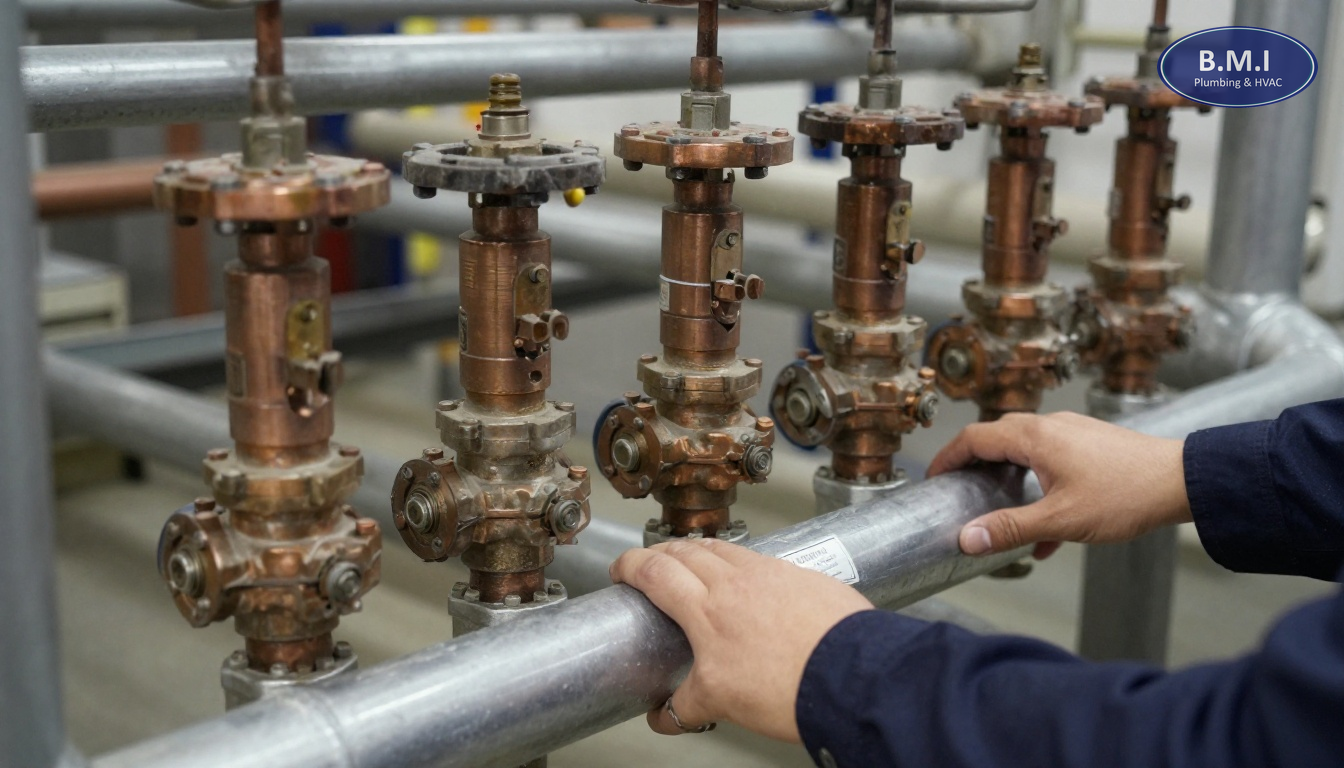
- Gate valves are the worst offenders in 1970s and 1980s concrete high-rises. The handwheel may turn while the gate does not fully travel, or the stem packing may leak once the valve is disturbed.
- Ball valves are generally more reliable, but lower-quality or neglected ones can seize, especially on seldom-used branches.
- Butterfly valves on larger mains can stiffen or have gear operators that have not been maintained, particularly on 4" and 6" domestic or hydronic lines.
- Check valves and balancing valves are often mistaken for isolation points by non-plumbing staff, which leads to confusion during emergencies.
One detail non-experts often miss is that a valve can fail even when it seems to move. A 2" gate valve may spin closed and still pass enough water to keep pressure on a domestic line because the disc is worn, detached, or fouled with scale. That is why a real program is not just “turning valves.” It includes verifying isolation, pressure drop, and line identification where practical. This is also why buildings planning valve replacement or broader project solutions need evidence, not assumptions.
Another issue in post-2010 glass towers is not age but lack of use. These buildings often have better valve materials, but many branch valves are almost never touched because operators are understandably reluctant to disturb systems that appear stable. Ten years of no movement can be enough to create a problem, especially on hot water recirculation branches where heat cycling hardens packing and accelerates seat wear.
How this shows up in the real world
Property managers are rarely told, “you have a valve reliability problem.” They hear symptoms instead. The pattern matters.
Signs the building has a valve control problem, not just a plumbing repair problem
- A single leaking toilet stop or angle valve in one suite requires shutting down water to 8, 12, or 20 suites because no local branch isolation works.
- A contractor says a simple repair will need a full stack or riser shutdown because the nearest sectional valve is seized.
- The building operator knows where the main shutoff is, but not which intermediate valves isolate floors, wings, or recirculation loops.
- During a leak, pressure remains on a line after the valve is reportedly closed.
- Work orders repeatedly mention “valve inaccessible,” “tag missing,” or “unable to isolate.”
A common example in early-1990s North York high-rises is a 3/4" domestic branch serving a bathroom group that cannot be isolated because the original riser closet valve is frozen open. The repair itself might be one hour. The shutdown logistics, resident notices, corridor protection, and after-hours labour are what make it expensive.
For residents, the clue is often this: the corporation says a small suite repair needs a broad shutdown window and multiple notices. That usually means the issue is no longer just in-suite. It is a common-element isolation problem, and responsibility may follow the declaration rather than the fixture location. Where responsibility is disputed, a written report from an in-suite plumbing or common-element contractor is often what resolves chargeback arguments.
What a proper valve exercise program actually includes
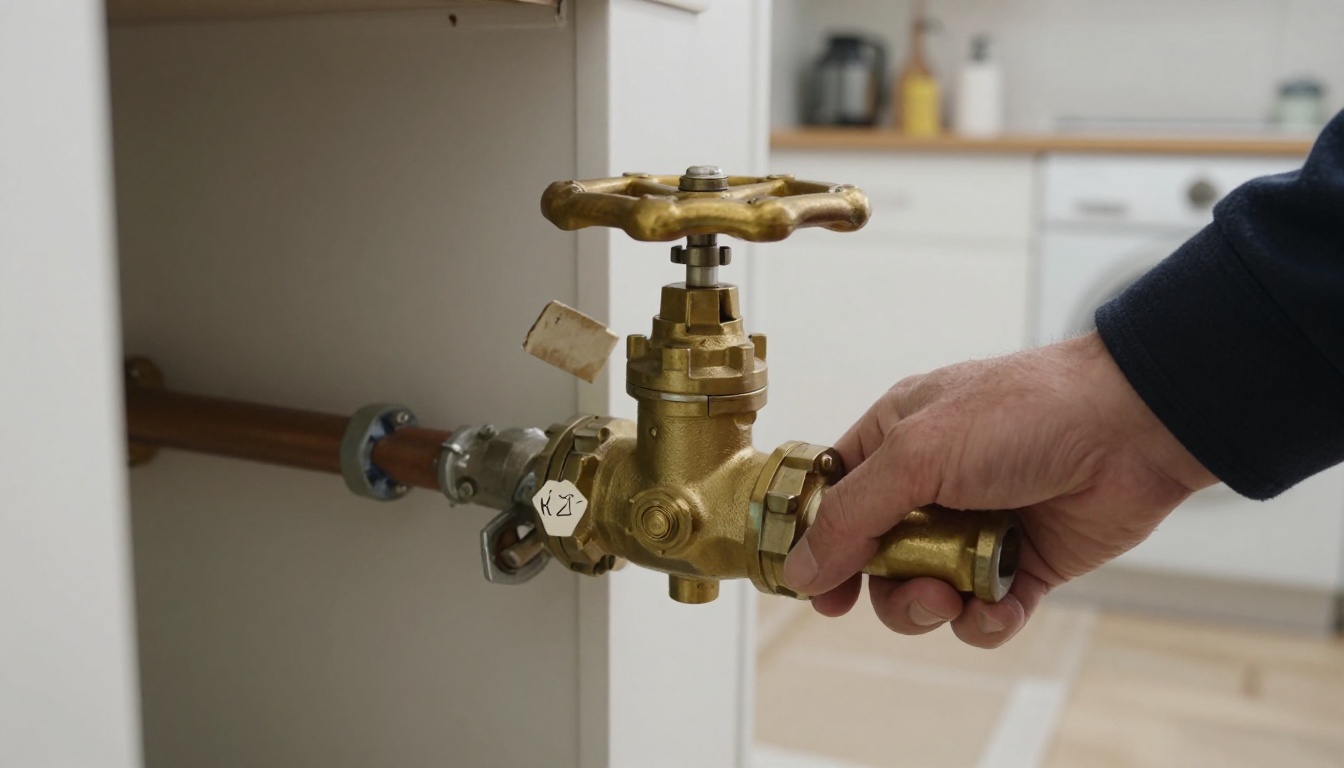
A real valve exercise program is not a clipboard exercise and it is not just for insurance optics. It should produce a usable map of what can be isolated, what cannot, and what should be replaced first.
At minimum, a program should include:
- Locating and identifying accessible valves in mechanical rooms, riser closets, service corridors, parking garage ceilings, and amenity spaces
- Tagging or re-tagging valves with durable identifiers
- Recording valve type, size, approximate service, and condition
- Carefully operating valves through a partial or full cycle where appropriate
- Noting leaks at packing nuts, stem resistance, seized conditions, or broken handles
- Updating a chart that building staff can use during an emergency
- Producing a deficiency list with priorities
The valve audit page describes the framework, but the practical value is in the field notes. A useful report does not say “some valves poor.” It says, for example, “Domestic cold riser valve DC-14, 1-1/2” gate valve, 22nd floor riser closet, seized, no safe operation attempted beyond initial resistance; recommend replacement before any suite branch work on stack 14." That level of specificity is what lets a manager defend a budget line.
What evidence to insist on
If you are authorizing a program, insist on:
- A valve list with size, type, service, and location
- A deficiency ranking such as critical / near-term / monitor
- Photos of failed or inaccessible valves
- A shutdown impact note where relevant, such as how many suites are affected if the valve cannot isolate
- A recommendation on whether replacement should be standalone or coordinated with riser replacement, building re-piping, or other capital work
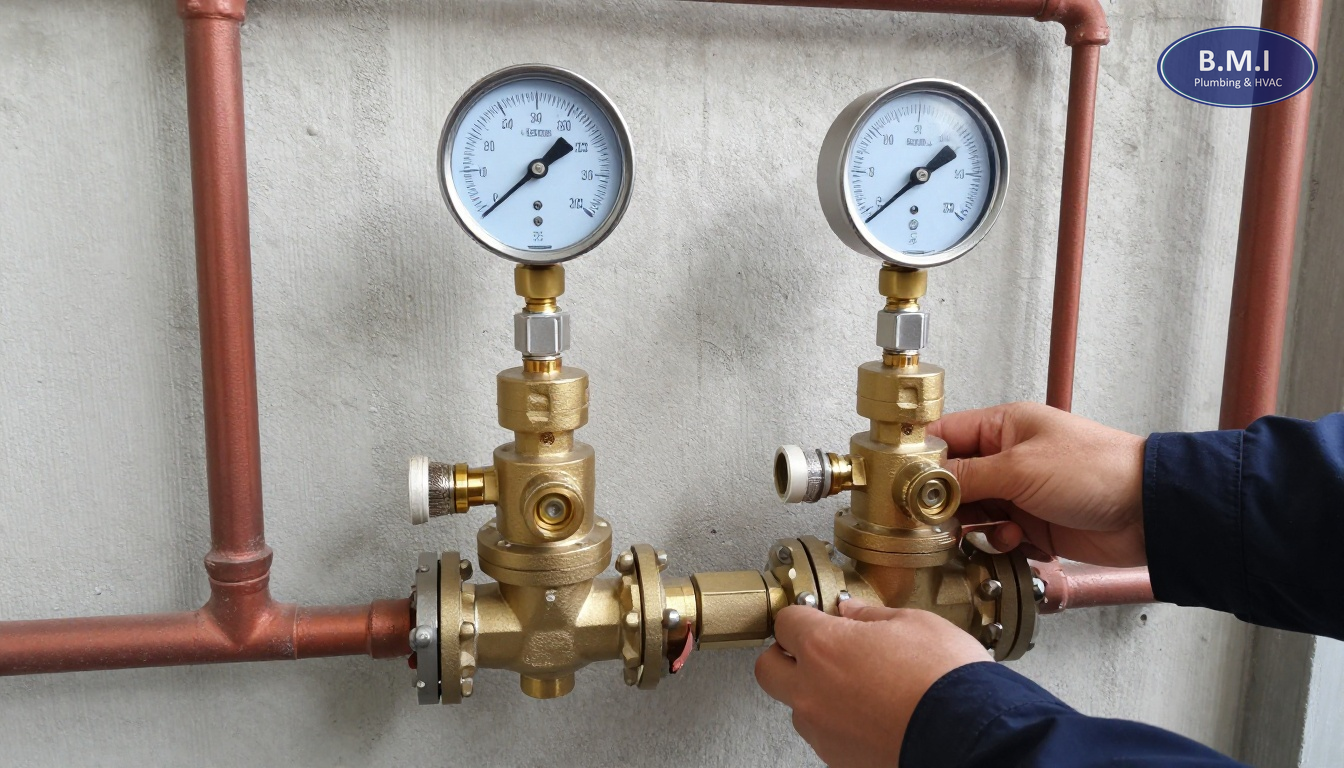
In larger buildings, it is also worth asking whether the contractor has cross-checked valves against domestic pressure management. If your building already has high or unstable pressure, unresolved PRV maintenance can make valve failures more damaging because the line is under more stress when it finally does leak.
The decision framework: exercise, replace, or wait
Boards often ask the wrong question, which is “Should we replace all the valves?” The better question is “Which valves create the most operational risk if they fail during a leak?”
When exercising and charting is enough for now
This is usually reasonable when:
- The building is under about 20 years old and most valves are ball or butterfly type
- Fewer than 10% to 15% of critical valves are deficient
- The domestic piping itself is in good condition
- The building has no major water project planned in the next three years
In that case, a maintenance program with annual or biennial exercising often makes more sense than broad replacement. This is especially true in newer Markham or Richmond Hill mid-rises where the valve population is not yet at end of life but documentation is weak.
When targeted replacement is the right move
This is usually the best answer when:
- Failed valves are concentrated at riser sectional points, PRV bypasses, or key branch isolation points
- The building has already had one or two leaks made worse by poor isolation
- Original gate valves are still serving high-risk lines
- There is enough reserve fund flexibility to address critical items now
Targeted replacement often gives the best return because replacing five strategic valves can eliminate the need for building-wide shutdowns on dozens of future repairs. In practical terms, replacing a few 1-1/2" or 2" riser isolation valves may save repeated notice cycles and after-hours access coordination for years.
When broad replacement should be bundled into a capital project
If a 25-storey building has aging domestic copper, widespread original valves, recurring pinhole leaks, and no reliable sectional isolation, it is often inefficient to treat valves as a standalone issue. In that case, a phased riser replacement or even building re-piping plan may be more rational. The valve work still matters, but it should be sequenced with the larger intervention so you are not paying twice for access and shutdowns.
A common mistake in 1970s Toronto and York towers is replacing random failed valves one by one for five years, then starting a riser project that removes half of them. Sometimes that is unavoidable. Often it is just poor sequencing.
Toronto cost ranges: what boards should budget
These are market estimates for the GTA, not quoted prices, and they vary with valve size, access, shutdown complexity, after-hours requirements, asbestos considerations, and whether finishes must be opened or restored.
| Item | Typical GTA range | Notes |
|---|---|---|
| Basic valve audit for a small building | $2,500-$6,000 | Usually 30-80 valves, charting and deficiency list |
| Mid- to large-tower valve exercise program | $6,000-$18,000 | Often 100-300+ valves across mechanical rooms and risers |
| Replace 3/4" to 1" branch isolation valve | $900-$1,800 | Assumes reasonable access and a manageable shutdown |
| Replace 1-1/4" to 2" sectional valve | $1,500-$3,500 | Cost rises quickly with riser closet access and resident coordination |
| Replace 2-1/2" to 4" mechanical room valve | $3,000-$8,000 | Depends on line service, bypasses, pressure, and shutdown scope |
| Emergency after-hours valve replacement | 20%-50% higher | Common if failure is discovered during an active leak |
| Full valve charting update with tags | $1,500-$5,000 additional | Often paired with an exercise program |
For a 300-unit building, a defensible annual budget line for valve reliability might be one of these three models:
- Light maintenance year: $4,000 to $8,000 for exercise, chart updates, and a small contingency.
- Catch-up year: $10,000 to $30,000 for an audit plus several critical replacements.
- Pre-capital year: $25,000 to $75,000 if the building is stabilizing key isolation points ahead of major riser or repipe work.
The hidden cost boards underestimate is resident coordination. Every avoidable broad shutdown means notices, concierge workload, entry follow-up, elevator protection in some cases, and friction with owners. That administrative burden is real, even though it does not appear on the plumbing invoice.
Timelines, access, and shutdown logistics
A good valve program is as much an operations exercise as a plumbing one. In occupied condominium buildings, the schedule matters almost as much as the trade work.
Typical timing
- Small mid-rise audit: 1 to 2 site days
- 20- to 30-storey tower audit: 2 to 5 site days depending on valve count and access
- Targeted replacements: often 1 to 6 valves per day depending on size and shutdown complexity
- Charting and final report: typically within a few business days to two weeks after field work
If riser closets are in suites, access is the main variable. In some older Scarborough and East York buildings, closets were altered by owners over time, which turns a simple inspection into a coordination exercise. If valves are above hard ceilings in corridors or amenities, access panels may need to be created before the plumbing scope can even be priced accurately.
Notice periods and shutdown planning
For planned work, most buildings should allow:
- At least 48 to 72 hours’ resident notice for minor shutdowns
- Five to seven days where multiple suites or floors are affected
- Longer if there are vulnerable residents, commercial units, or shared facilities that need operational planning
This is where pairing valve planning with other maintenance makes sense. Fall is a good time to align a valve audit with PRV maintenance, backflow prevention documentation, or year-end maintenance programs so the board sees one coordinated risk picture instead of scattered line items.
What happens if you defer it
Not every valve problem demands immediate replacement. Some can wait a budget cycle. But deferral should be deliberate, not accidental.
The real-world consequences of waiting
- Leak spread increases. If the nearest functioning shutoff is two floors away or a full-zone main, more water escapes before isolation.
- Routine repairs become expensive. A simple fixture or branch repair may require overtime, broader notices, and more staff involvement.
- Contractors become conservative. If isolation is unreliable, many plumbers will recommend larger shutdowns to reduce risk, which is rational but disruptive.
- Reserve fund planning gets weaker. If your valve population is not documented, it is harder to scope future project solutions accurately.
- Insurance conversations get harder. After a loss, owners often ask whether the corporation knew the isolation system was deficient. A documented program gives management a much stronger position than guesswork.
Under the Condominium Act, 1998, boards are expected to act prudently in maintaining common elements. The declaration determines exact boundaries, but riser isolation, mechanical room valves, and most sectional controls are typically common-element infrastructure. If a valve problem is known and repeatedly deferred, that can become difficult to explain when chargebacks or deductible disputes arise after a flood.
There is also a winter angle. As outside temperatures drop, pressure behaviour and thermal movement can expose weak points that were quiet all summer. In buildings with aging pressure control, unresolved valve issues combined with PRV drift are a bad combination. If your building has not had recent repairs and service review of critical shutoffs, late fall is the time to do it, not the first freeze weekend.
Common element versus in-suite responsibility
This is where managers get the most pushback from owners, and the answer is often counterintuitive.
A valve located inside a suite is not automatically the owner’s responsibility. If it isolates a common riser or serves as part of the building’s sectional control, it may still be common-element infrastructure under the declaration. Conversely, a fixture stop serving only one toilet or lavatory may be unit responsibility, even though shutting it down may require common-element isolation upstream.
The practical rule is this: responsibility should be determined by the declaration and the function of the component, not just its physical location. That is one reason written findings from in-suite plumbing investigations and common-element valve reviews are so useful. They help management explain why the corporation is paying for one piece while charging back another.
Section 98 issues can also arise if owner renovations have enclosed or obstructed access to common-element valves. In some townhouse complexes and older suite renovations, millwork or finished walls have made emergency access far slower than the original design intended. That is not just an inconvenience; it can materially increase damage during a leak.
A practical fall plan for boards and managers
If you are doing 2027 budgeting right now, the sensible approach is usually not “replace everything.” It is this:
- Identify critical valves first. Mechanical room mains, domestic hot and cold riser sectional valves, recirculation isolation points, and any valves needed to avoid building-wide shutdowns.
- Run a field-based valve audit. Use a contractor who will physically locate, tag, and document, not just review old drawings.
- Separate deficiencies into three buckets: immediate, next budget year, and bundle with capital work.
- Coordinate with other maintenance. If the building is also due for kitchen stack cleaning, backflow prevention, or pressure review, package the site work sensibly.
- Update emergency procedures. The operator, management, and after-hours contacts should all know where the actual working isolation points are.
In buildings we service along the waterfront and in downtown Toronto, the best-run properties are not the ones with zero plumbing issues. They are the ones where the operator can isolate a problem line in minutes because the valves were exercised, tagged, and documented before the emergency happened. That is a maintenance success even though nobody notices it until the night it matters.
FAQs
How many shutoff valves in a condominium building are usually not usable?
In older GTA high-rises, it is common to find 30% to 60% of valves either seized, passing, missing tags, or too deteriorated to trust under load. In 1970s and 1980s Toronto and Scarborough towers, the percentage can be higher where original gate valves were never exercised and packing glands have not been touched in decades. A valve that turns a quarter turn is not necessarily functional if the disc is broken or the valve still passes water.
What is a valve exercise program, and how often should it be done?
A valve exercise program is a planned maintenance process where building isolation valves are located, tagged, charted, carefully operated, and documented so management knows what actually works. For most condominium buildings, a full exercise cycle every 12 to 24 months is sensible, with critical valves in mechanical rooms and domestic water risers reviewed annually. Buildings with frequent leaks, aging gate valves, or upcoming capital work usually benefit from yearly reviews because small failures become major shutdown problems quickly.
What does a valve audit or exercise program cost in Toronto?
For a mid-rise or small tower, a basic valve audit and charting program may run roughly $2,500 to $6,000 depending on valve count, access, and documentation depth. In a 20- to 30-storey condominium with 150 to 300 suites, a fuller program with riser valves, mechanical room valves, sectional isolation mapping, and deficiency reporting often lands in the $6,000 to $18,000 range. Replacement of failed valves is separate, and individual sectional valves commonly add from about $900 to $3,500 each depending on size, material, and shutdown complexity.
Why do shutoff valves seize or fail even if nobody is touching them?
Valves fail from inactivity as much as age. Mineral scale from Toronto-area water, corrosion on stems and seats, hardened packing, condensation in riser closets, and years of being left fully open all contribute to seizure or internal damage. Older gate valves are especially vulnerable because the stem can turn while the wedge no longer travels properly, which creates the false impression that the valve still isolates.
Should a building repair valves as they fail, or replace them all at once?
That depends on the valve population and the building’s project horizon. If only a handful of valves are deficient and the domestic piping is otherwise healthy, targeted replacement is usually the more defensible spend. If a building has dozens of failed original valves, poor charting, and a domestic riser or re-pipe project likely within three to seven years, it is usually better to prioritize critical isolation points now and coordinate the rest with a larger valve replacement or riser replacement program.
What is the risk of deferring a seized valve problem for another year?
The practical risk is that a small leak turns into a whole-line shutdown because the nearest sectional valve will not close. That can mean after-hours labour, opening multiple suites, overtime notices, and a larger water damage claim than the original repair would have caused. From a governance standpoint, deferral also weakens a manager’s position when owners ask why a preventable flood spread through several floors because the corporation could not isolate one branch.
Next steps
If your building has not had a documented valve exercise program in the last two years, this is the right time to get numbers in front of the board before winter and before next year’s repair budget gets locked. Ask for a field-based review of the valves that matter most: mains, riser sectionals, recirculation isolation points, and any branch controls that prevent broad shutdowns.
BMI attends the building before quoting, and where it makes sense, valve work can be coordinated with a wider maintenance program, PRV maintenance, or future capital project planning. If you are already seeing repeated shutdown complications or unexplained isolation problems, do not wait for the holiday period to test your assumptions. Start with a documented valve audit, and if there is already an active leak or failed shutoff, use BMI’s 24/7 emergency plumbing response.
For boards that want comparable examples before deciding, reviewing BMI’s completed project portfolio or related articles on the BMI blog can help frame whether your building needs maintenance, targeted replacement, or a larger piping strategy.
Contact BMI
- Contact BMI
- Phone: (416) 845-3756
- Emergency: (416) 845-3756, answered 24 hours a day
- Email: info@brial.ca
More on condominium plumbing
Valve Audit Toronto: Why Every Condo Building Needs One
A practical guide to valve audit and valve charting condo programs in Toronto, with costs, timelines, shutdown planning …
Building Pressure Test in Toronto: What the Numbers Mean
A practical guide to building pressure test results, water pressure reading patterns, costs, and next steps for Toronto …
PRV Replacement Cost in Toronto Condos: Downtime Guide
Understand PRV replacement cost, downtime and scheduling for Toronto condos, with real GTA price ranges, shutdown …
Need a plumber in your building?
BMI services roughly 200 condominium and multi-residential buildings across Toronto and the GTA. Emergencies are answered at any hour.