Sump Pumps and Sewage Ejector Pits in Scarborough
Sump pump and sewage ejector pit service in Scarborough condos and apartments, with local failure patterns, costs, timelines and repair planning.
Sump Pumps and Sewage Ejector Pits in Scarborough
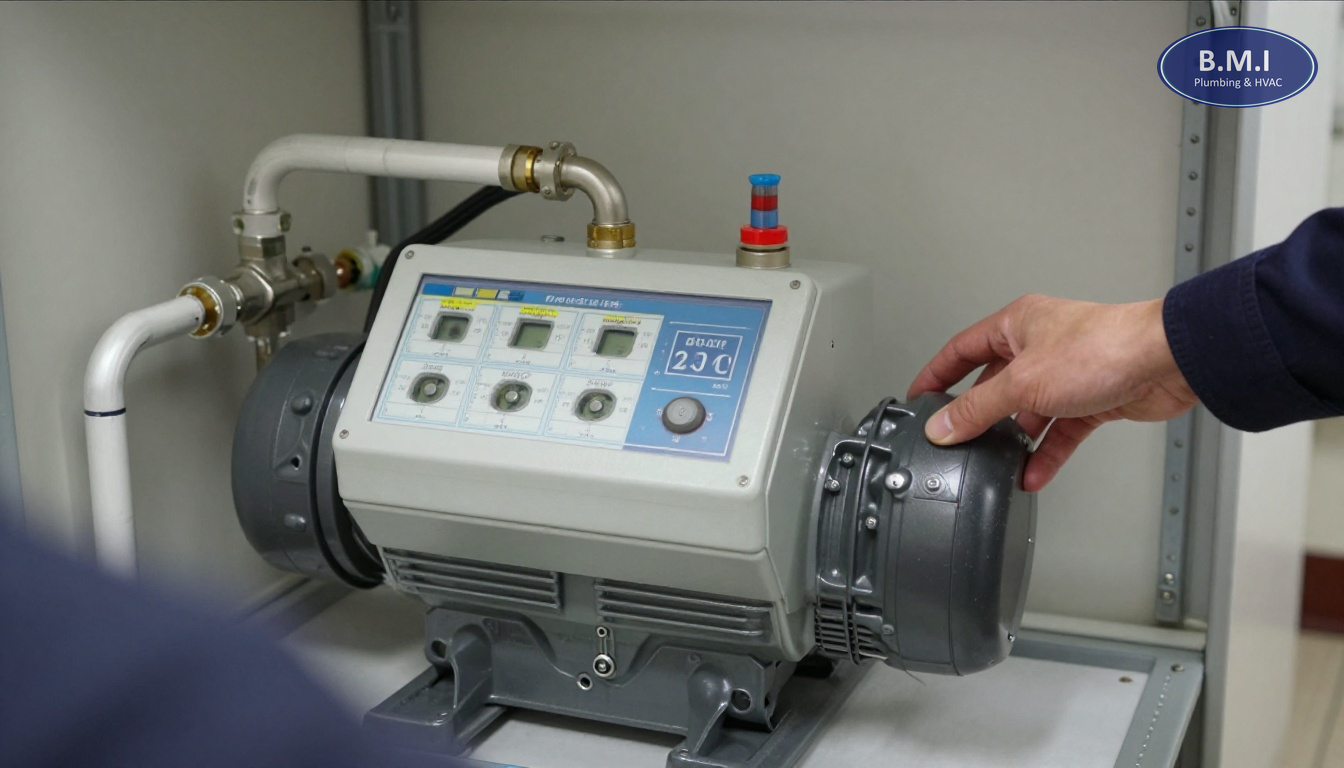
Quick summary: In Scarborough condominium and apartment buildings, sump pumps and sewage ejector pits are often out of sight until a lower-level flood, odour complaint or high-level alarm forces the issue. The failure pattern is local and predictable: older tower stock along Kingston Road, Eglinton East and parts of Agincourt often has aging pits, controls and discharge piping, while newer mixed-use buildings can have more complex duplex systems that still need regular testing and cleaning.
Why sump pump and sewage ejector issues show up in Scarborough buildings specifically
Scarborough has a wide mix of multi-residential building stock, and that matters more than the pump brand on the nameplate. In the older high-rise rental and condominium stock built from the 1960s through the 1980s, it is common to find below-grade service areas, garage ramps, compactor rooms, janitor rooms and mechanical spaces that rely on sump pits or sewage ejectors to move water and waste up to the building drain. Many of those systems were installed with simple float controls, cast iron or steel fittings, and discharge arrangements that have now seen decades of corrosion and vibration.
In buildings from that era near corridors such as Lawrence East, Markham Road and stretches closer to the lake, the original issue is often not just pump age. It is the whole assembly: guide rails, check valves, isolation valves, unions, control panels and alarm devices. The pump may still run, but the pit can be packed with settled solids, grease, stringy material, rust scale or construction debris from years of piecemeal work. A sewage ejector that technically operates but cannot pass solids reliably is still a building risk.
Scarborough also has real variation in site conditions. Some properties sit on sloped sites; others have deeper garage structures or long below-grade service runs. Depending on elevation and where the building ties into municipal infrastructure, pump lift requirements can be higher than many boards expect. That changes both pump selection and how quickly a worn check valve or partially blocked discharge line becomes a live problem.
For buildings in budget season, this is also the right time to look at related mechanical risks. A pit issue is often discovered alongside deferred valve work, poor pressure control or lack of routine drain maintenance. Where there is repeated grease or debris entering lower-level drains, boards should also look at kitchen stack cleaning and broader maintenance programs, because the pump room problem is sometimes just the downstream symptom.
How sump pump and sewage ejector problems present in Scarborough condos
Managers rarely get a call that says, “the sewage ejector pit has failed.” They get a smell complaint from a basement corridor, a report that the garage ramp drain is overflowing, a concierge note about an alarm panel beeping, or a cleaner saying the janitor sink backed up again.
In a Scarborough condominium, common reports include:
- intermittent odour around the mechanical room or service corridor
- water ponding around a lower-level floor drain after rain or snow melt
- a high-level alarm at the pit panel
- a pump that hums but does not move water
- a breaker that keeps tripping after reset
- sewage backing up at a basement washroom or service sink
- rapid pump cycling that suggests a failed check valve or float issue
Sump pump problems are usually tied to groundwater, seepage, garage drainage or runoff entering the collection system. Sewage ejector problems are different: they involve solids handling, basin venting, check valve performance and the condition of sanitary discharge piping. In practice, many Scarborough boards are dealing with both in the same building, often in separate rooms and with very different maintenance needs.
This is also where reactive service can be misleading. Snaking a nearby drain may temporarily lower the water level, but it does not confirm that the pump is operating correctly or that the discharge line is clear. A proper camera pipe inspection or pump-room diagnosis is often needed before anyone can say whether the issue is a blockage, a failed float, a seized impeller, a burned motor or a control fault.
What diagnosis and inspection should include in a Scarborough building
A useful inspection is not just lifting the lid and confirming that a pump turns on. Property managers should expect evidence.
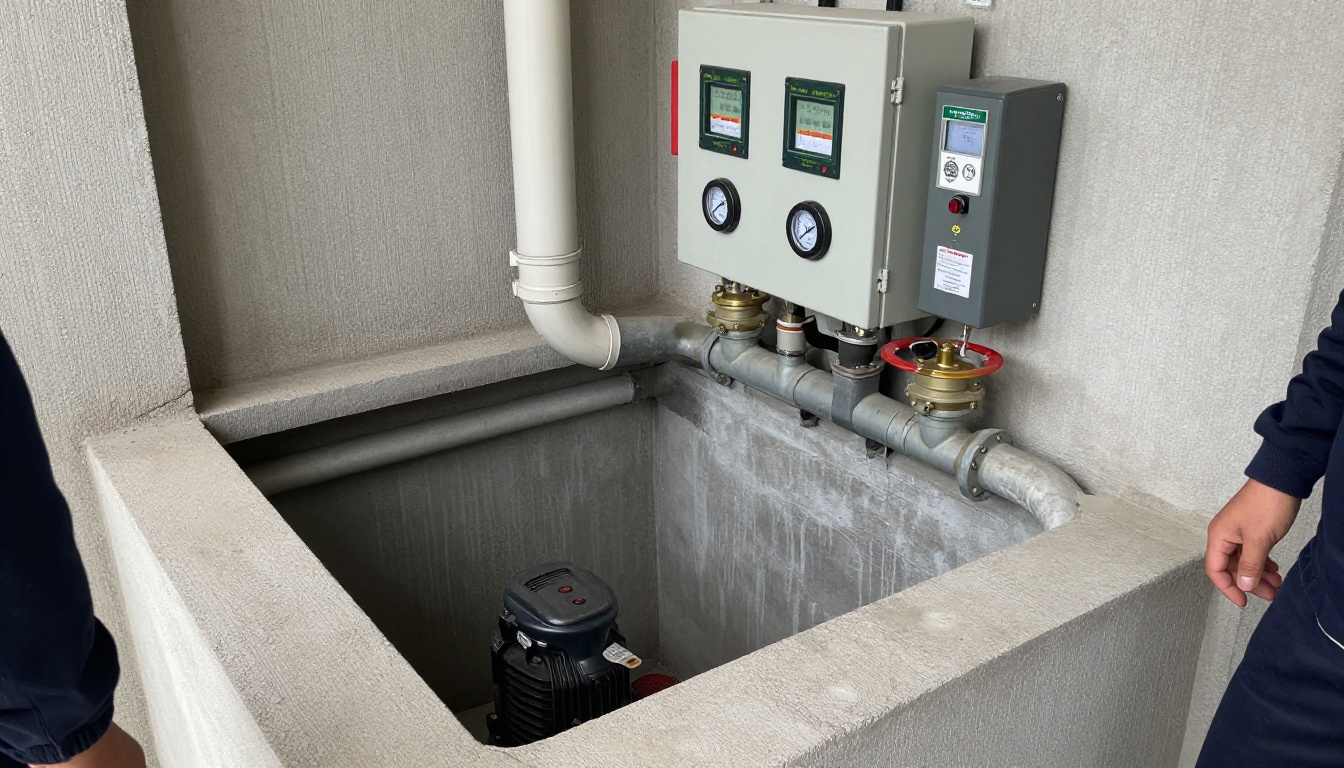
For a sump pump or sewage ejector pit in Scarborough, a proper diagnosis usually includes:
- Visual pit inspection for debris, grease, settled solids, corrosion, broken floats, loose cables and basin condition.
- Operational testing of each pump through a full cycle, not just manual override at the panel.
- Amp draw and electrical checks to identify motors that are running overloaded or near failure.
- Check valve and isolation valve review to confirm there is no backflow through the discharge and that valves can actually be serviced.
- Discharge piping assessment for scaling, blockage, unsupported sections or leaks at fittings.
- Alarm and panel verification including lead-lag alternation in duplex systems.
- Odour and venting review where sewage ejector pits are involved.
In older Scarborough towers, insist on photos of the pit interior, the discharge piping, the check valves and the controls. If the recommendation is replacement, ask whether the issue is isolated to the pump or whether the real problem is the assembly around it. It is common to replace a pump only to discover that the seized isolation valve or failed check valve makes proper commissioning impossible. That is where related work such as sectional and isolation valve replacement or a broader valve audit becomes relevant.
If the building has a premise isolation device or other backflow equipment in the same service area, use the opportunity to coordinate backflow prevention testing and certification. Scarborough buildings are served within Toronto’s municipal framework, and annual testing of required backflow devices is not something boards should leave to memory.
A final point on inspection: for sewage ejector pits, cleaning before diagnosis is often part of the real work. If the basin is full of solids and rags, no one can assess the floats or pump condition properly until the pit is pumped down, washed and made safe for inspection.
A representative Scarborough service call: lower-level sewage ejector failure
A representative example would be a 19-storey condominium from the late 1970s near the Kingston Road corridor with two levels of underground parking and a small basement amenity area. The property team reported repeated odour near a service hallway, followed by a high-level alarm on a weekend and backup at a basement janitor sink.
On arrival, the immediate issue was a sewage ejector duplex set that had lost effective redundancy. One pump had failed on thermal protection, and the second was running but not clearing the pit quickly enough. The basin contained heavy solids accumulation, wipes and stringy debris. The discharge check valves were badly worn, so a portion of the pumped volume was falling back into the pit after each cycle. One isolation valve above the pit was seized, which complicated safe servicing.
The first stage was emergency containment and restoration of service: pump-down, pit cleaning, temporary bypass measures, removal of debris from the active pump, and replacement of the worst check valve so the remaining pump could hold. After that, the board received a condition report with photos and testing notes.
The permanent work followed the next week during regular hours. It included replacement of both sewage ejector pumps, new guide components, new check valves, new accessible isolation valves, float replacement, control adjustments and discharge piping modifications in the mechanical room. The building also scheduled follow-up drain cleaning and snaking in the affected lower-level branch area because the pit failure had exposed existing accumulation in adjacent sanitary piping.
Total duration was roughly one emergency attendance plus one planned weekday shutdown window for the replacement work. Rough cost for the emergency stabilization and permanent mechanical replacement was in the high four figures to low five figures, varying with pump duty, pit access and electrical coordination. That is a realistic market range, not a fixed price.
Costs and timelines for Scarborough condo pit work
Costs for sump pump and sewage ejector work in Scarborough vary widely because access, pump size and pit condition vary widely.
Typical 2026 GTA market ranges for multi-residential buildings are often along these lines:
- Inspection and testing: a few hundred dollars to around $1,500 depending on pit condition, number of pumps and whether after-hours attendance is needed.
- Pit cleaning and service restoration: roughly $1,000 to $3,500 where vacuuming, washdown, debris removal and component testing are required.
- Single commercial sump pump replacement: often about $2,500 to $6,000 installed for a straightforward setup.
- Duplex sump or sewage ejector replacement: commonly $6,000 to $15,000 or more where pumps, rails, valves, controls and piping changes are involved.
- Control panel or alarm upgrades: often in the low to mid four figures, especially when lead-lag alternation or new alarm signalling is required.
- Discharge piping and valve rework: highly variable, often several thousand dollars when corroded fittings, seized valves or poor access above the pit are part of the scope.
Timelines also depend on whether this is reactive or planned. A same-day 24/7 emergency leak response can often stabilize a flooding or backup condition, but proper parts procurement and weekday replacement may still take several days. For boards planning ahead in the fall, most pump-room projects can be inspected, scoped and budgeted before winter, which is preferable to discovering the issue during freeze-thaw runoff or holiday staffing gaps.
Where pressure irregularities are contributing to nuisance leakage elsewhere in the mechanical room, it can also make sense to pair the visit with pressure reducing valve maintenance and replacement. That is not because PRVs cause pit failures, but because fall is the practical season to review both before winter operating conditions expose weak points.
Repair versus replacement in Scarborough: a practical decision framework
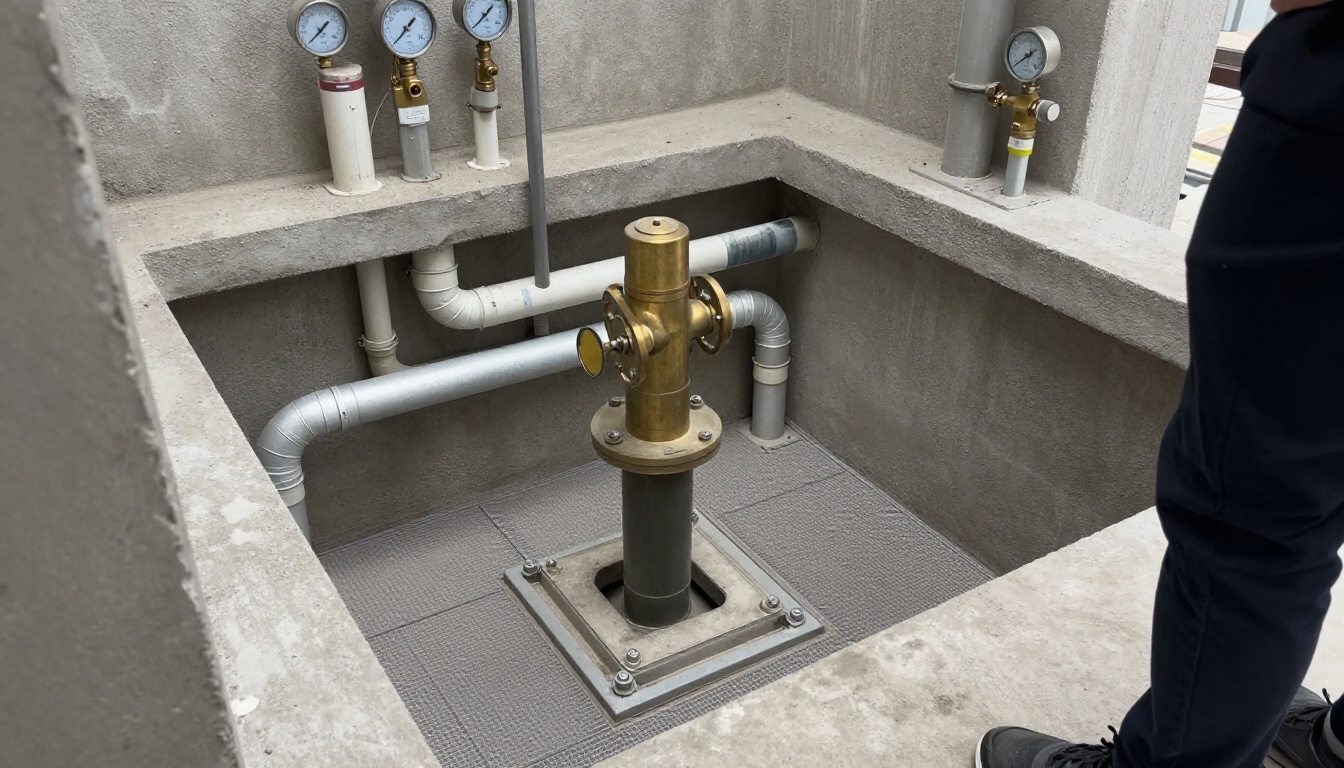
Boards usually ask the right question in the wrong order. The first question is not, “Can it be repaired?” It is, “What is the failure mode, and what risk remains after repair?”
Repair may be reasonable when:
- the pump is relatively recent
- the motor tests well
- the issue is a failed float, check valve or isolated blockage
- the second pump in a duplex system is healthy and properly alternating
- the pit and discharge assembly are otherwise in serviceable condition
Replacement is usually the better decision when:
- both pumps are of similar age and one has already failed
- guide rails, valves and fittings are badly corroded
- controls are obsolete or unreliable
- there is no true redundancy left in a duplex system
- the building has repeated after-hours alarms and callouts
- the pit has chronic solids accumulation because the system was undersized or poorly configured
For some Scarborough properties, the right answer is not a one-off repair but a scheduled mechanical room renewal approach. If the building is already budgeting domestic riser, valve or repiping work, pump systems should be reviewed as part of the same capital planning conversation. BMI’s project solutions and completed projects and building references pages give a sense of how that broader planning is typically approached in GTA multi-residential stock.
What deferring sump pump or sewage ejector work costs
Deferral rarely saves as much as boards hope. It usually converts a planned weekday repair into an emergency response, resident disruption and secondary damage claim.
The direct costs are obvious: after-hours labour, cleanup, restoration, elevator protection, security coordination and possibly environmental cleaning where sewage is involved. The indirect costs are often worse:
- insurance deductibles and claims history concerns
- chargebacks and resident complaints
- damage to flooring, walls, storage areas or electrical equipment
- staff time spent managing recurring alarms and odour issues
- reserve fund pressure from unplanned mechanical work
Under the Condominium Act framework, boards are expected to maintain common elements prudently. A reserve fund study update cycle will not predict every pump failure, but recurring pit alarms and lower-level backups are exactly the kind of observable condition that should trigger planned budgeting rather than repeated emergency spending.
Deferral can also create compliance problems around related systems. If a lower-level service room contains backflow equipment, domestic valves or other aging plumbing assets, every emergency attendance becomes more expensive when isolation is poor. That is why many managers pair pit work with in-suite plumbing repairs only as needed for resident impacts, while keeping the main focus on building systems that reduce repeat incidents.
FAQs about sump pumps and sewage ejector pits in Scarborough
What is the difference between a sump pump and a sewage ejector in a Scarborough condo building?
A sump pump handles relatively clean groundwater or storm-related seepage collected from foundation drains, parking garage drains or mechanical room drainage. A sewage ejector handles sanitary waste from fixtures located below the level of the building sewer, such as basement washrooms, janitor sinks or some ground-floor amenity spaces. In Scarborough multi-residential buildings, the distinction matters because the pump type, controls, pit construction and maintenance requirements are different, and using the wrong replacement equipment can create recurring failures.
How often should a Scarborough condominium inspect and service its sump pump or sewage ejector pit?
For most condo and rental buildings, an annual inspection is the minimum, with more frequent checks where there is known groundwater inflow, a history of nuisance alarms or heavy use of below-grade sanitary fixtures. In practice, many Scarborough buildings benefit from fall inspection before freeze-thaw conditions and winter pressure swings, especially if the pit is tied to garage or ramp drainage. If the building has duplex pumps, alarms or older float controls, routine testing under load is more useful than a simple visual check.
What are the warning signs that a sewage ejector pit in Scarborough is close to failure?
Property staff usually notice odour at the pit room, frequent high-level alarms, pump short-cycling, breakers tripping or repeated blockages from wipes and solids. Residents may report backing up at a basement washroom or service sink, or intermittent flooding around lower-level floor drains after a busy period in the building. In older Scarborough buildings, corrosion at rails, check valves and discharge fittings is also a common sign that the failure is not just electrical but mechanical and piping-related.
Does a failed sump pump or sewage ejector become an emergency in Scarborough?
Often yes, because once storage volume in the pit is used up, water or sewage has nowhere to go and can overflow into electrical rooms, storage areas, corridors or occupied lower-level spaces. In a Scarborough high-rise with underground parking, even a “small” sump failure can become a garage access and slip-hazard problem within hours during wet weather. That is why many managers keep emergency response contact details ready and pair reactive service with planned inspection and replacement budgeting.
Can a condo board in Scarborough repair one pump, or should it replace both pumps in a duplex setup?
If one pump in a duplex set has failed and the other is the same age, boards should at least price both options. Replacing only one pump lowers immediate cost, but mismatched controls, wear levels and duty cycles can leave the building with unreliable redundancy, especially in older Scarborough towers where access to the pit room is awkward and emergency callouts are expensive. A condition-based recommendation should include pump age, amperage draw, check valve condition, guide rail condition and the remaining life of the controls.
What does sump pump or sewage ejector work typically cost in Scarborough?
For a multi-residential building in Scarborough, a straightforward service call to inspect, test and clear a pit issue may run from several hundred dollars into the low thousands depending on access, after-hours timing and whether confined pit cleaning is required. Replacing a single small commercial sump pump is often in the low thousands, while duplex sewage ejector replacement with new controls, check valves and piping modifications can move into the mid to high four figures or more. The range depends heavily on pump capacity, guide rail setup, electrical coordination, disposal requirements and whether the pit room needs restoration or odour remediation.
Next steps for Scarborough property managers and boards
If your Scarborough building has had even one recent pit alarm, lower-level backup, unexplained mechanical room odour or recurring garage drainage issue, this is the right season to inspect before winter. Fall is also when boards need realistic numbers for the next budget cycle, and pump-room work is much easier to scope calmly than during an overnight overflow.
BMI serves Scarborough and the surrounding GTA from its Toronto shop. For emergency attendance, targeted repairs and service, or a condition review that helps your board decide between repair and replacement, the next step is to document the symptom, gather any alarm history and book a site visit through Contact BMI. If you want to review related building plumbing issues at the same time, the BMI blog also covers common multi-residential failure patterns across Toronto-area stock.
Contact BMI
- Contact BMI
- Phone: (416) 845-3756
- Emergency: (416) 845-3756, answered 24 hours a day
- Email: info@brial.ca
More on condominium plumbing
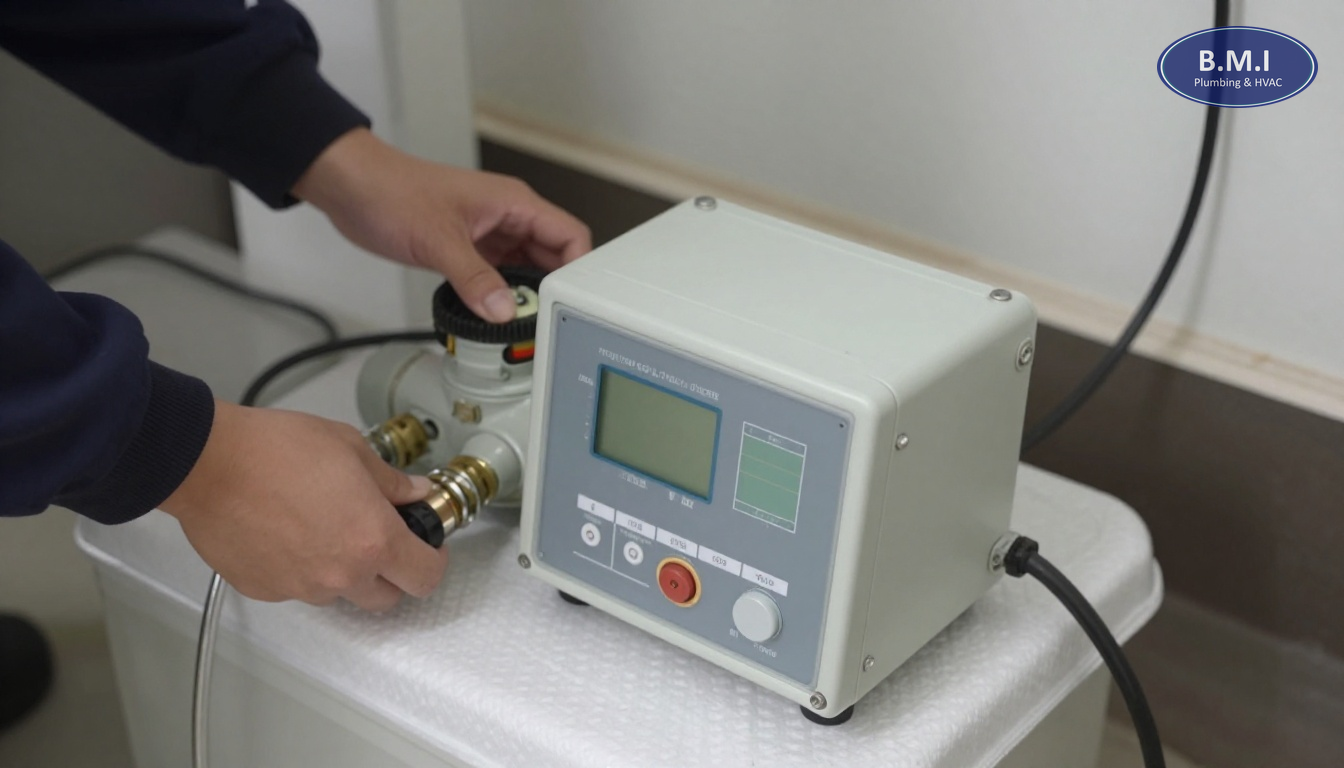
Sump Pumps and Sewage Ejector Pits in York Condos
Sump pump and sewage ejector pit service in York for condos and rentals. Local failure patterns, diagnosis, costs and …
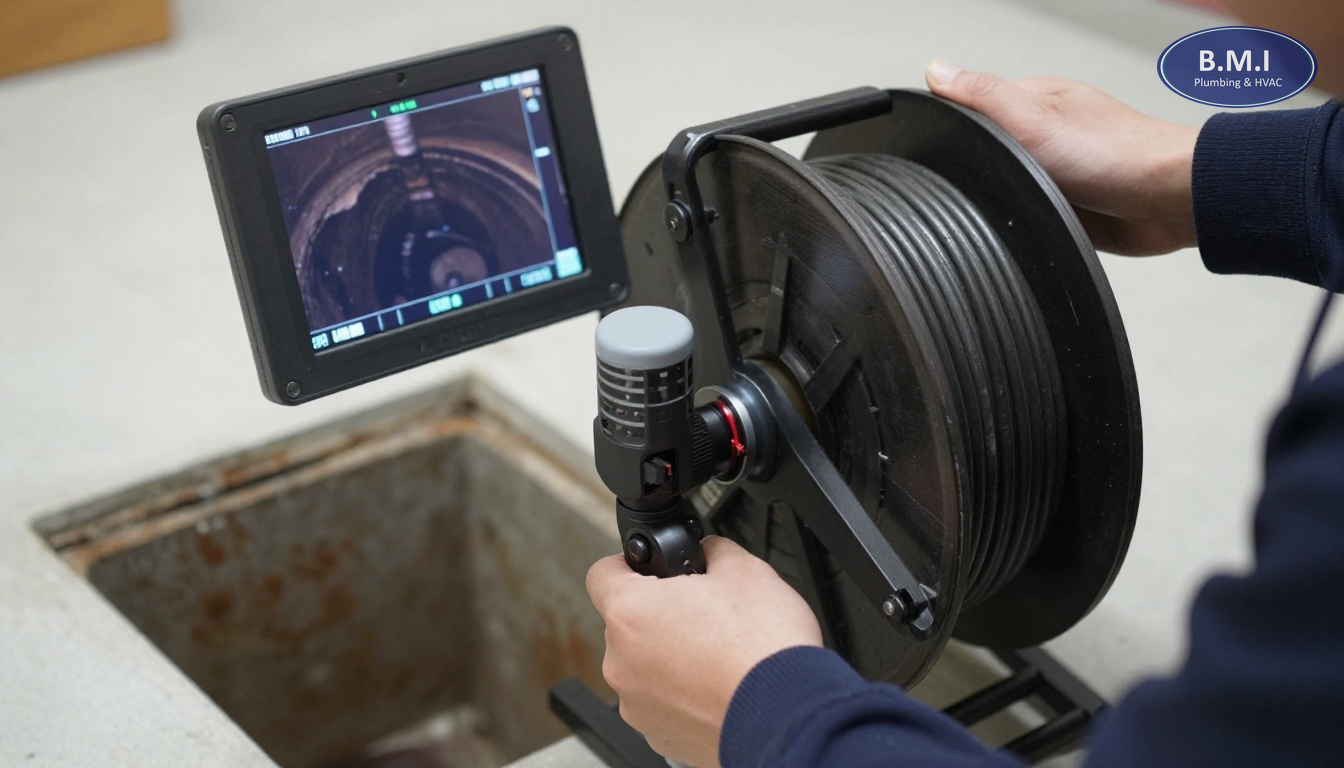
Camera Pipe Inspection in Scarborough Condominiums
Camera pipe inspection in Scarborough for condos and rentals. Learn when CCTV drain surveys are needed, what they show, …
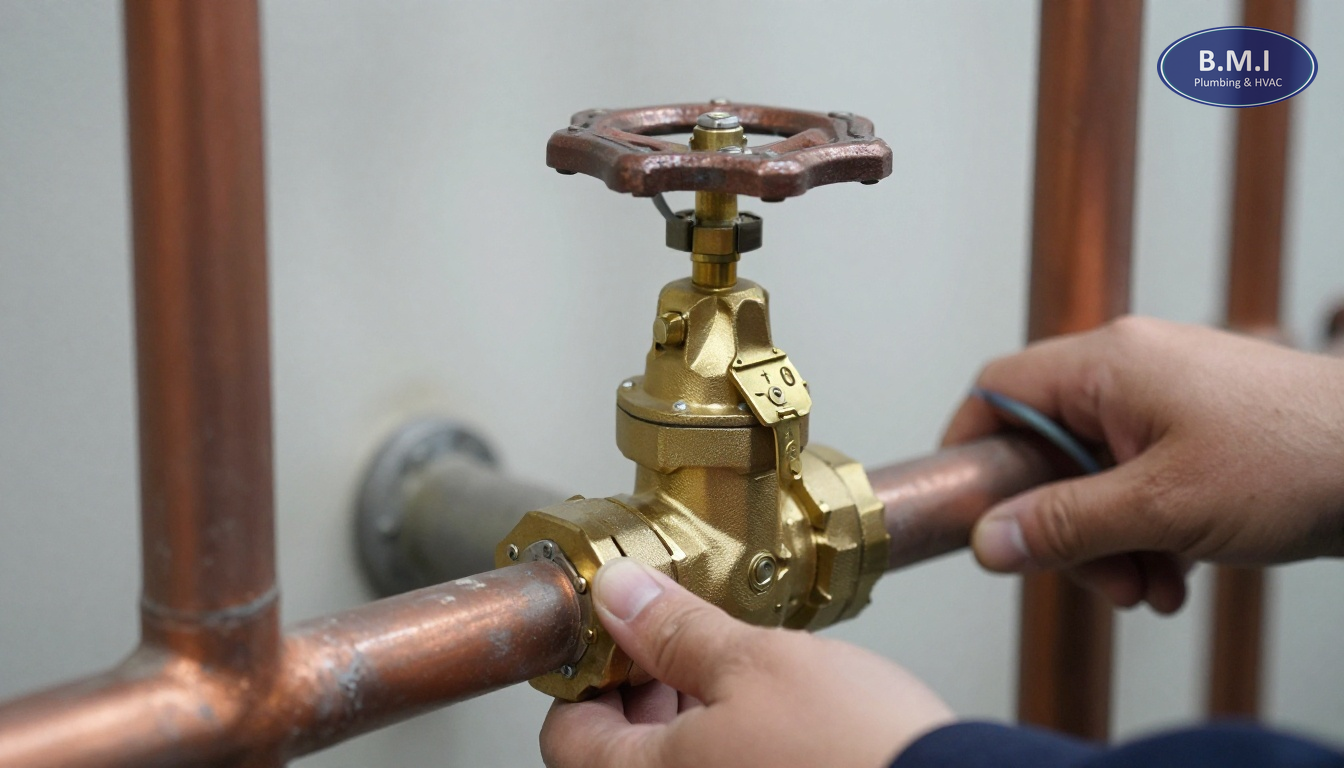
Seized Shutoff Valve in Toronto Condos: Avoid Floods
A seized shutoff valve can turn a small leak into a major condo flood. Toronto guidance on diagnosis, costs, shutdowns …
Need a plumber in your building?
BMI services roughly 200 condominium and multi-residential buildings across Toronto and the GTA. Emergencies are answered at any hour.