Sump Pumps and Sewage Ejector Pits in Whitby Condos
Whitby condo sump pump and sewage ejector pit service for boards and managers. Inspection, repair, replacement, costs and warning signs.
Sump Pumps and Sewage Ejector Pits in Whitby Condos
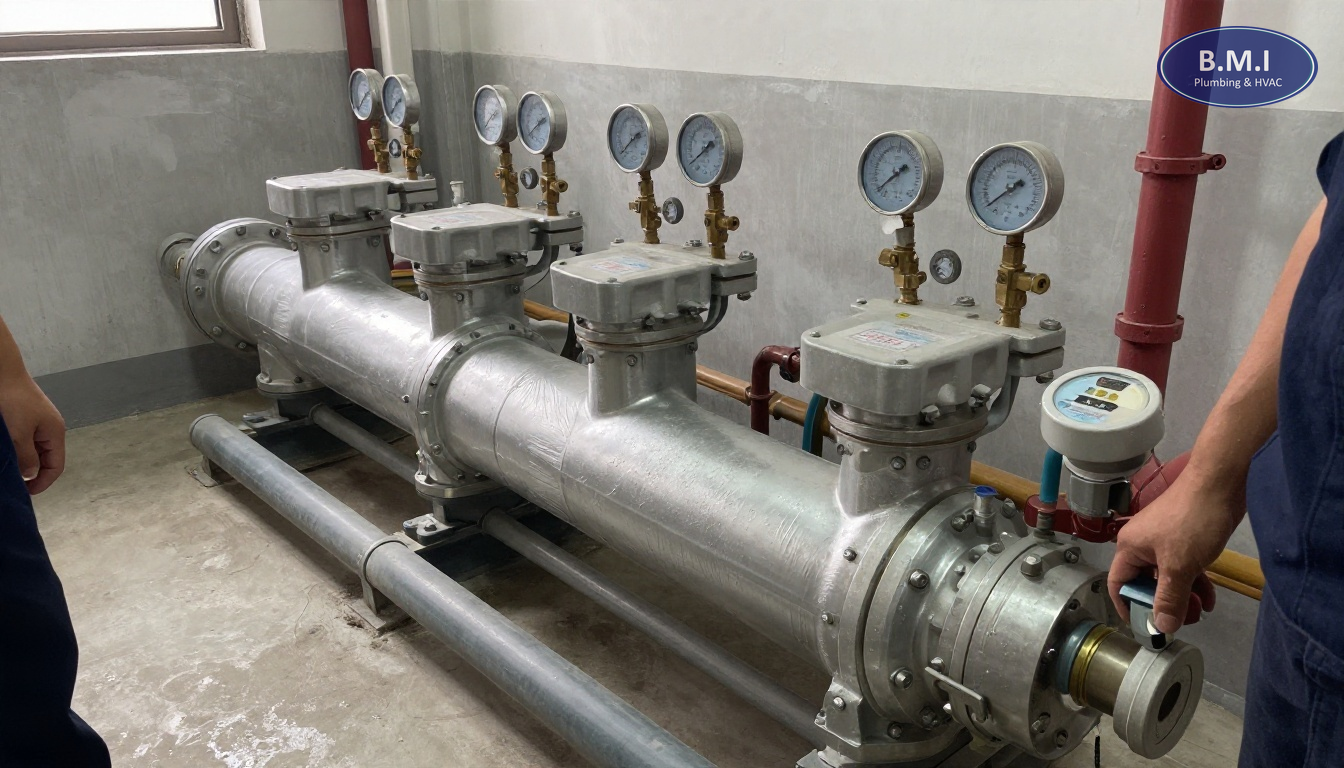
Quick summary: In Whitby condominium and multi-residential buildings, sump pumps and sewage ejector pits are small systems with outsized consequences. When they are neglected, the result is not just a service call but flooding in low-level rooms, elevator concerns, odour complaints, resident disruption and a board discussion about why the issue was not dealt with earlier.
For Whitby property managers and condo boards, the practical question is not whether these systems matter, but how to inspect them properly, what evidence to ask for, and when a repair has crossed into replacement territory. BMI serves Whitby and the surrounding GTA from our Toronto shop, with repair, inspection and emergency response work in condominium and multi-residential buildings.
Why sump pump and sewage ejector issues show up in Whitby buildings specifically
Whitby has a mix of building types that matters for this topic. Around the downtown area and older apartment stock, you will still find lower-level service spaces, small mechanical rooms and drainage layouts that were built around simpler controls and more basic redundancy. Closer to newer condominium clusters near Brock Street, Dundas Street and the GO corridor, buildings often have deeper garages, more finished common areas at or below grade, and more dependence on packaged pumping systems to protect amenity and service spaces.
That difference in building stock changes the failure pattern. In older Whitby multi-residential properties, we often see undersized or aging pits, single-pump arrangements that were never upgraded, and discharge piping with tired check valves and isolation valves. In newer Whitby condos, the pumps may be newer but the issue is often maintenance: debris loading, float problems, controls that have not been tested under live conditions, or a false sense that a newer building does not need a scheduled inspection program.
Whitby is also part of the Durham Region municipal water and wastewater context, which matters indirectly. Basement and garage-level plumbing systems in multi-residential buildings are affected by how low the fixtures sit relative to the municipal sewer, and by how the site handles groundwater and foundation drainage. In practical terms, a building near the lakefront area can have different drainage behaviour than one farther north toward Taunton, and elevation always affects how forgiving a system is when a pump slows down or a check valve leaks back.
For boards reviewing broader mechanical risk, these systems should not be looked at in isolation. Pit condition, shutoff access, discharge valve condition and related drainage maintenance often connect to other routine items like drain cleaning and snaking, camera pipe inspection and a full review of all repairs and service for the building.
How sump pump and sewage ejector problems present in Whitby condos
Managers rarely call and say the sewage ejector is failing. They call with symptoms.
In Whitby condo buildings, the first report is often one of these:
- a recurring alarm from a low-level mechanical or service room
- odour near a basement washroom or janitor room
- water on the floor around a pit lid or nearby floor drain
- a pump that runs constantly and sounds louder than usual
- intermittent flooding in a parking garage low point
- sewage backup affecting one basement fixture group but not the rest of the building
- a resident complaint that a ground-floor or lower-level fixture is slow, gurgling or backing up during peak use
Sump pump failures and sewage ejector failures do not look the same. A sump issue is more likely to show up as clear or dirty groundwater, often after rainfall or during periods of changing groundwater conditions. A sewage ejector issue is more likely to involve odour, solids, greywater, blackwater or backups from specific low-level fixtures.
The distinction matters because the response is different. If a pit is receiving sewage, the contractor should be looking not only at the pump but also at venting, solids handling, check valves, controls, pit sealing and the discharge arrangement. If it is a sump application, the focus shifts toward inflow rate, float operation, discharge integrity, backup capacity and whether the system can handle the actual water entering the pit.
In Whitby, access also affects how quickly a symptom becomes a larger event. Buildings with underground parking and long runs from loading areas can be awkward for emergency response, particularly once winter weather starts. If the pit serving a low garage area fails on a freezing day, you are not just dealing with water removal. You are dealing with access, tenant movement, slip risk and sometimes elevator or fire-route concerns.
What diagnosis and inspection should involve in Whitby
A proper pit inspection is more than lifting a lid and saying the pump is old. For a Whitby condo board approving work, the evidence matters.
A useful inspection should include:
- Identify the pit type clearly. Is it a storm/groundwater sump pit or a sewage ejector pit serving below-grade fixtures. The piping arrangement, lid condition and venting usually answer that quickly.
- Confirm pump arrangement. Single pump, duplex alternating pumps, or duplex with lag and alarm. Many boards assume they have redundancy when they do not.
- Inspect controls and floats. Float switches are common failure points. Tangles, grease buildup, restricted movement or damaged cords should be documented.
- Check valves and isolation valves. A pump can run but still fail the building if the discharge check valve leaks back or the isolation valve no longer operates.
- Review pit condition. Corrosion, scaling, grease accumulation, solids, damaged lids and poor sealing all matter, especially in sewage applications.
- Observe operation under test conditions where safe and practical. Run status, noise, vibration and recovery time tell you much more than a visual inspection alone.
- Review alarm function. If there is a high-level alarm, it should be tested. In too many buildings, the alarm exists on paper but not in practice.
- Trace the discharge path. It is important to know where the pumped flow goes and whether there are restrictions or code concerns downstream.
For evidence, ask for photos and a clear explanation of what failed and why. If replacement is recommended, ask whether the issue is the pump only, the controls only, or the entire assembly including rails, fittings, check valves and lid hardware. A board should also ask whether the pit can be restored with cleaning and component replacement, or whether the system is fundamentally undersized or beyond economic repair.
Where the building has other aging plumbing assets, it makes sense to coordinate pit work with related inspections such as backflow prevention testing and certification, pressure reducing valve maintenance and replacement and a wider maintenance programs review.
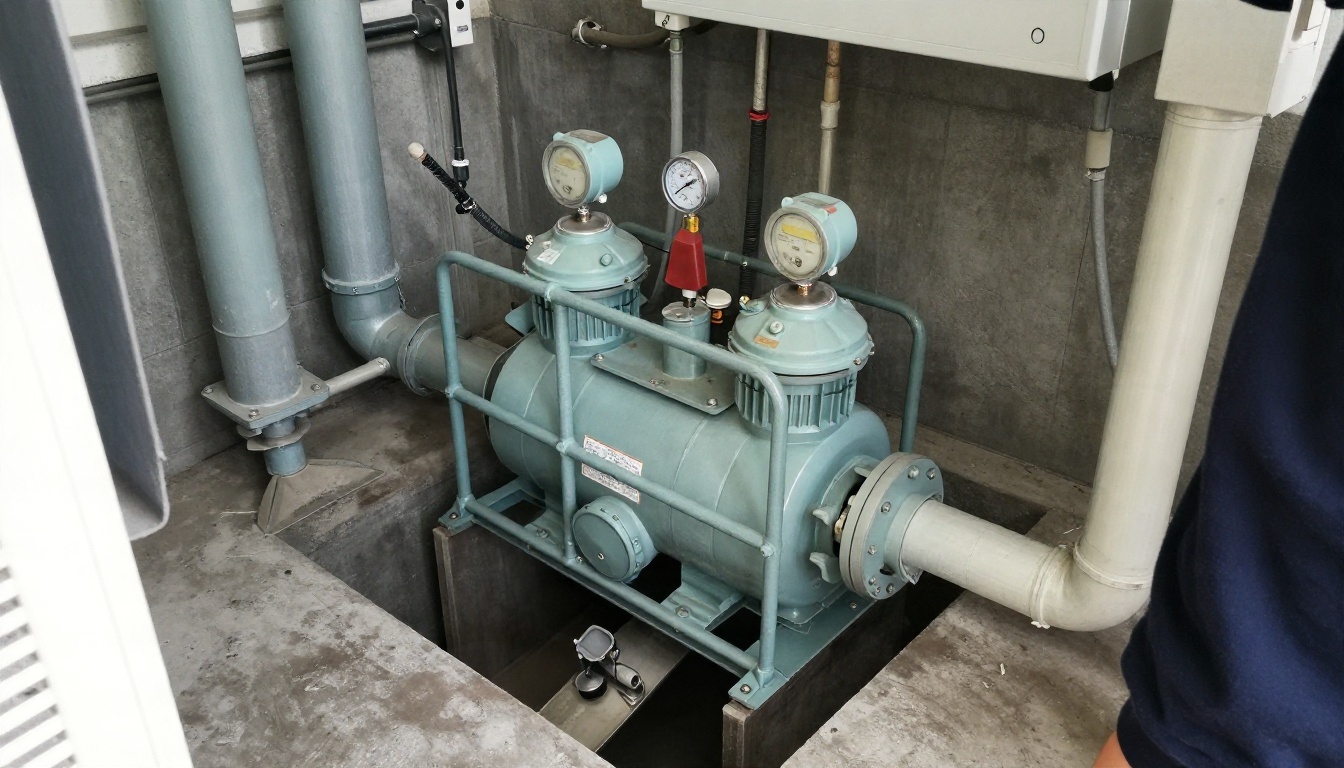
A representative Whitby project: sewage ejector pit renewal near the GO corridor
A representative Whitby service call involved a mid-rise condominium from the late 2000s near the GO corridor. The building had one underground parking level, a small basement service area and a lower-level janitor room and washroom group discharging through a sewage ejector pit.
The reported symptom was recurring odour and a high-level alarm that would clear and then return. Staff had also noticed that one pump seemed to run longer than the other. No active flooding had occurred yet, but the board wanted to address it before winter because access to the room was through the garage and any overflow would affect housekeeping storage and a nearby electrical area.
Inspection found a duplex ejector arrangement with both pumps of the same vintage. One float was fouled and hanging poorly, the check valve on one discharge line was leaking back, and the pit had significant solids and grease accumulation. The pumps still operated, but neither was in reliable condition. The control sequence was also not alternating properly, so one pump had carried more of the load for some time.
The work involved isolating the system, vacuuming and cleaning the pit, replacing both pumps, both check valves, float controls and associated fittings, and testing alarm and alternating operation. Because the room had limited space and odour control mattered, the work was staged over one day for removal and cleaning and a second day for installation, testing and cleanup. The rough cost was in the range of $9,000 to $16,000 depending on final pump selection, controls and after-hours access requirements.
The important point for the board was that this was not a case where changing one float would have solved the building risk. The failed components were part of a larger pattern of wear. Coordinating the work into one planned repair avoided what was likely to become an emergency overflow call in colder weather.
For boards comparing options, this is also where a contractor with broader capital experience can be helpful. A repair team should be able to say honestly when the job is still a repair and when it is tipping toward project solutions or related valve and piping work such as sectional and isolation valve replacement.
Costs and timelines for Whitby condo pit work
Costs vary by building, access, pump type and whether the work is planned or emergency. The ranges below are market estimates for Whitby and the east GTA, not fixed prices.
Basic service inspection and testing: roughly $450 to $1,200
This usually covers a site visit, operational review where practical, photo documentation and recommendations. If the pit is heavily fouled and requires cleaning before meaningful inspection, cost rises.
Pit cleaning and minor component service: roughly $1,200 to $3,500
This may include debris removal, float adjustment or replacement, lid gasket work, and limited discharge-side service. In sewage applications, contamination control and disposal requirements affect cost.
Single sump pump replacement: roughly $2,500 to $6,500
Typical for a straightforward building sump application where the piping, controls and valves are still in usable condition. Access, horsepower, electrical coordination and after-hours shutdowns can move this number.
Duplex sewage ejector pump repair or partial renewal: roughly $5,000 to $12,000
If one or both pumps, floats and check valves need work, costs rise quickly. Control panel issues and corroded rails or fittings can push the scope upward.
Full duplex ejector package replacement: roughly $9,000 to $25,000+
This range depends on pump size, controls, pit condition, discharge modifications, confined access and whether concrete or room alterations are needed.
Emergency response with temporary pumping and cleanup: often higher than planned work
Emergency calls cost more because labour is unplanned, conditions are worse, and the building is paying to stabilize the problem first and diagnose second. If backup affects finished areas, the plumbing invoice is only one part of the event cost.
Timelines are equally building-specific. A simple Whitby sump pump change can often be completed in one visit if the replacement is straightforward. A sewage ejector pit renewal usually takes longer because cleaning, safe access, odour control, contamination handling and testing all matter. If parts are non-standard or if electrical work is tied to controls, the total project duration may be several days from approval to final testing.
Repair versus replacement in a Whitby building
Property managers in Whitby usually need a decision framework, not just a diagnosis. The key question is whether the proposed repair restores dependable service or only buys a little time.
Repair is often reasonable when:
- the pump is relatively recent and the failure is isolated
- the pit structure is sound
- valves and controls remain serviceable
- there is real redundancy during and after the repair
- the building has not had repeated alarms or flooding events
Replacement is usually the better path when:
- both pumps are of the same age and one has already failed
- the pit has corrosion, chronic fouling or sealing problems
- controls are obsolete or unreliable
- check valves, rails and fittings are also at end of life
- the system has become too small for actual building demand
- repeated emergency calls are already costing more than planned renewal
In reserve fund terms, ejector and sump systems often sit in the grey area between repair budget and capital planning. Boards should look at the reserve fund study, its update cycle and the actual condition in front of them. If a system is no longer dependable, waiting for the next paper update is not a strategy. It is also worth checking whether related assets should be reviewed at the same time, including valve audit, charting and exercise programs and broader piping condition if the building has other aging infrastructure.
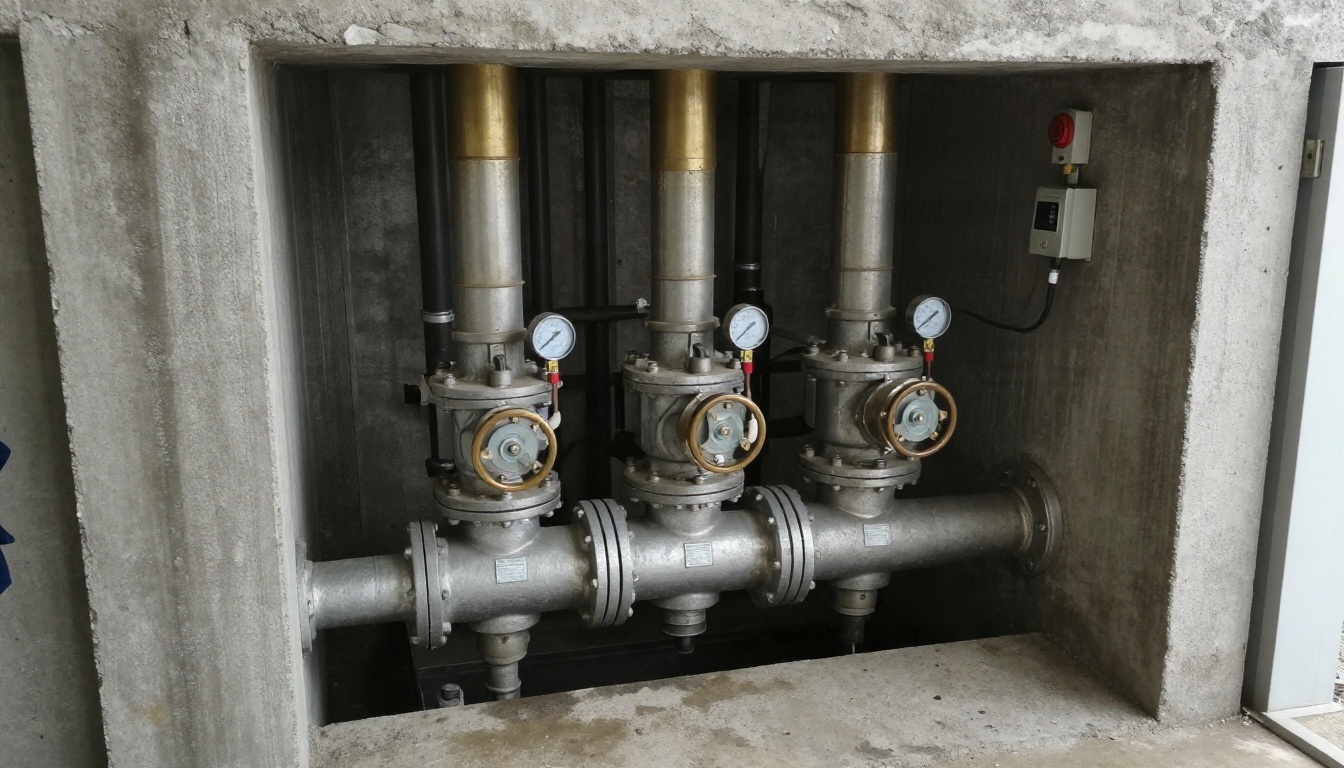
What deferring a Whitby sump or ejector problem really costs
Boards sometimes defer pit work because the pump still runs. That is understandable, but it misses how these systems fail in real buildings.
A sewage ejector or sump pump that is limping along creates several layers of cost:
Emergency labour premiums. A planned daytime replacement is almost always cheaper than a weekend overflow response.
Cleanup and restoration. If sewage escapes the pit area, remediation and restoration can quickly exceed the plumbing repair itself.
Insurance implications. Repeated water or sewage incidents can affect deductibles, claims history and internal chargeback discussions. Even where coverage exists, boards still deal with disruption, reporting and owner relations.
Staff time and resident complaints. Repeated alarms, odours and shutdowns consume management time that does not show on the plumbing invoice.
Collateral damage. Low-level electrical equipment, storage rooms, finishes and elevator-adjacent spaces are where small pump failures become expensive building events.
Deferral also tends to produce poor procurement. Under emergency conditions, the board is not comparing options calmly. It is authorizing whatever gets the immediate problem under control. Fall is a better time in Whitby to inspect these systems, get numbers to the board, and decide whether the work belongs in the operating budget or should be coordinated as part of a larger mechanical program. Related seasonal planning often includes 24/7 emergency leak response, in-suite plumbing repairs where backups have affected units, and preventative items like kitchen stack cleaning before holiday cooking increases drain loading.
FAQs about sump pumps and sewage ejector pits in Whitby
What is the difference between a sump pump and a sewage ejector in a Whitby condo building?
A sump pump handles relatively clean groundwater or storm-related seepage collected from foundation drains or low-point drainage areas. A sewage ejector handles blackwater or greywater from fixtures that sit below the level of the building sewer, such as basement washrooms, janitor sinks or some amenity spaces. In Whitby multi-residential buildings, confusing the two leads to bad scopes, because the pit construction, venting, controls and code requirements are different.
How often should a Whitby condominium inspect sump pits and sewage ejector pits?
For most Whitby condo and rental buildings, a visual and operational inspection should be part of routine mechanical rounds, with a more deliberate service inspection at least annually and often before winter. Buildings with underground parking, older controls, known inflow issues or previous flooding usually need more frequent checks. The right interval depends on pit duty cycle, alarm history, pump age and whether there is true duplex redundancy.
What are the most common failure points in sewage ejector systems in Whitby buildings?
The usual failures are worn pumps, failed float switches, grease and solids fouling, seized check valves, blocked vents and control issues. In older Whitby buildings, corrosion inside the pit and on guide rails or discharge fittings is also common, especially where maintenance has been reactive for years. We also see systems that technically run but no longer keep up with peak demand, which is different from a simple component failure.
Can a Whitby condo board replace one pump now and defer the rest?
Sometimes, but only if the remaining equipment is compatible, serviceable and still gives the building meaningful redundancy. If one pump has failed in a duplex ejector set from the same vintage, the mate pump, floats and controls are often not far behind. In Whitby budget season, boards usually benefit from pricing the immediate repair against a coordinated replacement so they can compare short-term spend with likely repeat disruptions.
What does a proper inspection report for a Whitby sump pump or ejector pit include?
At minimum it should identify the pit type, pump make and model where legible, control arrangement, observed operating condition, check valve condition, alarm status and discharge path. A useful report for a Whitby property manager also includes photos, amperage or run observations where possible, notes on debris or grease loading, and a clear recommendation on repair versus replacement. If a contractor only says the pump is old, that is not enough evidence for a board decision.
Why deal with sump pump and sewage ejector issues in Whitby before winter?
Fall is the right time because boards are setting budgets, mechanical rooms are easier to access before severe weather, and pressure and drainage problems become less forgiving once freezing conditions arrive. In Whitby, winter also raises the stakes for garage access, deliveries and emergency response if a low-level area floods. Planned work in the fall is usually cheaper and less disruptive than a mid-winter failure call.
Next steps for Whitby property managers and boards
If your Whitby building has a sump pump or sewage ejector pit that has not been inspected recently, fall is the practical time to deal with it. Ask for a real condition assessment with photos, operating observations and a clear recommendation. If the issue is tied to a wider pattern of aging plumbing infrastructure, it may also make sense to review completed projects and building references, compare against full building re-piping or other capital work where relevant, and build the right scope before winter rather than after a failure.
BMI serves Whitby and the surrounding GTA from our Toronto shop. We work with condominium boards and property managers on inspections, repairs, emergency response and planned plumbing scopes in occupied multi-residential buildings.
Contact BMI
- Contact BMI
- Phone: (416) 845-3756
- Emergency: (416) 845-3756, answered 24 hours a day
- Email: info@brial.ca
More on condominium plumbing
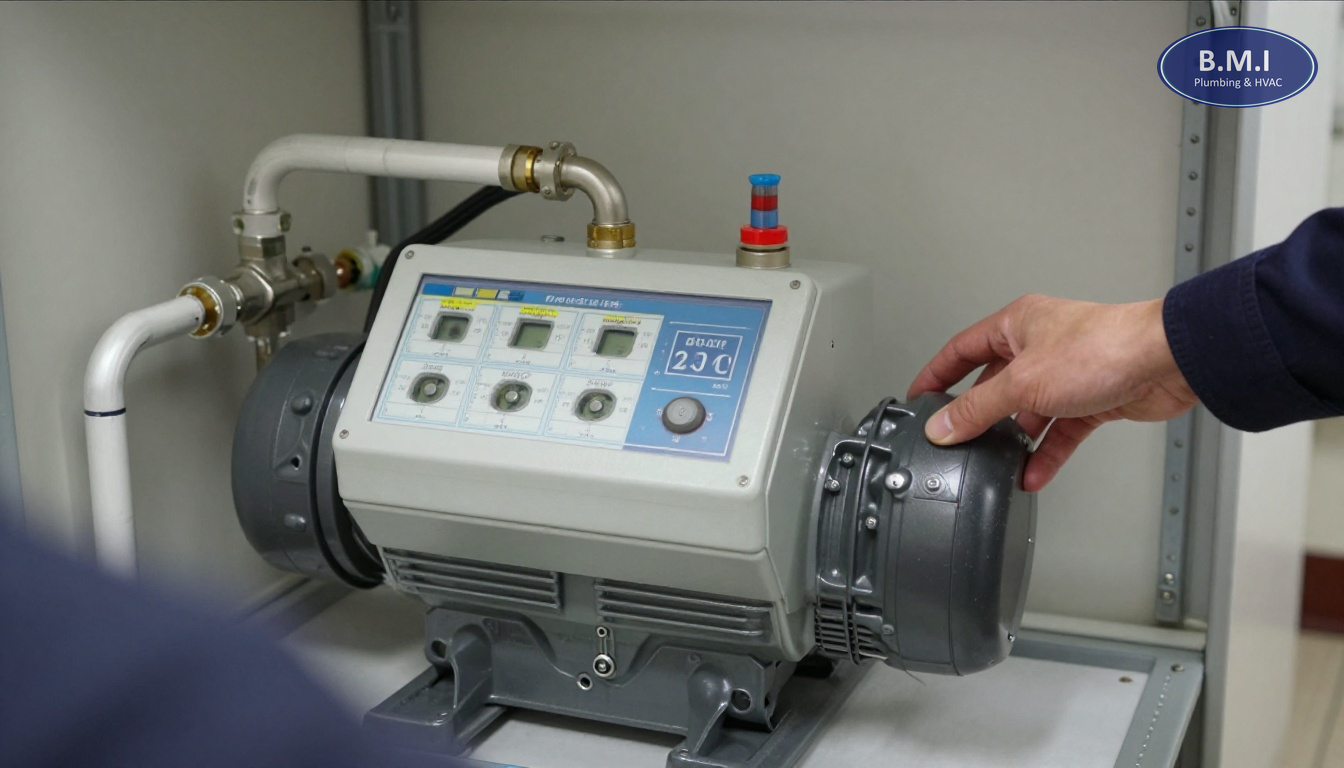
Sump Pumps and Sewage Ejector Pits in Scarborough
Sump pump and sewage ejector pit service in Scarborough condos and apartments, with local failure patterns, costs, …
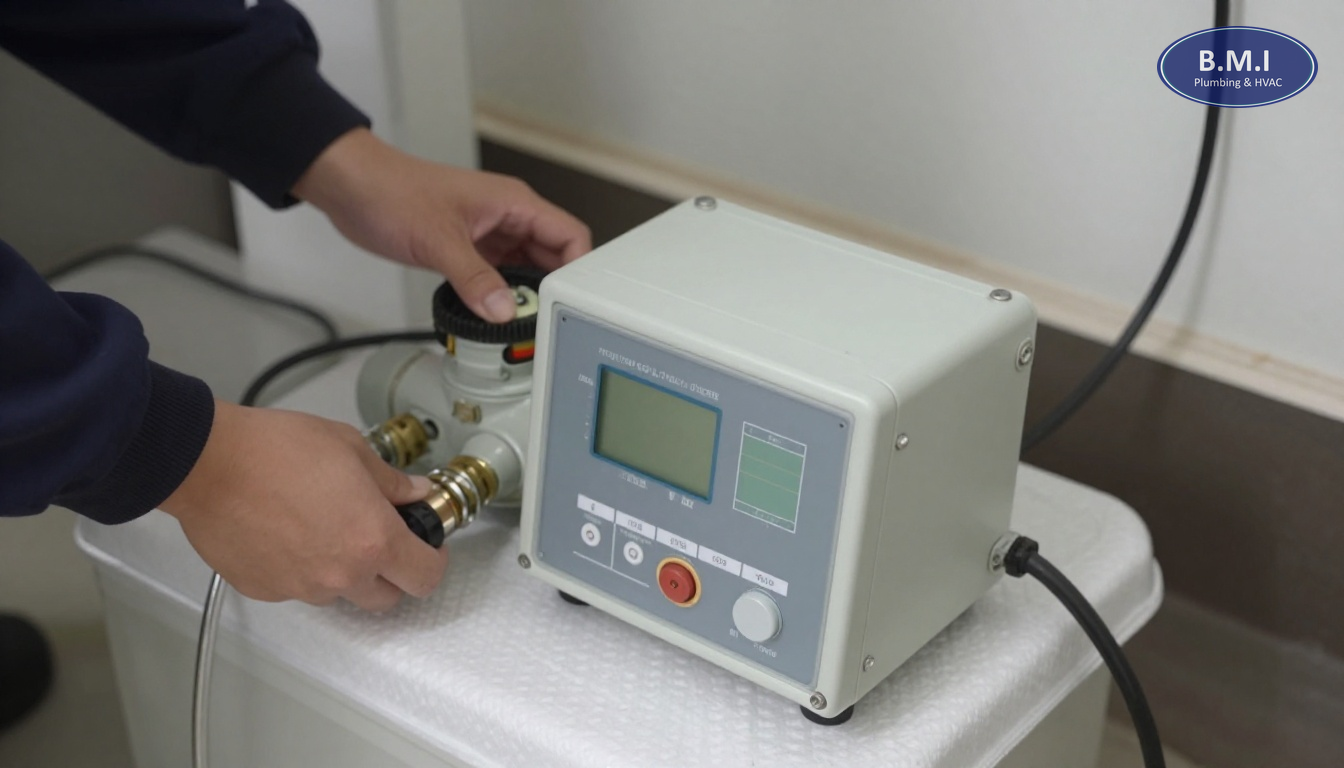
Sump Pumps and Sewage Ejector Pits in York Condos
Sump pump and sewage ejector pit service in York for condos and rentals. Local failure patterns, diagnosis, costs and …
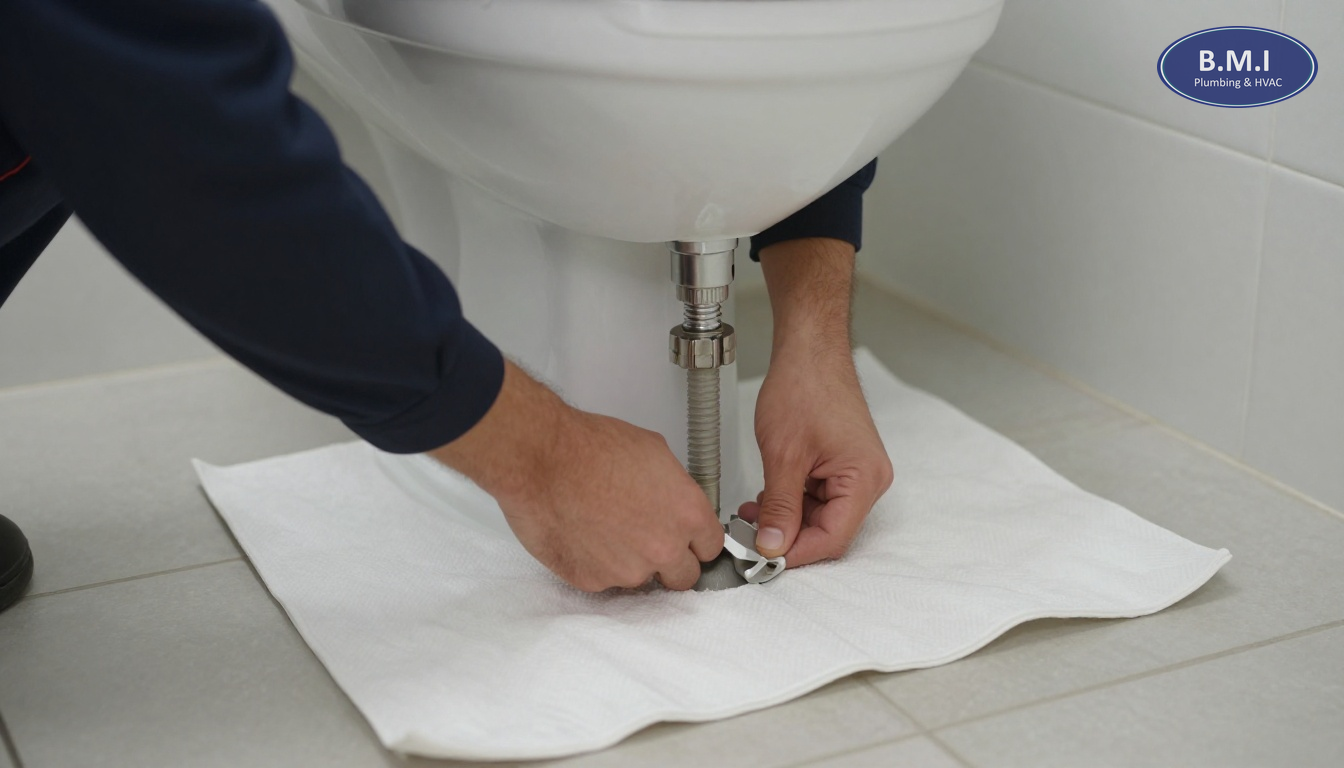
In-Suite Plumbing Repairs in Whitby Condominiums
Practical guidance on in-suite plumbing repairs in Whitby condominiums, including diagnosis, costs, timelines, and …
Need a plumber in your building?
BMI services roughly 200 condominium and multi-residential buildings across Toronto and the GTA. Emergencies are answered at any hour.