Sump Pumps and Sewage Ejector Pits in York Condos
Sump pump and sewage ejector pit service in York for condos and rentals. Local failure patterns, diagnosis, costs and timelines for managers.
Sump Pumps and Sewage Ejector Pits in York Condos
Quick summary: In York, sump pump and sewage ejector failures are usually not random events. They are tied to the age of the building, the design of the lower levels, and how well pits, floats, check valves and controls have been maintained. For condominium boards and property managers in York, the practical issue is not only getting a failed pump running again, but understanding whether the system is entering a cycle of repeated emergency calls, garage flooding, fixture shutdowns and avoidable after-hours costs.
Why sump pump and sewage ejector problems show up in York buildings specifically
York is not one uniform building type, and that matters for pit and pump work. In the former City of York and the surrounding west-central Toronto area, the building stock is a mix of older apartment towers, rental buildings and condominium properties from several eras. Around St. Clair West, Eglinton West and the Black Creek corridor, there are many mid-century and late-20th-century multi-residential buildings with lower-level service rooms, parking garages and foundation drainage systems that have simply been in service for a long time. In those buildings, the issue is often accumulated wear: aging duplex pumps, original float trees, rusted steel hardware, older control panels and pits that have not been properly cleaned in years.
Newer infill and mid-rise developments in York present a different problem. The pit equipment may be newer, but the lower levels are often tightly planned, access is restricted, and controls are integrated into compact mechanical rooms. When a sewage ejector serving a basement amenity washroom or service sink fails, there is less margin for error because there may be limited temporary bypass options and very little room to stage replacement work.
Municipally, York is served within the City of Toronto water and sewer system, so boards are dealing with Toronto operating conditions, not a separate suburban utility model. In practical terms, that means a mix of older combined-area infrastructure in some neighbourhoods, local variations in inflow during heavy rain events, and basement-level plumbing systems that can be affected by both storm conditions and routine wear. If your building also has premise isolation devices, annual testing under Toronto’s cross-connection control requirements should be coordinated with broader mechanical reviews, because lower-level mechanical neglect rarely affects only one component. BMI often sees sump and ejector issues identified during other service work such as backflow prevention testing and certification or lower-level camera pipe inspection.
Season also matters. In fall, York property managers are trying to close out operating budgets and get realistic numbers to the board before winter. This is exactly when neglected pits become expensive. Winter pressure swings, holiday staffing gaps and heavy use of lower-level common areas all make a marginal pump system more likely to fail at the worst time.
How sump pump and sewage ejector issues present in York buildings
Managers rarely get the first complaint as “the sewage ejector pit is failing.” What they hear in York is usually operational fallout.
A superintendent may report that the garage drain area is staying wet and the sump pit alarm is intermittently sounding. Residents may complain about odours near a basement corridor or loading area. Cleaner staff may notice that a lower-level janitor sink is backing up. In a sewage ejector application, the first visible sign is often a basement washroom taken out of service because fixtures are draining slowly or surcharging. In a sump application, it may be water tracking across the parking garage slab after a rain event or after regular garage washing.
In older York apartment and condo towers, one common pattern is short-cycling. The pump runs too often because the float settings are wrong, the check valve is leaking back, or the basin volume is reduced by sludge and debris. That leads to premature motor wear and repeated nuisance alarms. Another pattern is a duplex system that is technically still operating, but only because one pump is carrying the entire duty while the standby unit has already failed. The building then feels “fine” until the second pump fails after hours.
Sewage ejector pits have their own warning profile. Grease, wipes, rags and solids can foul floats or jam impellers. In York’s older stock, we also see venting issues, corroded covers and deteriorated discharge fittings. If the pit serves common-area washrooms, staff sink locations or below-grade amenity spaces, those uses create a very different solids load than a clean groundwater sump pit. That distinction is important, because a contractor who treats both pits the same will miss the root cause.
Where there are repeated blockages elsewhere in the building, boards should also consider whether the pit issue is part of a larger drainage maintenance gap. A building that is overdue for drain cleaning and snaking or seasonal kitchen stack cleaning often has more than one symptom showing up at once.
Diagnosing a York condo pit problem properly, and what evidence to insist on
For a property manager or board, the key question is whether the contractor is diagnosing the system or just reacting to the alarm. Those are not the same thing.
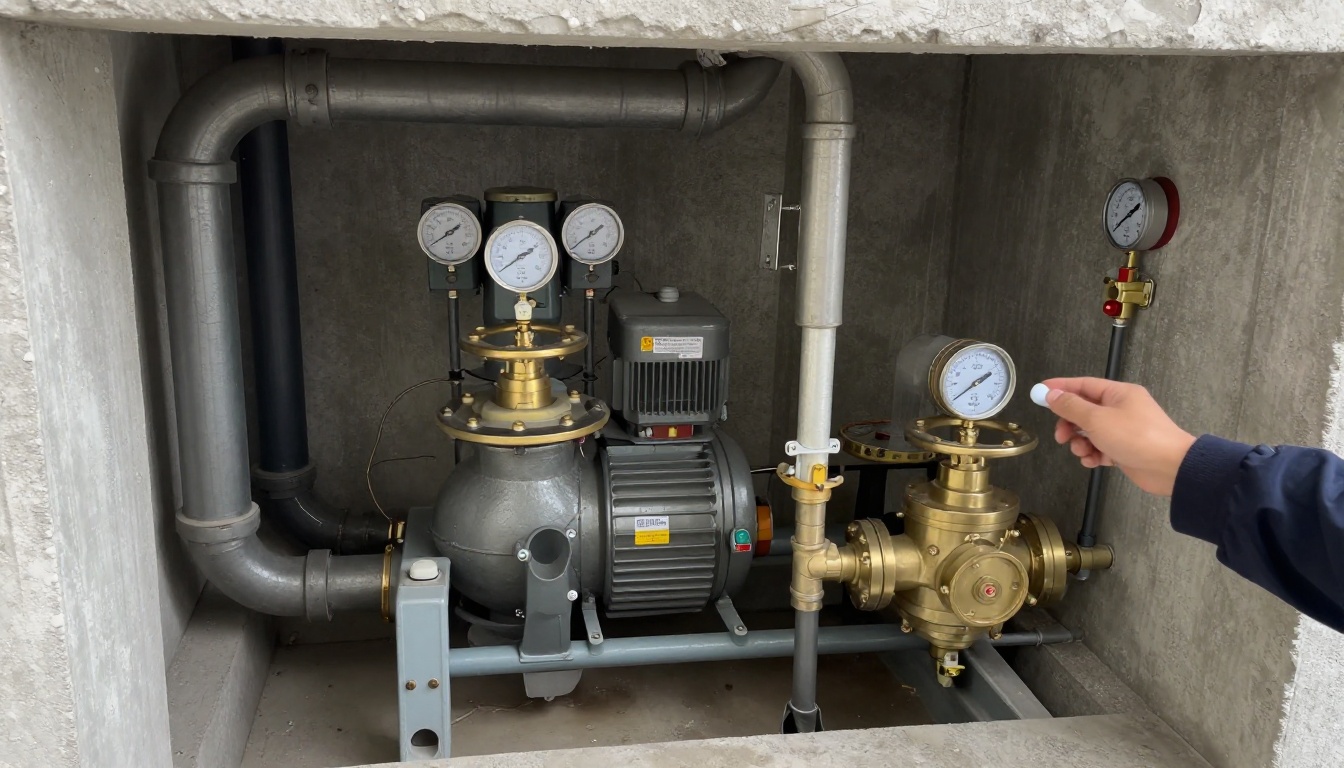
A proper sump pump or sewage ejector inspection in York should start with identification of what the pit actually serves. Is it perimeter drainage, garage drainage, a below-grade washroom group, a janitor sink, a compactor room fixture, or a combination? The answer affects pump selection, control settings, cleaning scope and urgency.
From there, the inspection should include:
- visual condition of the basin, cover, rails, piping and valves
- operation of each float or level control
- confirmation that duplex alternation works, if the system is designed that way
- check valve condition and whether there is visible backflow after shutoff
- motor run condition, including noise, vibration and amperage where accessible
- alarm function, panel status and power supply condition
- evidence of solids buildup, grease, grit or ragging
- discharge piping condition and signs of leakage or corrosion
In York’s older buildings, access is often half the job. Narrow service corridors, older elevator cabs, and parking/loading constraints can turn a straightforward pump replacement into a more complicated operation. Around busier arterial corridors, planning for material delivery matters because there may be limited loading time and little indoor staging space. That is one reason boards should not wait for a total failure if the building already knows the pit equipment is near end of life.
Insist on evidence. A useful service call should produce photos, not just a verbal summary. Ask for pictures of the pit interior, the pump nameplates if readable, the control setup, the check valves and any obvious corrosion or debris accumulation. If replacement is recommended, ask whether the issue is the pump itself, the controls, the rails, the check valves, the discharge piping, or a combination. On larger or recurring issues, a camera pipe inspection downstream may be appropriate to rule out a partial obstruction beyond the pit.
For buildings with broader mechanical aging, pit work should also be reviewed alongside related assets such as isolation valves and pressure controls. A lower-level mechanical room with neglected ejector equipment often also has overdue valve audit items or aging pressure reducing valve maintenance and replacement needs.
A representative York service call: sewage ejector failure in an older mid-rise
A representative York call involved an older mid-rise multi-residential building near the St. Clair West area, built in the late 1970s, with one level of underground parking and a basement common washroom group. Staff reported intermittent odours for several weeks, then a high-level alarm overnight followed by slow drainage and fixture shutdown in the lower-level washrooms.
On arrival, the immediate symptom was a sewage ejector pit running on a single pump with poor drawdown. The standby pump would not start consistently. Once the basin was made safe for inspection, the findings were typical of an older York building: heavy solids accumulation in the pit, one fouled float, one failed pump motor, and a worn check valve allowing significant backflow into the basin after each run. The control panel was still functional, but the system had clearly been operating in a compromised state for some time.
The work was staged in two parts. First, emergency restoration: isolate the area, clean the basin, remove debris, replace the failed float assembly, replace the check valve and install one new sewage ejector pump so the building had restored redundancy. Second, planned follow-up: return with a matched second pump because the remaining original unit was the same age and near end of service life. The initial emergency work took most of one day with after-hours monitoring, and the follow-up replacement was completed during a scheduled daytime shutdown later that week.
The rough cost on a project like that in the Toronto market in 2026 would typically fall around $6,000 to $10,000 for the emergency stabilization and first pump replacement, with the full paired replacement and related valve/controls work often landing in the $12,000 to $22,000 range depending on pump size, access, electrical coordination and basin condition. Those are broad estimates, not quoted prices, but they are realistic budgeting numbers for a York board trying to decide whether to patch or renew.
Where the pit room condition suggests wider deferred maintenance, it is also common to identify other lower-level work during the same visit, such as nearby in-suite plumbing repairs causes feeding the system, or the need for broader all repairs and service planning across the building.
York costs and timelines for sump pump and sewage ejector pit work
Costs vary widely because pit systems vary widely. The biggest cost drivers in York are pump size and type, whether the pit handles clean water or sewage, whether the system is simplex or duplex, the condition of the controls and valves, and site access.
Typical 2026 Toronto-market budgeting ranges for York multi-residential buildings are as follows:
- basic inspection and operational testing: roughly $450 to $1,200
- pit cleaning with minor component service: roughly $1,200 to $3,500
- float switch or level control replacement: roughly $900 to $2,500 depending on setup
- check valve replacement in a lower mechanical room: roughly $1,200 to $3,000
- single sump pump replacement: roughly $2,500 to $6,000
- single sewage ejector pump replacement: roughly $3,500 to $8,500
- duplex pump replacement with controls/valves as needed: roughly $10,000 to $25,000 or more
- basin rehabilitation or significant piping rework: often above that range depending on access and scope
Timelines are equally dependent on scope. A straightforward service call may be completed in a few hours. A planned single-pump replacement is often a one-day job if parts are available and access is good. A duplex sewage ejector renewal with control modifications, cleaning and testing may take one to three working days, plus lead time for equipment.
In fall, lead times matter. Boards that wait until the first freeze or the holiday period to approve replacement often pay more in emergency labour and experience more disruption. This is also a sensible time to fold pit review into broader year-end mechanical planning, including all maintenance programs for recurring service items.
Repair versus replacement in York: a practical framework
Not every York pit problem calls for full replacement, but not every alarm should be treated as a one-off repair either.
Repair is usually reasonable when the pumps are relatively recent, the basin is structurally sound, controls are available, and the failure is clearly isolated to a float, check valve, seal or blockage condition. In that scenario, a targeted repair with testing and documentation can return the system to reliable service.
Replacement becomes the better decision when:
- both pumps are of similar age and one has already failed
- parts are obsolete or difficult to source
- the basin has chronic debris or corrosion issues
- controls are unreliable or undocumented
- the building has had repeated after-hours alarms or flooding events
- the standby pump has not been proven under load
For boards, the right lens is not just today’s invoice. It is whether the building is spending operating dollars to avoid a reserve-funded decision that is already due. If the equipment age and service history point to end-of-life, repeated callouts are often the most expensive way to defer the inevitable.
Where a lower-level mechanical room is seeing multiple component failures, boards should step back and review whether this is part of a larger capital sequence. BMI handles both emergency and planned work, from 24/7 emergency leak response to larger project solutions when a building needs coordinated renewal rather than isolated repairs.
What deferring sump pump or sewage ejector work costs a York building
The obvious cost is emergency labour. The less obvious costs are usually larger.
A failed sump pump can contribute to garage flooding, slab contamination, slip hazards, cleanup costs and elevator risk if water migrates. A failed sewage ejector can shut down common washrooms, create sanitation issues, trigger after-hours attendance and require specialized cleaning. If overflow reaches finishes or equipment, the cost escalates quickly.
There is also the insurance side. Repeated water incidents can affect deductibles, claims experience and the board’s tolerance for reactive maintenance. Even when an individual event seems contained, the pattern matters. Property managers in York are increasingly expected to show that the corporation is acting reasonably, documenting inspections and using reserve planning properly.
Under the Condominium Act framework, reserve fund studies and updates are meant to support planned replacement of predictable common-element components. Pumps, controls and associated pit hardware are exactly the kind of assets that should not surprise a board every winter. If a building is repeatedly paying emergency invoices for the same pit room, it is usually a sign that the reserve assumptions or maintenance practices need revision.
Deferral also creates resident relations problems. Chargebacks, access complaints, amenity closures and repeated notices to residents all consume management time. In older York stock where service spaces are already tight, emergency work is always more disruptive than scheduled work.
FAQs about sump pump and sewage ejector pits in York
What is the difference between a sump pump and a sewage ejector in a York condo building?
A sump pump handles relatively clean groundwater or storm-related seepage collected in a pit, usually from perimeter drains, garage drains or foundation drainage systems. A sewage ejector handles blackwater or greywater from fixtures located below the level of the municipal sewer, such as basement washrooms, amenity rooms or lower-level service areas. In many York buildings the two systems are in the same lower mechanical zone, but they serve different piping and need different maintenance, controls and alarms.
How often should sump pumps and sewage ejector pits be inspected in York?
For most York condominium and multi-residential buildings, a visual and operational inspection at least twice a year is a reasonable baseline, with additional checks before winter and during spring thaw. Buildings with chronic inflow, older float controls, frequent garage washing or known ragging issues usually need more attention. If the building has not documented a recent inspection, ask for pump amperage readings, float operation results, check valve condition and photos of the pit interior.
What are the warning signs that a York sewage ejector pit is about to fail?
Common warning signs are frequent high-level alarms, a pump that short-cycles, slow drainage from lower-level fixtures, odours near the pit room, and evidence of solids buildup or grease matting inside the basin. In older York buildings, corroded guide rails, sticking floats and worn check valves are also common findings. Residents often report the symptom indirectly, such as repeated washroom closures in the basement or water appearing around a floor drain after a pump run.
Can a York condo board repair only one pump, or should both pumps be replaced together?
If the building has a duplex setup and one pump has failed, replacing one unit can be reasonable when the mate pump is relatively new, the control panel is sound and duty hours are documented. In many York buildings, though, both pumps are the same age and have seen similar service, so replacing the pair avoids mismatched performance and another shutdown soon after. The right decision depends on age, motor condition, rail system compatibility, basin condition and whether parts are still readily available.
Are sewage ejector pits and sump pits in York a reserve fund item or an operating repair?
Minor repairs such as float replacement, check valve replacement, pit cleaning and emergency service often fall into operating budgets, while full pump replacement, panel replacement or basin rehabilitation may be treated as reserve-funded depending on the corporation’s reserve fund study and accounting approach. Under the Condominium Act, reserve planning should reflect predictable major component renewal rather than repeated crisis spending. Boards should review recent failures against the reserve schedule and update assumptions if pump systems are aging faster than expected.
What does a proper service report for a York sump pump or sewage ejector system include?
A useful report should identify the pit location, pump make and model, voltage, control type, observed liquid level, check valve condition, alarm status and any visible corrosion or debris. It should also note whether each pump was run, whether alternation worked, and whether amperage or run condition suggested a binding impeller or motor issue. Photos of the basin, controls and discharge piping are important because they let a York property manager show the board exactly what was found and budget with evidence.
Next steps for York property managers and condo boards
If your York building has a sump pump or sewage ejector system that has not been properly inspected this year, fall is the right time to address it. Before winter, confirm what each pit serves, whether both pumps operate, whether alarms are functional, and whether there is current photo documentation of the basin, valves and controls.
If you are already seeing nuisance alarms, wet garage areas, odours, basement fixture issues or repeated after-hours calls, do not treat those as isolated complaints. They are often early evidence that the building needs either a targeted repair plan or a scheduled replacement decision. BMI serves York and the surrounding GTA from its Toronto shop and works with property managers, supers and boards on both emergency response and planned building plumbing work. You can review completed projects and building references, explore the broader blog, or request service directly through Contact BMI.
Contact BMI
- Contact BMI
- Phone: (416) 845-3756
- Emergency: (416) 845-3756, answered 24 hours a day
- Email: info@brial.ca
More on condominium plumbing
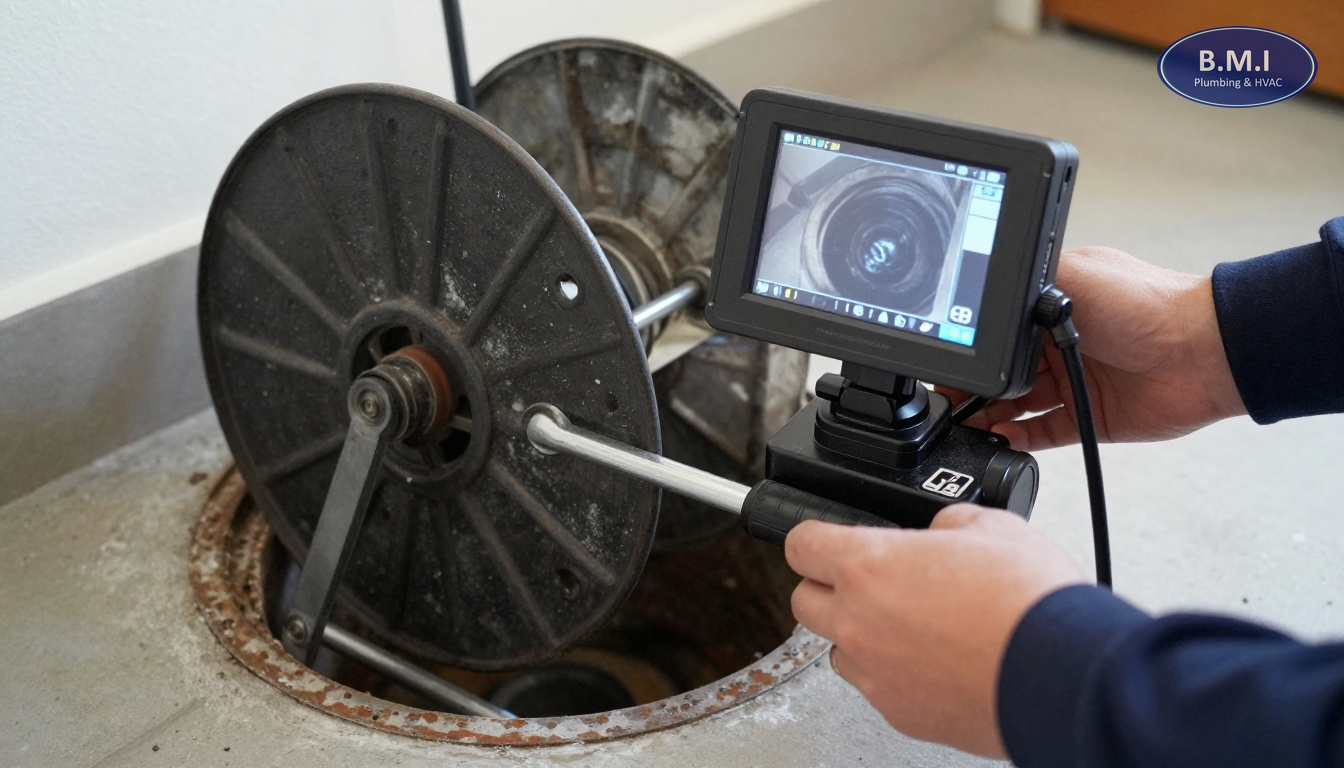
Stack Camera Inspection in Toronto: What 40-Year-Old Pipes Show
What a stack camera inspection in Toronto actually reveals inside 40-year-old cast iron pipes, what it means, and when …
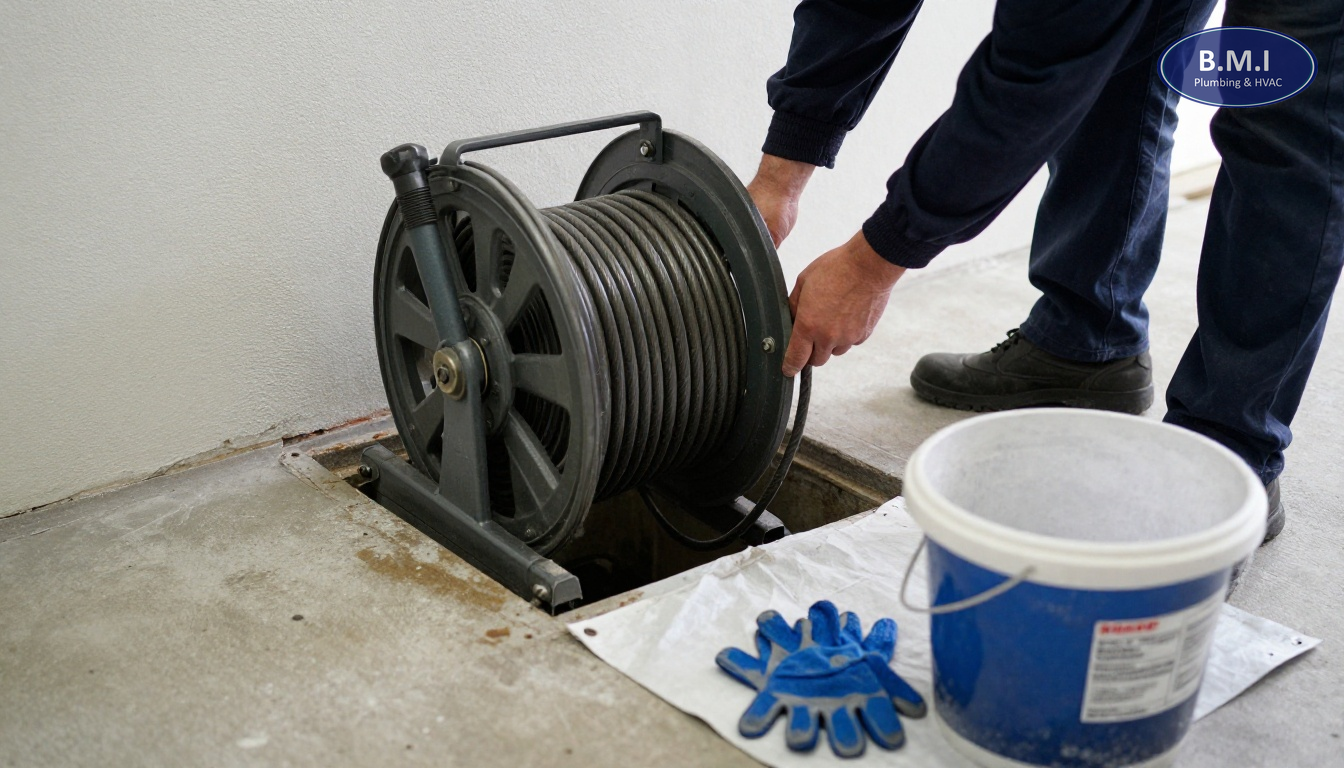
Floor Drains and Trap Primers in East York Buildings
Floor drain and trap primer service in East York for condos and rentals. Diagnose sewer gas smells, dry traps and …
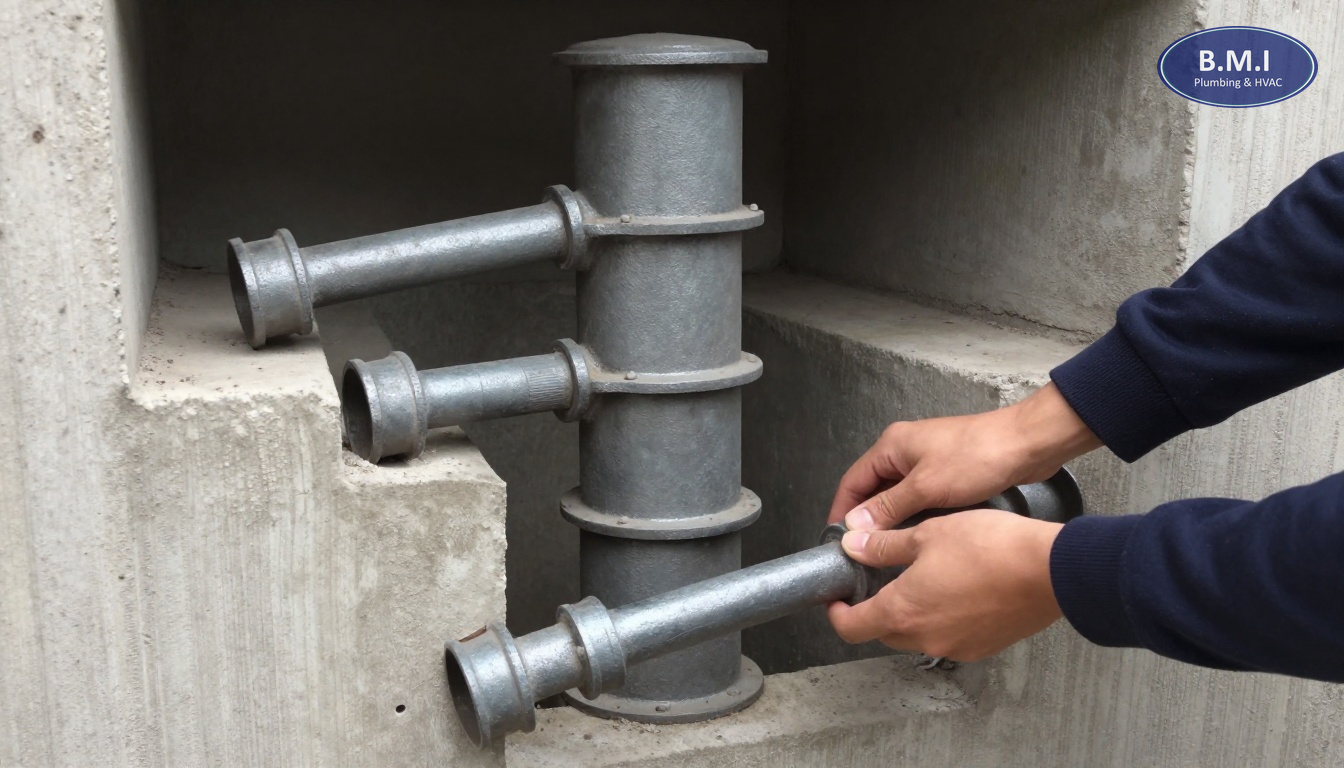
Grease Interceptor Condo Guide for Toronto Buildings
A practical Toronto guide to grease interceptor condo issues, commercial tenant plumbing risk, costs, maintenance, and …
Need a plumber in your building?
BMI services roughly 200 condominium and multi-residential buildings across Toronto and the GTA. Emergencies are answered at any hour.