
Thermal Expansion Tank for Toronto Condo Buildings
A practical guide to thermal expansion tanks in Toronto condo buildings: symptoms, code context, costs, sizing, failure risks and replacement timing.
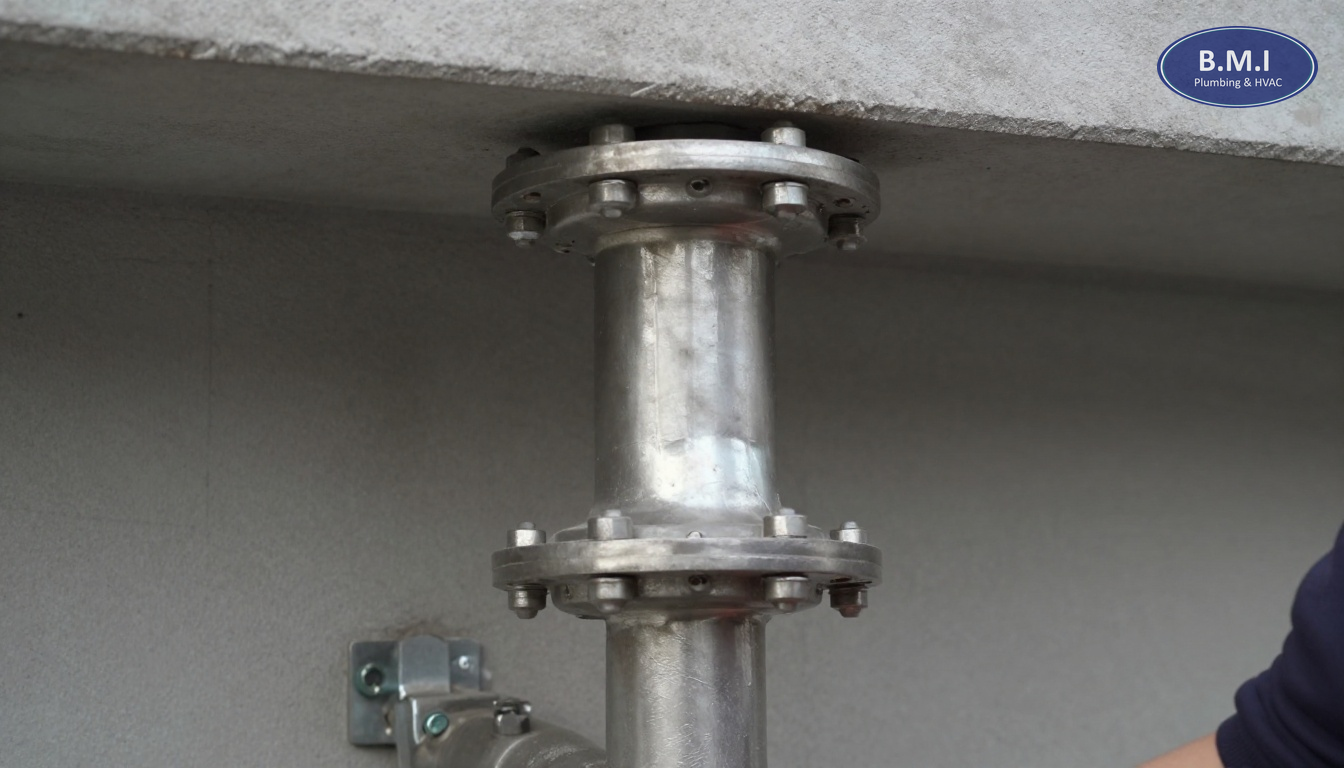
Thermal Expansion Tank for Toronto Condo Buildings
Quick summary: In a condo building, a thermal expansion tank is not an optional accessory. Once water is heated inside a closed domestic system, its volume increases and the pressure has to go somewhere; without a properly sized and charged tank, that pressure is absorbed by PRVs, relief valves, mixing valves, toilet fill valves and suite fixtures. In Toronto and across the GTA, many buildings do not notice the problem until they start seeing unexplained pressure swings, recurring relief valve discharge, or a cluster of in-suite leaks that look unrelated but share the same root cause.
A common mistake during budget season is to treat expansion tanks as small mechanical-room items that can be deferred indefinitely. In practice, a failed tank can shorten the life of much more expensive equipment, and in a high-rise the knock-on cost of repeated suite calls often exceeds the cost of replacing the tank on schedule.
The issue is usually not the tank alone
In fall, when boards are setting next year’s numbers and operators are preparing buildings for winter pressure swings, expansion tank questions often come up the wrong way. The question is usually, “Do we need a new tank?” The better question is, “Is our domestic hot water system handling thermal expansion correctly?” That is a system question, not a single-component question.
In buildings we service in Toronto, North York and Mississauga, the tank is only one part of the control chain. The full picture usually includes the incoming pressure profile, the condition of the pressure reducing valve station, the presence of a premise isolation backflow device, the domestic hot water storage temperature, the recirculation layout, and whether the building has a booster pump set that keeps pressure high even during low demand. If you only replace the tank and never verify the rest, you can spend money and still keep the pressure spikes.
A useful first step is to review whether your building has current records for pressure reducing valve maintenance and whether the domestic system has been looked at as part of broader maintenance programs. Older condominium files often contain a tank replacement invoice but no sizing calculation, no pre-charge record and no pressure log. That is how buildings end up replacing the same component twice in five years.
What thermal expansion is actually doing in your building
Water is often described as incompressible, which is close enough for day-to-day plumbing, but it still expands when heated. In a domestic hot water system, heating water from roughly 10°C incoming municipal temperature to 60°C storage temperature creates a measurable volume increase. In a detached house that expanded volume might push back into the city main if there is no check valve. In a condo building with a closed system, it cannot, so pressure rises instead.
That closed condition is common in multi-residential buildings because of backflow prevention and control equipment. A building with an RPZ or other premise isolation assembly on the incoming service, annual testing under Toronto Municipal Code Chapter 851, or check valves associated with booster systems is effectively trapping that expanded water. If your operator is already booking annual backflow prevention testing, the building is very likely in the category that needs a working expansion control strategy.
The numbers matter. A domestic system sitting at 65 psi cold may climb to 85, 95 or even 110 psi during a heating cycle if there is no functioning expansion tank or if the tank has lost its air charge. That does not always trigger an immediate failure because many fixtures tolerate short spikes. What it does do is repeatedly stress seals and cartridges. Over a 25-storey building, that can turn into dozens of suite-level complaints that look random until someone logs the pressures properly.
Another point non-experts often miss is that the tank is usually protecting the hot water side, but the symptoms may show up at cold-mixed fixtures because most suite fixtures blend hot and cold through cartridges or balancing spools. A pressure event on the hot side can still present as banging, dripping or erratic temperature at a shower valve.
Which GTA buildings are most likely to have this problem
Not every building stock behaves the same way. 1970s and 1980s concrete high-rises in Toronto and East York often have older copper domestic systems, larger storage volumes and a mix of legacy valves that can mask pressure problems until a relief valve starts weeping. Early-1990s towers in North York and Scarborough often have enough original infrastructure left that the expansion tank may still be undersized relative to later fixture changes or domestic hot water upgrades.
Post-2010 glass towers are a different case. They usually have tighter, more controlled systems, but they also tend to have more pressure-sensitive fixtures, compact in-suite shutoffs, braided supplies, thermostatic mixing components and owner-installed alterations that do not tolerate pressure abuse well. In those buildings, expansion issues show up earlier as resident complaints rather than as obvious mechanical-room discharge.
Purpose-built rentals and mid-rise buildings in Vaughan and Markham often sit somewhere in the middle. We commonly find a serviceable tank installation paired with poor documentation: no one knows the original pre-charge, no one has checked the Schrader valve condition in years, and the gauge on the hot water line has not been trusted for a decade. That is why a real inspection matters more than a visual glance.
If your building has had valve replacement work, riser replacement, or a broader building re-piping program, it is worth confirming whether the expansion control was reviewed at the same time. Mechanical changes alter system behavior, and the expansion tank that was adequate before a domestic hot water upgrade may not be adequate after.
How the problem presents in real condominium operations
Managers rarely get a ticket saying, “Our expansion tank has failed.” They get a string of symptoms that seem unrelated.
Typical reports include:
- Relief valve discharge at hot water tanks or calorifiers, especially overnight or early morning after recovery cycles
- Repeated replacement of toilet fill valves, faucet cartridges or braided connectors in scattered suites
- Pressure complaints that are worst after low-usage periods, not during peak daytime demand
- Bangs or snaps in piping near the domestic hot water plant as the system heats and cools
- A gauge that reads a normal 60-70 psi when someone checks it casually, but a higher reading later in the cycle
- Hot water complaints after another contractor adjusted temperatures without reviewing expansion control
One specific pattern worth knowing: if suites report that faucets spit briefly or toilets hiss shortly after morning hot water recovery, but daytime pressure checks look normal, suspect thermal expansion before you assume fixture defects. Another is when a building replaces a leaking relief valve twice in a year. Relief valves do fail, but repeated discharge usually means the valve is responding to a pressure problem, not causing one.
In some waterfront Toronto buildings, we also see a seasonal version of this problem. Colder incoming water in late fall and winter increases the temperature lift required to reach storage setpoint, which means the system can experience more pronounced expansion effects. That is one reason fall is the right time to review domestic pressure behavior rather than waiting for January complaints.
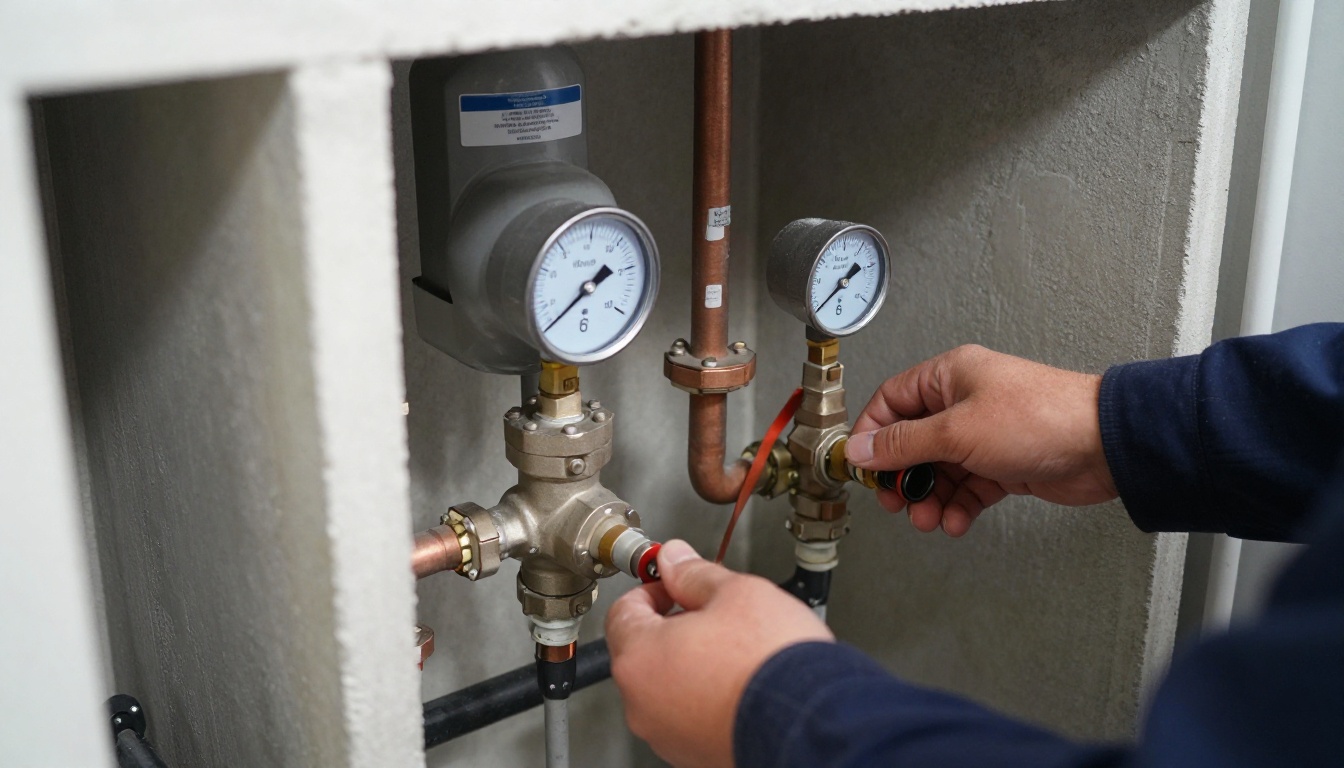
What a proper inspection should include
A credible diagnosis is not complicated, but it does need more than a glance at the tank shell. If a contractor says the tank is bad without taking readings, ask for more evidence.
A proper building-side review should include:
- Static and dynamic pressure readings on the domestic cold and hot water system, ideally at multiple points in the cycle.
- Verification of PRV setpoints and downstream stability, including whether pressures are creeping when there is no demand.
- Confirmation of whether the system is closed by backflow devices, check valves or booster arrangements.
- Inspection of the tank’s pre-charge pressure with the water side isolated and relieved.
- Review of relief valve condition, discharge history and set pressure.
- Visual review of support, orientation, service isolation and any signs of waterlogging or diaphragm failure.
Where the diagnosis is muddy, temporary data logging is worth the cost. A 10-minute site visit with one gauge can miss a pressure rise that only happens during recovery. On larger buildings, especially those with storage tanks and recirculation loops, a short pressure log over 24 to 72 hours is often the difference between guessing and knowing.
This is also where a valve audit matters. If the expansion tank cannot be isolated cleanly, or if the nearest valves do not hold, even a simple replacement becomes a broader shutdown exercise. Buildings often discover this too late, after residents have already received a notice.
For managers, the report you want is not just “replace tank.” It should state the observed pressures, the suspected failure mode, whether the existing tank appears undersized, and what shutdown scope is required. If there is uncertainty about related piping condition, especially on older domestic systems, tie the work into a broader repairs and service review so you are not authorizing piecemeal work blind.
Sizing and installation details that matter more than most boards realize
A thermal expansion tank is not sized by building height. It is sized by system volume, temperature change, initial pressure and maximum allowable pressure. That distinction matters because two 20-storey buildings can need very different tank capacities depending on domestic hot water storage volume and operating temperatures.
For example, a building with two 500-gallon hot water storage tanks, 60°C storage, 49°C delivered temperature after mixing, and 65 psi cold pressure will need a different acceptance volume than a smaller mid-rise with one 120-gallon system at lower pressure. The acceptance volume, not just the shell size, is what counts. Commercial diaphragm tanks are often selected from manufacturer charts after those inputs are known.
Common mistakes we see include:
- Undersized tanks installed because someone matched pipe connection size instead of acceptance volume
- Incorrect air pre-charge, often left at factory settings instead of matching actual system pressure
- No local isolation or drain, making future service harder and more expensive
- Poor support on larger tanks, especially when wall-hung units are replaced with heavier models
- Tanks installed far from the point where they are hydraulically effective in the hot water system
In Toronto mechanical rooms, the practical details matter as much as the theory. If the new tank blocks access to gauges, cleanouts or adjacent valves, the next service call becomes harder. If the tank is installed without a proper support arrangement, its weight when waterlogged can stress the branch piping. A failed support is less common than a failed diaphragm, but when it happens it creates a much larger repair.
If your domestic system also has vertical movement issues on hot water risers, or if there are known problems with pipe growth and anchors, review expansion compensators at the same time. A thermal expansion tank controls pressure from heated water volume; it does not address physical pipe movement from thermal growth. Those are related but different issues, and they get confused regularly.
Repair or replace: a practical decision framework
In most condo buildings, the decision is less about repairing the tank and more about deciding whether the tank is still serviceable, whether the root cause is elsewhere, and whether replacement should be bundled with related work.
When a tank may still be serviceable
A tank may be worth retaining if:
- The shell is sound and there is no sign of water at the air valve
- The diaphragm appears intact
- The issue is only a lost pre-charge
- The tank is correctly sized for the actual system
- Upstream pressure control is stable after PRV review
Even then, serviceability depends on age. If a tank is already 8 to 10 years old and the building is opening the system anyway, many boards choose replacement because labour and shutdown costs are already being spent.
When replacement is the better call
Replacement is usually the better option when:
- The air valve indicates diaphragm failure or the tank is waterlogged
- The tank is visibly corroded, unsupported or leaking at the connection
- Pressure spikes persist after charge correction
- The tank is clearly undersized for current plant volume or pressure conditions
- The building lacks isolation valves and the work is being bundled with other shutdown items
On some projects, it makes sense to combine tank replacement with pressure reducing valve maintenance, valve replacement or even a larger domestic upgrade under project solutions. The savings are not always in material. They are in reducing repeated shutdowns, repeated notices, and repeated resident disruption.
What this typically costs in Toronto condo buildings
These are market-level ranges for the GTA, not fixed prices, and real numbers vary with access, shutdown complexity, after-hours work and equipment size.
| Scope | Typical GTA range | What moves the price |
|---|---|---|
| Small commercial expansion tank replacement with simple isolation | $1,500-$3,500 | Tank size, access, standard hours vs after-hours |
| Medium mechanical room tank replacement with new isolation/drain and gauge work | $3,000-$6,500 | Valve condition, piping modifications, support changes |
| Larger ASME-rated tank replacement or reconfiguration | $4,000-$12,000+ | Structural support, crane/delivery logistics, plant layout |
| Pressure logging and diagnostic visit before decision | $500-$1,500 | Number of visits, logging duration, reporting detail |
| Bundled PRV/tank/valve shutdown package | $5,000-$15,000+ | Number of components, redundancy, resident notice requirements |
A point boards often overlook: the cheapest quote can become the most expensive if it assumes valves will hold and they do not. In older Toronto and Scarborough towers, a failed isolation valve can turn a two-hour job into a wider shutdown. That is why pre-inspection and valve verification matter.
Another budgeting reality is that the direct tank replacement cost is only part of the exposure. If thermal expansion is driving repeated in-suite fixture failures, the annual spend on scattered in-suite plumbing calls and toilet and faucet repairs can quietly exceed the capital cost of fixing the root problem.
Timelines, shutdowns and resident logistics
A straightforward replacement with good isolation can often be completed in half a day to one day. That does not mean the planning is half a day. In a condominium, the lead time is often longer than the work itself.
Typical sequence:
- Site review and diagnosis: 1 visit, sometimes 2 if logging is needed
- Board or management approval: often 1 to 4 weeks depending on process
- Material lead time: commonly a few days to 2 weeks, longer for larger specialty tanks
- Resident notice if domestic hot water interruption is expected: usually 48 to 72 hours minimum, often longer by building policy
- Shutdown and replacement: 4 to 8 hours for simple work, longer if related valves fail or additional piping changes are required
In occupied condo towers, after-hours scheduling may be worth the premium if the work affects hot water during peak use periods. In some buildings, especially where there are vulnerable residents or commercial ground-floor tenancies, management chooses evening shutdown windows to reduce complaints. That is a building operations decision as much as a plumbing one.
If the plant room arrangement is tight, elevator protection and delivery routing also matter. A large tank may not fit through the most obvious path, and older mechanical rooms in York or East York buildings sometimes require disassembly or alternate routing just to get the equipment in place. That should be resolved before notices go out.
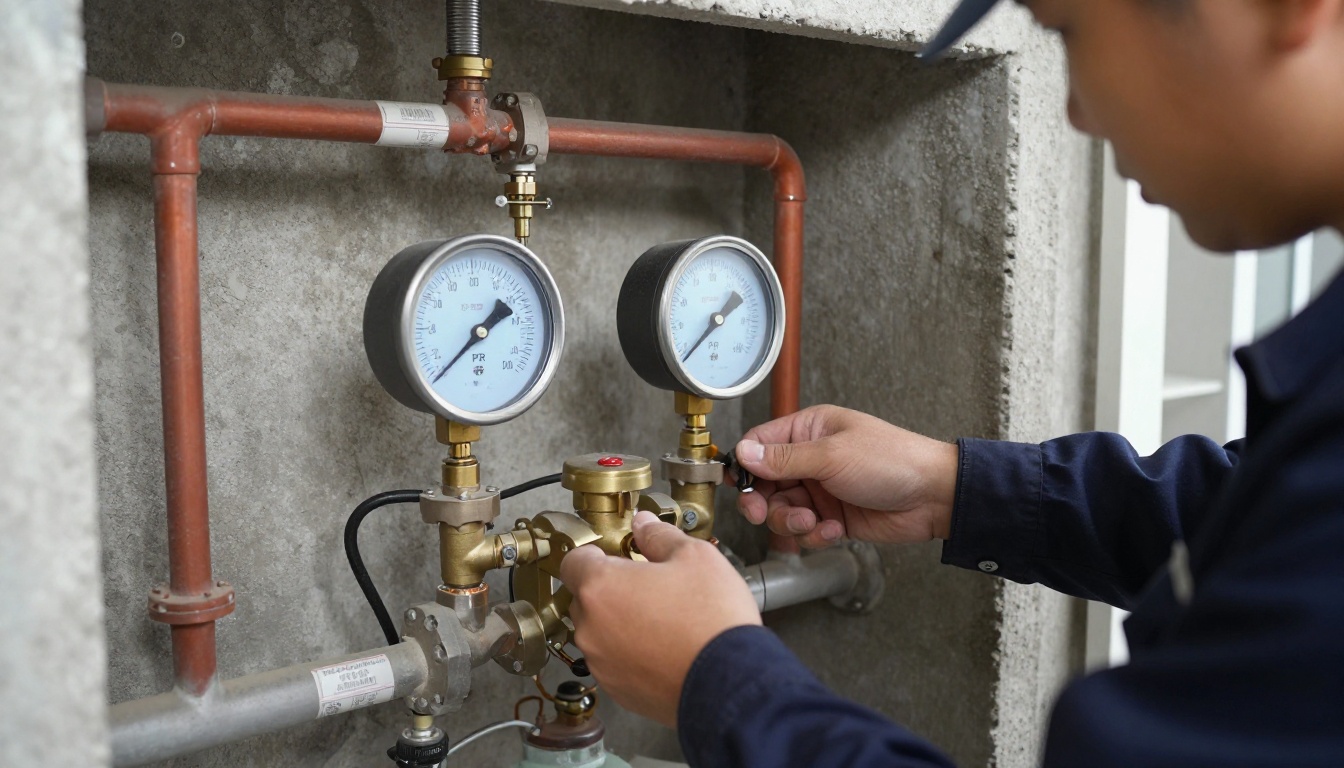
What happens if you defer it
Deferral is not always wrong. If a tank is operating properly, pressures are stable and the only issue is age, it may be reasonable to monitor and budget replacement for the next cycle. But deferral is a bad strategy when the building already has evidence of pressure excursions.
What tends to happen when a failing expansion tank is ignored:
- Relief valves begin discharging more often, wasting hot water and masking the real problem
- PRVs and mixing valves see more stress and may require earlier service
- Suite fixture failures rise, especially fill valves, cartridges and braided connectors
- Operators spend time chasing scattered complaints instead of one root cause
- A preventable fixture or hose failure eventually becomes an insurance event
From a reserve fund perspective, expansion tanks are not usually among the largest line items, but they sit inside systems that absolutely affect reserve planning. If your reserve fund study is being updated, this is the kind of mechanical component that should be reviewed in context with domestic hot water equipment, PRV stations and valve condition. Waiting until there is a flood loss is the most expensive way to confirm a tank was at end of life.
For condominiums, there is also the governance piece. If repeated suite incidents occur and the corporation knew the domestic pressure issue existed, managers and boards may have a harder time defending why the work was deferred. The Condominium Act, 1998 does not tell you when to replace an expansion tank, but it does shape how boards are expected to act prudently in maintaining common elements.
If the building is already seeing active leaks or major pressure-related failures, move it out of the budget discussion and into the service discussion. That is the point where emergency plumbing and immediate diagnosis matter more than next quarter’s planning.
A fall checklist for property managers and boards
October is the right time to get this in front of the board because winter operating conditions expose pressure problems quickly. A practical fall checklist is:
- Confirm whether the domestic water system is closed by backflow or check valves
- Review the last documented PRV setpoints and pressure readings
- Ask when the expansion tank pre-charge was last checked under proper isolated conditions
- Verify whether any relief valves have discharged in the last 12 months
- Review in-suite work orders for clusters of fill valve, cartridge or braided hose failures
- Confirm whether isolation valves around the tank actually hold
- Decide whether this is an operating repair, a maintenance item or a reserve-funded replacement
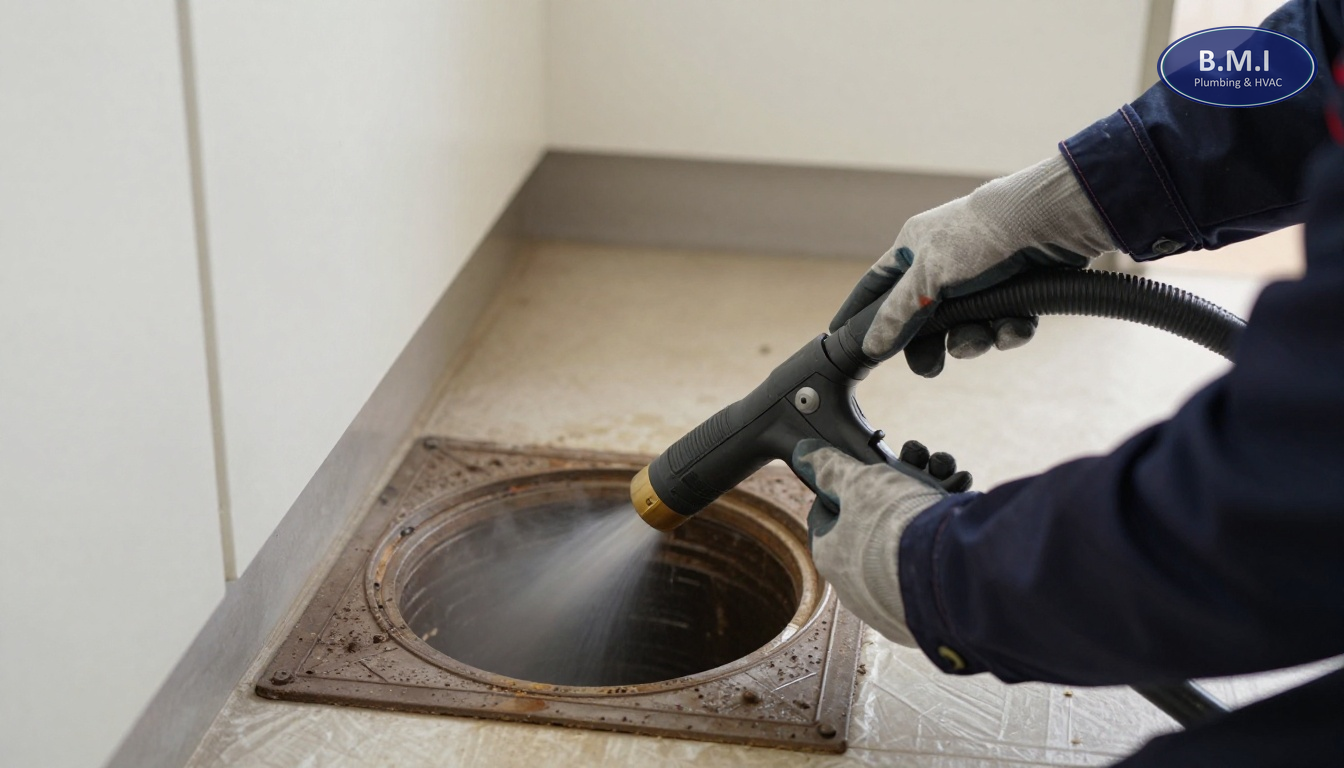
If your building has not had this reviewed recently, pair it with broader seasonal plumbing planning. The same fall review that covers stack cleaning before holiday cooking season through kitchen stack cleaning and domestic pressure review through pressure reducing valve maintenance is usually the most efficient way to get reliable numbers for the board.
FAQs
How do I know if our condo building needs a thermal expansion tank?
If your domestic hot water system is on a closed system, meaning there is a backflow preventer, check valve or pressure reducing arrangement that stops expanded water from pushing back toward the municipal main, you need a way to control thermal expansion. In practice, most Toronto high-rises, purpose-built rentals and mid-rises with booster pumps or premise isolation backflow devices already meet that condition. Field signs include pressure spikes above the normal 55-80 psi range, relief valves dripping after heating cycles, and fixture complaints that appear first thing in the morning or after low-usage periods.
What is the difference between an expansion tank problem and a PRV problem?
A failed or poorly adjusted PRV usually shows up as consistently high downstream pressure, often all day, such as 90-110 psi at hose bibbs or mechanical room gauges. A thermal expansion problem is more cyclical: pressure may sit at 60 psi when cold and climb 20-40 psi as storage tanks or water heaters recover. In many GTA buildings the two issues overlap, which is why a proper diagnosis should include gauge readings over time and a review of the pressure reducing valve maintenance setup, not just a quick visual check.
How long does a commercial thermal expansion tank last in a condo building?
In multi-residential service, a diaphragm or bladder-style expansion tank commonly lasts about 5 to 10 years, but the range is wide. Buildings with hard operating cycles, frequent pressure swings, poor air charge maintenance or undersized tanks can see failures closer to 3 to 5 years. Tanks on stable systems with proper pre-charge checks, correct sizing and good upstream pressure control can last beyond 10 years, but by that point many boards are budgeting replacement rather than waiting for a failure.
What does an expansion tank replacement typically cost in Toronto?
For a condominium or rental building in Toronto, Mississauga or Vaughan, a straightforward small commercial replacement might run roughly $1,500 to $3,500 installed if isolation, drainage and access are simple. Larger ASME-rated tanks, structural support changes, controls integration or after-hours shutdowns can move the cost into the $4,000 to $12,000 range, and central plant reconfiguration can exceed that. The biggest pricing variables are tank size, mechanical room layout, whether valves hold, and whether the existing installation has proper service isolation.
Can a bad expansion tank cause leaks in suites?
Yes, although it usually does not start with an obvious flood in the mechanical room. Repeated pressure spikes stress toilet fill valves, faucet cartridges, dishwasher hoses, mixing valves and braided connectors in suites, especially in post-2010 towers where fixtures are more pressure-sensitive than older brass-body hardware. One common pattern is a building that sees a rise in nuisance in-suite plumbing calls, then a relief valve discharge, then a more serious fixture or hose failure months later.
Is the expansion tank a common element or an owner responsibility?
In almost every condominium configuration, the domestic hot water expansion tank serving the building is a common element because it protects the central plumbing system, not one suite. That said, managers should still confirm wording in the declaration and standard unit definition, because responsibility for resulting suite damage, chargebacks and deductible recovery depends on those documents and the corporation’s rules. The tank itself is generally a building-side asset and should be planned as part of common element maintenance or reserve funding.
Next steps if your board is discussing this now
If your building has had unexplained pressure complaints, recurring relief valve discharge, or a run of fixture failures that do not quite make sense, do not approve a replacement blindly and do not ignore it either. Ask for a site review that includes actual pressure readings, confirmation of closed-system conditions, a check of the tank pre-charge, and a clear recommendation on whether the issue is the tank, the PRV setup, or both.
For boards building next year’s budget, this is usually a modest line item compared with the cost of repeated service calls and one preventable flood loss. If your domestic system has not been reviewed recently, it is reasonable to bundle the inspection with a broader mechanical review and get defensible numbers in front of the board before year-end. BMI attends the building before quoting, and where the issue is urgent, 24/7 emergency plumbing response is available.
If you want additional background on multi-residential plumbing issues, see the rest of the BMI blog or review recent building work through completed project references.
Contact BMI
- Contact BMI
- Phone: (416) 845-3756
- Emergency: (416) 845-3756, answered 24 hours a day
- Email: info@brial.ca
More on condominium plumbing
Booster Pump Condo Guide for Toronto Buildings
A practical Toronto guide to booster pump condo service, failure signs, replacement costs, shutdowns, and what boards …
Plumbing Vent Condo Problems in Toronto High-Rises
Understand plumbing vent condo and stack venting problems in Toronto high-rises: symptoms, diagnosis, costs, shutdowns …
Toronto Condo Stack Cleaning ROI After 5 Years Deferred
Deferred maintenance cost adds up fast. See the real stack cleaning ROI for Toronto condos after five years without …
Need a plumber in your building?
BMI services roughly 200 condominium and multi-residential buildings across Toronto and the GTA. Emergencies are answered at any hour.