Toilet and Faucet Repairs at Scale in Vaughan Condos
Toilet and faucet repairs at scale in Vaughan condos and rentals. Learn common failures, inspection steps, costs, timelines and budget planning.
Toilet and Faucet Repairs at Scale in Vaughan Condos
Quick summary: In Vaughan, toilet and faucet repairs stop being minor plumbing calls once the same failures start appearing across dozens of suites. For condominium boards and property managers, the real issue is not one running toilet or one dripping faucet, but the labour, access coordination, water waste and resident frustration that come from handling them one at a time.
Why toilet and faucet repairs show up this way in Vaughan buildings
Vaughan has a very mixed multi-residential inventory, and that matters. Buildings around Thornhill and older apartment corridors tend to have earlier generations of copper distribution, older brass stops, original or second-generation fixtures, and amenity washrooms that have seen years of heavy use. By contrast, towers around Vaughan Metropolitan Centre and along Highway 7 are much newer, often with more contemporary fixtures, pressure zoning, booster systems and a wider range of owner upgrades inside suites. Those two building types fail differently.
In older Vaughan high-rise and rental stock, the usual pattern is cumulative wear. Fill valves get noisy, flappers stop sealing, shutoff valves seize, and lavatory faucets begin to drip because cartridges have reached end of life or scale has built up internally. In newer towers, we often see variation suite to suite because some fixtures are original builder-grade units, while others were changed by owners during turnover years. That creates a parts-management problem as much as a plumbing problem. A one-hour service call becomes much longer when every third suite has a different faucet cartridge and every fifth toilet uses a different tank mechanism.
Vaughan is served by York Region for water and wastewater, with municipal distribution and building pressure conditions that can vary by area and building height. In practice, for a property manager, that means pressure-related wear is not theoretical. Taller buildings with booster systems, and buildings where pressure reducing equipment has not been reviewed recently, can see shorter fixture life. It is often worth tying a large fixture repair campaign to a review of the building’s pressure reducing valve maintenance program, especially going into fall and winter when boards are trying to avoid cold-weather leaks and nuisance calls.
There is also a seasonal issue in Vaughan in the fall. Boards are building next year’s operating budget, residents are back into regular occupancy patterns after summer travel, and the holiday season tends to increase washroom use in suites and common areas. This is also the time when managers want realistic numbers for repetitive repairs instead of carrying vague allowances. If your building is already seeing multiple work orders for toilets and faucets each month, grouping those calls can be more useful than waiting for another winter of complaints.
Managers dealing with broader plumbing reliability issues often pair this kind of repair review with other recurring service items such as in-suite plumbing repairs and a building-wide look at all repairs and service.
How toilet and faucet problems actually present in Vaughan suites
Property managers rarely receive a maintenance request that says, “the fill valve diaphragm is worn”. What they hear is more practical and more repetitive.
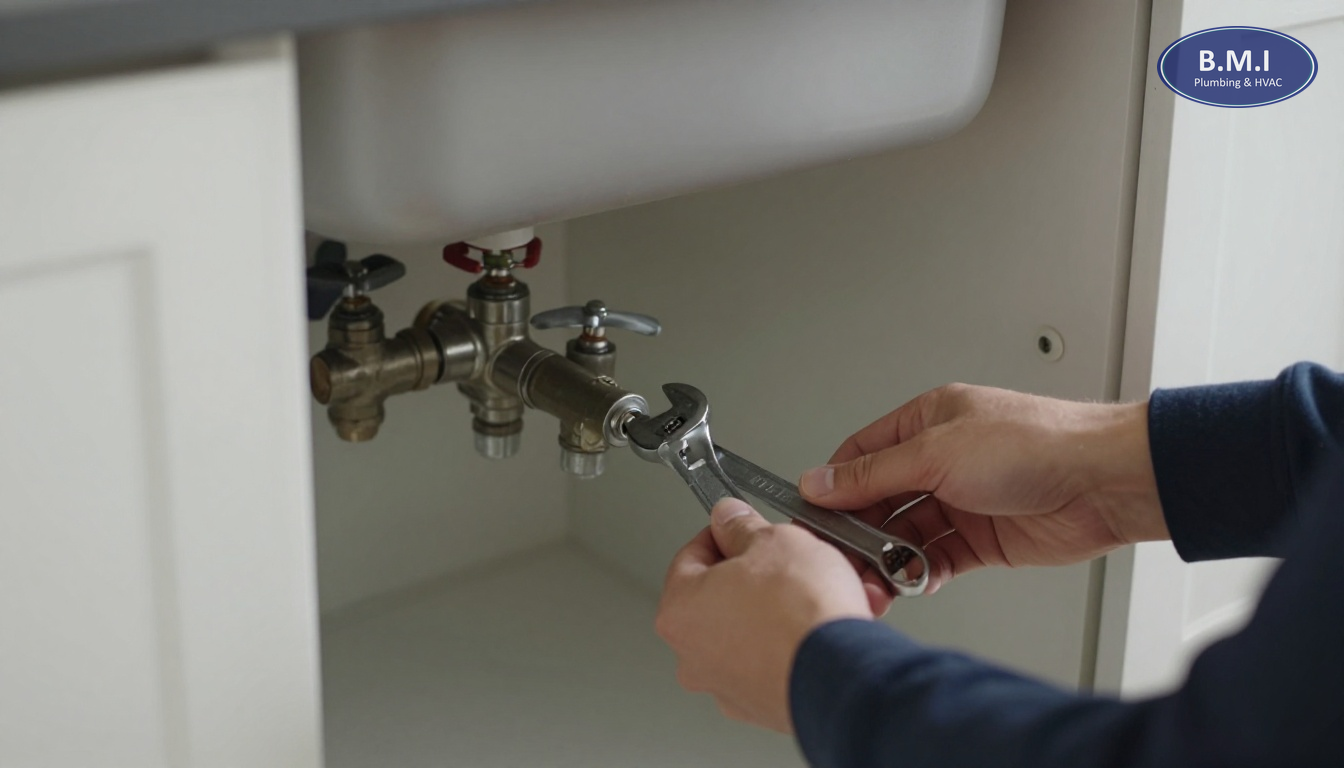
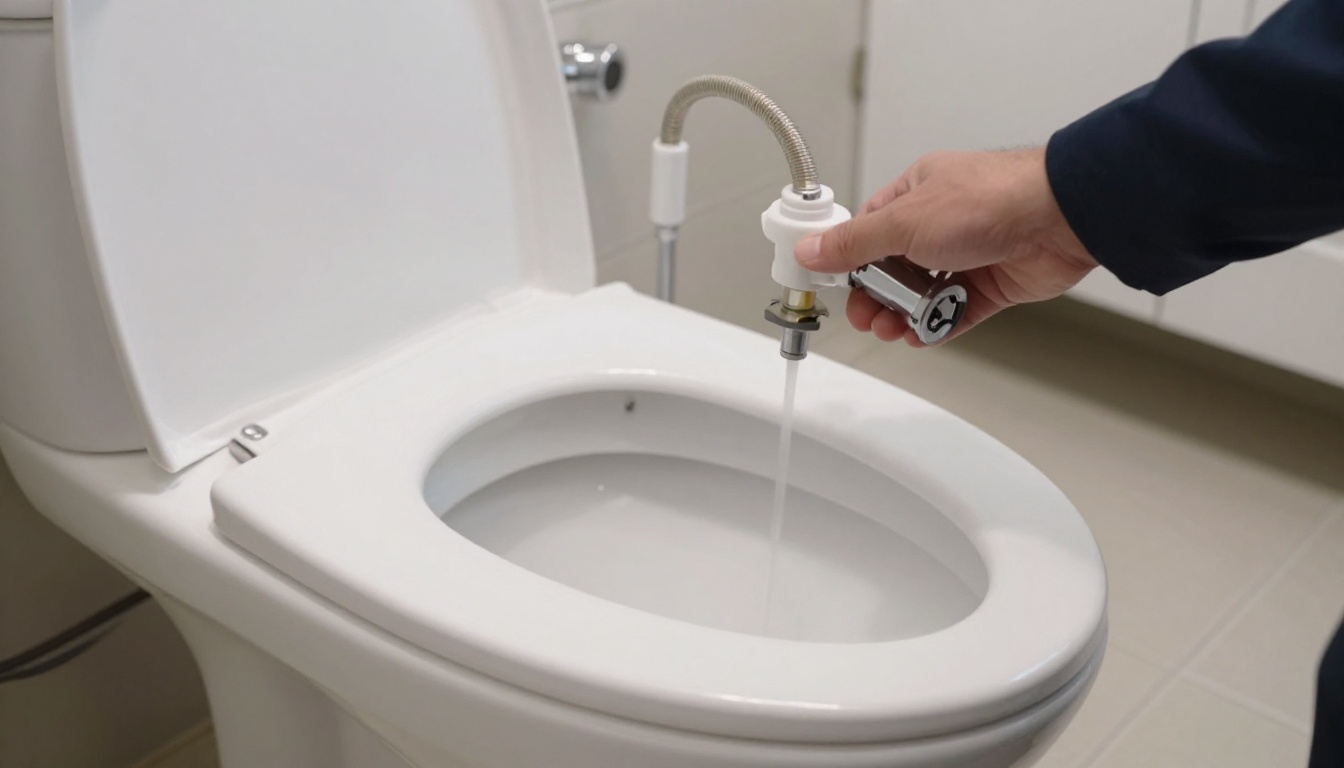
Residents report a toilet that keeps running after a flush, a ghost refill every few minutes at night, water around the base, a handle that sticks, or a shutoff valve under the tank that no longer turns. For faucets, the complaint is usually dripping at the spout, low flow on one fixture only, a loose handle, difficulty shutting off fully, or a leak from the supply connection inside the vanity. In common areas, it may be an accessible washroom fixture that keeps cycling, a janitor sink faucet that will not close properly, or amenity-room washrooms with constant call-backs.
In Vaughan condominiums, a key distinction is whether the issue is isolated to one fixture or repeated across a fixture family. If ten suites in one line report running toilets within six months, that is not random wear. It usually points to the same original fixture age, the same parts quality, similar pressure exposure, or all three. Likewise, if lavatory faucets in a newer tower are dripping across multiple floors, the board should ask whether the cartridges are failing early, whether stop valves are passing, or whether owner alterations have created a mixed inventory that makes standard service slower and more expensive.
Another common issue in Vaughan is the hidden cost of a small leak. A running toilet may not damage finishes immediately, so it gets deferred. But on a high-occupancy floor, that can mean ongoing water loss, repeated complaints, and disputes about whether the resident reported it in time. For faucets, slow leaks inside a vanity can stain cabinets, affect adjacent drywall, and turn a routine service call into an insurance conversation.
When there are repeated complaints, BMI will often recommend a structured fixture review rather than endless spot calls. That can include documenting fixture models, stop-valve condition, supply-line age, and whether any suites should be escalated for toilet and faucet repairs plus related emergency plumbing readiness if active leaks are already occurring.
Diagnosing building-wide toilet and faucet failures in Vaughan
At scale, diagnosis is less about one fixture and more about pattern recognition. A manager should expect more than a verbal recommendation to “change some parts.” The useful questions are: which fixtures are failing, how many, what is common between them, and what related conditions will slow the work or increase cost?
A proper inspection program usually starts with a sample of suites across different stacks, exposures and floors, plus common-area washrooms and the mechanical room if pressure is suspected. The technician should identify fixture makes and models where possible, note whether shutoffs are functional, inspect flexible supplies, and document whether toilets are one-piece, two-piece, concealed-carrier, pressure-assisted or standard gravity units. The same goes for faucets: lavatory, kitchen, tub/shower trim, and whether owner-installed fixtures have made cartridge sourcing unpredictable.
For Vaughan boards, the evidence to insist on includes:
- a written count of observed failure types, not just a lump-sum recommendation
- photos of typical conditions and exceptions
- a list of standard parts that can be stocked in volume
- a list of exclusions, such as seized stops, cracked china, custom imported faucets or prior non-standard alterations
- confirmation of whether pressure should be reviewed at the same time
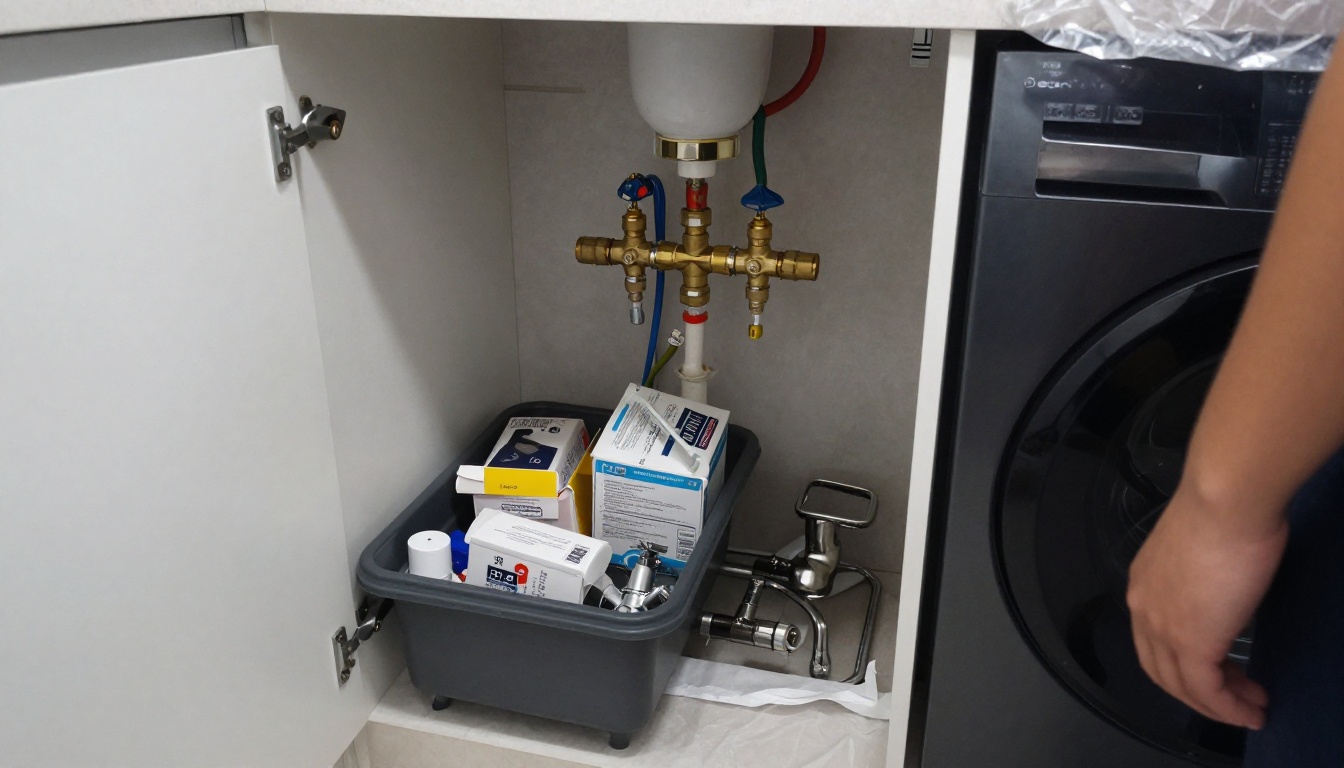
If pressure instability is part of the picture, the fixture program should not be treated in isolation. Replacing dozens of fill valves in a building with poor pressure control can simply reset the clock on the next round of failures. In those cases, boards often benefit from a companion review of pressure reducing valve maintenance and replacement or, where shutoffs are unreliable, sectional and isolation valve replacement.
Access logistics are also very specific to Vaughan properties. Newer towers near Vaughan Metropolitan Centre may have loading protocols, elevator booking windows and tighter concierge control over suite access. Older buildings can have narrower service rooms, aging shutoffs and less predictable suite conditions. A realistic proposal should account for repeat access, resident notices, and the percentage of suites likely to require return visits because of owner alterations.
Where there is any concern that concealed leaks or drain issues are part of the complaint history, it can also make sense to pair a sample survey with camera pipe inspection or targeted drain cleaning and snaking, especially if residents are describing fixture back-up rather than simple dripping.
A representative Vaughan service call at scale
A representative example would be a 22-storey condominium from the early 2010s near Highway 7 and Jane Street. The property manager had been receiving a steady stream of work orders for running toilets, dripping bathroom faucets and a few leaking kitchen faucets. Over about eight months, the building had approved more than two dozen small plumbing visits, but the complaints kept returning.
BMI started with a sample inspection of 18 suites across several floors, plus two common-area washrooms. The pattern was clear. Most of the toilets were original builder-installed units with the same fill valve and flapper assembly nearing end of service life. Roughly one-third of the bathroom faucets had cartridge wear, and several suite shutoff valves under the lavatories were partially seized or passing. Pressure readings in the suites were not extreme, but the building’s pressure control history suggested maintenance was due.
The board approved a phased repair program focused first on the suites with active complaints, then on the same fixture group in adjacent stacks. The work included replacing fill valves, flappers and supply lines where needed, changing faucet cartridges and aerators on standard units, and replacing defective angle stops where access and condition allowed. Non-standard owner-installed designer faucets were excluded and priced separately if requested. At the same time, the building scheduled a review of PRV maintenance to reduce repeat wear.
The first phase covered 34 suites and two common washrooms over four working days, with one follow-up day for access misses and specialty parts. The rough cost for that phase was in the range of $18,000 to $28,000, depending on the number of shutoff-valve replacements and cartridge types required. More important than the initial cost was the result: complaint volume dropped sharply, and the manager finally had a usable inventory of standard versus non-standard fixtures for future budgeting.
That is the difference between scattered reactive service and a real building program. The plumbing work itself is not complicated, but the planning, documentation and parts control are what make it effective in a Vaughan condominium.
Costs and timelines for Vaughan toilet and faucet repair programs
Costs in the Toronto market vary widely by fixture mix, access, and whether you are dealing with standard repairs or a patchwork of owner upgrades. For Vaughan multi-residential buildings, the following are reasonable budgeting ranges, not quoted prices:
- Single reactive toilet repair in an occupied suite: often about $250 to $550 if it is a straightforward fill valve, flapper or supply-line repair with a working shutoff
- Toilet repair requiring shutoff replacement or more difficult access: often about $450 to $900+
- Standard lavatory faucet cartridge repair: often about $220 to $450 if parts are common and isolation is simple
- Faucet repair with specialty cartridge sourcing, seized hardware or stop-valve replacement: often about $400 to $900+
- Common-area washroom toilet or flush-valve repair: often about $350 to $950 depending on fixture type and parts
- Building-wide phased program for 25 to 50 suites: often in the low five figures to mid five figures, depending on the percentage of exceptions
Timelines also depend on how standardized the fixtures are. In a relatively uniform Vaughan tower, a technician team can move efficiently once parts are confirmed and access is organized. In a building with many owner alterations, progress slows because each exception can require research, approval and a return visit.
As a rule of thumb:
- sample survey and reporting: 1 to 2 weeks
- resident notice and scheduling: 1 to 3 weeks depending on management process
- phase of 20 to 40 suites: 2 to 5 working days plus follow-up access day
- specialty parts and exception suites: additional 1 to 3 weeks
Fall is usually the right time to get these numbers in front of the board. It aligns with budget season and gives management time to complete the first phase before winter. If the same building is also seeing pressure complaints or aging isolation valves, it may make sense to combine the repair program with valve audit, charting and exercise programs or broader maintenance programs.
Repair versus replacement in Vaughan: when does repetitive service stop making sense?
Not every dripping faucet needs replacement, and not every running toilet justifies a full fixture renewal. The decision point is usually based on standardization, labour repetition and collateral risk.
Repair tends to make sense when the fixture family is still supportable, parts are readily available, shutoffs are serviceable, and the building is seeing normal age-related wear rather than systemic failure. This is common in mid-life Vaughan condos where original fixtures are still standard and a planned parts campaign can buy several more years of service.
Replacement becomes more attractive when:
- multiple fixture models make stocking parts inefficient
- cartridges or internal toilet components are obsolete or unreliable
- shutoff valves fail so often that every repair becomes a mini-project
- owner alterations have created too many incompatible fixture types
- water-use performance is poor and the board wants operating savings alongside reliability
Boards should also think about governance. If many suites contain owner-altered fixtures, the corporation needs to know what it is responsible for and what remains an owner cost. In Ontario condominiums, alteration records and section 98 agreements can matter when determining whether the corporation is maintaining original standard components or dealing with owner upgrades that fall outside normal common-element obligations.
For buildings where repetitive fixture problems are just one symptom of broader aging plumbing, the right recommendation may move beyond repairs into project solutions, including domestic water riser replacement or even more comprehensive building re-piping in older stock. That is not the first answer for most Vaughan towers, but boards should not ignore the possibility if fixture failures are being driven by deteriorated supply conditions.
What deferring these repairs costs a Vaughan corporation
The obvious cost is repeat labour. Sending a plumber back to the same building for similar repairs over and over is expensive because access, travel, elevator time and administration are repeated every time.
The less obvious cost is water loss and claim exposure. A running toilet can waste substantial water over time. A slow faucet or stop-valve leak inside a vanity may go unnoticed until millwork is damaged. Once a resident says they reported the issue earlier, the conversation can shift from maintenance to chargebacks, deductibles and whether the corporation acted reasonably.
There is also reputational cost inside the building. When residents keep hearing that plumbing issues are being handled but continue seeing recurring failures, confidence in building operations drops. During budget season, that makes it harder for management to explain operating increases unless there is a clear plan backed by documented inspection results.
Deferral can also complicate reserve and operating planning. Reserve fund studies and their update cycle are meant to inform major common-element expenditures, but repetitive fixture failures often sit in an awkward middle ground: too small individually for capital treatment, too frequent to ignore in operating. A structured repair program gives the board real data. It can show whether the problem belongs in annual maintenance, a short-term renewal plan, or a broader capital discussion.
For buildings with recurring emergency leak calls, it is also worth reviewing 24/7 emergency leak response procedures and keeping a current service relationship in place before a small fixture leak turns into an after-hours flood.
FAQs about toilet repair and faucet repair in Vaughan
What are the most common toilet repair issues in Vaughan condominium buildings?
In Vaughan condo buildings, the most common issues are running toilets caused by worn fill valves or flappers, leaking shutoff valves, loose tank-to-bowl connections, and carrier or flushometer problems in amenity and commercial-style washrooms. In newer towers around Vaughan Metropolitan Centre, we also see premature cartridge and fixture wear where suites have had inconsistent pressure control. In older low-rise and rental stock, repeated small leaks are often tied to aging stop valves and mineral buildup in fill mechanisms.
When should a Vaughan property manager treat faucet and toilet repairs as a building-wide program instead of one-off service calls?
Once the same failures start appearing repeatedly across stacks, floors or phases of a building, it usually makes more sense to plan a building-wide program. A common trigger is when a manager is approving multiple similar work orders each month for fill valves, flappers, cartridges, angle stops or dripping lavatory faucets. Grouping the work reduces repeat access costs, improves consistency of parts, and gives the board better numbers for annual budgeting.
Can high water pressure in Vaughan contribute to running toilets and dripping faucets?
Yes. Excessive or unstable pressure can shorten the life of fill valves, cartridges, flexible supplies and fixture shutoffs, especially in taller Vaughan buildings where pressure zones and booster systems are part of the plumbing design. If fixture failures are showing up across many suites, it is worth pairing the repair program with a review of the building’s pressure reducing valves using a proper pressure log and mechanical room inspection.
How disruptive is a suite-by-suite toilet and faucet repair program in Vaughan?
For most occupied Vaughan condos, a suite visit for standard toilet and faucet repairs takes about 30 to 90 minutes depending on access, fixture condition and whether shutoff valves are operable. The bigger operational challenge is scheduling, elevator coordination, parking/loading and dealing with a percentage of suites that have non-standard fixtures or prior owner alterations. A well-run program usually starts with a sample survey so the board knows how many exceptions to expect.
Are toilet and faucet repairs in Vaughan reserve fund work or operating budget work?
Routine repairs to common-element supplied fixtures or corporation-maintained components are usually treated as operating repairs, while broader fixture renewal programs may need to be considered alongside the reserve fund study depending on the declaration and the nature of the work. The key issue is not just accounting treatment but whether the corporation is repeatedly paying reactive costs that would be lower if grouped into a planned program. Boards should review responsibility language carefully, especially where owners have altered fixtures under section 98 agreements or other alteration records.
What should a Vaughan board ask for before approving a large toilet and faucet repair program?
Ask for a breakdown of fixture types by suite sample, the failure pattern, a parts standardization plan, and a list of exclusions such as designer faucets, seized shutoffs or non-compliant owner-installed fixtures. For Vaughan buildings, it also helps to ask how access will be managed, what notice period is required, whether water shutdowns are expected, and whether related issues like stop-valve condition or pressure problems should be addressed at the same time. Clear reporting after each day of work matters because it turns a repair campaign into usable asset data.
Next steps for Vaughan property managers and condo boards
If your Vaughan building is seeing repeated work orders for running toilets, dripping faucets or leaking fixture shutoffs, the first step is not to approve another isolated call blindly. Start with a sample-based review that identifies fixture types, repeated failure points, pressure-related issues and access risks. That gives the board a basis for budgeting and helps management decide whether to proceed with targeted repairs, a phased suite program, or a broader plumbing review.
BMI serves Vaughan and the surrounding GTA from its Toronto shop. For boards and managers, the goal is straightforward: fewer repeat calls, better documentation, and a repair plan that fits the building you actually have. For examples of related work, see BMI’s completed projects and building references or review the latest articles on the BMI blog.
Contact BMI
- Contact BMI
- Phone: (416) 845-3756
- Emergency: (416) 845-3756, answered 24 hours a day
- Email: info@brial.ca
More on condominium plumbing
Toronto Condo Stack Cleaning Resident Notice Guide
How to schedule condo stack cleaning with clear resident notice, suite access planning, costs, timelines and shutdown …
MEV Water-Saving Valve Installation in North York
MEV water-saving valve installation in North York condos. Learn where it fits, how savings are verified, and what costs …
Condo Garbage Disposal Rules in Toronto Buildings
Why condo garbage disposal bans are common in Toronto: stack loading, plumbing risk, costs, rule enforcement and what …
Need a plumber in your building?
BMI services roughly 200 condominium and multi-residential buildings across Toronto and the GTA. Emergencies are answered at any hour.