Toilet and Faucet Repairs at Scale in York Condos
Toilet and faucet repairs at scale in York condos and apartments. Fix running toilets, leaks and fixture failures with building-wide planning.
Toilet and Faucet Repairs at Scale in York Condos
Quick summary: In York, toilet and faucet repairs are rarely just small plumbing calls when you manage an older apartment or condominium building. Repeated running toilets, dripping faucets, failed shutoffs and hard-to-source cartridges can turn into a budget, access and resident relations problem fast, especially in fall when boards are setting next year’s numbers and trying to get ahead of winter pressure swings.
For property managers and condo directors, the real issue is not whether one toilet can be fixed. It is whether the building has a repeatable, documented way to handle dozens of similar fixture failures without constant emergency calls, wasted water and avoidable suite access problems. BMI handles toilet and faucet repairs, in-suite plumbing repairs and larger condominium plumbing programs across York and the rest of Toronto from our Toronto shop.
Why toilet and faucet problems show up in York buildings specifically
York is not one uniform building type. The area includes a lot of older multi-residential stock: postwar walk-ups, rental towers from the 1960s through 1980s, and condominium buildings from later waves of redevelopment along major corridors. Around Weston Road, Eglinton, St. Clair and older apartment pockets, it is common to find original or long-past-service-life fixtures mixed with piecemeal replacements done over many years. That matters because scale repair work depends on consistency. If half the building has old tank toilets with standard flappers and the other half has newer pressure-assist or dual-flush units, the labour plan changes completely.
In many older York buildings, the plumbing systems behind the fixtures also drive repair complexity. Domestic water may still be distributed through aging copper with multiple generations of repairs. In-suite shutoff stops are often corroded or seized. Sectional valves in corridors or service rooms may not isolate cleanly. A simple faucet cartridge replacement can become a broader plumbing event if the stop valve will not close or begins leaking once touched. That is one reason many managers pair fixture work with a valve audit and charting program or broader maintenance programs.
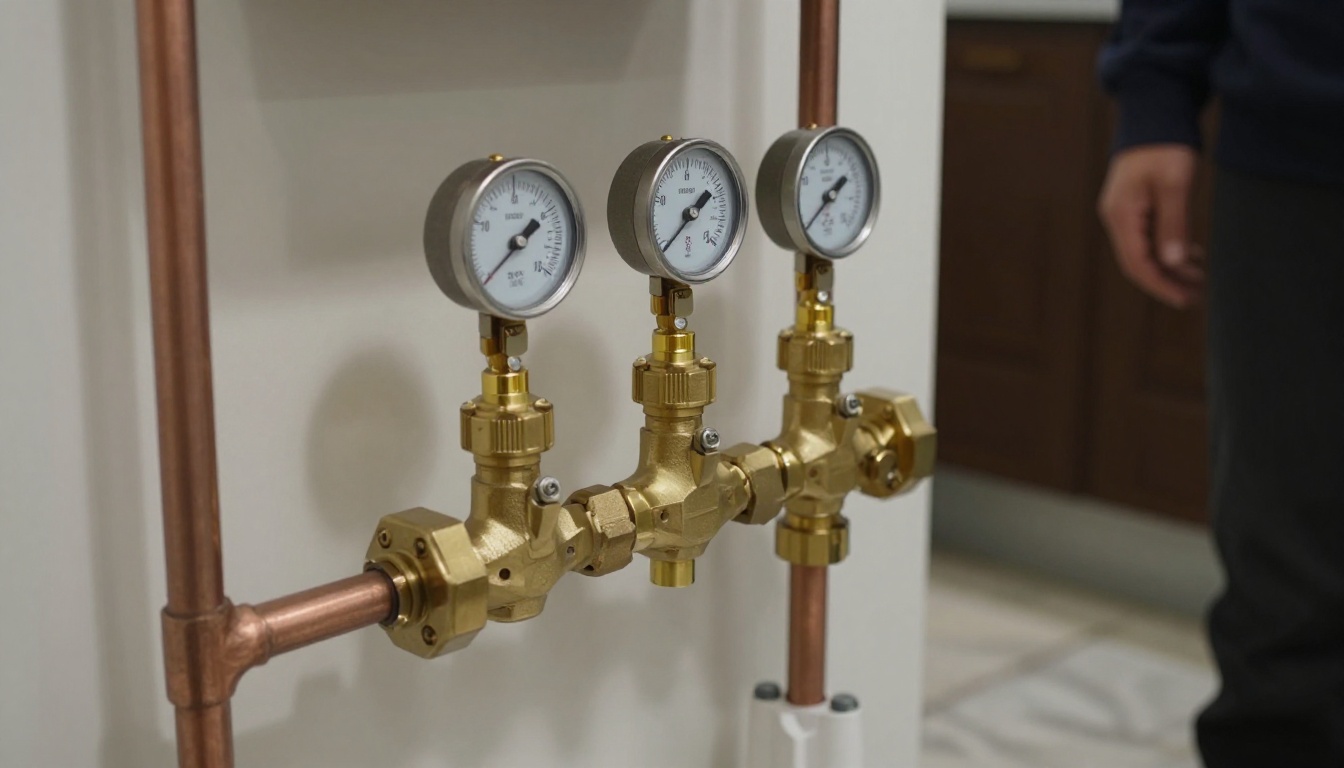
York is also part of Toronto’s municipal water system, so building plumbing has to cope with city-supplied water pressure conditions, seasonal demand changes and the practical effects of elevation within the building. In fall, before winter, this becomes more noticeable. PRVs that are already drifting out of range can allow higher downstream pressure during low-demand periods overnight, which is when marginal fill valves, faucet cartridges and supply connections start to show themselves. If the building has not had recent pressure reducing valve maintenance, small fixture failures often multiply.
From an operations standpoint, York buildings can be awkward to service at scale. Older towers often have tight service corridors, limited loading access and elevators that are either small or reserved by move bookings. In lower-rise rental stock, there may be no service elevator at all. That affects how quickly a crew can move materials, whether toilets can be replaced efficiently where needed, and how many suites can realistically be completed in a day.
How toilet and faucet issues present in York suites
Property managers usually do not get a work order that says “systemic fixture deterioration.” They get resident complaints that look isolated until a pattern emerges.
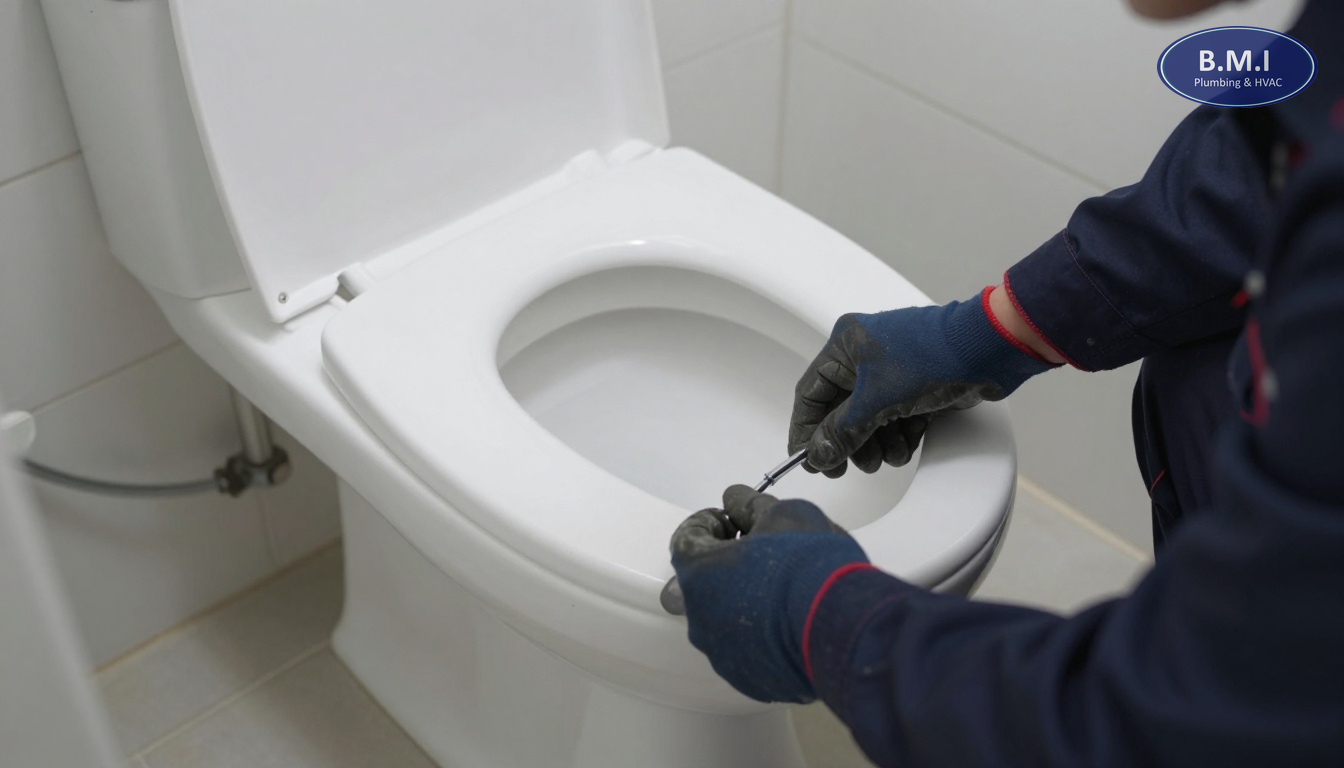
For toilet repair in York, the common reports are:
- toilet keeps running after flush
- intermittent phantom flushing at night
- weak refill or slow tank fill
- water on the floor at the toilet base
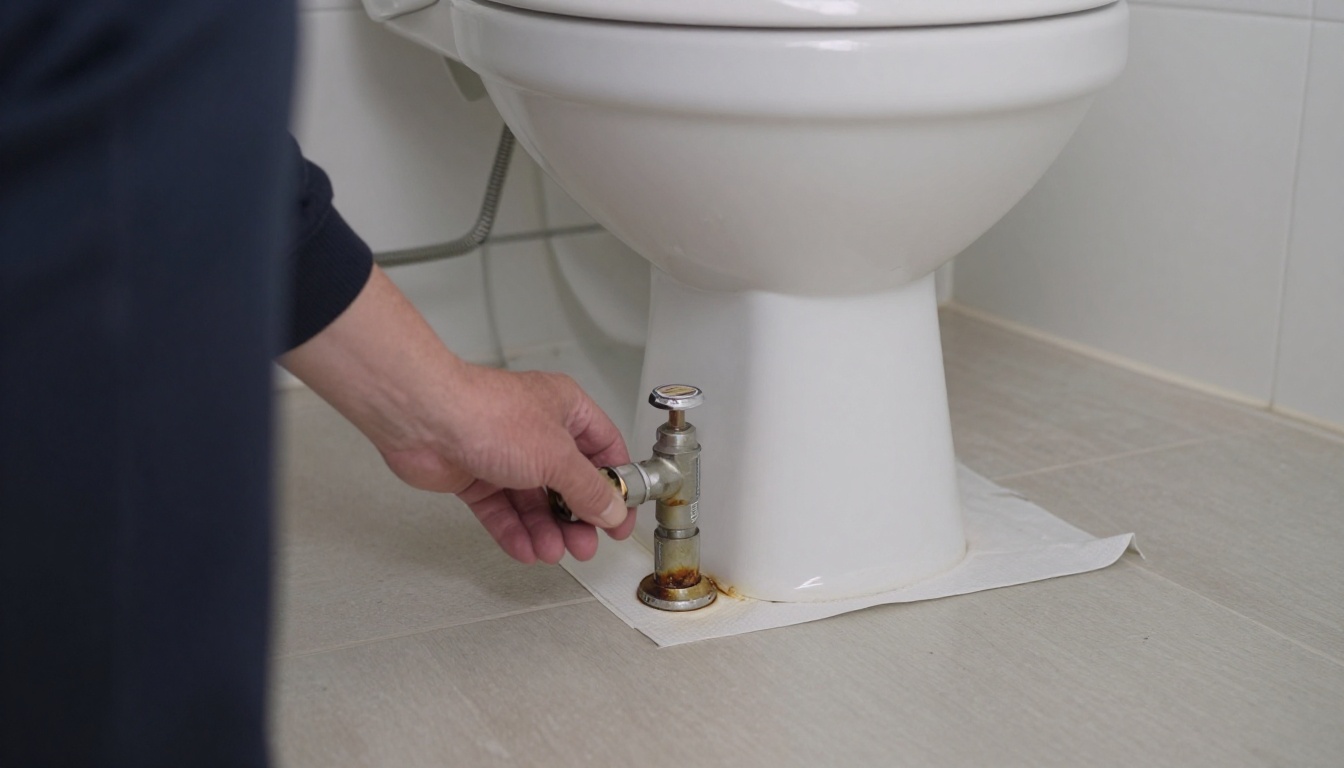
- shutoff valve will not turn or leaks when touched
- repeated clog complaints on one older toilet with poor flush performance
For faucet repair, the common complaints are:
- constant drip from bathroom sink faucet
- kitchen faucet loose at the deck
- handle hard to turn or frozen in place
- no hot or poor mixing because the cartridge is failing
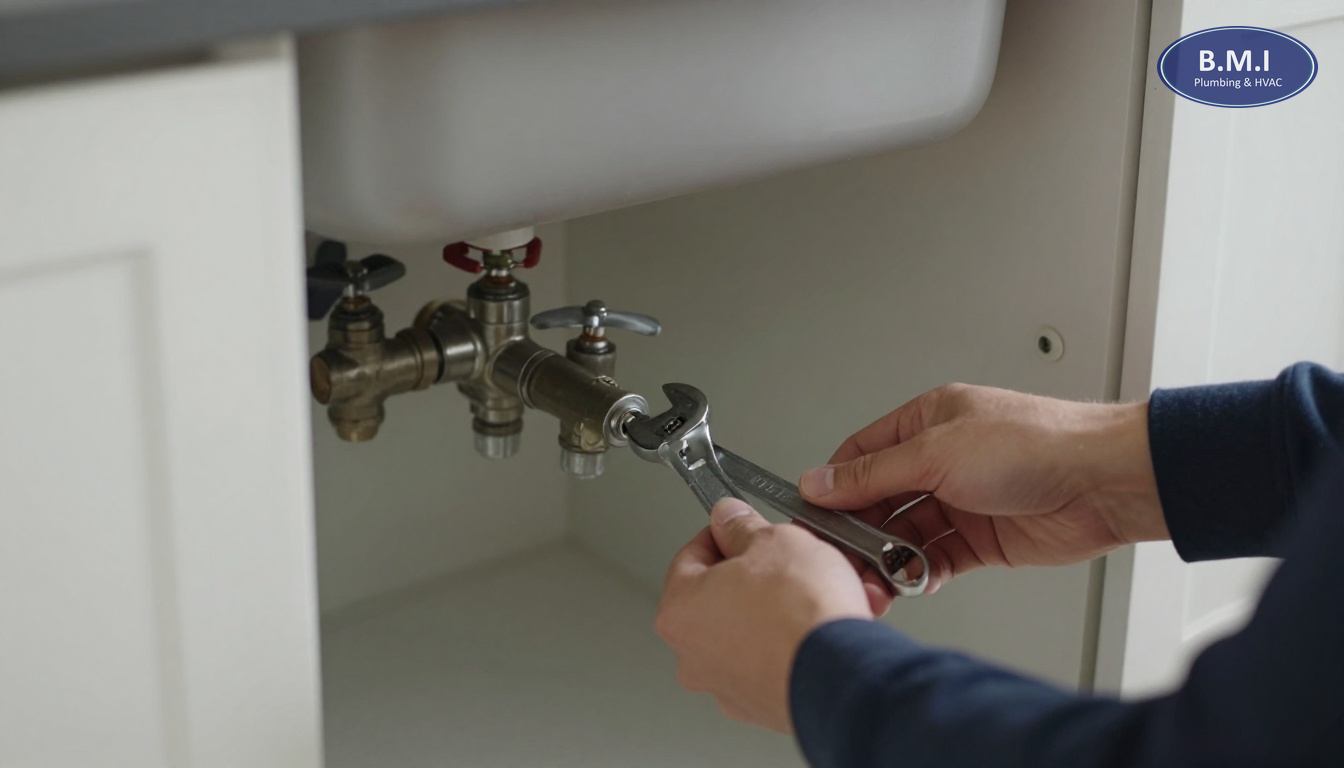
- leaking supply tubes or weeping angle stops inside the vanity
- noise or hammer when the faucet closes quickly
In York’s older apartment and condominium stock, the resident-facing symptom and the actual repair scope are often different. A “running toilet” may start as a flapper issue but end with replacement of the fill valve, supply connector and suite shutoff because the stop will not reseal. A “dripping faucet” may really be a cartridge plus a failed stop valve in a cramped vanity where access adds labour.
At scale, managers should also watch the building-level signals. Rising water consumption without another obvious cause is one. Another is a high volume of repeated suite calls on the same fixture types. If staff are replacing flappers every few months in different suites, that may indicate inconsistent parts, poor water pressure control or fixtures that are simply at end of life. If your site team is spending too much time on fixture complaints, it may be time to move from reactive calls to a planned repairs and service program.
What diagnosis in York should involve, and what evidence to insist on
For a single suite, diagnosis may be straightforward. For a building-wide York fixture program, it should be structured. The goal is to separate quick standard repairs from suites that need more time, shutdown coordination or full fixture replacement.
A proper assessment usually includes:
- identifying fixture brands and model families across a sample of suites
- testing whether in-suite shutoffs operate and reseal
- documenting common failure parts such as fill valves, flappers, cartridges, aerators and supply tubes
- checking static and flowing pressure where pressure complaints exist
- noting accessibility constraints under vanities and around toilets
- recording fixtures that are no longer practical to repair because parts are obsolete or the body is deteriorated
For York buildings, ask for evidence that can be used operationally, not just verbally summarized. That means a suite log, photo documentation where needed, and a categorized deficiency list: standard repair, further diagnosis required, replacement recommended, and valve issue/shutdown issue. If pressure appears to be contributing, ask whether the building should tie this work to PRV maintenance and replacement.
Where fixture complaints overlap with drainage complaints, a manager should also be cautious not to misclassify the issue. A toilet that “doesn’t flush right” may be a poor fixture, but it can also be a branch blockage or partial stack restriction. In older York buildings with cast iron drainage, combining fixture diagnosis with drain cleaning and snaking or a camera pipe inspection can prevent repeat calls and resident frustration.
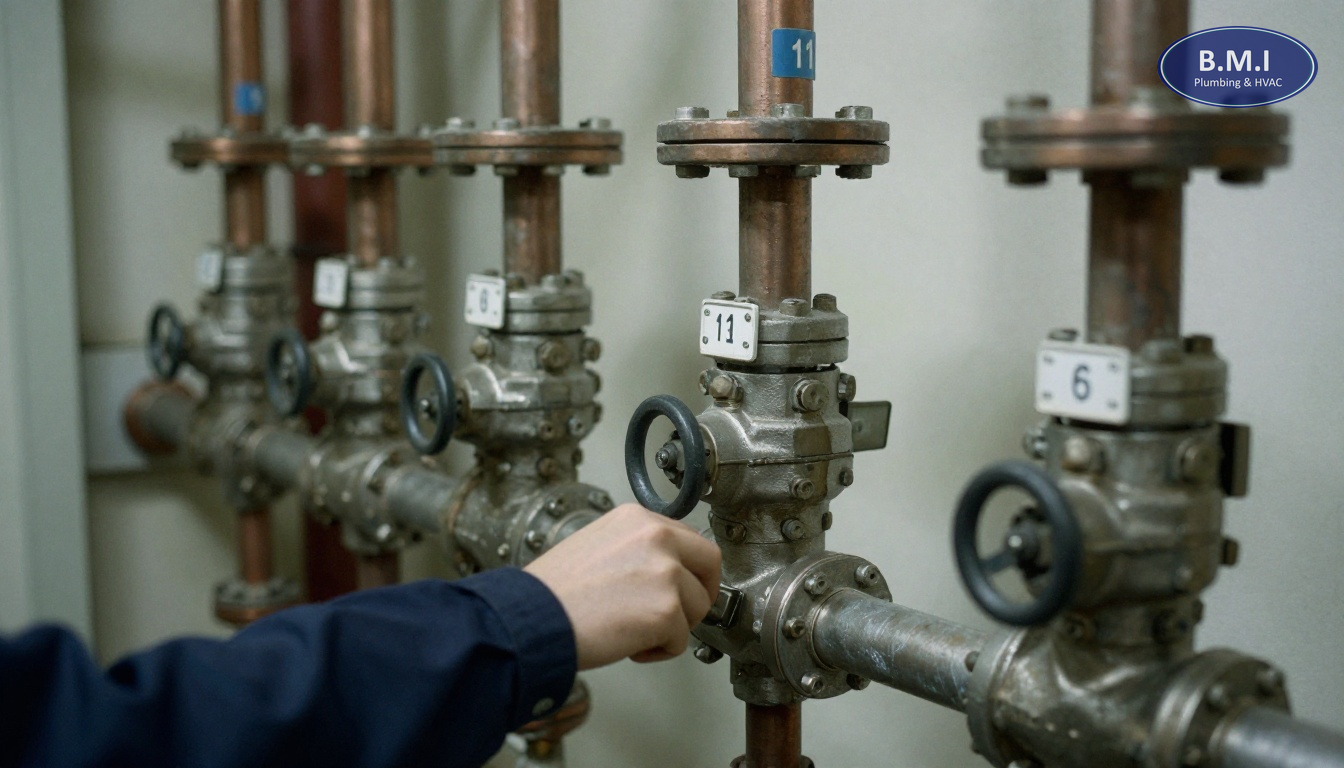
Another point that matters in York’s older stock: if the in-suite stop valves are unreliable in a significant number of units, the fixture program may need to be sequenced with sectional and isolation valve replacement. It is difficult to run efficient toilet and faucet repairs when every third suite threatens to become a shutdown event.
A representative York service call: repeated running toilets in an older tower
A realistic example would be a 17-storey apartment building from the late 1970s in York, near one of the older east-west corridors with a mix of long-term tenants and intermittent turnover. Building staff had been handling toilet complaints one at a time for years. By early fall, management noticed rising water bills, frequent resident complaints about phantom flushing overnight, and several incidents where attempted toilet repairs had turned into emergency calls because the suite shutoffs leaked.
BMI was asked first to assess a sample group of suites rather than start blind on a full-building repair blitz. We inspected 24 suites across several stacks. The findings were typical of this building type: multiple toilet brands installed over time, but a strong concentration of older tank toilets with deteriorated flappers and failing fill valves; angle stops in poor condition in roughly one third of the inspected suites; and a smaller number of toilets with cracked handles, degraded tank bolts or unstable bowls. Several bathroom sink faucets also had worn cartridges and seized stops, which management decided to bundle into the same access program where possible.
The work was divided into three categories. Category one was same-day standard toilet repair: flapper, fill valve, supply connector and minor adjustment. Category two was toilet repair plus stop replacement. Category three was fixture replacement recommended because the toilet or faucet had reached the point where repair was poor value.
Over six working days, access was coordinated floor by floor. The crew completed toilet and faucet repairs in 41 suites, replaced failed shutoffs in 18 of those suites, and flagged 9 toilets and 6 faucets for later planned replacement. One short localized shutdown was required when a corridor isolation valve did not hold as expected. Because the building had a lot of aging valves, management later scheduled a valve audit program for the broader system.
The rough cost for the assessment and first repair phase was in the range of $18,000 to $32,000 depending on final parts mix and after-hours coordination. That is not a quoted price, just a realistic market range for this kind of York building condition and access profile. The key result was not only fewer complaints. It was that management came out of the work with a documented list of what was actually in the building, which suites had failed shutoffs, and which fixtures should be capitalized for replacement instead of repaired again.
Costs and timelines for York buildings
For property managers in York, fixture work is best budgeted in tiers. The exact numbers vary with access, fixture type, parts availability, parking/loading constraints and whether shutoffs work, but these are reasonable Toronto-market estimates as of fall 2026.
Single-suite reactive repair
- Basic toilet repair using common internal components: often about $350 to $700
- Faucet cartridge or minor faucet repair: often about $300 to $650
- Add cost if angle stop or supply line also needs replacement, or if access is poor
Batch repairs in occupied multi-residential buildings
- Survey and sample assessment program: often about $1,500 to $5,000 depending on suite count and reporting scope
- Building-wide or stack-based toilet repair campaign: often about $250 to $550 per standard suite repair when enough units are bundled efficiently
- Faucet repair campaign: often about $225 to $500 per standard suite, with a wide range because cartridge type and stop condition matter
Replacement threshold work
- Toilet replacement where repair is not economical: often about $900 to $1,800 per suite in an occupied building
- Faucet replacement: often about $650 to $1,500 per suite depending on fixture type and access
Timelines depend heavily on access success. In York, older buildings with cooperative scheduling and repetitive fixture types can sometimes see 12 to 25 suites completed per day for standard repairs. That number falls quickly if fixtures are mixed, stops fail often, or residents miss booked access windows. In fall, it is smart to do this before holiday occupancy peaks and before winter weather makes shutdown planning and resident coordination harder.
If pressure instability is contributing to repetitive fixture failures, the cost conversation should include PRV maintenance rather than treating each running toilet as unrelated. Likewise, if the building has a pattern of stack issues from grease or sluggish drainage before the holiday season, a manager may want to pair fixture planning with kitchen stack cleaning.
Repair versus replacement in York, and when to schedule instead of react
The right decision framework is not emotional and it is not based on the loudest resident complaint. It is based on asset age, standardization, access efficiency and repeat failure cost.
Repair generally makes sense when:
- the fixture body is sound
- parts are readily available
- the building has many identical units, allowing standard kits
- suite shutoffs function properly
- there is no chronic repeat failure after previous repairs
Replacement tends to make more sense when:
- cartridges or internal parts are obsolete or proprietary and difficult to source
- the fixture is physically deteriorated or unstable
- repeated service calls have already consumed the replacement value
- there are hygiene or resident satisfaction issues in higher-turnover buildings
- the building is already coordinating access for broader in-suite work
For York condo boards preparing budgets, a planned fixture program often performs better than pure reactive service. If reserve fund and operating budget pressure is tight, the practical middle ground is to survey first, repair what is still sensible, then group the replacement candidates by stack, floor or turnover schedule. That approach aligns better with reserve planning and the Condominium Act context around owner-responsibility discussions and documentation. Where in-suite alterations or non-standard owner fixtures complicate responsibility, clear records matter.
Managers should also look at whether this work belongs inside a wider capital conversation. If the building has old domestic risers, unreliable stops and mixed fixture ages, toilet and faucet complaints may be one visible symptom of a broader piping lifecycle issue. In those cases, related planning might include domestic water riser replacement, building re-piping or a review of all project solutions.
What deferring fixture repairs costs in York buildings
Deferral is rarely neutral. In York multi-residential buildings, the cost of putting off toilet and faucet work shows up in several places.
First is water and sewer cost. One running toilet does not seem dramatic, but dozens of them across an older high-rise can create real operating waste. Second is emergency labour. The cheapest way to repair fixtures is in planned batches with parts on hand and access coordinated. The expensive way is after hours, one suite at a time, when a stop valve starts leaking or a toilet supply lets go.
Third is damage exposure. Many faucet and toilet calls are not just nuisance drips. They involve old angle stops, brittle connectors and loose fixture mountings. Once those components are disturbed, a neglected suite can become an active leak event. That is where 24/7 emergency leak response becomes necessary, and the claim cost is usually far larger than the maintenance cost that might have prevented it.
Fourth is administrative cost. Repeated resident complaints, elevator bookings, missed suite access windows and chargeback disputes consume staff time. In condominiums, poor documentation also makes it harder to sort out standard unit boundaries, owner-installed fixture responsibility and section 98 alteration issues where they exist.
Finally, there is the effect on capital planning. If the board does not know how many fixtures are still economically repairable and how many have crossed into replacement territory, next year’s budget numbers become guesses. Fall is the right time in York to get real counts, especially if the board is preparing operating and reserve decisions now.
FAQs about toilet and faucet repairs in York
Why do running toilets become a building-wide issue in York?
In York, many older apartment and condominium buildings still have original or mixed-vintage toilets with aging fill valves, flappers and shutoffs. When dozens of suites each lose a small amount of water continuously, the combined water and sewer cost can become material, and in some buildings the added demand shows up as pressure complaints on upper floors.
Can BMI complete toilet repair in York without entering every suite twice?
Usually yes, if the work is organized properly. For building-wide programs in York, the practical approach is to inspect, standardize common repair kits where possible, and schedule stacked suite access so the plumber can diagnose and complete most toilet and faucet repairs in one visit, with only a smaller deficiency list requiring return access.
What are the most common faucet repair issues in York multi-residential buildings?
In York’s older rental and condominium stock, the common issues are dripping lavatory faucets, seized angle stops, worn cartridges, loose kitchen faucet bodies and corroded supply tubes. In buildings from the late 1990s and 2000s, we also see proprietary cartridges that lengthen repair time if parts have not been identified in advance.
Should a York condo board repair fixtures as they fail or run a planned program?
That depends on the age and consistency of the installed fixtures. If a York building has the same toilet and faucet models in most suites and failures are becoming repetitive, a planned program is usually more cost-effective because parts can be standardized, access can be coordinated and resident disruption is reduced.
Do toilet and faucet repairs in York require a full domestic water shutdown?
Not always. Many repairs can be done using in-suite shutoffs, but in older York buildings those stops are often seized or leaking, which can force local stack or corridor isolation and sometimes a short building area shutdown if sectional valves do not hold. That is why valve condition matters even for small fixture repairs.
What should property managers in York ask for after a large fixture repair program?
Ask for a suite-by-suite record showing what was repaired, what parts were installed, which shutoffs failed, and which fixtures should be budgeted for replacement. In York, that documentation is useful for repeat service calls, reserve planning, resident chargeback discussions and follow-up work such as a broader valve audit or in-suite plumbing program.
Next steps for York property managers and condo boards
If your York building is seeing repeated running toilets, dripping faucets or too many suite calls tied to old shutoffs, the best next step is usually not another isolated repair ticket. It is a short assessment that tells you what fixture types you actually have, how many are still worth repairing, and whether valve condition or pressure control is making the problem worse.
BMI serves York and the surrounding GTA from our Toronto shop. We can help with toilet and faucet repairs, broader in-suite plumbing repairs, system diagnosis through camera inspection, annual backflow prevention testing and certification where applicable, and larger building planning through our completed projects and building references and blog. For boards in budget season, getting a clear fixture-condition baseline now is usually cheaper than carrying another year of reactive calls.
Contact BMI
- Contact BMI
- Phone: (416) 845-3756
- Emergency: (416) 845-3756, answered 24 hours a day
- Email: info@brial.ca
More on condominium plumbing
Toilet and Faucet Repairs at Scale in Vaughan Condos
Toilet and faucet repairs at scale in Vaughan condos and rentals. Learn common failures, inspection steps, costs, …
Sump Pumps and Sewage Ejector Pits in York Condos
Sump pump and sewage ejector pit service in York for condos and rentals. Local failure patterns, diagnosis, costs and …
Gate Valve vs Ball Valve in Toronto Condos
A practical guide to gate valve vs ball valve and condo valve types in Toronto buildings, with costs, shutdown planning …
Need a plumber in your building?
BMI services roughly 200 condominium and multi-residential buildings across Toronto and the GTA. Emergencies are answered at any hour.