Toronto Condo Stack Cleaning ROI After 5 Years Deferred
Deferred maintenance cost adds up fast. See the real stack cleaning ROI for Toronto condos after five years without cleaning.
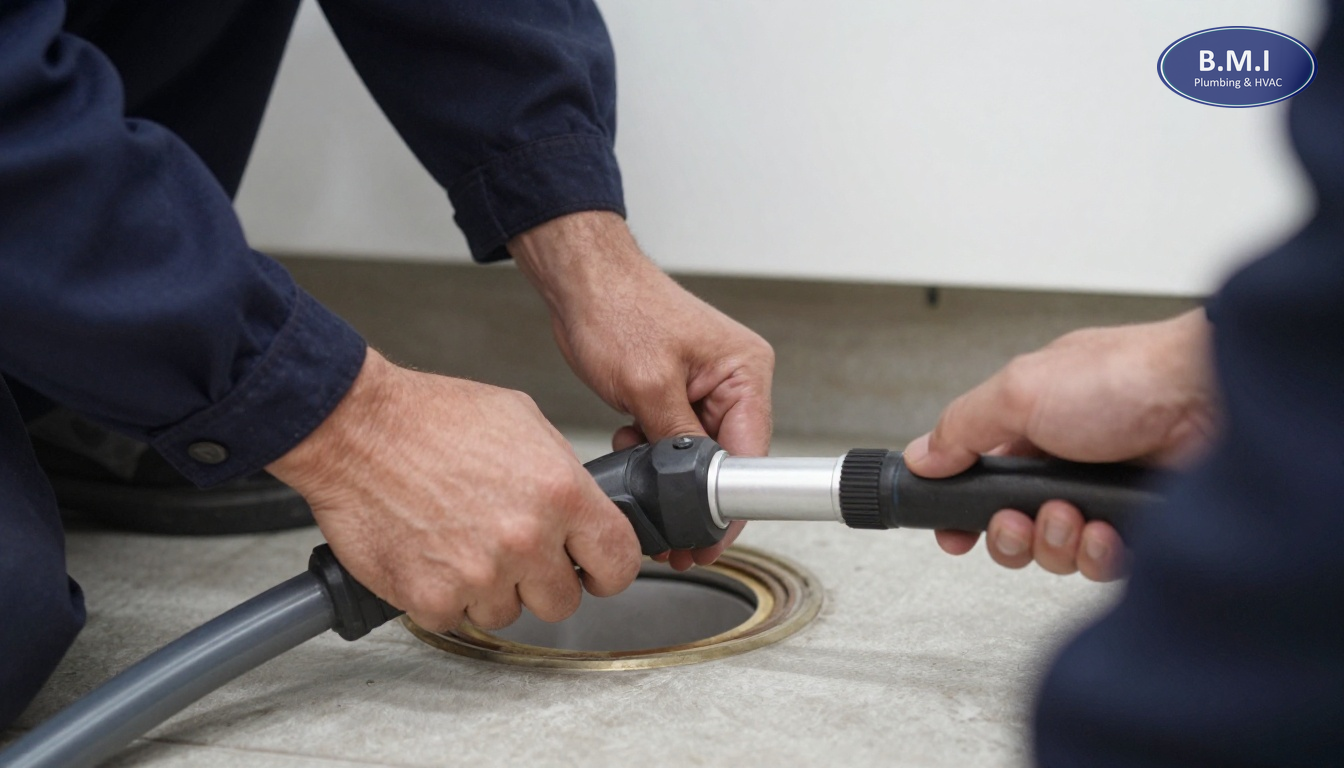
Toronto Condo Stack Cleaning ROI After 5 Years Deferred
Quick summary: In condominium buildings, skipping kitchen stack cleaning for five years is rarely a savings. It usually converts a predictable maintenance line item into a mix of emergency drain calls, suite damage, resident claims, insurance friction, and eventually a harder conversation about whether the stack is still worth cleaning or has reached replacement territory.
A board looking at deferred maintenance cost should treat stack cleaning the same way it treats garage drain cleaning or PRV servicing: not as optional housekeeping, but as a low-cost control against a much larger loss. In Toronto and the GTA, the financial argument is straightforward once you price one preventable backup properly.
The misconception that creates the problem
The most common budget-season mistake is simple: a board sees that the building has “only had a few drain calls” and assumes the stacks are fine. In practice, kitchen waste stacks often fail gradually, and the first four years of neglect do not look dramatic on a spreadsheet because the costs show up as scattered service calls through drain cleaning, in-suite visits, and occasional after-hours attendance rather than one capital line item.
A second mistake is assuming that if a sink backs up in one suite, it must be that owner’s problem. In many 1970s and 1980s concrete towers in Toronto, Etobicoke, and Scarborough, the branch line inside the suite may be clear while the vertical 3-inch or 4-inch cast iron kitchen stack is narrowed by grease, coffee grounds, rice, and detergent sludge. The resident experiences the symptom in their unit, but the corporation owns the mechanism causing it.
The third misconception is that a stack can always be rescued with a snake. A cable machine is useful when there is an active blockage, but it typically bores a path through the centre of grease. It does not restore the original internal diameter the way kitchen stack cleaning with high-pressure jetting does. That distinction matters because a stack can appear “opened” on Friday and still be 40 to 60 percent restricted at the wall.
What five years of neglect actually looks like inside the pipe
In buildings we service along the waterfront and in parts of North York, the inside of an unmaintained kitchen stack rarely looks like bare cast iron after five years. It more often looks like a rough, narrowed tube with a black or tan grease lining, sometimes with hard scale at offsets and fittings. On older no-hub cast iron, the roughness of the pipe wall gives grease something to hold onto, and every dishwasher discharge bakes another thin layer onto the inside diameter.
A 4-inch kitchen stack has an internal area of roughly 12.6 square inches when clear. If grease and sludge reduce the effective diameter to even 3 inches, the flow area drops to about 7.1 square inches. That is roughly a 44 percent reduction in carrying capacity before anyone sees a full blockage. On a busy line serving 15 to 25 floors, that lost capacity shows up first at peak times: dinner, weekends, and holiday cooking periods.
The age of the building matters. Many 1970s and early-1980s towers in Toronto and East York still have original cast iron sanitary stacks. Many early-1990s towers in Mississauga and Vaughan have no-hub cast iron stacks that are younger but still prone to grease loading if the building has many investor-owned suites. Post-2010 glass towers often have different piping layouts and smoother branch materials, but they are not immune; smaller branch sizes, aggressive dishwasher use, and dense occupancy can still create chronic loading.
Another point boards often miss is that stack geometry matters as much as age. Long horizontal offsets above the garage, poorly placed cleanouts, and undersized branch connections make a line more sensitive to grease. A stack serving many one-bedroom rental units may foul faster than one serving larger owner-occupied suites because turnover changes what goes down the sink. That is why a building-specific maintenance program is more reliable than copying a cleaning interval from a neighbouring condo.
The real cost of doing nothing for five years
The cleanest way to look at stack cleaning ROI is to compare a planned five-year maintenance cycle with the costs that usually appear when the work is skipped.
What preventive cleaning usually costs
In the Toronto market, planned high-pressure jetting of kitchen stacks is commonly budgeted by stack count, building height, access complexity, and whether camera work is included. Realistic ranges for a condominium are often:
| Item | Typical GTA estimate | Notes |
|---|---|---|
| Jet one kitchen stack | $350-$900 per stack | Depends on height, access, and grease condition |
| Camera inspect one stack after cleaning | $250-$600 per stack | Useful where repeat issues exist |
| Mid-rise building program | $4,000-$12,000 | Fewer stacks, easier logistics |
| High-rise building program | $8,000-$30,000+ | Depends heavily on stack count and suite access |
| After-hours emergency blockage response | $600-$2,500+ per incident | More if multiple visits or flood response |
Those are market estimates, not quoted prices, and they vary. But the pattern is consistent: the preventive number is almost always modest compared with the cost of one serious backup.
What the deferred costs look like in practice
On a 250- to 300-unit tower in Toronto or Markham, five years without cleaning often produces a combination of costs rather than one event:
- Repeated service calls to snake or open localized restrictions
- After-hours emergency attendance when backups happen at night or on weekends
- In-suite plumbing visits to kitchens above and below the reported suite through in-suite plumbing
- Restoration costs for damaged base cabinets, flooring, drywall, and contents
- Building staff overtime for access, cleanup, elevator protection, and resident coordination
- Insurance deductible exposure if wastewater escapes and affects multiple suites
- Resident relations costs that do not show in the plumbing budget but consume management time
A single wastewater backup affecting two or three suites can easily move from a $1,200 drain response to $15,000 to $40,000 once drying, restoration, and coordination are included. If sewage or greywater reaches corridor finishes, elevator lobbies, or multiple stacked units, the number can move much higher. In one preventable event, the board can spend more than several years of planned kitchen stack cleaning.
There is also a hidden capital cost. When stacks are left loaded with grease for long periods, the board loses the chance to distinguish between a pipe that simply needs cleaning and a pipe that is structurally near end of life. By the time camera evidence is finally ordered through camera inspection, the corporation may be dealing with both chronic blockage and visible wall deterioration, which narrows the repair options.
The symptoms managers actually get, not the textbook version
Property managers are rarely told, “the common kitchen stack is 55 percent occluded.” They get emails saying the sink was full in the morning, the dishwasher discharged dirty water, or the lower cabinet smells sour after every upstairs dinner rush.
The most useful diagnostic clue is pattern. If a kitchen sink drains normally when the resident uses it alone, but backs up when the suite above runs a dishwasher or drains a full sink, that points strongly to a stack restriction below the branch connection. If the complaint repeats in vertically aligned suites, especially floors 04, 08, 12, and 16 on the same line, the issue is probably not four separate in-suite clogs.
A common mistake we see in early-1990s North York high-rises is treating each complaint as an isolated suite call for too long. By the third or fourth vertically aligned complaint, the building should stop paying for one-off reactions and move to a stack-level diagnosis with camera inspection or planned drain cleaning. Otherwise the corporation spends emergency rates to avoid making a maintenance decision.
Other warning signs include:
- Dishwasher discharge causing sink backup without a full sink blockage
- Gurgling at one suite when upper floors use water
- Grease odour at cleanouts or in lower-floor cabinets
- More frequent blockages in November through January, when cooking load rises
- Repeat issues on the same stack within 6 to 12 months after snaking
Those are not homeowner nuisance problems. In a condominium, they are often early indicators that the common stack is being managed reactively instead of systematically.
What a proper inspection should include before the board spends money
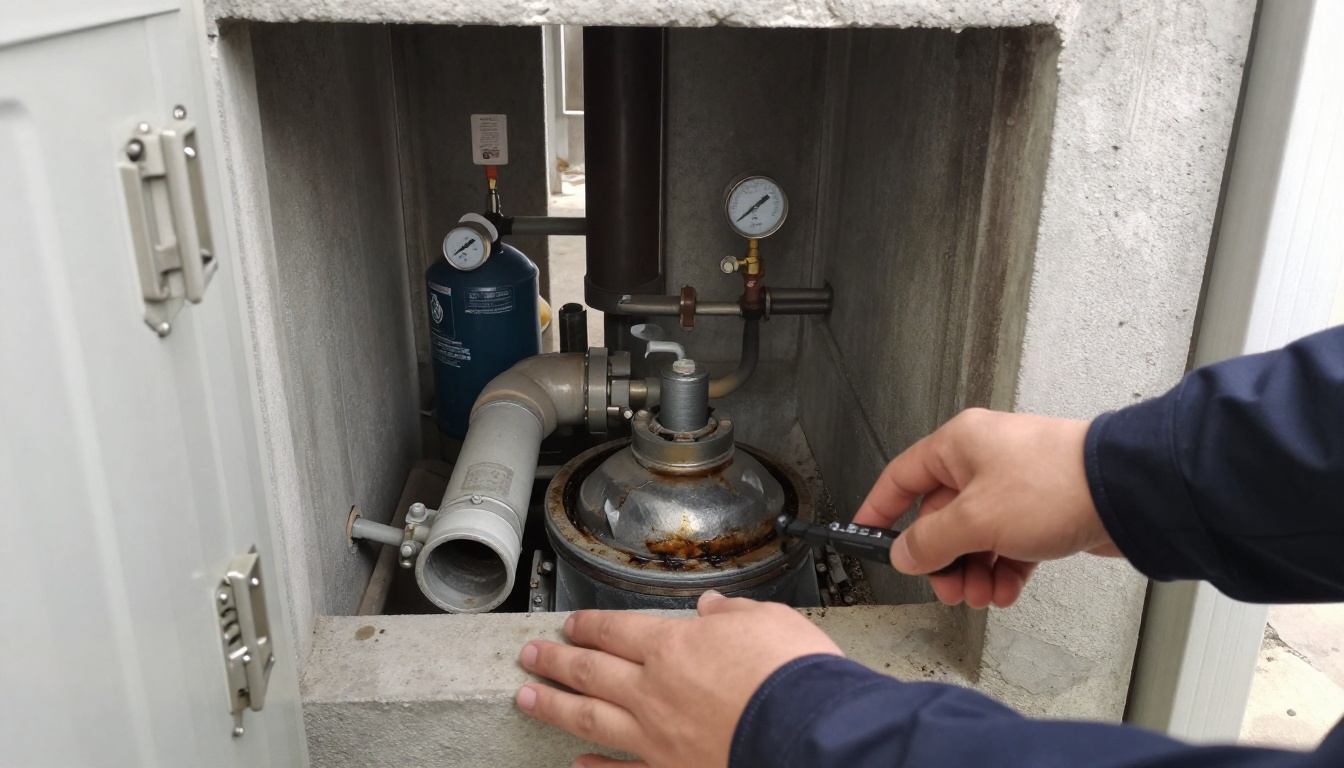
If a contractor recommends stack cleaning, the board should expect more than a verbal opinion. A defensible recommendation includes evidence, because the question is not just whether the line is blocked today, but whether the building should budget cleaning annually, biennially, or as part of a larger project.
Minimum evidence worth asking for
A useful inspection package typically includes:
- Identification of the affected stack by line and suite numbers.
- Access point used, such as a base cleanout, branch cleanout, or lower-floor suite connection.
- Description of the obstruction, not just “blocked drain” but grease, food solids, scale, or foreign material.
- Whether the line was snaked or jetted, and what result was achieved.
- Camera footage or still images where repeat problems exist.
- Recommendation with interval, such as annual or 18-month cleaning.
This matters for chargebacks and governance. If the corporation later needs to explain to owners why the work belongs in the operating budget, or why a particular event was not fairly chargeable to one resident, the written plumbing evidence becomes part of the management record. The same logic applies to other common systems like valve audit programs and PRV maintenance, where documentation is what turns maintenance from opinion into policy.
Jetting versus snaking: the practical difference
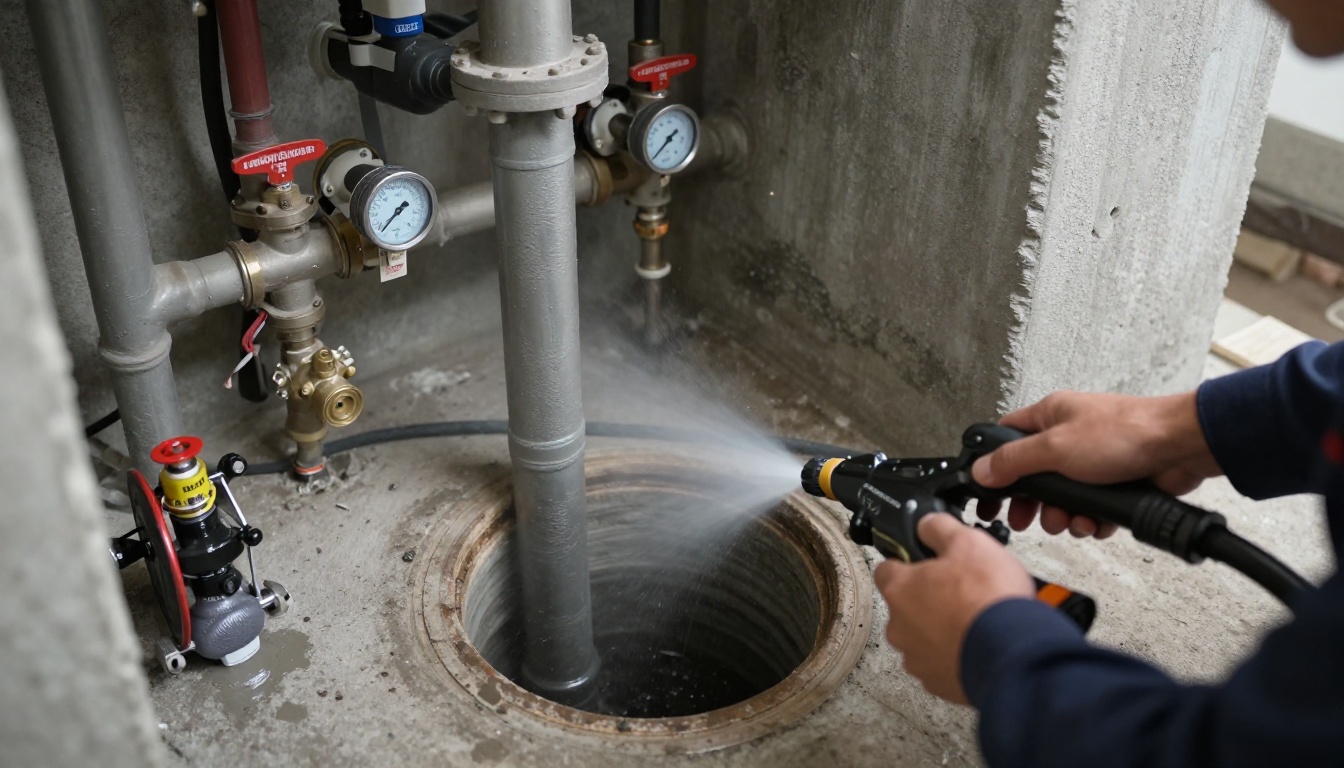
For stack cleaning ROI, the method matters. Snaking is a response tool; jetting is a maintenance tool. A cable machine can restore temporary flow, especially through soft grease or a localized food blockage, but it does not uniformly clean the wall of a vertical cast iron stack. High-pressure jetting, when done correctly from the right access point with the right nozzle, strips the buildup and carries debris down to a safe collection and disposal point.
In older Toronto towers, the difference often determines whether the line stays open for 3 weeks or 18 months. That is why a board comparing invoices should not treat every “drain cleaning” line item as equal. The cheaper emergency invoice may be the more expensive strategy if it leaves the pipe mostly fouled.
Repair, clean, or replace: a board-level decision framework
Not every dirty stack needs replacement, and not every recurring stack should just be cleaned again. The right answer depends on two separate questions: Is the problem hydraulic, structural, or both?
Clean and monitor when:
- The stack opens well with jetting
- Camera review shows grease loading but no major cracks, offsets, or channel rot
- Backups have been infrequent and localized
- The building has no pattern of repeated same-line failures within a year
In that case, a scheduled kitchen stack cleaning program is usually the right operating-budget answer.
Clean and investigate further when:
- The same stack blocks again within 6 to 12 months
- Camera footage shows heavy scale or rough wall deterioration
- There are inaccessible offsets or poor cleanout locations
- The lower section near the slab appears to hold debris repeatedly
This is where a board may need both maintenance and project planning. Sometimes the stack is serviceable but needs more frequent cleaning. Sometimes the lower offset or section near the base is the real problem and should be repaired while the rest remains in service.
Plan replacement when:
- Camera work shows advanced internal deterioration, cracking, or failed joints
- Repeated jetting no longer restores dependable flow
- Multiple same-line incidents have already caused damage claims
- The building is pairing sanitary work with larger suite or riser access projects
At that point, the discussion may overlap with broader capital work such as building re-piping, riser replacement, or other project solutions. The important point is that five years of neglect can blur the line between maintenance and capital because the board waited too long to gather evidence.
Why fall is the right time to make the decision
October is when many Toronto boards are finalizing next year’s operating budget and trying to avoid winter surprises. For stack work, that timing matters more than many managers realize.
First, holiday cooking season increases grease loading. Buildings that are already marginal in October often become emergency buildings in December. Second, after-hours response during winter is harder on staff, harder on residents, and more expensive than a planned weekday program. Third, if the building also has pressure concerns, fall is the same period when PRV maintenance and valve audit reviews should be done before winter pressure swings and shutdown season create additional risk.
A practical budgeting approach for a board is:
- Clean known problem stacks this fall
- Camera the repeat offenders
- Put a building-wide interval into the 2027 operating budget
- Identify any structurally compromised sections for reserve fund planning
That is a more defensible plan than waiting for a January backup and trying to explain why a known issue stayed unfunded.
The logistics boards underestimate
Stack cleaning is not a massive capital project, but it still needs coordination. On a 20- to 30-storey building, the contractor needs clear stack identification, access to cleanouts, resident notice, and a realistic schedule by line.
A typical planned program may involve:
- 1 to 3 days for a smaller mid-rise
- 3 to 7 days for a larger high-rise, depending on stack count
- Temporary restrictions on sink or dishwasher use during active work windows
- Building staff support for suite access where required
- Elevator protection and service route planning
On a 300-unit building, it is normal to notify residents at least 48 to 72 hours in advance, with same-day reminders for affected lines. If suites need entry, management should coordinate under the condominium’s notice procedures and keep records of refusals or missed access attempts. This is the same discipline used on valve replacement or backflow prevention work: the plumbing is only half the job; access management is the other half.
One operational detail many boards miss is that stack cleaning can expose other weaknesses. If a cleanout cap is seized, or the nearest sectional isolation point is undocumented, the building may discover it also needs broader housekeeping through maintenance programs. That is not a reason to avoid the work. It is a reason to do it before an emergency finds those gaps for you.
What deferral does to insurance, reserve planning, and owner relations
Skipping stack cleaning for five years does not just increase plumbing risk. It weakens the corporation’s position when explaining losses and future budgets.
From an insurance perspective, repeated wastewater incidents are difficult because they look less like bad luck and more like a maintenance pattern. The insurer’s exact response depends on the policy, claims history, and cause of loss, but boards should assume that preventable repetition is not helpful when deductibles are already high. Even where the claim is covered, the deductible may end up being the corporation’s problem before any chargeback question is resolved.
From a reserve fund perspective, stack cleaning usually belongs in the operating budget, while stack replacement belongs in capital planning. Deferral confuses those categories. A board that ignores maintenance often ends up accelerating capital need, which means the reserve fund study may no longer reflect actual timing. During Class 1, 2, or 3 reserve fund updates, that distinction matters because an avoidable maintenance lapse can pull future work forward.
From an owner-relations perspective, repeated backups are expensive in a way monthly financial statements do not show. Residents remember odours, wet cabinets, and cancelled workdays. In rental-heavy buildings in Mississauga, Vaughan, and Toronto’s core, this also affects management’s relationship with absentee owners who are suddenly facing tenant complaints and access demands. A modest preventive program is often the cheapest way to avoid a much larger trust problem.
A practical ROI example for a GTA high-rise
Take a 22-storey condominium with 180 units and 18 kitchen stack lines. Assume planned jetting at an average market cost of $550 per stack, plus selective camera work on 4 problem lines at $400 each.
- Jetting: 18 x $550 = $9,900
- Camera work: 4 x $400 = $1,600
- Total planned cycle: about $11,500
If the board cleans every 18 months, that is roughly $38 to $40 per unit per cycle, before tax and depending on final scope. Spread across the operating budget, it is usually not a difficult number.
Now compare that with one five-year deferral scenario:
- 4 emergency drain attendances at $900 average = $3,600
- 2 after-hours incidents at $1,800 average = $3,600
- 1 multi-suite wastewater backup with drying and restoration = $22,000
- Staff overtime, notices, and admin burden not fully captured = $1,500 to $3,000
That puts the total around $30,700 to $32,200 without assuming a major insurance event. The board “saved” $11,500 and spent roughly triple that in reactive cost, with more resident disruption and weaker evidence about the pipe condition. That is what stack cleaning ROI looks like in real building operations.
FAQs
How often should a condominium kitchen stack be cleaned?
In most Toronto condominium towers, kitchen waste stacks should be high-pressure jetted every 12 to 24 months, not every five years. Buildings with heavy rental turnover, many short-term occupants, or smaller 3-inch cast iron kitchen stacks often need annual cleaning because grease and food solids rebuild faster than boards expect. A camera review after cleaning is useful when a stack starts loading up again in under 18 months.
What does five years of deferred stack cleaning usually cost compared with preventive cleaning?
For a mid-size high-rise, a planned stack cleaning program may run roughly $350 to $900 per stack or $8,000 to $30,000+ per building cycle, depending on access, stack count, and whether camera work is included. Deferring for five years often leads to emergency calls, after-hours backups, suite restoration, and resident claims that push the total cost into the tens of thousands, and on some events well past $100,000 once flooring, cabinetry, drying, and deductible exposure are included. The ratio is rarely close; one serious backup can wipe out years of avoided maintenance.
How can a manager tell whether the problem is a suite drain or the common stack?
A useful field clue is this: if a kitchen sink drains acceptably on its own but backs up when the suite above runs a dishwasher or empties a sink, the issue is usually in the common kitchen stack, not the branch inside one unit. Repeated backups affecting vertically aligned suites, especially around dinner hours or holiday weekends, also point to a stack restriction. A proper diagnosis should include access at the cleanout and, where needed, a camera inspection so responsibility is documented.
Is snaking enough, or does a building need high-pressure jetting?
Snaking is useful for opening a localized blockage, but it usually punches a hole through grease rather than removing the full coating from a 3- or 4-inch kitchen stack. High-pressure jetting scrubs the pipe wall and restores much more of the original inside diameter, which is why it performs better as a preventive maintenance method. In older Toronto, North York, and Scarborough towers with heavy grease scaling, a stack that was merely snaked can block again in weeks.
Can stack cleaning be charged to one owner if the backup starts in their suite?
Sometimes, but not automatically. In many condominiums the vertical sanitary stack is a common element, while the branch piping serving only one suite may be the owner’s responsibility under the declaration; the answer turns on the governing documents and the evidence from the plumber. If the corporation wants to charge back costs, it should have a written report, photos or video, and a clear basis for saying the blockage was caused by that suite rather than a neglected common stack.
What is the best time of year to clean stacks in a condo building?
Fall is often the most practical window because it lets management address grease accumulation before the holiday cooking season, when kitchen stack loading rises sharply. It also gives the board real numbers for next year’s operating budget instead of reacting to winter emergencies when access is harder and after-hours rates are higher. In larger buildings, scheduling by line over several days also reduces resident disruption compared with waiting for a December backup.
What a board should do next
If your building has not had kitchen stack cleaning in more than two years, the right next step is not to wait for a flood. Review the last 24 months of drain calls by stack line, identify repeat suites on the same vertical, and have the problem lines inspected before finalizing next year’s budget. If the line is still loading up a year after cleaning, a camera inspection will show whether the pipe is worth cleaning again or whether part of the discussion needs to shift toward project solutions.
For boards building a defensible maintenance plan, BMI attends the site before quoting, works in occupied multi-residential buildings, and can help structure stack cleaning on a scheduled basis rather than one emergency at a time. If your property is also dealing with pressure issues, aging isolation valves, or larger domestic piping decisions, related programs such as PRV maintenance, valve audit, and broader repairs and service can be coordinated so the board gets one coherent plan instead of separate reactive invoices. You can also review other condominium-focused articles on the BMI blog or recent building work in the project portfolio.
Contact BMI
- Contact BMI
- Phone: (416) 845-3756
- Emergency: (416) 845-3756, answered 24 hours a day
- Email: info@brial.ca
More on condominium plumbing
Condo Garbage Disposal Rules in Toronto Buildings
Why condo garbage disposal bans are common in Toronto: stack loading, plumbing risk, costs, rule enforcement and what …
Toronto Condo Stack Cleaning Rotation: Multi-Year Plan
How to build a stack cleaning rotation and multi-year maintenance plan for large Toronto condo buildings, with costs, …
Holiday Kitchen Stack Cleaning in Toronto Condos
Holiday grease buildup causes December drain backup issues in Toronto condos. Learn warning signs, costs, timing and …
Need a plumber in your building?
BMI services roughly 200 condominium and multi-residential buildings across Toronto and the GTA. Emergencies are answered at any hour.