Toronto Condo Stack Cleaning Rotation: Multi-Year Plan
How to build a stack cleaning rotation and multi-year maintenance plan for large Toronto condo buildings, with costs, timelines and budgeting guidance.
Toronto Condo Stack Cleaning Rotation: Multi-Year Plan
Quick summary: A good stack cleaning rotation is not “clean everything every year.” In large Toronto condominium buildings, the most cost-effective multi-year maintenance plan separates high-risk kitchen stacks from lower-risk lines, assigns each stack a cleaning interval based on evidence, and gives the board a predictable annual budget instead of repeated emergency invoices.
In practice, the buildings that spend the least over five years are usually not the buildings cleaning the most pipe. They are the buildings cleaning the right stacks, at the right interval, with enough documentation to defend why one line is on a 12-month cycle and another can wait 24 or 36 months.
Why large buildings get stack cleaning wrong
A common mistake in Toronto, North York and Mississauga high-rises is treating stack cleaning as a reaction to the last flood rather than a managed program. One kitchen backup on the 8th floor triggers a full-building cleaning proposal, the board approves it under pressure, and a year later nobody can say which stacks actually needed it. That is not maintenance. It is emergency spending disguised as planning.
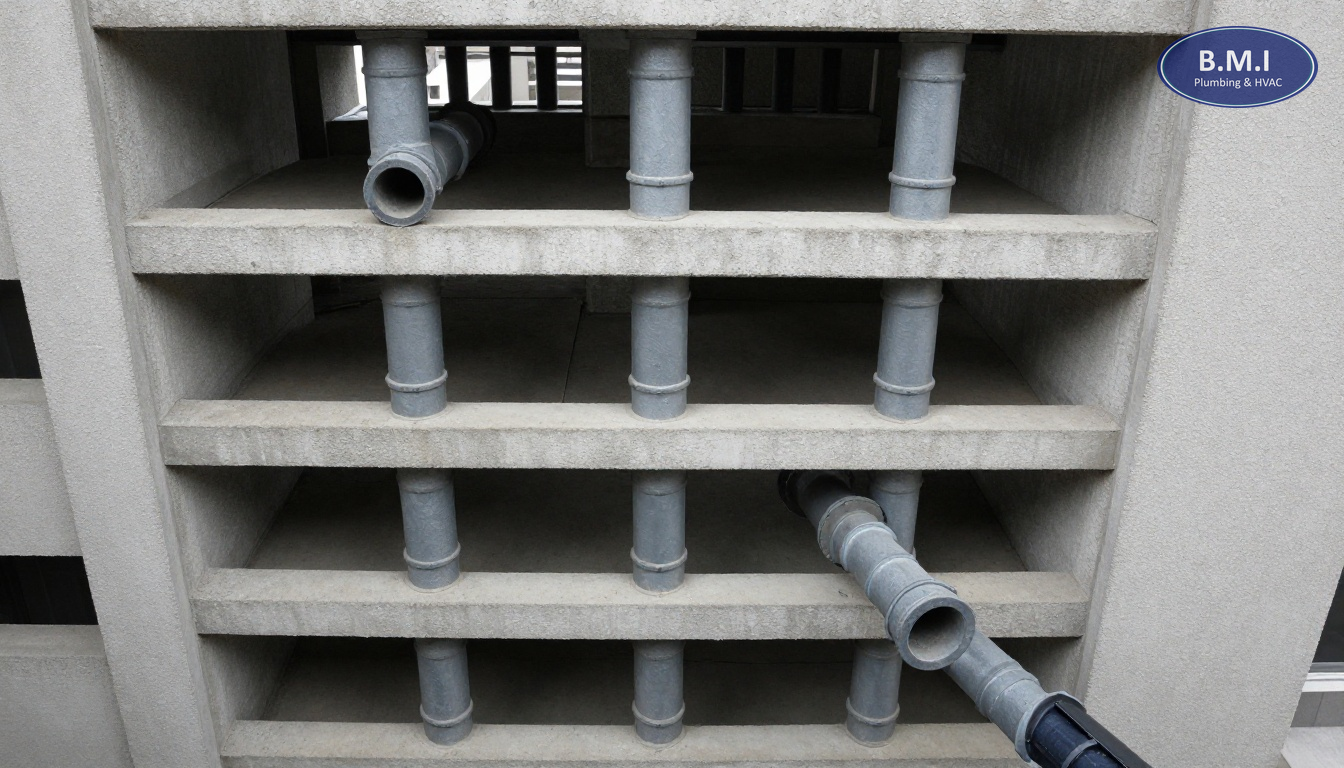
In buildings we service, the pattern is predictable. Kitchen waste stacks foul first because they carry grease, soap, food solids and dishwasher discharge through relatively small pipe diameters, usually 3-inch or 4-inch cast iron in older towers and no-hub cast iron or plastic branch connections in newer ones. By contrast, a sanitary stack serving toilets and lavatories may stay serviceable for much longer because it sees more scouring volume and less grease adhesion. If you apply one cleaning frequency to both, you either overspend or accept repeat backups.
The better starting point is a building-specific inventory. Before setting a rotation, many managers benefit from a camera inspection of representative lines and a review of prior drain cleaning calls. If your records only say “kitchen blocked” without identifying the stack, floor range or cause, your first year’s work may need to focus on mapping rather than full production cleaning.
Another issue, especially during fall budget season, is that boards often ask for a single annual number. The honest answer is that stack cleaning should be budgeted more like a rolling reserve item inside a maintenance program: some years you clean 8 stacks, some years 14, and every third year you re-check the quiet lines. That approach is easier to defend than pretending a 300-unit building has identical needs every October.
What a stack cleaning rotation actually is
A stack cleaning rotation is a schedule that assigns each vertical waste stack, or group of similar stacks, a cleaning interval based on risk and history. In a large condo, that usually means the kitchen stacks are split into tiers rather than treated as one block.
A practical rotation often looks like this:
- Tier 1: annual cleaning
- Recurrent backup history
- 1970s or 1980s cast iron 3-inch kitchen stacks
- Long horizontal offsets in slab or ceiling space
- Stacks serving larger family suites with heavy cooking load
- Tier 2: every 18 to 24 months
- Moderate grease accumulation on prior CCTV
- Limited backup history
- Better cleanout access and stronger flow characteristics
- Tier 3: every 30 to 36 months or inspect first
- Newer or previously replaced sections
- Low complaint history
- Light loading, such as small investor-owned suites or guest suite lines
That schedule is usually managed alongside a formal kitchen stack cleaning program, not as disconnected service calls. The difference matters. A program allows the same stacks to be tracked over time, so if Stack K-7 loads up again 14 months after jetting, the interval can be tightened with evidence.
In a 200- to 350-unit Toronto tower, we would often expect somewhere between 10 and 30 kitchen stacks, depending on suite layout and how many kitchens tie into each line. A board that thinks it has “one kitchen system” is usually missing the fact that one bad line in the east wing has very little to do with a quiet line at the opposite end of the building.
The technical reason some stacks need more attention
The reason a rotation works is that grease does not accumulate evenly. It accumulates where temperature, flow and pipe condition work against you.
Older cast iron has a rougher interior surface than newer smooth-wall piping. Once the inside wall develops scaling and tuberculation, grease and soap bind to that roughness. A 3-inch stack that has lost even 1/2 inch of effective diameter from buildup around the circumference can lose a surprising amount of carrying capacity. At that point, a sink may drain normally when one suite uses it, but surcharge when the suite above runs a dishwasher or empties a full sink basin.
A common mistake we see in early-1990s towers in Scarborough and Vaughan is assuming the issue is only vertical. In reality, the worst loading is often at the base of stack, in the first horizontal offset, or where multiple branch lines enter just above a change in direction. Those sections hold cooler wastewater, which lets fats congeal faster. If a contractor only runs a cable from one cleanout and does not properly jet the offset, the pipe may be “open” but still heavily lined.
Water volume also matters. Buildings with low-flow fixtures, aggressive water conservation retrofits, or intermittent occupancy sometimes see less scouring action in kitchen lines. That sounds counterintuitive, but reduced flow can mean more residue left on the pipe wall. If the building is also dealing with pressure fluctuations and fixture performance complaints, it is worth reviewing PRV maintenance at the same time, because poor pressure control changes how fixtures discharge and can complicate resident complaints.
Another underappreciated variable is access. If stack cleanouts are buried behind millwork, above bulkheads, or in locked service spaces, crews spend more time reaching the pipe and less time cleaning it. Buildings that have completed a valve audit often discover the same documentation discipline should be applied to stacks: label the line, confirm the cleanout location, and keep that information with the plumbing records.
How the problem presents before a major backup
Managers rarely get a call that says, “Our Tier 2 kitchen stack is entering a 24-month fouling cycle.” They get fragments.
Typical early warnings include:
- A kitchen sink that drains on its own but backs up when the suite above uses the dishwasher
- Repeat calls from two or three vertically aligned suites on different floors
- Gurgling at one sink when another suite in the stack discharges
- Slow recovery after snaking, with the same stack calling again in 30 to 90 days
- Grease or dark sludge pushed back into a lower suite after a temporary opening
- Complaints concentrated in one line of suites rather than scattered randomly through the building
That pattern matters because it helps distinguish common element stack issues from true in-suite blockages. In many condominium corporations, the stack itself is a common element, while the branch from the fixture to the stack may be unit responsibility depending on the declaration. A resident who has had the same kitchen line opened twice in six months should not automatically be charged back if the vertically aligned suites are seeing the same symptom. This is one of the reasons a written report from the attending plumber matters more than a vague work order note.
For purpose-built rentals and larger condo corporations in Etobicoke and Markham, we often recommend keeping a simple stack incident log: date, suite, stack designation, symptom, and whether the blockage was found in the branch or the common stack. After one year, that log usually tells you more about where to spend money than a generic reserve fund line item ever will.
How to build the rotation: a decision framework
The fastest way to waste money is to start with the cleaning schedule before you know what you own. A defensible multi-year maintenance plan usually follows five steps.
1. Inventory the stacks
Count the kitchen stacks, identify which suites feed each one, record the approximate pipe material and diameter, and note where the main cleanouts are. On older concrete towers, there may be 3-inch verticals with 4-inch lower offsets; on newer towers, branch material may change by floor or renovation phase.
If your records are poor, use in-suite plumbing service history and prior camera inspection reports to rebuild the map. This is not glamorous work, but it is what prevents the board from paying to clean the wrong line.
2. Rank by consequence and history
Not every stack has the same failure consequence. A line serving large owner-occupied family suites with heavy cooking load can generate more grease than a line serving small one-bedroom investor suites. A stack over retail, an electrical room, or a finished corridor also carries more downstream risk if a backup occurs.
A useful ranking matrix includes:
- Number of backup calls in the last 24 to 36 months
- Number of suites affected when the stack fails
- Pipe age and material
- CCTV evidence of residual buildup after last cleaning
- Difficulty of emergency access
- Exposure to insurance claims if a lower suite floods
3. Assign intervals, not one blanket frequency
This is where the plan becomes financial rather than reactive. If 6 stacks are annual, 8 are every two years, and 6 are every three years, the annual workload becomes predictable. That is much easier to budget than waiting for November blockages before holiday cooking season.
4. Define the cleaning method
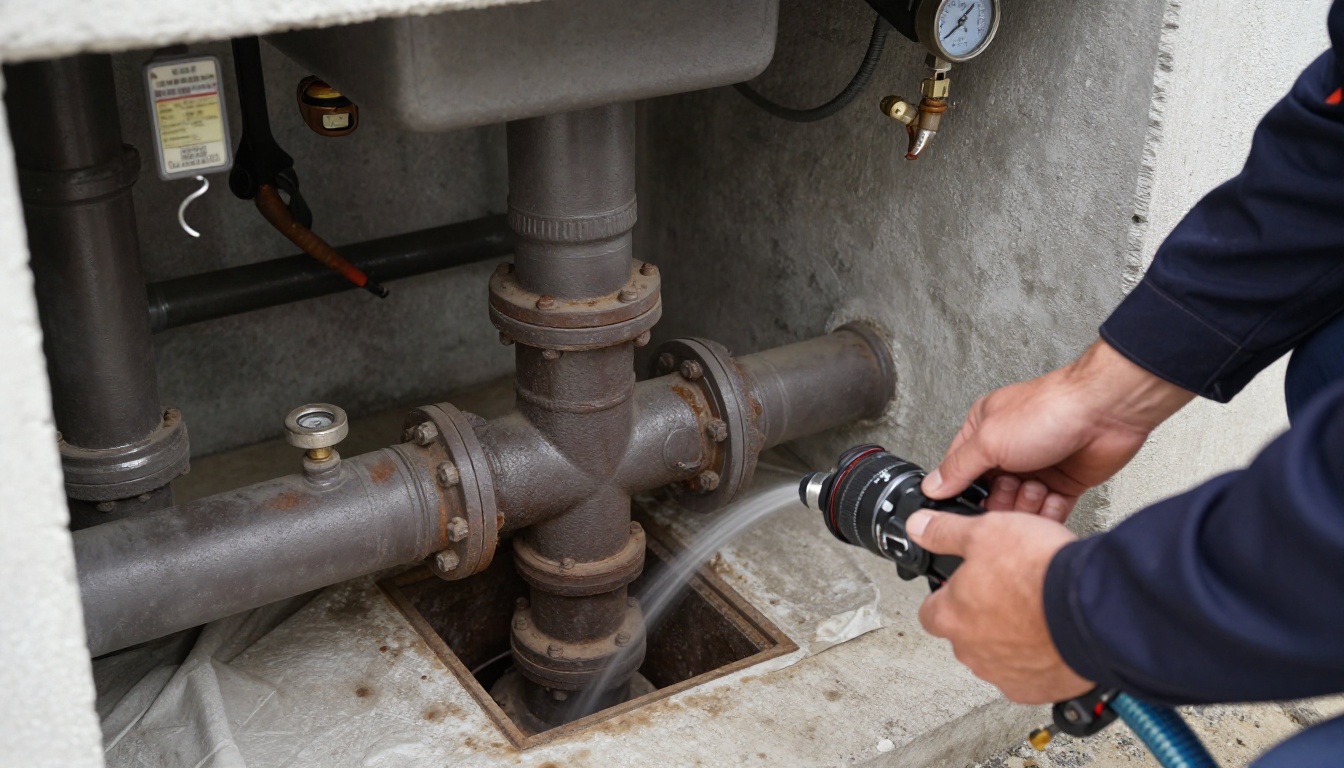
For kitchen stacks, high-pressure jetting is usually the right maintenance method. Snaking has its place for emergency opening, but it does not reliably restore full internal diameter on grease-lined cast iron. A proper kitchen stack cleaning scope should specify the vertical stack, the base offset, and any key horizontal sections that historically hold grease.
5. Review and adjust every year
A rotation is not fixed forever. If one stack stays clean for 30 months after two cycles, extend it. If another stack re-fouls in under a year, tighten the interval or investigate whether the pipe is too deteriorated to justify repeated cleaning. At that point, a targeted capital discussion about building re-piping or localized replacement may be more honest than endless maintenance.
What to insist on in the scope and report
Property managers often approve stack cleaning proposals that are too vague to defend later. If the scope only says “clean kitchen drains,” you have no benchmark for whether the work was complete.
A useful scope should state:
- Number of stacks included and how they are identified
- Pipe type and estimated diameter where known, such as 3-inch cast iron kitchen stack
- Whether work includes the vertical only, or also the base of stack and horizontal offset
- Whether access is from suite cleanouts, corridor access panels, service rooms, or roof vent where appropriate
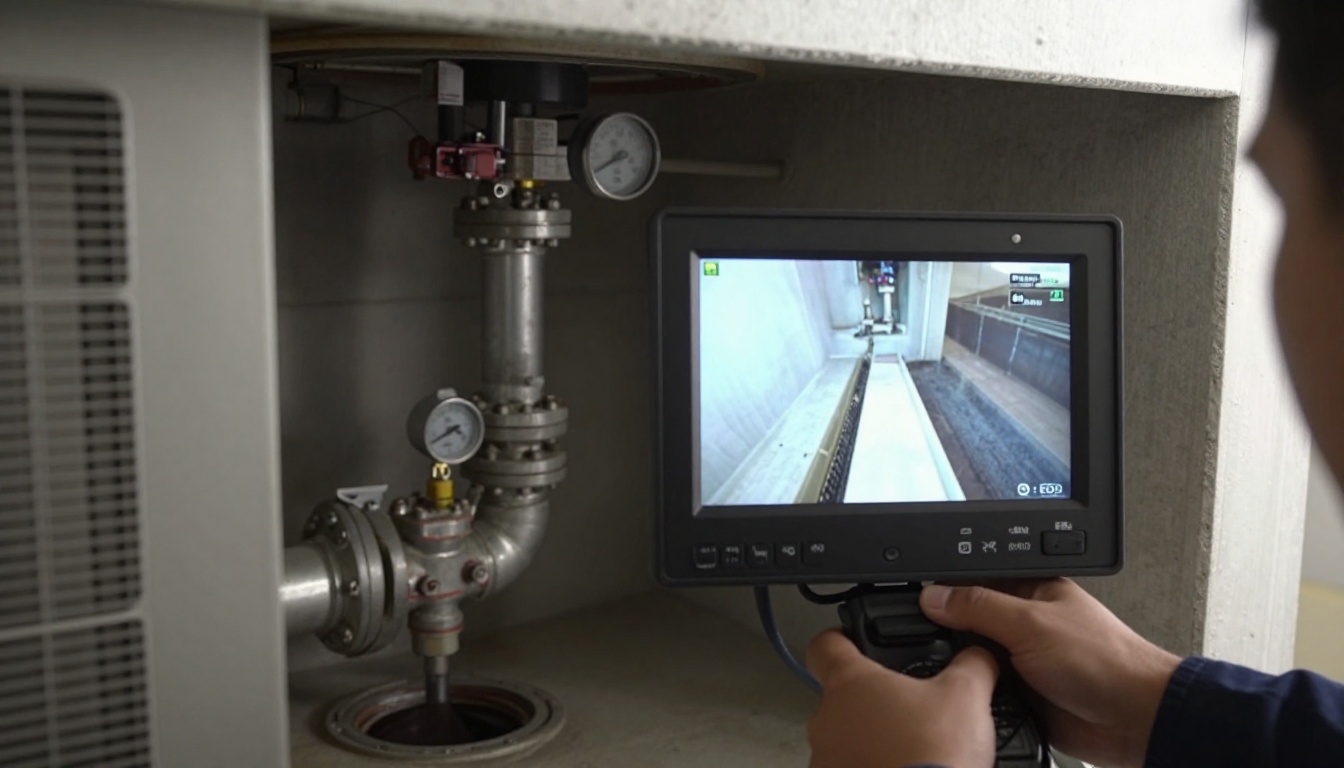
- Whether CCTV confirmation is included before or after cleaning
- Protection measures for suites, millwork, flooring and common areas
- Disposal and cleanup expectations
- Notice requirements and work hours
For larger buildings, there is value in tying this to broader repairs and service documentation standards. The report should identify what was cleaned, what could not be accessed, and which stacks should move up or down in the rotation.
One specific point worth insisting on: if a contractor says a stack was cleaned, ask whether the line was merely opened or actually restored. Those are not the same outcome. Camera footage is not required on every single stack every year, but some verification on representative lines is what keeps a rotation honest.
What this costs in Toronto and the GTA
The numbers below are market budgeting ranges, not fixed prices. Actual cost depends on height, access, how many stacks are bundled into one mobilization, whether after-hours work is needed, and whether camera inspection is included.
Typical budgeting ranges
| Item | Typical GTA budgeting range | Notes |
|---|---|---|
| Planned kitchen stack jetting, straightforward stack | $600-$1,500 per stack | Usually daytime planned work with reasonable access |
| Taller or difficult stack with offsets and protection | $1,200-$2,500 per stack | More common in older towers or difficult access buildings |
| Camera inspection of representative stack sections | $400-$1,200 per stack/section | Depends on access and reporting detail |
| Emergency blockage response | $350-$900 per visit | Can rise after hours or if multiple attendances are needed |
| Full annual rotation program, mid-size building | $8,000-$20,000 | Often 150-250 units with selective stack cleaning |
| Full annual rotation program, larger complex | $20,000-$35,000+ | Often 250-400+ units with multiple stack tiers |
On a 300-unit high-rise, it is not unusual for a disciplined rotation to cost less over five years than repeated emergency response plus ad hoc cleanings. If a building has six after-hours backups in a year, each involving overtime, cleanup, resident management and possible insurance handling, the apparent savings from deferring maintenance disappear quickly.
This is also where board communication matters. A board will often accept a $15,000 planned annual program more readily when shown it replaced $8,000 to $12,000 in reactive calls plus the risk of one deductible-bearing flood. If you need project context, a contractor with both maintenance and capital experience can also flag when the issue is no longer maintenance and belongs in project solutions instead.
Scheduling, resident access and fall timing
Fall is usually the right time to set next year’s rotation, not the right time to panic-clean every line. September through November is when boards are building budgets, and it is also when kitchen stack risk starts to rise ahead of heavier holiday cooking.
A few scheduling realities from large buildings:
- A crew may clean 2 to 5 stacks per day under planned conditions.
- A heavily loaded stack in a 20- to 30-storey building can take 3 to 5 hours once setup, suite coordination and cleanup are included.
- Resident notices are usually best issued 48 to 72 hours in advance, with same-day reminders where the corporation’s process allows.
- Some stacks can be cleaned with minimal in-suite entry, but many buildings still need selective access to lower suites, service rooms, or cleanout points behind access panels.
- Elevator protection, hose routing and corridor housekeeping add real time. Buildings that ignore logistics often blame the contractor for durations that are really access problems.
For buildings in Toronto and Mississauga, we generally prefer planned daytime work unless resident disruption or stack location forces after-hours scheduling. After-hours cleaning is possible, but it costs more and often reduces the number of stacks completed per shift.
This is also a good time to coordinate related fall work. If the building is reviewing pressure issues before winter, combine the discussion with PRV maintenance. If shutoffs are unreliable, address isolation through a valve replacement program or at minimum a valve audit, because poor valve condition complicates every plumbing shutdown and emergency response.
When cleaning is no longer the right answer
Not every bad stack should stay in the rotation forever. Some pipes reach the point where repeated jetting is maintenance theatre.
Warning signs that the line may need replacement rather than repeated cleaning include:
- Heavy internal scaling that returns quickly after proper jetting
- Recurrent snagging, offsets or structural defects on CCTV
- Wall thinning, flaking or leakage from deteriorated cast iron
- Frequent backups despite shorter cleaning intervals
- Renovation history showing multiple patch sections and mismatched materials
At that stage, the conversation may shift toward localized replacement, a broader riser replacement, or in some buildings a phased building re-piping. The honest recommendation is sometimes to stop spending operating dollars on a line that now belongs in the reserve plan.
This is particularly relevant in 1970s and early-1980s towers in North York and Scarborough where original cast iron is now well past the age at which interior condition can vary wildly from one stack to the next. One stack may clean up well. The next may have enough corrosion and scaling that every cleaning buys only a few months.
What happens if the board defers it
Deferral does not always mean disaster next week. Some stacks can wait a year. But that decision should be evidence-based, not hopeful.
If a building with known kitchen stack loading defers cleaning, the usual progression is:
- More frequent suite-level drain calls
- Repeat backups in the same vertical line
- Emergency attendance during evenings or weekends
- Lower-suite overflow, cleanup and possible deductible dispute
- Board pressure to approve rushed work at the worst possible time
From a condominium governance standpoint, this matters because recurring common-element plumbing failures become harder to defend if the corporation had notice and no plan. The Condominium Act, 1998 does not tell you how often to clean stacks, but it does create a framework where boards are expected to manage common elements prudently. A written maintenance rotation, even if selective, is much easier to justify than a pattern of reactive spending.
There is also a reserve fund angle. Stack cleaning itself is usually an operating maintenance item, not a reserve replacement item. But the reports generated through a good rotation often identify which lines are approaching capital scope. That helps inform reserve fund study discussions and avoids the false economy of budgeting maintenance on a pipe that should really be replaced.
If deferral leads to an active flood or major backup, the building may need immediate emergency plumbing response. That is sometimes unavoidable, but it should not be the default management strategy for a known recurring stack.
FAQs
How often should a condominium building clean its kitchen stacks?
In most Toronto high-rises, kitchen stacks need high-pressure jetting every 12 to 36 months, not every year by default. Older 1970s and 1980s buildings with 3-inch cast iron kitchen stacks, long horizontal offsets, or a history of dishwasher-related backups usually land closer to a 12- to 18-month cycle, while newer post-2010 towers with better slope and lighter grease loading may tolerate 24 to 36 months. The right interval should be based on actual backup history, camera findings, and how quickly grease re-accumulates after cleaning.
Is stack cleaning the same as snaking a blocked drain?
No. Snaking is a spot-response method used to punch a hole through an immediate blockage, usually from a suite cleanout or fixture line, while stack cleaning for a large building typically means high-pressure jetting the full vertical kitchen waste stack and key horizontal branches. A stack can be “opened” by a snake and still have 30% to 50% grease left on the pipe wall, which is why some buildings get repeat backups within months.
How many stacks can be cleaned in a day in a large condo building?
A realistic production rate for planned kitchen stack cleaning is often 2 to 5 stacks per day, depending on height, access, cleanout condition, and whether camera verification is included. In a 25-storey building, one heavily used stack with multiple offsets can take 3 to 5 hours by itself once resident coordination, hose setup, suite protection, and cleanup are counted. Buildings that expect a contractor to clean 10 or 12 stacks in one day usually end up with rushed work and weak documentation.
What should a property manager ask for before approving a stack cleaning rotation?
Ask for a stack map, backup history by line, recommended cleaning frequency by stack type, and written assumptions about pipe material and diameter. You should also ask whether the proposal includes camera verification, suite access requirements, disposal and cleanup, and a list of stacks that can wait another year. A defensible plan separates kitchen stacks from laundry, sanitary, and storm lines because they foul at very different rates.
What does a multi-year stack cleaning plan cost in Toronto?
For budgeting purposes, many GTA buildings see kitchen stack cleaning priced roughly in the range of $600 to $1,500 per stack for straightforward planned work, with taller or more difficult stacks running higher when camera inspection, after-hours access, or extensive protection is required. On a 200- to 300-unit building, an annual program might fall anywhere from about $8,000 to $35,000 depending on how many stacks are in rotation and whether the plan includes CCTV, emergency allowance, or branch line work. Those are market ranges only; actual pricing varies with building layout, access, and condition.
Can some stacks be left out of the rotation?
Yes, and in many buildings they should be. A common mistake is treating every stack as equal when top-floor kitchen stacks above amenity areas, low-use guest suite lines, or newer replacement sections may not need the same frequency as heavily loaded family-unit stacks. The better approach is risk-based: clean the problem stacks more often, inspect the quiet ones periodically, and adjust the schedule when the evidence changes.
A practical next step for boards and managers
If your building has not reviewed its kitchen stack history in the last 12 months, this is the right season to do it. Before next year’s budget is locked, identify which stacks generated calls, which ones were merely snaked, and which lines have never been camera-verified. That gives the board something far more useful than a generic plumbing contingency.
For many large buildings, the best next step is not “clean everything.” It is to have the stacks grouped into annual, 24-month and 36-month categories, with one written schedule that management can carry forward year to year. If the building has repeated kitchen backups, unreliable shutoffs, or no clear records, ask for a site visit before tendering so the scope reflects the actual system rather than guesswork.
Brial Mechanical attends buildings before quoting, and where a recurring issue is better handled as a scheduled program than by repeated service calls, the recommendation should say so plainly. For related reading, see BMI’s blog or review examples of larger plumbing work in the project portfolio.
Contact BMI
- Contact BMI
- Phone: (416) 845-3756
- Emergency: (416) 845-3756, answered 24 hours a day
- Email: info@brial.ca
More on condominium plumbing
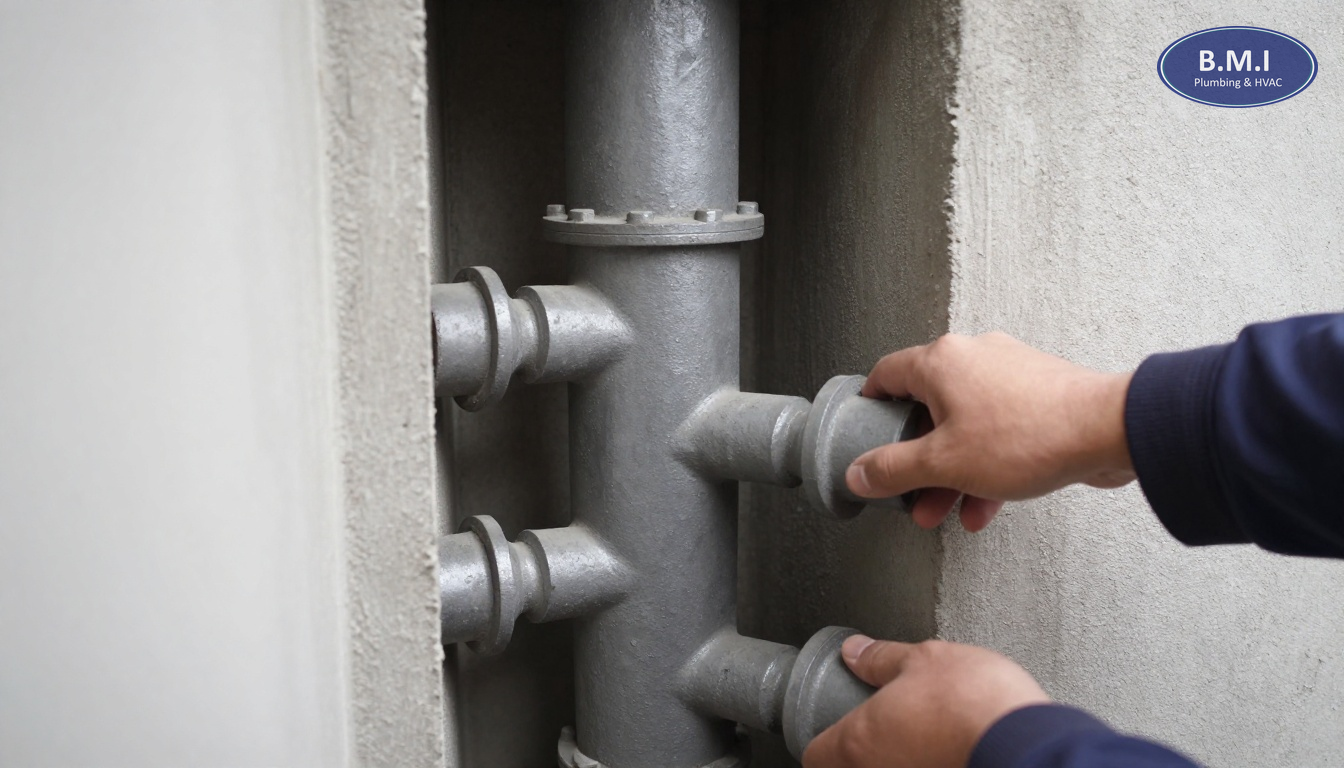
Holiday Kitchen Stack Cleaning in Toronto Condos
Holiday grease buildup causes December drain backup issues in Toronto condos. Learn warning signs, costs, timing and …
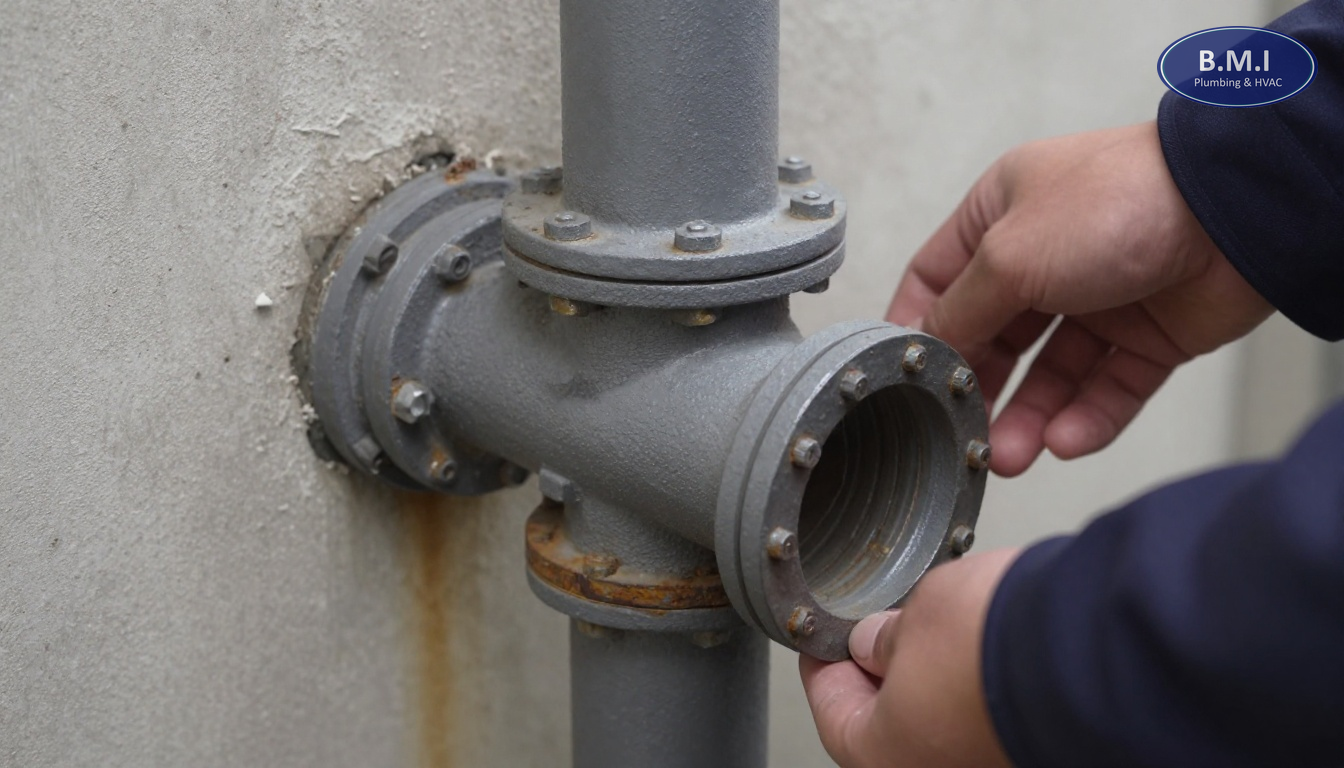
Kitchen Stack Cleaning Cost in Toronto Condos
What does kitchen stack cleaning cost in Toronto? Real condo pricing, scope, timelines, warning signs and budgeting …
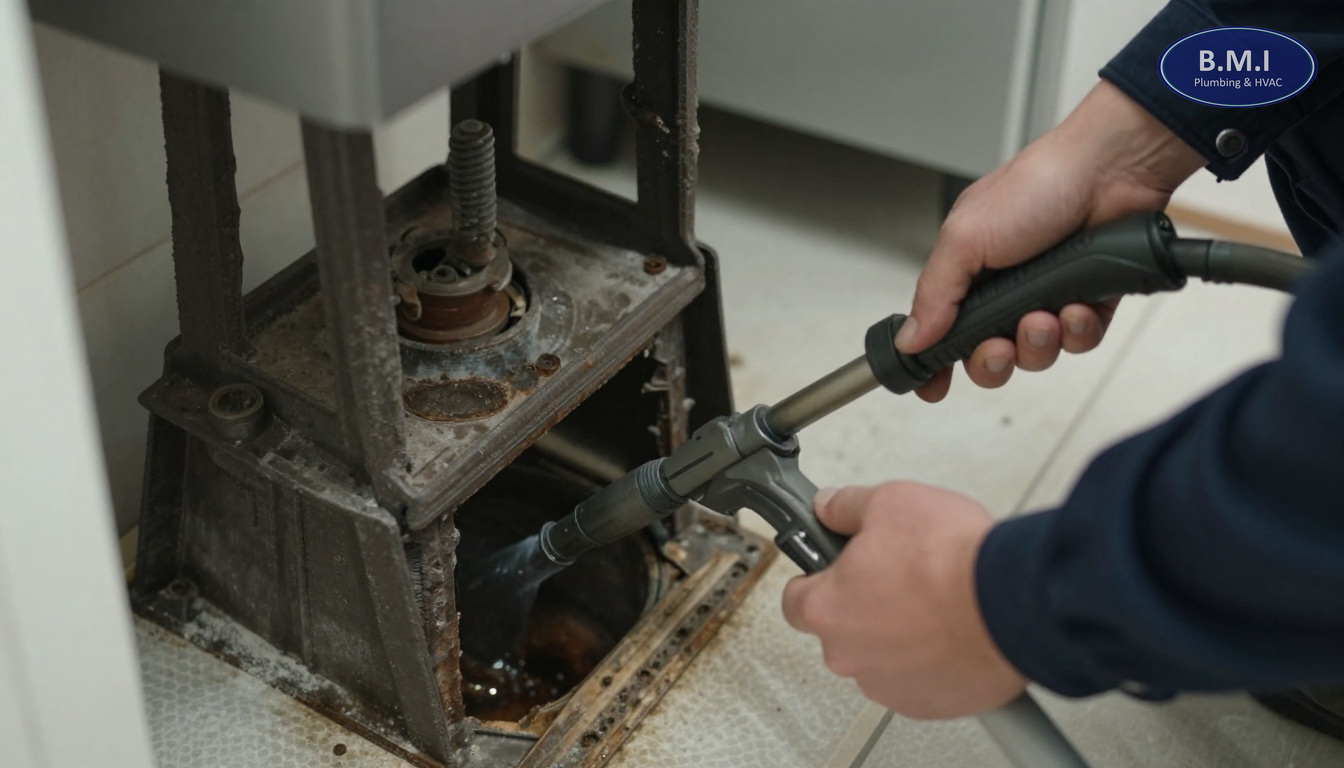
Hydro Jetting vs Snaking Condo Waste Stacks in Toronto
Hydro jetting vs snaking for condo waste stacks in Toronto: what each method does, costs, timing, and when a board …
Need a plumber in your building?
BMI services roughly 200 condominium and multi-residential buildings across Toronto and the GTA. Emergencies are answered at any hour.